
What you’ll learn:
- Tirzepatide is associated with side effects like nausea, diarrhea, and constipation, which generally subside over time as your body adjusts to the medication.
- Whether you take tirzepatide for weight loss, OSA, or diabetes, your dose will be increased gradually to maximize results while minimizing side effects.
- Serious but rare reactions that require medical attention can occur, and several warnings changed in 2026.
Tirzepatide is a prescription medication used to help manage weight, obstructive sleep apnea (OSA), or type 2 diabetes, depending on the brand and indication. But it’s best known for its effectiveness for weight loss, with people taking the highest dose losing an average of about 21% of their body weight over 18 months in clinical trials.
Sold under the brand names Zepbound® and Mounjaro®, it works by mimicking two natural hormones, GLP-1 and GIP, that help regulate appetite, slow digestion, and manage blood sugar. But these changes can also cause some uncomfortable side effects as your body adjusts.
The most common tirzepatide side effects are digestive issues, including nausea, stomach pain, diarrhea, and constipation. Side effects are often most noticeable when you first start treatment or increase your dose, which is why tirzepatide is started at a low dose and increased gradually.
But how many of these symptoms are actually caused by the medication? It’s an interesting question because people taking a placebo in clinical trials also report side effects. 56% of people taking Zepbound experienced at least one digestive side effect, compared with 30% taking a placebo. This means that changes in diet, eating habits, and weight can also affect how you feel. Comparing side effects between the two groups helps researchers better understand which symptoms are more likely related to tirzepatide itself.
And what about the more serious risks? Tirzepatide has been shown to be safe and effective for many people who meet the prescribing criteria, but like any medication, it comes with some risks. Some potentially serious side effects, including pancreatitis and gallbladder problems, are uncommon. There’s also an FDA boxed warning about thyroid cancer because tumors developed in animal studies, although a causal link to thyroid cancer in humans hasn’t been established. Understanding what the research actually shows, who shouldn’t take these medications, and how often these problems occur can help put the warnings into perspective.

The Easy Way
to lose weight and get healthy.
Whether you’re just starting tirzepatide or adjusting to a higher dose, we’ll break down how common each side effect is, when symptoms typically start and how long they last, and what helps. We’ll also look at how side effects vary by dose, whether Zepbound and Mounjaro differ, and which warning signs you shouldn’t ignore.
The most common side effects of tirzepatide: By dose
If you’re considering tirzepatide, you probably want to know two things: What side effects are you most likely to experience, and will they get worse as your dose increases?
Digestive issues are by far the most common. In Zepbound’s clinical trials, a little over half of people taking tirzepatide experienced at least one digestive symptom, compared with about a third of those taking a placebo. Most were mild to moderate, and many occurred when doses were increased. Other reported side effects include fatigue, dizziness, hair loss, and reactions at the injection site.
But not all side effects become more common as the dose increases. Some, like vomiting and diarrhea, tend to occur more often at higher doses, while others, like constipation, were actually reported less frequently.
To see how the numbers compare, let’s look at the clinical trial data. The tables below use results from two 72-week weight-management trials included in the Zepbound FDA prescribing information. They show how often people reported each symptom at different doses, alongside those who received a placebo—an injection without active medication. This comparison helps distinguish symptoms that may be related to tirzepatide from those that can occur even without the medication.
Digestive side effects by dose
| Side effect | 5 mg | 10 mg | 15 mg | Placebo |
|---|---|---|---|---|
| Nausea | 25% | 29% | 28% | 8% |
| Diarrhea | 19% | 21% | 23% | 8% |
| Vomiting | 8% | 11% | 13% | 2% |
| Constipation | 17% | 14% | 11% | 5% |
| Abdominal pain | 9% | 9% | 10% | 5% |
| Indigestion (dyspepsia) | 9% | 9% | 10% | 4% |
Each percentage represents the share of people who reported that side effect during the trials. For example, nausea affected 28% of people taking Zepbound 15 mg, compared with 8% taking a placebo. That’s about 28 out of every 100 people versus 8 out of every 100.
Notice that some symptoms, like vomiting and diarrhea, became more common at higher doses, while constipation was actually reported less often. This is why a higher dose doesn’t necessarily mean you’ll experience more of every side effect.
Other side effects people report
Digestive symptoms get the most attention, but they’re not the only changes people notice. Tirzepatide can also be associated with fatigue, dizziness, hair shedding, and other symptoms. Some may be related to the medication itself, while others may be influenced by eating less, changes in hydration, or weight loss.
Here’s how often these symptoms were reported in the same trials.
| Side effect | 5 mg | 10 mg | 15 mg | Placebo |
|---|---|---|---|---|
| Fatigue | 5% | 6% | 7% | 3% |
| Dizziness | 4% | 5% | 4% | 2% |
| Hair loss | 5% | 4% | 5% | 1% |
| Allergic reactions (hypersensitivity) | 5% | 5% | 5% | 3% |
| Burping | 4% | 5% | 5% | 1% |
| Dysesthesia (tingling, burning) | 0.2% | 0.2% | 0.4% | 0.1% |
A few things stand out. Fatigue was slightly more common at higher doses, but dizziness and hair loss remained relatively consistent. Hair loss is particularly interesting because it may be associated with the weight loss itself rather than a direct effect of tirzepatide.
Access GLP-1 Weight Loss with Noom
Explore a wide range of prescription medications supported by Noom’s program.
Microdose GLP-1rx
Noom GLP-1rx
Noom GLP-1rx Plus
Wegovy®
Ozempic®
Metformin
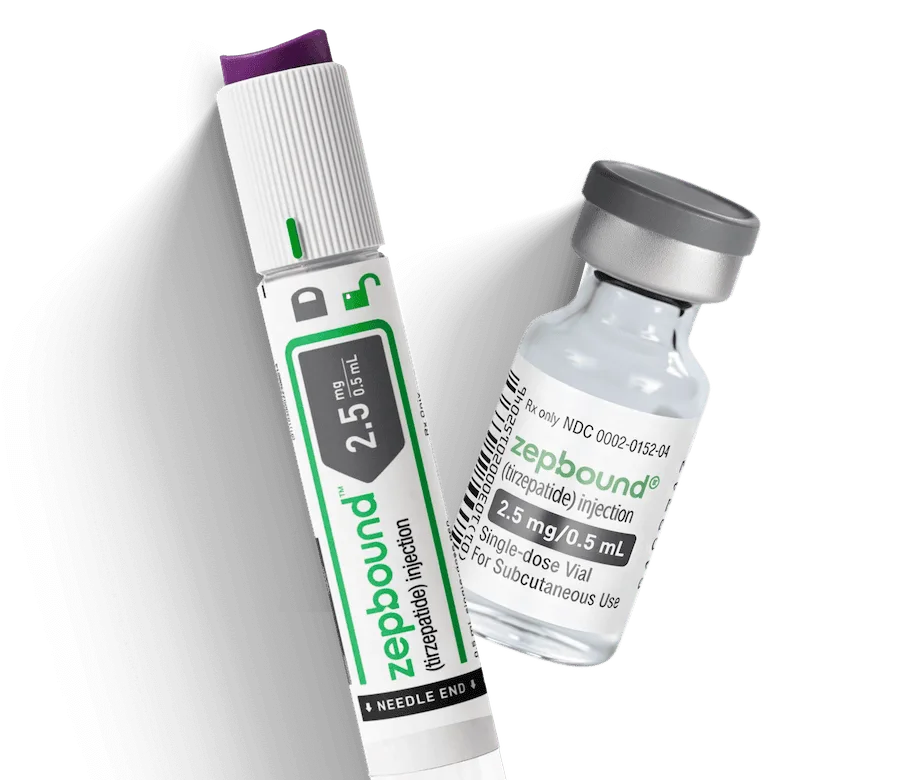
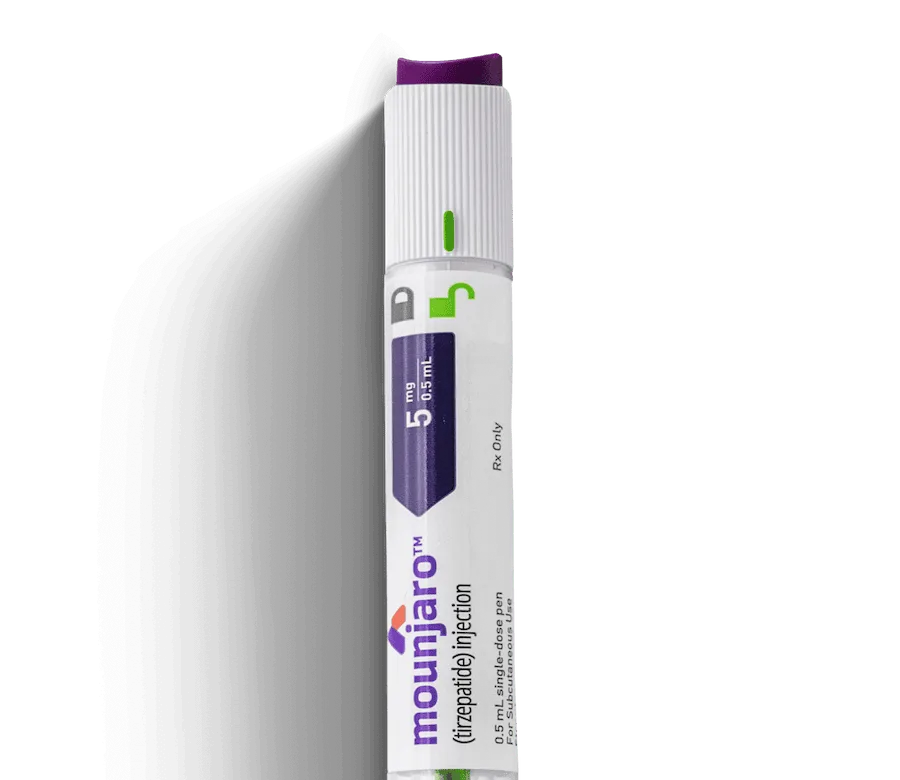
Zepbound®
Mounjaro®
Liraglutide
These numbers are useful for understanding what happened in clinical trials, but they can’t predict exactly how you’ll respond. Your dose, how quickly it’s increased, your eating habits, and your overall health can all influence your experience.
Other tirzepatide side effects people ask about
Some tirzepatide side effects get more attention because they’re unexpected or harder to connect to the medication. Here’s what we know about three of them.
Hair loss
Hair shedding affects about 4% to 5% of people taking Zepbound, compared with 1% taking a placebo. It was also more common in women (7.1%) than men (0.5%), according to the FDA prescribing information.
Hair loss appears to be associated with weight reduction rather than a direct effect of tirzepatide. Rapid weight loss can temporarily disrupt the hair growth cycle, leading to increased shedding. If you’re noticing thinning, talk with your provider about possible causes, including nutritional deficiencies or hormonal changes. See our guide to whether tirzepatide causes hair loss.
Heart rate and palpitations
Tirzepatide can cause a small increase in resting heart rate. In Zepbound’s clinical trials, heart rate increased by an average of 1 to 3 beats per minute, compared with no increase on placebo.
Episodes of a faster-than-normal heart rhythm, called sinus tachycardia, were also reported in Mounjaro’s diabetes trials, although the clinical significance remains uncertain.
A small increase in heart rate doesn’t necessarily mean something is wrong. But if you notice persistent palpitations, an unusually fast heartbeat, or symptoms like dizziness, talk with your healthcare provider. Chest pain, fainting, or difficulty breathing requires emergency care.
Tingling, burning, or sensitive skin (dysesthesia)
Dysesthesia is the medical term for unusual skin sensations, such as tingling, burning, numbness, or sensitivity to touch.
It’s received more attention recently because it was reported with higher-dose semaglutide, including Wegovy HD. But it can also occur with tirzepatide, although it’s uncommon.
In Zepbound’s clinical trials, dysesthesia affected 0.2% to 0.4% of people, depending on the dose, compared with 0.1% taking a placebo.
If you notice persistent or worsening skin sensitivity, tingling, or burning, let your healthcare provider know, particularly if the sensation spreads or interferes with daily activities.
Tirzepatide side effects: How long do they last?
Tirzepatide side effects are usually most noticeable when you first start treatment or increase your dose. The good news is that many digestive symptoms, including nausea, vomiting, and diarrhea, tend to improve as your body adjusts. But there’s no set timeline for how long they’ll last. Some people feel better within days, while others may experience symptoms for several weeks, particularly as their dose increases.
That’s why both Zepbound and Mounjaro follow a gradual dosing schedule. Rather than starting at a full treatment dose, your provider increases the amount slowly to give your body time to adjust.
Here’s how it typically works:
- Weeks 1–4: You start with 2.5 mg once a week. This is a starting dose designed to help your body adjust to potential side effects.
- Week 5 and beyond: Your dose typically increases to 5 mg weekly. If you need a higher dose and are tolerating treatment, your provider may increase it in 2.5 mg steps, with at least four weeks between increases.
- Maximum dose: The highest approved dose for adults is 15 mg once weekly. For children ages 10 and older taking Mounjaro for type 2 diabetes, the maximum is 10 mg weekly.
Some important things to know about managing tirzepatide side effects:
The Easy Way
to lose weight and get healthy.
- Not everyone needs to reach the highest dose. Your provider will consider how well the medication is working and whether you’re experiencing side effects before recommending an increase. Our tirzepatide dosing schedule explains each step in more detail.
- Side effects often improve over time. Most nausea, vomiting, and diarrhea occurred during dose increases and generally decreased over time. That means you might feel fine at one dose but notice symptoms again after moving to a higher one.
- Most people don’t need to stop treatment. Side effects can sometimes be difficult enough to discontinue treatment, but most people continue. In Zepbound’s weight-management trials, 4.8% to 6.7% of people stopped treatment because of side effects, depending on their dose, compared with 3.4% taking a placebo.
- Your provider can help adjust your dose. If your symptoms aren’t improving, are getting worse, or are making it difficult to eat or drink enough, talk with your healthcare provider. They may recommend delaying a dose increase, adjusting your treatment plan, or evaluating another cause. Don’t change your dose without medical guidance.
Severe or persistent abdominal pain, repeated vomiting, or signs of dehydration shouldn’t be ignored. These symptoms may require prompt medical attention rather than waiting for your body to adjust.
For a closer look at what to expect when starting treatment, see our guide to the most common Zepbound side effects in the first weeks.
Tirzepatide side effects: How to manage them
Most common tirzepatide side effects can be managed with a few adjustments to what, when, and how much you eat and drink. Because tirzepatide slows digestion and reduces appetite, eating large meals or going too long without enough food or fluids can sometimes make symptoms worse.
Many of the tips below come from Eli Lilly, the manufacturer of Zepbound and Mounjaro, along with guidance from medical organizations. They focus on making digestion easier, preventing dehydration, and helping you get enough nutrition while your body adjusts.
Here’s what may help with specific symptoms:
- Nausea: Try eating smaller meals throughout the day rather than a few large ones. Stop when you feel comfortably full, and avoid greasy or high-fat foods, which can make nausea worse. Bland foods like toast, crackers, or rice may be easier to tolerate. See our guide to managing Zepbound nausea for more tips.
- Diarrhea: Focus on staying hydrated, since frequent loose stools can cause fluid and electrolyte loss. Temporarily choosing low-fiber, easy-to-digest foods, such as white rice, bananas, or toast, may help. Avoid very fatty meals, and consider an oral rehydration solution if you’re losing a lot of fluid.
- Vomiting: Take small, frequent sips of clear fluids rather than drinking a large amount at once. Once vomiting settles, gradually try bland foods, such as crackers, toast, or rice. Repeated vomiting or an inability to keep fluids down needs prompt medical attention.
- Constipation: Since tirzepatide slows digestion, bowel movements may become less frequent. Increase fiber gradually, drink enough water, and try gentle movement, such as walking. Foods like berries, oats, and vegetables can help, but adding too much fiber too quickly may increase bloating.
- Stomach pain: Mild discomfort or bloating may improve with smaller meals and avoiding heavy, high-fat foods. But don’t assume significant abdominal pain is a normal part of treatment. Severe or persistent pain, especially if it spreads to your back or comes with vomiting, could be a sign of pancreatitis and requires immediate medical attention.
- Indigestion or heartburn: Eat slowly, avoid large meals, and stay upright after eating. Limiting foods that trigger reflux, such as spicy or fatty meals, may also help.
- Dizziness: Make sure you’re eating and drinking enough, particularly if nausea or diarrhea has reduced your intake. Stand up slowly, especially after sitting or lying down. If you also take insulin or a sulfonylurea, dizziness accompanied by sweating, shakiness, or confusion could indicate low blood sugar.
- Tiredness: Prioritize adequate sleep, regular meals, hydration, and light physical activity when you feel up to it. Eating significantly less than usual may contribute to low energy. See our guide to tirzepatide and fatigue for more.
- Dry mouth: Sip water regularly, and consider sugar-free gum to stimulate saliva. Persistent dry mouth, especially with dark urine or dizziness, may indicate dehydration.
- Changes in taste: Experiment with different seasonings, temperatures, and food textures to find what appeals to you. If changes in taste make it difficult to eat enough or persist, talk with your healthcare provider.
When side effects need medical attention
While most tirzepatide side effects are mild to moderate, some symptoms shouldn’t be managed with diet changes alone. According to the FDA prescribing information for Zepbound, certain symptoms may signal a more serious problem.
- Severe or persistent abdominal pain: Especially pain that radiates to your back, with or without vomiting, may indicate pancreatitis. Stop taking tirzepatide and seek immediate medical attention.
- Pain in the upper-right abdomen: Particularly with fever, nausea, or yellowing of the skin or eyes, may indicate gallbladder problems and requires prompt evaluation.
- Signs of dehydration: Very little urination, severe dizziness, or an inability to keep fluids down may lead to kidney problems and require urgent care.
- Signs of a serious allergic reaction: Swelling of the face, lips, tongue, or throat, difficulty breathing, or severe rash require emergency medical attention. Stop using the medication.
- Symptoms of low blood sugar: Shakiness, sweating, confusion, or a racing heartbeat may occur, especially when tirzepatide is combined with insulin or certain diabetes medications. Severe confusion, seizures, or loss of consciousness require emergency care.
If side effects are ongoing but not severe, your healthcare provider may recommend staying at your current dose longer, delaying an increase, or considering another treatment approach. Don’t change your dose on your own.
And if you drink alcohol, it’s worth knowing that it can sometimes worsen nausea, dehydration, or blood sugar changes. Our guide to tirzepatide and alcohol explains what to consider.
The goal isn’t to push through uncomfortable symptoms. It’s to find an approach that helps you get the benefits of treatment while feeling well enough to eat, move, and go about your day.
Tirzepatide injection side effects: Site reactions and how to reduce them
Because tirzepatide is injected once a week, you might notice some redness, itching, swelling, or mild discomfort where the needle goes in. These are called injection site reactions, and they’re usually mild and temporary.
In Zepbound’s weight-management trials, injection site reactions affected 6% to 8% of people taking tirzepatide, depending on their dose, compared with 2% taking a placebo. In Mounjaro’s type 2 diabetes trials, they occurred in 3.2% of people taking the medication versus 0.4% taking a placebo.
Both Zepbound and Mounjaro are injected under the skin of your abdomen, thigh, or upper arm. Depending on your prescription and what’s available, you may use a prefilled pen, a vial and syringe, or a multidose KwikPen. Each device works a little differently, so it’s important to follow the instructions for your specific product.
Tips to reduce injection site reactions
A few simple steps can help make injections more comfortable:
- Rotate your injection sites. Use a different spot each week rather than injecting into the same area repeatedly. You can use your abdomen, thigh, or upper arm, although another person should give injections into your upper arm. See our guide to where to inject tirzepatide.
- Clean and dry your skin. Use an alcohol swab and let the area dry completely before injecting.
- Avoid irritated skin. Don’t inject into areas that are bruised, tender, scarred, hard, or already irritated.
- Follow storage instructions. Check the instructions for your particular device before injecting. Don’t use medication that has been frozen or stored outside the recommended conditions.
- Use the correct technique. Follow the manufacturer’s instructions for your pen or vial. If you’re using a vial, always use a new sterile needle and syringe. Our guide explains how the Zepbound KwikPen works.
- Apply gentle pressure afterward. If you notice a little blood, gently press the area with gauze or cotton. Avoid rubbing the injection site.
You can find device-specific instructions from Lilly for Zepbound pens, Zepbound vials, and Mounjaro.
One important safety reminder: Never share injection pens, including multidose KwikPens, even if you change the needle. Sharing can spread blood-borne infections.
Mild redness or tenderness should generally improve on its own. But if the area becomes increasingly painful, warm, swollen, or develops pus, contact your healthcare provider, as these could be signs of infection. If you experience widespread hives, swelling of your face or throat, or difficulty breathing, seek emergency medical attention, as these may indicate a serious allergic reaction.
Serious tirzepatide side effects: How common are they?
Serious side effects from tirzepatide are uncommon, but it’s important to know what to watch for. Some occurred in fewer than 1% of people in clinical trials, and a few were reported at similar rates among people taking a placebo.
The table below uses data from the FDA prescribing information for Zepbound, primarily from its weight-management trials. It shows how often certain problems were reported and the symptoms that should prompt medical attention.
| Issue | Zepbound vs. placebo | Symptoms to watch for |
|---|---|---|
| Severe digestive problems | 1.7%–3.1% vs. 1% | Severe stomach pain, persistent vomiting, or inability to eat or drink |
| Pancreatitis (inflamed pancreas) | 0.2% vs. 0.2% | Severe or persistent abdominal pain, sometimes spreading to the back, with or without vomiting |
| Gallbladder inflammation | 0.7% vs. 0.2% | Upper abdominal pain, fever, yellowing of the skin or eyes, or pale stools |
| Gallstones | 1.1% vs. 1% | Upper-right abdominal pain, sometimes after eating, with nausea or vomiting |
| Acute kidney injury | 0.5% vs. 0.2% | Reduced urination, swelling, or severe dehydration, particularly after vomiting or diarrhea |
| Low blood sugar | 4.2% vs. 1.3%* | Shakiness, sweating, dizziness, confusion, or a racing heartbeat are more common with people also taking blood-sugar-lowering medications |
| Low blood pressure | 1.6% vs. 0.1% | Dizziness, lightheadedness, or fainting |
| Severe allergic reactions | 0.1% vs. 0% | Swelling of the face, tongue, or throat; difficulty breathing; or a severe allergic reaction |
Low blood sugar figures come from the Zepbound trial involving adults with type 2 diabetes and reflect blood glucose below 54 mg/dL. The risk is higher when tirzepatide is combined with insulin or sulfonylureas.
These numbers help put the risks into perspective, but they don’t mean a serious symptom should be ignored just because it’s rare. Seek emergency care for trouble breathing, swelling of the throat, fainting with severe symptoms, or severe abdominal pain. Persistent vomiting, signs of dehydration, or possible gallbladder symptoms also need prompt medical evaluation.
Other important warnings to know about
Some risks don’t have reliable percentages from clinical trials, but they’re still included in FDA safety information.
- Gastroparesis and bowel problems: Tirzepatide slows stomach emptying and isn’t recommended for people with severe gastroparesis. Bowel obstruction, ileus (when the intestines stop moving normally), and fecal impaction have also been reported after approval. Severe abdominal swelling, pain, vomiting, or an inability to pass stool or gas requires urgent evaluation. See our guide to Zepbound and gastroparesis.
- Vision changes: Rapid improvements in blood sugar can temporarily worsen diabetic retinopathy, an eye condition that affects some people with diabetes. If you have a history of it, your provider should monitor your eye health during treatment.
- Researchers are also investigating a possible link between GLP-1 medications and a rare condition called nonarteritic anterior ischemic optic neuropathy (NAION), but a connection to tirzepatide hasn’t been established. Seek emergency medical attention for sudden vision loss or significant changes in eyesight.
- Surgery and sedation: Tirzepatide slows stomach emptying, which may increase the risk of stomach contents entering the lungs during anesthesia or deep sedation. Tell your surgical or anesthesia team that you take tirzepatide before any procedure. Under multisociety guidance, most people can continue GLP-1 medications before surgery, but those at higher risk may need additional precautions, such as a liquid-only diet for 24 hours. See our guide to tirzepatide before surgery.
The important thing to remember is that rare doesn’t mean impossible, and a warning doesn’t mean you’ll experience that problem. Your personal risk depends on factors such as your medical history, other medications, and how your body responds to treatment.
If you’re unsure whether a symptom is related to tirzepatide, contact your healthcare provider rather than waiting for it to get worse.
Does tirzepatide cause cancer? Understanding the thyroid warning
There’s currently no established evidence that tirzepatide causes thyroid cancer in humans, but the medication carries an FDA boxed warning—the agency’s most prominent type of safety warning—about a potential risk of thyroid C-cell tumors.
Why the warning? In animal studies, tirzepatide caused thyroid C-cell tumors in rats. However, researchers don’t yet know whether the same risk applies to people. Both Zepbound and Mounjaro carry this warning.
Because of the potential risk, you shouldn’t take tirzepatide if you or someone in your family has had medullary thyroid carcinoma (MTC), a rare type of thyroid cancer. The medication is also contraindicated for people with multiple endocrine neoplasia syndrome type 2 (MEN 2), an inherited condition that increases the risk of certain tumors.
Tell your healthcare provider if you notice a lump or swelling in your neck, persistent hoarseness, trouble swallowing, or difficulty breathing. These symptoms don’t necessarily mean cancer, but they should be evaluated.
Can tirzepatide cause anxiety or depression?
The latest FDA review offers some reassurance. In January 2026, the agency reviewed 91 placebo-controlled clinical trials involving 107,910 people and found no increased risk of suicidal thoughts or behavior, anxiety, or depression among people taking GLP-1 medications compared with those taking a placebo.
Based on those findings, the FDA requested the removal of warnings about suicidal thoughts and behavior from certain weight-management medications, including Zepbound. The warning was removed from Zepbound’s prescribing information in February 2026. Mounjaro wasn’t among the products named in the FDA’s request.
That doesn’t mean mood changes should be ignored. If you experience new or worsening depression, anxiety, or unusual changes in mood or behavior while taking tirzepatide, talk with your healthcare provider.
If you or someone you know is experiencing suicidal thoughts or emotional distress, call or text 988 for free, confidential support, available 24 hours a day.
Zepbound vs. Mounjaro side effects: Why the numbers differ
Zepbound and Mounjaro contain the same active ingredient, tirzepatide, so they have the same potential medication-related side effects. But that doesn’t mean everyone will experience them in the same way.
Your dose, overall health, and other medications can all affect your risk. For example, someone taking Mounjaro for type 2 diabetes may also use insulin or another blood sugar-lowering medication, increasing the risk of hypoglycemia (low blood sugar). Someone taking Zepbound for weight management may have different health conditions or experience changes related to weight loss itself.
This also helps explain why the side effect percentages on the two FDA labels aren’t identical. The medications were studied in different populations:
- Zepbound: Its main weight-management trials included adults with obesity or overweight, both with and without type 2 diabetes, and lasted 72 weeks.
- Mounjaro: Its type 2 diabetes trials primarily involved adults managing diabetes, with an average treatment duration of about 36.6 weeks in the pooled placebo-controlled trials.
Because the studies involved different people, treatment durations, and trial designs, you can’t compare the percentages directly or conclude that one brand is safer than the other.
In both sets of trials, digestive symptoms such as nausea, diarrhea, vomiting, and constipation were among the most common side effects.
What else can affect your experience?
- Your dose: Some side effects, particularly vomiting and diarrhea, become more common at higher doses. Others, like constipation, don’t necessarily follow that pattern.
- Other medications: People taking insulin or sulfonylureas alongside tirzepatide have a greater risk of low blood sugar.
- Age: Mounjaro is also approved for children ages 10 and older with type 2 diabetes. In pediatric trials, some symptoms, including vomiting, abdominal pain, and low blood sugar, were reported more frequently than in adult trials.
- Other health conditions: Conditions such as diabetes, diabetic retinopathy, or existing digestive problems can affect which symptoms need closer monitoring. In Zepbound’s sleep apnea trials, the overall side effect profile was similar to that seen in weight-management studies.
The bottom line is that the brand name doesn’t determine which side effects you’ll experience. Your individual health, dose, and treatment plan matter more.
For more details, see our guides to Zepbound side effects, Mounjaro side effects, and Zepbound vs. Mounjaro.
Who shouldn’t take tirzepatide, and who needs extra precautions?
Tirzepatide can be safe and effective for many people, but certain medical conditions, medications, and life circumstances can make it unsuitable or require closer monitoring.
Who shouldn’t take tirzepatide?
According to the FDA prescribing information, you shouldn’t take Zepbound or Mounjaro if:
- You or someone in your family has had medullary thyroid carcinoma (MTC), a rare type of thyroid cancer.
- You have multiple endocrine neoplasia syndrome type 2 (MEN 2), an inherited condition associated with certain tumors.
- You’ve had a serious allergic reaction to tirzepatide or any of the medication’s ingredients.
What you should tell your provider before taking tirzepatide
Certain conditions don’t automatically rule out treatment, but they may affect whether tirzepatide is right for you:
- Digestive conditions: Tirzepatide isn’t recommended for people with severe gastroparesis, a condition that slows stomach emptying. Tell your provider about other significant digestive problems, too.
- History of pancreatitis or gallbladder problems: Your provider should know about previous episodes before prescribing treatment.
- Type 2 diabetes or diabetic retinopathy: Changes in blood sugar may require additional monitoring, particularly if you have diabetes-related eye disease.
- Other diabetes medications: Taking insulin or a sulfonylurea alongside tirzepatide can increase the risk of low blood sugar.
- Pregnancy or breastfeeding: Discuss your plans with your provider. Tirzepatide isn’t recommended for weight loss during pregnancy, and breastfeeding requires an individualized discussion.
- Oral birth control: Tirzepatide may reduce the effectiveness of birth-control pills, particularly when starting treatment or increasing your dose.
- Upcoming surgery or procedures: Tell your medical team you’re taking tirzepatide, especially if you’ll receive anesthesia or deep sedation.
Having one of these conditions doesn’t always mean you can’t take tirzepatide. Your healthcare provider can help weigh the potential benefits against your individual risks.
For complete prescribing precautions, see Noom’s Zepbound safety information and Mounjaro safety information.
Does tirzepatide have more side effects than semaglutide?
Tirzepatide (Zepbound) and semaglutide (Wegovy) have similar side effects, particularly digestive issues like nausea, diarrhea, vomiting, and constipation. But does one cause more problems than the other?
Both medications work on the GLP-1 hormone pathway, but tirzepatide also activates GIP receptors. They also have different dosing schedules and maximum doses. Zepbound goes up to 15 mg weekly, while Wegovy now has a 7.2 mg higher-dose option, called Wegovy HD.
One of the most useful comparisons comes from SURMOUNT-5, a head-to-head clinical trial comparing tirzepatide with semaglutide in adults with obesity but without diabetes. Both medications commonly caused digestive symptoms, which were generally mild to moderate and occurred most often during dose increases.
There are also some differences worth knowing:
- Digestive symptoms: Nausea, diarrhea, vomiting, and constipation are common with both medications. Individual symptoms and tolerability can vary, so one isn’t necessarily easier for everyone to take.
- Skin sensitivity: Tingling, burning, or unusual sensitivity to touch, called dysesthesia, has received more attention with Wegovy HD. It was reported in just 0.2% to 0.4% of people taking Zepbound in its clinical trials.
- Dose matters: Side effects may change as doses increase. The newer 7.2 mg Wegovy dose wasn’t part of the original head-to-head trial, so its side effect rates shouldn’t be directly compared with Zepbound’s separate trials.
The bottom line is that both medications have similar types of side effects, but how often and how strongly you experience them can differ. Your dose, health history, and individual response all matter.
For a closer look at the research, including Wegovy HD, see our complete guide to tirzepatide vs. semaglutide side effects.
Long-term side effects of tirzepatide: What we know so far
Tirzepatide has been studied for several years, and so far, researchers haven’t identified a new pattern of side effects that develops specifically with long-term use. Digestive issues like nausea, diarrhea, vomiting, and constipation remain the most common. But because tirzepatide is a relatively new medication, we’re still learning what happens when people take it for many years or even decades.
Here’s what we know from the research so far:
- After about 17 months: In Zepbound’s original weight-management trials, thousands of adults were followed for 72 weeks. Most side effects were mild to moderate, and digestive symptoms generally became less common as people adjusted to treatment.
- After about 20 months: Another study followed 335 people who received tirzepatide for up to 88 weeks. Researchers found that side effects were generally similar to those reported in the shorter trials.
- After about 4 years: A large study involving people with type 2 diabetes followed participants for a median of about four years. The findings provide additional information about longer-term safety, although they don’t necessarily tell us everything about people taking tirzepatide solely for weight management.
Can new side effects develop after years of treatment?
It’s possible, but so far, researchers haven’t identified a distinct group of side effects that only appears after years of taking tirzepatide.
Some risks, including gallbladder problems, dehydration-related kidney issues, and severe digestive symptoms, are already recognized. Other questions, including the potential risk of thyroid C-cell tumors, still need longer-term research.
It’s also important to distinguish medication side effects from changes related to weight loss itself. For example, rapid or substantial weight loss can contribute to temporary hair shedding, and eating significantly less may make it harder to get enough protein and other nutrients.
What happens if you stop taking tirzepatide?
Many medication-related digestive symptoms should gradually improve after stopping tirzepatide. But the medication’s effects on appetite and fullness also wear off, which can make maintaining weight loss more challenging.
In one study, people who stopped taking tirzepatide regained a substantial amount of weight over the following year, while those who continued treatment generally maintained or increased their weight loss.
Weight regain isn’t a side effect of the medication itself, but it’s an important consideration when thinking about long-term treatment.
What does this mean if you’re taking tirzepatide long term?
For many people, tirzepatide is intended to be an ongoing treatment rather than a short-term solution. But your dose and treatment plan should continue to reflect your health, how well the medication is working, and whether you’re experiencing side effects.
The World Health Organization supports long-term use of GLP-1-based medications for eligible adults while acknowledging that more research is needed on their long-term benefits and risks.
Regular check-ins with your healthcare provider can help you monitor symptoms, make sure you’re getting enough nutrition, and decide whether your current treatment plan is still right for you.
The bottom line: Several years of research provide some reassurance about tirzepatide’s safety, but we don’t yet have the evidence to know exactly what taking it for 10, 20, or 30 years might mean.
Are tirzepatide side effects different for women? What to know
Tirzepatide generally causes the same side effects in women and men, but there are a few additional considerations related to birth control, pregnancy, and hormonal changes. Some effects, like hair shedding, may also be reported more often by women.
Here’s what to know:
- Birth control: Tirzepatide slows stomach emptying, which can affect how oral contraceptives are absorbed and may make them less effective. The FDA prescribing information recommends switching to a non-oral contraceptive method or adding a barrier method, such as condoms, for 4 weeks after starting tirzepatide and 4 weeks after every dose increase. Non-oral hormonal contraceptives aren’t expected to be affected by this interaction.
- Pregnancy: Tirzepatide isn’t recommended for weight loss during pregnancy. If you become pregnant while taking Zepbound, stop the medication and contact your healthcare provider. Human pregnancy safety data remain limited, and animal studies have raised concerns about potential fetal harm. If you’re planning to become pregnant, discuss when to stop treatment with your provider.
- Breastfeeding: Available information is limited, although a small study described in the FDA prescribing information found little or no measurable tirzepatide in breast milk after a single dose. Researchers still don’t know enough about possible effects on breastfed infants or milk production. Your provider can help you weigh the benefits and potential risks.
- Hair loss: In Zepbound’s clinical trials, 7.1% of women reported hair loss, compared with 0.5% of men. This appears to be associated with weight reduction rather than a direct hormonal effect of tirzepatide. See our guide to tirzepatide and hair loss.
- Menstrual changes: Some people notice changes in their periods during significant weight loss, but research hasn’t established that tirzepatide directly causes menstrual irregularities. Changes in weight, hormone levels, and conditions such as PCOS can also influence menstrual cycles. Let your healthcare provider know if your periods become irregular or unexpectedly stop.
For more on these considerations, see our guide to Mounjaro side effects in women.
Frequently asked questions about tirzepatide side effects
Is tirzepatide safe?
For many people who meet the prescribing criteria, tirzepatide is considered safe and effective when used under medical supervision. Clinical trials show that most side effects are mild to moderate, particularly digestive symptoms like nausea, diarrhea, and constipation. Serious complications are uncommon, but tirzepatide does carry an FDA boxed warning about thyroid C-cell tumors. Your provider can help determine whether the benefits outweigh the risks based on your health history.
What happens if you stop taking tirzepatide?
When you stop taking tirzepatide, medication-related side effects generally improve as the drug leaves your system. But appetite may increase, and some people regain weight after stopping. In a clinical trial, people who stopped tirzepatide after initially losing an average of about 21% of their body weight regained an average of 14% of their weight over the following year, while those who continued treatment lost another 5.5%. See our guide to what happens when you stop taking tirzepatide.
Does tirzepatide cause muscle loss?
Weight loss with tirzepatide can include some loss of lean mass, which includes muscle. This isn’t unique to tirzepatide and can happen with weight loss from other approaches, too. Getting enough protein and incorporating strength training can help preserve muscle during treatment.
Can tirzepatide cause permanent side effects?
Most common tirzepatide side effects, such as nausea, diarrhea, and constipation, improve over time or after treatment stops. But certain serious complications, including severe pancreatitis or kidney injury, can sometimes have lasting consequences. Researchers are still studying the effects of taking tirzepatide for many years. If you experience persistent or worsening symptoms, contact your healthcare provider rather than waiting for them to resolve on their own.
Reviews from real Noom users

“My favorite parts of Noom are the care team and other Noomers. Sharing and getting help made me feel like I wasn’t doing it alone. That support made all the difference.”
Desirea N. — Real Noom user
“Noom has taught me that every day is a new chance to make better, healthier choices. It’s taught me how to stop overeating.”
Matthew M. — Real Noom user

“Clinicians who understand how supportive medication can be is one of the best parts of Noom! I was convinced I wouldn’t have success but I’m down 11 pounds in two months.”
Lila M. — Real Noom user
“Noom provided me with the medication which I could not get through Medicare. I have learned the tricks to better eating and life in general.”
Steve M. – Real Noom user
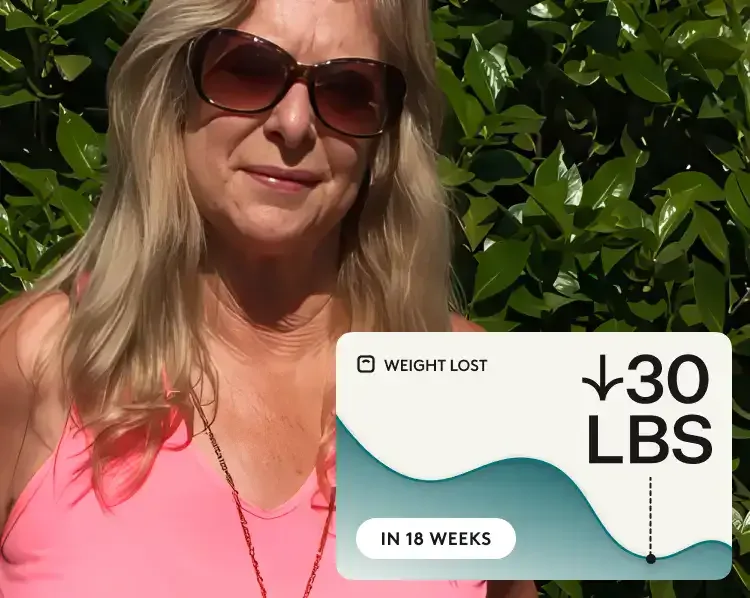
“Noom has changed my life and I’m so thankful, I feel great, have more energy and am no longer prediabetic.”
Daisy R. – Real Noom user
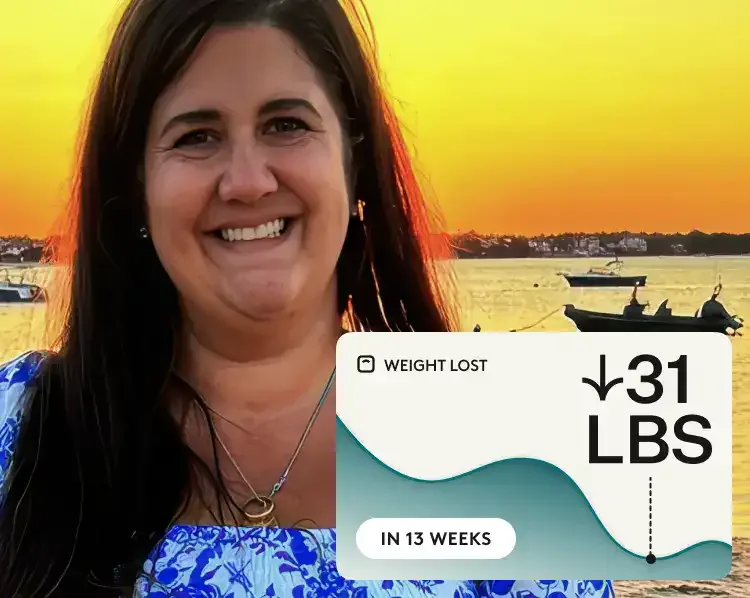
“All of the Noom providers that I’ve met with have been exceptional and prescribed medications that are appropriate for my situation and health.”
Sarah R. – Real Noom user
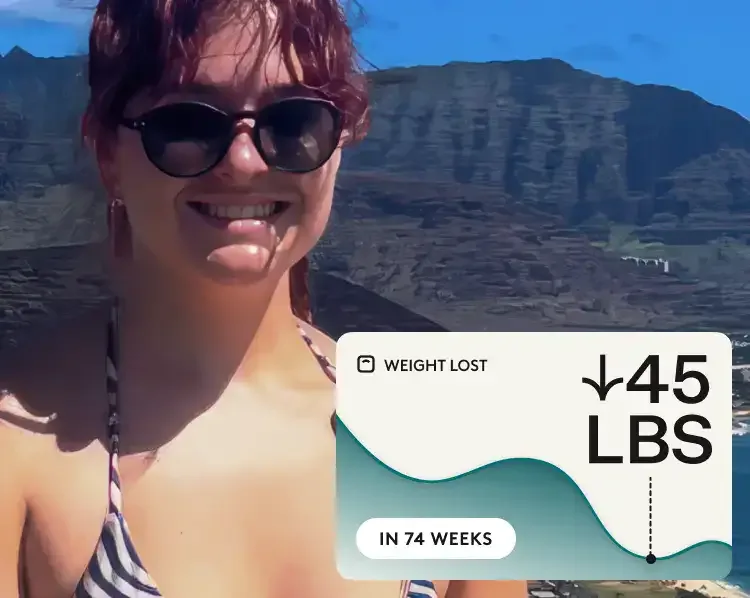
“Noom made the process so simple and now I feel full, free from diet obsession, and at ease in my body again.”
Madison S. – Real Noom user
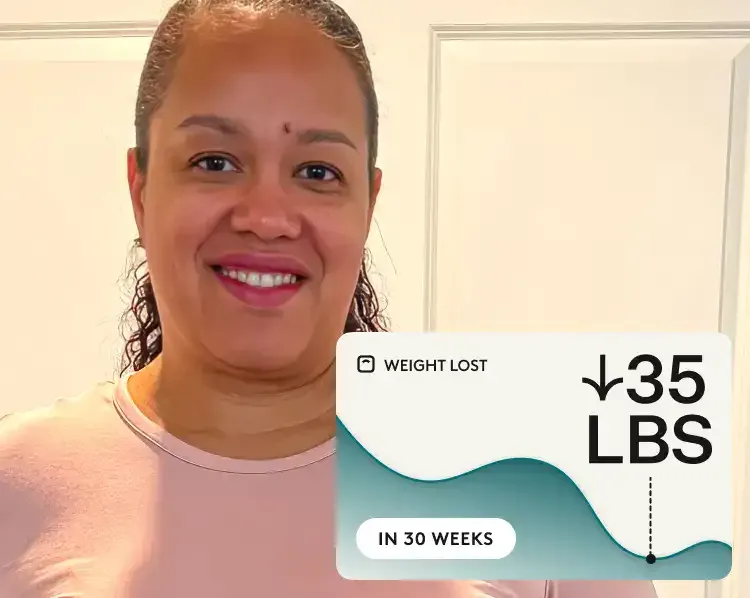
“My doctor recommended Noom after I was frustrated trying to lose weight. The lessons helped change my relationship with food. My body feels lighter & energized.”
Sonday K. – Real Noom user
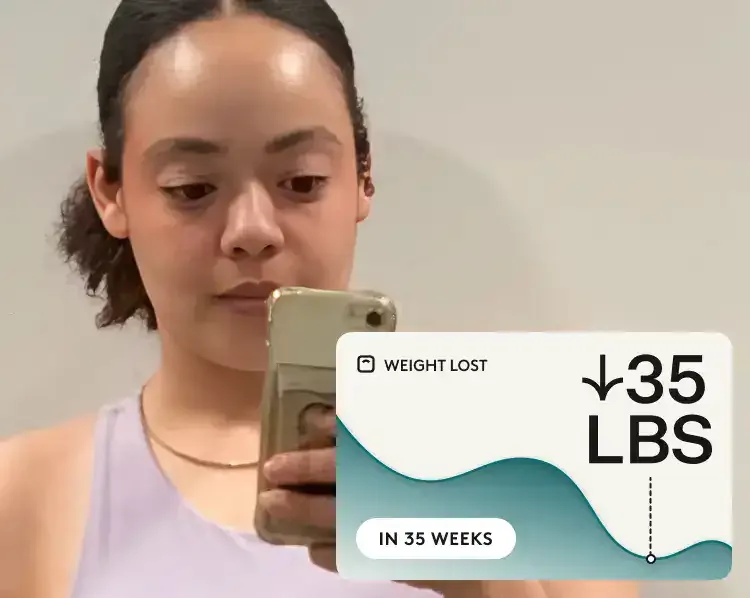
“I built healthy habits with coaching and lessons that make me confident I can maintain my weight loss long term.”
Cam K. – Real Noom user
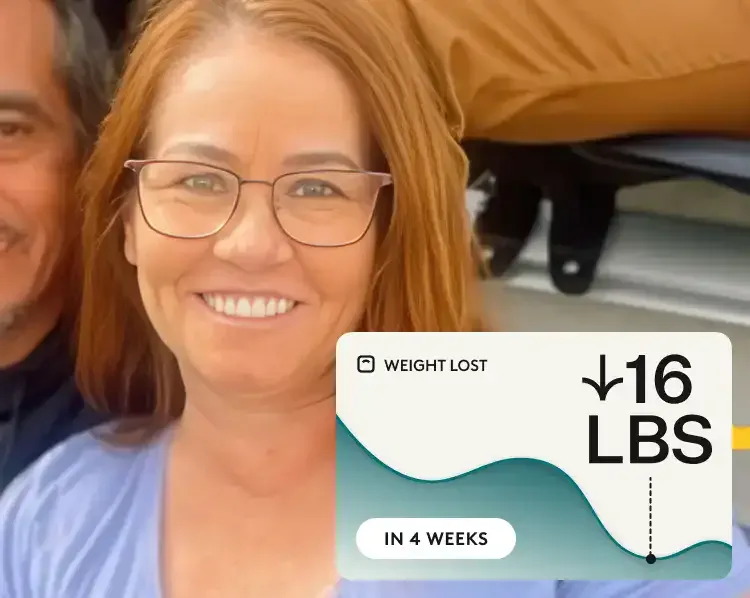
“With the right medication through Noom, hunger and sugar cravings finally quieted and I have the tools to break the cycle.”
Laura TR. – Real Noom user
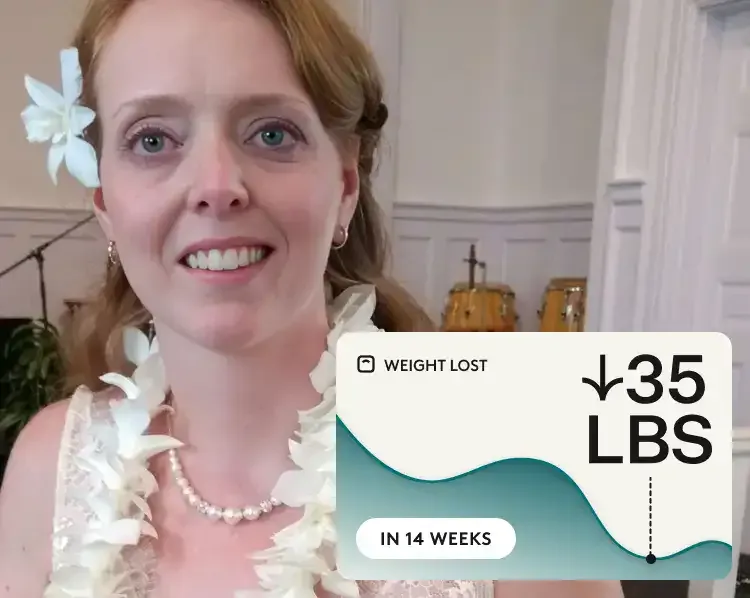
“Cravings and food noise are gone, I finally feel confident in the healthy habits I’ve built to last with Noom.”
Jessica S. – Real Noom user
The bottom line: Tirzepatide side effects are generally manageable but should be monitored
Tirzepatide can be highly effective for weight loss and blood sugar management, but like any medication, it comes with potential side effects. Nausea, diarrhea, constipation, and vomiting are the most common, particularly when starting treatment or increasing your dose. The good news is that most are mild to moderate and tend to improve as your body adjusts.
Serious side effects, including pancreatitis, gallbladder problems, and severe digestive issues, are uncommon but important to recognize. And while several years of research offer reassurance about tirzepatide’s safety, we’re still learning about its effects over decades of use.
The goal isn’t to avoid every side effect. It’s to find a treatment plan that works for your health and your life. Eating smaller meals, staying hydrated, getting enough protein, and working with your provider on dosing can help you feel your best during treatment.
Whether you’re considering tirzepatide for the first time, adjusting your dose, or thinking about long-term use, staying informed is one of the most important tools you have. If you want to know whether a tirzepatide medication like Zepbound or Mounjaro is right for you, see if you qualify for medication through Noom. If you do, our clinicians can prescribe medication where needed, and you’ll get access to a program designed to help you lose weight and improve your habits and long-term health.
Editorial standards
At Noom, we’re committed to providing health information that’s grounded in reliable science and expert review. Our content is created with the support of qualified professionals and based on well-established research from trusted medical and scientific organizations. Learn more about the experts behind our content on our Health Expert Team page.