

What you’ll learn:
- Without insurance, Mounjaro® has a list price of about $1,112 per month, but eligible people prescribed it for type 2 diabetes can pay $499 through LillyDirect®.
- LillyDirect® is generally the cheapest way to get Mounjaro® without insurance, offering the same $499 starting price at all six doses.
- If you’re taking Mounjaro® for weight loss, manufacturer discounts aren’t available, but Zepbound® contains the same active ingredient and offers lower self-pay prices.
If you’re considering Mounjaro®, what you’re taking it for can make a big difference in what you pay. Mounjaro® is a once-weekly injection approved for type 2 diabetes, but it’s also sometimes prescribed off-label for weight loss. While the medication is the same, the costs and savings options can be very different.
Without insurance, Mounjaro® has a list price of about $1,112 for a 28-day supply. But if you’re prescribed it for type 2 diabetes, you may qualify for a lower price of $499 per month through Eli Lilly’s LillyDirect® program. If you’re taking it for weight loss, that discount isn’t available, and insurance generally won’t cover it for that purpose.
If weight loss is your primary goal, Zepbound® may be a more affordable option. It contains the same active ingredient, tirzepatide, at the same doses, but is FDA-approved for weight management and offers lower self-pay prices through manufacturer programs. Because it contains the same medication, effectiveness is comparable, with clinical trials showing average weight loss of about 21% at the highest approved dose.
Here’s how much Mounjaro® costs without insurance in 2027, how prices differ for diabetes and weight loss, and where to find the best savings.
Mounjaro® price snapshot (estimated monthly costs)
- List price: $1,112.16 per 28-day supply.
- For diabetes with insurance: As little as $25 for up to a 3-month supply with the Savings Card, if eligible.
- For diabetes without insurance: $499 per month through LillyDirect® for eligible patients.
- For weight loss without insurance: Often over $1,000 per fill; Zepbound® may be a cheaper alternative.
Current Savings Card offers end December 31, 2026—check updated terms before a 2027 fill.
News: Mounjaro® cost and price changes for 2026 and 2027
Recent announcements have changed how some people pay for GLP-1 medications. These are the dates to know—and what each update means for Mounjaro®.
Noom’s Most Powerful Program
A dual-pathway GLP-1 and behavior change for lasting results.
- January 1, 2027 – Medicare Part D’s new annual limits take effect. The out-of-pocket cap for covered Part D drugs rises to $2,400, from $2,100 in 2026. The maximum deductible increases to $700, from $615. These limits apply across covered Part D prescriptions, including Mounjaro® when your plan covers it for type 2 diabetes; they aren’t a Mounjaro®-specific price.
- December 31, 2026 – Current Mounjaro® Savings Card offers end. Both the offer for people with Mounjaro® coverage and the offer for commercially insured people without coverage have this expiration date. Check Lilly’s updated terms before relying on either offer for a 2027 fill.
- July 1, 2026 – The Medicare GLP-1 Bridge Program launched. The temporary program gives eligible Part D beneficiaries access to certain medications for weight loss outside ordinary Part D coverage and continues through December 31, 2027. Mounjaro® isn’t included. Its sister brand, Zepbound® KwikPen®, is included for eligible people; those with type 2 diabetes use their Part D benefits instead. Learn more about Bridge eligibility. CMS also says BALANCE won’t launch in Part D in 2027.
- February 24, 2026 – Novo Nordisk announced lower 2027 list prices. Specified Wegovy®, Ozempic®, and Rybelsus® products will have a $675 list price starting January 1, 2027. This doesn’t apply to Mounjaro®, which is made by Lilly, and Novo’s announcement explicitly says its self-pay prices aren’t affected.
- November 6, 2025 – Lilly announced an agreement to expand lower-cost access. The agreement included adding Mounjaro® to LillyDirect® at reduced self-pay prices. The current offer starts at $499 per month at every dose. The White House also named a $245 Medicare price, but that figure isn’t a guaranteed pharmacy copay or an established Mounjaro® benefit you can enroll in. Use your Part D plan’s actual cost estimate when budgeting.
How much does Mounjaro® cost per month without insurance in 2027?
Eli Lilly has set the list price for Mounjaro® at $1,112.16 for a 28-day supply. Think of this as the sticker price before insurance or discounts. Your pharmacy’s retail price may be different.
What you actually pay depends largely on whether you’re prescribed Mounjaro® for type 2 diabetes or weight loss:
- For type 2 diabetes: Eligible people can pay $499 per month through LillyDirect®, with the same advertised price at all six doses. You don’t need insurance to qualify.
- For weight loss: Because Mounjaro® isn’t approved for weight management, the LillyDirect® discount isn’t available for this use. You’ll likely pay the retail price, which can exceed $1,000 per fill. Zepbound®, which contains the same medication, may cost less.
Other costs of taking Mounjaro®: Doctor’s visits, lab work, and follow-ups
Beyond the medication, you may need to budget for an initial appointment, follow-up visits, and occasional lab work. These costs can add up, particularly if you don’t have insurance or they’re not included in a care program.
Also, a 28-day supply isn’t quite the same as a calendar month. At $499 per fill, 13 fills would cost $6,487 for 364 days of medication, before any additional care costs.
The cheapest way to get Mounjaro® without insurance in 2027
Without insurance, start with LillyDirect®’s current $499-a-month self-pay offer. If you have coverage, check your copay first—it may be lower. Here are the options by situation:
Without insurance
- LillyDirect® self-pay: Starting at $499 per month. All six doses have the same advertised starting price. You must be 18 or older, live in the U.S. or Puerto Rico, and have a prescription for an FDA-approved use. You pay cash without submitting the purchase to insurance. The full eligibility and ordering steps are in the LillyDirect® section below.
- Retail pharmacy with a discount: Price varies. Compare the final cash price with and without a coupon such as GoodRx. Amazon also advertises a $499 manufacturer-coupon price for eligible people, so check the offer rules before assuming it applies to you. The pharmacy comparison below shows dated examples.
With insurance
- If commercial insurance covers Mounjaro®: As little as $25 total for up to a 3-month fill with the Savings Card. You must meet the card’s rules, including having a prescription for an approved use. Savings limits apply, so your final cost may be higher.
- If commercial insurance doesn’t cover Mounjaro®: As low as $499 for a 28-day fill with the Savings Card. This is a different offer from LillyDirect® self-pay. It requires commercial drug insurance and a prescription for an approved use.
- If you have Medicare and type 2 diabetes: Check your Part D benefits. Your cost depends on your plan’s coverage and requirements. In 2027, spending on covered Part D drugs is capped at $2,400 across those prescriptions, excluding premiums.
The current commercial Savings Card offers end December 31, 2026. See the Savings Card section for full limits and check Lilly’s terms before a 2027 fill.
Is Mounjaro® on TrumpRx?
Yes. TrumpRx.gov lists Mounjaro® starting at $499, compared with an original price of $1,112.16—a discount of about 55%. The site directs you to LillyDirect® for savings options and delivery. It’s another route to the manufacturer’s self-pay offer, rather than a separate pharmacy or an extra coupon.
This access follows Lilly’s November 2025 government agreement, which included reduced self-pay pricing for Mounjaro®. If you have coverage, compare your copay before choosing cash pay.
Mounjaro® costs in 2027: Real-life scenarios
There isn’t one Mounjaro® price that applies to everyone. Comparing how you pay—cash, a manufacturer offer, or insurance—gives you a clearer idea of the medication cost before adding visits and lab work.
| Payment situation | Estimated medication cost | Who this applies to |
|---|---|---|
| LillyDirect® self-pay | Starting at $499 per month at every dose | Adults paying cash for a prescription for an FDA-approved use; terms apply |
| TrumpRx.gov | Starting at $499 per month | Routes you to LillyDirect®; this isn’t an additional discount |
| Manufacturer list price | $1,112.16 per 28-day supply | A pricing benchmark, not a guaranteed pharmacy price |
| Commercial insurance covers Mounjaro® + Savings Card | As little as $25 total for a 1-, 2-, or 3-month fill | Eligible commercially insured adults with a prescription for an FDA-approved use |
| Commercial insurance doesn’t cover Mounjaro® + Savings Card | As low as $499 per 28-day supply | Eligible commercially insured adults with a prescription for an approved use; savings limits apply |
| Regular retail or pharmacy coupon | Often over $1,000 per fill | People buying at a pharmacy outside a lower-priced manufacturer offer |
| Medicare Part D for type 2 diabetes | Depends on your plan | Covered Part D drug spending is capped at $2,400 in 2027; premiums excluded |
Prices checked November 4, 2026. Manufacturer offers have eligibility rules and can change. The Savings Card offers below currently end December 31, 2026; check for updated terms before a 2027 fill. “Month” generally means 28 days for Mounjaro® pens. Prices exclude care fees and any applicable taxes or additional charges. Sources: LillyDirect®, Lilly’s pricing FAQ, Savings Card terms, TrumpRx.gov, and Medicare.
Access GLP-1 Weight Loss with Noom
Explore a wide range of prescription medications supported by Noom’s program.
Microdose GLP-1rx
Noom GLP-1rx
Noom GLP-1rx Plus
Wegovy®
Ozempic®
Metformin
Zepbound®
Mounjaro®
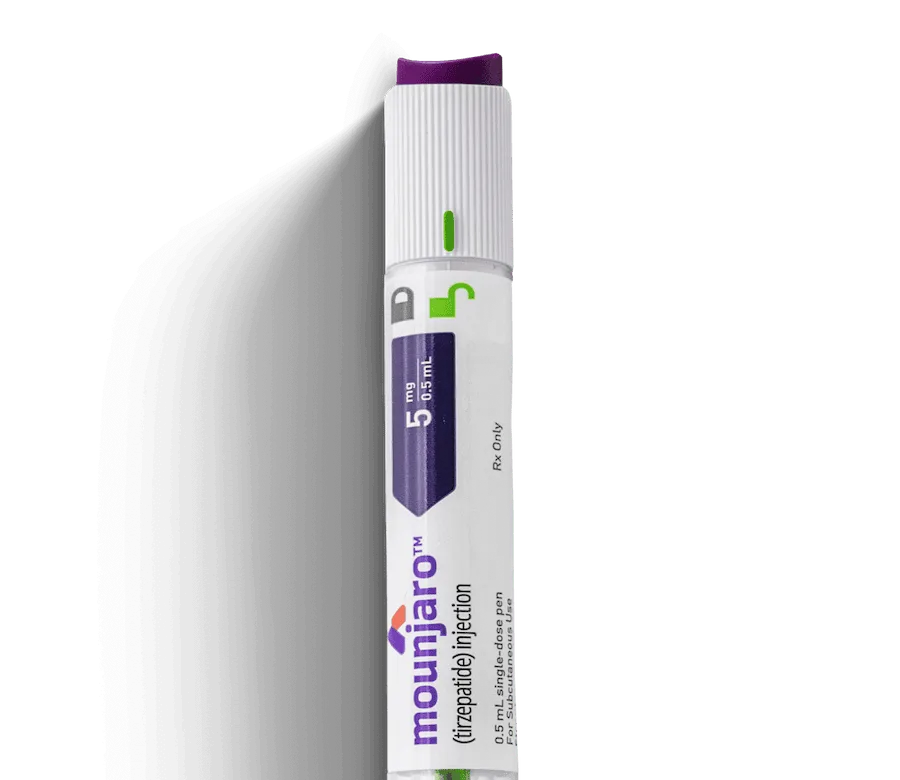
Liraglutide
Mounjaro® cost by pharmacy
If you are paying cash for Mounjaro®, the pharmacy you choose can have an impact on what you end up paying. Cash prices aren’t fixed, and they often vary by retailer, location, and dose. The prices below are for Mounjaro® single-dose prefilled pens. A 28-day supply contains four pens, with one weekly injection per pen. Compare regular prices and discounts separately so you know which offer you’re eligible to use.
Example pharmacy quotes checked November 4, 2026. The GoodRx comparison below used the page requested for one carton of four 12.5 mg single-dose pens and displayed ZIP code 50307. These are local examples, not nationwide price ranges. Amazon’s listing is separate and may apply different coupon eligibility rules.
| Pharmacy or program | Mounjaro® format | Regular price shown | Discount or self-pay price shown |
|---|---|---|---|
| LillyDirect® | Four single-dose prefilled pens (28 days) | Not a regular retail quote | Starting at $499 per month at all six doses; eligibility rules apply |
| Costco | Four single-dose pens | $1,461.46 | $1,386.42 with GoodRx |
| Walmart | Four single-dose pens | $1,335.30 | $1,161.15 with GoodRx |
| CVS | Four single-dose pens | $1,312.00 | $1,150.50 with GoodRx |
| Walgreens | Four single-dose pens | Not separately shown | $1,197.79 in GoodRx results |
| Amazon Pharmacy | Single-dose pens; confirm strength and quantity | $1,123.00 on its listing | Starting at $499 with a manufacturer coupon, if eligible |
| GoodRx comparison | Single-dose pens | Varies by pharmacy | Coupon prices vary by dose and ZIP code; no insurance required |
Sources: GoodRx’s pharmacy comparison and Amazon Pharmacy. Quotes can change before checkout.
How much is Mounjaro® through LillyDirect® without insurance?
LillyDirect® advertises single-dose pens starting at $499 per 28-day supply at every dose for eligible adults with a prescription for an approved use. You pay outside insurance. See the next section for eligibility, dose prices, and ordering steps.
How much is Mounjaro® at Costco without insurance?
The comparison displayed $1,461.46 before the GoodRx discount and $1,386.42 with it. Costco wasn’t the least expensive pharmacy in this example. Ask your local pharmacy about its cash and member-discount prices before deciding where to fill.
How much is Mounjaro® at Walmart without insurance?
Walmart’s example quote was $1,335.30 before the discount and $1,161.15 with GoodRx. Confirm that your coupon matches your dose, quantity, and selected Walmart location.
How much is Mounjaro® at CVS without insurance?
CVS displayed $1,312 before the discount and $1,150.50 with GoodRx. That’s still above the manufacturer’s current advertised self-pay starting price, so compare both routes.
How much is Mounjaro® at Walgreens without insurance?
The Walgreens quote in GoodRx’s results was $1,197.79. A separate undiscounted price wasn’t displayed in that comparison. Ask the pharmacy to confirm the final cash or coupon price for your prescription.
How much is Mounjaro® at Amazon Pharmacy without insurance?
Amazon Pharmacy carries Mounjaro® and displayed a $1,123 regular price, with a manufacturer-coupon price starting at $499 for eligible people. The lower advertised price includes a coupon; it isn’t an unconditional price for everyone without insurance. Check the offer terms and final checkout amount.
TrumpRx.gov also lists Mounjaro® starting at $499 through LillyDirect®; see the LillyDirect® section below.
LillyDirect® self-pay program: Who qualifies and what it costs
LillyDirect® is Eli Lilly’s direct-to-consumer route for ordering Mounjaro® at a cash price. Its current offer covers single-dose prefilled pens, with prices starting at $499 for a 28-day supply at all six dose strengths.
That means the advertised starting price stays the same as your prescribed dose increases. A month’s supply contains four single-dose pens; you use a new pen for each weekly injection.
Who qualifies for LillyDirect® self-pay?
Under the Mounjaro® self-pay purchase terms, you must:
- Be at least 18 years old and live in the U.S. or Puerto Rico.
- Have a prescription for a use approved in Mounjaro®’s FDA labeling (which can’t be weight loss).
- Pay out of pocket without seeking reimbursement from insurance or another payer.
- Agree that the purchase won’t count toward an insurance deductible or out-of-pocket limit, including Medicare Part D’s limit.
You don’t need commercial insurance for this offer. If you have insurance, compare your covered price first. People with Medicare Part D can choose this cash-pay route under the program’s terms, but the purchase stays outside their Part D benefits.
An off-label weight-loss prescription doesn’t meet this offer’s approved-use requirement. If weight management is your goal, ask your clinician about Zepbound® and its self-pay options.
Noom’s Most Powerful Program
A dual-pathway GLP-1 and behavior change for lasting results.
Mounjaro® pricing by dose
LillyDirect® currently advertises the same starting price at each Mounjaro® dose. This table covers the single-dose prefilled pen offer.
| Dose | Single-dose pens (self-pay, 28-day supply) |
|---|---|
| 2.5 mg | Starting at $499 |
| 5 mg | Starting at $499 |
| 7.5 mg | Starting at $499 |
| 10 mg | Starting at $499 |
| 12.5 mg | Starting at $499 |
| 15 mg | Starting at $499 |
Each fill contains four single-dose pens. Prescription and eligibility requirements apply; additional taxes or fees may apply. Source: LillyDirect® Mounjaro® pricing.
What does the self-pay price include?
The advertised starting price covers the medication. It doesn’t include your clinician visits or lab work, and additional taxes or fees may apply. Check the final checkout total before ordering.
How to fill your prescription
Ask your clinician to send your Mounjaro® prescription electronically to LillyDirect® Pharmacy using the details on the official Mounjaro® page. Once it arrives, a pharmacy partner will contact you to confirm your information, review savings options, and help you complete your order.
Before paying, check the dose, device, quantity, and final cost. LillyDirect® advertises free delivery and support with local pharmacy pickup; confirm the options and timing for your prescription with the pharmacy partner. You can also begin through TrumpRx.gov, which directs you to LillyDirect® at the same advertised starting price.
Restrictions
The self-pay offer is separate from insurance and the commercial Savings Card. You must meet its purchase terms, including being at least 18, living in the U.S. or Puerto Rico, and having a prescription for an approved use.
You can’t seek insurance reimbursement for a self-pay purchase or count it toward an insurance deductible or out-of-pocket limit, including Medicare Part D’s limit. A valid prescription is always required. Check current eligibility, availability, and final charges before ordering.
Mounjaro® cost by dose (2.5 mg to 15 mg)
Mounjaro® is increased gradually, starting at 2.5 mg once weekly and moving to 5 mg after four weeks. Adults who need more blood sugar control may increase by 2.5 mg after at least four weeks at their current dose, up to 15 mg weekly. Your clinician decides whether an increase is appropriate; reaching the highest dose isn’t the goal for everyone.
The six adult dose strengths have the same advertised LillyDirect® self-pay starting price. Pharmacy quotes can differ by strength and location. The prices below refer to the single-dose pen offer, not every presentation included in the prescribing information.
Mounjaro® can also lead to weight loss during diabetes treatment. In SURPASS-2, the 15 mg group lost an average of 13.1% of their starting weight over 40 weeks in an analysis focused on people taking treatment without needing additional blood sugar medication. Participants had type 2 diabetes and were also taking metformin. This doesn’t mean 15 mg is the right dose for everyone, or that Mounjaro® is approved for weight loss.
Mounjaro® cost without insurance
As of right now, the cost is the same for all doses:
- LillyDirect® self-pay: Starting at $499 per month.
- List price: $1,112.16 per 28-day supply.
- Retail pharmacy: Ask for a quote for four 2.5 mg pens; discounts and location affect the amount.
Mounjaro® Savings Card: How it works and who qualifies
If you see people talking about getting Mounjaro® for $25 a month, they are usually talking about the manufacturer savings card from Eli Lilly. This card can lower what you pay, but it only works in certain situations.
These published offers end December 31, 2026. Check Lilly’s current terms before using the card in 2027.
Who qualifies for the Mounjaro® Savings Card?
You may qualify if you:
- Have commercial or employer-sponsored prescription drug insurance.
- Have a prescription for Mounjaro® single-dose pens for an FDA-approved use (which cannot be weight loss).
- Live in the U.S. or Puerto Rico and are at least 18 years old.
- Meet the card’s other terms each time you fill your prescription.
Your insurance must cover Mounjaro® to access the $25 offer. If it doesn’t, the separate $499 offer may apply. Being listed on a plan’s formulary—the list of drugs it covers—doesn’t remove any prior authorization or other requirements.
You aren’t eligible if you have no commercial drug insurance or are enrolled in Medicare, Medicaid, VA, Department of Defense, TRICARE, or other excluded government-funded coverage. The card doesn’t apply to prescriptions written solely for off-label weight loss.
How the Savings Card lowers your copay
If you have commercial insurance that covers Mounjaro®, the savings card can lower your cost to as little as $25 total for up to a 3-month prescription. A “month” is defined as 28 days and up to 4 single-dose pens. A 3-month supply equals up to 12 pens.
Your pharmacy processes insurance first, then applies the card within the program’s limits. A 3-month fill also depends on what your clinician prescribes and what your insurer and pharmacy allow. The $25 amount isn’t guaranteed if the discount limit leaves you with a higher balance.
What happens if insurance doesn’t cover Mounjaro®?
If you have commercial drug insurance but no Mounjaro® coverage, the current card may lower the price to as low as $499 for a 28-day fill. You still need a prescription for an FDA-approved use. If you have no insurance at all, compare the separate LillyDirect® self-pay route.
Monthly and annual maximum limits
| Current Savings Card tier | Maximum savings | Fill limit and end date |
|---|---|---|
| Commercial insurance covers Mounjaro® | $150 per 1-month fill; $300 per 2-month fill; $450 per 3-month fill; $1,950 per calendar year | Up to 13 fills per calendar year; ends December 31, 2026 |
| Commercial insurance doesn’t cover Mounjaro® | $647 per month; $8,411 per calendar year | Up to 13 fills per calendar year; ends December 31, 2026 |
These are maximum discounts, not guaranteed final prices. Source: Lilly’s full terms.
How to use the Mounjaro® Savings Card
1. Visit the official Mounjaro® savings page and check eligibility.
2. Talk with your healthcare provider about whether a 1-month or 3-month prescription makes sense for you.
3. Check your insurance plan to confirm if 3-month fills are allowed and whether any restrictions apply.
4. Contact your pharmacy to make sure they can fill the prescription amount your provider writes.
5. Show your insurance card and activated savings card, including its BIN, PCN, and Group codes, when the pharmacy processes the prescription.
Is there a Mounjaro® patient assistance program?
Lilly Cares’ available medications list currently doesn’t include Mounjaro® or Zepbound®. The foundation’s free-medication program is separate from LillyDirect® self-pay pricing and manufacturer savings cards.
You can contact Lilly Support Services at 1-800-LillyRx (1-800-545-5979) to ask about affordability options. Don’t assume that meeting income requirements means Mounjaro® is available through Lilly Cares.
Mounjaro® without insurance: Tips to lower your monthly cost
Once you’ve chosen a payment route, a few smaller checks can help prevent unexpected costs:
- Compare pharmacies before you fill. Cash prices for Mounjaro® can vary by hundreds of dollars depending on the pharmacy. Confirm the final quote and stock before transferring a prescription.
- Pay with HSA or FSA funds when allowed. LillyDirect® identifies Mounjaro® as potentially eligible, depending on your plan. This doesn’t lower the pharmacy price, but eligible pretax funds may reduce your overall expense.
- Ask what a care fee includes. Check whether labs, follow-ups, and prescription management cost extra.
- Recheck coverage during open enrollment. Insurance coverage for Mounjaro® can change from year to year. Review copays, prior authorization rules, and participating pharmacies.
- Check how savings affect your deductible. Manufacturer discounts may not count toward your plan’s deductible or out-of-pocket maximum. Ask your insurer before budgeting around them.
Do you need a prescription for Mounjaro®?
Yes. Mounjaro® is a prescription-only medication and isn’t available over the counter. There is no legal way to buy Mounjaro® without a prescription in the U.S.
A licensed clinician must review your health history and decide whether treatment is appropriate. That evaluation also matters for affordability: a prescription doesn’t automatically qualify you for insurance coverage or a savings program.
How to get a prescription for Mounjaro® without insurance
You don’t need insurance to arrange a Mounjaro® evaluation. You can see a licensed clinician in person or online, and what you spend depends on the provider’s fees, follow-up schedule, and any lab work you need.
For Mounjaro®, start with a provider who can assess your type 2 diabetes treatment needs. A clinician may prescribe it off-label for weight loss, but the manufacturer Savings Card and LillyDirect® self-pay offer require a prescription for an approved use. If weight management is your main goal, ask about Zepbound® or another medication approved for that purpose.
Common ways to get a Mounjaro® prescription
- Primary care provider. Your regular clinician may be able to evaluate you and prescribe Mounjaro® when appropriate. Ask for the uninsured price of the visit and whether follow-ups or lab work are billed separately.
- Endocrinologist or diabetes specialist. A specialist can help assess blood sugar treatment, other health conditions, and medication options. Check the initial consultation fee and the cost of ongoing monitoring before booking.
- Telehealth programs for diabetes or metabolic health. Virtual care connects you with a licensed clinician without an office visit. Some providers charge per appointment; others bundle visits, prescription management, and messaging into a subscription. Confirm that the program manages your condition and whether medication and labs cost extra.
- Online clinician marketplaces. These services let you book appointments with individual clinicians. A lower initial fee may be helpful, but ask how much refills, dose adjustments, and follow-up visits will cost.
The cheapest way to get a prescription: Telehealth vs. in-person
Compare the total cost of care over several months, rather than choosing on the first appointment price alone. Telehealth can make costs easier to plan for, but it isn’t always less expensive than an in-person clinician.
- In-person care: You may pay separately for the first appointment, follow-ups, and labs. If you already have a primary care or diabetes clinician, ask whether they can manage the prescription within your existing care.
- Telehealth: A flat program fee may include clinical evaluation, prescription management, follow-ups, and messaging. Ask about lab charges, the billing schedule, and cancellation terms so you know what’s included.
For people exploring prescription weight-management care, Noom combines clinician evaluation and prescription support with tools for building habits around food, movement, and long-term health. If prescribed, you can fill your branded medication at the pharmacy of your choice. The program also includes Noom’s behavior change tools, GLP-1 Companion access, and support from a Care Team.
Who is eligible for medication through Noom?
Noom is designed for people who may benefit from medical support alongside a structured weight-management program. A licensed clinician reviews your health history, current medications, and goals to decide whether medication is appropriate and which option fits your needs.
Enrolling doesn’t guarantee a Mounjaro® prescription or eligibility for a savings offer. If your main goal is weight loss, your clinician can discuss medications approved for weight management; if you need diabetes treatment, confirm the scope of care before enrolling.
When does insurance cover Mounjaro®?
When it comes to Mounjaro®, coverage and out-of-pocket costs can vary based on diagnosis and plan rules. Checking coverage directly or having your provider’s office verify benefits is usually the fastest way to understand what you’ll actually pay.
Does commercial insurance cover Mounjaro®?
Many plans cover Mounjaro® for type 2 diabetes, but coverage isn’t automatic. Your clinician may need to submit prior authorization, and some plans require trying another diabetes medication first. Ask about the formulary, deductible, copay or coinsurance, and any required treatment history.
If you’re wondering how to get Mounjaro® covered without diabetes, there isn’t a reliable way to obtain coverage for weight loss alone. Mounjaro® isn’t approved for that use. Ask whether your plan covers Zepbound® for weight management and whether you meet its criteria. A coverage appeal can address an incorrect denial, but it doesn’t guarantee coverage for an excluded use.
If your commercial plan doesn’t cover Mounjaro® for an approved use, check the $499 Savings Card offer described above. Current terms end December 31, 2026.
Does Medicare cover Mounjaro®?
Medicare Part D may cover Mounjaro® for type 2 diabetes when your plan covers the drug and you meet its requirements, including any prior authorization. This also applies to Medicare Advantage plans that include Part D drug coverage.
For 2027, Medicare’s annual out-of-pocket cap is $2,400 for covered Part D drugs combined. The maximum deductible is $700, though some plans charge less. In 2026, those amounts are $2,100 and $615. Premiums and drugs purchased outside the Part D benefit aren’t included in that cap.
Mounjaro® isn’t included in the Medicare GLP-1 Bridge. The eligible medicines are Foundayo® tablets, Wegovy® injections and tablets, and Zepbound® KwikPen®. People with type 2 diabetes are directed to their Part D benefits rather than the Bridge, even if their current plan doesn’t cover a GLP-1 for their condition.
Does Medicaid cover Mounjaro®?
Medicaid coverage depends on your state and, where applicable, your managed care plan. Check its preferred drug list and criteria for type 2 diabetes treatment. Prior authorization or step therapy may apply. The commercial Savings Card can’t be used with Medicaid.
Weight loss medications: Alternatives to Mounjaro®
Even with savings programs, Mounjaro® may cost more than you can comfortably pay each month. If your goal is weight management, compare medications approved for that purpose with your clinician.
Zepbound® is the closest option because it contains tirzepatide. Wegovy® contains semaglutide and comes as an injection or daily pill.
| Medication | What it’s used for | Current self-pay medication cost |
|---|---|---|
| Mounjaro® (tirzepatide) | Type 2 diabetes; certain cardiovascular benefits in adults with type 2 diabetes. Not approved for weight loss | LillyDirect®: Starting at $499 per 28-day supply at every dose |
| Zepbound® (tirzepatide) | Weight management in eligible adults; moderate-to-severe obstructive sleep apnea in adults with obesity | Single-dose vials: $299 at 2.5 mg, $399 at 5 mg, or $449 at 7.5–15 mg with qualifying refills |
| Wegovy® injection (semaglutide) | Weight management and other approved uses, depending on the product and your health history | Eligible new users may pay $199 for each of their first two starter-dose fills through December 31, 2026After that: $349 per 28-day supply for 0.25–2.4 mg; $399 for 7.2 mg HD. |
| Wegovy® pill (semaglutide) | Weight management in eligible adults and other labeled benefits | $149 at 1.5 mg; $199 at 4 mg; $299 at 9 or 25 mg |
Don’t compare only the starting price: your ongoing dose and care fees affect what you’ll spend. These medicines also differ in how they’re taken, their benefits, and their side effects. A clinician can help you compare the options that fit your needs.
Novo Nordisk’s announced $675 list price for specified Wegovy® products starts January 1, 2027. Its announcement doesn’t change self-pay prices. Check the actual offer rather than assuming the new list price is what you’ll pay.
If you’re treating diabetes, ask your clinician about alternatives that meet your blood sugar and other health needs. A medication approved for weight management isn’t automatically a substitute for your diabetes treatment.
Mounjaro® vs. Zepbound® cost without insurance
Mounjaro® and Zepbound® both contain tirzepatide and are made by Eli Lilly. Their FDA-approved uses and access programs differ, so the same dose doesn’t necessarily have the same out-of-pocket price.
| Comparison | Mounjaro® | Zepbound® |
|---|---|---|
| FDA-approved uses | Type 2 diabetes in adults and children ages 10+; reduction of major cardiovascular event risk in high-risk adults with type 2 diabetes | Long-term weight management in eligible adults; moderate-to-severe obstructive sleep apnea in adults with obesity |
| Single-dose pen list price | $1,112.16 per 28-day fill | $1,086.37 per 28-day fill |
| Commercial insurance savings | With coverage: as little as $25 for up to a 3-month fill. Without coverage: as low as $499 for a 1-month fill. Current offers end December 31, 2026 | Single-dose pen savings may lower covered prescriptions to as little as $25, subject to the product’s current terms |
| Manufacturer self-pay | Starting at $499 per month at all six doses through LillyDirect®; also listed on TrumpRx.gov | Single-dose vials: starting at $299 for 2.5 mg, $399 for 5 mg, and $449 for 7.5–15 mg with qualifying refills |
For Zepbound® 7.5–15 mg, the $449 offer requires refilling within 45 days of the previous delivery or receipt, under current terms. Without the qualifying refill offer, Lilly lists $499 for 7.5 mg and $699 for 10, 12.5, and 15 mg. Supplies may cost extra. The vial offer described here is for single-dose vials.
If you’re looking for tirzepatide for weight loss, Zepbound® is the FDA-approved brand. Its current manufacturer self-pay options generally start below Mounjaro®’s $499 offer. See our Zepbound® cost guide and Zepbound® vials guide. A clinician should guide any change between brands.
Frequently asked questions about the cheapest ways to get Mounjaro®
What is the cheapest way to get Mounjaro® without insurance?
Start with LillyDirect®’s current self-pay offer, which lists all six doses starting at $499 per month. Compare that with your pharmacy’s final quote and add any care fees. You must be at least 18 and have a prescription for an FDA-approved use. TrumpRx.gov routes you to LillyDirect® at the same advertised starting price.
Does the $25 coupon work if I have no insurance?
No. The $25 offer requires commercial drug insurance that covers Mounjaro®, along with other eligibility criteria. If your commercial plan doesn’t cover it, the current card has a separate offer as low as $499 per 28-day fill. If you have no insurance, compare LillyDirect® self-pay. Current card terms end December 31, 2026.
How much is Mounjaro® out of pocket?
The current LillyDirect® starting price is $499 per month. The list price is $1,112.16 per 28-day fill, and regular retail prices can be higher. Insurance, coupon eligibility, pharmacy, and care fees determine your total cost.
Is Mounjaro® FDA-approved for weight loss?
No. Mounjaro® is approved for type 2 diabetes and to reduce major cardiovascular event risk in certain high-risk adults with type 2 diabetes. Prescribing it solely for weight loss is off-label. Zepbound® contains the same active ingredient and is approved for weight management in eligible adults.
Does Medicare cover Mounjaro®?
It may be covered through Part D for type 2 diabetes, depending on the plan’s formulary and requirements. Mounjaro® isn’t included in the Medicare GLP-1 Bridge. In 2027, out-of-pocket spending for covered Part D drugs is capped at $2,400 across those prescriptions, excluding premiums.
Does Lilly Cares cover Mounjaro®?
No. Mounjaro® and Zepbound® currently aren’t on Lilly Cares’ available-medications list. LillyDirect® self-pay and the Mounjaro® Savings Card are separate programs with their own rules.
Is Mounjaro® getting cheaper in 2027?
There’s no confirmed 2027 Mounjaro® list-price cut in the manufacturer pricing information reviewed for this update. Lower self-pay pricing is already available starting at $499 through LillyDirect®. The current Savings Card ends December 31, 2026, so its future terms need checking. A previously announced $245 Medicare price isn’t a guaranteed copay; Mounjaro® remains outside the Medicare GLP-1 Bridge, and CMS says BALANCE won’t launch in Part D in 2027. Novo Nordisk’s separate list-price reductions don’t apply to Mounjaro®.
How does the Novo Nordisk 2027 price reduction affect Mounjaro®?
It doesn’t directly change Mounjaro® pricing. Novo Nordisk announced a $675 list price for specified Wegovy®, Ozempic®, and Rybelsus® products beginning January 1, 2027. Mounjaro® is Lilly’s tirzepatide brand, made by a different company. Novo also states that its announcement doesn’t change self-pay prices. If you’re comparing weight-management options, check each medication’s actual cash offer, maintenance-dose cost, and eligibility rules rather than assuming the new list price is what you’ll pay.
Does the monthly cost of Mounjaro® include doctor visits?
No. The pharmacy price covers only the medication. Doctor visits, follow-ups, and lab work are separate unless included in a care program. Ask for the total ongoing cost before choosing a provider.
Can I get Mounjaro® for free?
There’s no guaranteed free Mounjaro® program. Some people may have very low costs through insurance or qualify for other financial assistance, but eligibility and availability vary. Lilly Cares currently doesn’t offer Mounjaro®.
Reviews from real Noom users
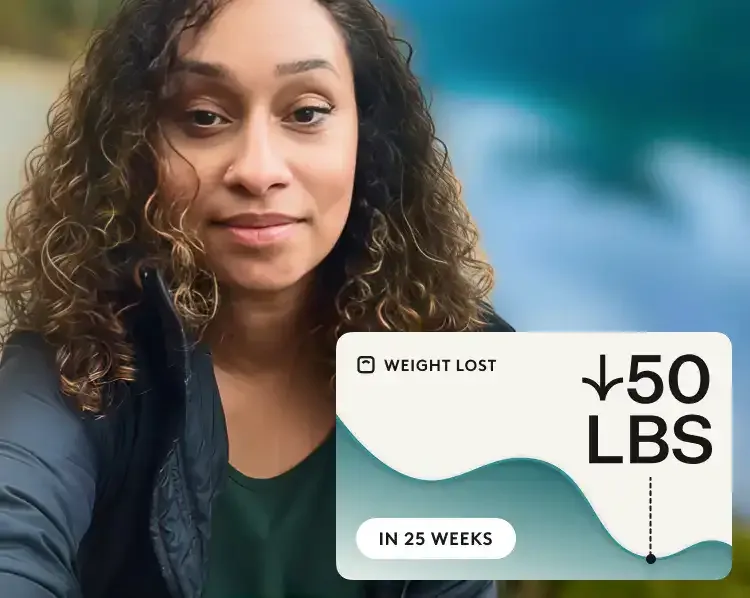
“My favorite parts of Noom are the care team and other Noomers. Sharing and getting help made me feel like I wasn’t doing it alone. That support made all the difference.”
Desirea N. — Real Noom user
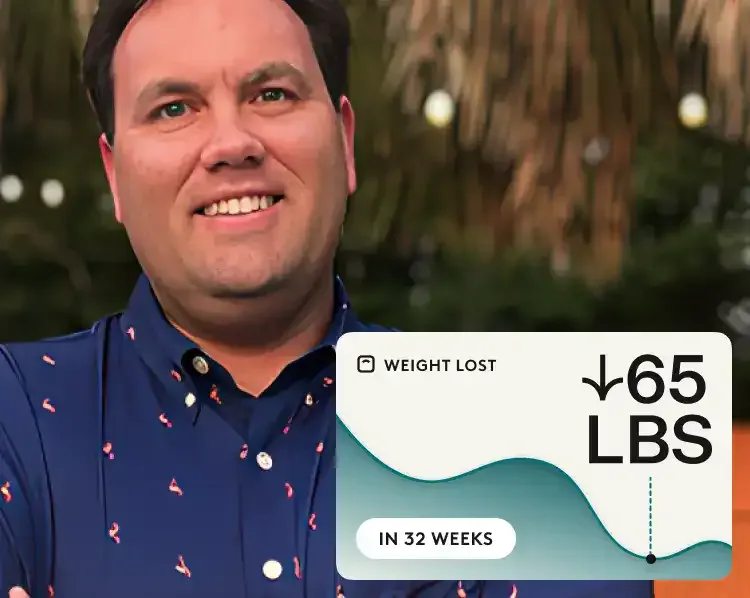
“Noom has taught me that every day is a new chance to make better, healthier choices. It’s taught me how to stop overeating.”
Matthew M. — Real Noom user
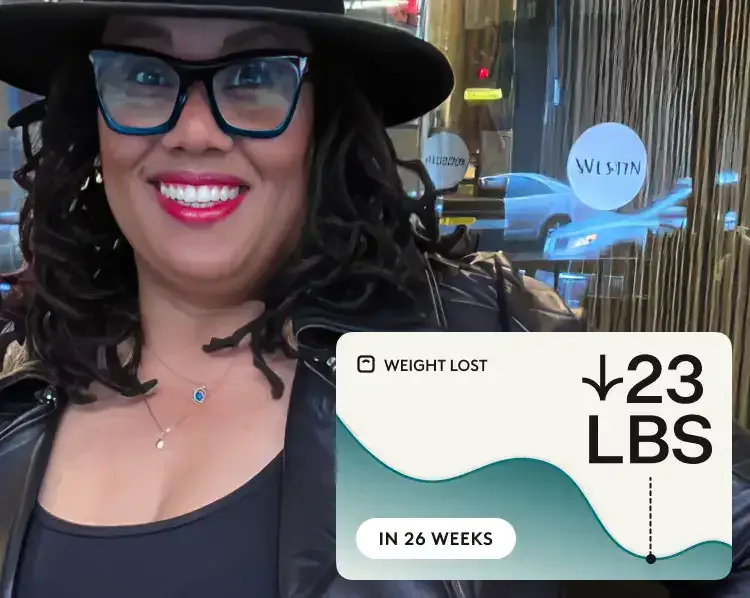
“Clinicians who understand how supportive medication can be is one of the best parts of Noom! I was convinced I wouldn’t have success but I’m down 11 pounds in two months.”
Lila M. — Real Noom user
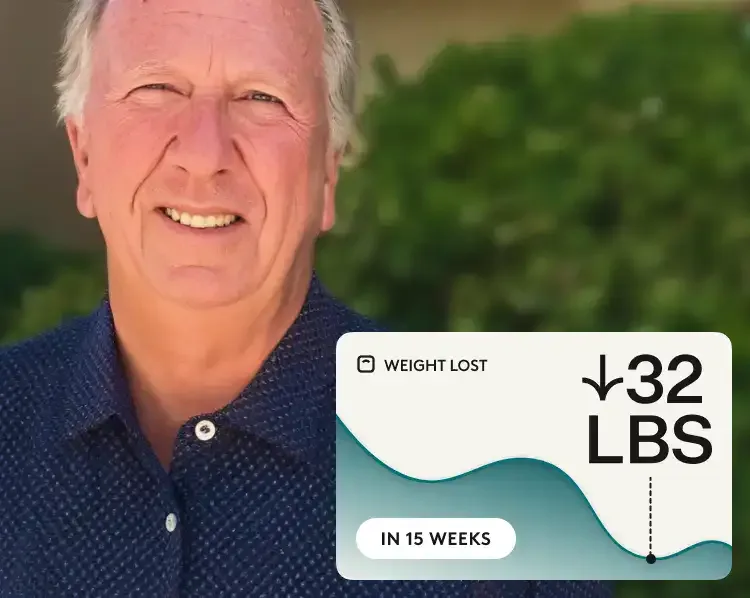
“Noom provided me with the medication which I could not get through Medicare. I have learned the tricks to better eating and life in general.”
Steve M. – Real Noom user
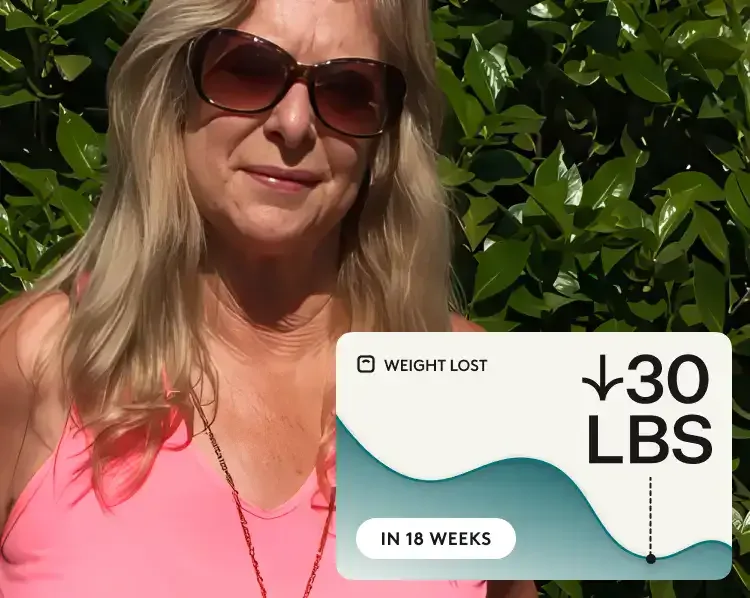
“Noom has changed my life and I’m so thankful, I feel great, have more energy and am no longer prediabetic.”
Daisy R. – Real Noom user
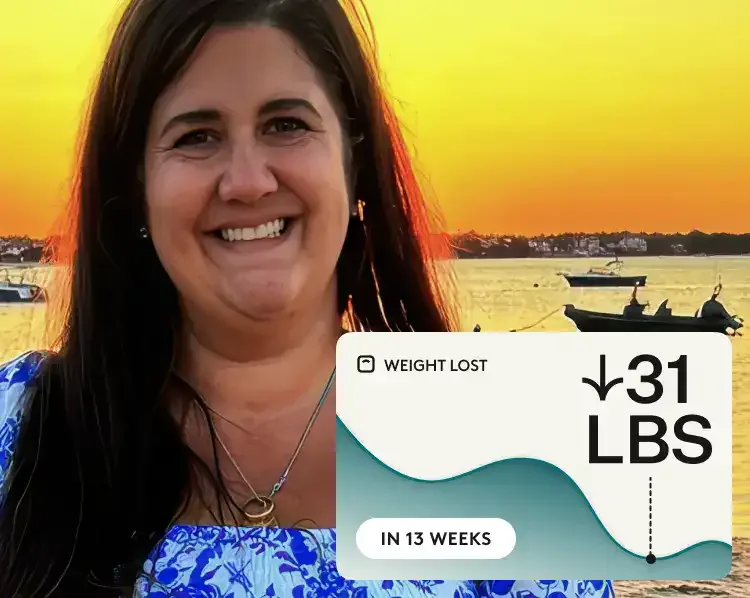
“All of the Noom providers that I’ve met with have been exceptional and prescribed medications that are appropriate for my situation and health.”
Sarah R. – Real Noom user
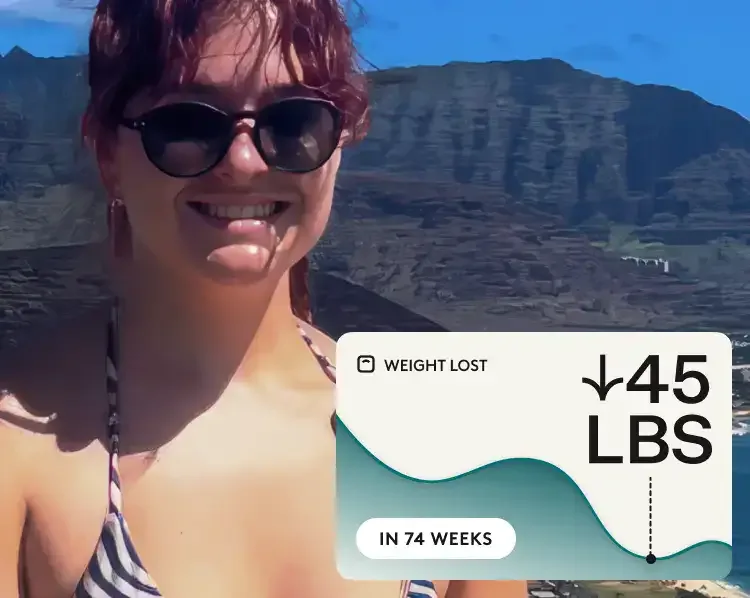
“Noom made the process so simple and now I feel full, free from diet obsession, and at ease in my body again.”
Madison S. – Real Noom user
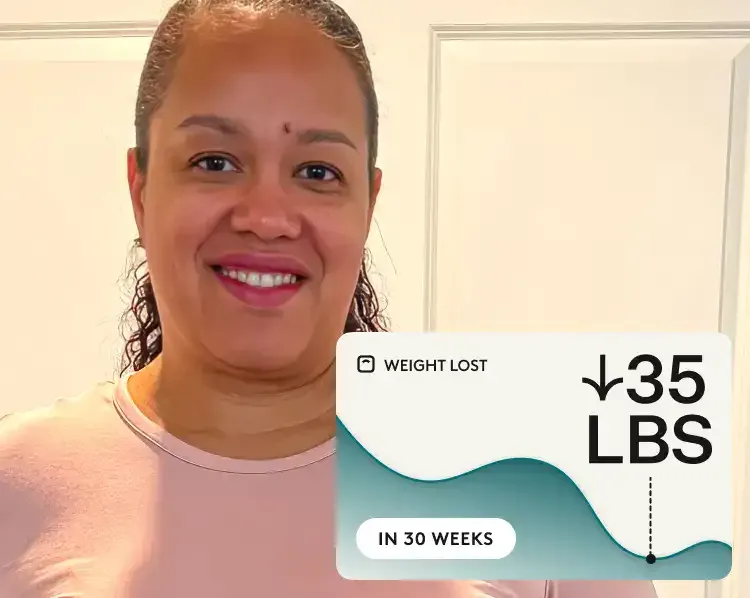
“My doctor recommended Noom after I was frustrated trying to lose weight. The lessons helped change my relationship with food. My body feels lighter & energized.”
Sonday K. – Real Noom user
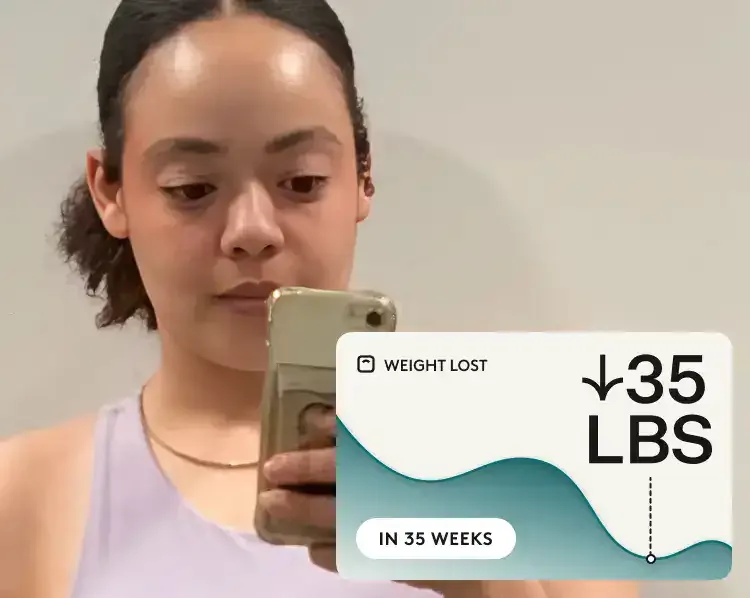
“I built healthy habits with coaching and lessons that make me confident I can maintain my weight loss long term.”
Cam K. – Real Noom user
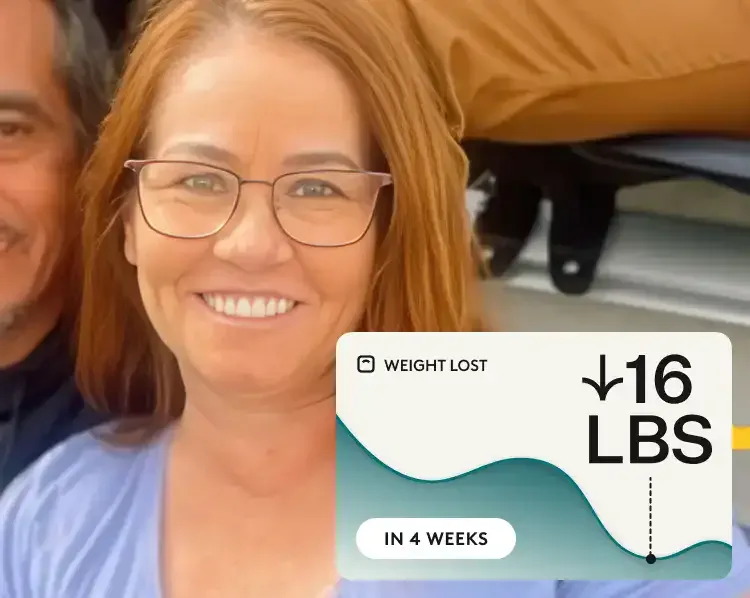
“With the right medication through Noom, hunger and sugar cravings finally quieted and I have the tools to break the cycle.”
Laura TR. – Real Noom user
“Cravings and food noise are gone, I finally feel confident in the healthy habits I’ve built to last with Noom.”
Jessica S. – Real Noom user
The bottom line: The cheapest form of Mounjaro® can depend on many factors
For people without insurance, Mounjaro® currently starts at $499 per month through LillyDirect®, with the same advertised starting price at all six doses. That’s below its $1,112.16 list price and many retail pharmacy quotes, but you’ll still need to budget for visits, follow-ups, and any lab work.
If you have insurance, check your benefits before choosing cash pay. Eligible commercially insured adults may qualify for the current Savings Card offers through December 31, 2026; 2027 terms need to be confirmed. Medicare readers with type 2 diabetes should look at Part D coverage and the 2027 $2,400 cap on covered drug spending. Mounjaro® isn’t part of the Medicare GLP-1 Bridge.
If your main goal is weight loss, compare Zepbound®’s manufacturer self-pay options with a clinician. It contains tirzepatide and is the brand approved for weight management.
To explore whether medication fits your weight-management plan, Noom can connect you with a clinician to review appropriate treatment options while supporting habits around nutrition, movement, and long-term health. Branded medication costs are separate from program fees.
Editorial standards
At Noom, we’re committed to providing health information that’s grounded in reliable science and expert review. Our content is created with the support of qualified professionals and based on well-established research from trusted medical and scientific organizations. Learn more about the experts behind our content on our Health Expert Team page.