
What you’ll learn:
- The most common Zepbound® side effects are nausea, diarrhea, vomiting, constipation, and stomach discomfort.
- Side effects are often worse when starting Zepbound® or increasing your dose, but many improve as your body adjusts to the medication.
- Following the recommended dosing schedule, slowing dose increases when needed with your prescriber, eating smaller meals, and staying hydrated can help manage side effects.
If you’re considering taking Zepbound®, you’ve likely heard about its potential to support significant weight loss. But you may also be wondering how it might affect how you feel day-to-day. Zepbound® can be a highly effective medication for weight loss, with people on the highest dose (15 mg) losing an average of 21% of body weight, but it also comes with some side effects.
When do these symptoms show up, and how long do they last? We’ll walk through what to expect and how to manage the most common side effects, like nausea, vomiting, and stomach pain. We’ll go through how slow dose increases with Zepbound (known as titration) can help minimize side effects while maximizing results.
We’ll also compare how the side effects people report with Zepbound stack up against other GLP-1 medications used for weight loss, like Wegovy®.
Finally, we’ll touch on rare but serious side effects, such as pancreatitis and gallbladder complications, the reason a thyroid tumor warning is included, and explain what’s worth flagging to your healthcare provider.
If you’ve just started, our guide to the most common Zepbound side effects when you first start can give you a quick look at what to expect in the first few weeks.

The Easy Way
to lose weight and get healthy.
Why Zepbound® can cause side effects
Zepbound® contains tirzepatide and is part of a class of medications called GLP-1 receptor agonists. These medications work by standing in for or mimicking a hormone called GLP-1 (glucagon-like peptide-1). GLP-1 is a hormone your body naturally makes to help control hunger after you’ve eaten. By mimicking this hormone, the tirzepatide in Zepbound® helps lower your appetite, slow digestion, and regulate blood sugar, essentially making you feel like you’ve already eaten, even if you haven’t!
Zepbound® also targets GIP (glucose-dependent insulinotropic polypeptide) receptors, another hormone involved in regulating appetite and fat metabolism. This dual action amplifies Zepbound®’s ability to reduce hunger, support healthy blood sugar levels, and promote weight loss.
But while these effects can help you lose weight, they can also cause side effects while taking Zepbound. When food stays longer in your stomach or digestive tract, it can lead to nausea, vomiting, bloating, heartburn, diarrhea, or constipation. What’s happening? Your body is adjusting to slower digestion and altered hunger signals, which can feel unfamiliar and unpleasant at times, especially if your diet doesn’t change. Many of these side effects improve as your body adapts to the medication, especially if your Zepbound® dose is increased gradually.
Because Zepbound slows how quickly your stomach empties, it also has the potential to impact the absorption of oral medicines taken at the same time, so tell your provider what else you take. It also may reduce the efficacy of oral hormonal contraceptives, which we’ll talk about more in depth.
When do Zepbound side effects start, and how long do they last?
People are more likely to experience side effects when they first start the medication or when their Zepbound® dose is increased. Symptoms usually get better as the body adapts.
Stomach and digestive side effects are the most common. In Zepbound’s trials, 56% of people at every dose had at least one, compared with 30% on placebo. The majority of nausea, vomiting, and/or diarrhea events occurred during dose escalation and decreased over time.
To help ease this adjustment, Zepbound® is started at a low dose and gradually increased over time. This slow approach helps your body get used to the medication and may lower the chances of uncomfortable side effects.
Here’s how it works: Everyone begins with 2.5 mg of tirzepatide once a week for at least 4 weeks. After that, the dose of Zepbound may increase to 5 mg, then continue in 2.5 mg steps (up to a maximum of 15 mg weekly). Your dose will increase to keep you losing steady weight (1 to 2 pounds per week) while minimizing side effects. Not everyone needs the highest dose to see results—many people see benefits at lower doses.
Read more: Zepbound dosing: A complete guide to doses, costs, and what to expect
Did side effects cause people to stop Zepbound?
Side effects didn’t typically lead people to stop treatment. No more than 6.7% of people at any dose stopped because of them.
Access GLP-1 Weight Loss with Noom
Explore a wide range of prescription medications supported by Noom’s program.
Microdose GLP-1rx
Noom GLP-1rx
Noom GLP-1rx Plus
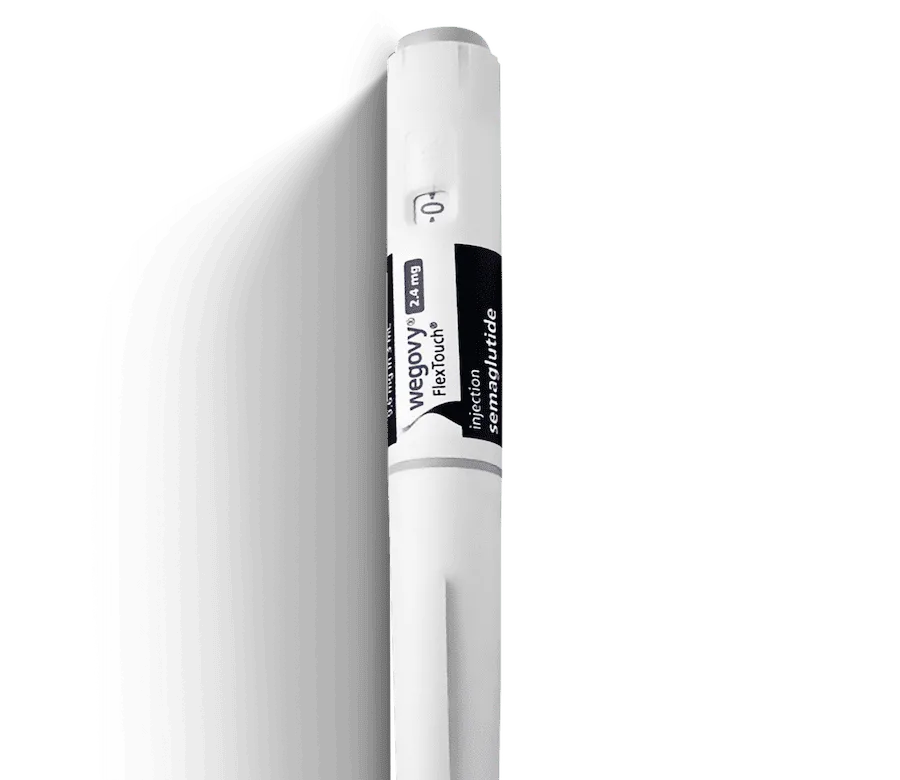
Wegovy®
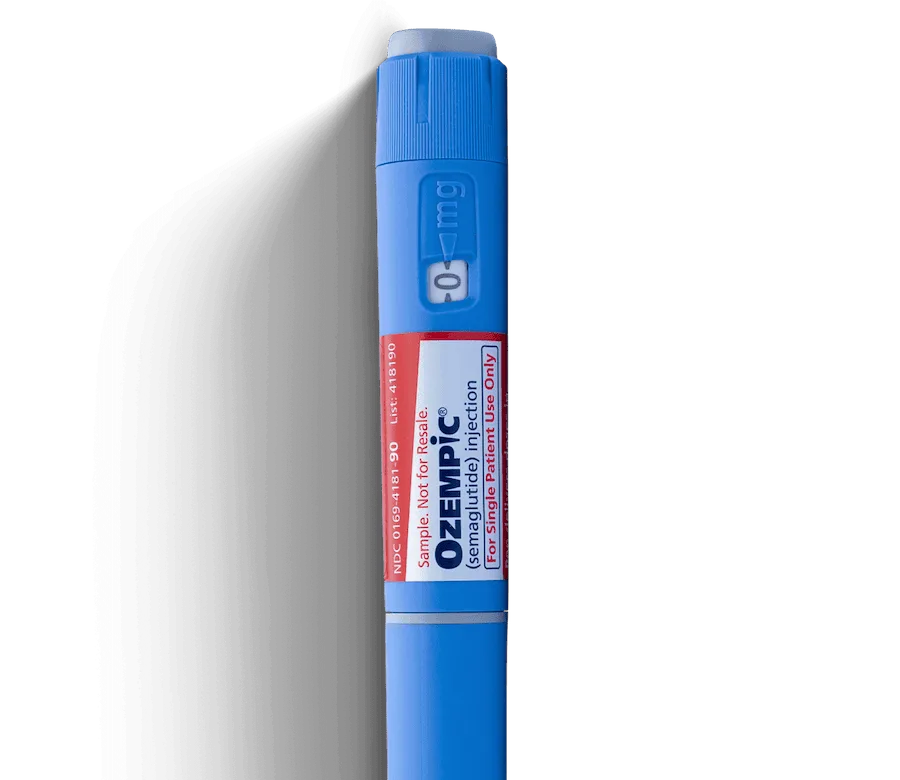
Ozempic®
Metformin
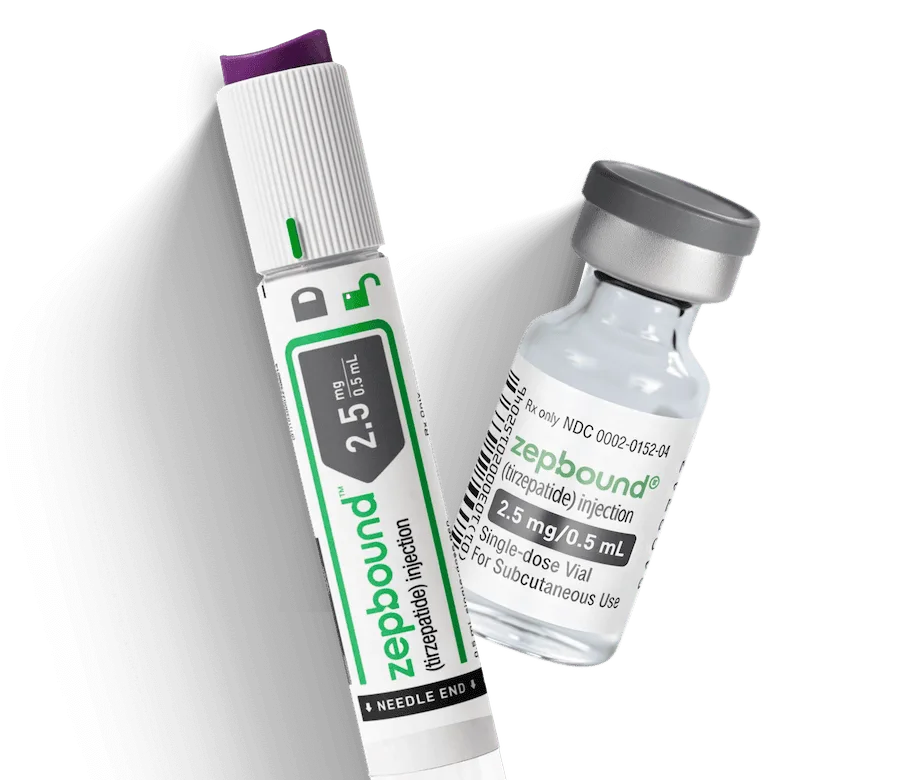
Zepbound®
Mounjaro®
Liraglutide
| Reason for stopping treatment | 5 mg | 10 mg | 15 mg | Placebo |
|---|---|---|---|---|
| Any side effect | 4.8% | 6.3% | 6.7% | 3.4% |
| Digestive side effects | 1.9% | 3.3% | 4.3% | 0.5% |
Most people who stopped because of side effects did so during the first few months. Experiences vary widely. If a symptom is severe, new, or doesn’t settle, call your provider.
The most common Zepbound side effects, by dose
Digestive issues, including nausea, diarrhea, vomiting, and constipation, are among the most common side effects reported when starting Zepbound® or increasing the dose. Here’s a closer look at some of the most frequently reported gastrointestinal symptoms:
| Symptom | 5 mg | 10 mg | 15 mg | Placebo |
|---|---|---|---|---|
| Nausea | 25% | 29% | 28% | 8% |
| Diarrhea | 19% | 21% | 23% | 8% |
| Vomiting | 8% | 11% | 13% | 2% |
| Constipation | 17% | 14% | 11% | 5% |
| Abdominal pain | 9% | 9% | 10% | 5% |
| Dyspepsia (indigestion) | 9% | 9% | 10% | 4% |
| Burping (eructation) (new row) | 4% | 5% | 5% | 1% |
| Acid reflux (GERD) (new row) | 4% | 4% | 5% | 2% |
| Gas (flatulence) (new row) | 3% | 3% | 4% | 2% |
| Bloating (abdominal distension) (new row) | 3% | 3% | 4% | 2% |
Burping, acid reflux, gas, and bloating were also reported in clinical trials, affecting about 3% to 5% of people taking Zepbound®, compared with 1% to 2% of those taking a placebo.
Other symptoms
While digestive issues often receive the most attention with Zepbound® (tirzepatide), there are other potential side effects that affect energy, mood, the nervous system, and cardiovascular function. These symptoms are typically manageable and may improve over time, especially with dose adjustments. Let’s explore these side effects in more detail, along with tips that can help manage them:
| Symptom | 5 mg | 10 mg | 15 mg | Placebo |
|---|---|---|---|---|
| Dizziness | 4% | 5% | 4% | 2% |
| Fatigue | 5% | 6% | 7% | 3% |
| Hair loss | 5% | 4% | 5% | 1% |
| Injection site reactions (new row) | 6% | 8% | 8% | 2% |
| Allergic (hypersensitivity) reactions (new row) | 5% | 5% | 5% | 3% |
| Low blood pressure (hypotension) | 1% | 1% | 2% | 0% |
Can Zepbound cause depression, anxiety, or mood changes?
In January 2026, the FDA announced that GLP-1 medications don’t appear to increase the risk of suicidal thoughts or behavior. The agency reviewed 91 clinical trials involving nearly 108,000 people and also found no increased risk of anxiety, depression, irritability, or psychosis.
Based on these findings, the FDA asked for the warning about suicidal thoughts and behavior to be removed from the labels for Zepbound®, Wegovy®, and Saxenda®. Zepbound’s label was updated in February 2026.
Still, the FDA recommends telling your healthcare provider if you notice new or worsening depression, suicidal thoughts, or unusual changes in your mood or behavior.
If you or someone you know is struggling with thoughts of self-harm or suicide, help is available. Call or text the 988 Suicide & Crisis Lifeline for free, confidential support 24/7.
Does Zepbound cause hair loss?
It can be associated with it, and might be tied to rapid weight loss. Hair loss was reported by 4% to 5% of people on 5, 10, and 15 mg, compared with 1% on placebo. It was more common in women (7.1%) than in men (0.5%). No one on Zepbound stopped treatment because of it in the trials. If shedding is heavy or lasts, talk to your provider. For more, see Zepbound and hair loss.
Zepbound side effects in women: Periods, birth control, pregnancy, and hair
Zepbound® can affect women in a few additional ways, particularly when it comes to menstrual cycles, fertility, birth control, and hair loss. Some changes may be related to weight loss rather than the medication itself. Here’s what to know:
- Periods and menstrual changes: Changes to your period aren’t listed among Zepbound’s common side effects, but losing weight can affect your menstrual cycle. For women with polycystic ovary syndrome (PCOS), weight loss may help restore ovulation and make periods more regular, according to the NIH. Tell your provider if you notice unexpected spotting or changes to your cycle. Any bleeding after menopause should be checked by a healthcare provider.
- PCOS and fertility: Weight loss and improved insulin sensitivity may help some women with PCOS ovulate more regularly, potentially increasing their chances of pregnancy. While early research suggests GLP-1 medications may improve some PCOS symptoms, more research is needed on Zepbound® specifically.
- Birth control: Zepbound® can make oral birth control pills less effective, especially when you first start treatment or increase your dose. If you take the pill, the FDA-approved label recommends switching to a non-oral contraceptive or using an additional barrier method, like condoms, for four weeks after starting Zepbound® and four weeks after each dose increase.
- Pregnancy: Zepbound® isn’t for use during pregnancy because weight loss may harm a developing baby. If you become pregnant while taking it, stop the medication and contact your healthcare provider. There’s also a pregnancy exposure registry that tracks outcomes in people who were exposed to Zepbound® during pregnancy.
- Breastfeeding: Studies have found that tirzepatide levels in breast milk are very low or undetectable. However, information about its effects on breastfed babies is limited. Talk with your provider about the potential benefits and risks before using Zepbound® while breastfeeding.
- Hair loss: Hair thinning can happen during significant weight loss and may be more noticeable if you’re already experiencing hair changes related to PCOS or menopause. In Zepbound® clinical trials, hair loss was reported more often in women (7.1%) than men (0.5%). Read more about the connection between GLP-1 medications and hair loss.
Zepbound: Injection site reactions and the KwikPen
When starting Zepbound® for weight loss, you’ll be injecting the medication yourself once a week. Zepbound comes as a single-dose pen, multi-dose KwikPen, or single-dose vial. With all, the reactions are typically mild. Injection site reactions were reported by between 6% and 8% of people on 5, 10, and 15 mg, compared with 2% on placebo. See the Zepbound instructions for use.
Common reactions:
- Mild pain, redness, or swelling at the injection site
- Itching, lumps, or skin irritation
- Rare cases of bruising or rash, particularly with repeated injections in the same area
Tips to prevent or reduce injection discomfort:
- Rotate injection sites: Alternate between the thigh, abdomen, and upper arm to avoid injecting into the same spot every week. You can inject Zepbound® into your stomach or thigh, or have someone help you inject it into the back of your upper arm.
- Clean skin gently: Use an alcohol swab and let the skin dry completely before injecting to minimize stinging.
- Avoid irritated or scarred areas: Only inject into healthy, intact skin.
- Warm the medication slightly: If stored in the fridge, let the pen or vial sit at room temperature before use.
- Apply light pressure after injection: If necessary, use a cotton ball to reduce redness or minor bleeding.
If you experience persistent or worsening reactions or signs of infection (heat, pus, pain), contact your healthcare provider.
Other important tips for the KwikPen and vial
Never share your KwikPen® with anyone, even if you change the needle, because doing so can spread blood-borne infections. The KwikPen® also isn’t recommended for self-injection by people with visual impairments.
The Easy Way
to lose weight and get healthy.
If you’re using a vial, always use a new needle and syringe for each injection.
Read more:
- Zepbound® injection sites: How to inject correctly and minimize discomfort
- How to inject Zepbound®: Differences between single-dose pen, vial, and KwikPen®
Long-term use and stopping Zepbound
Zepbound® is designed for weight loss and long-term weight management, and metabolic support. If you decide to stop taking it, your body may react in ways that make it harder to maintain the progress you’ve made. Here’s what you can expect if you pause or discontinue treatment:
- Hunger may return: Zepbound® works, in part, by reducing your appetite. Once you stop the medication, it’s common for hunger signals and food cravings to become more noticeable again.
- Weight regain is possible: Without the ongoing support from Zepbound®, some of the lost weight may come back, especially if you haven’t fully established healthy habits around eating, exercise, and mindset.
- Gradual tapering may help: In some cases, gradually reducing the dosage under your healthcare provider’s supervision can help ease the transition, allowing your body more time to adjust.
- Healthy habits are key: Eating balanced meals, staying active, getting enough sleep, and managing stress can help you maintain your weight loss over time. A 2025 advisory from leading obesity and nutrition organizations also emphasizes getting enough protein and strength training to help preserve muscle while losing weight.
For what to expect, see what happens when you stop Zepbound.
What’s changed in Zepbound safety information in 2025–2026?
Zepbound®’s safety information has been updated several times in 2026. Some changes reflect new research, while others provide additional guidance about side effects and how to use the medication safely. Here’s what to know.
What’s changed?
- The warning about suicidal thoughts was removed: In January 2026, the FDA announced that a review of 91 clinical trials involving nearly 108,000 people found no increased risk of suicidal thoughts or behavior with GLP-1 medications. The warning was removed from Zepbound®’s label in February 2026.
- A new KwikPen® option became available: In February 2026, Eli Lilly introduced a KwikPen® containing four weekly doses. The prescribing information emphasizes that the pen should never be shared, even if the needle is changed.
- Digestive side effect information was updated: In February 2026, the label was updated to include findings from Zepbound®’s sleep apnea trials. Severe digestive side effects occurred at similar rates to those seen in weight loss trials.
- Guidance about diabetic eye disease was updated: In August 2026, the label was updated with additional information about diabetic retinopathy, a condition that can damage the blood vessels in the eyes. People with a history of this condition should be monitored for changes.
What’s stayed the same?
Some of Zepbound®’s most important safety information hasn’t changed:
- Boxed warning: Zepbound® still carries a warning about thyroid C-cell tumors seen in animal studies. It’s not known whether the medication causes these tumors in humans.
- Common side effects: Nausea, diarrhea, vomiting, constipation, and other digestive symptoms remain the most frequently reported side effects.
- Maximum dose: The highest approved dose is still 15 mg once weekly.
What does this mean for you?
Most of these updates don’t change how you take Zepbound®, but a few are worth keeping in mind:
- Pay attention to mood changes. Even though the warning was removed, the FDA still recommends reporting new or worsening depression, suicidal thoughts, or unusual changes in mood or behavior.
- Use your injection device safely. Never share a KwikPen®, even with a new needle. If you have a visual impairment, ask your provider about other injection options. If you use vials, always use a new syringe and needle.
- Know what to expect with sleep apnea treatment. Digestive side effects can occur whether you’re taking Zepbound® for weight loss or obstructive sleep apnea.
- Keep up with eye exams if you have diabetes. If you have a history of diabetic retinopathy, your provider should monitor you for changes while taking Zepbound®.
What about NAION and vision loss?
Researchers are also looking into whether GLP-1 medications are linked to non-arteritic anterior ischemic optic neuropathy (NAION), a rare condition that can cause sudden vision loss.
The FDA has identified NAION as a potential safety signal for GLP-1 medications, including Zepbound®, but it hasn’t established that tirzepatide causes the condition.
Australia’s medicines regulator found that the evidence may support a connection with semaglutide, the ingredient in Wegovy® and Ozempic®, but not tirzepatide.
NAION isn’t currently listed as a side effect in Zepbound®’s FDA-approved prescribing information. If you experience sudden vision loss, seek emergency medical care.
Serious side effects and warnings with Zepbound
Most people taking Zepbound® experience mild to moderate side effects, if they have any at all. Serious side effects are much less common, but it’s important to know what to watch for and when to get help. Here’s what you should know about the medication’s most important safety warnings.
Boxed warning: Thyroid C-cell tumors
Zepbound® carries an FDA boxed warning about a potential risk of thyroid C-cell tumors. Tirzepatide caused these tumors in animal studies, but it’s not known whether Zepbound® causes them in humans.
Zepbound® shouldn’t be used by people with a personal or family history of medullary thyroid carcinoma (MTC), a rare thyroid cancer, or multiple endocrine neoplasia syndrome type 2 (MEN2).
Tell your provider if you notice a lump in your neck, persistent hoarseness, or trouble swallowing.
Severe stomach and bowel problems
Most digestive side effects are mild and improve over time, but more serious problems can occur. In clinical trials, severe digestive reactions affected 1.7% to 3.1% of people taking Zepbound®, depending on the dose, compared with 1% taking a placebo.
There have also been reports of intestinal blockages and severe constipation. Ongoing vomiting or diarrhea can cause dehydration and kidney problems. Zepbound® isn’t recommended for people with severe gastroparesis, a condition that slows stomach emptying.
Contact your provider if you have severe or persistent digestive symptoms. Severe abdominal pain, especially with vomiting or an inability to pass stool or gas, requires urgent medical attention.
For more, see Zepbound® and gastroparesis.
Other serious side effects
Other serious side effects are less common, but it’s important to recognize the symptoms:
- Pancreatitis: Severe stomach pain that may spread to your back, sometimes with nausea or vomiting. Stop taking Zepbound® and contact your provider immediately.
- Gallbladder problems: Upper abdominal pain, fever, yellowing of the skin or eyes, or pale stools.
- Kidney problems: Reduced urination, swelling, or unusual fatigue, particularly after prolonged vomiting or diarrhea.
- Low blood sugar: Shakiness, sweating, dizziness, or confusion. The risk is higher if you also take insulin or sulfonylureas for diabetes.
- Allergic reactions: Rash, itching, or swelling of the face, lips, tongue, or throat. Seek emergency care for trouble breathing or swelling of your face, tongue, or throat.
Here’s how often some of these side effects occurred in clinical trials:
| Issue | Zepbound® | Placebo |
|---|---|---|
| Pancreatitis | 0.2% | 0.2% |
| Gallbladder inflammation | 0.7% | 0.2% |
| Acute kidney injury | 0.5% | 0.2% |
| Low blood sugar (type 2 diabetes) | 4.2% | 1.3% |
| Allergic reactions | 5% | 3% |
Note: Rates come from different clinical trials, and not all reported reactions were severe.
Eye and vision changes
If you have diabetic retinopathy, rapid improvements in blood sugar can sometimes make it temporarily worse. The Zepbound® label recommends monitoring people with a history of this condition.
The FDA is also investigating a possible connection between GLP-1 medications and a rare condition called NAION, which can cause sudden vision loss. However, NAION isn’t currently listed as a Zepbound® side effect.
Seek emergency medical attention if you experience sudden vision loss.
Surgery, anesthesia, and procedures
Zepbound® slows stomach emptying, which can increase the risk of stomach contents entering the lungs during procedures requiring general anesthesia or deep sedation.
According to 2024 medical guidance, most people can continue GLP-1 medications before elective surgery. However, additional precautions may be needed if you’re increasing your dose or experiencing digestive symptoms.
Tell your healthcare team that you take Zepbound® before any surgery or procedure. They may recommend a liquid diet for 24 hours beforehand or other precautions.
For more, see tirzepatide before surgery.
Who shouldn’t take Zepbound®?
Zepbound® isn’t suitable for everyone, especially if you have certain health conditions. You shouldn’t take it if:
- You or a close family member has had medullary thyroid carcinoma (MTC) or multiple endocrine neoplasia syndrome type 2 (MEN 2).
- You’re allergic to tirzepatide or any of its ingredients.
Talk to your doctor if:
- You’ve had pancreatitis. Since Zepbound® impacts digestion, it could worsen your condition if you’ve experienced inflammation of the pancreas before.
- You have severe gastroparesis, which slows food movement through your stomach.
- You take insulin or a sulfonylurea for diabetes, because low blood sugar is more likely.
- You have diabetic eye disease, which needs monitoring.
- You take birth-control pills.
- You take another tirzepatide product or any GLP-1 medicine, because using them together isn’t recommended.
Also, don’t take tirzepatide if:
- You’re pregnant or planning to get pregnant. Zepbound® should be stopped at least two months before trying to conceive.
- You’re breastfeeding.
Before starting Zepbound®, have an open discussion with your healthcare provider about your medical history. They can help you assess whether this medication is right for you.
For more information, visit the Zepbound® safety page.
How to get a prescription for Zepbound®
If you think a prescription for Zepbound® might be right for you, here’s how to get started
- Check if you qualify: Zepbound® is prescribed to people who have a BMI of 30 or higher or 27 or higher with a weight-related condition like high cholesterol or high blood pressure. It’s also prescribed to treat moderate to severe obstructive sleep apnea (OSA) in adults with obesity.
- Talk to a healthcare provider or check Noom Med to determine eligibility: Schedule an appointment with your primary care doctor, endocrinologist, or weight management specialist. You can also fill out our brief questionnaire to see if you qualify for Noom Med. If you do, you’ll be connected with a clinician who can discuss your health goals, review your medical history, assess whether Zepbound® is a good fit, and prescribe it if so.
- Think about long-term costs: Most people will take Zepbound long-term, from 6 months to a year, and some longer for maintenance. Learn more about the cost of Zepbound and how to save.
- Handle insurance requirements: If your insurance requires prior authorization, your doctor will need to submit paperwork proving that Zepbound® is medically necessary.
- Fill your prescription: Once approved, you can fill your prescription at a local pharmacy or through online providers that offer telehealth consultations and electronic prescriptions for convenience.
Zepbound® vs. Wegovy® and Wegovy HD: How do side effects compare?
Zepbound® and Wegovy® are two of the most effective medications available for weight loss. In clinical trials, people taking Zepbound® 15 mg lost about 21% of their starting weight, compared with about 16% for Wegovy® 2.4 mg. But the introduction of Wegovy HD, a higher 7.2 mg dose, has narrowed that gap, with people losing an average of 18.8%.
With all three treatments offering significant weight loss, side effects are another important factor to consider. They share many of the same digestive side effects, but how often they occur can vary.
Here’s how they compare in clinical trials:
| Side effect | Zepbound® (15 mg) | Wegovy® (2.4 mg) | Wegovy HD (7.2 mg) |
|---|---|---|---|
| Nausea | 28% | 35% | 39% |
| Vomiting | 13% | 16% | 22% |
| Diarrhea | 23% | 30% | — |
| Constipation | 11% | 19% | 20% |
| Abdominal pain | 10% | 9% | 12% |
| Dysesthesia (altered skin sensations) | — | 6% | 22% |
Note: Percentages come from different clinical trials and aren’t direct head-to-head comparisons. The Wegovy® 2.4 mg diarrhea rate comes from earlier trials. A dash means a comparable percentage wasn’t reported in the relevant prescribing information table.
Sources: Zepbound prescribing information and Wegovy prescribing information.
A few things stand out:
- Digestive side effects are common with all three treatments. Zepbound® had lower reported rates of nausea, vomiting, and constipation, although differences between separate trials don’t necessarily mean it’s better tolerated.
- Wegovy HD has a higher rate of dysesthesia. This can cause unusual skin sensations, such as tingling, burning, or skin sensitivity. It was reported in 22% of people taking Wegovy HD, compared with 6% taking standard Wegovy®. Learn more about dysesthesia and Wegovy HD.
- Wegovy HD offers a step up in weight loss. In the STEP UP trial, people taking 7.2 mg lost an average of 18.8% of their starting weight, compared with 15.5% on 2.4 mg. These results include all participants, whether or not they stayed on treatment.
The bottom line: Zepbound® and Wegovy® can both lead to substantial weight loss, but side effects may influence which treatment is right for you. Wegovy HD offers greater weight loss than standard Wegovy®, though it also comes with a higher chance of certain side effects.
For more, see our guides to Wegovy® vs. Zepbound® side effects and Wegovy HD weight loss results.
FAQs about Zepbound side effects
How long do Zepbound side effects last?
There’s no set timeline, but most digestive side effects happen when you first start Zepbound® or increase your dose. According to the prescribing information, nausea, vomiting, and diarrhea generally become less common over time as your body adjusts. If side effects are severe or don’t improve, talk to your provider about whether you need to slow down dose increases.
What are the side effects of Zepbound 5 mg, 10 mg, and 15 mg?
Digestive symptoms are the most common side effects at every dose. In clinical trials, nausea affected 25% to 29% of people, diarrhea 19% to 23%, vomiting 8% to 13%, and constipation 11% to 17%, depending on the dose.
Everyone starts at 2.5 mg, and doses can increase in 2.5 mg steps after at least four weeks, up to a maximum of 15 mg. For more detail, see our guide to the most common Zepbound side effects.
Can Zepbound affect your period?
Changes to your period aren’t listed among Zepbound®’s common side effects, but weight loss can affect your menstrual cycle. For women with PCOS, losing weight may help restore regular ovulation and make periods more predictable, according to the NIH. Tell your provider about unexpected spotting or cycle changes, and always get bleeding after menopause checked.
Does Zepbound make birth control less effective?
Yes, Zepbound® can make birth control pills less effective because it slows stomach emptying, which can affect how oral medications are absorbed. The FDA-approved label recommends switching to a non-oral contraceptive or adding a barrier method, such as condoms, for four weeks after starting Zepbound® and four weeks after each dose increase.
Does Zepbound cause depression or anxiety?
Current research hasn’t found an increased risk of depression, anxiety, or suicidal thoughts with GLP-1 medications. In January 2026, the FDA reviewed 91 clinical trials involving nearly 108,000 people and found no increased risk of these mental health effects. The warning about suicidal thoughts was subsequently removed from Zepbound®’s label.
Still, tell your provider if you experience new or worsening depression or unusual mood changes. If you’re experiencing a mental health crisis, call or text 988.
Does Zepbound cause headaches or muscle pain?
Headaches and muscle or joint pain aren’t listed among Zepbound®’s common side effects in its prescribing information. However, dizziness and fatigue are reported. In trials, dizziness affected 4% to 5% of people taking Zepbound®, compared with 2% taking a placebo, while fatigue affected 5% to 7%, compared with 3% taking a placebo. Talk to your provider if you experience persistent headaches or muscle pain.
Is Zepbound safe?
Zepbound® is FDA-approved for weight management and for treating obstructive sleep apnea in adults with obesity. For many people, its weight loss benefits outweigh the potential risks. Most side effects are digestive and tend to improve over time.
However, Zepbound® carries a boxed warning about thyroid tumors observed in animal studies. It’s not known whether the medication causes these tumors in humans. Your provider can help determine whether Zepbound® is appropriate for you based on your medical history.
What changed on Zepbound’s label in 2026?
Several safety updates were made in 2026. The warning about suicidal thoughts was removed after an FDA review found no increased risk. The label also added safety instructions for the new KwikPen® and updated information about severe digestive problems and diabetic eye disease.
Reviews from real Noom users
“My favorite parts of Noom are the care team and other Noomers. Sharing and getting help made me feel like I wasn’t doing it alone. That support made all the difference.”
Desirea N. — Real Noom user
“Noom has taught me that every day is a new chance to make better, healthier choices. It’s taught me how to stop overeating.”
Matthew M. — Real Noom user
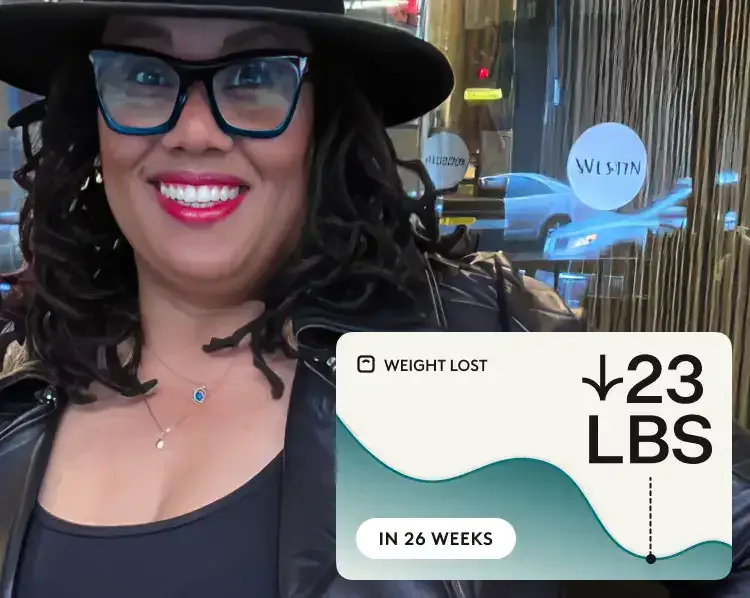
“Clinicians who understand how supportive medication can be is one of the best parts of Noom! I was convinced I wouldn’t have success but I’m down 11 pounds in two months.”
Lila M. — Real Noom user
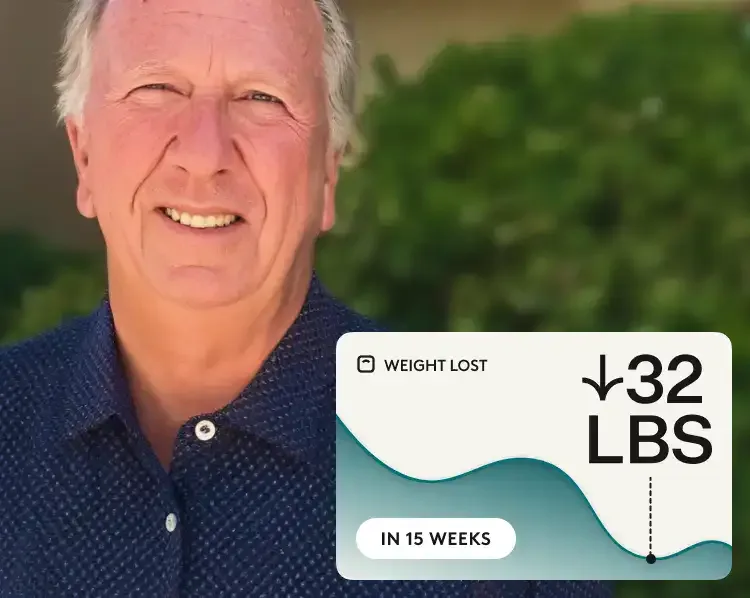
“Noom provided me with the medication which I could not get through Medicare. I have learned the tricks to better eating and life in general.”
Steve M. – Real Noom user
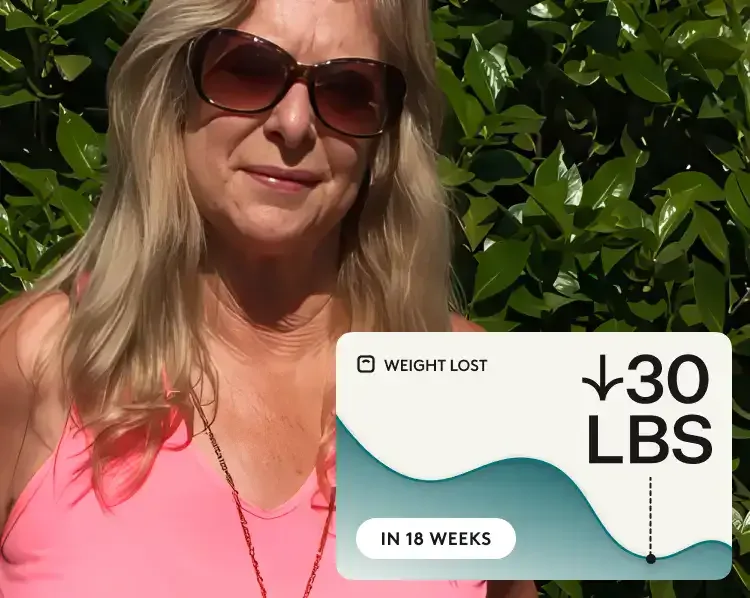
“Noom has changed my life and I’m so thankful, I feel great, have more energy and am no longer prediabetic.”
Daisy R. – Real Noom user
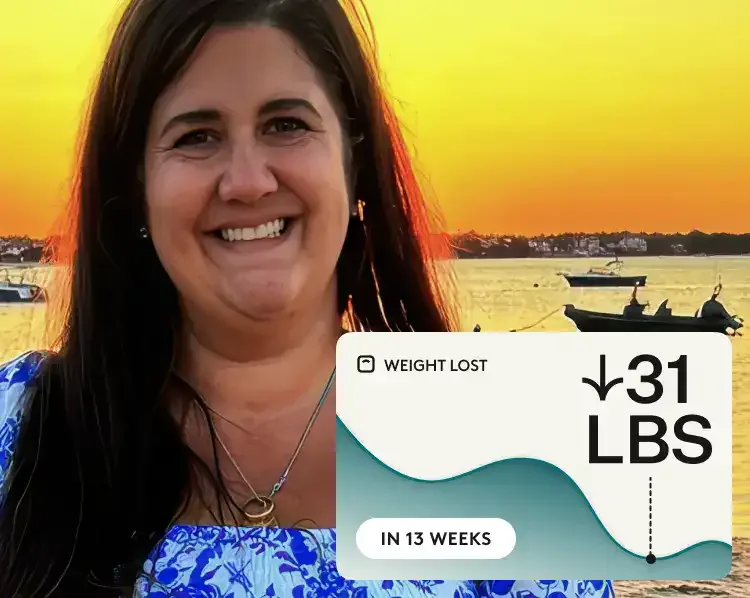
“All of the Noom providers that I’ve met with have been exceptional and prescribed medications that are appropriate for my situation and health.”
Sarah R. – Real Noom user
“Noom made the process so simple and now I feel full, free from diet obsession, and at ease in my body again.”
Madison S. – Real Noom user
“My doctor recommended Noom after I was frustrated trying to lose weight. The lessons helped change my relationship with food. My body feels lighter & energized.”
Sonday K. – Real Noom user
“I built healthy habits with coaching and lessons that make me confident I can maintain my weight loss long term.”
Cam K. – Real Noom user
“With the right medication through Noom, hunger and sugar cravings finally quieted and I have the tools to break the cycle.”
Laura TR. – Real Noom user
“Cravings and food noise are gone, I finally feel confident in the healthy habits I’ve built to last with Noom.”
Jessica S. – Real Noom user
The bottom line: Managing side effects and beyond
Zepbound® can lead to significant weight loss, but side effects are part of the experience for many people. Most are digestive, like nausea, diarrhea, and constipation, and tend to improve as your body adjusts. Following the recommended dosing schedule, slowing dose increases with your provider when needed, eating smaller meals, and staying hydrated can help. Serious side effects are less common, but knowing the warning signs and when to contact your provider is important.
Long-term success also involves building healthy habits alongside treatment. Getting enough protein, staying active, prioritizing sleep, and managing stress can help support your weight loss and maintain your progress over time, including if you eventually stop taking Zepbound®.
If you want more information, see if you qualify for medication through Noom. Our clinicians can help figure out if weight loss medication like Zepbound® is right for you and prescribe it if needed. Then, you’ll get continuing medical support, a personal plan, and access to all of Noom’s tools and trackers to help you reach your goals.
Editorial standards
At Noom, we’re committed to providing health information that’s grounded in reliable science and expert review. Our content is created with the support of qualified professionals and based on well-established research from trusted medical and scientific organizations. Learn more about the experts behind our content on our Health Expert Team page.