What you’ll learn:
- Beanut butter is a trending spread made by blending beans with peanut butter or powdered peanut butter.
- Depending on the recipe, beanut butter can have fewer calories and more fiber than traditional peanut butter. But it isn’t necessarily higher in protein or healthier overall.
- The fiber and protein in beanut butter may help support fullness, but there’s no evidence that the spread itself leads to weight loss.
What happens when you combine two of the year’s biggest nutrition trends—protein and fiber—with one of America’s favorite spreads? You get beanut butter, an unexpected combination of beans and peanut butter that’s taking off on social media.
And people aren’t just spreading it on toast. They’re turning the bean-based mixture into beanut butter cups, cookies, fudge-inspired treats, and other desserts with a fiber-focused twist.
The trend is part of the growing interest in fibermaxxing, or finding creative ways to eat more fiber. After years of protein dominating nutrition conversations, fiber is getting its moment in the spotlight. And for good reason: Most Americans don’t eat enough of it.
Meanwhile, protein remains a major priority, especially for the growing number of people taking GLP-1 medications, who need to get enough protein to help preserve muscle during weight loss.
But beanut butter comes with another appealing claim. By replacing some of the peanuts in peanut butter with beans, you can create a spread that’s potentially lower in calories while still providing protein and fiber.

The Easy Way
to lose weight and get healthy.
It sounds like a win for anyone trying to eat healthier or lose weight. But is it actually better for you than regular peanut butter?
We’ll explore why beanut butter is taking off, what people are making with it, and how it fits into today’s protein- and fiber-focused food trends. Plus, Maggie Hudspeth, RDN, Senior Manager of Noom Coaching, weighs in on its potential benefits, drawbacks, and whether it’s worth trying for your health and weight-loss goals.
What is beanut butter? The trending spread explained
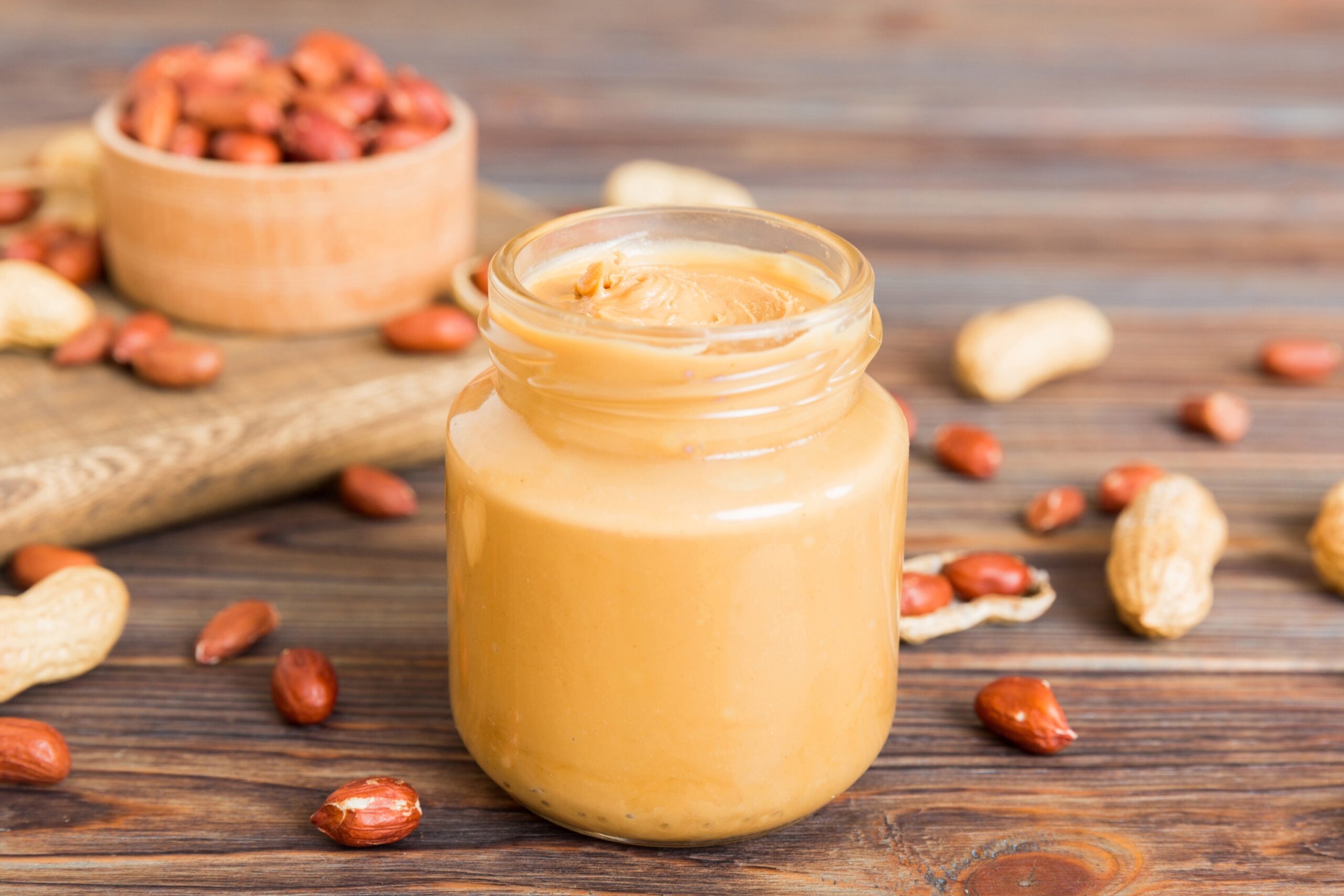
Beanut butter is a homemade spread that combines two ingredients you might not expect to find together: beans and peanut butter. And much of the attention surrounding it comes from fitness creator Chris Sanford, who has been sharing his version as a way to sneak more fiber into a familiar favorite.
The idea is surprisingly simple. Blend cooked white beans, such as Great Northern or cannellini beans, with regular peanut butter or powdered peanut butter until smooth. The beans have a mild flavor and creamy texture, making them an easy addition without completely changing the taste. And the name? It’s exactly what it sounds like: beans plus peanut butter.
But Sanford isn’t the only one experimenting with the combination. Other creators have been putting their own spin on beanut butter, adding vanilla protein powder, cocoa, cinnamon, and sweeteners to create everything from chocolate spreads to dessert-inspired treats. Some are even using the mixture to make cookies and homemade peanut butter cups.
So why add beans to peanut butter in the first place? The appeal goes beyond trying something unusual. Beans provide fiber, some protein, and extra volume, while peanut butter brings the familiar flavor people love. Depending on the proportions, replacing some peanut butter with beans can also lower the calories and fat per serving.
Beanut butter isn’t an entirely new idea—people have been using beans in healthier versions of desserts and spreads for years. But the trend gives that familiar trick a new name and a timely purpose: finding creative ways to eat more fiber without giving up favorite foods.
What does beanut butter taste like?
Can you actually taste the beans? A little, according to people who’ve tried it.
Most describe beanut butter as a milder, less rich version of regular peanut butter, with a subtle bean flavor. The texture can be smooth and creamy, although it may not have quite the same richness as the original.
How close it comes to peanut butter depends on the recipe. Using more peanut butter or peanut butter powder creates a stronger peanut flavor, while adding cocoa, vanilla, or a little sweetener can help balance the taste of the beans.
Noom’s Most Powerful Program
A dual-pathway GLP-1 and behavior change for lasting results.
The verdict? It probably won’t fool a devoted peanut butter fan, but if you’re open to experimenting, beanut butter can be a tasty way to add a little more fiber to your snacks.
Why is beanut butter so popular right now?
There’s something appealing about taking a food you already love and finding a way to make it work a little harder nutritionally. That’s the idea behind beanut butter. It promises the familiar taste of peanut butter with a little extra fiber and, depending on the recipe, fewer calories.
“What I like about trends like beanut butter is that they encourage people to get creative with nutritious ingredients,” says Hudspeth. “It’s not always about replacing your favorite foods with something healthier. Sometimes it’s about finding new ways to add nutrients to foods you already enjoy.”
Here’s what’s likely driving its popularity:
1. It makes adding fiber feel easy
Most Americans don’t get enough fiber, but adding more doesn’t have to mean overhauling your diet. Beanut butter offers a simple way to work beans into something you might already eat regularly.
And because beans also provide some protein, the combination fits neatly into the growing interest in foods that offer both nutrients.
2. It offers a potentially lower-calorie alternative
Peanut butter is nutritious, but it’s also calorie-dense. Replacing some of it with white beans can lower the calories and fat per serving, particularly when using powdered peanut butter.
That could appeal to people trying to manage their weight without giving up favorite foods. But the trade-off matters: Regular peanut butter contains beneficial unsaturated fats, and eating larger portions of beanut butter could cancel out the calorie savings.
3. It’s another unexpected ingredient swap
Social media has already given us cottage cheese ice cream, chickpea cookie dough, and black bean brownies. Beanut butter follows the same formula: Take an ingredient people don’t usually associate with dessert and turn it into something familiar.
White beans work particularly well because their mild flavor and creamy texture blend easily with peanut butter, cocoa, and other ingredients.
And the possibilities go beyond spreading it on toast. From homemade peanut butter cups to cookies and chocolate spreads, the trend gives people plenty of ways to experiment.
That’s ultimately part of beanut butter’s appeal. It’s not a miracle food or a nutritional breakthrough. It’s simply a creative way to make beans a more regular part of your diet.
Is beanut butter healthy?
Yes, beanut butter can be a nutritious addition to your diet, especially if you’re looking to eat more fiber. But its nutritional benefits depend on how you make it. There are two main versions: one made with regular peanut butter and another made with powdered peanut butter.
Beanut butter made with regular peanut butter
This version combines cooked beans, usually Great Northern or cannellini beans, with traditional peanut butter.
- Beans add fiber and protein. Great Northern beans also provide iron, potassium, and other important nutrients.
- Natural peanut butter adds healthy fats. Peanut butter made primarily from peanuts provides protein, vitamin E, magnesium, and mostly unsaturated fats, which support heart health.
- Calories depend on the ratio. Replacing some peanut butter with beans may reduce calories per tablespoon, but the difference depends on how much of each ingredient you use.
If you use a conventional peanut butter with added sugar and oils, the nutritional profile changes. These products may contribute more added sugar, although the amount varies by brand. Some also contain added oils, so it’s worth checking the ingredient list.
The takeaway: Beanut butter made with natural peanut butter provides fiber, protein, and beneficial fats. It’s a nutritious option, but not necessarily a low-calorie one.
Beanut butter made with powdered peanut butter
This version combines beans with powdered peanut butter, which is made by removing most of the oil from roasted peanuts before grinding them into a powder.
- It’s generally lower in calories and fat. Removing much of the peanut oil reduces calories compared with regular peanut butter.
- It still provides protein. Both beans and peanut butter powder contribute plant-based protein.
- It adds fiber. Beans provide additional fiber, which can help support digestion and fullness.
- It contains fewer healthy fats. The process that reduces calories also removes much of the beneficial unsaturated fat found in regular peanut butter.
The takeaway: This version may be a good option if you’re looking for a higher-fiber spread with fewer calories, but it doesn’t provide as much healthy fat as traditional peanut butter.
Beanut butter vs. peanut butter: Nutrition comparison
The nutritional benefits of beanut butter depend on whether you use regular or powdered peanut butter. Here’s how the three spreads compare.
| Nutrient (per 2 tbsp) | Regular peanut butter | Beanut butter with natural peanut butter | Beanut butter with powdered peanut butter |
|---|---|---|---|
| Ingredients | 100% peanuts | 1 can (15 oz) Great Northern beans + ½ cup natural peanut butter | 1 can (15 oz) Great Northern beans + ½ cup powdered peanut butter |
| Calories | 190 | 125–145* | 65–85* |
| Protein | 7 g | 6–7 g* | 5–6 g* |
| Fiber | 2 g | 3–4 g* | 3–4 g* |
| Fat | 16 g | 9–11 g* | 1–2 g* |
| Carbohydrates | 7–8 g | 10–13 g* | 11–14 g* |
| Main benefit | Protein and healthy fats | Fiber, protein, and healthy fats | Fiber with fewer calories |
*Nutrition values are estimates based on the ingredients listed and a two-tablespoon serving. Actual values may vary depending on the brands, proportions, and preparation methods used.
Access GLP-1 Weight Loss with Noom
Explore a wide range of prescription medications supported by Noom’s program.
Microdose GLP-1rx
Noom GLP-1rx
Noom GLP-1rx Plus
Wegovy®
Ozempic®
Metformin
Zepbound®
Mounjaro®
Liraglutide
The biggest difference is in calories and fat. Beanut butter made with powdered peanut butter has significantly less of both than regular peanut butter, while the natural peanut butter version falls somewhere in between. Both versions add a modest amount of fiber, but neither is necessarily higher in protein.
Do beans and peanut butter offer different nutritional benefits?
Beans and peanut butter offer different nutritional benefits that can complement each other. White beans provide fiber, protein, folate, iron, potassium, and magnesium, while peanut butter contributes protein, healthy unsaturated fats, vitamin E, and niacin.
Combining them gives you a broader mix of nutrients, but there are trade-offs. Replacing some peanut butter with beans can lower calories and fat, especially when using powdered peanut butter. However, you’ll also get less vitamin E and beneficial unsaturated fats.
“Adding beans to peanut butter is a clever way to get more fiber into your diet, which can help with digestion and feeling full,” says Hudspeth. “But you’re also changing the balance of nutrients. Beans bring fiber and minerals to the mix, while regular peanut butter provides healthy fats and vitamin E. Neither ingredient is necessarily better than the other, and combining them can be a good way to enjoy the benefits of both.”
Ultimately, neither version is necessarily healthier. The best choice depends on your nutritional needs, preferences, and how you make it.
Can beanut butter help with weight loss?
Beanut butter can be part of a weight-loss plan when it fits into a lower-calorie diet. Replacing some peanut butter with beans can reduce the calories and fat per serving, especially when using powdered peanut butter. But eating larger portions could cancel out those savings.
Here’s how it might help:
- Fewer calories with beanut butter: Beanut butter made with powdered peanut butter generally contains fewer calories than regular peanut butter, potentially allowing you to enjoy a larger portion for the same number of calories.
- Fiber may help you feel fuller: Beans add fiber, which can help support fullness and digestion. And research suggests that eating more fiber may help with weight loss. A large 2019 review of studies found that people who ate more fiber tended to weigh less, and increasing fiber intake led to modest weight loss in clinical trials. But beanut butter only adds a small amount of fiber per serving.
- Protein can help make snacks more satisfying: Both beans and peanuts provide protein, which can help you feel satisfied. A review of research on protein and appetite found that eating more protein may help people feel fuller in the short term. Protein also helps preserve muscle during weight loss, but beanut butter isn’t necessarily higher in protein than regular peanut butter unless protein powder is added.
“Beanut butter can be a good option if you’re looking to cut calories without giving up foods you enjoy,” says Hudspeth. “But the extra fiber is fairly modest, and you’re not necessarily getting more protein. What matters most for weight loss is your overall eating pattern and choosing foods that help you feel satisfied.”
The bottom line? Beanut butter can fit into a weight-loss plan, but there’s no evidence that eating it directly causes weight loss. And regular peanut butter can be part of a healthy weight-management plan, too.
Beanut butter recipe: How to make beanut butter at home
There’s no official beanut butter recipe, but most versions combine cooked beans with peanut butter or peanut butter powder. You’ll need a blender or food processor to get the smooth, spreadable consistency.
Basic beanut butter recipe
Here’s one way to make it using ingredients commonly found in social media recipes.
Ingredients:
- 1 can (15 oz) Great Northern or cannellini beans, drained and rinsed
- 1/2 cup powdered peanut butter
- 1 tablespoon maple syrup or honey (optional)
- ½ teaspoon vanilla extract (optional)
- Pinch of salt
- Water or milk, as needed
Directions:
- Add the drained beans, peanut butter powder, and other ingredients to a blender or food processor.
- Blend until smooth, adding water or milk a little at a time to reach your preferred consistency.
- Taste and adjust the sweetness or peanut flavor. Refrigerate in a covered container.
You can also use regular peanut butter instead of powdered peanut butter for a richer spread, although it will generally contain more fat and calories.
Other recipes people are making beanut butter
People are getting creative with beanut butter, turning it into desserts and experimenting with different flavors.
- Beanut butter cups: These chocolate-covered treats use a mixture of beans and peanut butter as the filling, adding fiber to a classic sweet treat.
- Beanut butter cookies: From chocolate chip and s’mores to classic peanut butter cookies, people are using the bean-based spread in baked goods to add fiber while keeping the familiar peanut butter flavor.
- Beantella: Inspired by Nutella, this chocolate-hazelnut variation uses beans to create a creamy spread with a dessert-like flavor.
Keep in mind that adding chocolate, sweeteners, or other ingredients can increase calories and sugar, so these variations aren’t automatically healthier than the originals.
6 easy ways to eat beanut butter.
Beanut butter isn’t just for sweet treats. You can use it almost anywhere you’d normally reach for peanut butter, from breakfast to an afternoon snack. Here are a few easy ways to try it:
- Spread it on whole-grain toast. Pairing beanut butter with whole grains adds more fiber and creates a satisfying breakfast or snack.
- Use it as a fruit dip. Try it with sliced apples, strawberries, or pears for a combination of fiber and natural sweetness.
- Add it to oatmeal. Stirring in beanut butter adds peanut flavor and some additional protein and fiber.
- Make a beanut butter sandwich. Use it in place of regular peanut butter with your favorite fruit spread.
- Pair it with vegetables. Celery sticks or carrots provide a crunchy contrast to the creamy spread.
- Add it to smoothies. A spoonful can provide peanut flavor and additional fiber.
If you’re trying beanut butter for weight management, pairing it with other fiber-rich foods or a source of protein can help make your snack more satisfying. Just keep portions in mind, since the calories will depend on how you make it.
Is beanut butter safe to eat?
For most people, beanut butter is safe to eat, but there are a few things worth knowing before you try it. The beans can cause digestive discomfort if you’re not used to eating much fiber, and some recipes contain added sugar. Plus, unlike regular peanut butter, homemade beanut butter needs to be refrigerated. Here’s what to keep in mind:
- It may cause gas or bloating. Beans contain fiber and fermentable carbohydrates that can cause digestive discomfort, especially if you’re not used to eating a lot of fiber.
- It’s not safe for people with peanut allergies. Even powdered peanut butter contains peanut proteins that can trigger an allergic reaction.
- Some recipes contain added sugar. Ingredients like maple syrup, honey, and chocolate can add sugar and calories, so check what’s going into your spread.
- It needs to be refrigerated. Unlike regular peanut butter, homemade beanut butter contains cooked beans and moisture. Store it in a covered container in the refrigerator and use it within three to four days.
“If you’re not used to eating a lot of beans, start with a small serving of beanut butter and see how you feel,” says Hudspeth. “Increasing fiber too quickly can lead to gas and bloating, so give your digestive system time to adjust. And remember to drink plenty of water as you add more fiber to your diet.”
And if beanut butter isn’t your thing? That’s perfectly fine. You can get the same fiber and other nutrients from adding beans to soups, salads, grain bowls, and plenty of other meals.
FAQs about beanut butter
Is beanut butter healthier than peanut butter?
Not necessarily. Beanut butter generally contains more fiber and less fat when made with powdered peanuts, but traditional peanut butter provides beneficial unsaturated fats and may contain more protein per serving. Both can be part of a healthy eating pattern.
Is beanut butter high in protein?
It can be, depending on the recipe. Beans and peanut butter powder both provide plant-based protein, but some viral recipes contain added protein powder that substantially increases the protein content. Check the amount per serving rather than relying on claims about the entire batch.
Is beanut butter good for weight loss?
Beanut butter may support weight management by providing fiber and protein, which can help with fullness. Some recipes also contain fewer calories than regular peanut butter. However, there’s no evidence that beanut butter itself causes weight loss.
Does beanut butter taste like peanut butter?
People who’ve tried it generally describe a creamy spread with a recognizable peanut flavor and a mild bean aftertaste. It may be less rich than traditional peanut butter, particularly when made with peanut powder instead of regular peanut butter.
How long does homemade beanut butter last?
Homemade beanut butter should be stored in a covered container in the refrigerator and consumed within three to four days. Unlike regular peanut butter, it isn’t shelf-stable.
Can you make beanut butter without peanut butter powder?
Yes. You can blend cooked white beans with conventional peanut butter instead. This creates a richer spread but generally increases the fat and calorie content compared with versions made using peanut powder.
Noom’s Most Powerful Program
A dual-pathway GLP-1 and behavior change for lasting results.
The bottom line: Beanut butter can be a lower-calorie alternative to peanut butter
Beanut butter is one social media food trend that might be worth a try, especially if you’re looking for creative ways to eat more fiber. Swapping some peanut butter for beans can reduce calories and fat, particularly if you use powdered peanut butter. But the extra fiber is modest, and regular peanut butter has its own benefits, including protein and healthy fats.
“Trends like beanut butter can be a fun way to experiment with foods and discover new things you enjoy,” says Hudspeth. “But you don’t need to reinvent every food to make it healthier. What matters is finding a balance of nutritious foods that you enjoy, that satisfy you, and that you can stick with over time.”
If you’re curious, try making a small batch and see what you think. Just remember that portion sizes still matter, especially if you’re trying to lose weight. And if you’d rather stick with traditional peanut butter or white beans? That’s a perfectly healthy choice, too.
Want to build healthier eating habits without giving up the foods you love? Download Noom for free on iOS or Android. Create a free account to access select tools for tracking your progress and building healthy habits that last.
Editorial standards
At Noom, we’re committed to providing health information that’s grounded in reliable science and expert review. Our content is created with the support of qualified professionals and based on well-established research from trusted medical and scientific organizations. Learn more about the experts behind our content on our Health Expert Team page.