By Whitney Evans, PhD, RD, Amanda Merner, PhD, and Erin Owen, PhD, MPH
In a new analysis of 1,259 Noom GLP-1Rx Program members, people reported clinically meaningful differences in mood, energy, pain, cognition and social functioning – as well as their perception of thriving – at Day 145 of the program, not just weight loss.
Noom’s mission is to help people “live better, longer.” Optimizing weight is part of that story, but it’s not the whole story. For many people starting a GLP-1-supported comprehensive behavioral weight management program, the real goal isn’t a number on the scale – it’s feeling less anxious, having more energy, and simply enjoying life again.
So we asked a basic question: beyond weight loss, are Noom GLP-1Rx Program members actually living better?
Among members with survey data at Days 1, 60 and 145 of the program, we found that 84% reported a clinically important improvement in “Health Related Quality of Life”, and over 50% saw a clinically important improvement in a measure of their overall “flourishing.”
Noom’s Most Powerful Program
A dual-pathway GLP-1 and behavior change for lasting results.
What we measured & when
Noom’s GLP-1Rx Program is a comprehensive behavioral weight management program that provides access to GLP-1 medication when clinically appropriate alongside a powerful app that supports healthy habits. We surveyed 1,259 Noom GLP-1Rx Program members at three assessment time points (Day 1: n= 381; Day 60: n=555; Day 145: n=456). A subset of members completed surveys at two or more timepoints (n=126).
Surveys included two validated questionnaires:
- PROMIS-PROPr – a measure of health-related quality of life, which asks questions about fatigue, sleep, pain, anxiety, depression, cognitive function, and the ability to participate in social activities. It also enables an estimation of health utility and quality-adjusted life years (QALYs), providing a standardized metric for evaluating Noom’s impact on quality of life.
- The PERMA Profiler – a measure of psychological flourishing that includes questions on positive emotion, engagement, relationships, meaning, and accomplishment.
Together, these two questionnaires map onto Noom’s “7 Ms of Wellbeing” framework – a set of actionable whole-person health domains that Noom targets within its programs. They include Metabolism, Muscle, Movement, Mindset, Maintenance, Membership, and Motivation, highlighting what it means to be healthy in body, mind, and life, not just on the scale.
What we found
Participation in the Noom GLP-1Rx Program is associated with meaningfully greater functioning and Health-Related Quality of Life
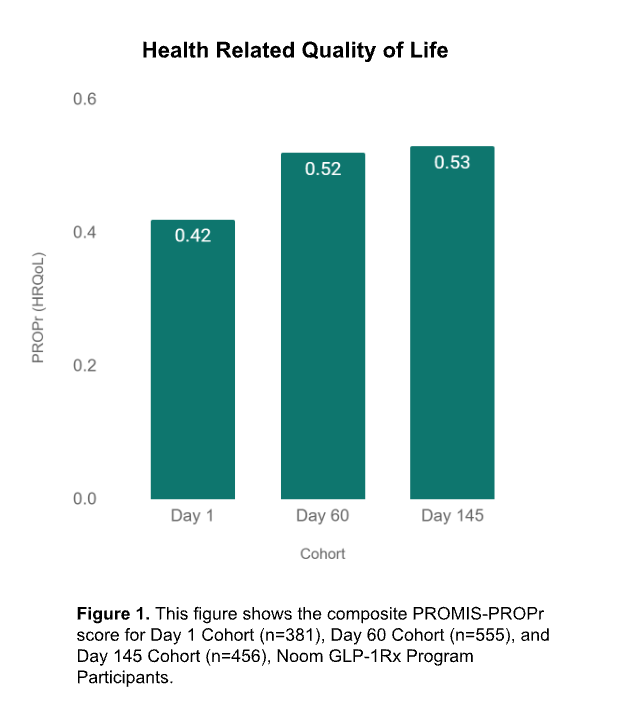
Analyses of the PROMIS-PROPr revealed that at Day 145, members reported statistically significant differences from Day 1 across nearly every domain measured – and many of these differences were considered to be clinically meaningful, not just statistically detectable.
Compared to members at Day 1, members in the Day 145 cohort had:
- Lower depression symptoms – by an average of 4 points
- Lower reported anxiety levels – by an average of 4.6 points
- Lower pain interference and fatigue – by more than 3.5 points
- Greater ability to participate in social roles and activities and cognitive function
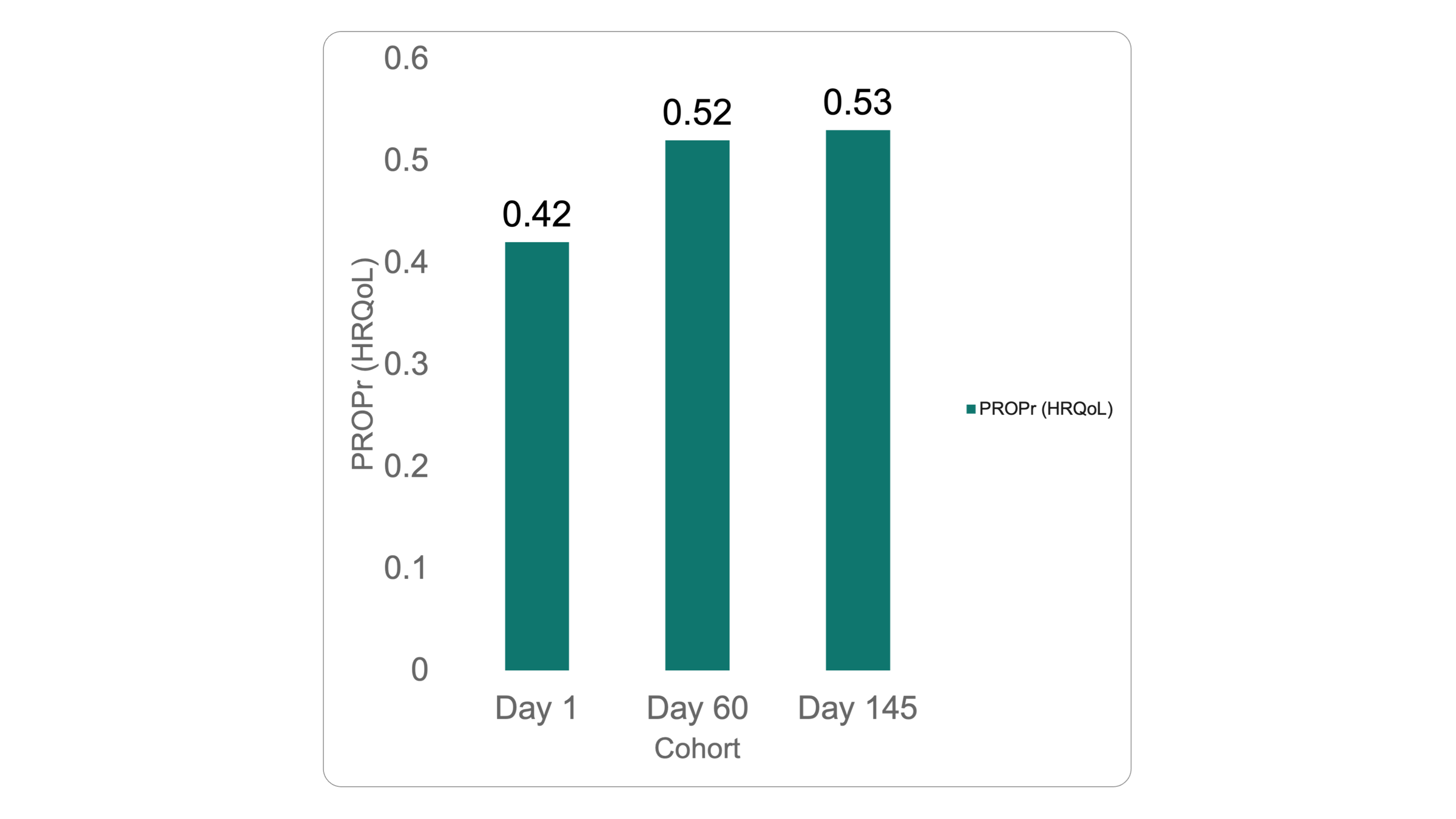
- Overall higher health-related quality of life – 0.42 versus 0.53 on the PROPr scale, a clinically meaningful difference (Figure 1)
Participants later in their Noom program reported greater psychological well-being and flourishing
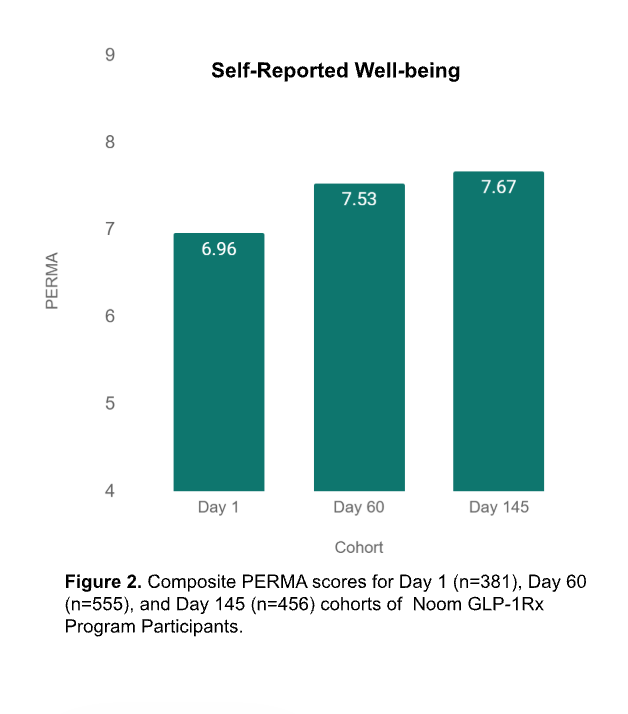
Comparisons of data from the PERMA Profiler between members in the Day 1 cohort and the Day 145 cohort show higher levels of positive emotion, engagement, and meaning, along with better relationships and less loneliness. The biggest difference was in feelings of accomplishment, a difference large enough to be considered clinically significant – a signal that achieving self-directed health goals may be consistent with improvement in confidence and outlook beyond the number on the scale. Overall, Noom GLP-1Rx Program members reported greater overall flourishing at Day 145 as compared to Day 1 (Figure 2).
Longitudinal change analyses support a similar pattern of improvement in health-related quality of life and flourishing
Because most of this data came from different groups of people surveyed at different points in the program, we also looked at changes in the PROMIS-PROPr and PERMA in a smaller group of 126 members who completed the questionnaires at two or more time points. The patterns held: people improved on health-related quality of life and flourishing. Members reported statistically significant improvements in depression, anxiety, pain interference, and ability to participate in social roles and activities.
Most interesting are findings from the members who responded to questionnaires at paired time points. We found 84% of members in this smaller longitudinal cohort met the threshold for a clinically important improvement in health-related quality of life (n=70) and 54% showed a clinically important improvement in overall well-being, or “flourishing” between Day 1 and Day 145 (n=72).
Putting it into context: What are these gains worth?
To understand what these benefits translate to from a quality of life perspective, we ran an exploratory analysis in the group of 126 members to estimate the gain in quality-adjusted life years (QALYs) – a standard health-economics measure of how much a health improvement is “worth” in terms of extra time lived in good health.
Over the 145-day study period, results suggest Noom members accrued an estimated 0.195 QALYs. If improvements in quality of life were maintained over a full year, that could translate to roughly one additional month in “perfect health” relative to where members started – that’s living better for that one month.
For context, that’s in the range of the benefit associated with meeting physical activity guidelines for a full year and greater than the benefit of engaging with a physical activity digital app for a full year.
For an early, exploratory analysis of a behavioral, GLP-1-supported weight management program, that’s a notable signal — and one that we plan to explore further in a larger, longer-term study.
Why might this be happening?
One idea we’re exploring is that by quieting food noise and reducing hunger, GLP-1 medications free up mental bandwidth that used to go toward managing cravings and create a “habit window”, or capacity to help users make changes to health behaviors and establish new routines. When paired with a comprehensive behavioral weight management program – like that offered through the Noom app – users learn helpful habits like logging food, ways to move more, how to better manage stress and establish healthy sleep routines. Over time, these habits start to have a positive impact on overall health.
The caveats
This is early, exploratory work, and is not without limitations:
- Most of this sample was cross-sectional (different people at each timepoint), not a single group tracked over time. There is no comparison group, so changes can’t be attributed to the program.
- The longitudinal subgroup (n=126) is a small sample, so those findings should be treated as preliminary.
- Members who responded to later surveys may have been more engaged or more successful than those who didn’t – so results may not generalize to everyone in the program.
- The QALY estimates are exploratory and rest on a small sample. They assume that improvements are either maintained at Day 145 levels (about 0.8 months over a year) or continue to rise (about 1.2 months). The second scenario is optimistic, since most of the improvement we observed occurred in the first 60 days and then leveled off. Longer-term data are needed to know whether quality of life is sustained or continues to improve as weight loss plateaus.
Reviews from real Noom users
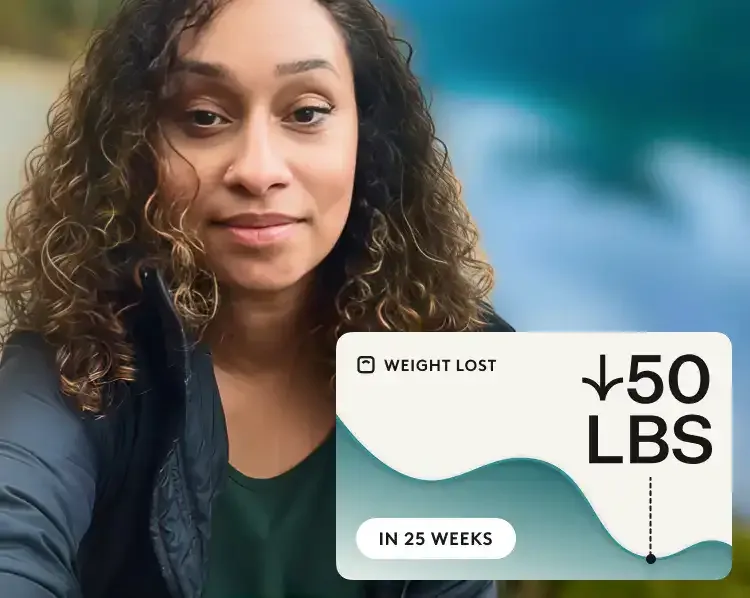
“My favorite parts of Noom are the care team and other Noomers. Sharing and getting help made me feel like I wasn’t doing it alone. That support made all the difference.”
Desirea N. — Real Noom user
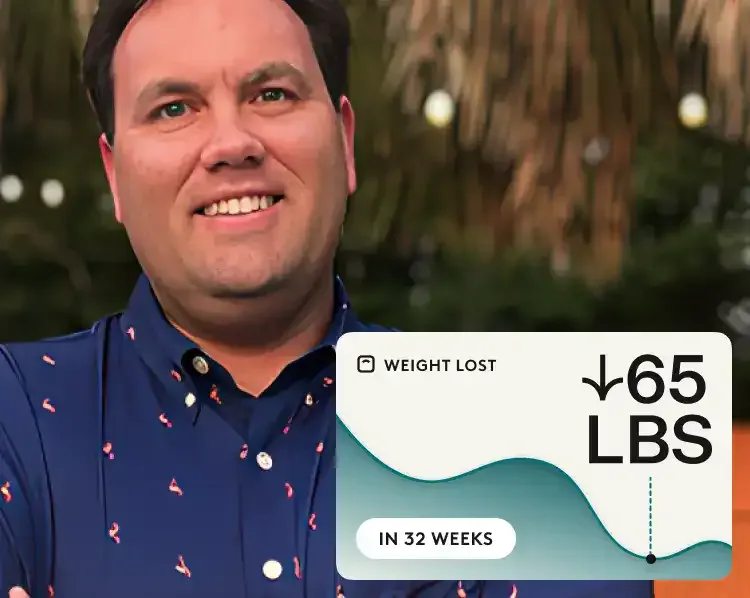
“Noom has taught me that every day is a new chance to make better, healthier choices. It’s taught me how to stop overeating.”
Matthew M. — Real Noom user
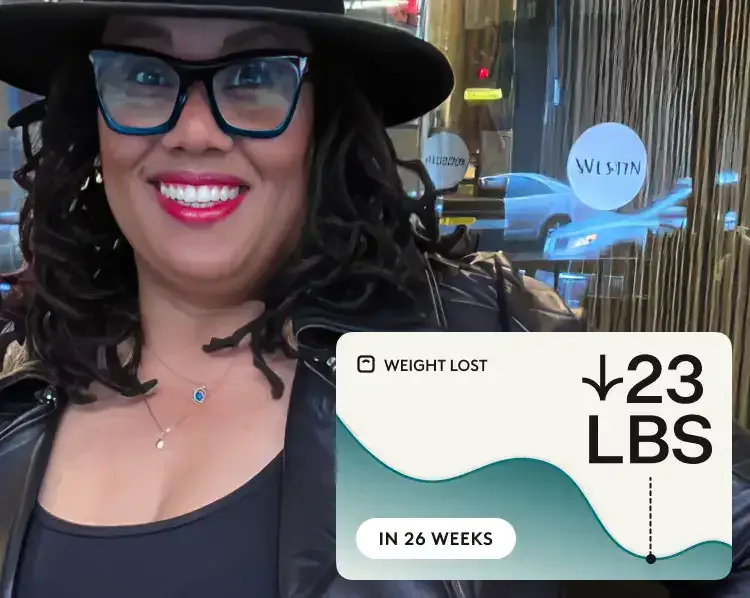
“Clinicians who understand how supportive medication can be is one of the best parts of Noom! I was convinced I wouldn’t have success but I’m down 11 pounds in two months.”
Lila M. — Real Noom user
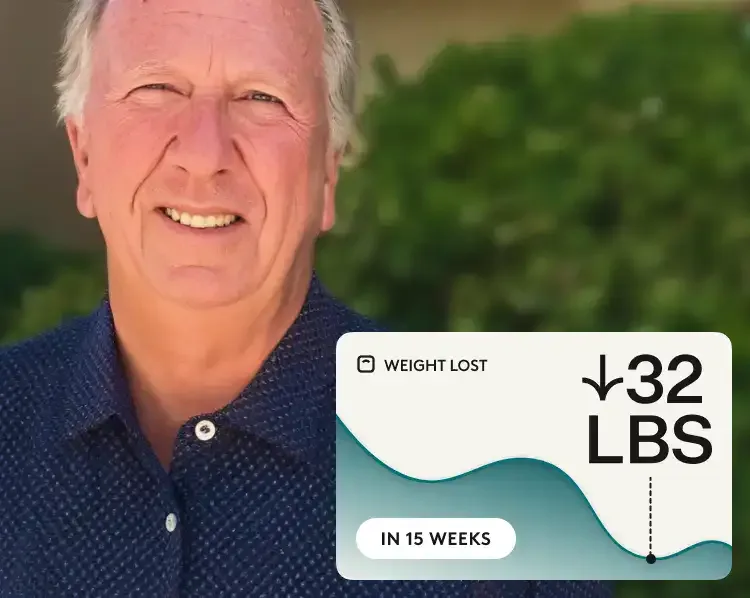
“Noom provided me with the medication which I could not get through Medicare. I have learned the tricks to better eating and life in general.”
Steve M. – Real Noom user
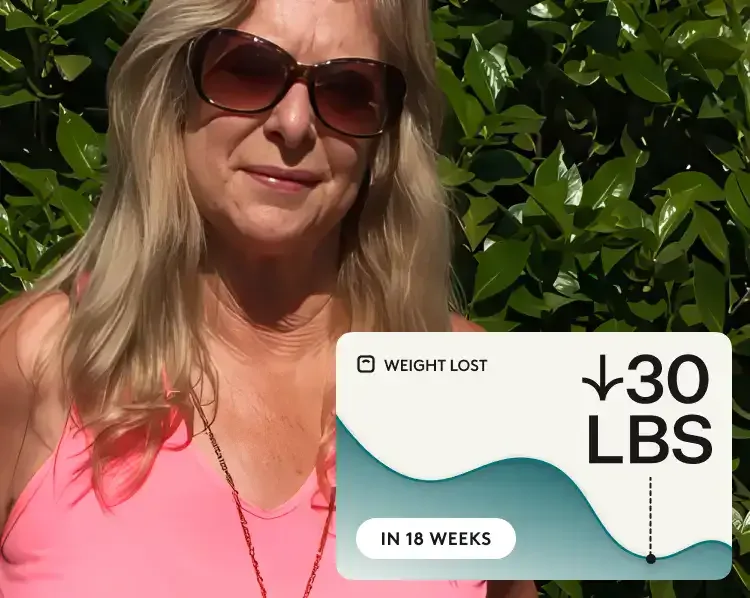
“Noom has changed my life and I’m so thankful, I feel great, have more energy and am no longer prediabetic.”
Daisy R. – Real Noom user
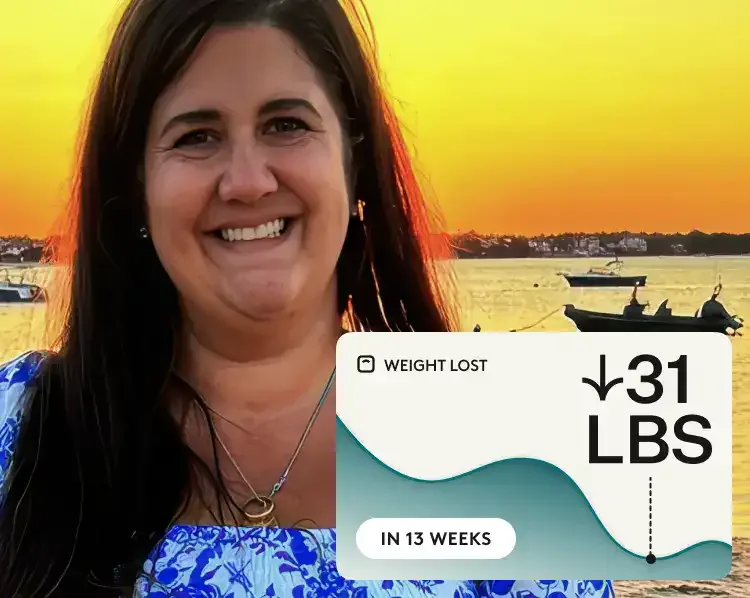
“All of the Noom providers that I’ve met with have been exceptional and prescribed medications that are appropriate for my situation and health.”
Sarah R. – Real Noom user
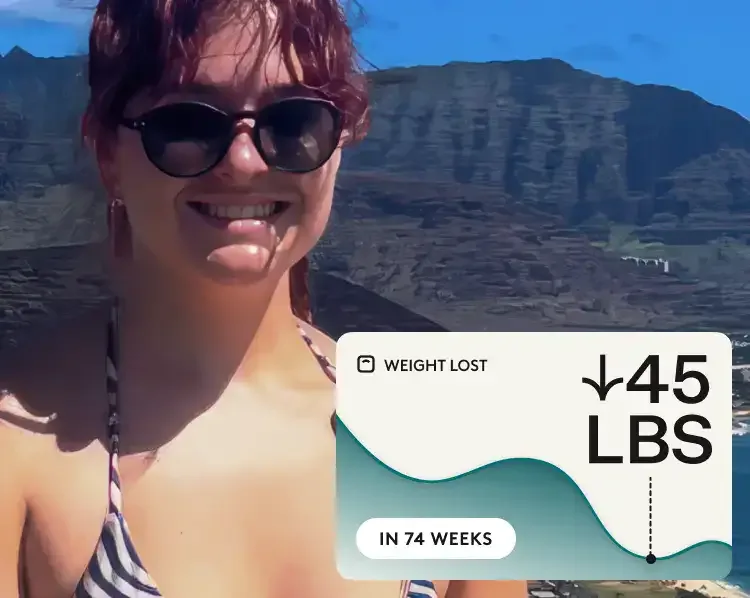
“Noom made the process so simple and now I feel full, free from diet obsession, and at ease in my body again.”
Madison S. – Real Noom user
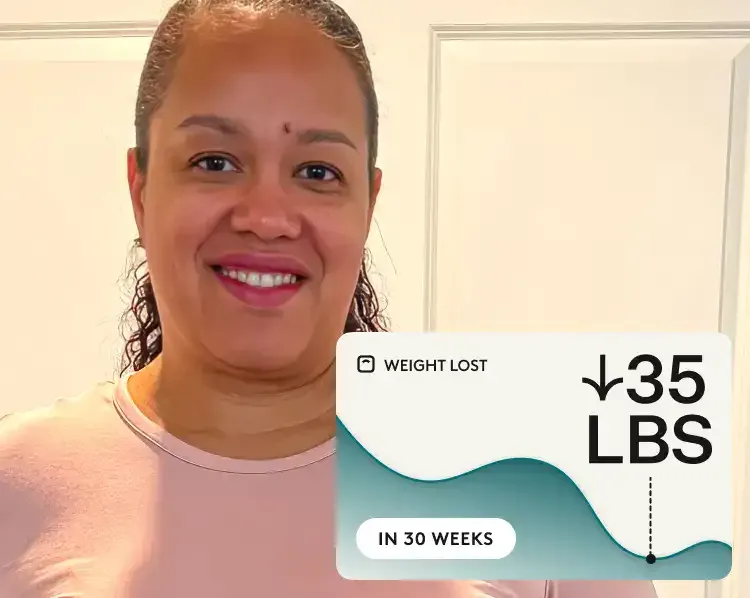
“My doctor recommended Noom after I was frustrated trying to lose weight. The lessons helped change my relationship with food. My body feels lighter & energized.”
Sonday K. – Real Noom user
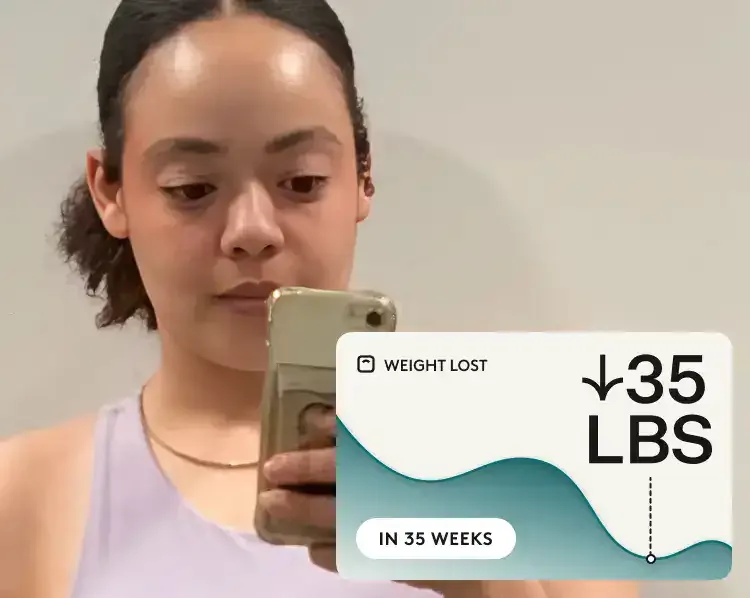
“I built healthy habits with coaching and lessons that make me confident I can maintain my weight loss long term.”
Cam K. – Real Noom user
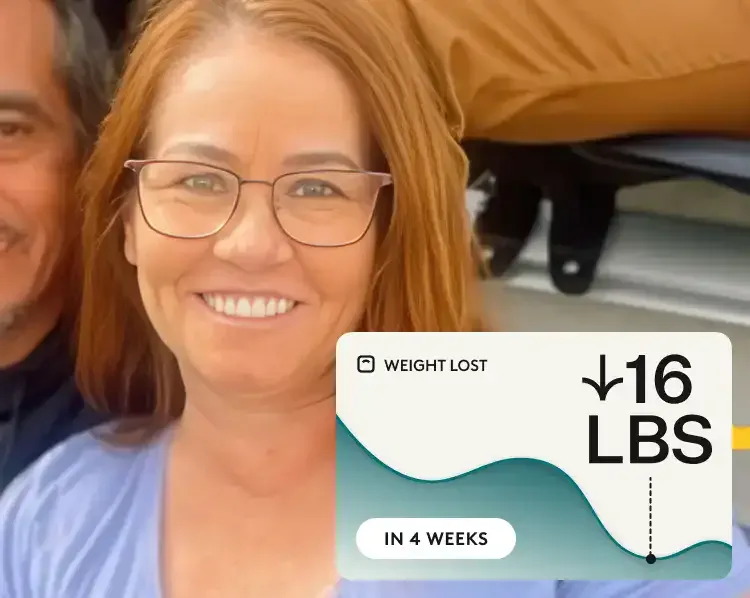
“With the right medication through Noom, hunger and sugar cravings finally quieted and I have the tools to break the cycle.”
Laura TR. – Real Noom user
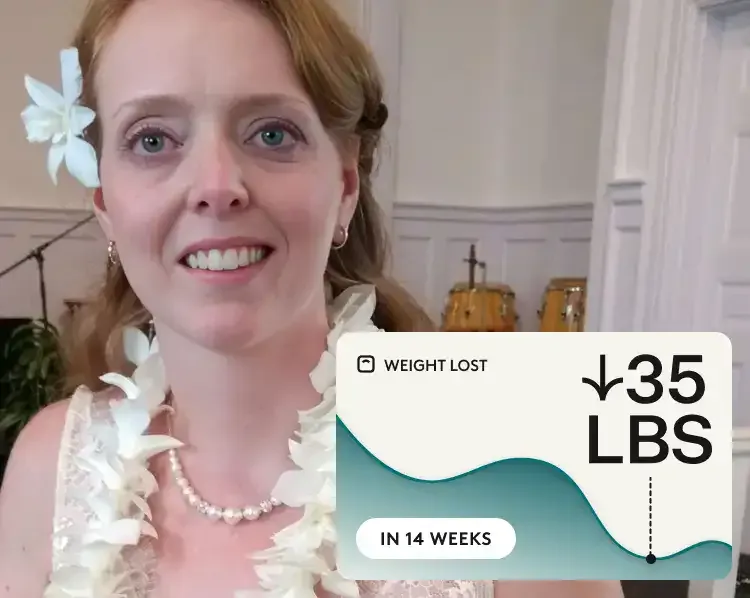
“Cravings and food noise are gone, I finally feel confident in the healthy habits I’ve built to last with Noom.”
Jessica S. – Real Noom user
What’s next
This analysis is a first step, not a final answer. We’re continuing to collect longitudinal data across more of the Noom population so we can see whether these gains are sustained – and start building a more complete picture of what it actually means to “live better, longer.”
But the early signal is encouraging: for Noom GLP-1Rx Program members, the benefits of the program may extend well beyond the scale.
Read the full white paper, including complete results tables and methodology.
This post is for informational purposes only and is not medical advice. Individual results vary. Noom’s GLP-1Rx Program provides access to personalized compounded GLP-1 medication only when clinically appropriate; eligibility requirements apply and medication is not available in all states. GLP-1 medications should be used only under the guidance of a qualified healthcare provider.
REFERENCES
Butler J & Kern ML. The PERMA-Profiler: A brief multidimensional measure of flourishing. International Journal of Wellbeing. 2016; 6(3).
Cook, G. (2025, December 16). Blueprint for everyday wellbeing: The 7 Ms. Noom. https://www.noom.com/blog/longevity/blueprint-for-everyday-wellbeing/
Cook, G. Quieting “food noise”: How GLP-1s and mindfulness rewire the default mode network (DMN) and reward circuits. Cureus. 2026; 18(1), e100818.
Cook, G. (2026a). Digital behavioral infrastructure for glucagon-like peptide-1 pharmacotherapy: Viewpoint on persistence, tolerability, and postcessation durability. Journal of Medical Internet Research, 28, e104227.
Dewitt B, Feeny D, Fischhoff B, et al. Estimation of a preference-based summary score for the Patient-Reported Outcomes Measurement Information System: The PROMIS®-Preference (PROPr) scoring system. Medical Decision Making. (2018); 38(6): 683-698.
Mouelhi Y, Jouve E, Castelli C, Gentile S. How is the minimal clinically important difference established in health-related quality of life instruments? Health and Quality of Life Outcomes. 2020; 18(1): 136.

The Easy Way
to lose weight and get healthy.
Rondina, R., Hong, M., Sarma, S., & Mitchell, M. (2021). Is it worth it? Cost-effectiveness analysis of a commercial physical activity app. BMC Public Health, 21, 1950.
Sun K, Song J, Manheim LM, et al. Relationship of meeting physical activity guidelines with quality-adjusted life-years. Seminars in Arthritis and Rheumatism. 2014; 44(3): 264–270.
Terwee CB, Peipert JD, Chapman R, et al. Minimal important change (MIC): a conceptual clarification and systematic review of MIC estimates of PROMIS measures. Quality of Life Research. 2021; 30(10): 2729–2754.
Editorial standards
At Noom, we’re committed to providing health information that’s grounded in reliable science and expert review. Our content is created with the support of qualified professionals and based on well-established research from trusted medical and scientific organizations. Learn more about the experts behind our content on our Health Expert Team page.