
What you’ll learn:
- Weight regain is common after stopping a GLP-1 medication, but how much weight comes back varies, and maintaining some of your weight loss is possible.
- Staying on a maintenance dose, switching medications, or gradually tapering off are options to discuss with your clinician based on your health, goals, and needs.
- Eating satisfying, balanced meals, staying active, and tracking your progress in a way that works for you can help support long-term weight maintenance.
GLP-1 medications can be very effective for weight loss, but many people eventually stop taking them. In one large study of people without diabetes who started a GLP-1 medication, about 65% stopped within a year. The most commonly reported reasons for stopping included cost, side effects, and lack of insurance coverage. About one in four people said they had reached their goal weight.
Whatever the reason for stopping, figuring out how to maintain your weight loss is an important next step. That’s because weight regain is common after GLP-1 treatment ends. In one study of adults who took semaglutide for more than a year, participants regained about two-thirds of the weight they’d lost within a year of stopping.
But regaining weight isn’t inevitable, and there are steps you can take to help maintain your progress. If you’re thinking about stopping a GLP-1 medication—or have already stopped—having a plan can make the transition easier.
We’ll explain why weight tends to return after stopping a GLP-1 and walk through five practical steps to help you maintain your weight loss, from working with your clinician and managing hunger to building sustainable eating, activity, and tracking habits.
Why weight regain happens after stopping a GLP-1
If you’re thinking about stopping a GLP-1 medication, or you already have, you might be wondering whether the weight will come back. There are two main reasons weight regain can happen: the medication’s appetite-regulating effects wear off, and your body naturally responds to weight loss in ways that can make maintaining it more challenging.
Noom’s Most Powerful Program
A dual-pathway GLP-1 and behavior change for lasting results.
GLP-1 medications mimic a hormone your gut produces called glucagon-like peptide-1 (GLP-1), which helps regulate appetite, slows stomach emptying, and supports blood sugar control. Tirzepatide also activates receptors for another gut hormone called GIP (glucose-dependent insulinotropic polypeptide).
Here’s how stopping treatment and losing weight can affect your body.
The medication leaves your body, and its effects fade
GLP-1 medications help reduce hunger and cravings while you’re taking them. When you stop, those effects gradually wear off as the medication leaves your system.
How long that takes depends on the medication:
- Semaglutide: Semaglutide has a half-life of about one week and can remain in your system for about five weeks after your last dose.
- Tirzepatide: This medication clears somewhat faster, since it has a half-life of about 5 days, and should be gone from your body in about 30 days.
Weight regain can also happen gradually. A 2025 analysis of randomized trials involving weight-loss medications, including GLP-1s, found no meaningful weight regain four weeks after stopping treatment. By eight weeks, people who stopped had regained about 3 pounds more than the comparison group. Weight regain continued to increase until around 20 weeks, when it began to level off.
That doesn’t mean everyone will notice their hunger returning or their weight changing on the same timeline. Most studies track weight rather than appetite, so researchers know more about when weight regain occurs than exactly when hunger returns.
Your hunger hormones may shift after weight loss
Weight loss itself can change the hormones that regulate hunger and fullness, even when medication isn’t involved.
In one study, 50 adults with overweight or obesity lost about 30 pounds over 10 weeks while following a very-low-calorie diet. After losing weight, researchers found that:
- Ghrelin, a hormone that stimulates hunger, increased.
- Leptin, a hormone that helps signal fullness and energy stores, decreased.
- Appetite increased, with participants reporting feeling hungrier than before losing weight.
Many of these changes were still present a year later.
These shifts may help explain why maintaining weight loss can feel harder than losing weight in the first place. However, researchers are still studying how much they contribute to regain. A 2025 review of 127 studies found that the relationship between changes in appetite-related hormones and subsequent weight regain remains unclear.
Access GLP-1 Weight Loss with Noom
Explore a wide range of prescription medications supported by Noom’s program.
Microdose GLP-1rx
Noom GLP-1rx
Noom GLP-1rx Plus
Wegovy®
Ozempic®
Metformin
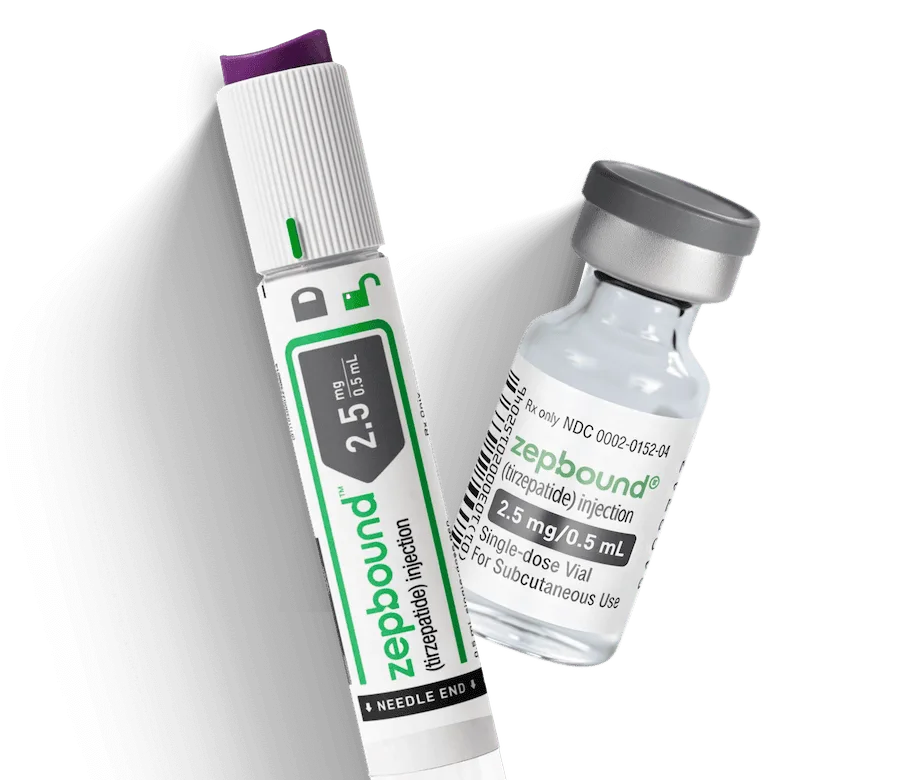
Zepbound®
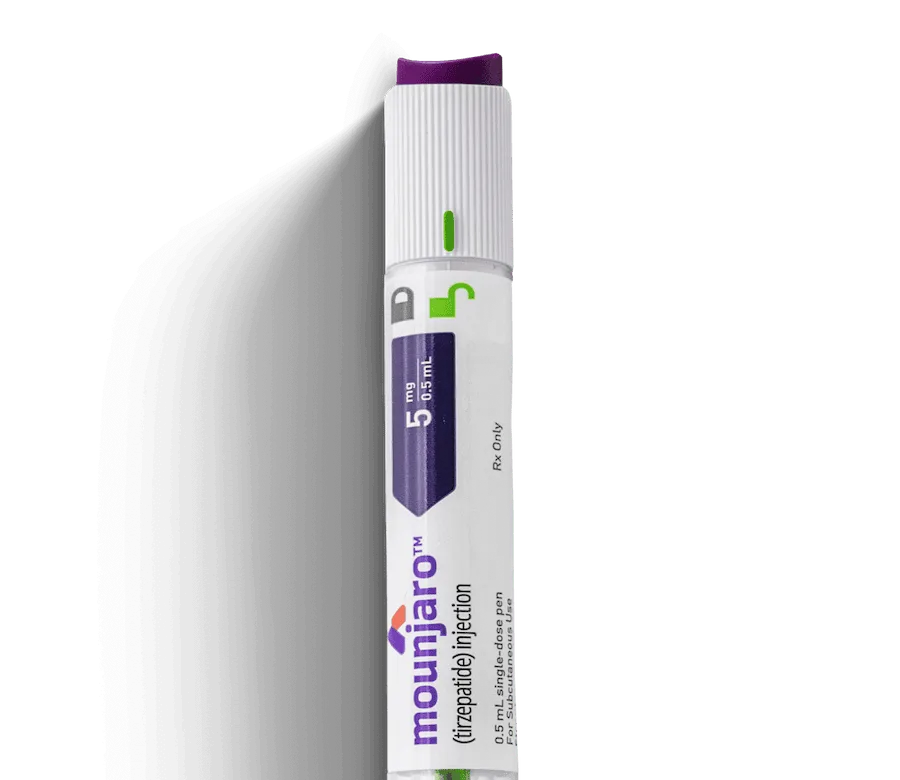
Mounjaro®
Liraglutide
Your metabolism may slow slightly
When you lose weight, your body generally needs fewer calories because there’s less body mass to maintain. But sometimes, your resting calorie burn drops a little more than expected for your new size.
Researchers call this adaptive thermogenesis, or metabolic adaptation.
In one study involving 94 adults with overweight or obesity, about half participated in a lifestyle program and lost an average of 5% of their body weight over four months.
Among those who lost weight, resting calorie expenditure was approximately 65 to 230 calories per day lower than expected, depending on how researchers calculated it. That’s roughly the equivalent of a small snack.
This doesn’t mean your metabolism is permanently damaged or that weight regain is unavoidable. Researchers continue to debate how significant metabolic adaptation is and how much it affects long-term weight maintenance.
Learn more:
What research shows about weight regain after stopping GLP-1s
Research shows that weight regain is common after stopping GLP-1 medications, even among people who have lost a substantial amount of weight.
In one trial, 670 adults took tirzepatide for 36 weeks, with an average weight loss of about 21%, before being assigned to either continue treatment or switch to a placebo. Over the next 52 weeks, those who continued tirzepatide lost a further 5.5% of their weight (measured from week 36), while those switched to placebo gained 14% of their week-36 weight, ending about 10% below their original starting weight versus about 25% below for those who continued.
A similar pattern emerged with semaglutide. In another trial, participants took semaglutide for 20 weeks before either continuing treatment or switching to a placebo. Those who stayed on semaglutide lost a further 7.9% of their weight, while those who switched to placebo gained 6.9% (both measured from the end of the 20-week run-in).
And the findings extend beyond individual medications. An analysis of 37 studies involving more than 9,000 adults found that weight returned nearly four times faster after stopping weight-loss medications than after ending diet and exercise programs.
Weight isn’t the only thing that can change. In a study of people who stopped tirzepatide, those who regained the most weight also experienced greater reversals in improvements to blood pressure, blood sugar, and cholesterol. Similar changes were seen after stopping semaglutide, with many cardiometabolic improvements moving back toward baseline within a year.
These findings highlight why having a maintenance plan matters. While there’s no guaranteed way to prevent weight regain after stopping a GLP-1, working with your clinician and building habits that support your weight can help you navigate the transition.
How to maintain weight loss after GLP-1: 5 steps
Maintaining weight loss after stopping a GLP-1 can be challenging, but having a plan can help. While no strategy can guarantee that you won’t regain weight, there are steps you can take to support your progress.
The best approach depends on your health, your goals, and why you’re stopping treatment. These five steps can help you work with your care team, explore your medication options, and build eating, activity, and tracking habits that support long-term weight maintenance.
Step 1: Talk with your clinician before making changes
Before stopping or changing your GLP-1 medication, talk with the clinician who prescribes it. They can help you understand what to expect, review your options, and create a plan based on your health and weight-management goals.
Noom’s Most Powerful Program
A dual-pathway GLP-1 and behavior change for lasting results.
This is especially important if you’re considering stopping because of side effects or cost. Adjusting your dose, switching medications, or exploring other treatments may be possible alternatives.
A joint advisory from four leading medical organizations recommends ongoing nutrition and lifestyle support before, during, and after GLP-1 treatment. Depending on your circumstances, a different dose, medication, or medication class may also be worth discussing.
Here are a few questions to bring to your appointment:
- What should my maintenance goal be? Discuss your weight goals and other health markers, such as blood pressure or blood sugar, that you want to maintain.
- How should I change my medication? Ask whether stopping, reducing your dose, or making another adjustment is appropriate, and what the timeline might look like.
- What should we monitor? Find out which health markers you should track, whether you’ll need follow-up lab work, and when to schedule a check-in.
- What if I start regaining weight? Agree on when to reassess your plan and whether restarting medication or exploring another treatment might make sense.
If you’re working with Noom Med, your care team can help you navigate these decisions and create a plan for what comes next.
Step 2: Choose your plan: Stay on a maintenance dose, switch medications, or taper off
Once you’ve talked with your clinician, the next step is deciding what happens with your medication. You may be able to continue treatment at a lower dose, switch to another medication, or gradually taper off.
Each approach has different benefits, limitations, and levels of research supporting it. Here’s what we know so far.
GLP-1 maintenance dose after weight loss: Can a lower dose work?
Continuing GLP-1 treatment has the strongest evidence for maintaining weight loss. But do you need to stay on the same dose?
A 2026 trial followed 378 adults with obesity who had already lost weight while taking tirzepatide. Researchers divided them into three groups: those who continued taking their highest tolerated dose, those who reduced their dose to 5 mg, and those who switched to a placebo.
After one year, here’s how much weight each group had lost compared with their original starting weight:
- Highest tolerated dose: 21.9% weight loss
- Lower 5 mg dose: 16.6% weight loss
- Placebo: 9.9% weight loss
The study also allowed participants to restart treatment if they regained more than half the weight they’d lost. That happened in 8% of those on the highest dose, 25% of those taking 5 mg, and 67% of those taking a placebo.
What does this mean? A lower dose helped many participants maintain substantial weight loss, although the higher dose was more effective overall.
There are some limitations. The trial only tested tirzepatide and one reduced dose, and researchers couldn’t determine who was most likely to do well on the lower dose. A separate small study involving 30 adults also explored taking semaglutide or tirzepatide less frequently, but more research is needed before this can be considered an established maintenance strategy.
For more details, see our guides to the semaglutide maintenance dose and tirzepatide maintenance dose.
Switch to another medication
If continuing your current GLP-1 isn’t an option, switching to another medication may help you maintain some of your weight loss.
A 2026 trial followed 376 adults who had previously taken injectable semaglutide or tirzepatide and reached a weight-loss plateau. Participants switched to either Foundayo (orforglipron), a daily oral GLP-1 medication, or a placebo for one year.
The results showed:
- After semaglutide: People who switched to Foundayo maintained about 79% of their previous weight loss, compared with 38% of those taking a placebo.
- After tirzepatide: People who switched to Foundayo maintained about 75% of their previous weight loss, compared with 49% of those taking a placebo.
These findings suggest that switching medications may help preserve weight loss for some people.
However, the trial was sponsored by the medication’s manufacturer and only examined one specific treatment switch. We don’t yet know whether other medication combinations would produce similar results.
Your clinician can help you explore whether another medication might be appropriate based on your health, treatment goals, side effects, and insurance coverage.
Learn more: Orforglipron for maintenance: Keeping the weight off after GLP-1 medications
Taper off your GLP-1
If you’re ready to stop taking a GLP-1, gradually reducing your dose may be an option to discuss with your clinician. This approach, called tapering, gives you time to adjust as the medication’s effects wear off and to see how your hunger, appetite, and weight respond.
There’s growing interest in whether tapering can also help people maintain their weight loss. These findings are encouraging. Researchers are now studying the question more closely, including in a trial comparing a 16-week semaglutide taper with stopping all at once.
If tapering feels like the right path for you, work with your clinician on a schedule and a plan for what comes next. That might include checking in on changes in hunger and weight, building habits that support maintenance, and discussing when to revisit your treatment options.
For more information, see what happens when you stop a GLP-1 and what happens when you stop tirzepatide.
Step 3: Eat for satiety and energy
When you stop taking a GLP-1, you may notice you’re getting hungry more often or that it takes more food to feel full. What you eat can help you manage those changes.
A joint advisory from four leading medical organizations emphasizes the importance of good nutrition during and after GLP-1 treatment to support long-term weight management and help preserve muscle and bone.
You don’t need a complicated eating plan. Focus on foods that help you feel satisfied, give you steady energy, and provide the nutrients your body needs:
- Protein: Protein helps you feel full and, along with strength training, supports muscle maintenance. Research suggests higher-protein meals may help with satiety. A common target during weight loss is 1.2 to 1.6 grams per kilogram of body weight, or about 80 to 110 grams daily for someone who weighs 150 pounds. Your needs may differ, so check with your clinician or dietitian, especially if you have kidney disease.
- Learn more about how much protein to eat on a GLP-1.
- Fiber: Fiber-rich foods like beans, vegetables, berries, and whole grains can help you feel fuller for longer. Research suggests fiber may support fullness through several mechanisms, including its effects on digestion and appetite hormones. Aim for about 14 grams per 1,000 calories, or 28 grams on a 2,000-calorie diet. Increase fiber gradually and drink plenty of water to help prevent digestive discomfort.
- Healthy fats: Olive oil, nuts, seeds, and fatty fish can make meals more satisfying. Fat helps slow digestion and stimulates hormones involved in fullness. Because fat is calorie-dense, pay attention to portions and choose unsaturated fats more often than saturated fats.
- Fruits and vegetables: These foods provide fiber, water, and nutrients that help fill your plate without adding a lot of calories. Research suggests whole fruits and vegetables can be more filling than some more highly processed foods. On a 2,000-calorie diet, aim for about three servings of vegetables and two servings of fruit daily.
You don’t have to avoid your favorite foods, but it can help to eat fewer sugary drinks, refined carbohydrates, and highly processed snacks, which may be less filling and easier to overeat.
Where Noom fits in: Tracking your meals in the Noom app can help you spot patterns, like which meals keep you satisfied, when hunger tends to return, and what gives you steady energy throughout the day.
Step 4: Find movement you can stick with
Regular movement can help you maintain weight loss after stopping a GLP-1. In one analysis, people who exercised after losing weight regained about 6 pounds less, on average, than those who didn’t.
There’s also some research specific to GLP-1 medications. In one study, people who combined liraglutide, an earlier GLP-1 medication, with supervised exercise weighed about 11 pounds less a year after stopping treatment than those who had taken the medication alone.
You don’t need an intense workout routine to get started. The key is finding activities you enjoy enough to keep doing. Aim for a mix of:
- Cardio: Start with a goal of 150 minutes of moderate activity per week, such as brisk walking, biking, or swimming. You can break it into shorter sessions throughout the day. Even five-minute bursts of activity can help improve fitness.
- Strength training: Aim for at least two days a week to help maintain muscle as you manage your weight. You can use weights, resistance bands, or your own body weight with exercises like squats and push-ups.
And remember, everyday movement counts. Taking the stairs, walking after dinner, or getting up to move throughout the day can all help you stay active.
Step 5: Track your progress
Keeping an eye on your progress can help you notice changes and adjust your plan when needed. But that doesn’t have to mean stepping on the scale every day—or even at all.
Some research suggests that weighing yourself regularly, whether daily or weekly, can help with weight maintenance. But if tracking your weight makes you anxious or overly focused on the number, it’s okay to take a different approach.
You can also pay attention to how your clothes fit, changes in hunger and energy, how you feel during everyday activities, and whether you’re keeping up with habits that make you feel good.
Your clinician can help you monitor other important measures, too. Research shows that improvements in blood pressure, blood sugar, and cholesterol can begin to reverse after stopping a GLP-1, particularly as weight returns.
The goal isn’t to track everything. It’s to find a few meaningful ways to check in with yourself so you can recognize what’s working and when you might need more support.
Frequently asked questions about how to manage weight loss after a GLP-1
Can you restart a GLP-1 after stopping?
Yes, restarting a GLP-1 may be an option if you’ve stopped treatment and started regaining weight. Talk with your clinician first, since you may need to restart at a lower dose and gradually increase it to reduce side effects like nausea and vomiting. How you restart depends on which medication you took, how long you’ve been off it, and why you stopped in the first place. Your clinician can help you decide whether restarting or trying a different medication makes sense.
Can you maintain weight loss after stopping a GLP-1?
Yes, but some weight regain is common. In one study, people regained about two-thirds of the weight they’d lost within a year of stopping semaglutide. Still, nearly half maintained a weight loss of at least 5% of their starting weight. Eating balanced meals, staying active, and working with your care team may help you maintain your progress.
Can you maintain weight loss on a lower GLP-1 dose?
Possibly. In a 2026 trial, people who reduced their tirzepatide dose to 5 mg maintained an average weight loss of 16.6% from their starting weight, compared with 9.9% among those who stopped treatment. More research is needed to understand who does best on a lower dose.
Can switching to another medication help keep the weight off?
Yes, it may. In a 2026 trial, people who switched from injectable semaglutide or tirzepatide to the daily pill Foundayo maintained more of their weight loss than those who switched to a placebo. However, the study only tested one medication switch, so it’s worth discussing your options with your clinician.
Can I stop taking a GLP-1 once I reach my goal weight?
You can discuss stopping with your prescriber, but reaching your goal weight doesn’t necessarily mean you no longer need treatment. GLP-1 medications are often used for long-term weight management, and stopping can lead to weight regain. Your clinician can help you decide whether continuing treatment, adjusting your dose, or stopping makes the most sense.
Does tapering off a GLP-1 prevent weight regain?
We don’t know yet. As of now, we are not aware of any completed randomized trials comparing tapering with stopping all at once. Research is underway, but for now, there’s not enough evidence to recommend tapering specifically to prevent regain.
Will exercise alone help me maintain weight loss after a GLP-1?
Exercise can help, but it may not be enough on its own to prevent regain. In one analysis, people who exercised after losing weight regained about 6 pounds less, on average, than those who didn’t. Combining regular movement with balanced eating habits and ongoing medical support may give you a better chance of maintaining your progress.
Reviews from real Noom users
“My favorite parts of Noom are the care team and other Noomers. Sharing and getting help made me feel like I wasn’t doing it alone. That support made all the difference.”
Desirea N. — Real Noom user
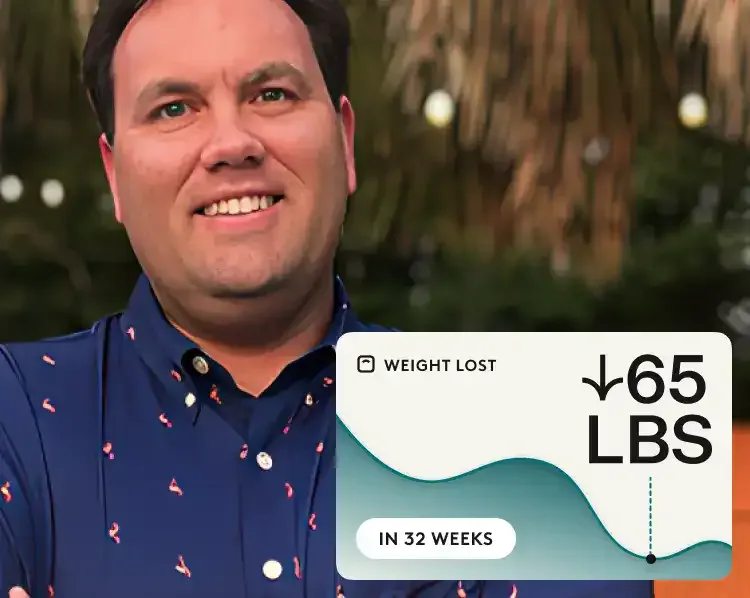
“Noom has taught me that every day is a new chance to make better, healthier choices. It’s taught me how to stop overeating.”
Matthew M. — Real Noom user
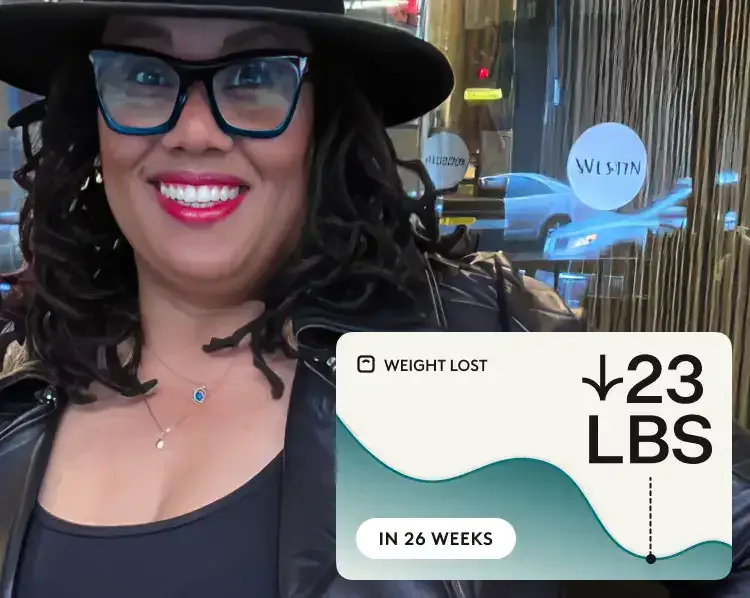
“Clinicians who understand how supportive medication can be is one of the best parts of Noom! I was convinced I wouldn’t have success but I’m down 11 pounds in two months.”
Lila M. — Real Noom user
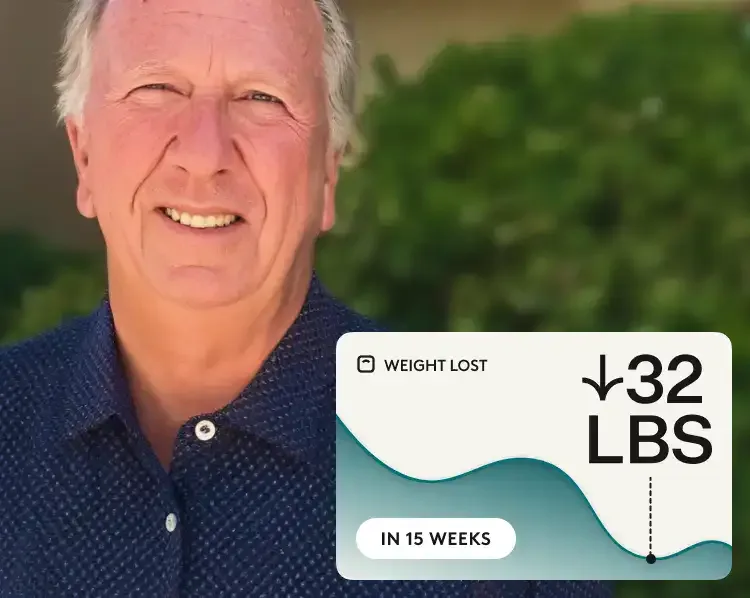
“Noom provided me with the medication which I could not get through Medicare. I have learned the tricks to better eating and life in general.”
Steve M. – Real Noom user
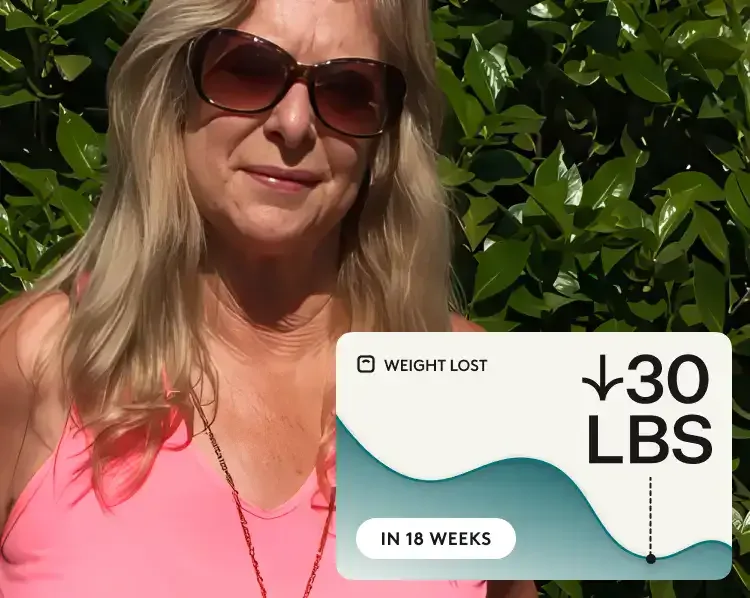
“Noom has changed my life and I’m so thankful, I feel great, have more energy and am no longer prediabetic.”
Daisy R. – Real Noom user
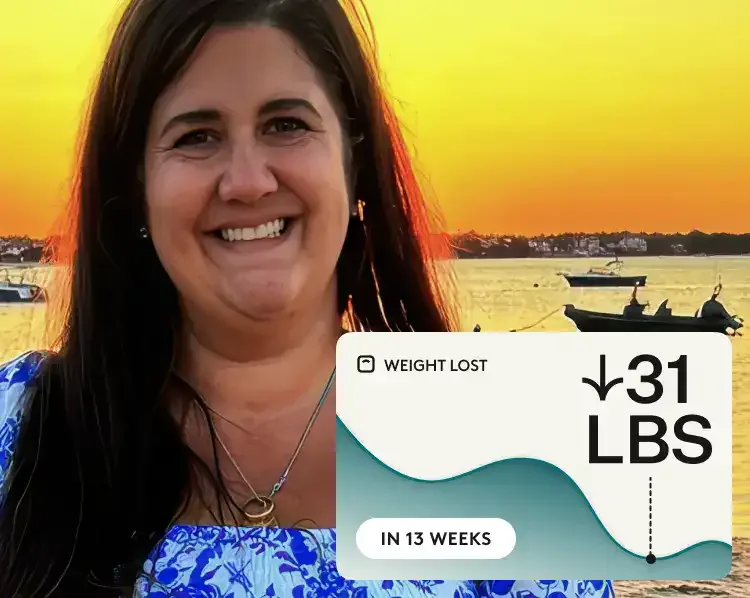
“All of the Noom providers that I’ve met with have been exceptional and prescribed medications that are appropriate for my situation and health.”
Sarah R. – Real Noom user
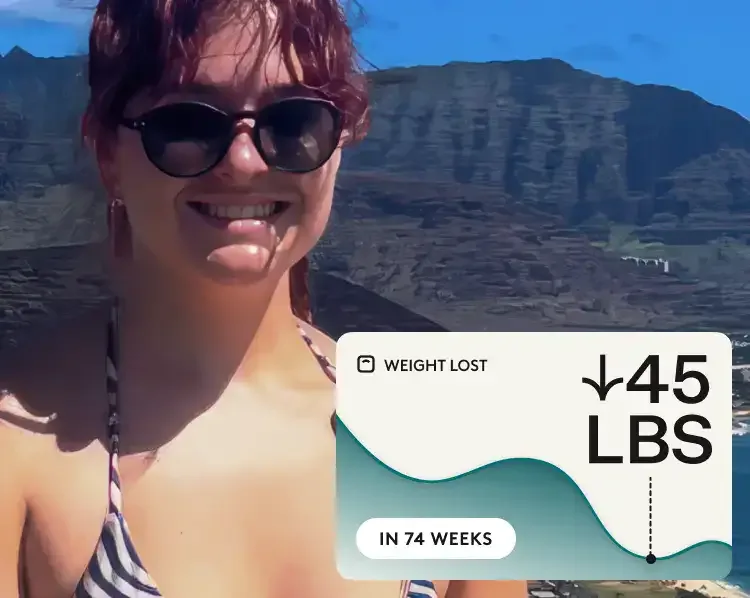
“Noom made the process so simple and now I feel full, free from diet obsession, and at ease in my body again.”
Madison S. – Real Noom user
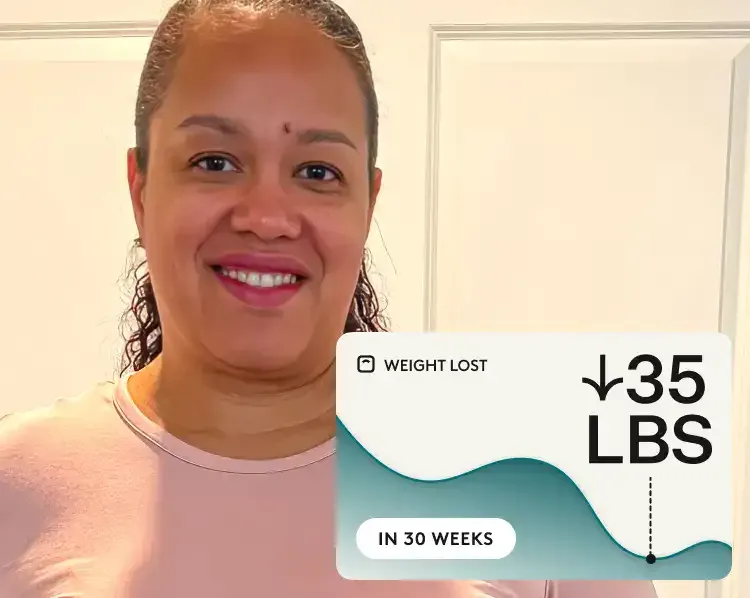
“My doctor recommended Noom after I was frustrated trying to lose weight. The lessons helped change my relationship with food. My body feels lighter & energized.”
Sonday K. – Real Noom user
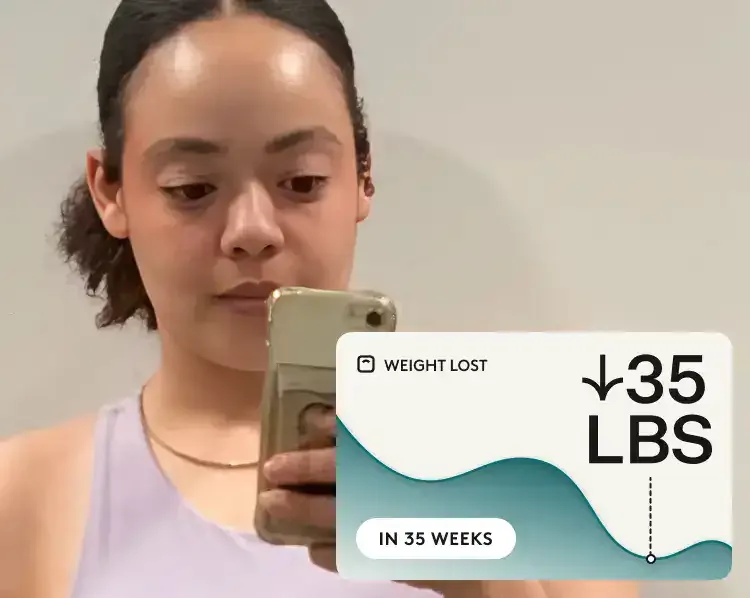
“I built healthy habits with coaching and lessons that make me confident I can maintain my weight loss long term.”
Cam K. – Real Noom user
“With the right medication through Noom, hunger and sugar cravings finally quieted and I have the tools to break the cycle.”
Laura TR. – Real Noom user
“Cravings and food noise are gone, I finally feel confident in the healthy habits I’ve built to last with Noom.”
Jessica S. – Real Noom user
The bottom line: Maintaining weight loss after a GLP-1 takes a plan
Maintaining weight loss after stopping a GLP-1 can be challenging, especially as hunger returns and your body adjusts to being at a lower weight. Research shows that many people regain some of the weight they’ve lost, but how much varies. And while there’s no guaranteed way to prevent regain, there are ways to support your progress.
The first step is working with your clinician to decide what comes next. Staying on a maintenance dose, switching medications, or stopping treatment are all options worth discussing, depending on your health, goals, and circumstances. From there, focusing on satisfying meals, regular movement, and checking in on your progress can help you build a routine that supports long-term weight management.
And remember, your plan doesn’t have to stay the same forever. If your hunger changes, your weight starts to increase, or your current approach stops working, you can make adjustments with your care team. Maintaining weight loss isn’t about doing everything perfectly or never regaining a pound. It’s about finding an approach you can sustain and knowing when to make changes along the way.
Download Noom and see how the program, community, expert tips, and motivation can help.
Editorial standards
At Noom, we’re committed to providing health information that’s grounded in reliable science and expert review. Our content is created with the support of qualified professionals and based on well-established research from trusted medical and scientific organizations. Learn more about the experts behind our content on our Health Expert Team page.