

What you’ll learn:
- Studies show that people who continue semaglutide are more likely to maintain their weight loss than those who stop the medication.
- There isn’t a single official maintenance dose for semaglutide, so the right plan is usually personalized with guidance from your healthcare provider.
- Daily habits still matter, and combining medication with routines like balanced eating, movement, and progress tracking helps protect long-term results.
The process of losing weight tends to get most of the attention when people talk about semaglutide, the active ingredient in Wegovy®. But there’s another part of the story that doesn’t get talked about as much. Once the weight loss slows down or your goal weight feels close, how do you transition from losing weight to keeping the weight off long-term?
Semaglutide works by mimicking GLP-1, which helps lower appetite, slow digestion, and stabilize blood sugar while you are taking it. On average, people can lose about 18% of their body weight over the course of about 2 years on the Wegovy® injection and about 14% on the Wegovy® pill. But at some point, you will reach a comfortable weight, and then you will have some decision to make on whether to taper off or to continue on a maintenance dose. How can you choose?
Studies on GLP-1 medications show that weight regain after stopping treatment is common, not the exception. Research suggests that most people who discontinue semaglutide gradually regain weight, with one widely cited study finding participants recovered around two-thirds of their lost weight within a year of stopping. The regain tends to be gradual at first, then accelerates as appetite signals return to pre-treatment patterns.
That said, the outcome isn’t the same for everyone. People who used their time on the medication to build consistent habits around eating and movement tend to regain less. Prioritizing protein and fiber at meals, staying physically active, and monitoring your weight so you can catch upward trends early are among the most practical steps for slowing regain if you do stop treatment.
That’s also one reason healthcare providers often start talking about a maintenance phase, where the medication continues to help support weight stability rather than stopping cold.

The Easy Way
to lose weight and get healthy.
See if you qualify

If you and your provider decide that staying on semaglutide is the right call for you, how do you find it? The right maintenance dose depends on your body, your progress, and guidance from your healthcare provider.
Let’s take a closer look at what semaglutide maintenance dosing may look like so you have a better idea of what to expect.
What is a maintenance dose of semaglutide?
A semaglutide maintenance dose is the dose taken after you’ve already lost weight and want to keep it off. During this stage, the medication helps support stability instead of continuing active weight loss.
Most of the time, maintenance dosing focuses on finding the lowest effective dose that helps keep your weight steady. The idea is to maintain the progress you’ve made while keeping the medication comfortable to take over time.
There isn’t an official semaglutide maintenance dose that’s specifically approved for use after weight loss. Because of that, the amount taken can look a little different for everyone. Some people stay on their current dose, while others may move to a lower dose that still helps their weight remain stable.
You may be ready to enter a maintenance phase if:
- Your weight has reached a level you feel comfortable maintaining
- Your hunger signals feel more predictable
- Your weight has remained steady for several weeks
- The focus shifts toward long-term stability rather than additional weight loss
How will I know when I’ve reached the right weight for me?
There isn’t one single number that works as the “perfect weight” for everyone. For some people, it’s a target on the scale, while for others, it’s the point where their weight has stayed steady, and their body feels comfortable day to day. Improvements in health markers, such as blood sugar or blood pressure, can also be part of the picture. You and your healthcare provider can work together to decide what weight makes sense for your long-term health.
Beyond the scale, tools like waist-to-hip ratio and body composition can give you a fuller picture. For women, a healthy waist-to-hip ratio is 0.85 or less, and for men it’s 1.0 or less—and as your body composition changes, these measurements may shift even when the number on the scale doesn’t. Frame size is another factor worth considering: those with larger frames can carry more weight and still be healthy compared to those with smaller frames.
If you want to go deeper than the scale, Noom Body Scan is a helpful option. Using your smartphone’s camera, Noom Body Scan provides a comprehensive view of your body composition—including body fat percentage and lean mass—and transforms that data into actionable insights to help you make informed decisions about your diet, exercise, and overall wellness goals.
Access GLP-1 Weight Loss with Noom
Explore a wide range of prescription medications supported by Noom’s program.Microdose GLP-1rx

Noom GLP-1rx

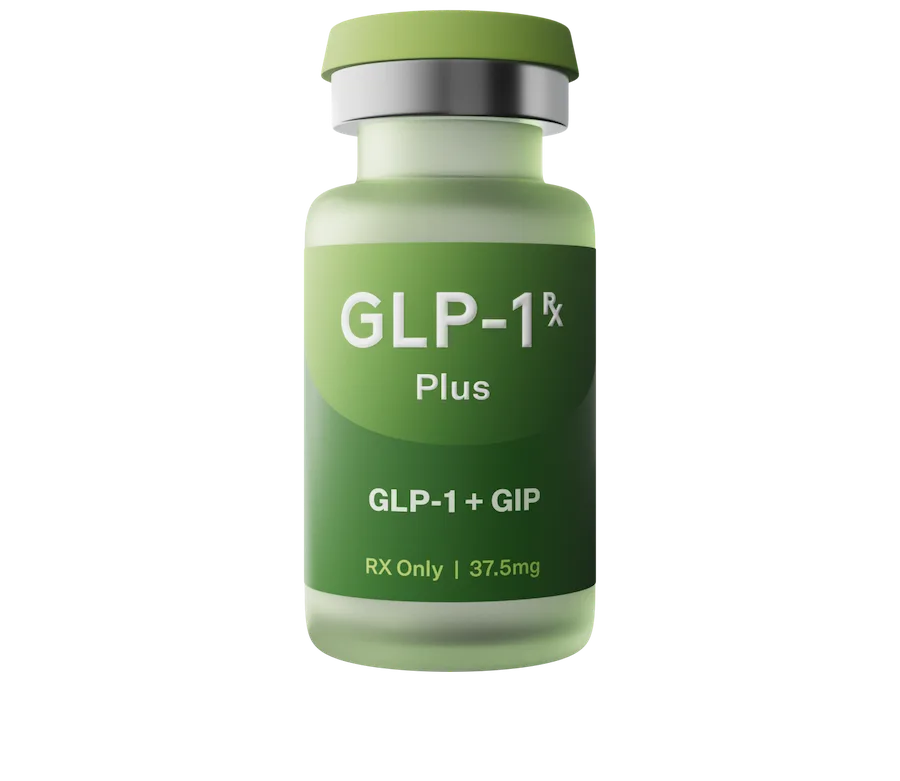
Noom GLP-1rx Plus
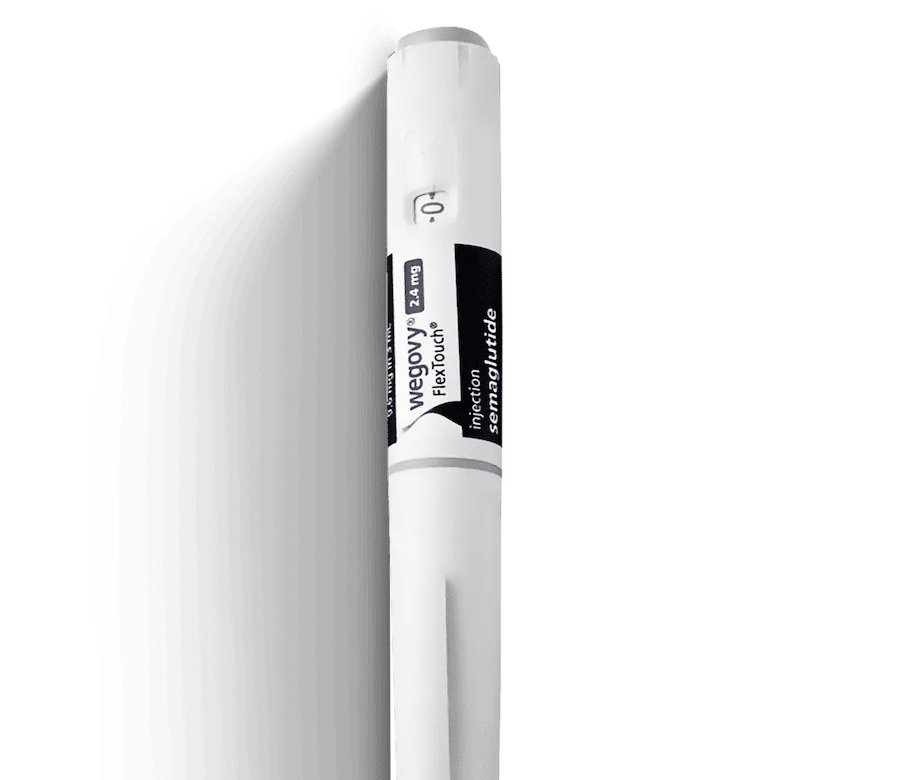
Wegovy®
Ozempic®

Metformin

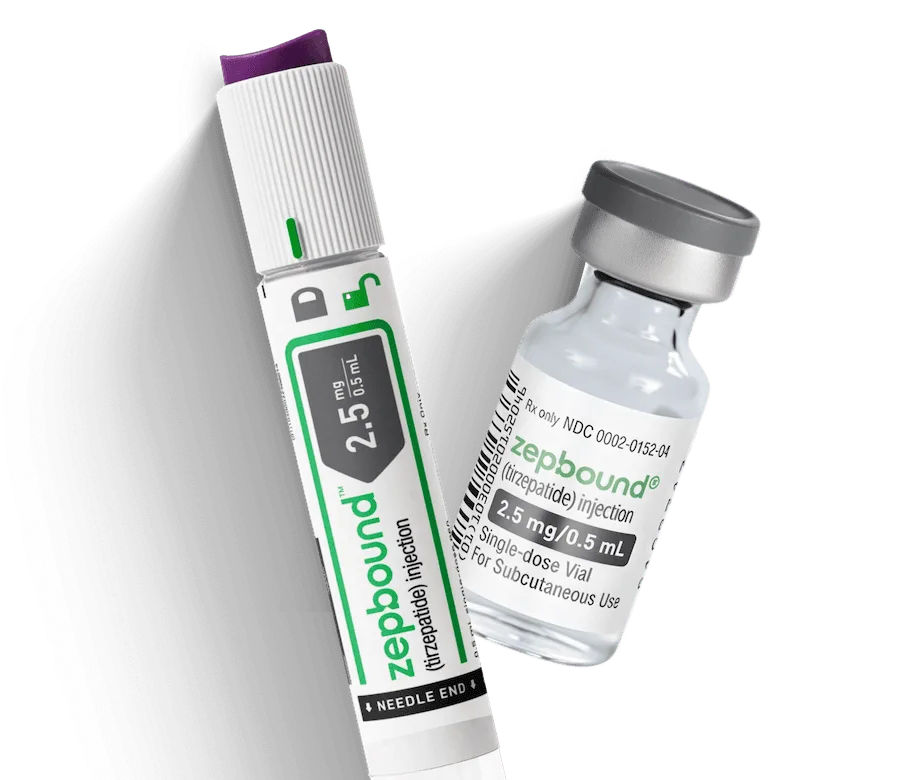
Zepbound®
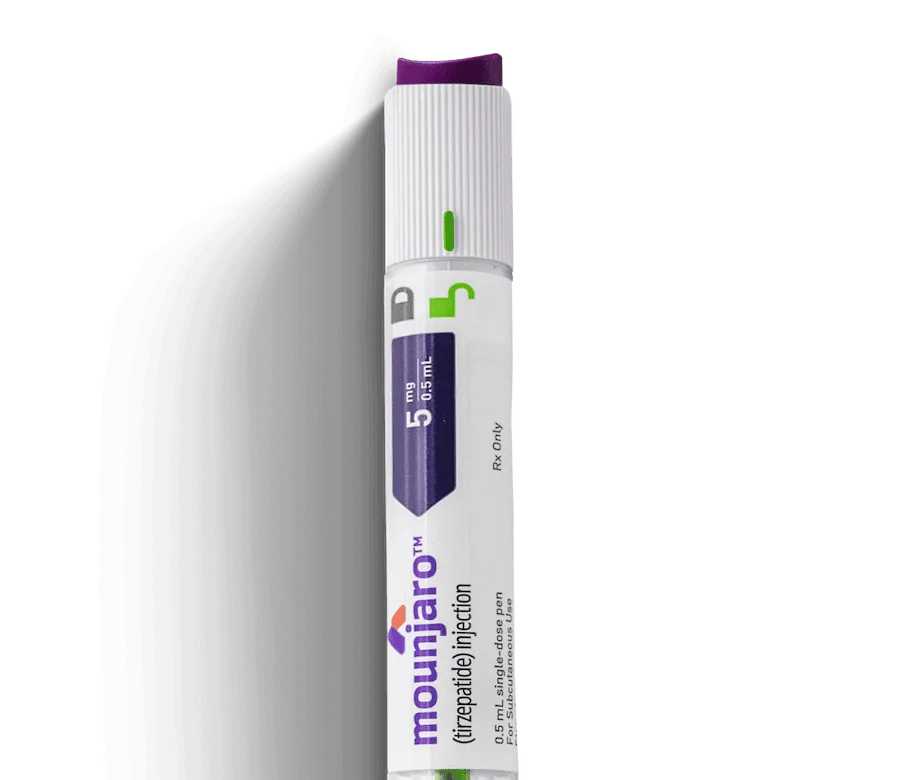
Mounjaro®
Liraglutide
This matters especially because weight loss doesn’t always tell the full story: significant weight loss, particularly with GLP-1 medications, can result in muscle loss, with 30 to 40% of the weight lost potentially coming from lean mass. Tracking body composition helps you catch and address those shifts early.
Who can prescribe a semaglutide maintenance dose?
A semaglutide maintenance dose needs to be prescribed by a licensed healthcare provider. This could be a primary care doctor, an endocrinologist, or a clinician who specializes in weight management. They’re trained to understand how medications like semaglutide fit into a long-term plan for managing weight.
When you reach the maintenance stage, your provider looks at several things. They may review how your body handled the medication, whether your weight has stayed steady, and if there are other health factors to consider.
Having a provider guide this process matters because they know your health history and can keep track of your progress. If your needs change over time, they can adjust the dose so your plan continues to support weight stability.
How much is a maintenance dose of semaglutide?
Research hasn’t clearly identified a specific lower “maintenance dose” of semaglutide after someone reaches their ideal weight. Most large clinical trials studied people who stayed on the full treatment dose, which at the time was 2.4 mg weekly, and were more likely to maintain their weight loss.
The best dose for long-term maintenance after weight loss on semaglutide still isn’t fully known and is likely individualized. Your healthcare provider will work with you to decide what makes the most sense as you move into the maintenance phase. They’ll look at how stable your weight has been and how your body is responding to semaglutide.
If you’re maintaining your weight, you may stay on the same dose. If you continue to lose weight, your provider may suggest stepping down to a lower dose. The goal is to find a level that helps you maintain your progress while still feeling comfortable day to day.
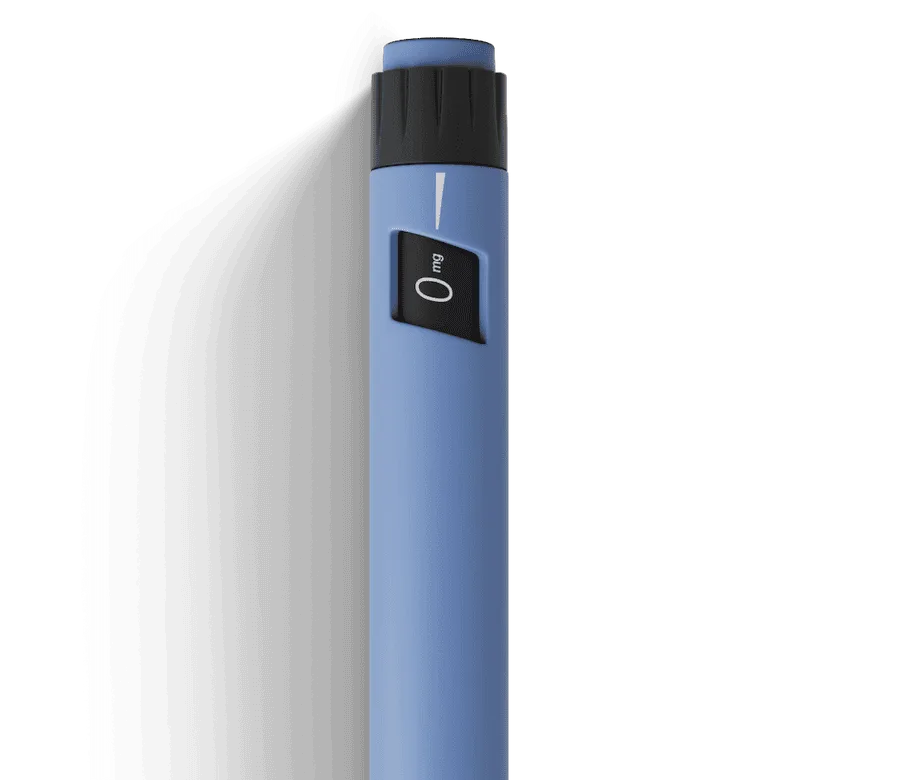
For Wegovy, your maintenance dose would depend on whether you were taking the injection or the pill, and what dose you reached while losing weight. Here are the dosing levels for both:
- Wegovy® injection: 0.25 mg, 0.5 mg, 1.0 mg, 1.7 mg, 2.4 mg, and 7.2 mg
- Wegovy® pill: 1.5 mg, 4 mg, 9 mg, and 25 mg
Read more: Semaglutide: Finding the right dose for weight loss
What current research says about semaglutide maintenance dosing
There isn’t a lot of research on maintenance dosing after weight loss. Typically, your provider will help you find the right dose that keeps weight off. Some research is looking into whether less frequent injections can be just as beneficial.
One small study followed 30 people who had already lost weight on weekly GLP-1 medications like semaglutide. Instead of stopping the medication, many switched to taking the same dose (1.7 mg or 2.4 mg) less often, usually every two weeks instead of weekly. Over about 36 weeks, most people kept their weight stable and maintained improvements in things like blood sugar and blood pressure.
These early results suggest that spacing out injections could possibly be one way to maintain weight loss results. That said, this study was small and observational, so it can’t prove that this approach will work for everyone. Larger studies are still needed before reduced-frequency dosing can be recommended as a standard maintenance strategy.
This approach isn’t FDA-approved and shouldn’t be attempted on your own. Semaglutide is prescribed as a once-weekly injection. Changing that schedule is an off-label modification that requires supervision by a licensed clinician. Adjusting your dosing interval without medical oversight can compromise how well the medication works, increase the risk of weight regain, and create health risks your provider needs to monitor for.
How do I know my maintenance dose of semaglutide is working?
At the maintenance stage, semaglutide is meant to help you hold onto the progress you’ve already made. When the dose is right, your weight, appetite, and overall routine tend to settle into a steady pattern.
Here are a few signs your semaglutide maintenance dose may be working:


- Your weight stays fairly steady. Small daily shifts are normal, and body weight can naturally change by about 1 to 2%. The important thing is that your weight isn’t slowly trending upward.
- Hunger feels manageable. You’re able to eat regular meals without feeling constantly hungry or dealing with strong cravings.
- Side effects have improved. Symptoms like nausea or digestive discomfort often ease once your dose stops increasing and your body adjusts.
If your weight starts creeping up, hunger suddenly feels stronger, or side effects return, it may be a sign that your plan needs an update.
Your healthcare provider can help review what’s happening and decide whether your semaglutide dose should stay the same or be adjusted to help maintain your results.
What are some signs I am ready for a maintenance dose of semaglutide?
Once weight loss slows down and your focus turns to keeping your results steady, maintenance dosing may become part of the conversation. At this stage, the goal is about helping your body stay where it is and supporting the habits you’ve built.
You might want to talk with your healthcare provider about a semaglutide maintenance dose if:
- Your weight has been stable for several weeks
- You feel comfortable with your current weight and health progress
- Your appetite feels more predictable and easier to manage
- You don’t feel the need to keep increasing your dose
- You want a plan that helps you maintain your results long term
Maintenance dosing is a proactive step that focuses on protecting the progress you’ve worked hard to achieve.
Read more: Not losing weight on Wegovy®? What to know—and what to do next
Tips for maintaining weight loss on a semaglutide maintenance dose
A semaglutide maintenance dose can help support your progress, but the habits you build around it still matter. The goal during this stage is to keep the routines that helped you lose weight in the first place. Think of the medication as support while your daily habits do the long-term work.
Find your maintenance calorie range
Once weight loss slows down, your calorie target changes in two ways. You’re no longer eating at a deficit, so the number goes up slightly—but your maintenance calories may also be lower than they were before you started losing weight. A lighter body burns fewer calories at rest and during movement, so the number that once maintained your previous weight won’t be the right one now. Here’s what to do
- Work with your provider or a nutrition professional for a more precise estimate. Noom’s calorie deficit calculator is also a useful starting point for getting a baseline number.
- Focus on balanced meals—the goal is fueling at the right level, not continuing to reduce.
- Eat regularly so hunger doesn’t build up between meals.
- Use your current weight to calculate your maintenance range, not your starting weight.
Build meals that keep you satisfied
Nutrition matters during maintenance. Protein– and fiber-rich meals help you stay full and support long-term metabolic health.
- Start meals with lean protein sources like chicken, fish, eggs, low-fat Greek yogurt, tofu, or beans.
- Add fiber-rich foods such as vegetables, fruit, legumes, and whole grains.
- Keep easy options nearby like low-fat yogurt, nuts, or pre-cut vegetables for busy days.
- Include a source of healthy fat at most meals—avocado, olive oil, nuts, seeds, or fatty fish like salmon all work well.
Stay active in ways you enjoy
Regular movement helps your body maintain weight loss and supports overall health.
- Aim for around 150 minutes of moderate activity each week to support heart health.
- Choose activities you enjoy, such as walking, biking, swimming, or dancing, since you’re more likely to stick with exercise that feels fun and fits your routine.
- Add some strength training, like squats, lunges, push-ups, or resistance work, to help maintain muscle and support bone health.
Support recovery and daily balance
Sleep and stress affect the hormones that control hunger and fullness. Keeping both in check during maintenance helps those signals stay stable.
- Aim for 7 to 9 hours of sleep each night.
- Keep a consistent bedtime routine—your body responds well to predictable schedules.
- Find small ways to lower daily stress, whether that’s light stretching, deep breathing, or keeping meal times regular.
Track your progress
Maintenance is easier when you check in with yourself regularly. Watching trends in your weight, appetite, and habits can help you catch small changes early. Many people find it helpful to track their progress using tools or structured programs. Noom, for example, offers habit tracking, progress monitoring, and ongoing support that can help people maintain weight loss over time.
Read more: Stopping semaglutide: What to expect and how to prevent weight regain
Semaglutide maintenance dose: Side effects and warnings
Just like with any medication, semaglutide can come with side effects. The possible side effects during the maintenance phase are generally the same ones that can happen earlier in treatment. But by the time you reach a steady maintenance dose, your body may have already adjusted to the medication, which means symptoms may be milder or happen less often.
Even on a steady dose, side effects can occasionally come back. Changes in routine, not eating enough, or not drinking enough fluids can sometimes trigger them. If you notice symptoms getting worse or sticking around longer than usual, it’s a good time to talk with your healthcare provider.
Common side effects
You may still experience occasional digestive symptoms such as:
- Nausea
- Diarrhea
- Vomiting
- Constipation
- Stomach pain or discomfort
- Indigestion or heartburn
These are often mild and tend to improve once your body remains on a consistent dose. If any side effect lingers, worsens, or interferes with daily activities, contact your provider.
Serious side effects
Serious side effects are rare, but it’s still important to know what symptoms to watch for while taking semaglutide. Long-term use doesn’t eliminate the risk, and it’s still important to know what symptoms to watch for. Seek medical care right away if you notice any of the following:
- Pancreatitis: Symptoms can include severe or persistent stomach pain, especially if the pain spreads to your back, along with nausea or vomiting. Seek urgent care if this type of pain doesn’t go away.
- Allergic reactions: Signs may include swelling of the face, lips, tongue, or throat, difficulty breathing or swallowing, severe rash or itching, dizziness, or a rapid heartbeat. These symptoms require emergency medical care.
- Vision changes: Sudden blurry vision, dark spots, or other unexplained changes in eyesight can occur, particularly in people with diabetes. Contact your healthcare provider as soon as possible if you notice any sudden vision changes.
- Low blood sugar (hypoglycemia): Symptoms may include shakiness, sweating, dizziness, confusion, headache, or weakness, especially if you also take insulin or other diabetes medications. Check your blood sugar if possible and contact your doctor if symptoms don’t improve.
- Kidney problems: Signs may include swelling in the legs or feet, unusual fatigue, shortness of breath, or changes in urination, especially if dehydration occurs from vomiting or diarrhea. Contact your healthcare provider if you notice these symptoms.
- Thyroid tumors: Watch for a lump or swelling in the neck, hoarseness, trouble swallowing, or shortness of breath. Contact your healthcare provider promptly if you notice any of these symptoms. These only have a link in animal studies, and the connection is unclear in humans.
Read more: Semaglutide side effects: Symptom guide & management tips
Frequently asked questions about going on a semaglutide maintenance dose
Why do people gain weight after stopping semaglutide?
Semaglutide helps regulate appetite signals in your body. When the medication is stopped, those signals can slowly return to how they worked before treatment. That can make hunger feel stronger again and make it easier for weight to come back over time. This is one reason many providers talk about a maintenance plan instead of stopping the medication suddenly.
Are there any side effects of stopping semaglutide?
Stopping semaglutide doesn’t typically cause withdrawal symptoms the way some other medications can. Rather than new side effects, what people most often notice is a return of what the medication was managing. People tend to notice increased appetite, more frequent hunger, and sometimes a resurgence of food cravings. These changes can happen gradually as the medication leaves your system over the course of several weeks.
Some people also notice their weight beginning to increase again after stopping, particularly if lifestyle habits around food and movement haven’t shifted. This is one reason stopping semaglutide is best done with a plan in place.
If you’re considering stopping, talking with your provider first is the best step—they can help you taper if appropriate, set expectations, and make sure your weight goals stay supported beyond the medication itself.
Read more: Stopping semaglutide: What to expect and how to prevent weight regain
Has anyone stopped semaglutide and kept the weight off?
Yes, some people do maintain their weight after stopping semaglutide—and the biggest factor tends to be the habits built during treatment. Consistent routines around eating, movement, and stress management can continue to support a stable weight even after the medication is no longer in the picture.
That said, research is clear that weight regain is common after stopping GLP-1 medications. One widely cited study found that participants regained about two-thirds of their lost weight within a year of stopping. This doesn’t mean long-term success is out of reach—it just underscores why the behavior change piece matters so much alongside the medication itself.
The people most likely to maintain results tend to be those who used their time on semaglutide to build a foundation: learning what eating patterns work for their body, finding movement they enjoy, and developing strategies for managing hunger and cravings. Those skills don’t go away when the medication does.
Read more: Stopping a GLP-1: What to expect & how to manage weight after
Do you have to taper off semaglutide?
Medically speaking, there’s no official requirement to taper off semaglutide—it’s not the kind of medication that causes physical dependence. That said, some providers do recommend stepping down the dose gradually rather than stopping all at once, and there are practical reasons for this approach.
A slower transition gives your body more time to adjust as the medication’s appetite-suppressing effects wear off. It can also make it easier to notice changes in hunger and weight gradually, rather than all at once, and to put strategies in place before those changes feel overwhelming. Stopping suddenly isn’t necessarily harmful, but it can feel more abrupt for some people.
Ultimately, whether you taper off semaglutide or stop at your current dose is a decision best made with your provider, based on how long you’ve been on the medication, your current dose, and your goals going forward.
Read more: What happens when you stop taking Ozempic® or Wegovy®?
Can I stop taking semaglutide when I reach my goal weight?
Reaching your goal weight is a real milestone, and it’s a natural point to revisit the question of whether to continue, reduce, or stop the medication. The short answer is: it depends, and your provider is the right person to help you think it through.
Some people do stop semaglutide after reaching their goal weight, particularly if they feel confident in the habits they’ve built around eating and movement. Others continue at their current dose to help maintain results, or step down to a lower dose as a middle ground. There’s no single right answer—what matters is having a plan that accounts for how your appetite and weight tend to respond when the medication changes.
It’s worth knowing that for many people, semaglutide works in part by addressing underlying biological factors that influence hunger and weight—not just willpower or habits. That’s why some providers recommend staying on the medication longer than just until the scale hits a target number. The goal is lasting stability, not just a moment on the scale.
Whatever you decide, it’s a conversation worth having with your provider before making any changes, so you can go into the next phase with a clear plan.
Can I take semaglutide every 10 days?
Semaglutide is prescribed as a once-weekly injection, so every 10 days isn’t a standard dosing schedule. That said, the question of whether less frequent dosing could work—particularly as a maintenance strategy—is an active area of research.
Some newer studies have explored spacing injections every two weeks for maintenance rather than continuing weekly doses indefinitely. In that research, people who extended their dosing interval while keeping the same dose were able to maintain their weight and metabolic improvements for around 36 weeks. It’s a promising early signal, but larger trials are still needed before extended dosing becomes a recognized standard approach.
For now, any changes to your dosing schedule—including stretching out the interval—are something to work through with your healthcare provider. They can help weigh the potential benefits against the risk of losing progress, based on where you are in your journey.
Read more: Semaglutide: Finding the right dose for weight loss
Reviews from real Noom users
Desirea N. — Real Noom user
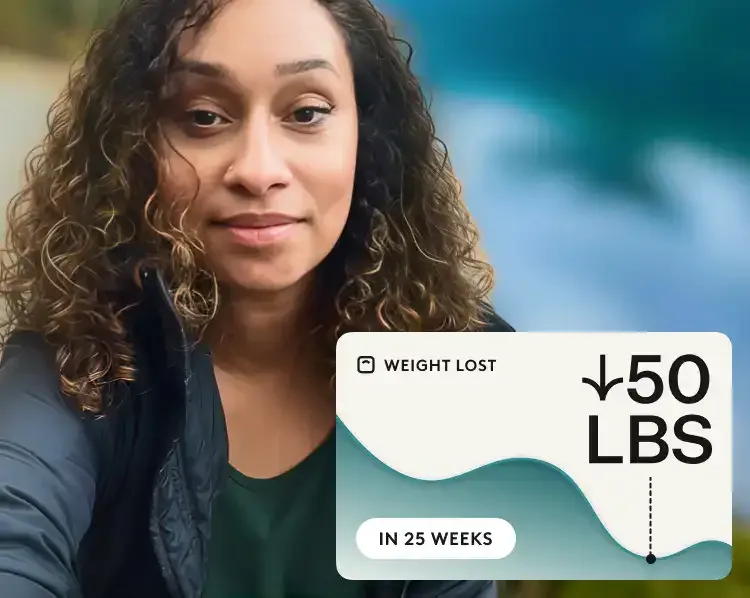
“My favorite parts of Noom are the care team and other Noomers. Sharing and getting help made me feel like I wasn’t doing it alone. That support made all the difference.”
Desirea N. — Real Noom user
Matthew M. — Real Noom user
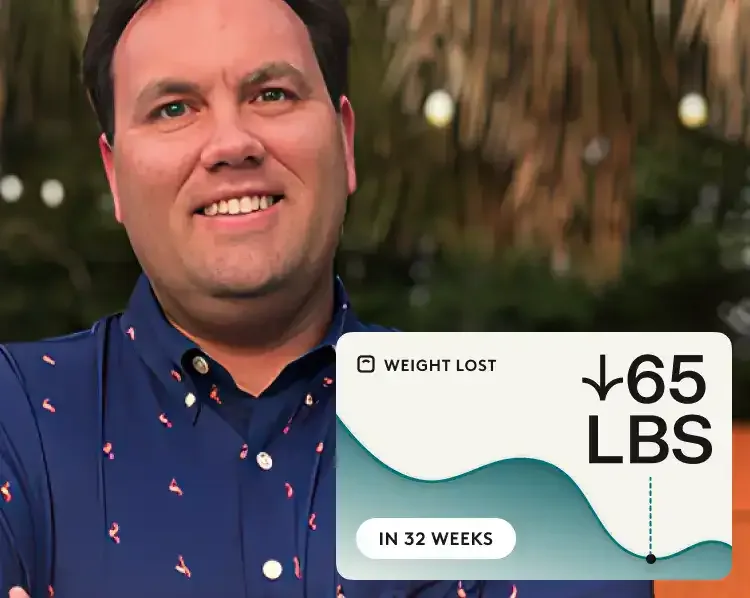
“Noom has taught me that every day is a new chance to make better, healthier choices. It's taught me how to stop overeating.’’
Matthew M. — Real Noom user
Lila M. — Real Noom user
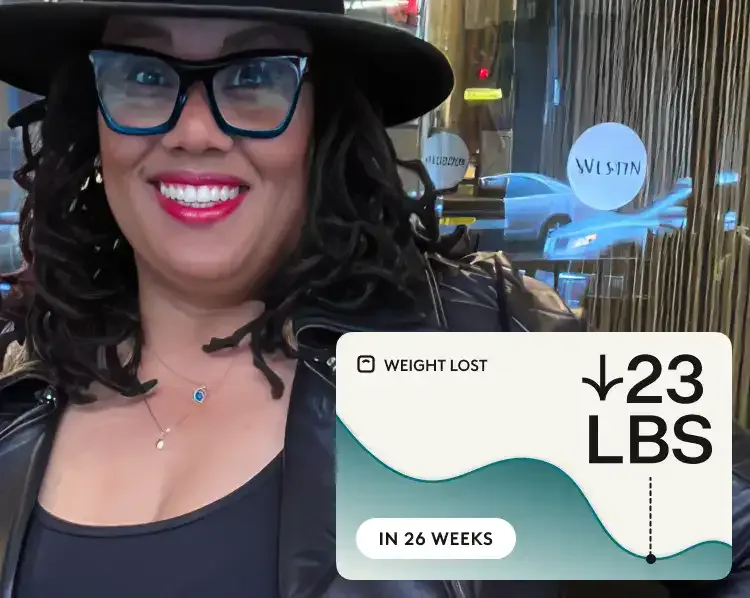
“Clinicians who understand how supportive medication can be is one of the best parts of Noom! I was convinced I wouldn’t have success but I’m down 11 pounds in two months.’’
Lila M. — Real Noom user
Steve M. — Real Noom user
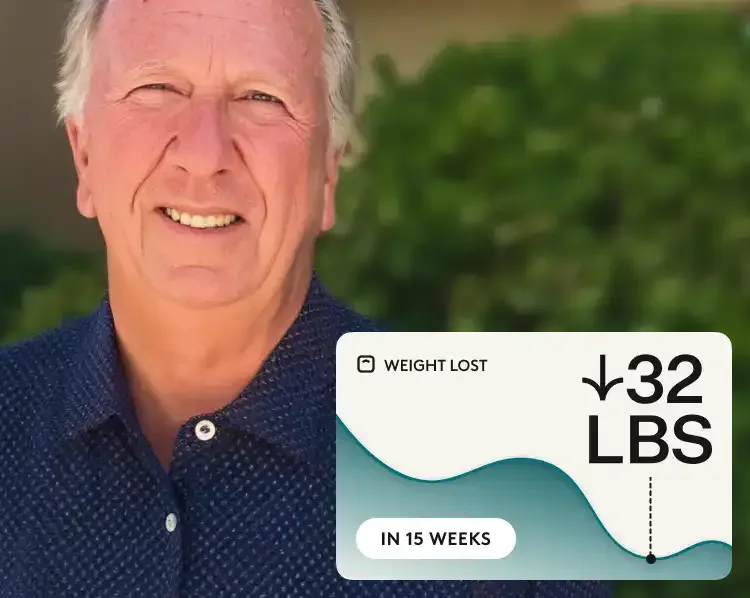
“Noom provided me with the medication which I could not get through Medicare. I have learned the tricks to better eating and life in general.”
Steve M. – Real Noom user
Daisy R. — Real Noom user
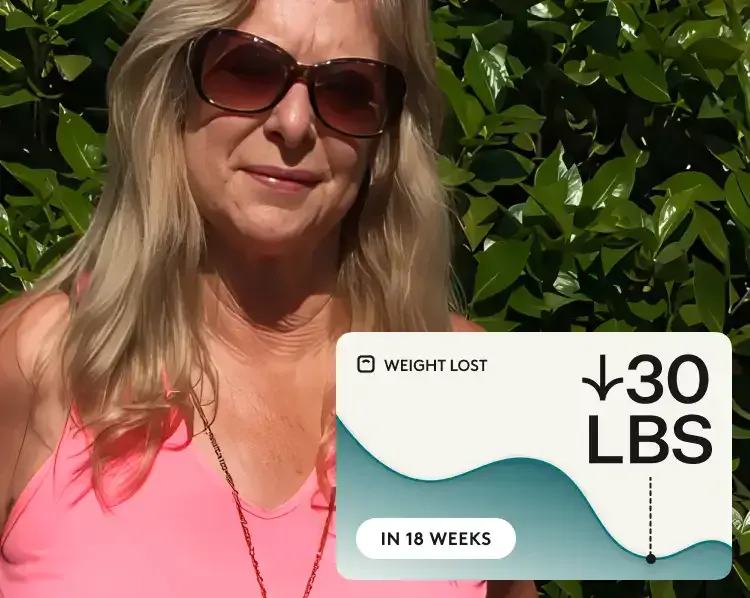
‘’Noom has changed my life and I’m so thankful, I feel great, have more energy and am no longer prediabetic.”
Daisy R. – Real Noom user
Sarah R. — Real Noom user
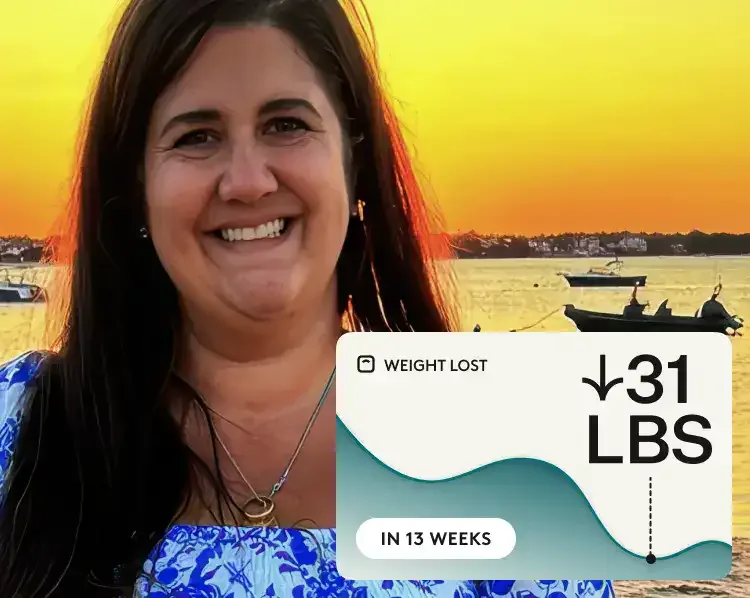
“All of the Noom providers that I’ve met with have been exceptional and prescribed medications that are appropriate for my situation and health.”
Sarah R. – Real Noom user
Madison S. — Real Noom user
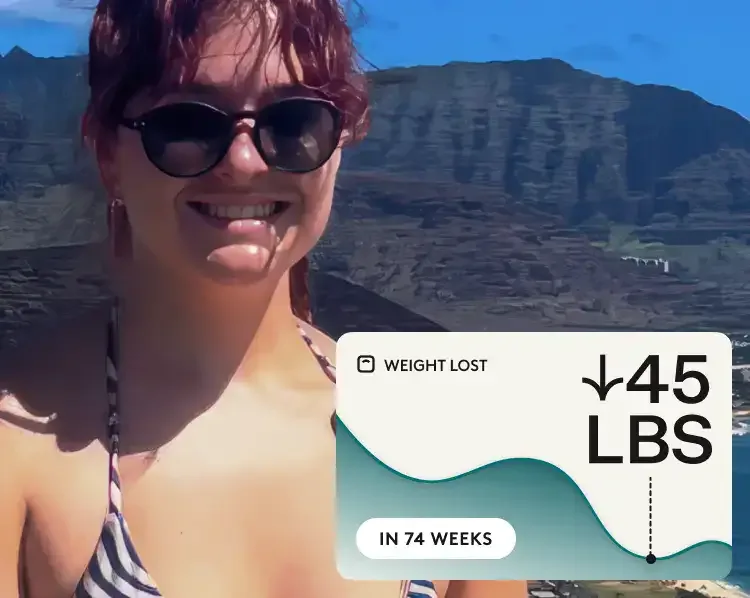
“Noom made the process so simple and now I feel full, free from diet obsession, and at ease in my body again.”
Madison S. – Real Noom user
Sonday K. — Real Noom user
“My doctor recommended Noom after I was frustrated trying to lose weight. The lessons helped change my relationship with food. My body feels lighter & energized.”
Sonday K. – Real Noom user
Cam K. — Real Noom user
“I built healthy habits with coaching and lessons that make me confident I can maintain my weight loss long term.”
Cam K. – Real Noom user
Laura TR. — Real Noom user
“With the right medication through Noom, hunger and sugar cravings finally quieted and I have the tools to break the cycle.”
Laura TR. – Real Noom user
Jessica S. — Real Noom user
“Cravings and food noise are gone, I finally feel confident in the healthy habits I’ve built to last with Noom.”
Jessica S. – Real Noom user
The bottom line: Staying on a semaglutide maintenance dose can help protect your weight loss progress
Semaglutide can play an important role during weight loss, but the conversation usually changes once your goal shifts to weight maintenance. Continuing treatment at a maintenance dose may help support steady appetite signals and weight stability, and studies show that people who stay on the medication are often better able to maintain their weight than those who stop treatment completely.
During this stage, working with your healthcare provider helps ensure your plan fits your body and your goals. They can monitor how stable your weight is and help decide whether staying on the same dose or adjusting it makes sense. It can also help to go into those conversations with a few questions, such as:
- What maintenance dose makes the most sense for me right now?
- How will we know if my current dose is working?
- When should we consider adjusting the dose?
At the same time, the habits you’ve built, like balanced eating, movement, and consistent routines, continue to play a big role in maintaining your progress. This is where having the right tools can make maintenance feel much more manageable.
If you get your medication through Noom Med, talk to your clinician about what to do when you reach your ideal weight. Staying on the program will give you progress monitoring and structured guidance that helps you stay consistent with the routines that support long-term weight stability. With the right support system in place, it becomes much easier to protect the progress you’ve already worked hard for.
Editorial standards
At Noom, we’re committed to providing health information that’s grounded in reliable science and expert review. Our content is created with the support of qualified professionals and based on well-established research from trusted medical and scientific organizations. Learn more about the experts behind our content on our Health Expert Team page.