
What you’ll learn:
- New programs and pricing changes in 2026 are making semaglutide more accessible for people who previously had few options.
- Semaglutide medications cost over $1,000 a month without insurance, but people paying cash will pay between $149 and $499 per month through the NovoCare Pharmacy.
- The medication itself is only part of the cost; doctor visits, dose adjustments, and ongoing monitoring can add hundreds of dollars per month unless included in a bundled care program.
Semaglutide is one of the most widely prescribed GLP-1 medications in the U.S. You most likely know it as Ozempic® or Wegovy®, which both share it as the active ingredient.
Wegovy® is available for weight loss in two forms: a weekly injection and a daily pill. Wegovy® can also be prescribed for heart disease prevention and MASH, a liver condition. Ozempic® is available as an injection and a pill and is approved for diabetes management.
These different names and approvals are important when an insurance company is assessing whether your use can be covered.
Why? While both medications might be covered by insurance for other FDA-approved uses, weight loss isn’t required by law to be covered, so insurance companies can opt out. In the case of Medicare, weight-loss medications are now covered under the Medicare GLP-1 Bridge program, a temporary federal pilot running through December 31, 2027. It lets eligible Medicare Part D beneficiaries access certain GLP-1s, including Zepbound® and Wegovy®, for a flat $50/month copay. See if you might qualify and how it works.
For anyone paying out of pocket, which is most people who are prescribed semaglutide for weight loss, understanding what they’ll pay per month without insurance is important. And for both medications, this will depend on the current dose.

The Easy Way
to lose weight and get healthy.
Let’s break down what semaglutide costs without insurance in 2026 and find your best opportunities to save.
How much does semaglutide cost per month without insurance?
While the list price is over $1,000 for both Ozempic® and Wegovy®, most people won’t pay these prices, even without insurance. Without insurance, most people will fill their prescription for semaglutide through the NovoCare Pharmacy or through a pharmacy that partners with them.
Here’s a look at what to expect:
Price snapshot (estimated monthly costs)
| Medication | Estimated monthly cost through NovoCare Pharmacy |
|---|---|
| Wegovy®: | Weekly injection: $199: 0.25 mg and 0.5 mg $349:1 mg, 1.7 mg, and 2.4 mg $399: 7.2 mg Daily pill: $149: 1.5 mg $149–$199: 4 mg $299: 9 mg and 25 mg |
| Ozempic®: | Weekly injection: $199: 0.25 mg and 0.5 mg $349: 1 mg $499: 2 mg Daily pill: $149: 1.5 mg $149–$199: 4 mg $299: 9 mg |
Other costs of getting prescribed semaglutide
On top of medication costs, semaglutide typically requires ongoing medical care: initial provider consultations, dose titration check-ins, periodic lab work, and prescription renewals. When these are billed separately, they can quietly push your monthly spend much higher than expected. Programs that bundle care with the prescription can make costs far easier to predict.
Semaglutide cost: News and changes for 2026
When you’re paying out of pocket for medication, pricing shifts can directly affect what you spend each month. In 2026, several major developments are reshaping the semaglutide cost landscape—and some of them create real opportunities to pay less.
- August 31, 2026: Promotional pricing for certain Wegovy® pill doses shifts. The $149 per month pricing for the 4 mg Wegovy® tablet is expected to increase to $199 per month after this date. Higher maintenance doses (9 mg and 25 mg) remain at $299 per month through NovoCare® Pharmacy.
- July 1, 2026–December 31, 2027: Medicare GLP-1 Bridge Program runs nationwide. Eligible Medicare beneficiaries can access select GLP-1 medications, including the Wegovy® injection and pill for weight management, for $50 per month. Learn more: How the Medicare GLP-1 Bridge works and who’s eligible | Check your eligibility
- May 2026 (state-dependent rollout): Medicaid access expands through the BALANCE Model. States that opt into the CMS BALANCE Model can begin covering GLP-1 medications for weight management through Medicaid, opening a new pathway for people who previously had limited or no coverage.
- May 3, 2026: Rybelsus® is rebranded as the Ozempic® pill and becomes available through NovoCare® Pharmacy at reduced cash-pay pricing.
- March 19, 2026: FDA approves Wegovy® HD (semaglutide 7.2 mg injection). The 7.2 mg dose provides a step beyond the 2.4 mg dose. Wegovy® HD is available through NovoCare® Pharmacy at $399 per month and launched in pharmacies in April 2026.
- February 24, 2026: Novo Nordisk announces list price cuts of up to 50%, effective January 1, 2027.
- January–March 2026: Novo Nordisk expands NovoCare® Pharmacy self-pay pricing. Structured cash-pay tiers rolled out for Wegovy® and Ozempic®. New customers starting on lower doses could access their first two monthly fills at $199, with ongoing pricing ranging from $349 to $499 per month, depending on the medication, dose, and formulation.
- December 22, 2025: FDA approves the Wegovy® oral tablet for weight management.
Learn more: Ozempic® cost without insurance | Wegovy® cost without insurance
Why you need a prescription for semaglutide
Semaglutide is a prescription-only medication, whether it’s prescribed as Ozempic® or Wegovy®. You can’t buy it over the counter or order it online without a clinician’s authorization. This is because semaglutide affects blood sugar regulation, appetite signaling, and gastric emptying—all of which require medical oversight to manage safely.
A provider reviews your medical history, screens for conditions that could make semaglutide risky, and monitors how your body responds as the dose changes. That medical supervision helps make sure the medication is both effective and safe. Here are some specific reasons why:
Semaglutide requires careful dose titration
Semaglutide is started at a low dose and increased gradually over several months. This slow ramp-up gives your body time to adjust and helps minimize common side effects like nausea, constipation, and diarrhea.
Access GLP-1 Weight Loss with Noom
Explore a wide range of prescription medications supported by Noom’s program.
Microdose GLP-1rx
Noom GLP-1rx
Noom GLP-1rx Plus
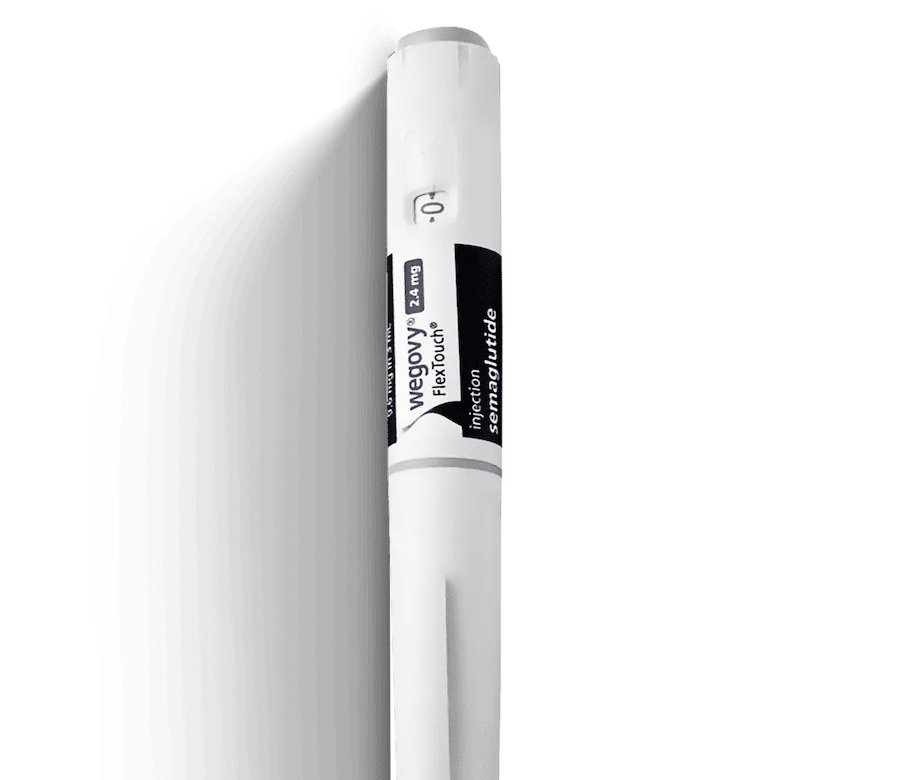
Wegovy®
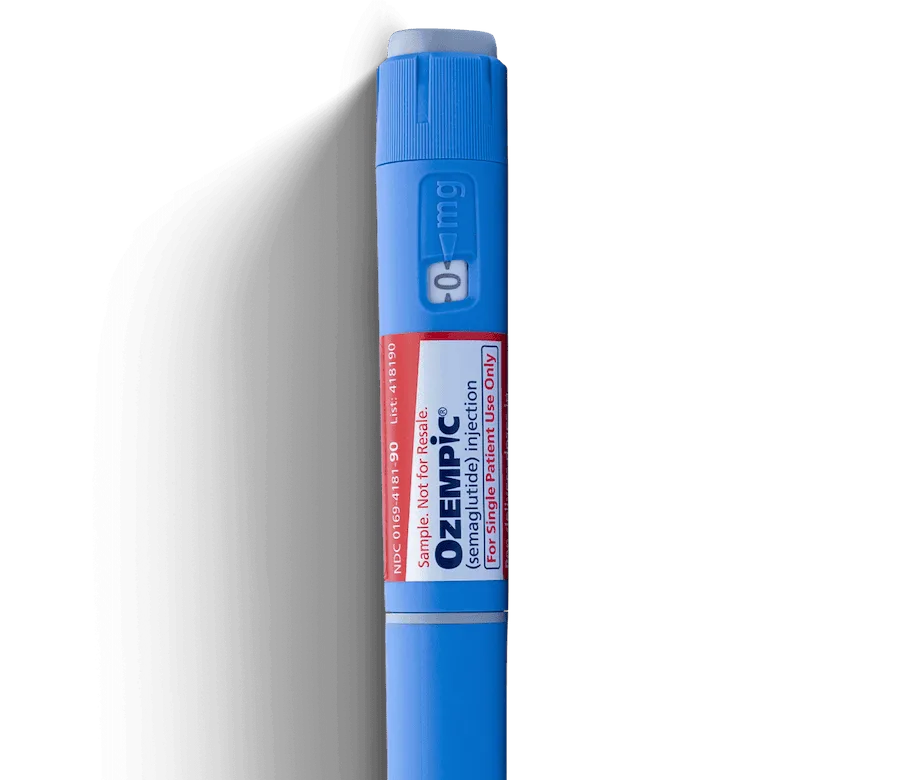
Ozempic®
Metformin
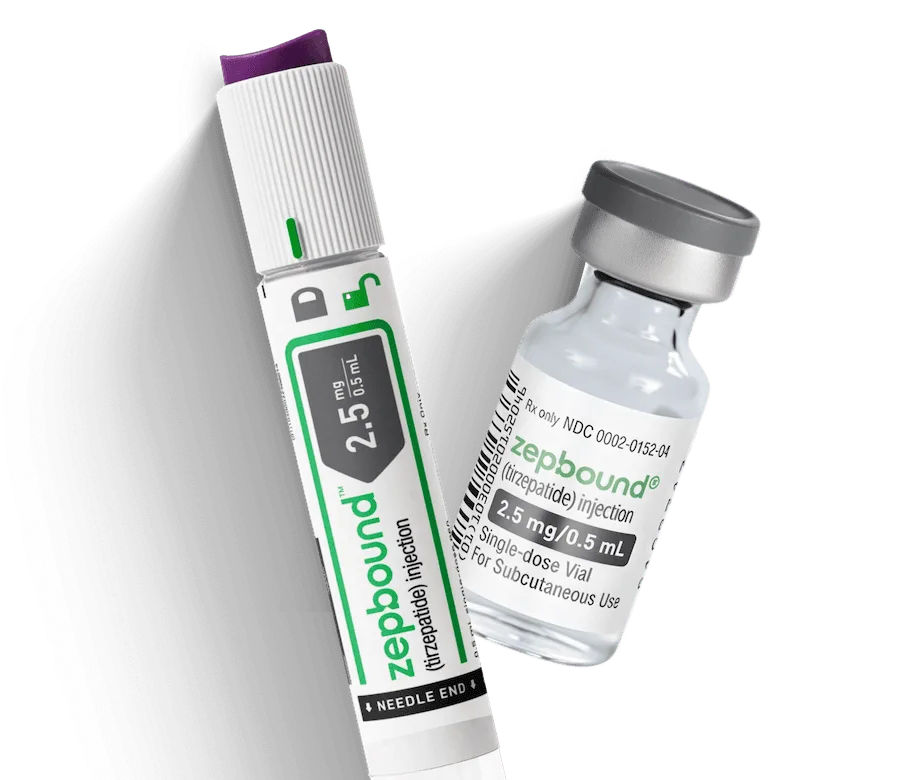
Zepbound®
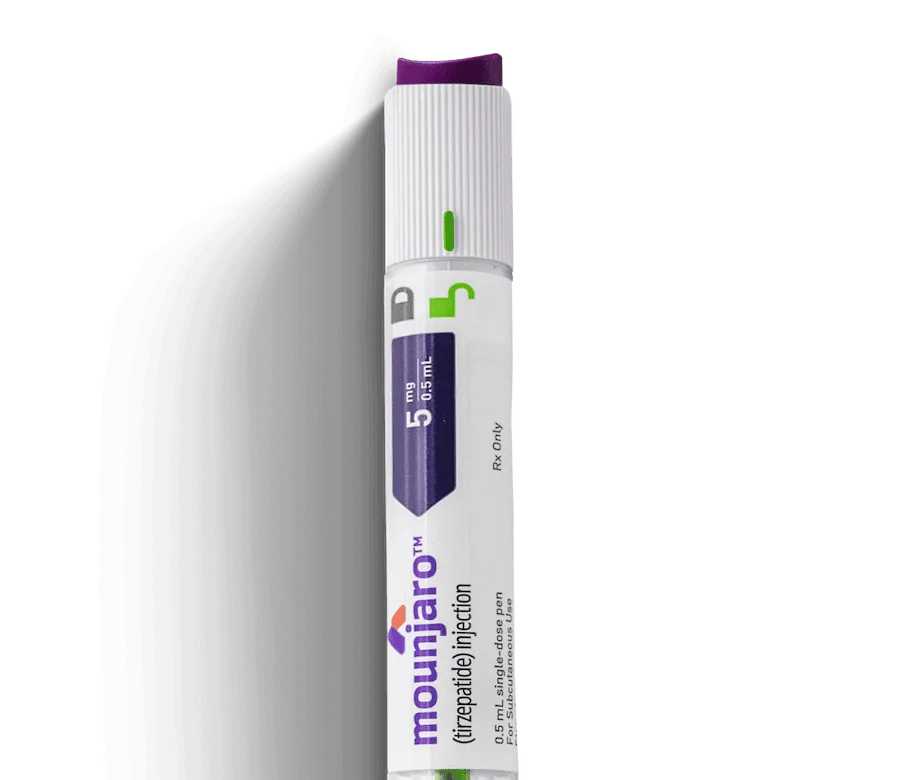
Mounjaro®
Liraglutide
Your provider adjusts the schedule based on how you’re tolerating the medication and whether it’s producing the expected results. Skipping this process or starting at too high a dose can cause significant gastrointestinal side effects.
Side effects need monitoring
Like other GLP-1 medications, semaglutide can cause side effects—especially during the first weeks of treatment or when the dose goes up. These are typically moderate and are most likely when starting the medication or when increasing the dose.
Common side effects include:
- Nausea (the most common, usually first to emerge)
- Vomiting
- Diarrhea
- Constipation
- Abdominal pain or discomfort
Semaglutide is also associated with serious but less common side effects that require prompt medical attention, which makes clinician oversight essential.
Serious but uncommon side effects of semaglutide include pancreatitis, gallbladder disease (including gallstones and gallbladder inflammation), acute kidney injury, worsening diabetic retinopathy in people with existing eye disease, hypoglycemia when used with insulin or sulfonylureas, and severe allergic reactions such as anaphylaxis or angioedema.
Thyroid tumor warning: All semaglutide medications also carry an FDA boxed warning for a potential risk of thyroid C-cell tumors based on animal studies, although it is unknown whether this risk applies to humans.
Learn more: Semaglutide side effects
Some people shouldn’t take semaglutide
Semaglutide isn’t appropriate for everyone. A medical review before starting treatment is essential. You shouldn’t take semaglutide if:
- You or a family member has a history of medullary thyroid carcinoma (MTC) or multiple endocrine neoplasia syndrome type 2 (MEN 2).
- You’ve had a serious allergic reaction to semaglutide or any ingredient in the medication.
- You are pregnant, planning to become pregnant, or breastfeeding.
Your provider may also recommend against semaglutide if you have a history of pancreatitis, impaired kidney function, or take medications whose absorption could be affected by delayed gastric emptying.
Read more: Semaglutide side effects: What to expect and how to manage them
How to get a prescription for semaglutide without insurance
There are multiple ways to connect with a licensed clinician who can prescribe semaglutide—both in person and online. Costs vary depending on the route you take, and telehealth has made the process faster and more convenient. Still, comparing options is worth your time.
- Primary care doctor (in person) – Most primary care providers can prescribe semaglutide if it’s medically appropriate. Without insurance, expect to pay out of pocket for office visits ($200–$400 for an initial consultation), follow-ups ($100–$200 each), and any required lab work. These are typically billed separately.
- Endocrinologist or weight management specialist – Specialists may have deeper experience with GLP-1 medications, but they’re often the most expensive route. Initial visits can run several hundred dollars, with additional fees for each follow-up and lab panel.
- Telehealth weight management programs – Telehealth companies connect you with licensed clinicians through virtual visits. If you’re eligible for Noom Med, you’ll meet virtually with a licensed provider who reviews your health history and can prescribe semaglutide when appropriate. The program then pairs prescription weight management care with coaching and behavior-change support. You’ll also receive guidance around nutrition, movement, and lifestyle—so medication is part of a broader, sustainable approach.
The advantages of telehealth
For people paying out of pocket, telehealth can offer a more predictable way to access prescription weight management care. Instead of paying separately for each visit or navigating referrals between providers, Noom Med combines clinician evaluation, prescription support, and behavior-change tools in one place.
Who is eligible for Noom Med?
Noom Med is built for people who want more than just a prescription. After you complete a health assessment, a licensed clinician reviews your medical history to see if semaglutide or another treatment makes sense for you.
It may be a good option if:
- You’ve had trouble losing weight with diet and exercise alone
- You want medical guidance alongside structured behavior-change support
- You’re looking for a more guided, long-term approach instead of trial and error
Not sure if you qualify? You can check eligibility by completing Noom’s intake questionnaire.
The Easy Way
to lose weight and get healthy.
Semaglutide cost without insurance: Pharmacy choice
For most people paying cash, pharmacy choice matters less than you might expect. Major retail chains now partner directly with NovoCare®, Novo Nordisk’s discount program, which is why you’ll see consistent pricing across retailers.
NovoCare® Pharmacy offers cash-pay pricing that’s often significantly lower than the standard list price. Prices vary by medication and dose, and some introductory rates apply only for the first couple of months.
Who is eligible for NovoCare® pricing?
NovoCare® cash-pay pricing is available to people who:
- Are paying out of pocket (no insurance billing for the prescription)
- Have a valid prescription for Ozempic® or Wegovy®
- Aren’t enrolled in a federal or state government insurance program such as Medicare, Medicaid, or TRICARE
Eligibility requirements may vary and are subject to change. Always check NovoCare.com for current terms.
Here’s how semaglutide prices compare across popular pharmacies and programs as of early 2026. As you can see, they are now all partnering with NovoCare and have the same pricing.
| Retailer / Pharmacy | Wegovy® (injection) | Wegovy® pill | Ozempic® (injection) | Ozempic® pill |
|---|---|---|---|---|
| CVS | $199-$399 | $149-$299* | $199-$499 | $149-$299* |
| Walgreens | $199-$399 | $149-$299* | $199-$499 | $149-$299* |
| Walmart | $199-$399 | $149-$299* | $199-$499 | $149-$299* |
| Costco | $199-$399 | $149-$299* | $199-$499 | $149-$299* |
| Target | $199-$399 | $149–$299* | $199-$499 | $149–$299* |
Disclaimer: Prices are estimates based on available data from early 2026. Actual prices may vary by dose, location, formulation, and availability. NovoCare® cash-pay pricing represents manufacturer programs and may have eligibility requirements.
Are there savings cards for semaglutide?
Yes—and they can reduce what you pay, depending on your insurance situation. Novo Nordisk offers savings cards for Ozempic® and Wegovy® that work differently depending on whether you have commercial insurance and whether your plan covers the specific medication.
How the savings card works with commercial insurance
If you have commercial (employer-sponsored or private) insurance and your plan covers the semaglutide medication you’re prescribed, the manufacturer’s savings card can bring your monthly cost down to as low as $25 per month. This applies to both Ozempic® and Wegovy® pills and injections.
You may qualify if:
- You have commercial or employer-sponsored prescription insurance
- Your insurance plan covers the specific semaglutide medication prescribed
- You live in the U.S. or a U.S. territory and are 18 or older
You aren’t eligible if:
- You are enrolled in Medicare, Medicaid, TRICARE, VA, or other government-funded programs
- You are uninsured or paying entirely in cash
- Your insurance plan doesn’t cover the prescribed medication
How to use the Wegovy® savings card
- Step 1: Visit NovoCare or text SAVE to 83757 to enroll in the Wegovy® Savings Offer. The card covers both the injection and the pill.
- Step 2: Verify you have commercial insurance that covers Wegovy®. Medicare, Medicaid, TRICARE, VA, and all other government program enrollees are not eligible.
- Step 3: Present the savings card along with your insurance card at the pharmacy when you fill your prescription. The pharmacy processes your insurance first, then applies the card—bringing your copay down to as little as $25 per month.
- Step 4: Recheck eligibility at every refill. Terms, benefit caps, and eligibility criteria can change. Verify current requirements before counting on a specific price.
Does the savings card work if my insurance doesn’t cover Wegovy?
If your insurance denies coverage, the $25 savings card rate is no longer available to you. Instead, you can access NovoCare® self-pay pricing, currently $149 to $399 per month depending on dose. That’s still significantly less than the $1,349 list price, but it’s a different program with different pricing.
How to use the Ozempic® savings card
- Step 1: Visit NovoCare to enroll in the Ozempic® Diabetes Savings Offer. The card covers both the injection and the pill.
- Step 2: Verify you have commercial insurance that covers Ozempic® for type 2 diabetes. Medicare, Medicaid, TRICARE, VA, and all other government program enrollees aren’t eligible.
- Step 3: Present the savings card along with your insurance card at the pharmacy when you fill your prescription. The pharmacy processes your insurance first, then applies the card.
- Step 4: Recheck eligibility at every refill. If you’ve recently switched from the Ozempic® injection to the Ozempic® pill, confirm whether re-enrollment is required, as these are treated as separate fills under the program.
Ways to lower your monthly semaglutide cost without insurance
Several practical strategies can reduce your monthly expenses—sometimes by hundreds of dollars. The most effective approach usually involves combining a few of these methods rather than relying on any single one.
- Use NovoCare® Pharmacy’s cash-pay pricing. This is currently the most direct way to access brand-name semaglutide at a reduced cost. With introductory pricing for new customers and ongoing rates well below retail, it’s worth checking whether you qualify before filling at a traditional pharmacy.
- Order a 90-day supply when possible. Some pharmacy programs reduce per-unit costs when you order a larger supply. This can also cut down on dispensing fees and the number of trips to the pharmacy.
- Pay with HSA or FSA funds. If you have a Health Savings Account or Flexible Spending Account, prescription semaglutide qualifies for tax-advantaged spending. The price at the pharmacy stays the same, but using pre-tax dollars effectively lowers your real cost. This covers the medication itself, related lab work, and doctor visits. Keep your receipts for tax purposes.
- Apply for patient assistance programs. Novo Nordisk’s Patient Assistance Program (PAP) through NovoCare provides Ozempic® (injection) for type 2 diabetes at no cost to eligible people. To qualify, you must be uninsured or on Medicare without active Part D drug coverage, and your household income must be at or below 200% of the federal poverty level (approximately $31,920/year for a single person in 2026). Wegovy® is not covered by the PAP in any form. The coverage status of the Ozempic® pill under the PAP has not been confirmed since its May 2026 launch.
- Consider bundled care programs. Noom Med combines prescription access with clinician supervision and behavioral support in a predictable monthly fee. When clinician visits, follow-ups, and prescription management are bundled rather than billed separately, total monthly costs become easier to plan for—and sometimes lower overall.
Insurance coverage for semaglutide: Eligibility and costs
Insurance coverage for semaglutide varies significantly depending on your specific plan, why your doctor is prescribing it, and which version of semaglutide you need. When insurance does cover the medication, monthly copays typically range from $0 to $150.
Coverage depends on the diagnosis. Insurance companies treat semaglutide differently based on whether it’s prescribed for type 2 diabetes, another issue, or weight management. Most plans cover Ozempic® when prescribed for diabetes, but it won’t be covered for off-label weight loss. Wegovy® may be covered for heart disease prevention or MASH, but it’s less likely for weight loss.
Does Medicare cover semaglutide?
Medicare follows different rules, and coverage depends on the diagnosis and the specific drug.
Medicare Part D may cover Ozempic® when prescribed for type 2 diabetes and Wegovy® when prescribed to reduce cardiovascular risk or MASH.
For both prior authorization and other documentation are often required.
The Medicare GLP-1 Bridge demo program, which launched July 1, 2026, now offers some people coverage. The Wegovy® pill and injection are available for $50 per month through December 2027 for those who qualify. Learn how the Bridge program works or check your eligibility.
To qualify, a person must be enrolled in a Medicare Part D plan and meet one of three clinical criteria—assessed at the time you first started GLP-1 therapy, not at the time you apply:
- BMI of 35 or higher (no additional diagnosis required)
- BMI of 30 or higher, plus a diagnosis of heart failure with preserved ejection fraction, uncontrolled hypertension on two or more blood pressure medications, or chronic kidney disease stage 3a or higher
- BMI of 27 or higher, plus a diagnosis of pre-diabetes, previous heart attack, previous stroke, or symptomatic peripheral artery disease
Your provider submits a prior authorization request attesting you meet the criteria—you don’t need to opt in or take any action yourself. If you’re interested in pursuing GLP-1 treatment through the Bridge program, you can also get started through Noom, which can help connect you with a provider and guide you through eligibility.
Medicaid coverage for semaglutide
Coverage varies by state. Most state Medicaid programs cover Ozempic® for type 2 diabetes, often with low copays. Wegovy® may be covered for heart disease prevention or MASH, but coverage for weight management is less consistent—some states cover it, others don’t.
The key distinction: Medicare coverage rules are set at the federal level, while Medicaid policies are determined state by state, which is why coverage can vary dramatically depending on where you live.
Learn more:
- Ozempic® costs with and without insurance
- Ozempic® pill costs with and without insurance
- Wegovy® costs with and without insurance
- Wegovy® pill costs with and without insurance
Frequently asked questions about the cost of semaglutide without insurance
The cost of semaglutide without insurance can vary widely depending on the medication, pharmacy, and available savings options. With multiple pricing pathways to consider, it can be difficult to know where to start or how to find the lowest cost.
The following frequently asked questions address common concerns and provide clear guidance on ways to manage out-of-pocket expenses.
What is the cheapest way to get semaglutide without insurance?
For most people paying out of pocket, the most affordable route to brand-name semaglutide is through Novo Nordisk’s NovoCare® Pharmacy cash-pay program—and the lowest entry point right now is the Wegovy® pill.
At $149/month for the 1.5 mg and 4 mg starter doses, the oral Wegovy® pill is currently the cheapest way to start brand-name semaglutide without insurance.
Note: the 4 mg price increases to $199/month after August 31, 2026.
Does the $25 savings card work if I have no insurance?
No. Novo Nordisk’s savings programs require commercial insurance that covers the prescribed medication to reach $25 per month. There are two separate cards depending on which medication you’re prescribed:
- Wegovy® Savings Offer—for Wegovy® (injection or pill) prescribed for weight management or cardiovascular risk reduction.
- Ozempic® Diabetes Savings Offer—for Ozempic® (injection or pill) prescribed for type 2 diabetes only.
Does the monthly cost of semaglutide include doctor visits?
No. The medication price you see—whether retail or through a cash-pay program—doesn’t include the cost of doctor visits, lab work, or follow-up appointments. Traditional in-person care can add $200 to $400 per month in visit and lab fees. Noom Med charges a flat monthly fee that includes clinician consultations, making total costs more predictable. Learn more and see if you qualify.
Can I use HSA or FSA money for semaglutide?
Yes. Prescription semaglutide qualifies for HSA and FSA spending when prescribed by a licensed provider, regardless of whether it’s for diabetes or weight management. This includes the medication cost, related lab work, and provider visits. Keep all receipts for tax documentation, and check with your benefits administrator about any specific plan requirements.
Is the Wegovy® pill cheaper than the injection?
Both medications have the same retail price: about $1,350. They qualify for the same $25 savings card with eligible commercial insurance.
The Wegovy® pill costs less through NovoCare® Pharmacy when paying cash, $149 to $299 per month, depending on the dose. The injection costs $299 to $399 per month, again, depending on the dose.
Will generic semaglutide be available soon?
Not soon. Novo Nordisk holds patents on semaglutide through approximately 2031–2032, and generic versions aren’t expected until the early-to-mid 2030s. In the meantime, your best options for lowering costs are manufacturer cash-pay programs through NovoCare®, savings cards (if you have commercial insurance), and shopping for the most favorable pharmacy pricing.
Can I get semaglutide for free?
Possibly, if you meet specific criteria, but only for type 2 diabetes, not weight loss. Novo Nordisk’s Patient Assistance Program (PAP) through NovoCare provides Ozempic® at no cost to eligible patients managing type 2 diabetes.
To qualify:
- You must be uninsured, or on Medicare without active Part D drug coverage—patients with commercial insurance are not eligible
- Your household income must be at or below 200% of the federal poverty level (approximately $31,920/year for a single person in 2026)
- You must not be enrolled in Medicaid, Medicare Low Income Subsidy (Extra Help), VA Benefits, or any other government assistance program
What’s not covered:
- Wegovy® (injection or tablet) for weight management—there is no free medication program for semaglutide prescribed for weight loss
- The Ozempic® pill PAP coverage status has not been confirmed since its May 2026 launch, as Rybelsus® 7 mg and 14 mg were removed from the PAP for 2026 before the rebrand took effect
For the most current list of covered products and eligibility requirements, check NovoCare.com.
Reviews from real Noom users
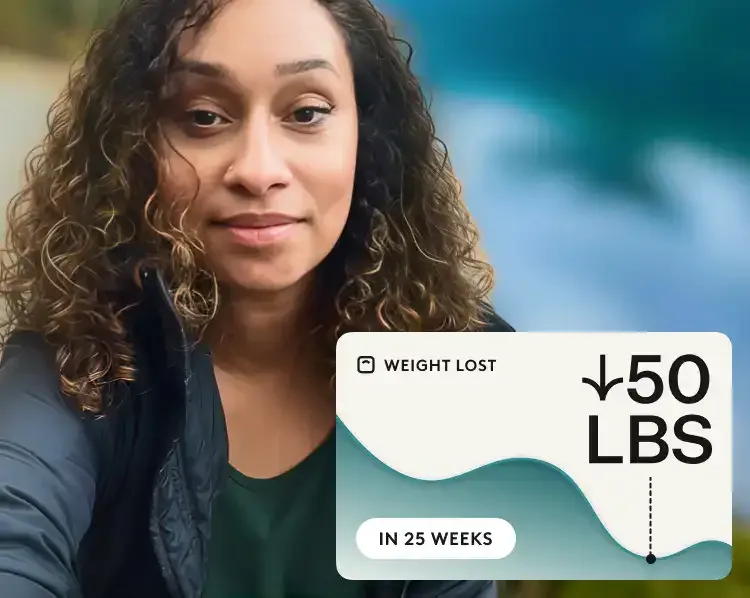
“My favorite parts of Noom are the care team and other Noomers. Sharing and getting help made me feel like I wasn’t doing it alone. That support made all the difference.”
Desirea N. — Real Noom user
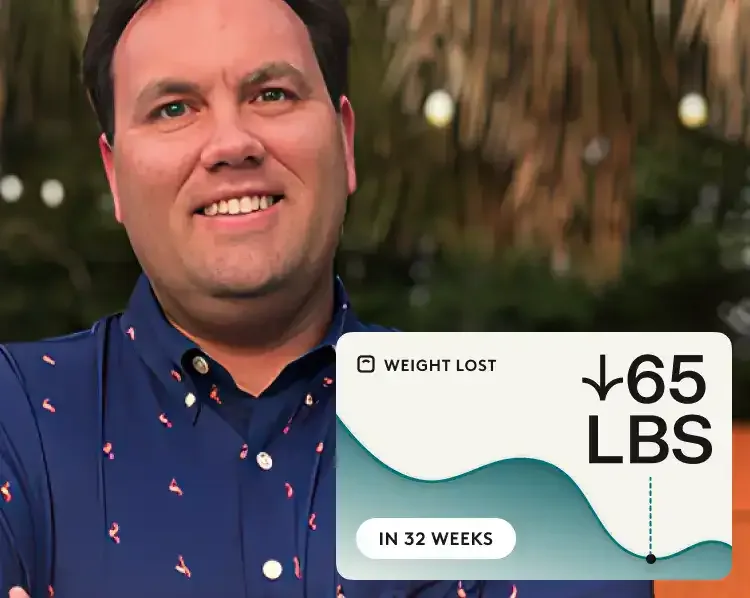
“Noom has taught me that every day is a new chance to make better, healthier choices. It’s taught me how to stop overeating.”
Matthew M. — Real Noom user
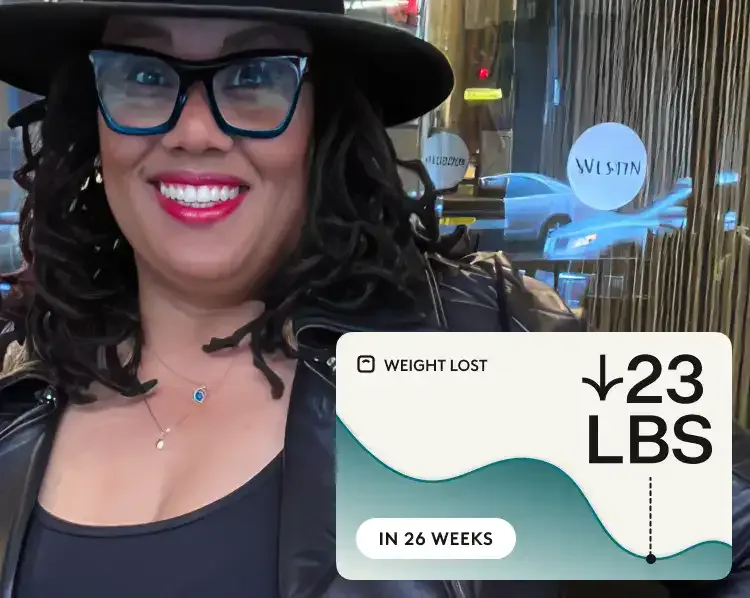
“Clinicians who understand how supportive medication can be is one of the best parts of Noom! I was convinced I wouldn’t have success but I’m down 11 pounds in two months.”
Lila M. — Real Noom user
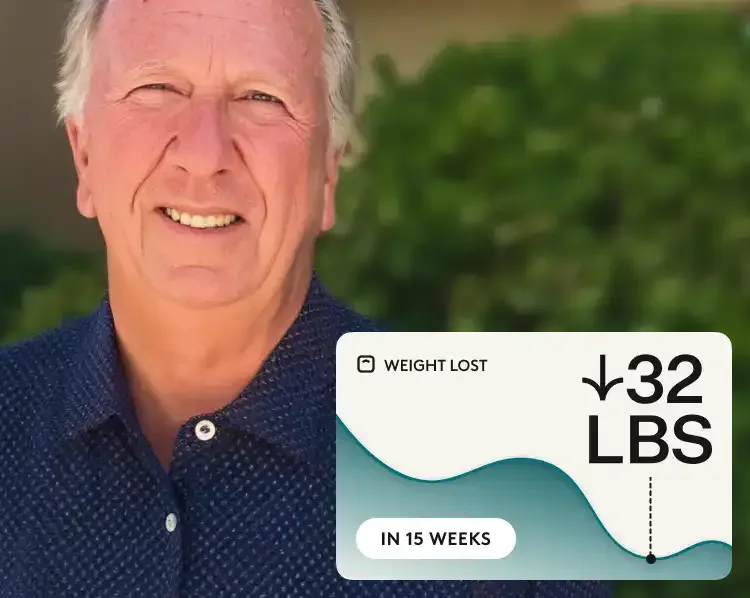
“Noom provided me with the medication which I could not get through Medicare. I have learned the tricks to better eating and life in general.”
Steve M. – Real Noom user
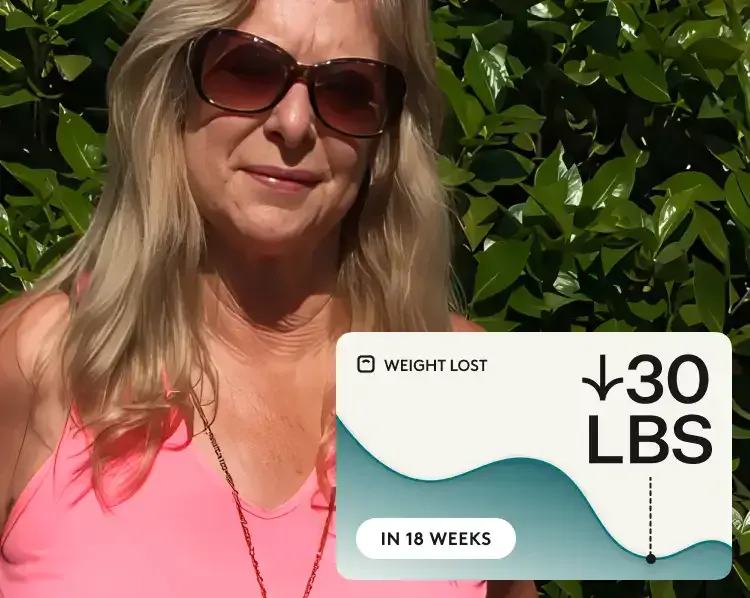
“Noom has changed my life and I’m so thankful, I feel great, have more energy and am no longer prediabetic.”
Daisy R. – Real Noom user
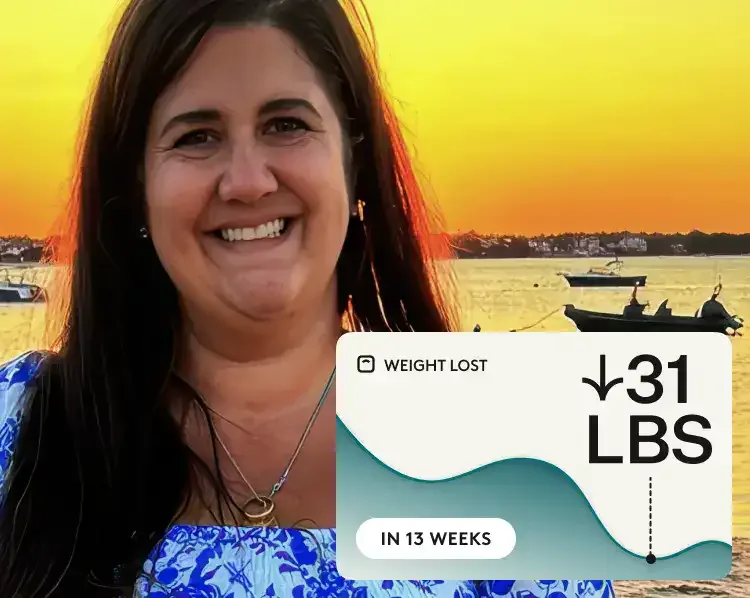
“All of the Noom providers that I’ve met with have been exceptional and prescribed medications that are appropriate for my situation and health.”
Sarah R. – Real Noom user
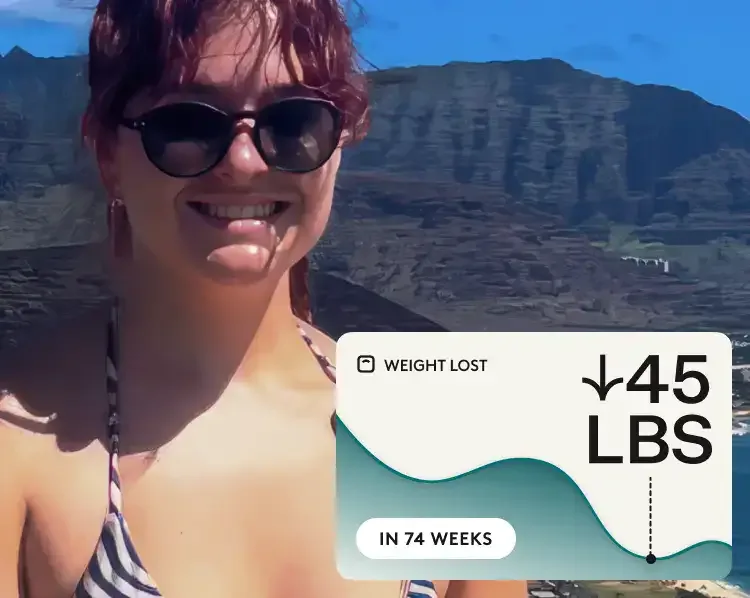
“Noom made the process so simple and now I feel full, free from diet obsession, and at ease in my body again.”
Madison S. – Real Noom user
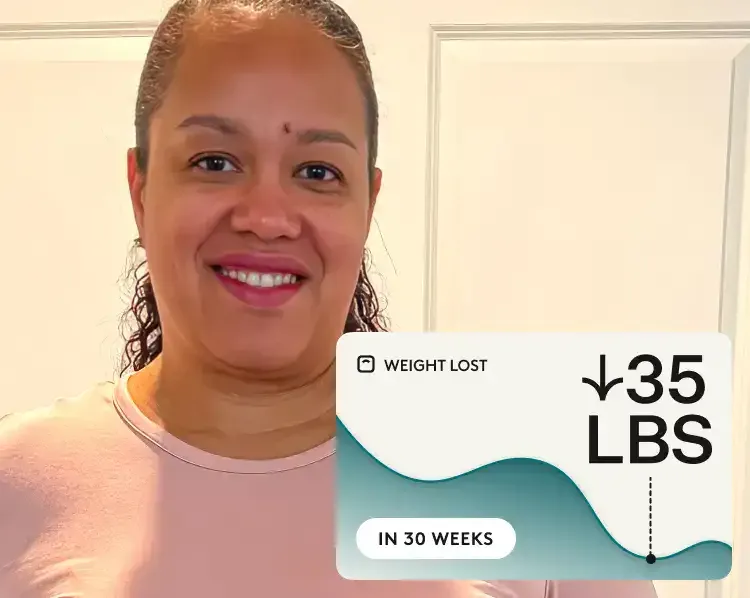
“My doctor recommended Noom after I was frustrated trying to lose weight. The lessons helped change my relationship with food. My body feels lighter & energized.”
Sonday K. – Real Noom user
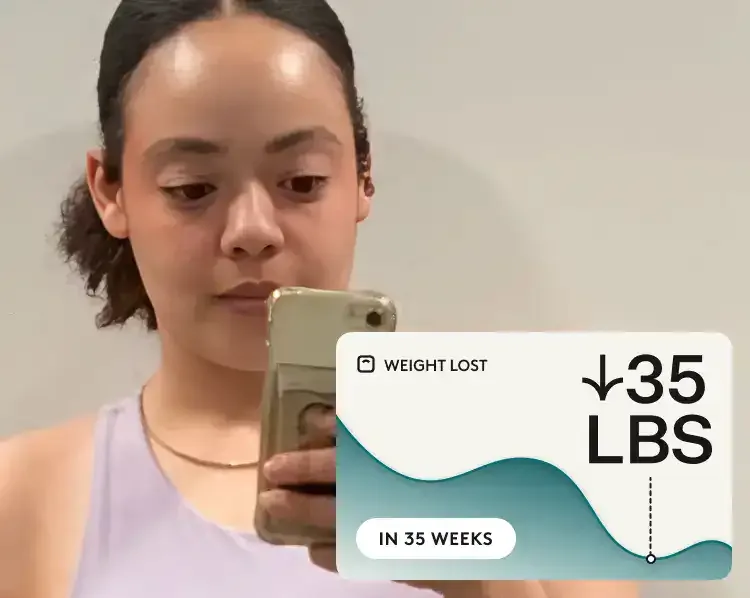
“I built healthy habits with coaching and lessons that make me confident I can maintain my weight loss long term.”
Cam K. – Real Noom user
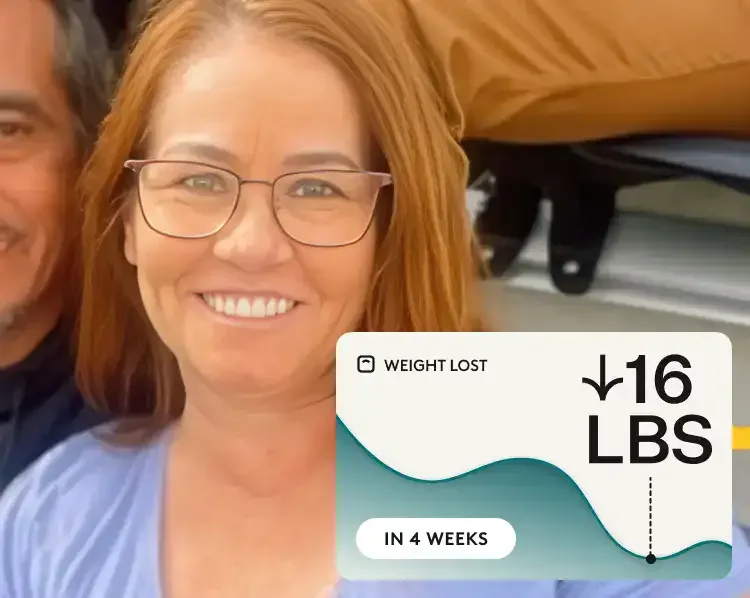
“With the right medication through Noom, hunger and sugar cravings finally quieted and I have the tools to break the cycle.”
Laura TR. – Real Noom user
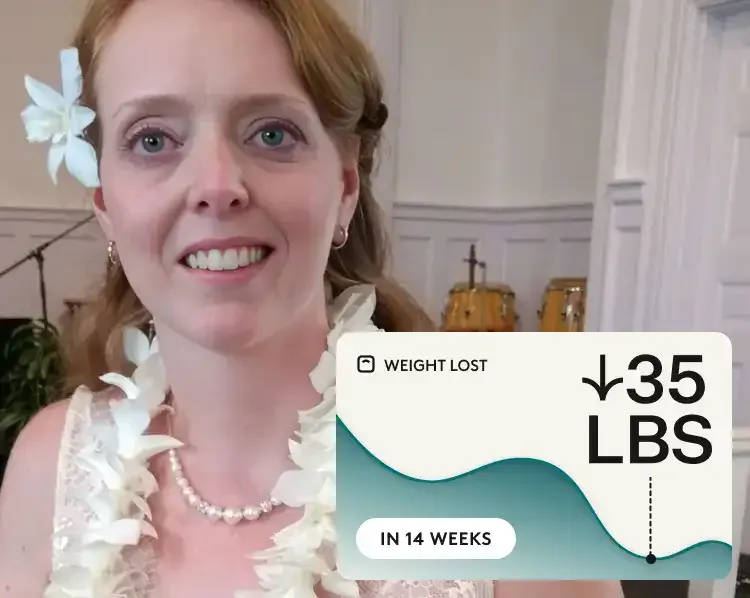
“Cravings and food noise are gone, I finally feel confident in the healthy habits I’ve built to last with Noom.”
Jessica S. – Real Noom user
The bottom line: Without insurance, the best prices for semaglutide are through the NovoCare Pharmacy
Semaglutide costs are finally starting to shift—but it’s still not a one-price-fits-all situation. What you’ll actually pay depends on the version you’re prescribed, how you access it, and whether you qualify for any savings programs.
The encouraging part is that 2026 introduced more flexible options—like lower-cost oral versions, cash-pay programs, and pilot insurance coverage—that can bring costs down meaningfully if you know where to look.
The bigger picture: this isn’t just about the medication price—it’s about the total cost of care. Doctor visits, lab work, and ongoing support can add up just as quickly. The most sustainable approach is the one that’s predictable and fits your routine, whether that’s using manufacturer pricing, insurance coverage, or a program that bundles care together. Semaglutide can be a powerful tool—but like anything in weight management, the goal is finding a setup you can realistically stick with over time.
If you’re looking for weight loss support that goes beyond just the prescription, see if you qualify for Noom Med. You’ll be connected to a clinician who can find the right medication for you and prescribe it if needed. The program will then pair medication management with psychology-based coaching, exercise guidance, and more—all designed to help you build habits that last.
Note: Ozempic® isn’t FDA-approved for weight management.
Editorial standards
At Noom, we’re committed to providing health information that’s grounded in reliable science and expert review. Our content is created with the support of qualified professionals and based on well-established research from trusted medical and scientific organizations. Learn more about the experts behind our content on our Health Expert Team page.