
What you’ll learn:
- The Ozempic® pill is essentially a renamed version of Rybelsus® with lower self-pay pricing and new savings programs.
- Your out-of-pocket cost will depend on the type of insurance you have, your current dose, and which savings programs you’re eligible for.
- The Ozempic® pill and injection and Wegovy® pill and injection all contain semaglutide—but they differ in dosing, approved uses, and cost.
When you hear Ozempic®, you probably picture the once-weekly injection form. But in May 2026, Novo Nordisk added a daily pill with the Ozempic® name. It’s not really new—the Ozempic® pill is essentially a renamed version of Rybelsus®, which Novo Nordisk retired in the U.S. when the new pill launched.
If you’re currently managing type 2 diabetes with Ozempic® injections or Rybelsus®, this doesn’t change how you manage your diabetes—but it might change what you pay. That’s the part worth paying attention to.
Rybelsus didn’t have a NovoCare Pharmacy cash-pay price in the same range as the injection. The Ozempic® pill does—starting at $149 a month for the lowest dose—which makes it cheaper for people paying out of pocket. There’s also a savings card for people with commercial insurance coverage that Rybelsus didn’t offer in the same way.
This guide walks through what the pill costs at each price point, which programs can bring that number down, and how it compares to the injection. We’ll also cover when it can be used off-label for weight loss—and when you should consider the Wegovy® pill instead.
How is the Ozempic® pill different from Rybelsus?
Think of the Ozempic® pill as the next iteration of Rybelsus®. Same drug class, same manufacturer, same general approach—but with a more effective formulation.
New from Noom
Microdose GLP-1Rx Plus
An affordable way to start your GLP-1 journey with Compounded Tirzepatide.

*Initial 3 week subscription and 4 weeks of medication from $79 plus tax and $199 per month plus tax for 12 week subscription thereafter. Final pricing depends on program selection. Noom GLP-1Rx Plus Microdose Program involves medication (when appropriate), healthy diet, exercise and support. Individual results vary. Meds & personalization based on need as determined by a third-party clinician. Medications are not reviewed by FDA for safety, efficacy, or quality. No affiliation with Eli Lilly and Company, the only US source of FDA-approved tirzepatide. Not available in all 50 US states.
Rybelsus® actually came in two versions: R1 (3 mg, 7 mg, 14 mg) and R2 (1.5 mg, 4 mg, 9 mg), with R2 approved in late 2024 to improve how much semaglutide your body actually absorbs. The Ozempic® pill uses the same R2 formulation, which is why the dose numbers look lower than the original Rybelsus® doses. Lower numbers, comparable effect.
That also means the Ozempic® pill and Rybelsus® R2 are essentially the same but are now under different brand names. If you were already on Rybelsus® R2, the transition is straightforward—your prescriber can guide it.
One thing to be careful about: you can’t swap doses milligram-for-milligram between R1 and the Ozempic® pill. 14 mg of Rybelsus® R1 is not equivalent to 9 mg of the Ozempic® tablet. While Rybelsus® will continue to be sold outside the U.S., the switch to the Ozempic® brand domestically is permanent.
The other meaningful difference is price. Rybelsus® never had a NovoCare® Pharmacy cash-pay program that brought the cost down to injection-level pricing. The Ozempic® pill does, which is a significant change for anyone paying out of pocket.
How do I take the Ozempic® pill?
The Ozempic® tablet has to be taken every morning on a completely empty stomach, swallowed whole with no more than about 4 ounces of plain water. Then you wait—at least 30 minutes before any food, coffee, other drinks, or additional medications. That window gives the semaglutide enough time to be absorbed through your stomach.
Ozempic® pill: Cost and insurance considerations
One of the biggest shifts with the Ozempic® pill—compared to Rybelsus® before it—is the pricing structure. For the first time, oral semaglutide for diabetes has a NovoCare® Pharmacy cash-pay price. That’s a meaningful change for people paying out of pocket.
But cost still isn’t simple. What you pay depends on whether you have insurance, which type, and whether you’re using any of Novo Nordisk’s savings programs.
The price for the Ozempic® pill and what you end up actually paying are typically two different numbers. Some people walk out of the pharmacy paying $25; others face the full retail price.
The gap between those extremes comes down to insurance status, the specific dose you’re on, and whether you tap into any of Novo Nordisk’s savings tools. Below is a quick overview of the most common scenarios.
Pricing snapshot: Ozempic® pill
| Payment scenario | Estimated monthly cost | Who this is for |
|---|---|---|
| List price | $1,027 | Anyone filling at a retail pharmacy without discounts, coupons, or insurance applied |
| With insurance coverage + Ozempic® Savings Offer | As low as $25/month | People with private or employer insurance; not available to Medicare, Medicaid, TRICARE, or VA beneficiaries |
| Self-pay through NovoCare® Pharmacy | $149/month (1.5 mg)$199/month (4 mg)$299/month (9 mg) | Uninsured or self-pay individuals filling through NovoCare® Pharmacy or participating retail partners |
Ozempic® pill: Insurance coverage
Coverage for the Ozempic® typically applies when it’s prescribed for type 2 diabetes or heart-related issues. But “covered” doesn’t mean you’ll pay nothing for it. Your plan’s formulary tier, deductible, and prior authorization requirements all shape the final number. Let’s take a look at various plans:
Access GLP-1 Weight Loss with Noom
Explore a wide range of prescription medications supported by Noom’s program.Microdose GLP-1rx
Noom GLP-1rx
Noom GLP-1rx Plus
Wegovy®
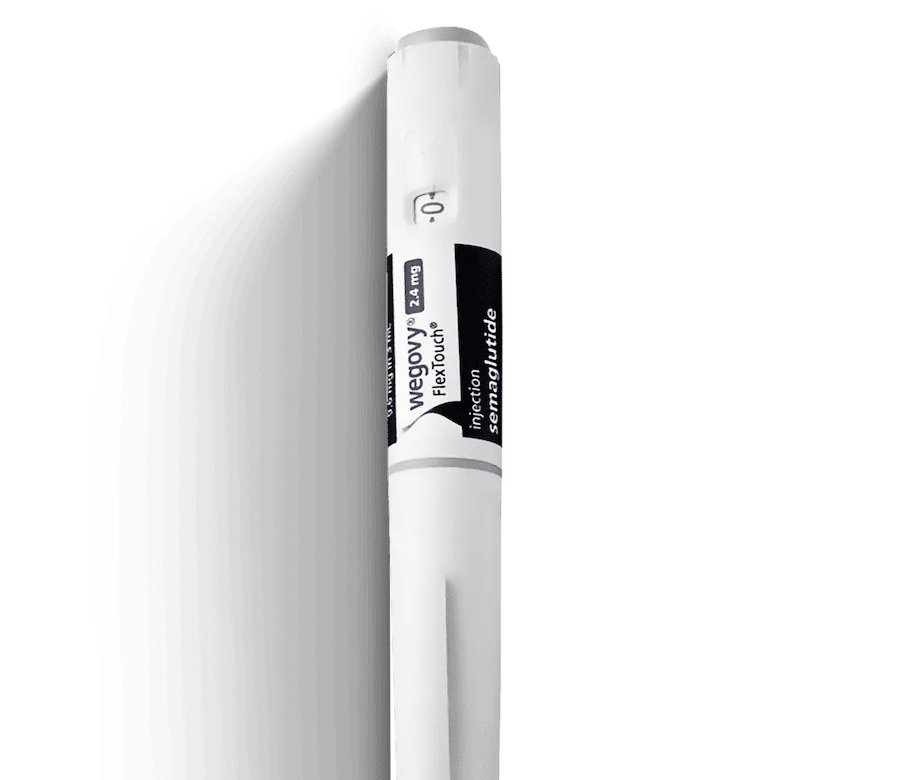
Ozempic®
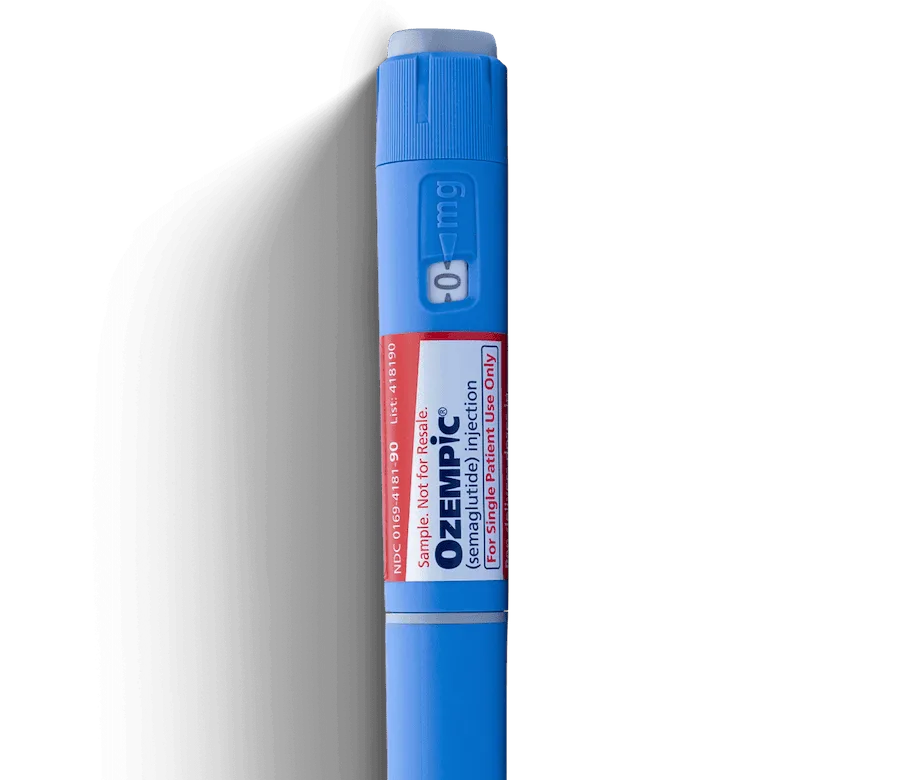
Metformin
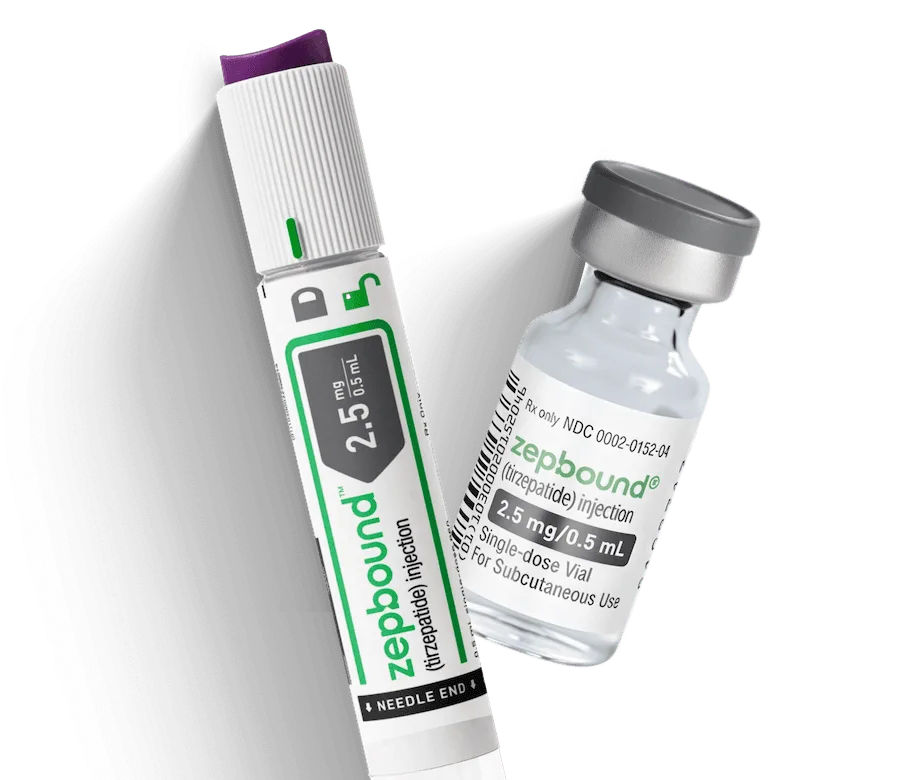
Zepbound®
Mounjaro®
Liraglutide
Ozempic® pill with commercial insurance
For people who are prescribed the medication for type 2 diabetes, the Ozempic® pill is likely to be covered.
Most employers and private plans include GLP-1 medications on their list of covered medications for diabetes, though prior authorization is almost always required. That means your prescriber submits clinical documentation—your diagnosis, A1C levels, treatment history. Some plans also require step therapy, meaning you need to have tried cheaper diabetes medications first.
Because formulary decisions get revisited annually, a drug that was covered in January might land on a different tier (or get dropped) by July. Checking your plan documents each year—or using the insurance verification tool on the NovoCare website—saves you from surprises at the pharmacy counter.
Ozempic® pill: Medicare and Medicaid
Government insurance plans follow different coverage rules than commercial insurance, and coverage for newer oral semaglutide products like the Ozempic® pill may continue evolving.
- Medicare: Medicare Part D plans generally cover Ozempic when prescribed for diabetes treatment. Because the Ozempic® pill launched recently in 2026, coverage details may vary by plan while insurers update their formularies.
- Out-of-pocket costs depend on your specific plan, deductible stage, and tier placement.
- Manufacturer copay cards and savings offers are not available to Medicare beneficiaries under federal law.
- Medicaid: Medicaid coverage for the Ozempic® pill will vary significantly by state. Some programs may cover Ozempic prescribed for diabetes, though prior authorization and other restrictions are common. Check your state Medicaid formulary or contact your plan directly for the latest information.
How much does the Ozempic® pill cost with insurance?
Your insured cost depends on three things working together: your plan’s copay or coinsurance structure, your annual deductible, and whether you can use a manufacturer discount. Here’s how the main savings tool works.
What is the Ozempic® Savings Offer?
The Ozempic® Savings Offer is a manufacturer-backed copay reduction card. If you carry commercial insurance that covers Ozempic®, this card can shave up to $100 off your monthly out-of-pocket amount, potentially dropping your copay to as low as $25. It’s valid for up to 48 months.
How the Ozempic® Savings Offer can lower your cost
The Ozempic Savings Offer works like a discount applied after your insurance—but there’s a floor: you’ll always pay at least $25 out of pocket. From there, the card covers the gap between $25 and what your plan leaves you with, up to a maximum savings of $100 per monthly fill. Here are 3 scenarios:
- If your plan leaves you with a $60 copay, the card covers $35, and you pay $25.
- If your copay is $125, the card covers $100, and you pay $25.
- But if your plan leaves you with $300, the savings cap kicks in—the card covers $100, and you’re responsible for the remaining $200.
The card is available to:
- People with commercial (private or employer-sponsored) insurance that includes Ozempic®.
- It can’t be used by people covered by Medicare, TRICARE, VA, or other federally funded programs, or Medicaid.
If your coverage situation feels murky, a quick call to the number on the back of your insurance card can clarify whether you’re in the eligible bucket.
How to use the Ozempic savings offer
Getting set up takes about five minutes:
1. Head to the Ozempic® savings page on NovoCare.com or text BEGIN to 21848
2. Complete the enrollment and save the digital card to your phone (or print it)
3. At the pharmacy, hand over both your insurance card and the savings card
4. Ask the pharmacist to run the savings card after insurance processes, using the BIN, PCN, and Group numbers printed on the card
If the discount doesn’t show up on your receipt, it’s worth asking the pharmacist to re-run it. Small keying errors happen more than you’d think.
Eligibility rules, dollar limits, and expiration dates can shift. The official Ozempic® pricing guide is the most reliable place to confirm what’s current before you head to the pharmacy.
Can you get Ozempic® for free if you can’t afford it?
Possibly—but not through insurance. The Novo Nordisk Patient Assistance Program (PAP) provides qualifying patients with certain Novo Nordisk medications at no cost. The Ozempic® pen is currently covered under the program. The Ozempic® tablet is a newer formulation, and its PAP status isn’t confirmed—check the current product list on NovoCare before assuming it’s included.
To qualify, you generally need to:
- Be uninsured, or on Medicare without Part D prescription drug coverage
- Have a total household income at or below 200% of the federal poverty level (lower than the threshold for most other PAP-covered medications)
- Not be enrolled in Medicaid, Medicare Low Income Subsidy (Extra Help), VA benefits, or similar government programs
The PAP product list, income thresholds, and eligibility rules are updated regularly. The most reliable way to find out if you qualify is to review the current terms on NovoCare and work through the application with your prescriber.
How much does the Ozempic® pill cost without insurance?
For people without insurance coverage, Novo Nordisk has direct cash-pay pricing through NovoCare® Pharmacy. That same pricing is typically available at major retail chains, including Walmart and Costco, which apply it automatically at the pharmacy counter.
Because the Ozempic® pill follows a step-up dosing schedule—starting low and increasing every 4 weeks as needed and tolerated—your monthly cost will increase as your dose does. Understanding that arc ahead of time helps with budgeting.
Current self-pay pricing through NovoCare and participating retailers is:
- Ozempic® 1.5 mg tablets: $149/month
- Ozempic® 4 mg tablets: $199/month
- Ozempic® 9 mg tablets: $299/month
If you want to compare prices across pharmacies before filling, GoodRx is a useful lookup tool—but for Ozempic, the NovoCare cash-pay rate is typically the lowest available price, and many major retailers already honor it.
One important caveat: self-pay prescriptions are processed outside the insurance system entirely. Amounts paid won’t count toward your deductible or out-of-pocket maximum. If you’re close to hitting either threshold, it may be worth running the prescription through your insurance first to see which option costs less over the course of the year.
| Retailer / Pharmacy | Cash price (est.) |
|---|---|
| Costco | $149 – $299 |
| Walmart | $149 – $299 |
| CVS / Walgreens | $149 – $299 |
| Amazon Pharmacy | $149 – $299 |
Disclaimer: Prices are estimates and may vary by location.
Tips to reduce Ozempic® pill costs without insurance
A few strategies that may help lower out-of-pocket costs:
- Check NovoCare® Pharmacy. Novo Nordisk’s direct pharmacy program often advertises the clearest and sometimes lowest self-pay pricing, and it includes home delivery.
- Compare pharmacy prices before filling. Cash prices for GLP-1 medications can vary significantly between pharmacies, even in the same area. Tools like GoodRx may help you compare prices, but discounts and availability vary by pharmacy and location.
- See if you qualify for the Patient Assistance Program. Depending on your income and insurance situation, Novo Nordisk may provide the medication at no cost through its assistance program.
- Use HSA or FSA funds if eligible. Health Savings Accounts (HSAs) and Flexible Spending Accounts (FSAs) can typically be used for Ozempic® when prescribed for a qualifying medical condition, which may reduce your effective out-of-pocket cost.
- Ask about 90-day fills. Some pharmacies and savings programs offer lower per-month pricing when you fill a three-month prescription instead of refilling every 30 days.
Ozempic® pill vs the injection: Cost differences
Both the Ozempic® pill and injection contain semaglutide, but they don’t deliver it the same way. Because the pill is absorbed through the stomach rather than injected directly into tissue, less of the medication reaches your bloodstream—so the pill’s doses are calibrated higher to compensate. That’s why you shouldn’t read the milligram numbers as directly comparable between the two forms.
It’s also why the pricing chart below may look counterintuitive at first: the injection’s lower doses cost more than the pill’s. That’s not a mistake—a lower injected dose delivers a comparable effect to a higher pill dose, and the pricing reflects that.
| Form | FDA-approved uses | Doses and pricing |
|---|---|---|
| Ozempic® pill (semaglutide tablets) | Type 2 diabetes; cardiovascular risk reduction (heart attack, stroke, CV death) | List: $1,027* NovoCare® Pharmacy: $149: 1.5 mg $199: 4 mg $299: 9 mg |
| Ozempic® injection (semaglutide pen) | Type 2 diabetes; cardiovascular risk reduction; slowing kidney disease progression | List: $1,027* NovoCare® Pharmacy: $199: 0.25 & 0.5 mg $349: 0.5, 1 mg $499: 2 mg |
*Self-pay offers, savings card terms, and eligibility criteria are subject to change and often can’t be stacked with insurance. Actual cost depends on location, pharmacy, and the latest manufacturer terms. Confirm details on the official Ozempic® or NovoCare® websites before filling.
How is the Ozempic® pill different from the Wegovy® pill?
Same active ingredient, different approved uses and dose ceilings.
If weight loss is your primary goal, the Wegovy® pill is worth exploring first—and here’s why. The cash-pay pricing at the lower doses is similar, so you’re not giving much up on cost. If your insurance covers GLP-1s for weight management, it’ll cover the Wegovy® pill, not the Ozempic® pill, since Ozempic® doesn’t carry that indication.
And the Wegovy® pill goes up to 25 mg—a significantly higher ceiling than Ozempic®’s current 9 mg—which matters because higher doses are generally associated with greater weight loss. Their savings programs, insurance pathways, and pricing tiers are otherwise separate, even though the active ingredient is the same. Here’s a look at the cash-pay cost side by side:
| Form | FDA-approved uses | Doses | NovoCare® self-pay pricing |
|---|---|---|---|
| Ozempic® pill | Type 2 diabetes; cardiovascular risk reduction | 1.5 mg, 4 mg, 9 mg | $149: 1.5 mg $199: 4 mg $299: 9 mg |
| Wegovy® pill | Weight management; cardiovascular risk reduction; MASH | 1.5 mg, 4 mg, 9 mg, 25 mg | $149: 1.5 mg, 4 mg* $299: 9 mg, 25 mg |
*The $149 price for the Wegovy® 4 mg dose is a limited-time offer available through August 31, 2026. After that date, the 4 mg dose moves to $199/month. The 1.5 mg starter dose remains $149. For a full breakdown, see our guide to the Wegovy® pill.
How to get an Ozempic® pill prescription
Getting on the Ozempic® pill starts with a conversation with a licensed prescriber. Here’s the overview:
- Who writes the prescription? Any licensed physician, nurse practitioner, or PA can prescribe it—whether that’s your primary care doctor, an endocrinologist, or a clinician on a telehealth platform.
- Who is it intended for? The Ozempic® pill is FDA-approved for adults with type 2 diabetes, and to reduce the risk of major cardiovascular events—including heart attack, stroke, and cardiovascular death—in adults with type 2 diabetes and established cardiovascular disease.
- Can you get a prescription online? Yes. Many telehealth platforms allow a licensed clinician to evaluate your history remotely and write a prescription if you’re eligible. You fill at whatever pharmacy you prefer.
How to get and where to get the Ozempic® pill
The Ozempic® pill is available through most major U.S. pharmacy chains and through the manufacturer’s own channel.
- Retail pharmacies: CVS, Walgreens, Walmart, Costco, and others carry the Ozempic® pill. Availability can vary by location and dose, so calling ahead is a good idea.
- NovoCare® Pharmacy: Novo Nordisk’s direct-to-consumer pharmacy ships to your door at no delivery charge. It’s generally where you’ll find the lowest self-pay price. NovoCare doesn’t work with any insurance.
Ozempic® pill: Side effects and safety
The Ozempic® pill and injection share the same active ingredient, so their side-effect profiles are closely related. Because this specific tablet formulation is newer, its clinical safety data are based on studies of oral semaglutide more broadly rather than Ozempic® tablet-specific trials.
The most commonly reported side effects are gastrointestinal. They tend to be mild to moderate, most often appear when starting the medication or after a dose increase, and typically ease as your body adjusts. Side effects occurring in at least 5% of people in trials include:
- Nausea
- Abdominal pain
- Diarrhea
- Vomiting
- Constipation
Read more: Oral semaglutide side effects and how to manage them
Serious side effects and warnings
The Ozempic® pill is generally well tolerated, but like all medications, it carries some risks. Serious side effects are uncommon—knowing what to watch for helps you act quickly if something doesn’t feel right.
The Ozempic® pill carries an FDA boxed warning about a possible risk of thyroid C-cell tumors, based on animal studies. Whether this risk applies to humans isn’t yet known, but the medication should not be used by anyone with a personal or family history of medullary thyroid carcinoma (MTC) or Multiple Endocrine Neoplasia syndrome type 2 (MEN 2). Make sure your provider knows your full history before starting treatment.
Other serious but rare side effects to be aware of:
- Pancreatitis: Severe abdominal pain that radiates to the back—with or without nausea and vomiting—may be a sign of pancreatic inflammation. Stop the medication and seek medical care right away.
- Gallbladder disease: Upper right abdominal pain, fever, nausea, or yellowing of the skin or eyes can indicate gallstones or gallbladder inflammation.
- Kidney problems: Significant nausea, vomiting, or diarrhea can lead to dehydration that stresses the kidneys. Watch for reduced urination, swelling, or unusual fatigue.
- Serious allergic reactions: Rare but possible—symptoms include facial or throat swelling, difficulty breathing, or a widespread rash. Seek emergency care immediately.
- Low blood sugar (hypoglycemia): Risk is higher in people also taking insulin or sulfonylureas. Signs include shakiness, sweating, confusion, and dizziness.
Most people taking the Ozempic® pill won’t experience these side effects, but it’s worth knowing the warning signs. If something feels seriously wrong, don’t wait—get medical attention right away.
Ozempic® pill vs injection: Side effect differences
The types of side effects are the same—nausea, vomiting, diarrhea, stomach pain, and constipation show up with both forms. A review across clinical trial programs found that tolerability was generally similar between oral and injectable semaglutide.
That said, some clinical observations suggest the oral form may trigger GI symptoms at slightly higher rates during dose escalation, and a recent analysis noted higher treatment discontinuation rates with oral semaglutide—though the reasons weren’t limited to side effects alone. No large-scale trial has directly compared the two formulations head-to-head on tolerability, so the picture is still evolving.
Who shouldn’t take the Ozempic® pill?
The Ozempic® pill isn’t the right fit for everyone. Certain medical conditions or risk factors may make this medication unsafe.
You shouldn’t take the Ozempic® pill if:
- You or a family member has a history of medullary thyroid carcinoma (MTC) or Multiple Endocrine Neoplasia syndrome type 2 (MEN 2).
- You have a known allergy to semaglutide or any of the ingredients in the Ozempic® pill.
- You are pregnant, planning to become pregnant, or breastfeeding. The Ozempic® pill is not recommended during these times, and you should stop taking it at least two months before a planned pregnancy due to semaglutide’s long clearance period.
Your healthcare provider may advise against the Ozempic® pill or recommend close monitoring if you have:
- A history of pancreatitis, which may increase your risk of complications.
- Severe digestive problems, such as gastroparesis, since the Ozempic® pill slows stomach emptying and can worsen symptoms.
Be sure to share your complete health history with your provider before starting treatment. They can help you weigh the risks and decide whether the Ozempic® pill is the right choice for your health goals.
Frequently asked questions about Ozempic® pill costs
As interest in oral GLP-1 medications continues to grow, many people still have questions about how semaglutide tablets compare to injections, whether they’re still available, and who they’re designed for. Below are answers to some of the most common questions about the Ozempic® pill.
Why was Rybelsus® discontinued?
It wasn’t pulled for safety reasons. Novo Nordisk made a branding decision to consolidate oral and injectable semaglutide under the Ozempic® name—leveraging the far stronger brand awareness that Ozempic carries. The Rybelsus name continues to be used internationally, but in the U.S., it’s been fully replaced.
Can the Ozempic® pill be used for weight loss?
Technically, yes—but it’s worth knowing your options. The Ozempic® pill is FDA-approved for type 2 diabetes and cardiovascular risk reduction, not weight loss. Prescribers can write off-label prescriptions for weight management, but if that’s your primary goal, the Wegovy® pill is probably the better fit.
It’s the semaglutide tablet specifically approved for weight management, and it’s studied at higher doses, which tend to produce more weight loss. Cash-pay pricing through NovoCare runs about the same as the Ozempic® pill, so you’re not giving much up on cost.
Insurance is the other piece. Coverage for weight loss medications is still hit or miss, but if your plan does cover GLP-1s for weight management, it’ll cover the Wegovy® pill—not Ozempic®.
Is the Ozempic® pill the same as Rybelsus®?
Same drug molecule, but not exactly the same formulation—and it depends on which version of Rybelsus® you’re comparing it to. Rybelsus® came in two versions: R1 (3 mg, 7 mg, 14 mg) and R2 (1.5 mg, 4 mg, 9 mg). The Ozempic® pill uses the R2 formulation, which has improved absorption compared to R1. So if you were on Rybelsus® R2, you were already taking what is now branded as the Ozempic® pill. If you were on R1, the doses aren’t interchangeable milligram for milligram—your prescriber can help you make the transition.
Is the Ozempic® pill the same as the Wegovy® pill?
They share the same active ingredient (semaglutide) and the same pill technology—and the Ozempic® pill doses (1.5 mg, 4 mg, 9 mg) are actually included in the Wegovy® pill lineup as well (1.5 mg, 4 mg, 9 mg, 25 mg).
The real difference is that Wegovy® extends to a higher ceiling of 25 mg, and higher doses are generally associated with greater weight loss, which is one reason it tends to be the better fit if weight loss is your primary goal. Each medication also carries its own approved indications with separate savings programs and insurance pathways.
For a full breakdown, see our guide to the Wegovy® pill.
Does the Ozempic® pill cost the same as the Wegovy® pill?
The Ozempic® pill and Wegovy® pill have different monthly retail prices—roughly $1,027 and $1,349, respectively—different insurance coverage rules, and separate savings card programs. For cash-pay customers using NovoCare®, most doses are the same price—with one exception: Wegovy® currently offers introductory pricing on the 4 mg dose through August 2026. Wegovy® also includes a 25 mg dose with no Ozempic® equivalent.
Is there a generic version of the Ozempic® pill?
Not at this time. No generic semaglutide tablet is available in the U.S. Learn more about when Ozempic could be available as a generic in the U.S.
Reviews from real Noom users
Desirea N. — Real Noom user
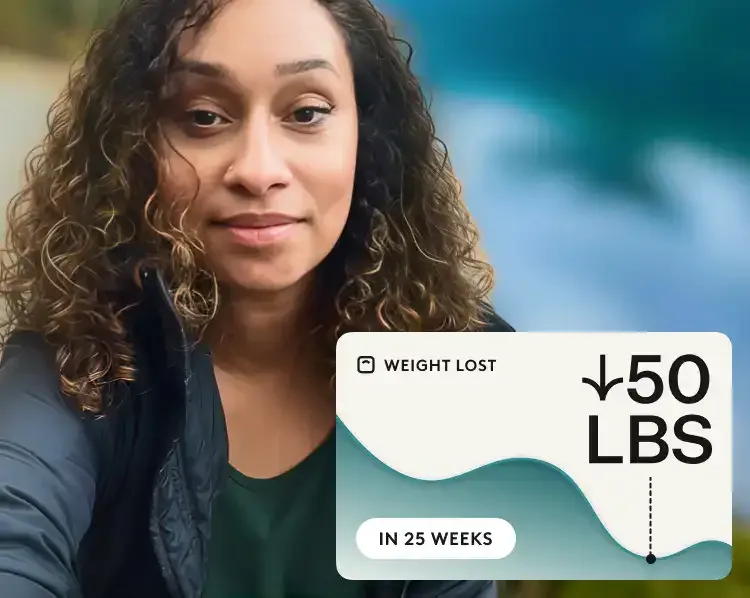
“My favorite parts of Noom are the care team and other Noomers. Sharing and getting help made me feel like I wasn’t doing it alone. That support made all the difference.”
Desirea N. — Real Noom user
Matthew M. — Real Noom user
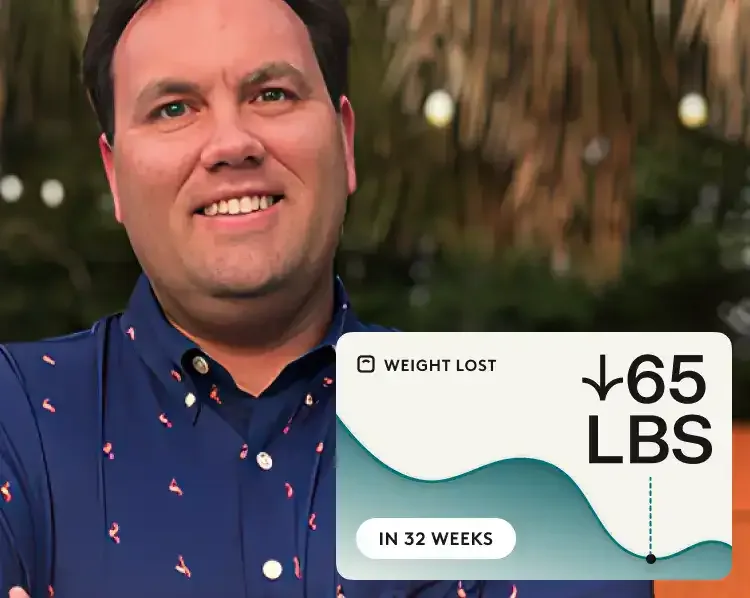
“Noom has taught me that every day is a new chance to make better, healthier choices. It's taught me how to stop overeating.’’
Matthew M. — Real Noom user
Lila M. — Real Noom user
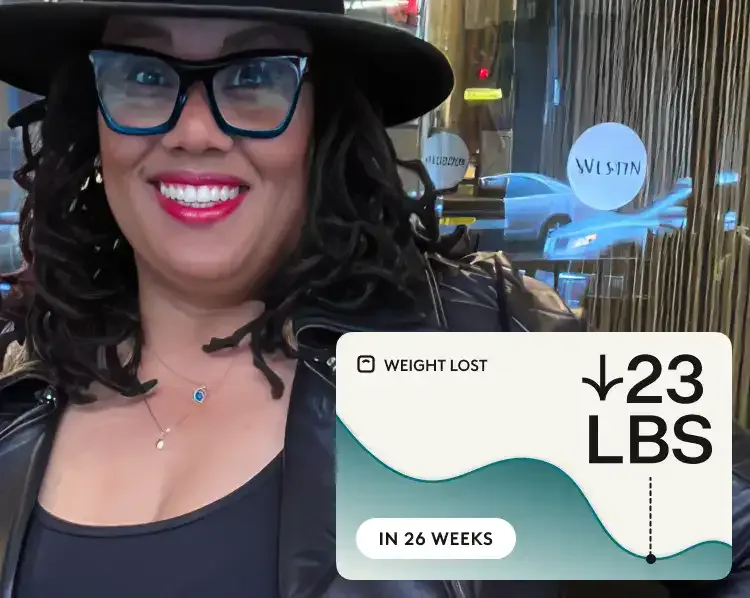
“Clinicians who understand how supportive medication can be is one of the best parts of Noom! I was convinced I wouldn’t have success but I’m down 11 pounds in two months.’’
Lila M. — Real Noom user
Steve M. — Real Noom user
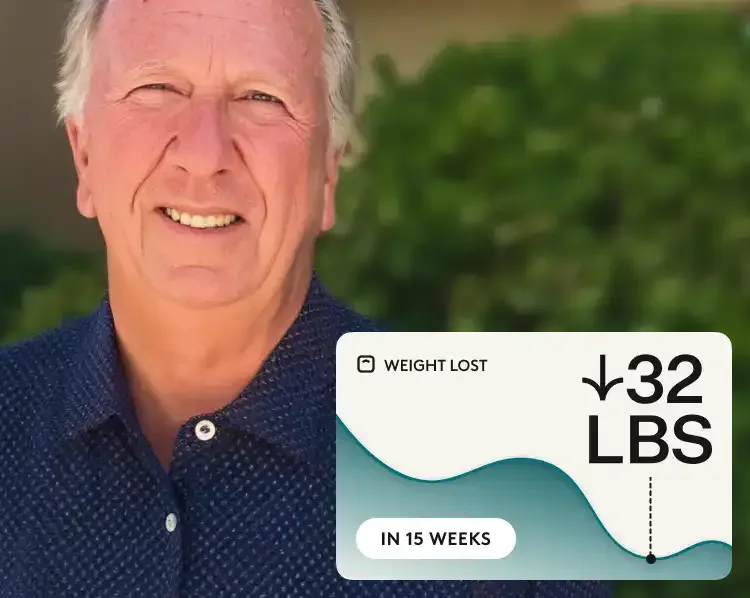
“Noom provided me with the medication which I could not get through Medicare. I have learned the tricks to better eating and life in general.”
Steve M. – Real Noom user
Daisy R. — Real Noom user
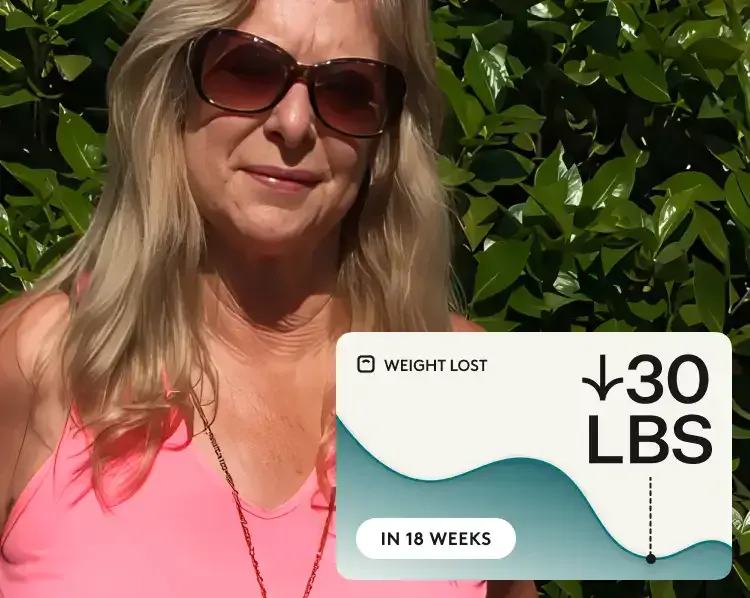
‘’Noom has changed my life and I’m so thankful, I feel great, have more energy and am no longer prediabetic.”
Daisy R. – Real Noom user
Sarah R. — Real Noom user
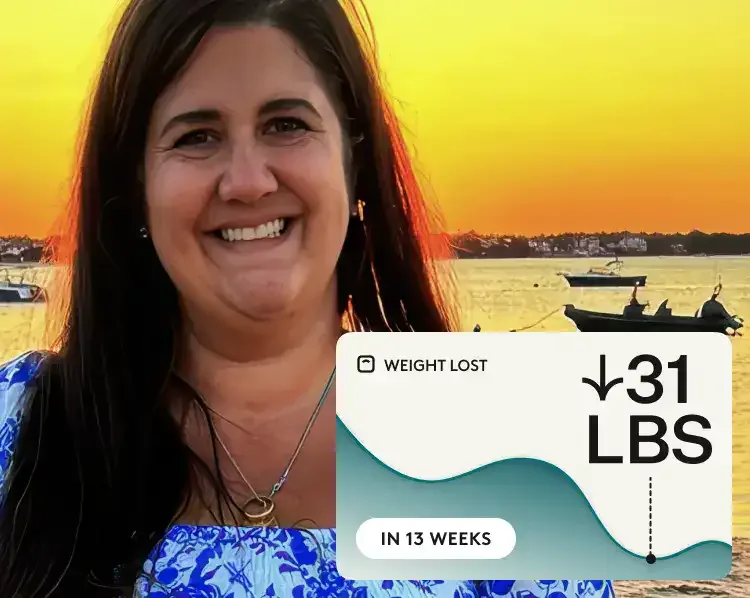
“All of the Noom providers that I’ve met with have been exceptional and prescribed medications that are appropriate for my situation and health.”
Sarah R. – Real Noom user
Madison S. — Real Noom user
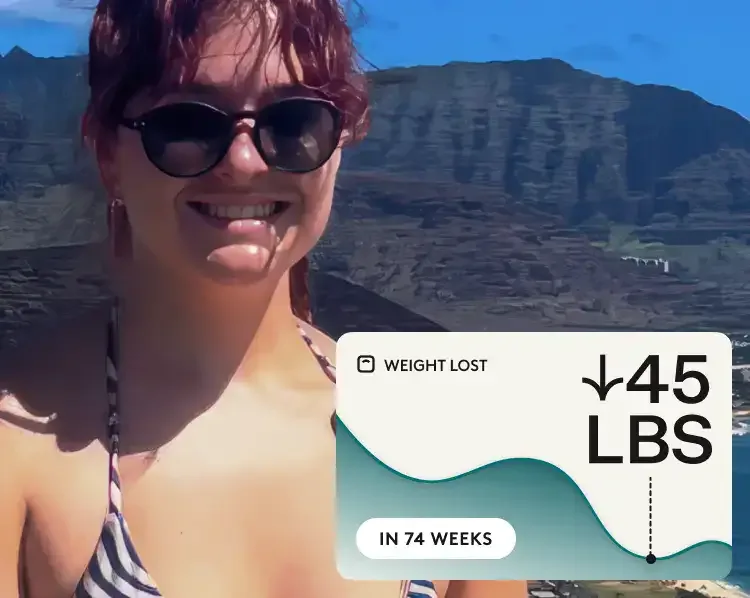
“Noom made the process so simple and now I feel full, free from diet obsession, and at ease in my body again.”
Madison S. – Real Noom user
Sonday K. — Real Noom user
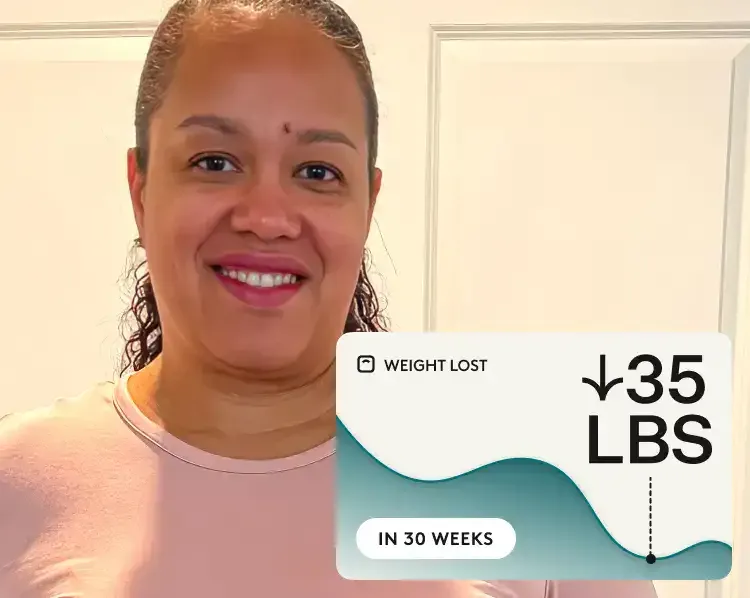
“My doctor recommended Noom after I was frustrated trying to lose weight. The lessons helped change my relationship with food. My body feels lighter & energized.”
Sonday K. – Real Noom user
Cam K. — Real Noom user
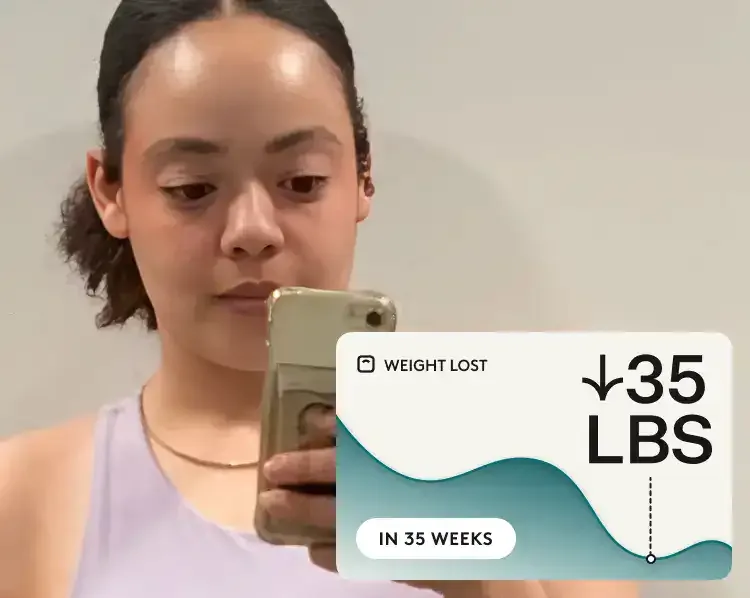
“I built healthy habits with coaching and lessons that make me confident I can maintain my weight loss long term.”
Cam K. – Real Noom user
Laura TR. — Real Noom user
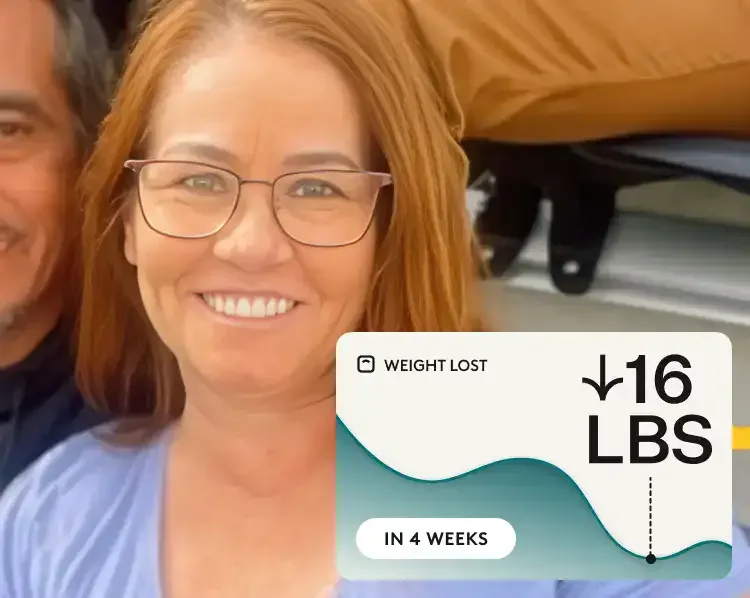
“With the right medication through Noom, hunger and sugar cravings finally quieted and I have the tools to break the cycle.”
Laura TR. – Real Noom user
Jessica S. — Real Noom user
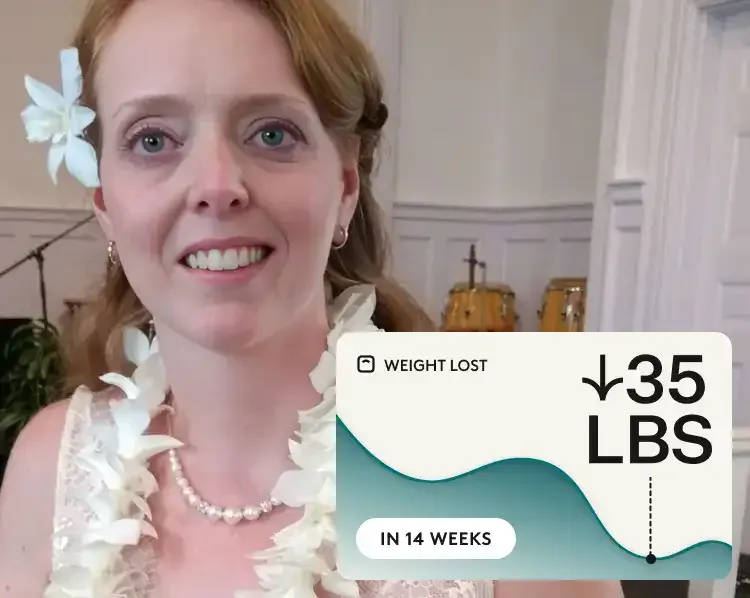
“Cravings and food noise are gone, I finally feel confident in the healthy habits I’ve built to last with Noom.”
Jessica S. – Real Noom user
The bottom line: The Ozempic® pill costs will vary based on your dose and insurance coverage
The Ozempic® pill is a reformulated version of Rybelsus®—easier to absorb, and now under the name most people already associate with semaglutide.
If you’re new to Ozempic, or switching from Rybelsus® or the injection, you probably want to know: what your insurance covers, whether you qualify for any savings programs, and what the pill will cost out of pocket. For people without insurance coverage, NovoCare® Pharmacy is usually the best place to start on price. If weight loss is your main goal, the Wegovy® pill may be the better option due to a higher dose potential and similar cash-pay pricing.
As with any medication, the right call depends on your full health picture—something a prescriber can help you sort through.
If you are looking for medication for weight loss, see if you qualify for Noom Med. Your clinician can find the right medication for you and prescribe it if needed. You’ll also get prescription and side effect management, a dedicated Care Team, and tools and trackers to help you succeed at your goals. See if you qualify.
Note: Ozempic® is not FDA-approved to treat obesity or for weight loss.
Editorial standards
At Noom, we’re committed to providing health information that’s grounded in reliable science and expert review. Our content is created with the support of qualified professionals and based on well-established research from trusted medical and scientific organizations. Learn more about the experts behind our content on our Health Expert Team page.