
What you’ll learn:
- Weight loss on semaglutide often slows over time as your body adjusts to changes in appetite, energy use, and overall balance.
- Small, consistent changes to your meals, movement, and daily habits can help support continued progress.
- Plateaus are a normal part of the process, but if your weight hasn’t changed for several weeks, it may be worth taking a closer look at your plan or talking with a provider.
Starting a semaglutide medication like Wegovy® can feel like a turning point. In the beginning, weight loss often feels steady, your appetite is more manageable, and the habits you’ve been working on may start to click.
But after a while, things can slow down. The scale might stop moving for a few weeks—or longer—even though you haven’t changed much. That’s what people mean when they talk about a “plateau.”
Hitting a plateau on semaglutide can feel frustrating, especially when everything was working before. It’s common to wonder if the medication stopped working or if you did something wrong. But in reality, plateaus are a normal part of the process, not a sign the medication isn’t working.
Studies on semaglutide show that weight loss tends to slow over time. In large trials, people continued losing weight for many months, but progress started to level off after about a year, with weight stabilizing around that point. That pattern shows up in weight loss research again and again, regardless of the approach.
There’s also a biological reason behind it. As you lose weight, your body adapts—it burns fewer calories and works harder to hold on to energy. This natural response can make continued weight loss slower and more gradual, even with medication.
Noom’s Most Powerful Program
A dual-pathway GLP-1 and behavior change for lasting results.

If you’ve hit this stage, understanding why plateaus happen is the first step toward figuring out what to adjust so you can keep moving forward without feeling discouraged. Let’s take a look at the science behind a semaglutide plateau and when you might expect to experience one.
Why plateaus happen: The science behind a semaglutide stall
Research on semaglutide shows a clear pattern: weight loss tends to be steady at first, then gradually slows and levels off over time. Most people continued losing weight for many months, but progress often plateaued around the one-year mark.
That slowdown isn’t a sign the medication stops working—it’s a normal biological response. Your body is constantly trying to maintain balance, and as your weight changes, it adjusts hunger, metabolism, and energy use to keep your weight stable. Here’s what happens:
- Your appetite signals start to shift. As you lose weight, your body increases hunger signals to try to stabilize your weight. Hormones that control appetite begin to change, making you feel hungrier over time. Semaglutide helps reduce appetite, but it doesn’t completely override this natural response—so those signals can slowly return.
- Your metabolism becomes more efficient. A smaller body naturally burns fewer calories than a larger one—it simply takes less energy to keep it running. But research shows something else also happens during weight loss: your metabolism slows more than expected, even after accounting for your smaller size. This phenomenon is called adaptive thermogenesis—a survival-mode response where your body conserves energy beyond what your new weight would predict.
- Your body composition changes. Weight loss isn’t just fat—some lean mass can be lost too. Since muscle helps your body burn calories, having less of it can slightly lower your daily energy use, making continued weight loss slower.
Over time, your body starts treating your new weight as its normal. Research shows that weight tends to stabilize as your body works to maintain that level, rather than continuing to drop indefinitely.
Put simply, your body isn’t working against you—it’s trying to protect what it sees as a stable, healthy balance. Medications like semaglutide make weight loss more achievable, but they don’t completely stop your body’s natural adaptations. That’s why plateaus are such a common—and expected—part of the process.
Learn more: Not losing weight on Wegovy®? What to know—and what to do next
How to assess whether it’s a true semaglutide plateau
A true plateau on semaglutide medications like Wegovy® isn’t something you can spot after just a few slow days. Weight loss with semaglutide doesn’t happen in a perfectly straight line—your weight can fluctuate from day to day based on things like hydration, meals, activity, and even hormones. In clinical research, including large semaglutide trials, weight loss tends to be faster early on and then gradually slows and levels off over time. Because of that, short pauses or small ups and downs are completely normal.
What really matters is the pattern over time. If your weight hasn’t meaningfully changed for several weeks—or longer—that’s when it may be a true plateau. At that point, it’s worth taking a closer look at what might be going on.
Signs of a real plateau:
- Your weight hasn’t decreased for several weeks, even though you’ve been taking your medication and maintaining a healthy diet and exercise habits.
- Your clinician has increased your dose, or you’re already at the highest dose, but your weight still hasn’t changed.
If this sounds familiar, the next step is to zoom out and look for patterns before making any changes. Tracking your weight and measurements over a couple of weeks, reviewing your eating, sleep, and activity habits, and checking in with your healthcare provider can all help identify what’s contributing to the slowdown.
Access GLP-1 Weight Loss with Noom
Explore a wide range of prescription medications supported by Noom’s program.
Microdose GLP-1rx

Noom GLP-1rx
Noom GLP-1rx Plus
Wegovy®

Ozempic®

Metformin

Zepbound®
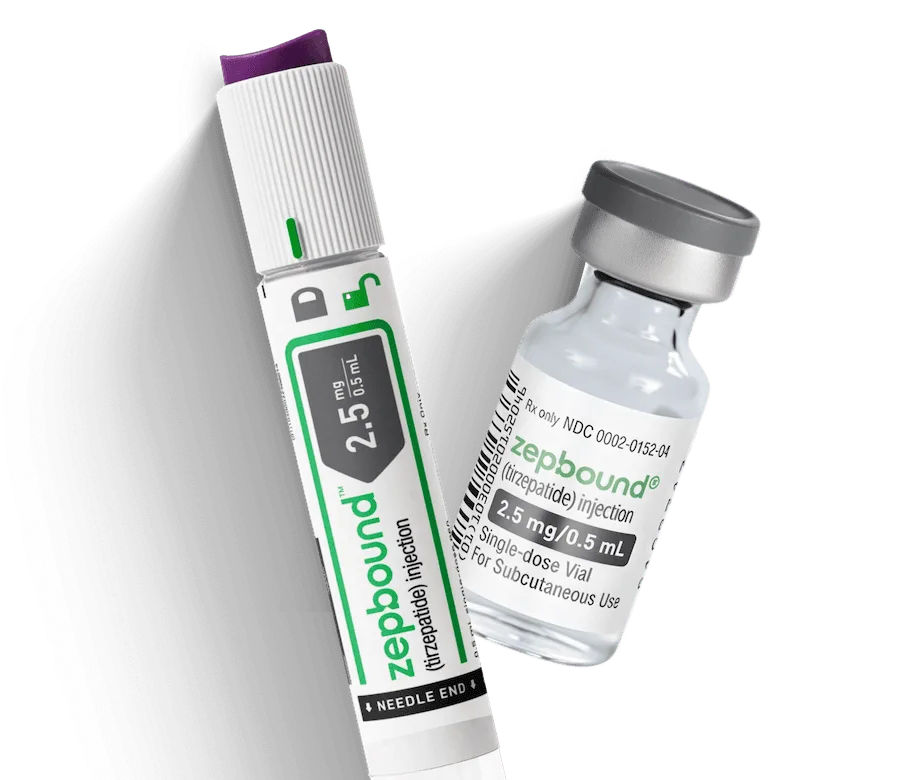
Mounjaro®
Liraglutide

In short, a true plateau is about consistency over time—not just a few days where the scale doesn’t move.
Learn more: How much should I weigh? How to find your ideal body weight
How to break a semaglutide plateau safely
Plateaus are a natural part of the process, even when you’re taking a medication like semaglutide. Over time, weight loss slows as your body adapts to a lower weight. The medication is still helping regulate appetite and digestion, but it can’t completely override your body’s built-in tendency to maintain balance.
That doesn’t mean progress has stopped. In many cases, a few small adjustments—like tweaking your nutrition, activity, or routine—can help things start moving again. Research shows that focusing on practical changes, such as increasing protein and fiber intake or staying consistent with movement, can support continued weight loss.
Here’s what that looks like:
1. Build meals that keep you full
As weight decreases, your body increases hunger signals, which can make it harder to maintain the same eating patterns over time.
What to do:
- Prioritize protein at every meal – Research suggests that aiming for roughly 25–30 grams of protein per meal (or about 1.2–1.6 grams per kilogram of body weight per day) helps preserve muscle mass during weight loss while also keeping you full and satisfied.
- Try: Grilled skinless poultry, fish, low-fat Greek yogurt, eggs, or cottage cheese.
- Choose low-calorie-density foods – In one study, people eating low-calorie-dense meals consumed fewer calories overall despite eating a larger volume of food — and still reported feeling fuller than those on a calorie-restricted diet.
- Try: Vegetables, fruits, broth-based soups, and cooked whole grains like oatmeal that let you eat satisfying portions while naturally reducing overall intake.
- Focus on minimally processed foods – In a controlled trial, people eating an ultraprocessed diet consumed about 500 more calories per day and gained roughly 2 pounds over two weeks compared to those eating minimally processed foods, even when both diets were matched for calories, sugar, fat, and fiber on paper.
- Try choosing foods with short, recognizable ingredient lists and no added preservatives, artificial flavors, or stabilizers—think fresh or frozen produce, plain meats and fish, and simple pantry staples like olive oil, dried beans, and plain nuts.
Plateau tip: If you’re thinking about food more often again, your meals may need to be more satisfying. Increase protein to make your meals more satisfying, so you’ll be less likely to have cravings throughout the day.
2. Add a little more movement to your day
As your weight goes down, your body uses less energy than it did before, which can reduce how many calories you burn each day.
What to do:
- Move your body regularly through activities you enjoy – Aim for 150 minutes of moderate-intensity cardio per week (think brisk walking, cycling, or swimming) for substantial health benefits.
- Take a 10 to 15-minute walk after meals – Studies show this can meaningfully lower blood sugar after eating and support metabolic health, which can support further weight loss. Even three short post-meal walks per day can add up to meaningful improvements in how your body manages blood sugar over 24 hours.
- Focus on strength-based exercises – Studies show that preserving muscle mass is key to sustaining weight loss long-term, and resistance training 2 to 3 days per week is the most consistently supported frequency for maintaining and building strength.
Plateau tip: If your usual routine feels easier than it did when you started losing weight, your body may have adapted to it. Small increases in daily movement—like adding extra walking, resistance training, or shorter movement breaks throughout the day—can help create momentum again without overhauling your routine.
3. Prioritize managing stress and getting enough sleep
Sleep and stress can have a surprisingly big effect on weight loss progress. Poor sleep and chronic stress may increase hunger hormones, cravings, and fatigue, which can make plateaus more likely over time.
What to do:
- Aim for a consistent sleep schedule and try to get at least 7 hours of sleep most nights. Research shows that shorter sleep is linked to increased hunger and higher calorie intake.
- Build small stress-management habits into your day, like walking, stretching, journaling, or deep breathing. Lowering stress can help reduce emotional eating and support healthier appetite regulation.
- Create routines that make healthy habits easier to stick with, especially during busy or stressful periods. Even small habits—like limiting screens before bed or taking short movement breaks during the day—can support energy, recovery, and long-term consistency.
Plateau tip: If your cravings, energy, or motivation suddenly feel harder to manage, take a closer look at your sleep and stress levels before assuming the medication stopped working. Small improvements in rest and recovery can sometimes help restart momentum.
You don’t need to start over; you just need to adjust. A plateau means your body has adapted. And with the right small shifts, you can keep making progress.
Noom’s Most Powerful Program
A dual-pathway GLP-1 and behavior change for lasting results.
Medication alternatives when a semaglutide plateau won’t break
If you’ve already been exercising regularly, eating healthy, and taking your semaglutide medication consistently, and your weight still isn’t changing, it might be time to look at other options.
A plateau doesn’t mean the medication isn’t working. But if it’s been a while and nothing’s moving, your provider might suggest increasing your dose (if possible) or changing your medication.
Let’s look at how to do this with semaglutide medications first and then take a look at the alternatives.
Switch from the Wegovy pill to the Wegovy injection
If your weight loss has slowed on the Wegovy® pill, switching to the injection may be something to discuss with your healthcare provider. Both forms contain semaglutide and work the same way to lower appetite and slow digestion, but the injection is absorbed differently. Because the injectable version bypasses the digestive system, it may provide more consistent absorption for some people.
That difference may help explain why studies showed slightly greater weight loss with the weekly injection. People taking the Wegovy® pill lost an average of about 14% of their body weight in studies, compared to about 19% with the injection when a person steps up to the 7.2 mg highest dose. The difference is modest, but for someone who has hit a plateau after being on the medication for a while, it could potentially help restart progress.
That doesn’t mean everyone experiencing a plateau needs to switch from the pill to the injection. Many plateaus are simply part of the body adapting to weight loss over time. But if you’ve already been on the Wegovy® pill for a while, have reached a stable dose, and your progress has stalled for several weeks or months, your provider may consider whether the injectable version could be a better fit for helping you continue toward your goals.
The new higher-dose option: Wegovy® 7.2 mg
If you’re not at the highest dose yet, this is usually the first thing to look at.
For a long time, 2.4 mg was the highest approved dose of Wegovy®. That’s the dose most people stay on long term once they’ve gradually worked their way up through the titration schedule. But over time, some people notice their weight loss slowing or leveling off after being on 2.4 mg for a while, which is one reason researchers began studying whether a higher dose could lead to additional weight loss.
The FDA recently approved a 7.2 mg dose of Wegovy®, which became available in April 2026. Studies show that people taking the 7.2 mg dose of Wegovy® lost an average of about 18.7% of their body weight, compared with about 15.6% for people taking the 2.4 mg dose. One of the biggest differences was how many people reached higher levels of weight loss: about 1 in 3 people taking Wegovy® 7.2 mg lost 25% or more of their body weight during the study.
That doesn’t mean moving to a higher dose is automatically the right next step for everyone. But if your progress has slowed after spending time on the 2.4 mg dose, your provider may consider whether the newer 7.2 mg option could help support additional weight loss.
Consider trying tirzepatide (Zepbound®)
Tirzepatide works a little differently because it targets both GLP-1 and GIP receptors. This dual action can lead to stronger appetite control and, in clinical trials, greater average weight loss for some people. For someone who has plateaued on semaglutide, this can sometimes provide a noticeable shift.
Research shows that those taking tirzepatide medications like Zepbound® lost an average of about 21% of their body weight, while those taking Wegovy® lost around 15% on average, up to about 19% with the new high-dose 7.2 mg.
Some studies also show that tirzepatide may cause slightly fewer digestive side effects than semaglutide for certain people, particularly nausea and stomach discomfort. If your weight loss has plateaued or side effects have become difficult to manage, switching to tirzepatide could be an option to discuss with your healthcare provider.
Frequently asked questions about semaglutide plateaus
Hitting a plateau can feel frustrating and confusing, especially when you’ve been making progress. These common semaglutide plateau FAQ concerns come up often, and understanding the facts can help ease worry and guide your next steps forward.
Do plateaus mean semaglutide stopped working?
No, a plateau doesn’t mean the medication stopped working.
Weight loss usually doesn’t happen in a straight line. It tends to happen in phases, with faster progress at first and slower progress later. Research shows that weight loss naturally occurs this way, and weight loss for most people tends to slow after about a year on the medication.
Even if the number on the scale isn’t changing, semaglutide is still helping with appetite and blood sugar in the background.
Does increasing the dose always break a plateau?
Not always.
For some people, increasing the dose helps restart progress. Studies have shown that higher doses, such as the new 7.2 mg Wegovy® dose, can lead to greater weight loss results. Your provider will look at your current dose, how long you’ve been on it, and any side effects you might be dealing with before making that call.
Sometimes, small changes in your daily habits end up helping more than changing the dose.
How long does a typical semaglutide plateau last before weight loss restarts?
How long a semaglutide plateau lasts can look very different from one person to another. For some people, progress picks back up after a few weeks, while others may stay at the same weight for a longer period. Research on semaglutide medications shows that weight loss often slows and begins to level off after about a year of treatment.
Several factors can influence how long that plateau lasts, including:
- Your starting weight
- Changes in your eating or activity habits over time
- How your body adapts to shifts in hunger and energy use as you lose weight
Your next steps matter too—small adjustments to nutrition, movement, sleep, or medication timing may help restart progress for some people. And in some cases, a plateau may simply mean your body has reached a weight that’s healthier and easier to maintain long term.
Are there long-term risks to staying on semaglutide if weight loss stalls?
In most cases, staying on semaglutide during a plateau is still considered safe, as long as your provider is monitoring you.
Even if weight loss has slowed down, the medication can still provide health benefits. Studies actually show that long-term use of semaglutide over 4 years helped to sustain weight loss and reduce the risk of cardiovascular issues. Regular check-ins just help make sure everything is still working the way it should for you.
Could a plateau be a sign I’m at my ideal weight?
The scale doesn’t tell the whole story.
It helps to look at how you feel day to day. If your energy is more stable, you’re sleeping better, your mood feels more balanced, and everyday things feel easier, those are all good signs.
If your clothes fit well and your health markers have improved, you might already be at a place your body can maintain comfortably—even if the number on the scale isn’t changing anymore.
Can you build a tolerance to semaglutide?
There’s no evidence that your body builds true tolerance to semaglutide in a way that stops it from working. If your weight loss slows down, it’s usually just a plateau, which is a normal part of long-term weight change. Semaglutide is still supporting appetite control, even if the scale isn’t moving down as quickly as before.
Reviews from real Noom users
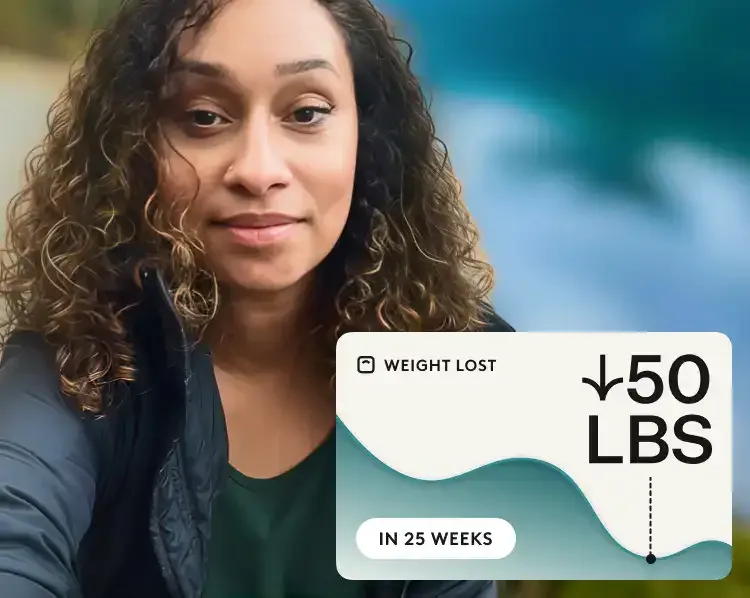
“My favorite parts of Noom are the care team and other Noomers. Sharing and getting help made me feel like I wasn’t doing it alone. That support made all the difference.”
Desirea N. — Real Noom user
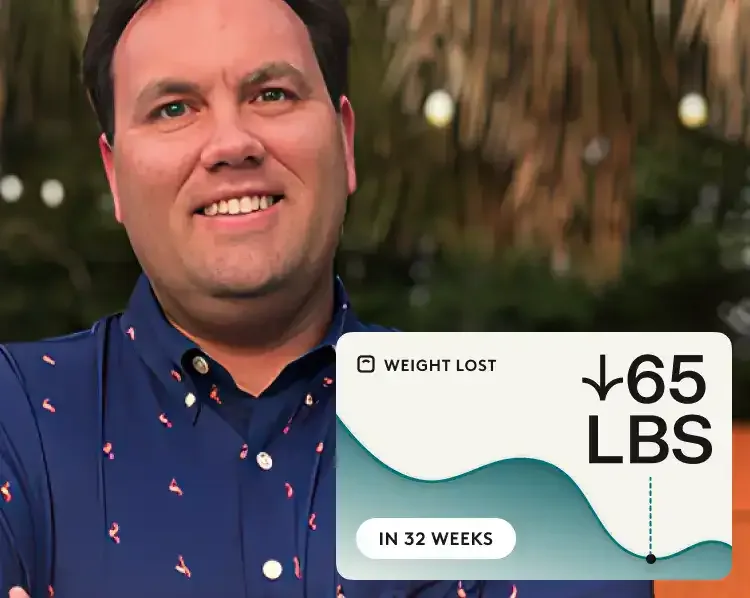
“Noom has taught me that every day is a new chance to make better, healthier choices. It’s taught me how to stop overeating.”
Matthew M. — Real Noom user
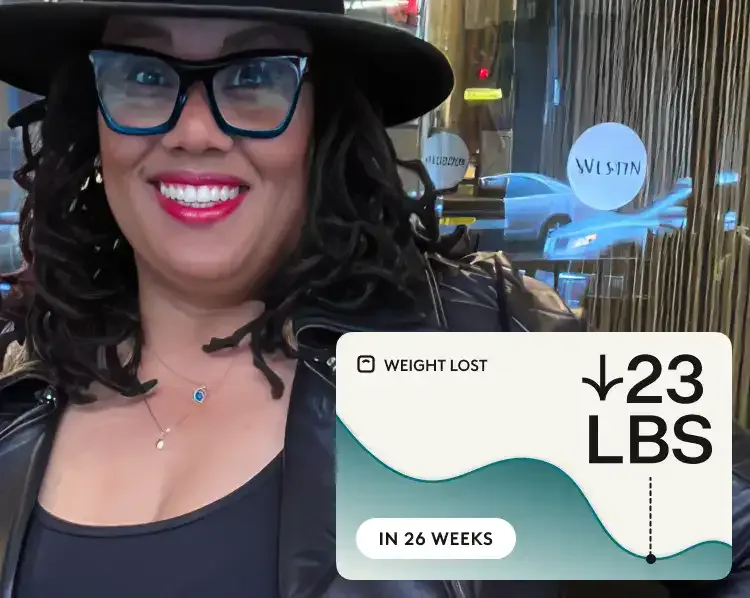
“Clinicians who understand how supportive medication can be is one of the best parts of Noom! I was convinced I wouldn’t have success but I’m down 11 pounds in two months.”
Lila M. — Real Noom user
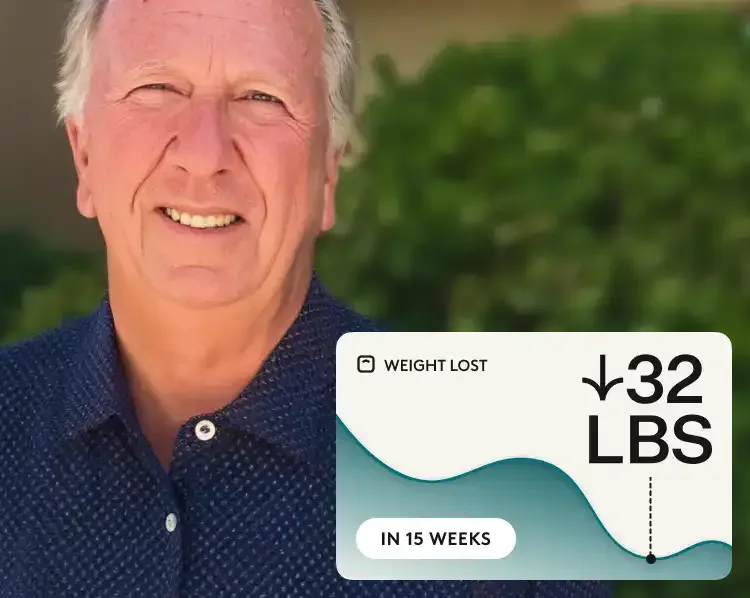
“Noom provided me with the medication which I could not get through Medicare. I have learned the tricks to better eating and life in general.”
Steve M. – Real Noom user
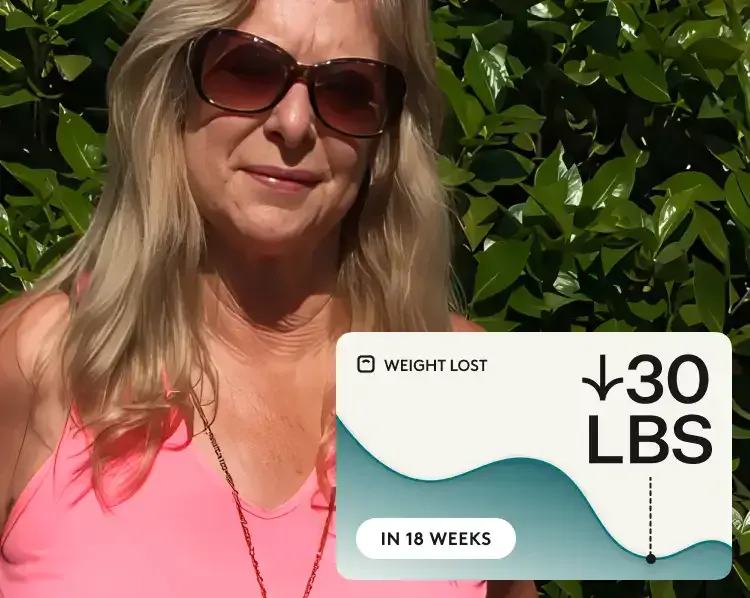
“Noom has changed my life and I’m so thankful, I feel great, have more energy and am no longer prediabetic.”
Daisy R. – Real Noom user
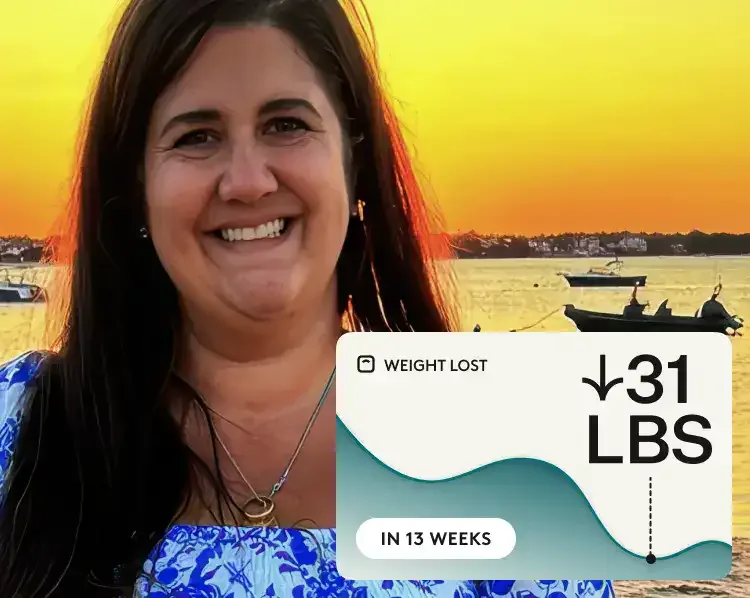
“All of the Noom providers that I’ve met with have been exceptional and prescribed medications that are appropriate for my situation and health.”
Sarah R. – Real Noom user
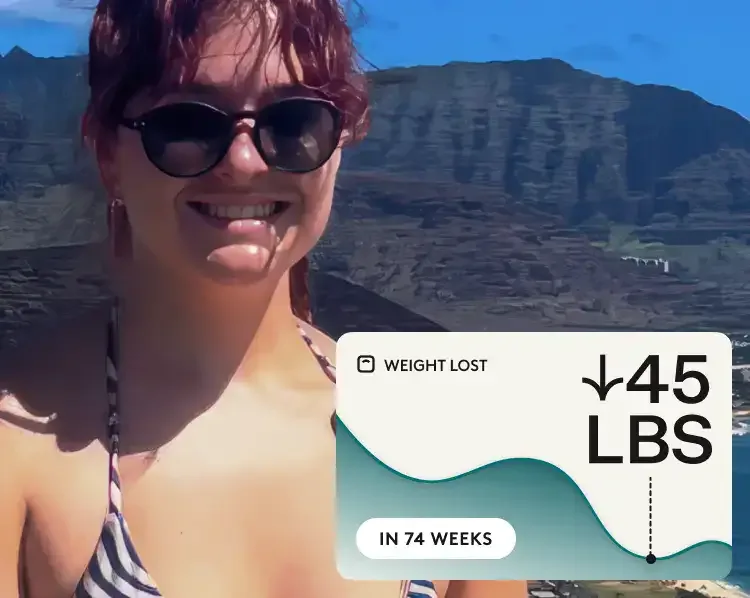
“Noom made the process so simple and now I feel full, free from diet obsession, and at ease in my body again.”
Madison S. – Real Noom user
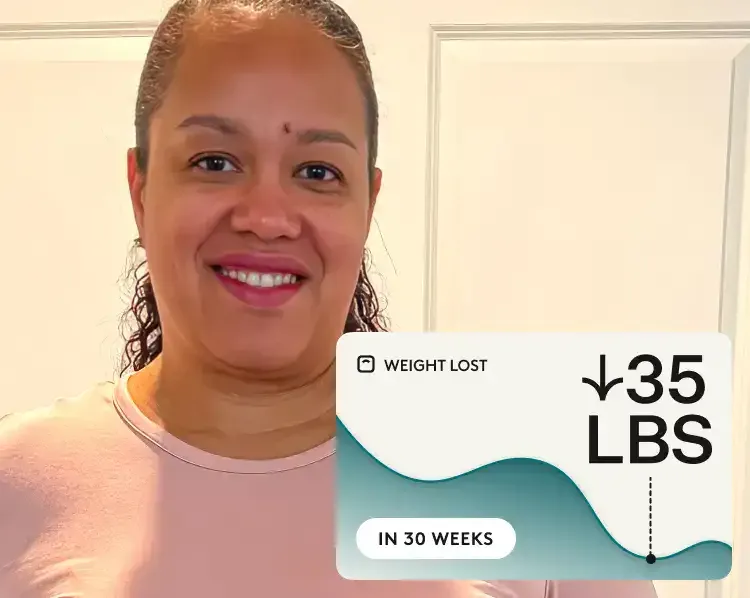
“My doctor recommended Noom after I was frustrated trying to lose weight. The lessons helped change my relationship with food. My body feels lighter & energized.”
Sonday K. – Real Noom user
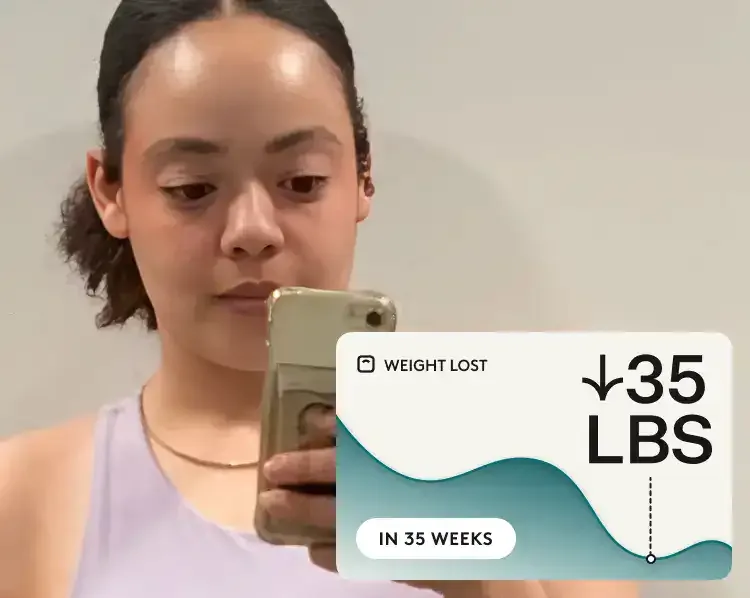
“I built healthy habits with coaching and lessons that make me confident I can maintain my weight loss long term.”
Cam K. – Real Noom user
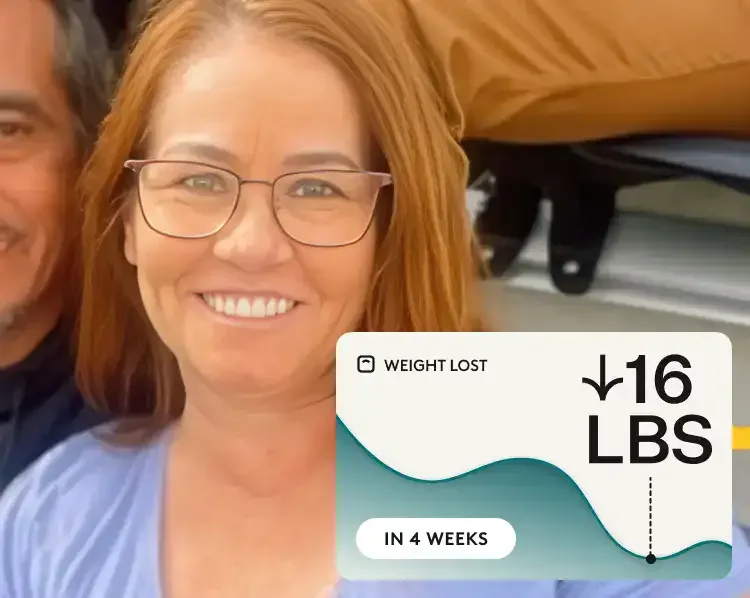
“With the right medication through Noom, hunger and sugar cravings finally quieted and I have the tools to break the cycle.”
Laura TR. – Real Noom user
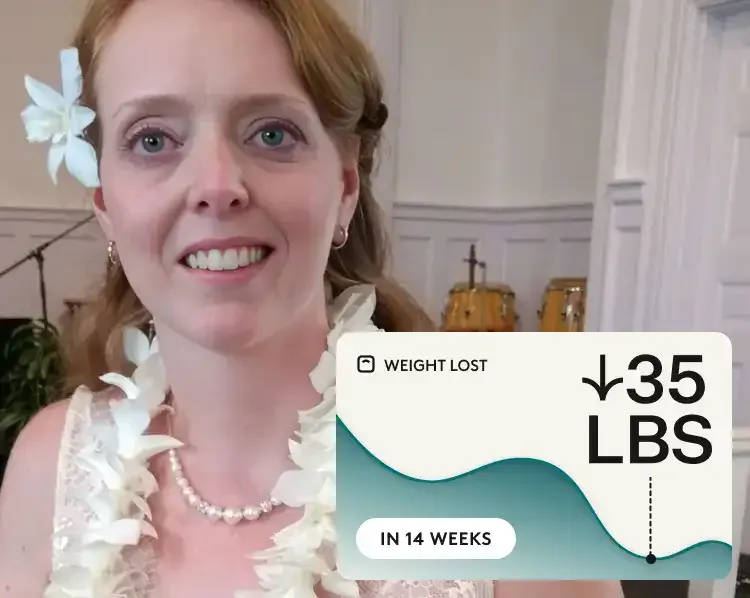
“Cravings and food noise are gone, I finally feel confident in the healthy habits I’ve built to last with Noom.”
Jessica S. – Real Noom user
The bottom line: Semaglutide plateaus are common—and you can move past them
Hitting a plateau on semaglutide can feel frustrating, but it’s a normal part of the process. As your body adjusts to weight loss, things like appetite, energy use, and overall balance shift, and that can slow progress even if you’re staying consistent. Research shows this kind of slowdown is expected over time, not a sign that something is wrong.
What matters most is how you respond. In many cases, small changes to your eating habits, movement, sleep, or daily routine are enough to help things start moving again. Sometimes a plateau is just a short pause. Other times, it’s a sign that your plan needs a small adjustment.
If your weight has truly stalled, it can help to talk through your options with a provider. Adjusting your dose or exploring other medications might make sense, but those steps usually work best after you’ve looked at your daily habits first.If you want structured support as you sort through your options, Noom Med can help you navigate the next steps. If you qualify, you’ll work with a clinician who can help guide medication choices, plus get coaching and tools that make long-term progress easier to maintain.
Editorial standards
At Noom, we’re committed to providing health information that’s grounded in reliable science and expert review. Our content is created with the support of qualified professionals and based on well-established research from trusted medical and scientific organizations. Learn more about the experts behind our content on our Health Expert Team page.