

What you’ll learn:
- There’s currently no generic semaglutide in the U.S., and patent protections are expected to keep generics off the market until at least the early 2030s.
- Semaglutide medications like Ozempic® and Wegovy® can cost more than $1,000 per month without insurance, which is why lower-cost options and future generics are such a major focus.
- Even before generics arrive, manufacturer discounts, Medicare pricing changes, and increasing competition are gradually making semaglutide treatment more affordable.
Semaglutide has quickly become one of the most widely used medications for both diabetes and weight management. It’s the active ingredient in Ozempic® and Wegovy® and works by mimicking a hormone called GLP-1 that helps lower appetite, regulate blood sugar, and slow down how quickly food leaves your stomach.
These two semaglutide medications contain the same active ingredient but are approved for different uses and have different dosage strengths. Ozempic® is approved for type 2 diabetes, but is sometimes used off-label for weight loss, and Wegovy® is approved for weight loss, heart disease, and MASH. Both also come as weekly injections or daily pills.
As more people turn to GLP-1 medications for sustainable weight loss, semaglutide has become a long-term treatment for many, not something taken for just a few weeks. That’s where cost becomes a major concern.
Without insurance, monthly prices can exceed $1,000, and even with coverage, access can vary widely depending on your plan and whether the medication is prescribed for diabetes or weight loss. These gaps are a big reason why interest in a lower-cost generic option continues to grow.
As of now, there is no generic semaglutide available in the United States, but affordability is changing at both the national and manufacturer levels.

The Easy Way
to lose weight and get healthy.
See if you qualify
This article will walk you through why a generic isn’t available yet, when that could change based on current patent timelines, and what options may help make treatment more accessible in the meantime.
What is semaglutide, and why is cost a concern?
Much of the interest in a future generic version of semaglutide comes down to cost. Brand-name medications like Wegovy® and Ozempic® can run hundreds to more than $1,000 per month before insurance or discounts—and because semaglutide is typically a long-term treatment, those monthly costs add up fast.
Coverage adds another layer of complexity. Many health plans aren’t required to cover weight-loss medications, and even when semaglutide is covered, people may still face prior authorization requirements, step therapy rules, high deductibles, or coinsurance. That makes access unpredictable for a lot of people.
That’s why generic availability is such a closely watched topic. When generics enter the market, they’re typically far less expensive than their brand-name counterparts and tend to be easier for insurers to add to their formularies — which could meaningfully expand access for people managing weight or a chronic metabolic condition.
Why there’s no generic semaglutide in the U.S.
There is no generic semaglutide available in the United States because medications that contain semaglutide—like Ozempic® and Wegovy®—are still protected by multiple patents held by Novo Nordisk. These protections cover not only the semaglutide molecule itself, but also the injection devices and specialized formulation methods used to deliver the pill-form medication effectively. Key U.S. patents are set to expire starting in 2031, so we wouldn’t see a generic semaglutide before that.
GLP-1 medications can be covered by dozens or even hundreds of patents tied to different aspects of the drug and delivery system. Together, these overlapping protections create what’s often called a “patent thicket,” making it legally and commercially difficult for other manufacturers to develop competing versions.
When will generic semaglutide be available?
Based on current patent timelines and industry estimates, most projections place potential generic versions of semaglutide in the early-to-mid 2030s at the earliest.
Patent expiration dates can give a general timeline, but they don’t directly translate into when a generic will actually be available at the pharmacy. In most cases, the end of patent protection is simply the starting point for a much longer development and approval process.
Here’s what typically has to happen next:
Access GLP-1 Weight Loss with Noom
Explore a wide range of prescription medications supported by Noom’s program.Microdose GLP-1rx
Noom GLP-1rx
Noom GLP-1rx Plus
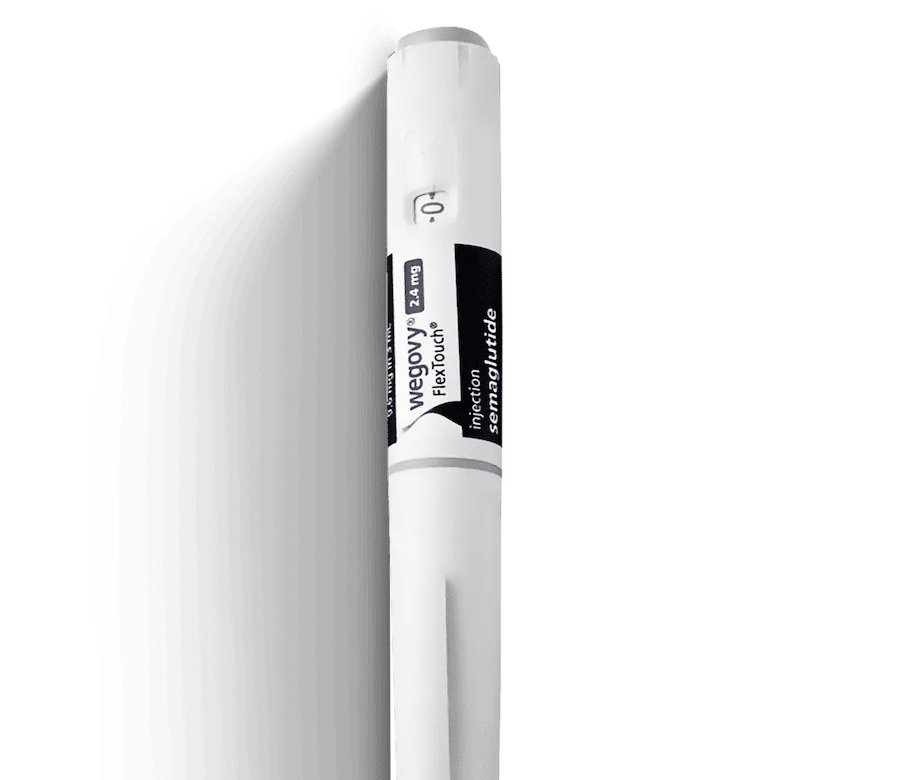
Wegovy®
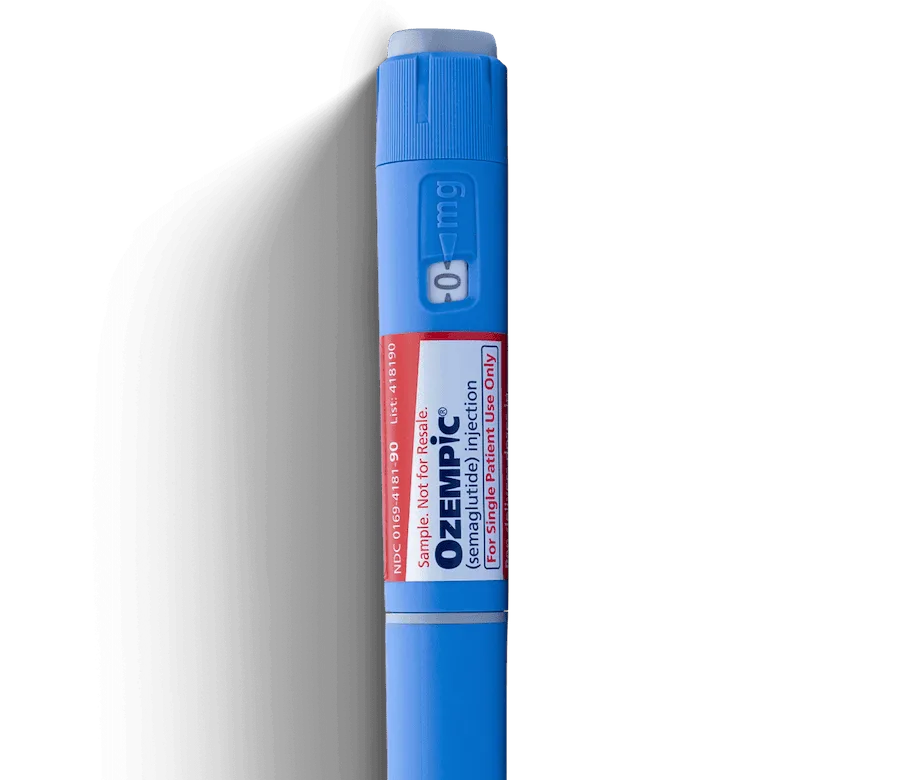
Ozempic®
Metformin
Zepbound®
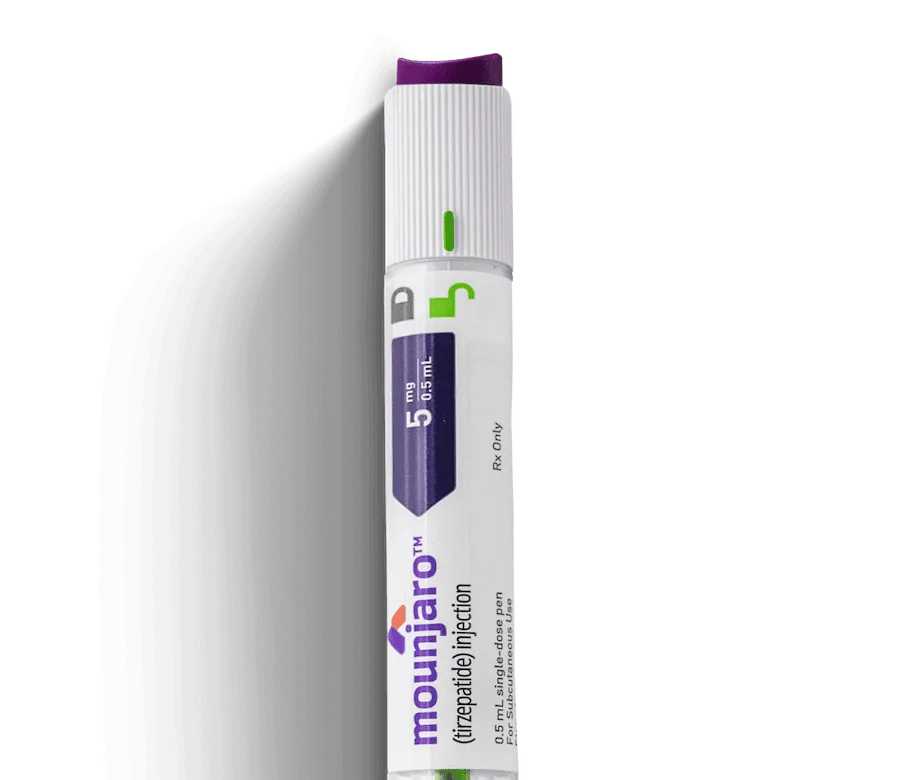
Mounjaro®
Liraglutide
When key patents and exclusivity protections begin to expire, manufacturers can submit applications to the FDA to produce a generic version. For a medication like semaglutide, this process is especially complex.
Companies must refine the formulation, demonstrate bioequivalence (that the drug works the same way in the body), meet strict manufacturing standards, and scale up production. Each of these steps can add months or even years to the timeline.
For injectable semaglutide medications, there’s the added challenge of replicating a peptide-based injectable and ensuring consistency in delivery and dosing systems.
The oral versions of semaglutide introduce a different set of hurdles. They use a specialized absorption technology (SNAC) designed to help semaglutide survive the digestive system and enter the bloodstream. That added complexity means oral generics may follow a similar timeline—or potentially take even longer, depending on how formulation and delivery patents are resolved.
Real-world comparison: What past GLP-1 timelines show
Looking at earlier GLP-1 medications helps illustrate how slowly this process tends to unfold. Liraglutide, the active ingredient in Saxenda® and Victoza®, followed a gradual path to generic availability rather than a sudden market shift.
Key milestones included:
- 2010: Victoza® (liraglutide) is launched for type 2 diabetes
- 2014: Saxenda® is approved for weight loss at a higher dose of the same drug
- 2024: The first generic liraglutide is approved in Victoza®-equivalent doses
- 2025: Generic versions begin expanding into Saxenda®-equivalent dosing
Even after initial approval, availability didn’t immediately become widespread. Entry into the market happened in stages as manufacturers completed regulatory requirements and expanded production capacity. In some cases, authorized generics helped speed early availability, but broader competition still took time to develop.
That timeline offers a realistic preview of what semaglutide’s path could look like. If history is any guide, even after key U.S. patents begin expiring in 2031, it could be several more years before multiple generic versions are widely available.
It’s also worth noting that—if semaglutide follows the same pattern as liraglutide—a generic may be approved for type 2 diabetes before it becomes available for weight management. With liraglutide, Victoza-equivalent doses were approved first, and Saxenda-equivalent doses followed about a year later. There’s no guarantee semaglutide takes the same path, but it’s a realistic possibility worth keeping in mind. The process isn’t a switch that flips; it’s a gradual opening.
How recent pricing changes could affect semaglutide
We’ve seen the cost of semaglutide medications gradually easing, as policy shifts, manufacturer decisions, and market competition begin to take effect. Several changes could contribute to lower pricing before generic versions are widely available:
- Manufacturer price reductions. Novo Nordisk has signaled plans to lower U.S. list prices for semaglutide medications starting around 2027. Early estimates suggest prices could drop to roughly the mid-hundreds per month — a significant reduction compared to current list prices that often exceed $1,000.
- The Medicare GLP-1 Bridge. Starting July 1, 2026, eligible Medicare Part D beneficiaries can access Wegovy® for weight management through the Medicare GLP-1 Bridge at a $50 monthly copay. It’s worth noting that the Bridge covers Wegovy specifically for weight loss — Ozempic, which carries a diabetes indication, is handled separately through standard Part D diabetes coverage. The Bridge runs through the end of 2027 and is designed as a stepping stone to a longer-term federal coverage program called the BALANCE Model.
- Medicare drug price negotiation. Under the Inflation Reduction Act, Medicare has gained the ability to negotiate prices for high-cost drugs. Semaglutide-based medications have already been selected for negotiation, with a negotiated price set to take effect in 2027. For eligible Medicare beneficiaries, this could meaningfully reduce costs going forward.
- Medicare Part D out-of-pocket cap. Recent updates to Medicare include a yearly out-of-pocket cap on prescription drug costs. While this doesn’t directly lower the list price of semaglutide, it limits how much patients on Medicare pay annually — making long-term treatment more financially predictable.
Even with these changes, broader and more consistent price reductions are still likely to depend on increased competition and the eventual arrival of generic semaglutide options.
What could generic semaglutide cost?
While generics are often expected to be significantly cheaper than brand-name drugs, the discount isn’t always as steep for newer, more complex medications—especially injectable GLP-1 therapies like semaglutide. This can make estimating the potential cost of a generic semaglutide more complicated.
A useful starting point is the current list price. Semaglutide medications, Ozempic® and Wegovy®, are priced around $1,000–$1,350 per month without insurance. That range helps set expectations for how much room there may be for future price reductions if generics eventually enter the market.
Looking at a related medication gives some perspective. When generic liraglutide became available in generic form, pricing did come down—but not uniformly:
- Generic versions of Victoza®–equivalent dosing have been reported at roughly $228 to $709 for a 2–3 pen supply
- Saxenda®-equivalent weight-loss dosing has ranged from about $370 to $1,240 for a 5-pen supply
Here’s how those numbers compare side by side:
| Medication | Generic price (approx.) | Branded price |
|---|---|---|
| Victoza® (liraglutide) | $228–$709 (2–3 pens) | $543–$815 |
| Saxenda® (liraglutide) | $370–$1,240 (5 pens) | $1,349/month |
These examples suggest that even when generics become available, pricing reductions can vary quite a bit. In some cases, the savings are meaningful, but they don’t always reach the deep discounts people might expect from older oral medications.
Ultimately, what people actually pay for semaglutide—brand or future generic—can vary widely depending on insurance coverage, pharmacy pricing, discount programs, and availability at the time.
How do generic drugs actually work?
Generic medications are required to be essentially identical versions of their brand-name counterparts, and they must meet strict FDA standards to ensure they perform the same in the body.
To gain approval, a generic drug must match the original in several key ways:
- Same active ingredient
- Same strength or dosage amount
- Same dosage form (for example, tablet, injection, or liquid)
- Same route of administration (such as taken by mouth or injected)
Put simply, the goal is for the generic to mirror the parts of the medication that determine how it works and how it affects the body.
A key part of this approval process is bioequivalence. This requires manufacturers to demonstrate that the generic version delivers the active ingredient into the bloodstream at a similar rate and in a comparable amount as the brand-name drug. When this is achieved, the two medications behave similarly in the body, which is why people usually don’t notice differences when switching between them.
GLP-1 medications are challenging to replicate. So these products often involve more complicated manufacturing processes, stability considerations, and precise delivery mechanisms.
When a medication relies on a pen-injector system, such as with the injectable versions of Ozempic® and Wegovy®, the device itself becomes part of the regulatory and technical challenge. As a result, developing and reviewing generics for injectable GLP-1 drugs typically takes longer than it does for traditional oral medications.
The pill form of semaglutide comes with its own separate challenge. Because semaglutide is a peptide, it would normally be broken down by stomach acid before it could be absorbed. To get around this, the oral formulation relies on a specialized absorption enhancer, which helps the drug survive the digestive environment and cross into the bloodstream. That delivery technology is independently patented—meaning a generic manufacturer would need to either replicate it or develop an alternative approach that achieves the same result, adding another layer of complexity on top of the molecule itself.
Frequently asked questions about generic semaglutide
Many people are wondering when generic semaglutide will become available and how it could impact cost and access. Most questions focus on timelines, insurance coverage, and whether alternatives like compounded versions are safe or equivalent. Here are clear, practical answers based on current data.
What’s the earliest semaglutide could become generic?
For people in the United States, generic semaglutide is unlikely before 2031 at the earliest — that’s when the primary U.S. compound patent expires. Additional patents on formulations and delivery devices could push full generic competition even later. Internationally, countries including India, Canada, Brazil, and China have already seen generic launches in 2026 following patent expirations there, but those products are not approved for use in the U.S.
One early signal worth noting: in April 2026, Apotex became the first company to receive a tentative FDA approval for generic semaglutide injection—meaning the FDA has already completed its scientific review and confirmed the drug meets all standards. It just can’t be sold yet while patents remain in force.
Will insurance cover generic semaglutide when it’s available?
Ultimately, we don’t yet know whether generic semaglutide will be covered by insurance, and it will likely depend on what the medication is prescribed for and whether there are any policy changes about coverage for weight loss medications, which is currently not required by law.
Insurance plans may cover generic semaglutide with lower copays than brand-name versions, but, like with current medications, coverage will still vary based on whether it’s prescribed for diabetes or weight loss, and prior authorization could still apply. Your out-of-pocket cost will depend on your specific plan and formulary tier.
Are other semaglutide generics coming before semaglutide?
Yes—generic versions of liraglutide are already on the market for diabetes, heart disease, and weight management.
Tirzepatide, which is the active ingredient in Mounjaro® and Zepbound®, is still under broad patent protection in the United States and other major regions. Current estimates suggest that its primary compound patent won’t expire until around 2036, and on top of that, additional formulation-related patents may extend exclusivity even further. Because of these overlapping protections, it will likely be many years before a true generic version of tirzepatide becomes available.
Read more: Generic Zepbound®: Why it doesn’t exist yet—and when it might
Are generics always cheaper than brand-name drugs?
Generic medications are often priced about 80% to 85% lower than their brand-name counterparts. That estimate, however, is most representative of older, simpler medications. It doesn’t always translate to newer, more complex treatments—especially biologic or injectable drugs like GLP-1 therapies.
For biologics and biosimilars, price reductions tend to happen more gradually and are usually less dramatic. These drugs are more difficult and expensive to manufacture, and the higher technical barriers mean fewer companies enter the market, which limits competition and keeps early price drops more modest.
Research comparing biologic drugs to their biosimilar competitors has found that even when multiple manufacturers eventually join the market, the resulting price decreases are often much smaller than what is typically seen with traditional generic medications.
What countries have generic semaglutide, if any?
Globally, some movement toward generic semaglutide has already started. India became one of the first major markets to see generic launches after Novo Nordisk’s core patent on the molecule expired there in March 2026.
Canada’s story is a little different. Novo Nordisk’s Canadian patent didn’t expire on schedule; it lapsed in 2020 after the company never paid a maintenance fee. That oversight opened the door for generics years ahead of schedule, and in April 2026, Health Canada approved its first generic semaglutide.
Reviews from real Noom users
Desirea N. — Real Noom user
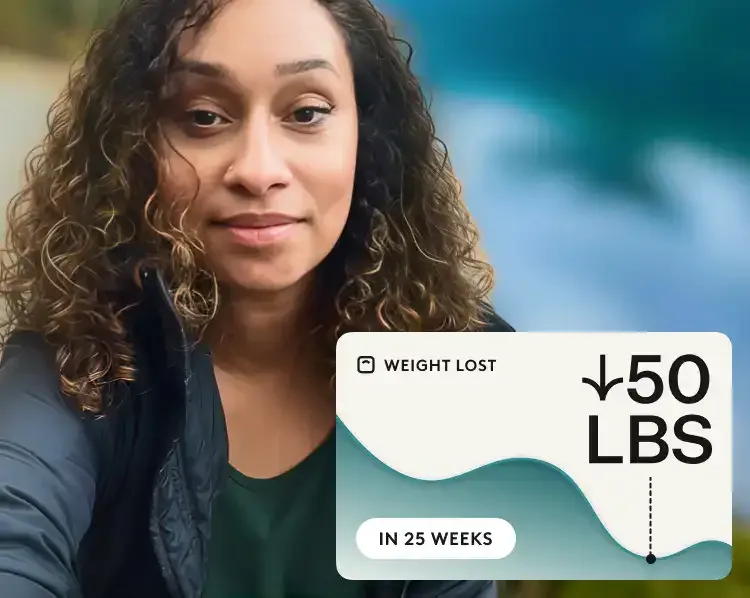
“My favorite parts of Noom are the care team and other Noomers. Sharing and getting help made me feel like I wasn’t doing it alone. That support made all the difference.”
Desirea N. — Real Noom user
Matthew M. — Real Noom user
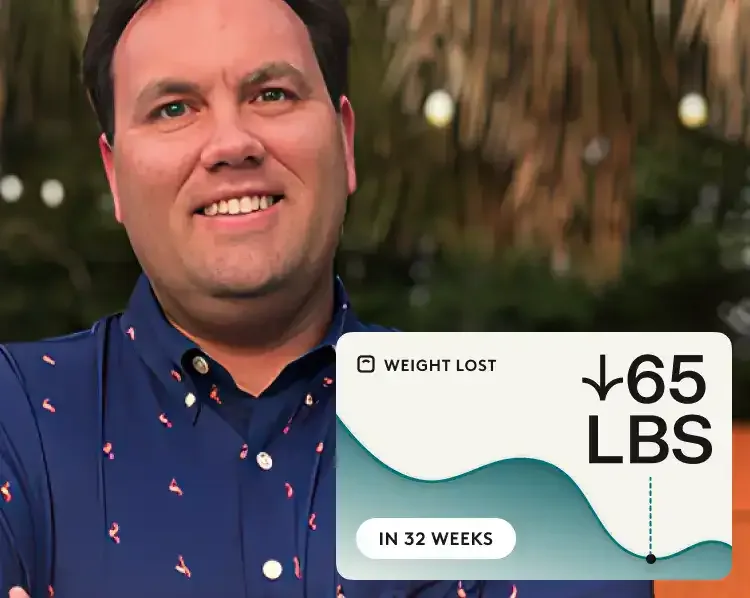
“Noom has taught me that every day is a new chance to make better, healthier choices. It's taught me how to stop overeating.’’
Matthew M. — Real Noom user
Lila M. — Real Noom user
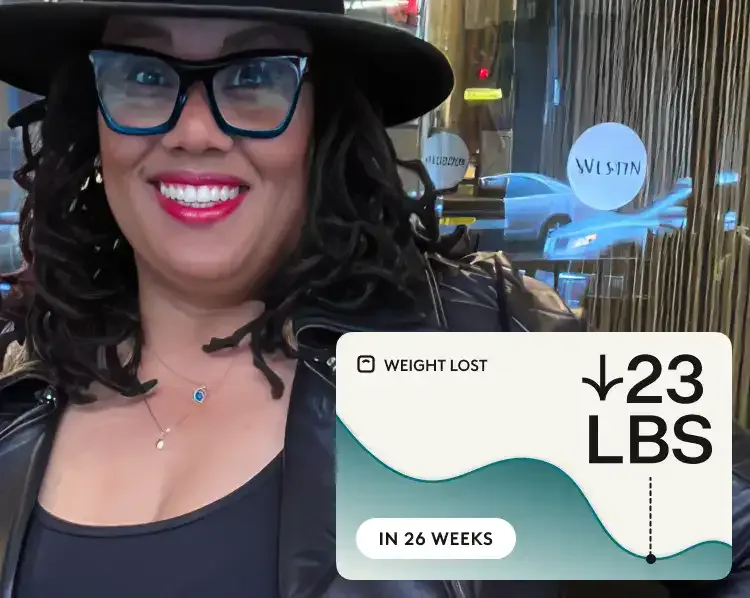
“Clinicians who understand how supportive medication can be is one of the best parts of Noom! I was convinced I wouldn’t have success but I’m down 11 pounds in two months.’’
Lila M. — Real Noom user
Steve M. — Real Noom user
“Noom provided me with the medication which I could not get through Medicare. I have learned the tricks to better eating and life in general.”
Steve M. – Real Noom user
Daisy R. — Real Noom user
‘’Noom has changed my life and I’m so thankful, I feel great, have more energy and am no longer prediabetic.”
Daisy R. – Real Noom user
Sarah R. — Real Noom user
“All of the Noom providers that I’ve met with have been exceptional and prescribed medications that are appropriate for my situation and health.”
Sarah R. – Real Noom user
Madison S. — Real Noom user
“Noom made the process so simple and now I feel full, free from diet obsession, and at ease in my body again.”
Madison S. – Real Noom user
Sonday K. — Real Noom user
“My doctor recommended Noom after I was frustrated trying to lose weight. The lessons helped change my relationship with food. My body feels lighter & energized.”
Sonday K. – Real Noom user
Cam K. — Real Noom user
“I built healthy habits with coaching and lessons that make me confident I can maintain my weight loss long term.”
Cam K. – Real Noom user
Laura TR. — Real Noom user
“With the right medication through Noom, hunger and sugar cravings finally quieted and I have the tools to break the cycle.”
Laura TR. – Real Noom user
Jessica S. — Real Noom user
“Cravings and food noise are gone, I finally feel confident in the healthy habits I’ve built to last with Noom.”
Jessica S. – Real Noom user
The bottom line: Generic semaglutide isn’t expected until the 2030s
Right now, there’s no generic semaglutide available in the U.S. Patent protections will likely keep generics off the market until the early 2030s. But cost pressure means manufacturers and policymakers are working on pricing solutions.
In the meantime, there are some ways people can lower what they pay for brand-name semaglutide medications without insurance. For example, medications like Wegovy® and Ozempic® are available at reduced prices through manufacturer savings programs offered by Novo Nordisk. These programs are designed to help people lower their out-of-pocket costs, often by providing discounts or cash-pay pricing options through participating pharmacies. While these programs don’t change the official list price, they can make access more affordable for people who qualify.
The future of semaglutide pricing will likely include more affordable options before generics arrive. Market changes and negotiated pricing programs may help bridge the gap. Working with a licensed healthcare provider is the safest way to explore your options.
If you’re thinking about starting a weight loss medication, see if you qualify for Noom Med. You’ll be connected with a clinician who can walk you through your options and prescribe the one that’s best for you. You’ll also get side effect management through your Care Team, tools and trackers to help you build habits, and an active community to help you feel better and keep the weight off over time.
Editorial standards
At Noom, we’re committed to providing health information that’s grounded in reliable science and expert review. Our content is created with the support of qualified professionals and based on well-established research from trusted medical and scientific organizations. Learn more about the experts behind our content on our Health Expert Team page.