

What you’ll learn:
- Hair loss has been reported as a possible side effect of Mounjaro®, but it’s usually associated with weight loss itself—not the medication directly.
- A small percentage of people experience hair shedding on Mounjaro®, and it’s more likely when weight loss happens rapidly.
- Prioritizing nutrition and taking a gentle approach to hair care can help support your hair as your body adjusts.
Losing hair after starting Mounjaro®? If you’ve noticed more strands than usual in the shower or on your brush, it might be alarming, but it’s usually manageable. Hair shedding can happen for some people during the first few months, especially as your body adjusts, and it’s usually temporary.
Here’s what’s going on: Mounjaro® works by lowering appetite, slowing digestion, and regulating blood sugar. While Mounjaro is approved to manage type 2 diabetes, many people also use it off-label for weight loss. It has the same doses of tirzepatide as its sister medication Zepbound®, which is approved for weight loss.
Some people, especially when they first start taking tirzepatide, lose weight quickly. That weight loss can put stress on the body, which may trigger short-term hair loss.
The good news? This kind of hair loss isn’t typically permanent—and there are ways to support your body through it. In this article, we’ll break down why it happens and what actually helps.
Does Mounjaro® directly cause hair loss?
Some people notice increased hair loss while taking tirzepatide for weight loss, but it typically affects a small percentage of people. In clinical research, hair loss wasn’t reported as a major or widespread side effect of Mounjaro®, particularly when it’s taken for diabetes. When hair loss does happen, experts believe it’s more closely linked to rapid weight loss than to the medication directly affecting hair follicles. In weight loss trials, hair loss affected 4 to 5% of people taking Zepbound®—which contains the same tirzepatide doses as Mounjaro®—across the 5, 10, and 15 mg doses.


If hair loss is going to show up, it usually happens within the first few months of starting treatment—basically, during times when your body is adjusting to the medication. That’s because quick changes in weight, calorie intake, and metabolism can temporarily shift your hair growth cycle into a shedding phase (a condition called telogen effluvium).
The reassuring part: this is usually temporary. As your weight stabilizes and your body adapts, hair growth often returns to normal. Research on weight loss-related hair loss shows that once the body is no longer under that initial stress, the hair cycle resets and regrowth follows. For most people, this means the shedding slows down over time without needing to stop Mounjaro®.
Nutrition plays a role, too. Because Mounjaro® can lower appetite and make you feel full sooner, it’s easy to unintentionally eat less protein or miss key nutrients. Studies and clinical reviews have found that reduced protein intake and nutrient deficiencies (like iron, zinc, and B vitamins) during weight loss can contribute to increased shedding, since your body prioritizes essential functions over hair growth.
Put simply, the mechanism looks like this: faster weight loss + lower intake = physical stress = temporary hair shedding.
The reassuring part is that research consistently shows this type of hair loss isn’t permanent—once your weight stabilizes and your body adjusts, the hair cycle resets and regrowth typically follows.
What hair loss can feel like on Mounjaro®?
Noticing more hair than usual while taking Mounjaro® can feel unsettling at first—but what you’re experiencing often follows some very common patterns.
Here’s what people typically notice:
- More hair in the shower drain. You might see a noticeable increase in shedding when you wash your hair. This is often when loose hairs come out all at once, which can make it feel more intense than it really is.
- Extra strands on your pillow or clothes. You may wake up and notice more hair on your pillow, or find strands on your shirt during the day. This kind of shedding tends to happen passively—overnight or as you go about your day—since the hair has already shifted into a resting phase.
- More hair in your brush or hands. Brushing, styling, or even running your fingers through your hair might bring out more strands than usual. This often shows up after washing your hair or later in the day when you’re styling it.
- A sense of overall thinning. Instead of patches, many people describe a gradual thinning across the scalp—like their ponytail feels smaller or their hair has less volume. This tends to build over time rather than happening all at once, and it can vary a lot from person to person.
Across all of these experiences, timing and intensity can look different. More importantly, this doesn’t mean Mounjaro® isn’t working. In many cases, it’s a sign your body is adjusting to changes in weight, nutrition, and metabolism—and this type of shedding is usually temporary as your body settles into a new routine.
How long does hair loss last on Mounjaro®?
Hair loss on Mounjaro® is usually temporary—and it tends to follow a pretty predictable pattern.
In most cases, the shedding you’re seeing is a condition called telogen effluvium, which is linked to physical stress on the body (like rapid weight loss).
Access GLP-1 Weight Loss with Noom
Explore a wide range of prescription medications supported by Noom’s program.Microdose GLP-1rx

Noom GLP-1rx

Noom GLP-1rx Plus

Wegovy®

Ozempic®

Metformin

Zepbound®

Mounjaro®

Liraglutide

Research shows that this type of hair shedding typically starts about 2 to 3 months after a trigger—such as significant weight loss or metabolic changes—and can last for around 3 to 6 months before slowing down.
That timing lines up with what many people notice on Mounjaro®: hair shedding doesn’t usually happen right away, but instead shows up a few months after starting the medication or after weight loss begins.
The reassuring part is that your hair follicles aren’t damaged—they’re just cycling differently for a while. Studies on telogen effluvium show that once the underlying stress (like rapid weight loss or changes in nutrition) stabilizes, the hair cycle resets and regrowth typically follows.
So as your body adjusts to a new routine—steady eating patterns, more stable weight—you’ll likely start to see shedding slow down and new growth come in.
That said, if you’re still noticing significant shedding beyond 6 months, or if it seems to be getting worse instead of improving, it’s worth checking in with your healthcare provider. They can rule out other causes (like nutrient deficiencies or thyroid issues) and make sure everything is on track with your Mounjaro® treatment.
Practical strategies for managing Mounjaro® hair loss
Can hair loss from Mounjaro® be prevented completely? Not always—but there’s a lot you can do to reduce shedding and support regrowth while your body adjusts.
Here are the most effective strategies:
- Prioritize protein at every meal. Aim for about 20 to 30 grams of lean protein per meal from foods like eggs, chicken, fish, low- fat Greek yogurt, tofu, or beans. Hair is made of keratin (a protein), so when intake is too low—especially during weight loss—your body may shift resources away from hair growth. Eating enough protein consistently helps support stronger regrowth.
- Don’t skip meals—even if you’re not very hungry. Mounjaro® can significantly reduce appetite, which makes it easy to undereat without realizing it. Try smaller, balanced meals spaced throughout the day to keep your energy and nutrient intake steady. This helps reduce the “stress signal” that can trigger shedding.
- Focus on nutrient-dense foods. Include foods rich in iron (spinach, lean red meat, lentils), zinc (nuts, seeds), and B vitamins (whole grains, eggs). These nutrients play a key role in the hair growth cycle, and deficiencies can contribute to increased shedding—especially during weight loss.
- Stay well hydrated. Dehydration can add to physical stress in the body. Aim to drink water consistently throughout the day, especially if you’re eating less overall. Proper hydration supports overall cell function—including hair follicles.
- Adjust your medication routine if side effects are limiting your intake. If nausea, early fullness, or food aversion is making it hard to eat enough, talk to your provider. Small changes—like meal timing or even slower dosage progression—can make it easier to maintain proper nutrition, which in turn supports hair health.
- Avoid overly aggressive weight loss. Rapid weight loss is one of the biggest triggers for shedding. If weight is dropping very quickly, your provider may recommend slowing your rate of loss or adjusting your dose to reduce stress on the body.
- Support your body with good sleep and stress management. Aim for 7 to 9 hours of sleep per night and incorporate simple stress-reducing habits like walking, stretching, or mindfulness. Hair shedding is closely tied to stress signals, so improving recovery can help normalize the hair cycle.
What to be careful with when managing hair loss
While there are ways to support your hair during weight loss on Mounjaro®, some well-meaning habits can actually make it worse. The goal is to support your body—not overwhelm it. The American Academy of Dermatology notes that many people accidentally worsen hair loss by trying too many treatments at once. Research on vitamins and minerals shows that taking supplements without confirmed deficiencies can sometimes do more harm than good. The safest, most effective approach is to stay targeted, consistent, and guided by your healthcare provider—while giving your body time to adjust.
Here are a few common mistakes (and what to do instead):
- Taking random supplements. It’s tempting to load up on vitamins when you notice shedding—but more isn’t always better. Research shows that hair loss, like telogen effluvium, is often linked to specific deficiencies (like iron or zinc), not general vitamin gaps. Taking supplements without testing can be unnecessary—or even harmful in high doses.
- What to do instead: Ask your provider about targeted blood work (iron, B12, vitamin D, zinc, thyroid). Then supplement only what you actually need.
- Relying on biotin for hair growth. Biotin is often marketed for hair, but there’s limited evidence that it helps unless you’re truly deficient. It can also interfere with important lab tests (including thyroid and cardiac markers), which can complicate your care.
- What to do instead: Focus on real food sources of nutrients first, and only use biotin if your provider specifically recommends it.
- Overdoing hair treatments to “fix” the problem. Bleaching, straightening, tight styles, and high heat can make fragile hair more prone to breakage. During shedding, your hair is already in a more sensitive phase.
- What to do instead: Stick to gentle care—loose styles, minimal heat, and fewer chemical treatments while your hair cycle resets.
- Stopping Mounjaro® on your own. It’s understandable to worry that the medication is causing hair loss—but stopping suddenly can disrupt your progress and doesn’t necessarily fix the root cause.
- What to do instead: Talk to your provider about what you’re experiencing. In some cases, adjusting the dose or pacing weight loss can help without stopping treatment.
When to contact your doctor
Most hair shedding with Mounjaro® is temporary—but there are times when it’s important to check in, such as when:
- Shedding is severe, sudden, or patchy (not just overall thinning)
- Hair loss continues beyond 6 months without improvement
- You notice symptoms like fatigue, weakness, or skin changes
- You’re struggling to eat enough or suspect a nutrient deficiency
Your provider may run tests for iron, vitamin B12, vitamin D, zinc, or thyroid function and help adjust your plan if needed. And importantly, don’t stop or change your Mounjaro® dose on your own—your care team can help you make safe, effective adjustments while keeping your progress on track.
More questions about hair loss on Mounjaro®
People taking Mounjaro® often wonder about hair changes during their weight loss journey. Here’s what current research and real-world reports tell us about what’s normal and when to seek help.
How common is hair loss with Mounjaro?
Hair loss isn’t a common side effect of Mounjaro®, and only a small percentage of people report noticeable shedding. When it does happen, it’s usually linked to rapid weight loss or changes in eating patterns, not the medication itself—and it’s typically temporary.
Is Mounjaro® hair loss permanent?
Hair loss with Mounjaro® is usually temporary. It’s often due to telogen effluvium, where hair sheds after physical stress like weight loss, and regrowth typically starts within a few months once your body stabilizes.
What vitamins are good for Mounjaro® hair loss?
The most important nutrients for hair health include iron, vitamin D, B12, folate, and zinc—but it’s best to test before supplementing. Taking vitamins without a deficiency doesn’t help and can sometimes make things worse, so focus on nutrient-rich foods first.
How to stop hair loss while taking tirzepatide or Mounjaro®?
You can’t always stop it completely, but you can reduce it by losing weight gradually, eating enough protein (20 to 30g per meal), and staying hydrated. Working with your provider to manage side effects and check for deficiencies can also make a big difference.
Is Mounjaro® more likely to cause hair loss in women?
Women may notice hair shedding more, but it’s not necessarily more common biologically. It’s often just more visible due to longer hair, and the main driver is still how quickly weight is lost, not gender.
Reviews from real Noom users
Desirea N. — Real Noom user
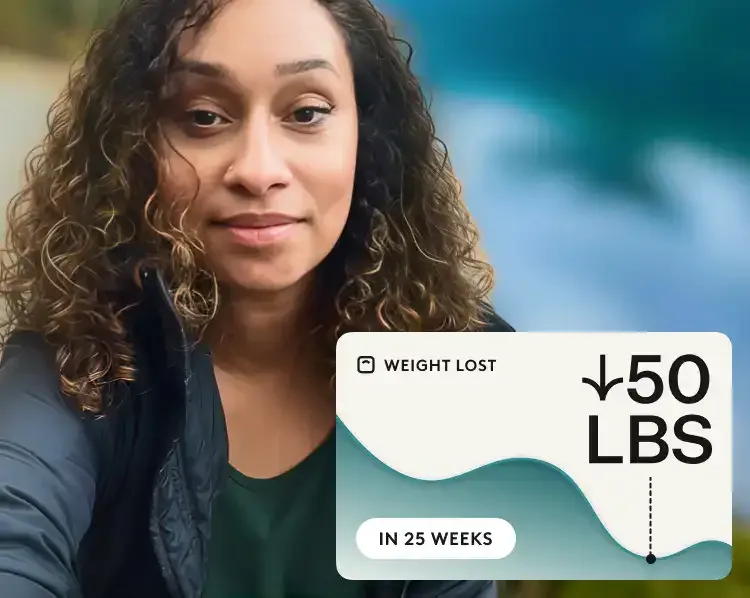
“My favorite parts of Noom are the care team and other Noomers. Sharing and getting help made me feel like I wasn’t doing it alone. That support made all the difference.”
Desirea N. — Real Noom user
Matthew M. — Real Noom user
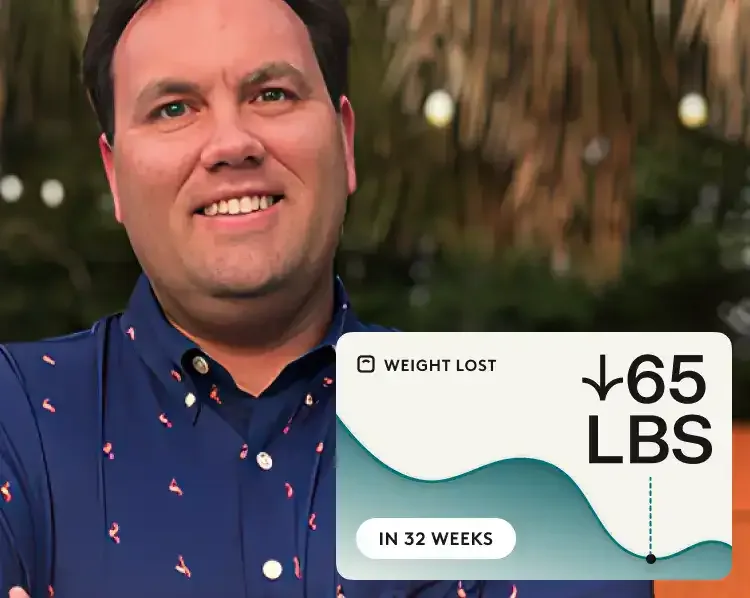
“Noom has taught me that every day is a new chance to make better, healthier choices. It's taught me how to stop overeating.’’
Matthew M. — Real Noom user
Lila M. — Real Noom user
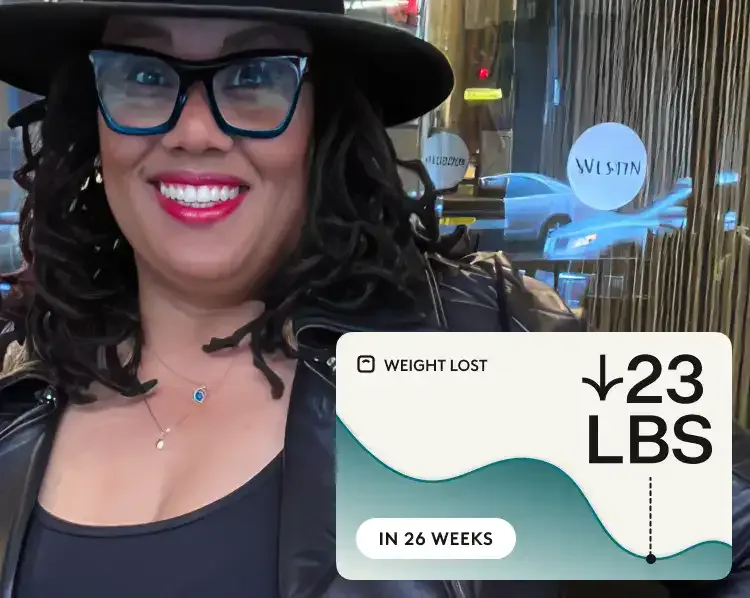
“Clinicians who understand how supportive medication can be is one of the best parts of Noom! I was convinced I wouldn’t have success but I’m down 11 pounds in two months.’’
Lila M. — Real Noom user
Steve M. — Real Noom user

“Noom provided me with the medication which I could not get through Medicare. I have learned the tricks to better eating and life in general.”
Steve M. – Real Noom user
Daisy R. — Real Noom user

‘’Noom has changed my life and I’m so thankful, I feel great, have more energy and am no longer prediabetic.”
Daisy R. – Real Noom user
Sarah R. — Real Noom user
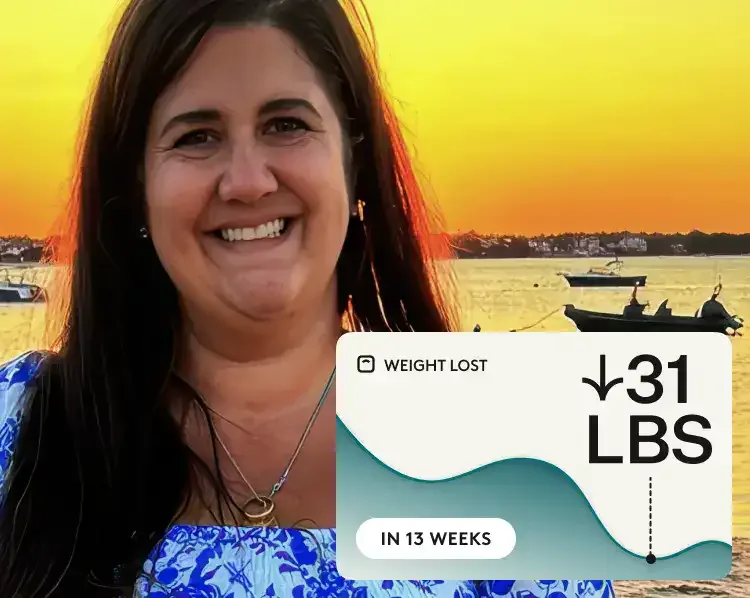
“All of the Noom providers that I’ve met with have been exceptional and prescribed medications that are appropriate for my situation and health.”
Sarah R. – Real Noom user
Madison S. — Real Noom user

“Noom made the process so simple and now I feel full, free from diet obsession, and at ease in my body again.”
Madison S. – Real Noom user
Sonday K. — Real Noom user
“My doctor recommended Noom after I was frustrated trying to lose weight. The lessons helped change my relationship with food. My body feels lighter & energized.”
Sonday K. – Real Noom user
Cam K. — Real Noom user
“I built healthy habits with coaching and lessons that make me confident I can maintain my weight loss long term.”
Cam K. – Real Noom user
Laura TR. — Real Noom user

“With the right medication through Noom, hunger and sugar cravings finally quieted and I have the tools to break the cycle.”
Laura TR. – Real Noom user
Jessica S. — Real Noom user

“Cravings and food noise are gone, I finally feel confident in the healthy habits I’ve built to last with Noom.”
Jessica S. – Real Noom user
The bottom line: Some people see more hair loss with Mounjaro®, but it’s usually temporary
Hair loss while taking Mounjaro® can feel surprising, but it’s usually tied to how your body responds to weight loss—not the medication itself. When weight drops quickly, it can temporarily shift your hair growth cycle and lead to increased shedding. The good news: this type of hair loss is typically temporary, and growth often resumes as your body adjusts over the following months.
Supporting your body during this time can help minimize the impact. Eating balanced meals—even if portions are smaller—can help maintain steady nutrient intake. Prioritizing protein, being gentle with styling, and finding small ways to manage stress can all support healthier hair as things stabilize.
If you get your medication through Noom Med, your clinician and Care Team can help you work through all side effects, even hair loss.
Through Noom Med, you’ll also get dedicated nutrition advice, including how much protein you should aim for and dedicated exercises to build muscle while you lose weight.
Note: Mounjaro® isn’t FDA-approved to treat obesity or for weight loss.
Editorial standards
At Noom, we’re committed to providing health information that’s grounded in reliable science and expert review. Our content is created with the support of qualified professionals and based on well-established research from trusted medical and scientific organizations. Learn more about the experts behind our content on our Health Expert Team page.