
What you’ll learn:
- You don’t have to avoid alcohol on tirzepatide—but your body may respond to it differently than before.
- Many people find alcohol feels stronger, less appealing, or less rewarding, which can naturally change how much they drink.
- The key is paying attention to those shifts—starting slow, adjusting as needed, and noticing how alcohol fits into your routine and goals.
Starting a medication that contains tirzepatide—the active ingredient in Zepbound® and Mounjaro®—often brings up practical, real-life questions. One of the most common is how it fits into routines you already have, like social drinking. If you’re used to having a glass of wine with dinner or meeting friends for a drink, it’s reasonable to wonder whether that needs to change.
The good news? There’s no formal rule that says you have to avoid alcohol while taking tirzepatide, and prescribing information doesn’t require it. But since tirzepatide works by slowing digestion, regulating blood sugar, and lowering appetite, and can affect reward pathways in the brain, having a drink may not feel the same as it did before.
Some people notice they feel the effects differently or that their interest in alcohol disappears altogether. Some also find that side effects can get worse with a drink or two or that the effects can last longer.
What’s especially interesting is that changes in how alcohol is experienced seem to be a common report. A study found that people taking medications like tirzepatide reported drinking less overall, fewer drinks per occasion, and lower rates of binge drinking, compared to before starting the medication.
In that same research, many participants also reported reduced cravings or desire to drink. While this doesn’t happen for everyone—and it’s still an emerging area of research—it suggests these medications may influence alcohol use through the same brain pathways involved in appetite and reward.
New from Noom
Microdose GLP-1Rx Plus
An affordable way to start your GLP-1 journey with Compounded Tirzepatide.

*Initial 3 week subscription and 4 weeks of medication from $79 plus tax and $199 per month plus tax for 12 week subscription thereafter. Final pricing depends on program selection. Noom GLP-1Rx Plus Microdose Program involves medication (when appropriate), healthy diet, exercise and support. Individual results vary. Meds & personalization based on need as determined by a third-party clinician. Medications are not reviewed by FDA for safety, efficacy, or quality. No affiliation with Eli Lilly and Company, the only US source of FDA-approved tirzepatide. Not available in all 50 US states.
That’s why the conversation around tirzepatide and alcohol isn’t really about a strict “can you or can’t you.” It’s about understanding what might change. Your tolerance, your preferences, and even your habits around drinking may shift in subtle ways. Paying attention to those changes—and adjusting accordingly—is what tends to matter most.
Tirzepatide and alcohol: Can you drink alcohol while taking Zepbound and Mounjaro?
The short answer is yes, most people can drink alcohol while taking tirzepatide—but it depends on how your body responds.
Again, there’s no rule that says you have to avoid alcohol completely. The prescribing information for tirzepatide medications doesn’t list alcohol as something you must cut out entirely. But that doesn’t mean your usual habits will feel the same once you start the medication.
Some people feel its effects more quickly or more intensely, while others find they naturally want to drink less.
Because of these changes, the general guidance is to approach alcohol more cautiously than you might have before. Starting with smaller amounts, drinking slowly, and paying attention to how you feel can help you understand your personal tolerance.
In the end, alcohol isn’t off-limits—but your experience may be different, and your limits may shift.
Tirzepatide and alcohol: What happens when you drink?
When you drink alcohol while taking tirzepatide, your body processes it differently than it did before. That’s because tirzepatide changes how your body handles digestion, appetite, and blood sugar—and alcohol interacts with all three of those systems.
Instead of reacting the way you’re used to, your body may respond more slowly, more strongly, or just differently overall.
Here’s how those changes show up:
1. Slower digestion changes how alcohol hits your system
Tirzepatide slows how quickly food and drinks move through your stomach, which directly affects how alcohol is absorbed. Research shows that medications like tirzepatide can delay alcohol absorption, which can make your usual drinking pace feel less predictable. It’s easier to accidentally drink more than intended if you feel the effects later.
Access GLP-1 Weight Loss with Noom
Explore a wide range of prescription medications supported by Noom’s program.Microdose GLP-1rx
Noom GLP-1rx
Noom GLP-1rx Plus
Wegovy®
Ozempic®
Metformin
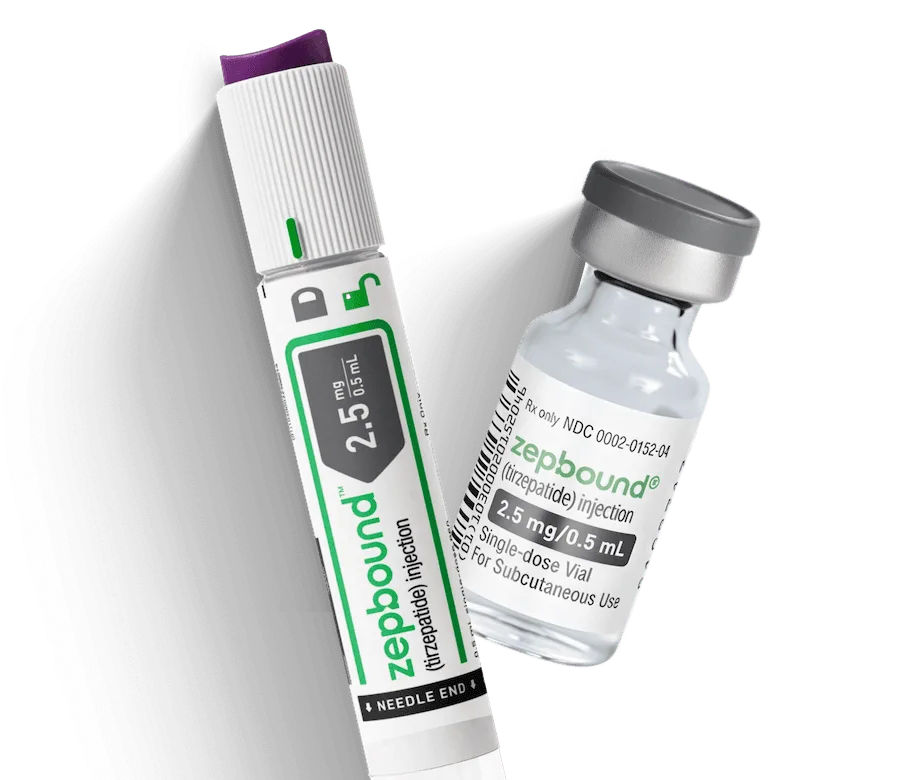
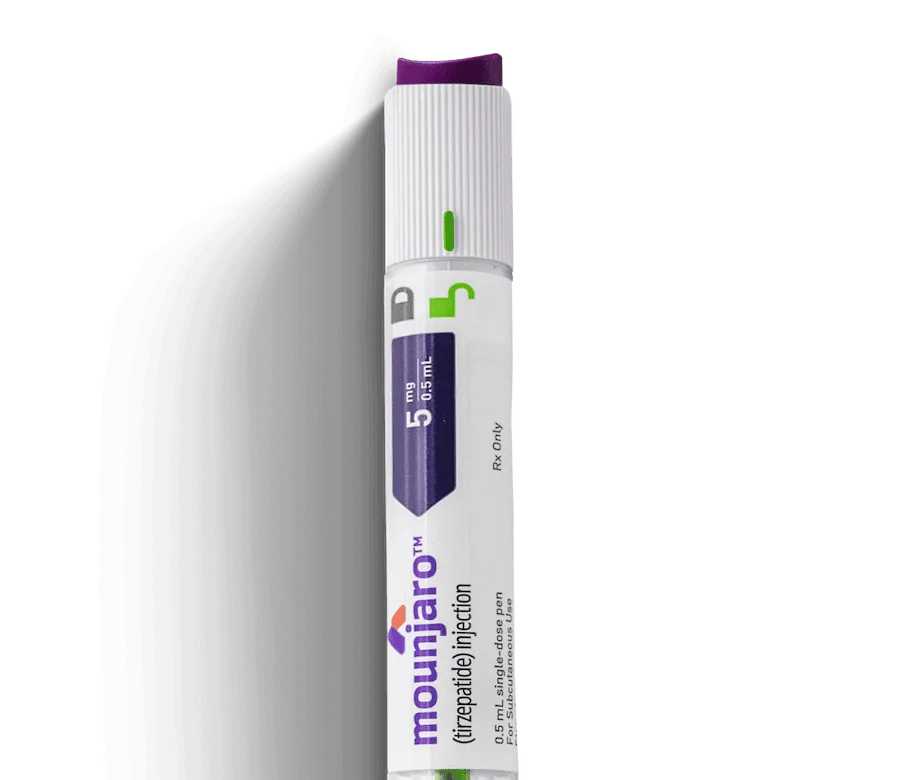
Zepbound®
Mounjaro®
Liraglutide
- What that means: Alcohol may enter your bloodstream more slowly.
- How it feels: You might not feel the effects right away, even after a drink or two.
- What to watch for: The effects can “catch up” later and last longer than expected.
2. Appetite and reward signals may shift
Tirzepatide doesn’t just affect your digestion—it also acts on brain pathways that control hunger, fullness, and reward. In early animal research, it appears to change how the brain responds to alcohol, making it feel less reinforcing or rewarding over time.
In clinical research, people taking GLP-1 medications have reported lower alcohol cravings and fewer drinks per drinking day, and real-world data show alcohol intake often drops outside of controlled settings.
For some people, this shows up as alcohol simply feeling less rewarding or less interesting over time.
- What that means: Alcohol may feel less appealing than it used to.
- How it feels: You might feel satisfied after just one drink—or not want one at all.
- What to watch for: Your usual habits around social drinking may shift without much effort.
3. Blood sugar responses can become less predictable
Alcohol can lower blood sugar, and tirzepatide already changes how your body regulates it. When combined with tirzepatide’s effects and slower digestion, your body’s usual cues around hunger, fullness, and energy can feel less reliable. That’s why it’s easier to misread how you’re feeling after drinking.
- What that means: Your blood sugar may drop more easily, especially if you’re also taking other diabetes medications.
- How it feels: You might notice shakiness, fatigue, dizziness, or brain fog.
- What to watch for: Symptoms of low blood sugar, especially if drinking on an empty stomach or over a longer period.
4. Alcohol might make tirzepatide side effects feel worse
If you already have side effects like nausea, bloating, or dizziness, alcohol can make them feel more intense. That’s because both alcohol and tirzepatide affect your digestive system.
Drinking may:
- increase nausea or queasiness
- make you feel more bloated or uncomfortable
- worsen dizziness or fatigue
Alcohol may worsen these reactions, especially early in treatment or when your dose increases. Many people find that even small amounts can amplify these symptoms.
There’s also a more serious consideration: blood sugar. Alcohol can increase the risk of low blood sugar when used with tirzepatide, especially if you’re taking other diabetes medications.
If you feel shaky, unusually tired, or lightheaded after drinking, those can be signs your blood sugar is dropping too low.
Tirzepatide and alcohol: How alcohol can affect weight loss on tirzepatide
Alcohol doesn’t cancel out the effects of tirzepatide—but it can make progress a little harder, if you’re taking it for weight loss, depending on how often and how much you drink.
The biggest thing to understand is that alcohol affects weight loss in a few different ways, not just one.
Alcohol adds calories
Alcohol brings extra calories into your day, often without making you feel full or satisfied, like a meal with protein and fiber would.
Over time, those extra calories can slow down the calorie deficit that tirzepatide is helping create.
It can shift your appetite and food choices
Even though tirzepatide helps regulate appetite, alcohol can pull things in the opposite direction.
After a drink or two, you might notice:
New from Noom
Microdose GLP-1Rx Plus
An affordable way to start your GLP-1 journey with Compounded Tirzepatide.
*Initial 3 week subscription and 4 weeks of medication from $79 plus tax and $199 per month plus tax for 12 week subscription thereafter. Final pricing depends on program selection. Noom GLP-1Rx Plus Microdose Program involves medication (when appropriate), healthy diet, exercise and support. Individual results vary. Meds & personalization based on need as determined by a third-party clinician. Medications are not reviewed by FDA for safety, efficacy, or quality. No affiliation with Eli Lilly and Company, the only US source of FDA-approved tirzepatide. Not available in all 50 US states.
- Stronger cravings for high-calorie or salty foods
- Less awareness of hunger and fullness cues
- A tendency to snack or eat later than usual
This is where it can impact progress. It’s not just the drink—it’s what tends to come with it.
But again, tirzepatide may reduce alcohol cravings, which can naturally limit how often this situation comes up in the first place.
Habits and patterns matter just as much as calories
Alcohol also influences behavior in ways that aren’t always obvious in the moment.
You might:
- Skip a planned workout the next day
- Sleep worse, which can affect hunger and energy
- Fall into “weekend patterns” that are harder to balance out
None of these things ruins progress on its own, but together they can slow things down over time.
Being aware of how alcohol fits into your routine—not just your calorie count—can make a big difference. Small adjustments, like spacing out drinks or being more mindful of food choices, can help you stay aligned with your goals while still enjoying yourself.
And if you’re already finding that alcohol feels less appealing on tirzepatide, that can actually work in your favor. It’s one of the ways the medication may indirectly support weight loss by shifting habits and preferences.
Practical strategies for drinking on tirzepatide
If you choose to drink while taking tirzepatide, the goal isn’t to be perfect; it’s to be a little more intentional. Because your body may respond differently than before, small adjustments can make a big difference in how you feel.
Here are some practical ways to approach it:
Start with less than you’re used to
Your tolerance may be lower than it was before starting tirzepatide.
- Try starting with half of what you’d normally drink
- Give yourself time between drinks to see how you feel
- Don’t assume your “usual” amount will feel the same
Research shows that people on tirzepatide often experience reduced alcohol consumption and stronger or different effects, so easing in helps you avoid overdoing it without realizing.
Pay attention to timing
When you drink can matter just as much as how much.
- Avoid drinking on an empty stomach
- Be cautious early in treatment or after dose increases
- Give your body time to adjust before having alcohol again
Since tirzepatide slows digestion, drinking too quickly or too early in the day can make effects feel more intense or unpredictable.
Stay hydrated
Alcohol and dehydration don’t mix well, especially with medications that affect digestion.
- Alternate each drink with water
- Keep sipping water throughout the night
- Pay attention to signs of dehydration, like fatigue or headaches
This simple habit can help reduce side effects and make the experience feel more manageable.
Eat before and while you drink
Food helps slow alcohol absorption and can make a noticeable difference.
- Aim for a balanced meal with protein, fat, and fiber
- Avoid drinking on an empty stomach
- Light snacks can help if you’re drinking over a longer period
Eating beforehand is one of the easiest ways to reduce nausea and avoid sharp drops in blood sugar.
Choose drinks that align with your goals
Some options are easier to work into a weight loss plan than others.
- Consider lower-calorie options like dry wine, light beer, or spirits with soda water
- Be mindful of sugary mixers, which can add up quickly
- Keep portions simple and consistent
This doesn’t mean you can’t enjoy what you like; it just helps to be aware of how different choices fit into your day.
Know when it’s better to skip alcohol
There are times when drinking just isn’t worth it.
- If you’re feeling nauseous or dealing with side effects
- If you’ve recently increased your dose
- If you have a history of pancreatitis
- If your blood sugar isn’t well-controlled
It is recommended to avoid alcohol in certain situations, especially when there’s a higher risk of complications.
Think about your overall routine
Alcohol doesn’t just affect one moment; it can carry into the next day.
- It may impact sleep quality
- It can affect energy levels and appetite the next day
- It might shift your usual habits or routines
Being aware of these patterns helps you decide what actually feels worth it for you.
When to talk to your healthcare provider
If you’re unsure how alcohol fits into your plan, always ask. Your provider can help you understand how tirzepatide affects your specific situation and what adjustments make sense for you. Here are a few instances where you should get your provider’s okay:
- If you take other diabetes medications
- If you’ve had symptoms of low blood sugar
- If side effects feel worse when you drink
- If you have any underlying health conditions
At the end of the day, there’s no one-size-fits-all rule. Some people continue to drink occasionally without issues, while others naturally lose interest. Paying attention to how your body responds will help you find the balance that works for you.
More questions about tirzepatide and alcohol
If you’re taking tirzepatide, it’s completely normal to have questions about alcohol—whether it’s okay to have a drink, how it might feel, or if it could affect your progress. Here are some straightforward answers to help you figure out what works for you.
Can you drink alcohol while taking tirzepatide?
You don’t have to completely avoid alcohol while taking tirzepatide. Alcohol use hasn’t been specifically studied with the medication. That said, many people still have an occasional drink. It just makes sense to start with less than usual and pay attention to how your body responds.
Does tirzepatide lower alcohol tolerance?
For a lot of people, yes. Alcohol may feel stronger or hit differently than it used to. Because tirzepatide slows digestion, your body may absorb alcohol in a less predictable way. Research shows that some people also feel less interested in drinking or find it less satisfying overall.
Can alcohol worsen tirzepatide side effects?
It can. Alcohol may make common tirzepatide side effects like nausea, burping, or dizziness feel more noticeable. Alcohol can also raise the risk of low blood sugar, especially if you’re taking other diabetes medications at the same time.
Is alcohol safe during weight loss with tirzepatide?
In moderation, it usually is, but it can slow things down. Alcohol adds extra calories and can affect your appetite and food choices. Over time, that may impact your weight loss progress. The key is being aware of how it fits into your routine and how your body responds.
Should you avoid alcohol completely on tirzepatide?
Not necessarily, but there are times when it’s better to skip it. If you have a history of pancreatitis, feel unwell from medication side effects, or your healthcare provider has advised against it, it’s best to avoid alcohol. If you’re unsure, checking in with your doctor can help you make the right call for your situation.
Reviews from real Noom users
Desirea N. — Real Noom user
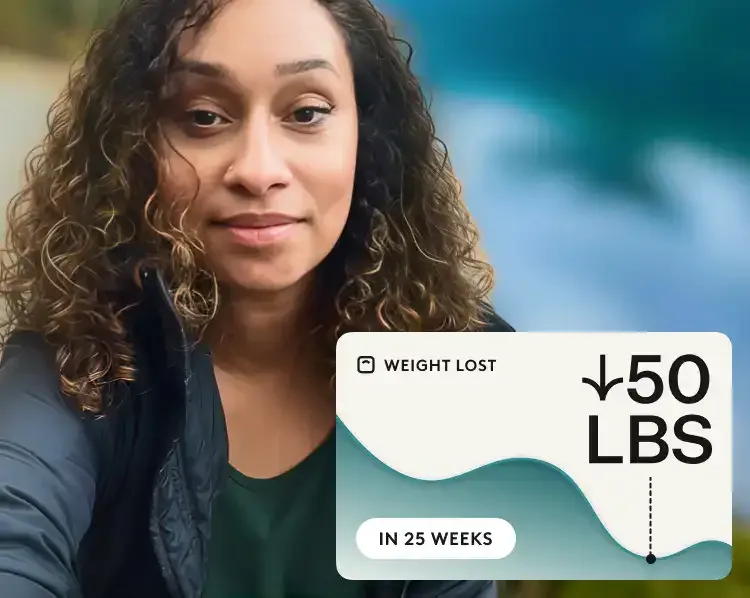
“My favorite parts of Noom are the care team and other Noomers. Sharing and getting help made me feel like I wasn’t doing it alone. That support made all the difference.”
Desirea N. — Real Noom user
Matthew M. — Real Noom user
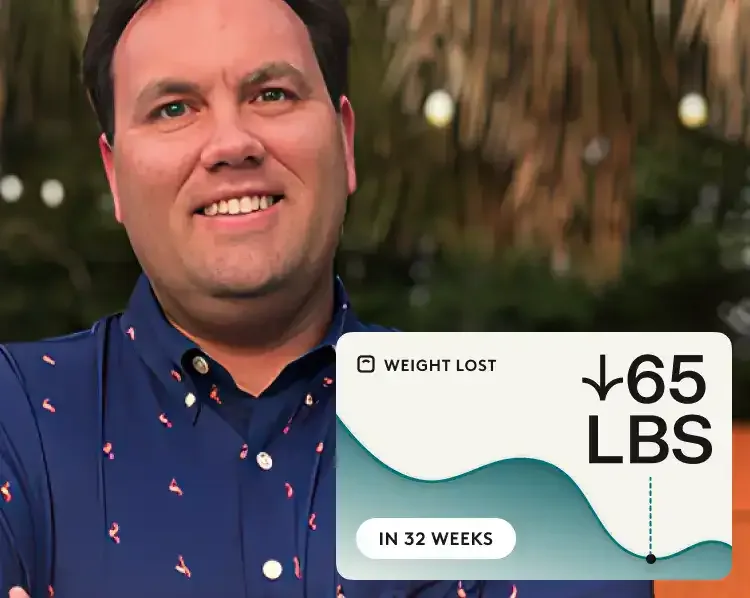
“Noom has taught me that every day is a new chance to make better, healthier choices. It's taught me how to stop overeating.’’
Matthew M. — Real Noom user
Lila M. — Real Noom user
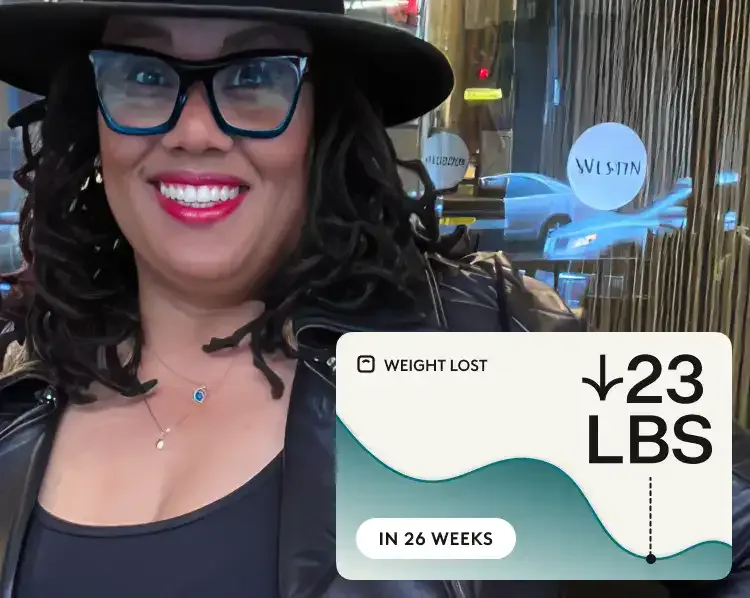
“Clinicians who understand how supportive medication can be is one of the best parts of Noom! I was convinced I wouldn’t have success but I’m down 11 pounds in two months.’’
Lila M. — Real Noom user
Steve M. — Real Noom user
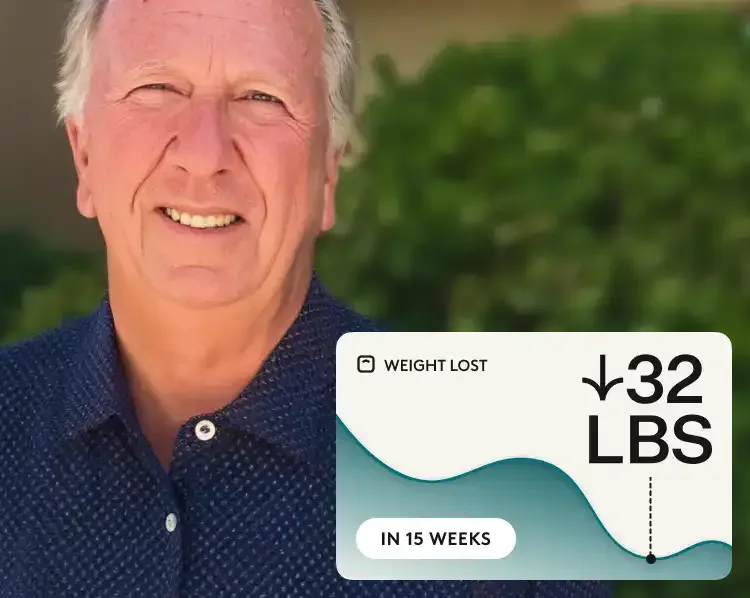
“Noom provided me with the medication which I could not get through Medicare. I have learned the tricks to better eating and life in general.”
Steve M. – Real Noom user
Daisy R. — Real Noom user
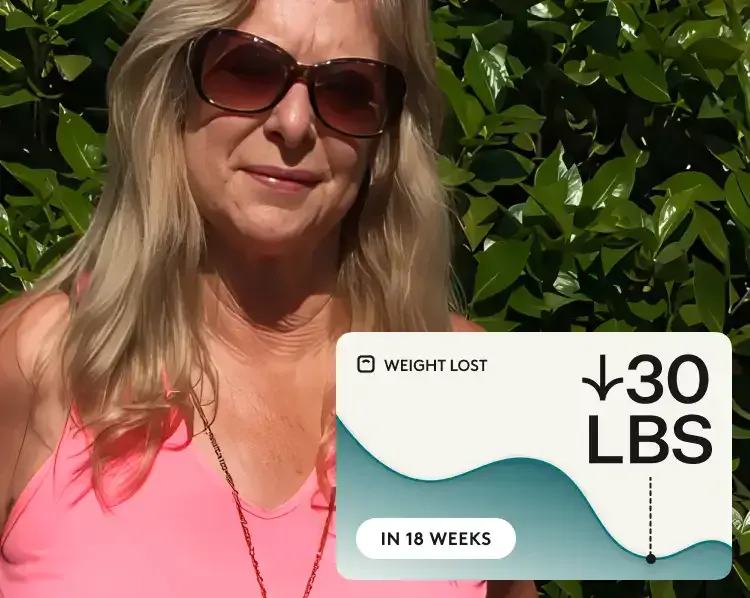
‘’Noom has changed my life and I’m so thankful, I feel great, have more energy and am no longer prediabetic.”
Daisy R. – Real Noom user
Sarah R. — Real Noom user
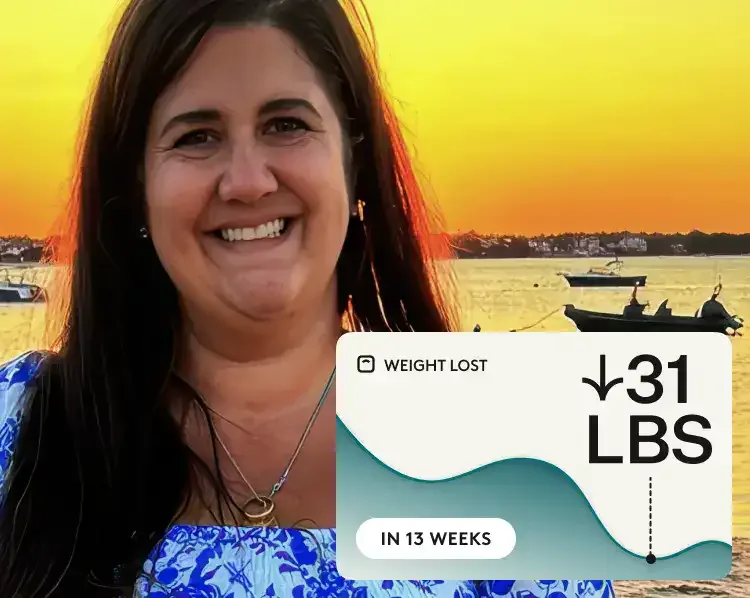
“All of the Noom providers that I’ve met with have been exceptional and prescribed medications that are appropriate for my situation and health.”
Sarah R. – Real Noom user
Madison S. — Real Noom user
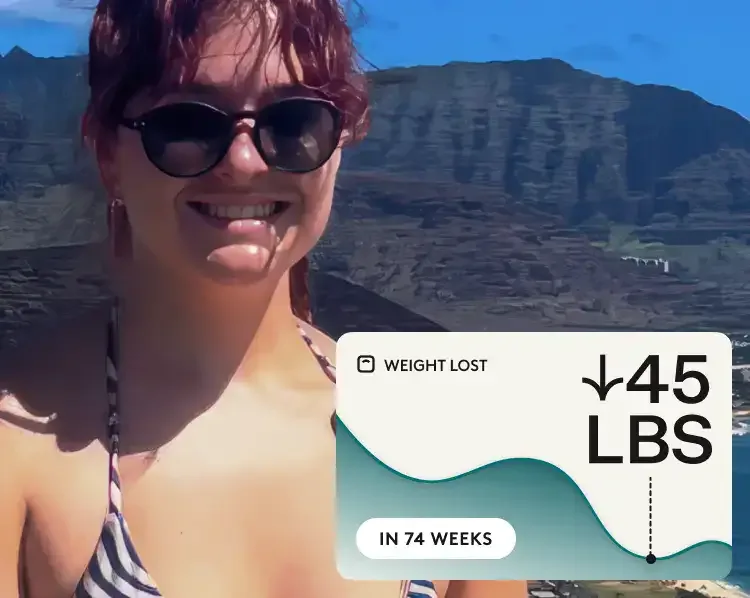
“Noom made the process so simple and now I feel full, free from diet obsession, and at ease in my body again.”
Madison S. – Real Noom user
Sonday K. — Real Noom user
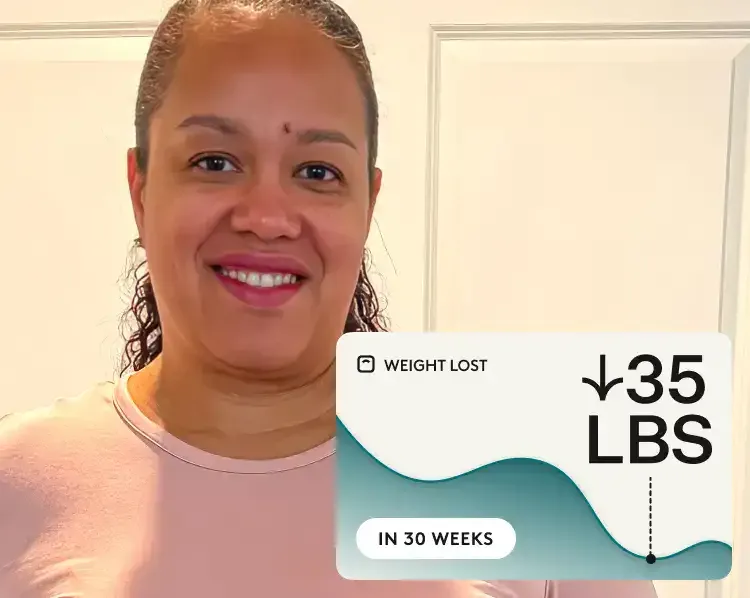
“My doctor recommended Noom after I was frustrated trying to lose weight. The lessons helped change my relationship with food. My body feels lighter & energized.”
Sonday K. – Real Noom user
Cam K. — Real Noom user
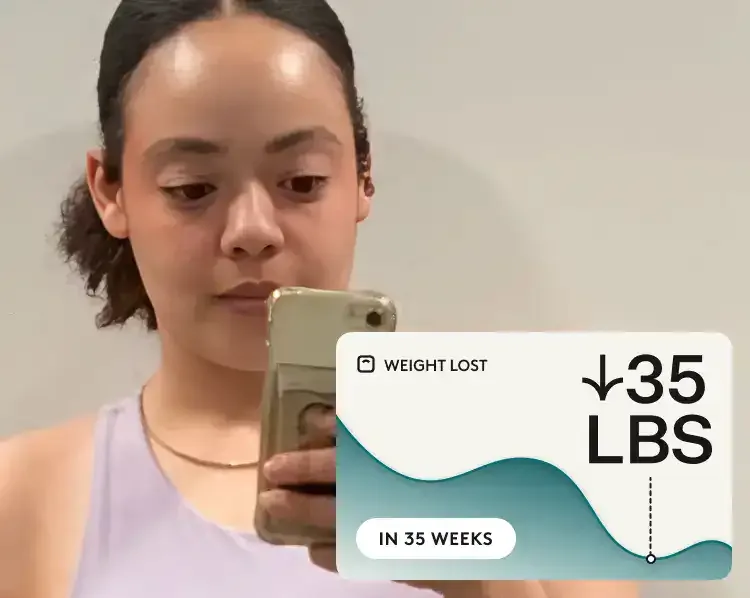
“I built healthy habits with coaching and lessons that make me confident I can maintain my weight loss long term.”
Cam K. – Real Noom user
Laura TR. — Real Noom user
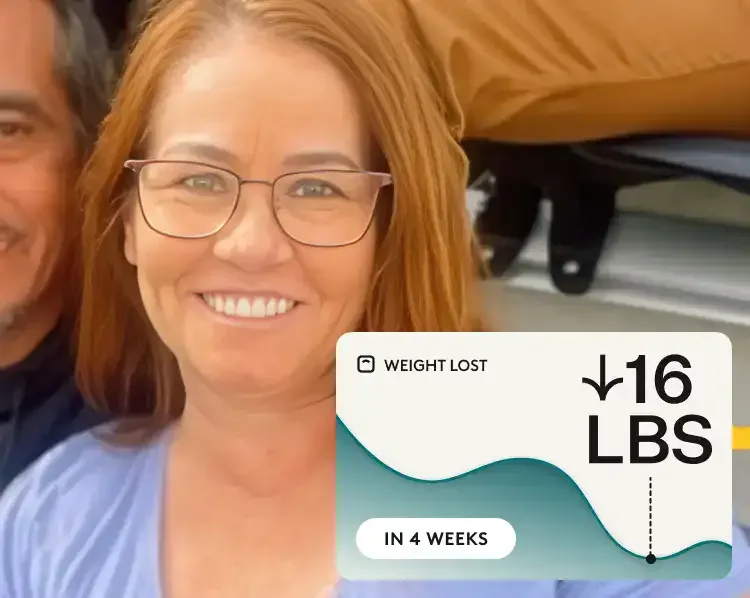
“With the right medication through Noom, hunger and sugar cravings finally quieted and I have the tools to break the cycle.”
Laura TR. – Real Noom user
Jessica S. — Real Noom user
“Cravings and food noise are gone, I finally feel confident in the healthy habits I’ve built to last with Noom.”
Jessica S. – Real Noom user
The bottom line: You can have a drink while taking tirzepatide, but your reactions can change
Tirzepatide doesn’t mean you have to give up alcohol, but it can change how your body responds to it. Many people find that alcohol feels stronger, less predictable, or simply less appealing after starting the medication. It can also increase side effects like nausea or dizziness and affect blood sugar, especially in certain situations.
The bigger picture is that alcohol interacts with the same systems that tirzepatide is already influencing—appetite, digestion, and metabolism. That’s why the experience can feel different, even if your drinking habits haven’t changed.
For most people, the best approach is to start with less, pay attention to how your body responds, and adjust from there. Some continue to enjoy alcohol occasionally without issues, while others naturally lose interest over time.
If you get your medication through Noom Med, be sure to track your side effects alongside any drinking and note how it makes you feel. Your Care Team can help you find the right balance and answer any questions you have. Plus, the Noom community is there to find out what other people are experiencing.
Editorial standards
At Noom, we’re committed to providing health information that’s grounded in reliable science and expert review. Our content is created with the support of qualified professionals and based on well-established research from trusted medical and scientific organizations. Learn more about the experts behind our content on our Health Expert Team page.