What you’ll learn:
- People on a GLP-1 often fall short on protein without realizing it, and a shake is one of the easier ways to close that gap.
- Several head-to-head trials found no advantage to having protein at bedtime over any other time of day.
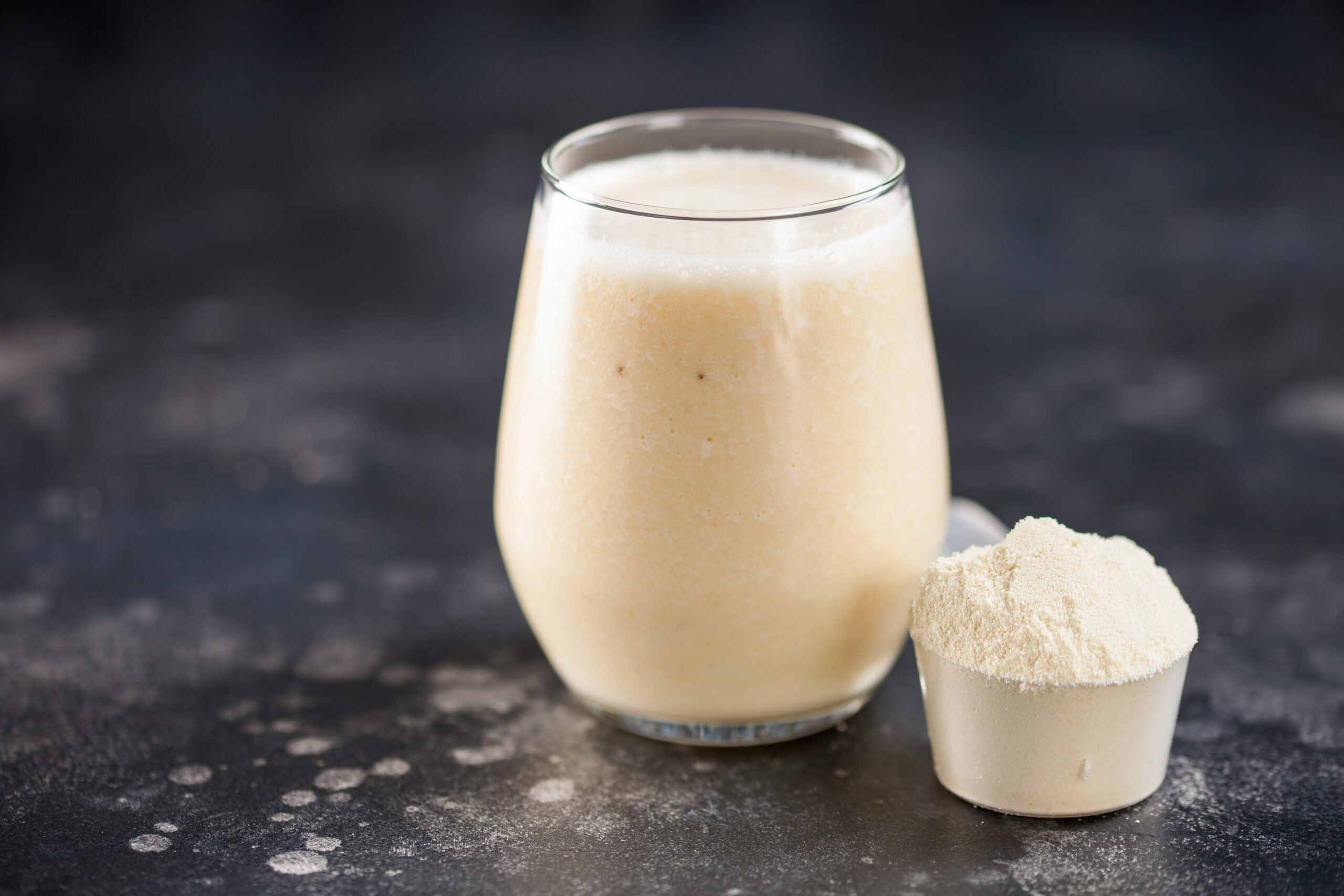
- A shake before bed won’t burn fat while you sleep, but it can support muscle recovery and help you hit a daily protein target.
You may have heard that drinking a protein shake before bed can help you burn fat while you sleep or build more muscle overnight. It’s one of several bedtime wellness trends that promise benefits while you sleep, alongside ideas like taking a spoonful of olive oil or mixing honey and cinnamon before bed.
Unlike many viral wellness hacks, this one has some science behind it. Research shows that your body can digest and use protein while you sleep, supporting the process of muscle protein synthesis overnight. But whether drinking protein specifically before bed leads to more muscle growth than getting enough protein at other times of the day is still up for debate. And when it comes to weight loss, the evidence is even less convincing.
So, is bedtime really a special window for protein, or is meeting your daily protein needs what matters most?
Here’s what the research says about drinking a protein shake before bed, who may benefit, and whether it’s worth adding to your routine.Maggie Hudspeth, RDN, Senior Manager of Coaching at Noom, also shares her take on how to make the trend work for you.
Why are people reaching for a protein shake before bed?
Protein has become one of the biggest nutrition trends in recent years, showing up in coffee, popcorn, ice cream, and even water. That growing interest has also led people to wonder whether when they eat protein matters just as much as how much they eat. To understand why bedtime protein has become so popular, it helps to know why protein matters in the first place.
Noom’s Most Powerful Program
A dual-pathway GLP-1 and behavior change for lasting results.
Protein helps preserve muscle—especially if you’re active
Your body is constantly breaking down and rebuilding muscle tissue. If you exercise—especially with resistance training like lifting weights or bodyweight exercises—you create tiny amounts of muscle damage that your body repairs using amino acids, the building blocks found in protein.
That repair process, called muscle protein synthesis, doesn’t stop when your workout ends. It continues for hours afterward, including while you sleep. That’s one reason getting enough protein throughout the day supports recovery and helps maintain or build muscle over time.
For most people, though, consistently meeting their daily protein goal is far more important than perfectly timing a single serving. Research suggests that spreading enough protein across the day gives your muscles the amino acids they need to recover, whether that protein comes at breakfast, lunch, dinner, or before bed. Studies comparing protein eaten before versus after a workout have generally found similar improvements in muscle growth and strength.
Protein can also make weight loss feel more manageable
Protein is the most filling of the three macronutrients. Compared with carbohydrates and fat, it helps you stay full longer, requires slightly more energy for your body to digest, and helps preserve lean muscle while you’re losing weight. Together, those benefits can make it easier to maintain a calorie deficit without feeling as hungry.
“That doesn’t mean simply eating more protein automatically causes weight loss,” Hudspeth reminds. “You still need an overall eating pattern that supports your goals. For some, including protein regularly at meals and snacks can make those habits easier to maintain over time.”
Protein can be especially important while taking a GLP-1
If you’re taking a GLP-1 medication like semaglutide or tirzepatide, getting enough protein often becomes even more important—and sometimes more challenging because these medications reduce appetite and can cause gastrointestinal side effects.
During weight loss, some of the weight you lose naturally comes from lean muscle. Eating enough protein, along with staying physically active and doing resistance exercise when possible, helps reduce muscle loss while your body burns fat. Because many people taking GLP-1 medications eat much less overall, prioritizing protein is often recommended to help preserve muscle and support recovery.
Drinking a protein shake before bed: What does the research say?
If you’ve heard that drinking a protein shake before bed helps you build muscle while you sleep, you’ve probably also heard the opposite—that protein timing doesn’t matter at all. The research suggests the reality lies somewhere in the middle.
Your body does use protein overnight, and drinking protein before bed can support overnight muscle repair. But most studies suggest that if you’re already getting enough protein throughout the day, having it before bed doesn’t appear to provide extra benefits for muscle growth or weight loss.
You body does use protein overnight
Sleep isn’t a time when your body shuts down. While you’re resting, it’s carrying out countless repair and maintenance processes, including rebuilding muscle tissue after exercise.
Noom’s Most Powerful Program
A dual-pathway GLP-1 and behavior change for lasting results.
Research shows that protein eaten before bed is digested and absorbed while you sleep, providing your muscles with amino acids overnight. Studies have found that consuming protein before bed increases overnight muscle protein synthesis compared with going to bed without protein, particularly after an evening resistance workout.
So the basic idea behind bedtime protein isn’t a myth. Your body really can put that protein to work while you sleep.
Total protein matters more than timing
The bigger question isn’t whether your body uses protein overnight—it’s whether drinking it before bed works better than drinking it earlier in the day.
So far, the answer appears to be not by much.
Studies comparing people who consume the same total amount of protein at different times of day have generally found similar improvements in muscle size, strength, body composition, and exercise performance. That includes research comparing protein in the morning versus before bed, as well as daytime versus nighttime protein during weeks of resistance training.
That’s because your muscles don’t respond to one perfectly timed shake. They respond to getting enough amino acids consistently over time.
“If you’re already meeting your daily protein needs, adding another shake before bed probably won’t unlock additional muscle growth. But if a bedtime shake helps you reach your overall protein goal, it can still be a useful habit,” offers Hudspeth.
What the research doesn’t tell us about having a protein shake before bed
The evidence for bedtime protein is encouraging, but it has limits.
Many studies have been relatively small, lasted only a few weeks, and focused on healthy young adults—often males—who were following structured resistance-training programs. Those findings don’t necessarily apply to older adults, people who exercise recreationally, or people whose main goal is weight loss rather than muscle gain.
That’s why most nutrition experts focus on the habit backed by the strongest evidence: getting enough protein over the course of the day. Once you’ve done that, the exact timing of a protein shake—including whether you drink it before bed—appears to be far less important.
Does a protein shake before bed help with weight loss?
If your goal is to lose weight, there’s no evidence that drinking a protein shake before bed helps your body burn more fat while you sleep. A bedtime shake isn’t a shortcut to a faster metabolism, and it doesn’t change the basic equation of weight loss.
Where it can help is by making it easier to get enough protein. Eating enough protein can help you feel fuller, preserve lean muscle as you lose weight, and make it easier to stick with a calorie deficit. Those benefits may support weight loss over time—but they come from getting enough protein overall, not from drinking it at bedtime.
If you do reach for a protein shake at night, take a quick look at the nutrition label. Some ready-to-drink shakes contain a surprising amount of added sugar and calories. If you’re adding a shake on top of your usual evening routine instead of using it to replace another snack or fit within your daily calorie needs, it could make weight loss more difficult.
A good rule of thumb is to choose a shake that’s high in protein and low in added sugar. And remember: the best time to drink a protein shake is the time that helps you consistently meet your protein goal. For some people, that’s before bed. For others, it might be breakfast, after a workout, or as an afternoon snack.
Is drinking a protein shake before bed safe?
For most people, a bedtime protein shake is a safe option if it helps you meet your daily protein needs. One word of caution: eating or drinking in excess before bed can be uncomfortable. “Some people do better when they finish eating 2-3 hours before bedtime to help with acid reflux, sleep, or needing to use the bathroom during the night,” says Hudspeth.
Some people may also experience bloating or stomach discomfort, particularly with whey- or casein-based shakes, if they’re sensitive to dairy. If that’s the case, a plant-based protein powder like pea protein is a good swap.
If you have chronic kidney disease or another condition that requires limiting protein intake, talk with your healthcare provider before increasing your protein consumption.
FAQs about drinking a protein shake before bed
Is it unhealthy to drink a protein shake before bed?
For most people, no. Research hasn’t found that having a protein shake or another protein-rich snack before bed is harmful to your metabolism or sleep.
The bigger consideration is what’s in the shake. Some ready-to-drink options can be high in added sugar, saturated fat, or calories. If you’re choosing one regularly, look for a shake that’s high in protein and relatively low in added sugar, and make sure it fits into your overall eating pattern.
And remember, a protein shake isn’t your only option. If you’d rather eat something, a serving of Greek yogurt, cottage cheese, or another protein-rich snack can provide similar nutrition before bed. The best choice is the one that helps you meet your protein needs while fitting your preferences and routine.
Access GLP-1 Weight Loss with Noom
Explore a wide range of prescription medications supported by Noom’s program.
Microdose GLP-1rx
Noom GLP-1rx
Noom GLP-1rx Plus
Wegovy®
Ozempic®

Metformin
Zepbound®
Mounjaro®
Liraglutide
Can eating or drinking before bed cause weight gain?
Not on its own. Research on eating timing has linked later overall eating patterns with higher body fat, but the evidence points to total calories, not the clock, as the real driver — people who eat later in the day tend to also eat more overall. If a bedtime shake or snack is on top of your normal calorie intake, that’s what leads to weight gain, not the fact that it happened at night.
Can drinking a protein shake before bed help you lose weight?
Not on its own. A bedtime protein shake won’t burn fat while you sleep or speed up your metabolism overnight. But protein can help you feel fuller and preserve lean muscle during weight loss, making it easier to stick with healthy habits over time. The biggest factor is still your overall eating pattern — not when you drink your protein.
What’s the best protein to drink before bed?
There’s no single “best” protein to have before bed. While casein is the protein most often studied because it’s digested more slowly than whey, there’s little evidence that it’s meaningfully better than other high-quality protein sources for most people.
If a protein shake fits your routine, whey, casein, and many plant-based protein powders can all help you meet your daily protein goal. But you don’t need a shake. A protein-rich snack like Greek yogurt, cottage cheese, or edamame can do the job, too.
The best choice is the one you’ll enjoy and can stick with. If a full shake feels too heavy before bed, a lighter option like protein water or a smaller protein-rich snack may be a better fit. The goal isn’t finding the “perfect” bedtime protein—it’s getting enough protein over the course of the day in a way that works for you.
Should you drink a protein shake every night?
Only if it helps you consistently reach your protein goals and it’s something you enjoy. If you’re already getting enough protein from meals and snacks, there’s no need to add a nightly shake.
Noom’s Most Powerful Program
A dual-pathway GLP-1 and behavior change for lasting results.
The bottom line: Daily protein intake, not timing it before bed, matters most
A protein shake before bed isn’t a solution for weight loss or building muscle and the timing doesn’t seem to matter as much as getting adequate protein throughout the day.
Research shows that your body can digest and use protein while you sleep, particularly after evening exercise. But despite what some social media posts suggest, drinking a protein shake right before bed isn’t a special metabolic window that automatically leads to more muscle growth or faster fat loss.
If you’re already meeting your protein needs through balanced meals and snacks, adding another shake before bed probably won’t change your results.
Rather than chasing the “perfect” time to drink a protein shake, focus on the habits that have the strongest evidence behind them: eating enough protein, staying physically active, getting quality sleep, and choosing an eating pattern you can maintain for the long term. Those habits are what support lasting health and sustainable weight loss.
If you’re looking for help building those habits, Noom combines psychology-backed coaching with practical nutrition guidance to help you make informed choices that fit your life. Instead of relying on trends or rigid food rules, you’ll learn how to create routines you can stick with.
Editorial standards
At Noom, we’re committed to providing health information that’s grounded in reliable science and expert review. Our content is created with the support of qualified professionals and based on well-established research from trusted medical and scientific organizations. Learn more about the experts behind our content on our Health Expert Team page.