

What you’ll learn:
- Rybelsus® is being replaced by the Ozempic® pill, which contains the same active ingredient in a newer formulation.
- Switching from Rybelsus® to the Ozempic® pill requires a new prescription, and costs will depend on your insurance coverage and available savings programs.
- Both medications are approved for type 2 diabetes, not weight loss; the Wegovy® pill is the semaglutide option specifically approved for weight management.
If you’ve been taking Rybelsus® for type 2 diabetes, you may have noticed a familiar name replacing it: Ozempic®. In May 2026, Novo Nordisk retired the Rybelsus® brand in the U.S. and introduced the Ozempic® pill. But is it the same medication, and what does the change mean if you’re already taking it?
The short answer is that the Ozempic® pill contains the same active ingredient as Rybelsus®—semaglutide—but in a newer formulation that’s absorbed more efficiently. That means smaller tablets and lower doses, but the same approved uses: managing blood sugar in adults with type 2 diabetes and reducing certain cardiovascular risks.
The new name also creates some confusion. Ozempic® now comes as both a daily pill and a weekly injection, while Wegovy®, another semaglutide medication, is available as an injection and a pill specifically approved for weight management. Neither Rybelsus® nor the Ozempic® pill is FDA-approved for weight loss, though they’ve been prescribed off-label for it.
So, how does the Ozempic® pill compare to Rybelsus®? Let’s look at why the name and doses changed, whether the new pill works differently, how to switch safely, and what the change could mean for your costs.
How Rybelsus® became the Ozempic® pill
The Ozempic® pill may sound like a brand-new medication, but its story actually starts in 2019. That’s when the FDA approved Rybelsus®, the first oral GLP-1 medication, giving people with type 2 diabetes a way to take semaglutide without injections.
Noom’s Most Powerful Program
A dual-pathway GLP-1 and behavior change for lasting results.
Getting semaglutide into a pill wasn’t easy. Semaglutide is a peptide, a short chain of amino acids, and digestive enzymes can break it down before much of it reaches the bloodstream. Because very little oral semaglutide is absorbed, the original Rybelsus® tablets needed relatively large doses of 3, 7, or 14 mg.
Novo Nordisk eventually developed a second-generation tablet that the body absorbs more efficiently. The FDA approved the updated formulation in December 2024, with lower strengths of 1.5, 4, and 9 mg that deliver comparable amounts of semaglutide into the bloodstream.
Then came the name change. Rather than continue marketing the newer tablet as Rybelsus®, Novo Nordisk decided to bring it under the better-known Ozempic® brand. The FDA approved the Ozempic® tablet name in February 2026, and the pill launched nationwide on May 4, 2026.
Meanwhile, another semaglutide pill had entered the picture: Wegovy®, which the FDA approved in December 2025 specifically for weight management. The Wegovy® pill uses higher doses studied for weight loss.
For people already taking Rybelsus®, though, the most important distinction isn’t the name. It’s the formulation. The original and newer diabetes tablets are known as R1 and R2, and understanding the difference helps explain why the doses changed—and why you shouldn’t switch between them milligram for milligram.
Rybelsus® R1 vs. R2: Which version is the Ozempic® pill?
The Ozempic® pill is the R2 version of Rybelsus®. Novo Nordisk uses R1 and R2 to distinguish between the original tablet and the newer formulation. You won’t see those letters on your prescription bottle, but understanding the difference helps explain why the name and doses changed.
R1: The original Rybelsus® (3, 7, and 14 mg)
R1 is the original Rybelsus® tablet, which has been available since 2019 in 3, 7, and 14 mg strengths. The Rybelsus® brand is being phased out in the U.S., but the original tablets will remain available for a transition period so people already taking them have time to switch.
If your prescription says Rybelsus® 3, 7, or 14 mg, you’re taking R1.
R2: The newer Rybelsus® version that became the Ozempic® pill (1.5, 4, and 9 mg)
R2 is the updated formulation, available in 1.5, 4, and 9 mg strengths. It’s designed to help the body absorb semaglutide more efficiently, so lower doses can provide comparable effects.
Interestingly, R2 was originally approved under the Rybelsus® name but was never marketed that way. Instead, Novo Nordisk launched the newer formulation as the Ozempic® pill.
Access GLP-1 Weight Loss with Noom
Explore a wide range of prescription medications supported by Noom’s program.
Microdose GLP-1rx
Noom GLP-1rx
Noom GLP-1rx Plus
Wegovy®
Ozempic®
Metformin
Zepbound®
Mounjaro®
Liraglutide
The Ozempic® pill is also slightly smaller than the original Rybelsus® tablet and has a different coating.
If your prescription says Ozempic® tablets in 1.5, 4, or 9 mg strengths, you’re taking R2.
Is the Ozempic® pill weaker than Rybelsus®?
No. A lower number on the label doesn’t mean a weaker pill. The newer Ozempic® pill formulation, known as R2, helps your body absorb semaglutide more efficiently. That means a smaller dose can deliver a similar amount of medication into your bloodstream.
This is especially important because semaglutide is a peptide, a type of molecule that’s difficult for the body to absorb when swallowed. Like other peptides, it can be broken down by digestive enzymes, and very little naturally passes through the digestive tract into the bloodstream. That’s why most GLP-1 medications were originally developed as injections.
Rybelsus® helped change that. It was the first oral GLP-1 medication, using an absorption enhancer called SNAC to help semaglutide pass through the stomach lining. The newer R2 formulation improves that process, allowing the Ozempic® pill to deliver comparable effects with less semaglutide.
A study comparing the two formulations found that corresponding doses produced comparable semaglutide exposure, with no new safety concerns identified.
Why how you take the Ozempic® pill matters
Even with the improved formulation, oral semaglutide is sensitive to food and other liquids, which can interfere with absorption. That’s why both Rybelsus® and the Ozempic® pill have specific instructions:
- Take it first thing in the morning on an empty stomach.
- Swallow the tablet whole with no more than 4 ounces of plain water. Don’t split, crush, or chew it.
- Wait at least 30 minutes before eating, drinking coffee or anything else, or taking other oral medications.
Following these instructions helps your body absorb the medication consistently. Taking it with food or too much water can reduce how much semaglutide reaches your bloodstream.
Rybelsus® vs. Ozempic® pill: How the doses compare
| Property | R1 (original Rybelsus®) | R2 (Ozempic® pill) |
|---|---|---|
| Formulation | Original tablet | Newer, better-absorbed tablet |
| Available strengths | 3, 7, and 14 mg | 1.5, 4, and 9 mg |
| Starting dose | 3 mg | 1.5 mg |
| Corresponding maintenance doses | 7 mg and 14 mg | 4 mg and 9 mg |
The important thing to know: The two formulations aren’t interchangeable milligram for milligram. For example, 14 mg of the original Rybelsus® corresponds to 9 mg of the newer Ozempic® pill. That’s why switching requires a new prescription and dosing instructions from your healthcare provider.
Now that we’ve covered the formulation and dosing differences, let’s look at what else has changed—and what hasn’t.
Rybelsus® vs. Ozempic® pill: What’s actually different?
The biggest differences between Rybelsus® and the Ozempic® pill are the name, the doses, and the tablet itself. What the medication does in your body, and what it’s approved to treat, stays the same.
Here’s what changed:
- Name and strengths: Rybelsus® comes in 3, 7, and 14 mg tablets. The Ozempic® pill comes in 1.5, 4, and 9 mg tablets.
- Absorption: The newer formulation helps more semaglutide get into your bloodstream, which is why the doses are lower.
- The tablet: The Ozempic® pill is slightly smaller and has a different coating.
Here’s what didn’t:
- The active ingredient: Both contain semaglutide, made by Novo Nordisk.
- The approved uses: Both are FDA-approved to improve blood sugar in adults with type 2 diabetes and reduce the risk of major cardiovascular events, including heart attack and stroke, in adults with type 2 diabetes who are at high risk.
- The evidence behind them: Much of the clinical evidence supporting the Ozempic® pill comes from earlier Rybelsus® studies. That includes the SOUL trial, which followed 9,650 adults with type 2 diabetes and found that oral semaglutide reduced the relative risk of major cardiovascular events by 14%. Because the newer formulation delivers comparable drug exposure, the earlier clinical evidence supports its approved uses.
Rybelsus® vs. Ozempic® pill: Side effects and safety
Because Rybelsus® and the Ozempic® pill contain the same medication, they have similar side effects. Most are digestive and tend to be more noticeable when you first start treatment or increase your dose.
The most common side effects include:

The Easy Way
to lose weight and get healthy.
- Nausea
- Diarrhea
- Vomiting
- Constipation
- Stomach pain
These effects are often temporary and may improve as your body adjusts. Eating smaller meals, staying hydrated, and avoiding very rich or fatty foods may help manage digestive discomfort.
The newer Ozempic® pill is expected to have a similar safety profile to Rybelsus®. The adverse-event rates used for the 9 mg Ozempic® pill are based largely on studies of Rybelsus® 14 mg, rather than a separate large clinical trial of the newer formulation.
Serious side effects and warnings
Although less common, both medications also carry important safety warnings. These include:
- Pancreatitis: Inflammation of the pancreas that can cause severe, persistent abdominal pain, sometimes spreading to the back, with or without vomiting.
- Gallbladder problems: Including gallstones or gallbladder inflammation. Symptoms can include upper abdominal pain, fever, or yellowing of the skin or eyes.
- Dehydration and kidney injury: Severe or ongoing vomiting and diarrhea can cause dehydration, which may lead to kidney problems.
- Low blood sugar (hypoglycemia): The risk is higher when semaglutide is taken with insulin or certain diabetes medications, such as sulfonylureas.
- Diabetic retinopathy complications: Rapid improvements in blood sugar may worsen existing diabetic eye disease. People with a history of retinopathy should have their vision monitored.
- Severe digestive problems: Semaglutide slows stomach emptying and can cause severe gastrointestinal symptoms. Neither pill is recommended for people with severe gastroparesis.
- Serious allergic reactions: Rare reactions can cause swelling of the face, lips, tongue, or throat, or difficulty breathing, and require emergency care.
Both pills also carry an FDA boxed warning about thyroid C-cell tumors. Semaglutide caused these tumors in animal studies, but it’s not known whether it causes them in humans. Neither medication should be used by people with a personal or family history of medullary thyroid carcinoma (MTC) or multiple endocrine neoplasia syndrome type 2 (MEN 2). People who have ever had a serious allergic reaction to semaglutide or any component of the tablets should also not take it.
You can review the complete list of risks in the FDA prescribing information for Rybelsus® and Ozempic® tablets.
The bottom line is that the newer Ozempic® pill doesn’t introduce a different active ingredient or an entirely new set of expected side effects. But even though the medication works similarly, the doses aren’t interchangeable. That brings us to the next question: How do you safely switch from Rybelsus® to the Ozempic® pill?
Rybelsus® to Ozempic® pill conversion
If you’re currently taking Rybelsus®, switching to the Ozempic® pill means getting a new prescription with a different dose. But don’t let the smaller number worry you. The newer tablet is absorbed more efficiently, so you can get comparable effects with fewer milligrams of semaglutide.
Each Rybelsus® maintenance dose has a corresponding Ozempic® pill dose:
| Current Rybelsus® dose (R1) | Corresponding Ozempic® pill dose (R2) |
|---|---|
| 3 mg (starter dose) | 1.5 mg (starter dose) |
| 7 mg | 4 mg |
| 14 mg | 9 mg |
The 3 mg Rybelsus® and 1.5 mg Ozempic® pill strengths are starting doses used during the first 30 days to help your body adjust. They’re not intended for ongoing blood sugar management. According to the prescribing guidance, switching between formulations should take place after the initial 30-day period.
Rybelsus® 14 mg to Ozempic® pill: What does 9 mg mean?
Going from 14 mg to 9 mg might sound like a significant dose reduction, but it doesn’t mean you’re getting less treatment.
The newer Ozempic® pill is designed to deliver semaglutide more efficiently. A 9 mg Ozempic® tablet provides comparable drug exposure to a 14 mg Rybelsus® tablet. Similarly, 4 mg of the Ozempic® pill corresponds to 7 mg of Rybelsus®.
What matters is taking the correct formulation and strength. The doses aren’t interchangeable milligram for milligram, and you shouldn’t take Rybelsus® and the Ozempic® pill together. Doing so could result in taking too much semaglutide and increase your risk of side effects.
Rybelsus® vs. Ozempic® pill: How do you switch?
You can’t simply exchange one tablet for the other at the pharmacy. Although both contain semaglutide, switching from Rybelsus® to the Ozempic® pill requires a new prescription with the appropriate strength.
Here’s what the process generally looks like:
- Continue taking your current Rybelsus® dose until your healthcare provider gives you instructions to switch.
- Get a new prescription for the corresponding Ozempic® pill strength. Your provider will confirm the appropriate dose based on your current treatment.
- Start the new pill as directed. When switching between corresponding maintenance doses, the new tablet is generally started the day after your last dose of the old formulation. Don’t take both on the same day.
If you’re currently taking Rybelsus®, you don’t need to change your medication on your own. The original tablets remain available during the transition, giving you time to discuss the switch with your healthcare provider.
And while both versions are approved for type 2 diabetes, semaglutide is also well known for its effects on weight. So can the Ozempic® pill help you lose weight, and how does it compare with the Wegovy® pill that’s specifically approved for that purpose?
Is Rybelsus® the same as Ozempic®?
Yes, if you’re talking about the Ozempic® pill. Rybelsus® and the Ozempic® pill contain the same active ingredient, semaglutide, and are FDA-approved for the same uses. The difference is that the Ozempic® pill uses a newer formulation that allows your body to absorb the medication more efficiently.
But there’s another Ozempic® to know about: the weekly injection. Novo Nordisk now uses the Ozempic® name for both a daily pill and a weekly shot. Both contain semaglutide, but they’re different formulations with different dosing schedules.
The doses aren’t directly comparable, either. Because much less semaglutide is absorbed when taken by mouth, a 9 mg Ozempic® pill isn’t equivalent to a 1 mg Ozempic® injection.
And while semaglutide is well known for helping people lose weight, neither Rybelsus® nor the Ozempic® pill is FDA-approved specifically for weight management. That’s where another semaglutide medication—the Wegovy® pill—comes in.
Rybelsus® vs. Ozempic® pill: Can either be used for weight loss?
Both Rybelsus® and the Ozempic® pill can lead to weight loss, but neither is FDA-approved specifically for weight management. They’re designed to help people with type 2 diabetes manage blood sugar, and their doses are lower than those used in the Wegovy® pill, which is approved for weight loss.
Is either one approved for weight loss?
No. Rybelsus® and the Ozempic® pill are approved to improve blood sugar in adults with type 2 diabetes and reduce certain cardiovascular risks. Neither is approved specifically for weight management, although healthcare providers may prescribe oral semaglutide off-label for weight loss.
Insurance coverage is another consideration. Because weight loss isn’t an approved use for either diabetes pill, insurance is unlikely to cover the Ozempic® pill when it’s prescribed solely for weight management.
How much weight can you lose with Rybelsus® or the Ozempic® pill?
Weight loss is possible with either medication, but the amount tends to be more modest than with semaglutide doses specifically studied for weight management.
A meta-analysis of 11 randomized clinical trials found that people taking the original Rybelsus® tablets lost, on average:
- 14 mg daily: About 6.5 pounds (3 kg) more than those taking a placebo.
- 7 mg daily: About 2.6 pounds (1.2 kg) more than those taking a placebo.
These studies involved people with type 2 diabetes using oral semaglutide primarily for blood sugar management. Because the newer Ozempic® pill delivers comparable amounts of semaglutide into the bloodstream, similar weight-loss effects are expected at corresponding doses, although individual results vary.
Semaglutide can help reduce appetite and increase feelings of fullness, but medication is only one part of weight management. Eating habits, physical activity, sleep, and other factors can also influence your results.
If weight loss is your main goal, there’s another option worth understanding: the Wegovy® pill. It contains the same active ingredient but is specifically approved for weight management and uses higher doses studied for that purpose.
Rybelsus vs. Wegovy® pill: Which is better for weight loss?
If weight loss is your main goal, the Wegovy® pill is generally the better choice. It contains the same active ingredient as the Ozempic® pill, semaglutide, but uses higher doses specifically studied and approved for weight management.
The FDA approved the Wegovy® pill in December 2025 as the first oral GLP-1 medication for weight management. Its highest dose is 25 mg daily, compared with 9 mg for the Ozempic® pill.
And the clinical trial results show what higher-dose oral semaglutide can do. In the OASIS 4 trial, adults with obesity or overweight and at least one weight-related health condition, but without diabetes, lost an average of:
- 13.6% of their starting body weight with the Wegovy® pill (25 mg).
- 2.2% of their starting body weight with a placebo.
These results were measured over 64 weeks, alongside lifestyle changes.
The higher dose can also mean more digestive side effects. In the same trial, 74% of people taking oral semaglutide reported gastrointestinal side effects, compared with 42.2% taking placebo. That’s one reason the Wegovy® pill starts at a low dose and gradually increases over time.
When the Wegovy® pill may be the better choice
- Weight loss is your primary goal. It’s FDA-approved for weight management in eligible adults, with clinical trials demonstrating substantial weight loss.
- You don’t have type 2 diabetes. You don’t need a diabetes diagnosis to qualify for Wegovy®, although you do need to meet its prescribing criteria.
- You may benefit from higher-dose semaglutide. The Wegovy® pill reaches 25 mg daily, a dose specifically studied for weight management.
When the Ozempic® pill may make more sense
- You have type 2 diabetes. The Ozempic® pill is approved to improve blood sugar and reduce certain cardiovascular risks in adults with type 2 diabetes. Weight loss may be an additional benefit.
- You’re already taking Rybelsus®. The Ozempic® pill is its direct replacement, so switching to the newer formulation may be more straightforward than changing your treatment plan.
- Your insurance covers diabetes medications. Coverage for the Ozempic® pill may be available when prescribed for an approved indication, while Wegovy® coverage depends on your plan’s weight-management benefits.
Your healthcare provider can help determine which medication makes the most sense based on your health history, treatment goals, and insurance coverage.
For a more detailed comparison of their dosing, effectiveness, and side effects, see Noom’s Wegovy® pill vs. Ozempic® pill guide.
Of course, choosing a medication isn’t just about which one works best for your goals. Cost and insurance coverage can also make a big difference. So how do Rybelsus® and the Ozempic® pill compare on price?
Rybelsus® vs. Ozempic® pill: Cost and insurance
If you’re currently taking Rybelsus®, you may be wondering whether switching to the Ozempic® pill will change what you pay. The medication contains the same active ingredient and treats the same conditions, but the new brand name, formulation, and doses mean your prescription will need to be updated.
The good news is that the switch doesn’t necessarily mean higher costs. Both medications are approved for type 2 diabetes, so the Ozempic® pill may be covered under the same type of insurance benefits as Rybelsus®. But your actual cost will depend on your plan, whether the new formulation is on its formulary, and any savings programs you qualify for.
Here’s what to know about the transition, including the Ozempic® pill’s current prices and changes coming in 2027.
Will switching from Rybelsus® to the Ozempic® pill cost more?
Not necessarily. Although the Ozempic® pill is replacing Rybelsus®, insurance plans may treat the new prescription differently.
If your plan currently covers Rybelsus®, that doesn’t automatically guarantee the same copay for the Ozempic® pill. Your insurer may need to update its formulary, and your provider may need to submit a new prior authorization.
Before switching, it’s worth checking:
- Whether your plan covers the Ozempic® pill. Ask if the new formulation is on your formulary and whether it has the same copay or coinsurance as Rybelsus®.
- Whether you need a new prior authorization. Even if Rybelsus® was approved, your insurer may require updated paperwork for the Ozempic® pill.
- Whether you qualify for savings. Manufacturer offers may help lower your cost if you have eligible commercial insurance.
Your provider will also need to prescribe the appropriate new strength. Because the Ozempic® pill is absorbed more efficiently, its doses are lower than Rybelsus® doses, even though corresponding strengths provide comparable medication exposure.
How much does the Ozempic® pill cost without insurance?
Novo Nordisk offers discounted self-pay prices through NovoCare Pharmacy for eligible patients who are uninsured or paying outside their insurance.
Here’s what a 30-day supply of the Ozempic® pill costs:
| Ozempic® pill dose | Monthly self-pay price |
|---|---|
| 1.5 mg | $149 |
| 4 mg | $199 |
| 9 mg | $299 |
These are discounted cash prices, not the medication’s full list price. You’ll still need a valid prescription for an approved diabetes indication to access NovoCare’s Ozempic® self-pay program.
If you’re currently paying cash for Rybelsus®, ask your pharmacy what your next fill will cost and whether switching to the Ozempic® pill through NovoCare could save you money.
Keep in mind that payments made outside your insurance generally won’t count toward your deductible or out-of-pocket maximum.
How much does the Ozempic® pill cost with insurance?
If you have commercial insurance, the Ozempic® pill may be covered for type 2 diabetes, just as Rybelsus® was. However, your copay or coinsurance will depend on your plan.
Eligible people with commercial insurance may pay as little as $25 per month through Novo Nordisk’s Ozempic® savings program. Savings limits and eligibility requirements apply.
If you’re switching from Rybelsus®, check whether your existing savings arrangement will continue or whether you need to enroll in a new offer.
What about Medicare? Medicare Part D plans generally cover semaglutide prescribed for type 2 diabetes, but individual plans determine coverage requirements and out-of-pocket costs. Manufacturer savings cards can’t be used with Medicare or other government-funded insurance.
For a closer look at coverage and discounts, see Noom’s guide to Ozempic® pill costs with and without insurance.
Will the Ozempic® pill cost less in 2027?
Possibly, depending on how you pay.
Novo Nordisk has announced that it will reduce the U.S. list prices of semaglutide medications beginning January 1, 2027. The list price is the manufacturer’s price before insurance discounts, rebates, or savings programs.
Here’s what the change could mean:
- If you pay cash through NovoCare: The discounted $149 to $299 monthly prices aren’t expected to change.
- If you have commercial insurance: A lower list price may help if you have a high deductible or pay coinsurance. If you have a fixed copay, you may not see much difference.
- If you have Medicare: A separate negotiated price of $274 for a 30-day supply of selected semaglutide medications, including Ozempic® and Rybelsus®, takes effect in 2027. That’s the Medicare negotiated price, not necessarily your pharmacy copay.
The biggest takeaway is that the brand transition and the 2027 price reductions are two separate changes. Your cost when switching from Rybelsus® to the Ozempic® pill will still depend primarily on your insurance coverage and available discounts.
What if you’re taking Rybelsus® for weight loss?
Neither Rybelsus® nor the Ozempic® pill is FDA-approved specifically for weight management. If weight loss is your primary goal, the Wegovy® pill may be a more appropriate option to discuss with your provider.
Wegovy® contains the same active ingredient, semaglutide, but is approved for weight management and has been studied at higher doses for that purpose. Its self-pay prices range from $149 to $299 per month, making it a potentially more affordable option than paying full retail price for Rybelsus® or Ozempic® without insurance.
Insurance coverage can differ substantially, though, because plans often treat diabetes medications and weight-management medications differently. See Noom’s guide to Wegovy® costs without insurance for more information.
If you’re transitioning from Rybelsus®, the best next step is to confirm your new prescription, insurance coverage, and out-of-pocket cost before your next refill. That can help you avoid unexpected expenses or interruptions in treatment.
Still have questions about switching from Rybelsus® to the Ozempic® pill? Here are answers to some of the most common ones.
Frequently asked questions about Rybelsus® and the Ozempic® pill
Are Ozempic® pills stronger than Rybelsus®?
No. The Ozempic® pill contains the same active ingredient as Rybelsus®, but its newer formulation allows the body to absorb semaglutide more efficiently. A study comparing the formulations found comparable drug exposure at corresponding doses, so the lower milligram strengths don’t mean the new pill is weaker or stronger.
Is Ozempic® 9 mg the same as Rybelsus® 14 mg?
They’re considered equivalent doses. A 9 mg Ozempic® pill delivers comparable semaglutide exposure to a 14 mg Rybelsus® tablet. However, the tablets aren’t interchangeable milligram for milligram, and switching requires a new prescription.
Is Rybelsus® 7 mg equivalent to Ozempic®?
Rybelsus® 7 mg corresponds to the 4 mg Ozempic® pill. The weekly Ozempic® injection is a separate formulation with different dosing, so you can’t directly compare its milligram strengths with either pill.
Is Rybelsus® being discontinued?
The Rybelsus® brand is being phased out in the U.S. and replaced by the Ozempic® pill. The original tablets remain available during the transition. If you’re currently taking Rybelsus®, continue as prescribed and ask your healthcare provider when you should switch.
Can I switch from Rybelsus® to the Ozempic® pill?
Yes. Your healthcare provider can prescribe the corresponding Ozempic® pill dose after you’ve completed the first 30 days of treatment. When switching between maintenance doses, you generally start the new pill the day after your last Rybelsus® dose. Never take both formulations together.
Is Rybelsus® a good weight-loss pill?
Rybelsus® can help people lose weight, but it isn’t FDA-approved for weight management. In clinical trials, people taking 14 mg daily lost about 6.5 pounds more than those taking a placebo, on average. If weight loss is your primary goal, the Wegovy® pill is specifically approved for that purpose.
Can I take the Wegovy® pill and the Ozempic® pill together?
No. Both contain semaglutide, and Novo Nordisk advises against combining Wegovy® with other semaglutide medications. Taking both could increase the risk of side effects without providing an established additional benefit.
Reviews from real Noom users
“My favorite parts of Noom are the care team and other Noomers. Sharing and getting help made me feel like I wasn’t doing it alone. That support made all the difference.”
Desirea N. — Real Noom user
“Noom has taught me that every day is a new chance to make better, healthier choices. It’s taught me how to stop overeating.”
Matthew M. — Real Noom user
“Clinicians who understand how supportive medication can be is one of the best parts of Noom! I was convinced I wouldn’t have success but I’m down 11 pounds in two months.”
Lila M. — Real Noom user
“Noom provided me with the medication which I could not get through Medicare. I have learned the tricks to better eating and life in general.”
Steve M. – Real Noom user
“Noom has changed my life and I’m so thankful, I feel great, have more energy and am no longer prediabetic.”
Daisy R. – Real Noom user
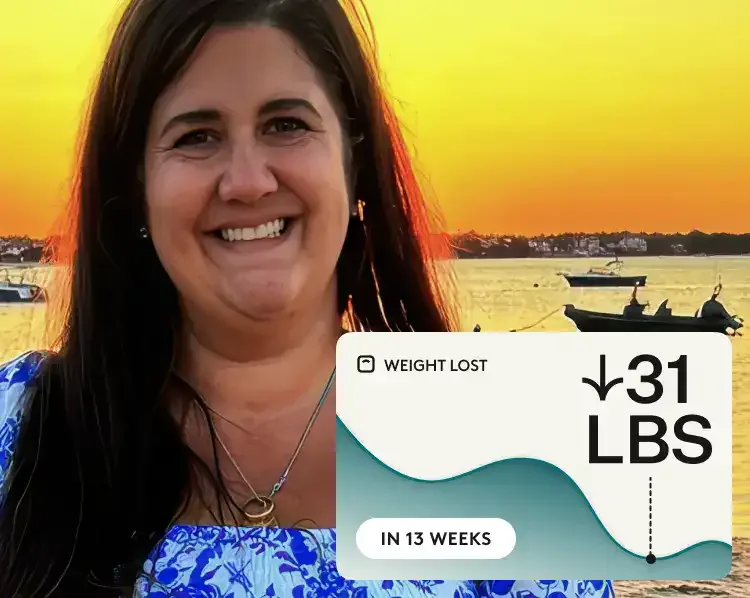
“All of the Noom providers that I’ve met with have been exceptional and prescribed medications that are appropriate for my situation and health.”
Sarah R. – Real Noom user
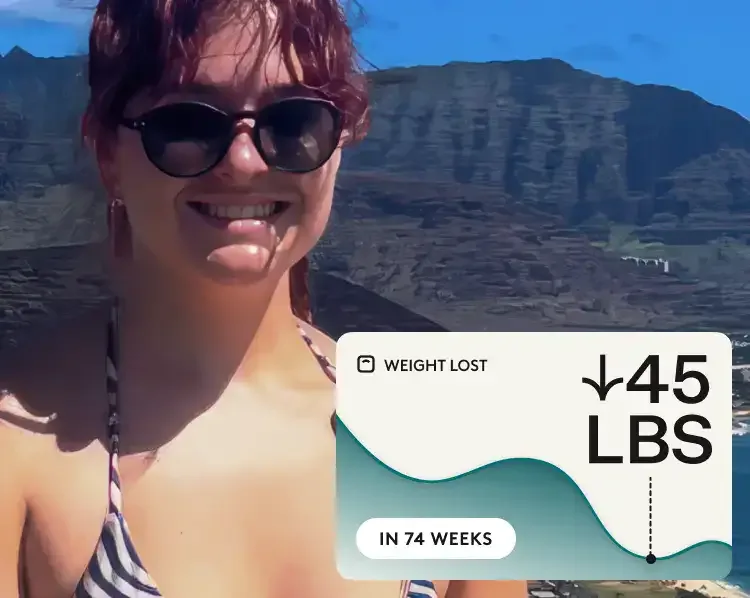
“Noom made the process so simple and now I feel full, free from diet obsession, and at ease in my body again.”
Madison S. – Real Noom user
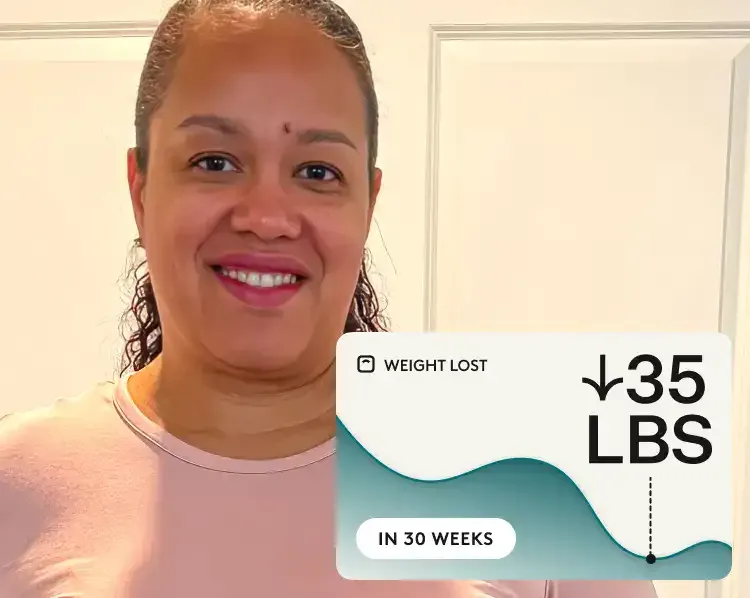
“My doctor recommended Noom after I was frustrated trying to lose weight. The lessons helped change my relationship with food. My body feels lighter & energized.”
Sonday K. – Real Noom user
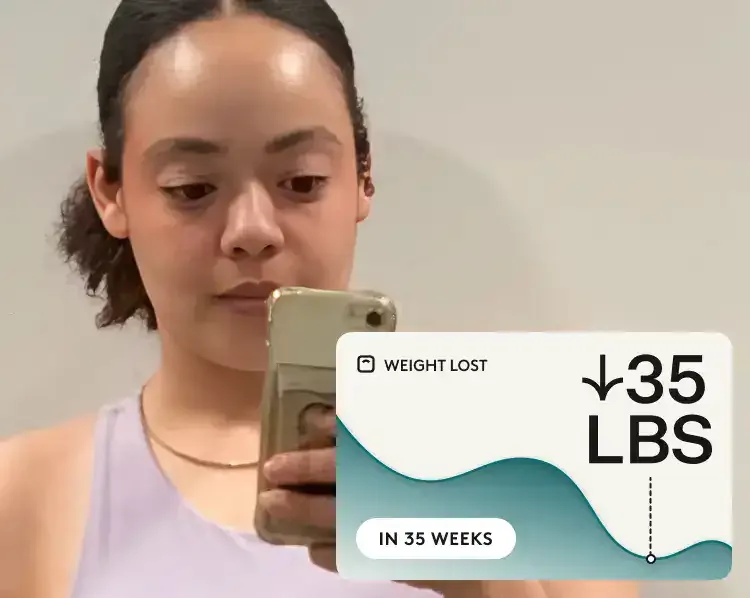
“I built healthy habits with coaching and lessons that make me confident I can maintain my weight loss long term.”
Cam K. – Real Noom user
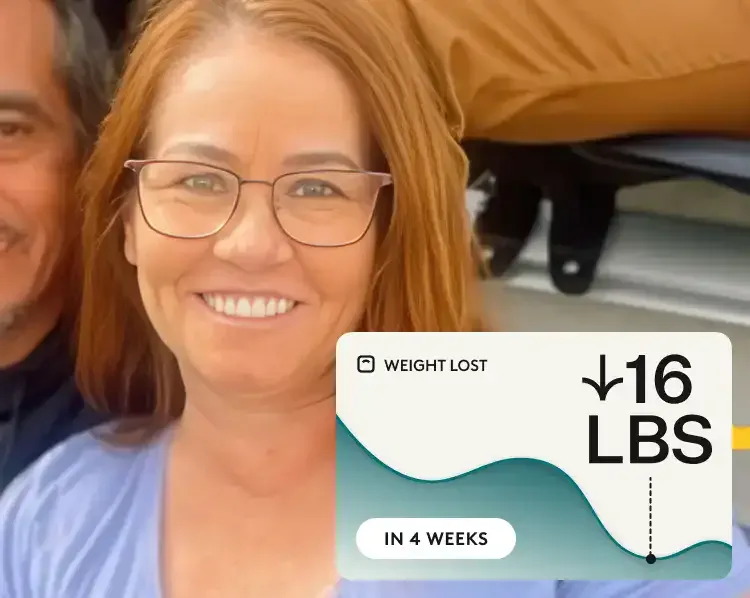
“With the right medication through Noom, hunger and sugar cravings finally quieted and I have the tools to break the cycle.”
Laura TR. – Real Noom user
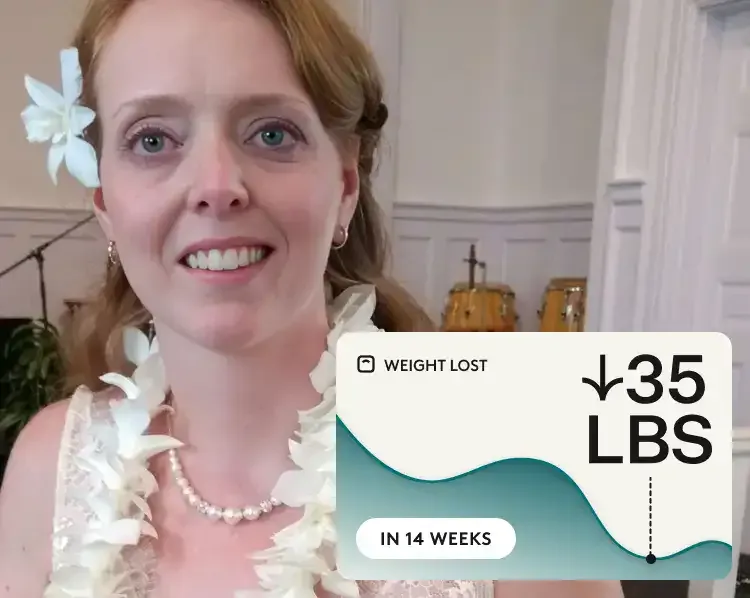
“Cravings and food noise are gone, I finally feel confident in the healthy habits I’ve built to last with Noom.”
Jessica S. – Real Noom user
The bottom line: The Ozempic® pill replaces Rybelsus®, but the treatment remains largely the same
Rybelsus® may be going away as a brand, but the medication isn’t. The Ozempic® pill contains the same active ingredient, semaglutide, in a newer formulation that allows for smaller doses with comparable effects. If you’re currently taking Rybelsus®, the transition should be relatively straightforward, but you’ll need a new prescription to make sure you’re taking the correct strength.
The bigger distinction is what you’re taking semaglutide for. Both Rybelsus® and the Ozempic® pill are approved for type 2 diabetes, while the Wegovy® pill is specifically approved for weight management. All three can affect weight, but they have different doses, approved uses, and insurance coverage.
If you’re considering switching or starting treatment, talk with your healthcare provider about your goals, the right dose, and what your insurance will cover. The name on the bottle may be changing, but finding a treatment that works for your health and your budget is still what matters most.
Interested in the Wegovy® pill for weight loss? Unlike Rybelsus® and the Ozempic® pill, Wegovy® is FDA-approved specifically for weight management. Through Noom, you can explore whether the Wegovy® pill is right for you, connect with a licensed healthcare provider who can prescribe it if appropriate, and get personalized support with nutrition, activity, and sustainable habits to help you work toward your goals. Explore weight loss with Noom.
Editorial standards
At Noom, we’re committed to providing health information that’s grounded in reliable science and expert review. Our content is created with the support of qualified professionals and based on well-established research from trusted medical and scientific organizations. Learn more about the experts behind our content on our Health Expert Team page.