
What you’ll learn:
- Both the Wegovy pill and Ozempic pill contain semaglutide and work similarly in the body, but they’re approved for different uses and follow different insurance pathways.
- The Wegovy® pill reaches a much higher maximum dose (25 mg vs. 9 mg), which is why clinical trials showed greater average weight loss.
- For many people, the biggest real-world difference won’t be the medication itself—it’ll be whether insurance covers it, since Ozempic® pills are typically tied to diabetes coverage while Wegovy® pills fall under weight-loss benefits.
If you’ve been watching the GLP-1 medication space, you may have noticed something new: semaglutide—the active ingredient in Wegovy® and Ozempic®—is now available as a daily pill under both names. Novo Nordisk offers the Wegovy® pill, approved in late 2025 for weight loss and cardiovascular risk reduction, and the Ozempic® pill, a rebranding of Rybelsus® under the Ozempic® name that’s approved for type 2 diabetes and heart disease prevention.
Same drug, different prescriptions with some similarities and a few differences that matter when you’re considering which medication is for you. Here are the big differences: The doses aren’t identical, and insurance will treat them very differently depending on why you’re taking them.
If you’re trying to figure out which one might make sense for you, here’s what you need to know about the Wegovy pill vs. the Ozempic pill.
Wegovy® pill vs Ozempic® pill: What are they made of?
Both pills contain semaglutide, a GLP-1 receptor agonist that mimics a hormone your body already makes, GLP-1. GLP-1 plays a role in regulating hunger, slowing digestion, and helping your body manage blood sugar after meals—which is why semaglutide has proven useful for both weight loss and type 2 diabetes.
Because semaglutide breaks down in the stomach, both pills include SNAC, an absorption enhancer that allows the drug to pass through the stomach lining and reach the bloodstream. That’s why both require the same morning routine: take it on an empty stomach with a small amount of water, then wait before eating, drinking, or taking other medications.
Where they diverge is in their approved use.
- The Wegovy® pill is FDA-approved for weight management and reducing cardiovascular risk. It has a maximum dose of 25 mg. It was actually the first oral GLP-1 approved specifically for weight loss.
- The Ozempic® pill is approved for type 2 diabetes and for reducing the risk of major cardiovascular events. It’s not exactly the same as Rybelsus®—it uses an updated formulation, previously called R2, with improved absorption. It carries the same approved use and replaces Rybelsus® under the Ozempic® name in the U.S. It has a maximum dose of 9 mg. For a full breakdown of how it compares to the older Rybelsus, see our Ozempic® pill guide.
Read more: Wegovy® pill: Exploring the benefits, side effects, and cost
Wegovy® pill vs Ozempic® pill: What are the similarities?
Since both pills contain semaglutide, a lot of the day-to-day experience looks the same—from how you take them to what you might feel in the first few weeks. Here’s where they overlap.
- The dosing schedule works the same way. Both follow a gradual step-up schedule, increasing every four weeks as tolerated, which gives your body time to adjust and helps keep side effects manageable. Your provider will guide the timing based on how you’re responding.
- The side effect profile is the same, but it will depend on the dose. The most commonly reported side effects with both pills are gastrointestinal—nausea, diarrhea, vomiting, constipation, and stomach pain. These tend to be most noticeable when starting the medication or after a dose increase, and typically ease as your body adjusts. For a full rundown, see our guide to semaglutide side effects.
- Neither is a good fit for everyone. Both carry the same contraindications: neither should be used by anyone with a personal or family history of medullary thyroid carcinoma or Multiple Endocrine Neoplasia syndrome type 2, and both require caution in people with a history of pancreatitis or severe GI conditions. Your provider can help you weigh whether semaglutide makes sense for your health history.
Wegovy® pill vs Ozempic® pill: What are the differences?
Same manufacturer, same active ingredient, once-daily pill—they look almost identical on paper. But a few key differences can shape which one actually makes sense for you.
- They’re approved for different things. That distinction matters most when it comes to insurance—coverage for diabetes medications and weight loss medications is handled very differently depending on your plan.
- The Wegovy® pill is approved for weight management, cardiovascular risk reduction, and MASH.
- The Ozempic® pill is approved for type 2 diabetes and cardiovascular risk reduction in people with diabetes.
- Insurance coverage can look very different. Because the two pills carry different approved indications, they follow different insurance pathways. If your plan covers GLP-1s for weight loss, it’ll cover the Wegovy® pill—not the Ozempic® pill. If you are prescribed it for diabetes, the Ozempic® pill is more likely to be covered. It’s worth checking your specific plan before assuming either one is accessible.
- One is new, one is a rebrand. The Wegovy® pill is the first oral version of semaglutide approved for weight loss. The Ozempic® pill carries forward the updated Rybelsus® R2 formulation under the Ozempic® name—a move designed to help people and providers recognize it more easily as a semaglutide option for diabetes. It uses lower doses than the original Rybelsus® but reaches similar semaglutide levels in the body. Worth knowing: Most of the available clinical data for the Ozempic® pill comes from earlier Rybelsus® studies.
- The dose ceilings are different. Wegovy® pill goes up to 25 mg. The Ozempic® pill tops out at 9 mg. That gap matters for weight loss because higher doses are generally associated with more weight loss.
- The Wegovy® pill 25 mg dose is likely to produce more weight loss. In clinical trials, people taking the Wegovy® pill at 25 mg lost an average of 14% of their body weight.
Wegovy® pill vs Ozempic® pill: How much do they cost?
List prices differ—$1,349/month for the Wegovy® pill vs. $1,028/month for the Ozempic® pill—but for most people, that number isn’t what they actually pay. Through NovoCare® Pharmacy, the two pills are priced almost identically at most doses, and both offer savings programs that can bring insured costs down to as little as $25/month for eligible commercial insurance members.
Where they meaningfully diverge is on the insurance side.
- The Ozempic® pill is approved for type 2 diabetes, which is broadly covered by most commercial plans and Medicare Part D. If you have diabetes, the Ozempic® pill is more likely to be covered.
- The Wegovy® pill is approved for weight management, and coverage for weight loss medications varies a lot by plan—some cover it, many don’t.
The final amount you pay may end up looking very different from the list price. Coverage rules, eligibility for savings programs, and even your prescribed dose can all affect your monthly cost.
For a full breakdown of savings programs, eligibility rules, and pharmacy options, see our guides to Wegovy® pill cost and Ozempic® pill cost.
Here’s how current pricing compares:
| Pricing category | Wegovy pill | Ozempic pill |
|---|---|---|
| Retail price | List price: $1,349/month | List price: $1,028/month |
| Price with insurance | Some people with commercial insurance may pay as little as $25/month with savings programs. | Some people with commercial insurance may pay as little as $25/month with savings programs. |
| NovoCare Pharmacy cash-pay price | $149: 1.5 mg $149*–$199: 4 mg $299: 9 mg and 25 mg | $149: 1.5 mg $199: 4 mg $299: 9 mg |
*Wegovy® 4 mg introductory pricing through August 31, 2026.
Access GLP-1 Weight Loss with Noom
Explore a wide range of prescription medications supported by Noom’s program.Microdose GLP-1rx
Noom GLP-1rx
Noom GLP-1rx Plus
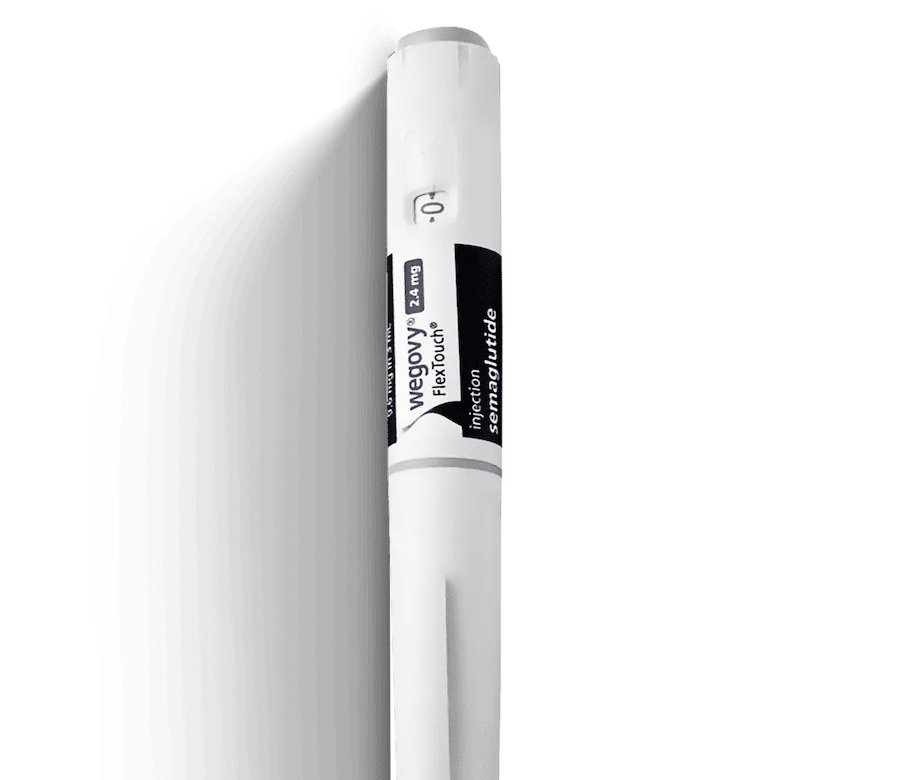
Wegovy®
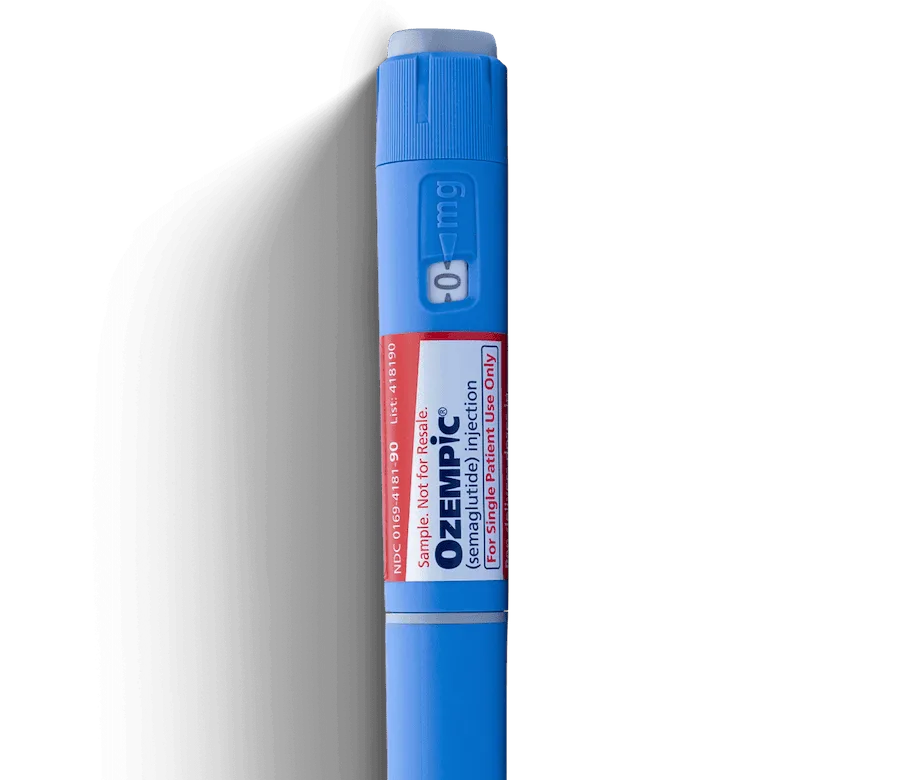
Ozempic®
Metformin
Zepbound®
Mounjaro®
Liraglutide
Does insurance cover Wegovy® pills or Ozempic® pills?
Insurance coverage usually comes down to two things: your plan and the reason your provider prescribes the medication. That’s especially important here because Wegovy® pills and Ozempic® pills have different approved uses.
Here’s what that can mean for you:
- Coverage for Wegovy® pills may depend on your plan’s weight loss medication benefits. Some private or employer plans include weight management medications, but others don’t. It’s worth checking your benefits directly to see what’s covered.
- Coverage for Ozempic® pills is usually tied to type 2 diabetes coverage. Since Ozempic® pills are approved for type 2 diabetes, insurance plans may be more likely to review them under diabetes medication benefits. If they’re prescribed off-label for weight loss, coverage is unlikely.
The easiest next step is to ask your insurance provider what they cover for your specific diagnosis and prescription.
Read more: Are weight loss drugs covered by insurance?
Does Medicare cover Wegovy® pills or Ozempic® pills?
With Medicare, coverage has historically depended on why the medication is prescribed—and that’s still true, but the picture is changing.
The Ozempic® pill is approved for type 2 diabetes, so Medicare Part D plans are more likely to cover it when prescribed for that use. The Wegovy® pill has historically been harder to access through Medicare because weight-loss medications have traditionally been excluded from standard Part D coverage.
That’s shifted. Since July 1, 2026, CMS has been running the Medicare GLP-1 Bridge Program, a short-term demonstration program that covers Wegovy® (both injection and pill) for eligible Medicare Part D beneficiaries at a $50 copay. To qualify, people generally need a BMI of 35 or higher, or a BMI of 30 or higher with certain weight-related conditions like heart failure or hypertension, or a BMI of 27 or higher with pre-diabetes or a history of heart attack or stroke. Prior authorization is required.
A few important details: the Ozempic® pill isn’t included in the Bridge—it’s not approved for weight loss, so it doesn’t qualify. Manufacturer savings cards and discount programs can’t be applied to Bridge claims. And the program runs through December 31, 2027.
Since Medicare rules and formularies can change, it’s worth checking directly with your plan for the most current information, or see our full guide to the Medicare GLP-1 Bridge Program.
Read more: Does Medicare cover weight loss drugs?
Wegovy® pills and Ozempic® pills: How long do you need to take them?
Both medications are designed for long-term use, but the reasoning differs depending on why you’re taking them.
For weight management, semaglutide works by continuously regulating appetite and fullness signals—and those effects gradually fade if you stop. That’s why some people notice hunger returning after discontinuing. It doesn’t mean stopping will automatically undo your progress, especially if you’ve built consistent habits, but it’s worth going in with realistic expectations. Some providers recommend a gradual dose taper or remaining on a maintenance dose rather than stopping abruptly. Restarting is also an option if circumstances change. For more on what to expect, see our guide to stopping a GLP-1.
For type 2 diabetes, the Ozempic® pill is typically part of an ongoing treatment plan. Blood sugar management is a long-term commitment, and stopping a diabetes medication without medical guidance can affect your glucose control. Any changes to your medications should be made with your provider.
Either way, your provider is the right person to help you think through what long-term treatment looks like for your specific situation.
Read more: Stopping a GLP-1: What to expect & how to manage weight after
Wegovy® pill vs Ozempic® pill: Side effects and safety
Both pills contain semaglutide and work the same way in your body, so their side effect profiles are closely related. Because semaglutide slows how quickly food leaves your stomach and changes appetite signals, most of the common side effects are digestive.
Side effects tend to show up early on or when your dose increases—when your body is still adjusting. The table below shows reported rates at the highest approved dose of each pill.
| Side effect | Wegovy® pill 25 mg | Ozempic® pill 9 mg* |
|---|---|---|
| Nausea | 47% | 20% |
| Vomiting | 31% | 8% |
| Diarrhea | 18% | 10% |
| Constipation | 20% | 5% |
| Dyspepsia (indigestion) | 18% | <1% |
| Abdominal pain / upper abdominal pain | 9% | 11% |
| Headache | 12% | Not reported |
| Fatigue | 1% | Not reported |
Ozempic® pill side effect data is sourced from Rybelsus® 14 mg (R1 formulation) clinical trials, the closest available comparator. The Ozempic® pill uses the R2 formulation at a maximum dose of 9 mg; direct 9 mg trial data is not currently available.
Most digestive side effects appear more frequently with the Wegovy® pill, which likely reflects the higher dose. Abdominal pain is one exception, coming in slightly higher for the Ozempic® pill in the available data. These are averages—individual responses vary, and some people need slower dose escalation or more time to adjust.
Read more: Wegovy® pill side effects
Serious side effects and warnings
Serious side effects with semaglutide are uncommon, but your provider will still want you to know the warning signs before starting the Wegovy® pill or Ozempic® pill. Catching symptoms early can make a big difference.
- Pancreatitis: Severe upper stomach pain that may move into your back, especially with nausea or vomiting, can be a warning sign of pancreatitis. Contact your provider or go to urgent care right away.
- Vision changes: Blurry vision, trouble focusing, or sudden eyesight changes should be evaluated by your provider as soon as possible.
- Low blood sugar: Symptoms like sweating, shakiness, dizziness, confusion, weakness, or a pounding heartbeat may signal low blood sugar, particularly if you use other diabetes medications too.
- Kidney problems: Ongoing vomiting or diarrhea can sometimes lead to dehydration and kidney strain. Seek medical advice if you notice swelling, reduced urination, severe fatigue, or breathing changes.
- Gallbladder problems: Pain near the upper right side of your stomach, fever, nausea, or yellowing of your skin or eyes can be signs of gallbladder disease and should be checked quickly.
- Severe allergic reactions: Swelling of the lips, tongue, throat, or difficulty breathing requires emergency medical care immediately.
- Boxed warning: Both medications carry an FDA boxed warning about thyroid C-cell tumors observed in animal studies. Researchers haven’t confirmed this risk in humans.
If you’re ever unsure whether a symptom is serious, it’s better to contact your provider and ask rather than wait it out.
Read more: GLP-1 side effects: What to expect & how to manage them
Who shouldn’t take Wegovy® pills or Ozempic® pills?
Choosing between Wegovy® pills and Ozempic® pills starts with safety. Since both contain semaglutide, they share the same warnings and precautions.
You should avoid these medications if you:
- Have a personal or family history of medullary thyroid cancer (MTC) or MEN 2
- Have had a serious allergic reaction to semaglutide
- Are pregnant, trying to become pregnant, or breastfeeding
Your provider will also want to know about any past or current health concerns, including:
- Pancreatitis, which is inflammation of the pancreas
- Kidney problems
- Gallbladder issues, such as gallstones
- Severe digestive problems, including gastroparesis
- Diabetes-related vision changes, especially if you have type 2 diabetes
- Any upcoming surgery or procedure that requires anesthesia
Sharing these details helps your provider choose the safest option for your body and your goals.
Which is safer: Wegovy® pills or Ozempic® pills?
Since the Wegovy® pill and Ozempic® pill both contain semaglutide, their overall safety profiles are very similar. They share many of the same side effects, warnings, and precautions.
The bigger difference often comes down to how your body responds to semaglutide and which dose you’re taking. Some people tolerate higher doses comfortably, while others feel better staying at lower doses or increasing more gradually over time.
Wegovy® pill vs Ozempic® pill: Which is better for weight loss?
If weight loss is your primary goal, the Wegovy® pill is the stronger option. It’s FDA-approved for weight loss and reaches a higher maximum dose (25 mg vs. 9 mg).
In trials, people taking the Wegovy® pill lost an average of 14% of their starting body weight over 64 weeks. Results with the lower doses of oral semaglutide, as in the Ozempic® pill, are more modest. Earlier Rybelsus® studies at the equivalent dose showed an average of about 6% body weight loss over six months.
These are averages; individual results depend on starting weight, diet, activity, and how your body responds.
Can you use the Ozempic® pill for weight loss?
Technically, yes—providers can prescribe it off-label—but the Wegovy® pill is the purpose-built option, with a higher dose ceiling and an FDA approval to match. If weight loss is the goal, it’s usually better to have a conversation with your provider. You may be a candidate if you have a BMI of 30 or higher, or a BMI of 27 or higher with at least one weight-related condition such as high blood pressure or high cholesterol.
Can you switch between Wegovy® pills or Ozempic® pills?
Yes, switching between the Wegovy® pill and Ozempic® pill may be possible, but it’s something you’ll want to do with your provider’s guidance. Since both medications contain semaglutide, they work very similarly, but your experience can still change depending on the dose and treatment goal.
- Why might someone switch? Cost, insurance coverage, availability, or changing health issues can all play a role. Some people may switch because they want the higher dose for weight management.
- What might feel different after switching? Wegovy® pills have a higher maximum dose than Ozempic® pills, so changes in appetite, fullness, or weight loss may feel different depending on which medication you move to.
Even though these medications are closely related, it’s still important not to switch on your own without medical guidance.
Wegovy® pill vs Ozempic® pill: Dosage and administration
Even though the Wegovy® pill and Ozempic® pill are approved for different uses, the daily routine for taking them looks pretty similar. Both medication doses increase at least every 30 days to help reduce side effects while your body adjusts to semaglutide.
Both are taken once daily on an empty stomach in the morning. You’ll take the tablet with a small amount of plain water, then wait at least 30 minutes before eating, drinking, or taking other medications. Your provider will increase the dose gradually, about every 4 weeks, until you reach your target dose. They might adjust the timing or pace of dose increases depending on side effects, blood sugar response, and your overall treatment goals.
Here’s a quick comparison of the approved dose strengths for each medication:
| Wegovy® pill doses | Ozempic® pill doses |
|---|---|
| 1.5 mg (starting dose) 4 mg 9 mg 25 mg (maximum approved dose) | 1.5 mg (starting dose) 4 mg 9 mg (maximum approved dose) |
Choosing between the Wegovy® pill vs the Ozempic® pill: Which is right for me?
The Wegovy® pill and Ozempic® pill have a lot in common, which can make choosing between them feel a little confusing at first. Since both use semaglutide, many parts of the experience may feel similar, from the morning routine to the types of side effects you might notice.
The main differences come down to dosing, approved uses, insurance coverage, and the amount of weight loss you’re hoping to achieve.
| Medication | Wegovy® pill | Ozempic® pill |
|---|---|---|
| Active ingredient | Semaglutide | Semaglutide |
| Available doses | 1.5 mg, 4 mg, 9 mg, 25 mg | 1.5 mg, 4 mg, 9 mg |
| FDA-approvals | Weight management, heart disease prevention, and MASH | Type 2 diabetes and heart disease management |
| Dosing format | Daily pill | Same. |
| Pricing per month (without insurance) | Around $1,349 | Around $1,028 |
| Discount programs (through NovoCare® Pharmacy) | $149: 1.5 mg $149–$199: 4 mg $299: 9 mg and 25 mg | $149: 1.5 mg $199: 4 mg $299: 9 mg |
| Dosing instructions | Take in the morning on an empty stomach with a little water; wait 30 minutes before eating or drinking | Same. |
| Average weight loss | 14% of starting body weight over 64 weeks | 6% of starting body weight over 1 year (in studies using the equivalent Rybelsus® 14 mg dose) |
Your provider can help you sort through those differences and figure out which option best aligns with your health goals.
Frequently asked questions about the Wegovy® pill vs. the Ozempic® pill
You might have questions about costs, coverage, and how these medications compare. Let’s clear up the most common concerns people have when exploring their options.
Is the Ozempic® pill cheaper than the Wegovy® pill?
Right now, the Ozempic® pill has a lower list price than the Wegovy® pill. But what you actually pay can will look very different depending on your insurance coverage, savings programs, and which dose you’re prescribed. For some people, the final monthly cost may be pretty similar once discounts and coverage are applied. And they are the same price in the NovoCare Pharmacy for the doses they share.
Read more: Wegovy® pill cost: With and without insurance
Does the Ozempic® pill work as well as the Wegovy® pill for weight loss?
For weight loss, the Wegovy® pill leads to greater average results. In clinical trials, people taking the Wegovy® pill lost an average of 14% of their starting body weight over 64 weeks.
For the Ozempic® pill, the closest available data comes from earlier Rybelsus® studies using oral semaglutide 14 mg, which is equivalent to the Ozempic® pill 9 mg. In those studies, people lost an average of 6% of their body weight over 1 year.
Does the Wegovy® pill have fewer side effects than the Ozempic® pill?
Not necessarily. Since both medications contain semaglutide, they share many of the same common side effects, especially digestive ones like nausea, vomiting, diarrhea, and constipation.
That said, semaglutide side effects also tend to be dose-dependent, meaning higher doses are often linked with higher rates of stomach-related symptoms. Because the Ozempic® pill uses lower semaglutide doses, equivalent Rybelsus® studies generally showed lower rates of digestive side effects than what was seen in Wegovy® pill studies.
Read more: Semaglutide side effects
Will insurance cover Wegovy® pills or Ozempic® pills?
Coverage often depends on why the medication is being prescribed. Wegovy® pills are usually reviewed under weight management benefits, while Ozempic® pills are generally tied to type 2 diabetes coverage. That difference can affect which medication your plan is more likely to approve, so it’s always worth checking directly with your insurance provider before starting treatment.
Reviews from real Noom users
Desirea N. — Real Noom user
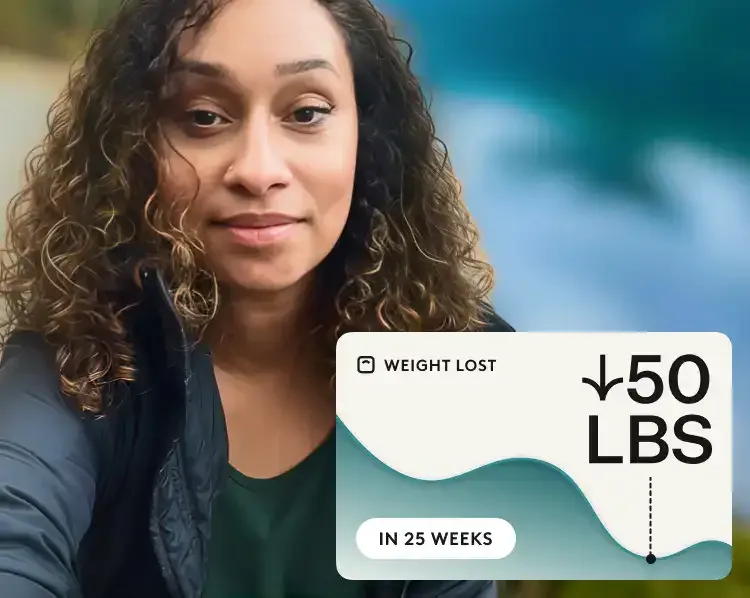
“My favorite parts of Noom are the care team and other Noomers. Sharing and getting help made me feel like I wasn’t doing it alone. That support made all the difference.”
Desirea N. — Real Noom user
Matthew M. — Real Noom user
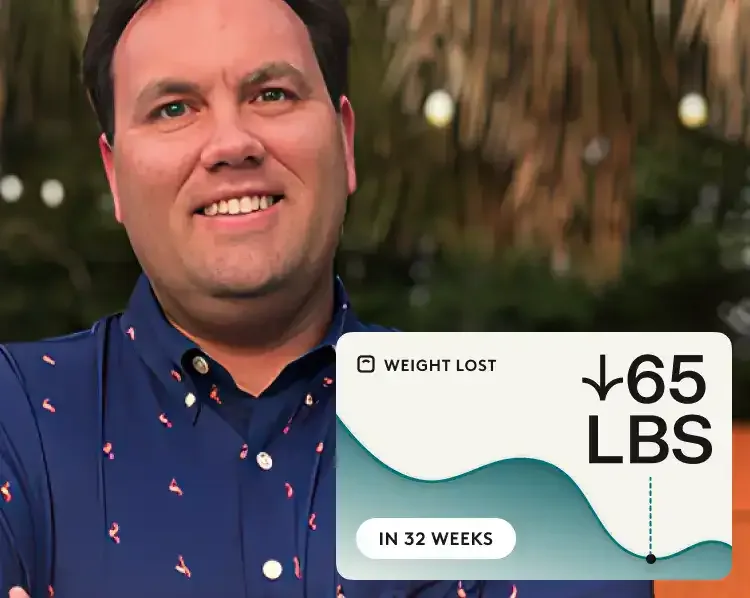
“Noom has taught me that every day is a new chance to make better, healthier choices. It's taught me how to stop overeating.’’
Matthew M. — Real Noom user
Lila M. — Real Noom user
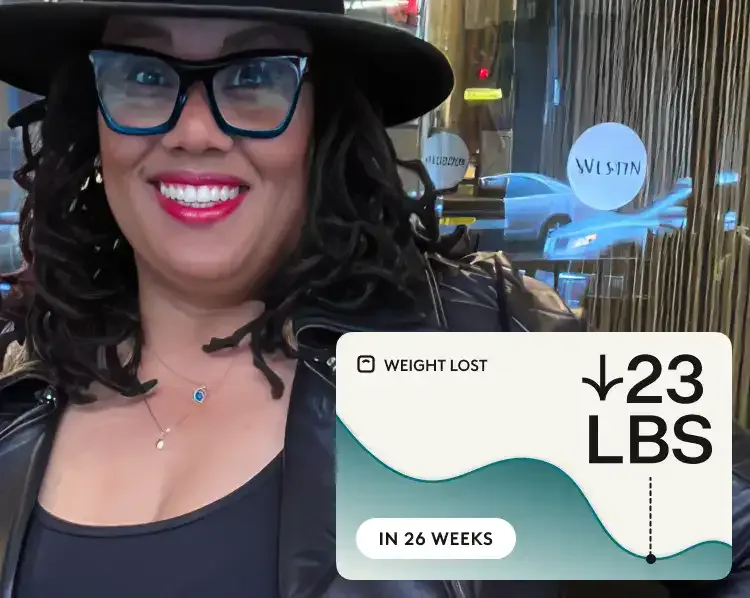
“Clinicians who understand how supportive medication can be is one of the best parts of Noom! I was convinced I wouldn’t have success but I’m down 11 pounds in two months.’’
Lila M. — Real Noom user
Steve M. — Real Noom user
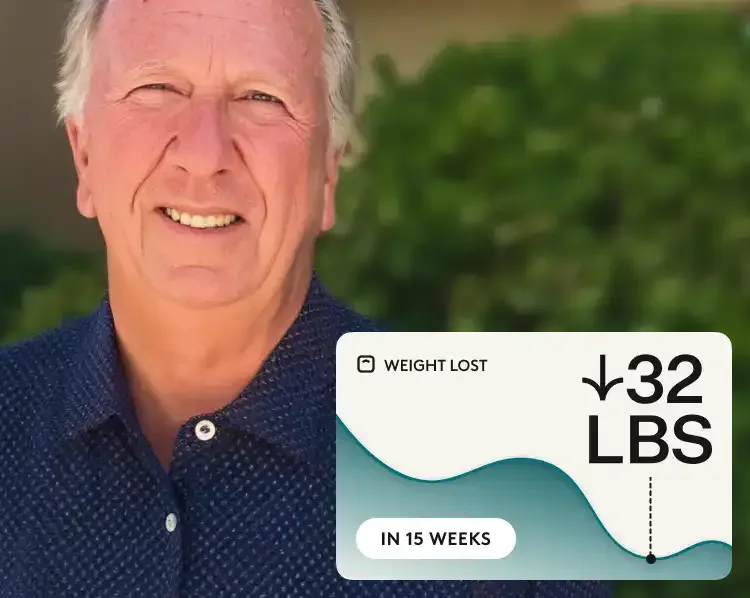
“Noom provided me with the medication which I could not get through Medicare. I have learned the tricks to better eating and life in general.”
Steve M. – Real Noom user
Daisy R. — Real Noom user
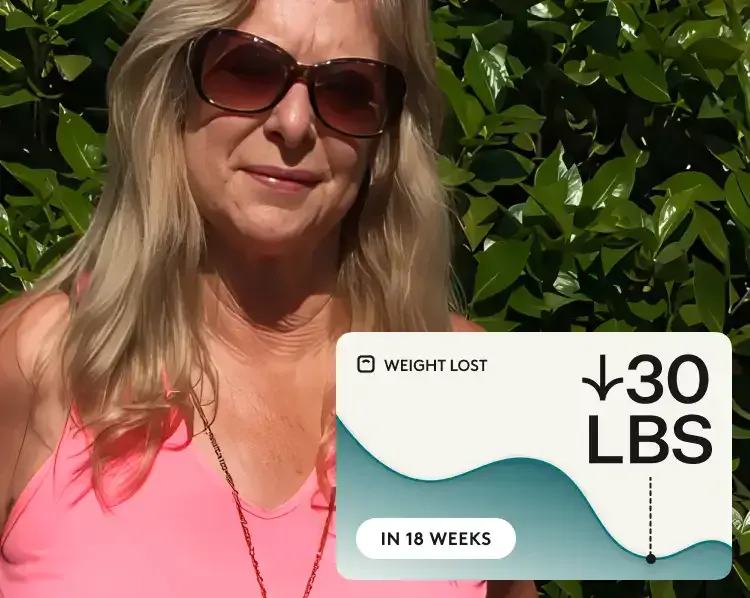
‘’Noom has changed my life and I’m so thankful, I feel great, have more energy and am no longer prediabetic.”
Daisy R. – Real Noom user
Sarah R. — Real Noom user
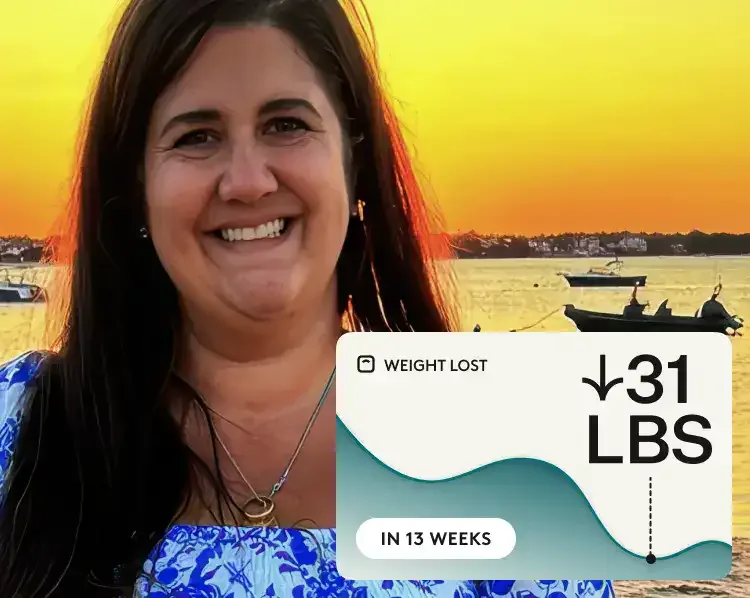
“All of the Noom providers that I’ve met with have been exceptional and prescribed medications that are appropriate for my situation and health.”
Sarah R. – Real Noom user
Madison S. — Real Noom user
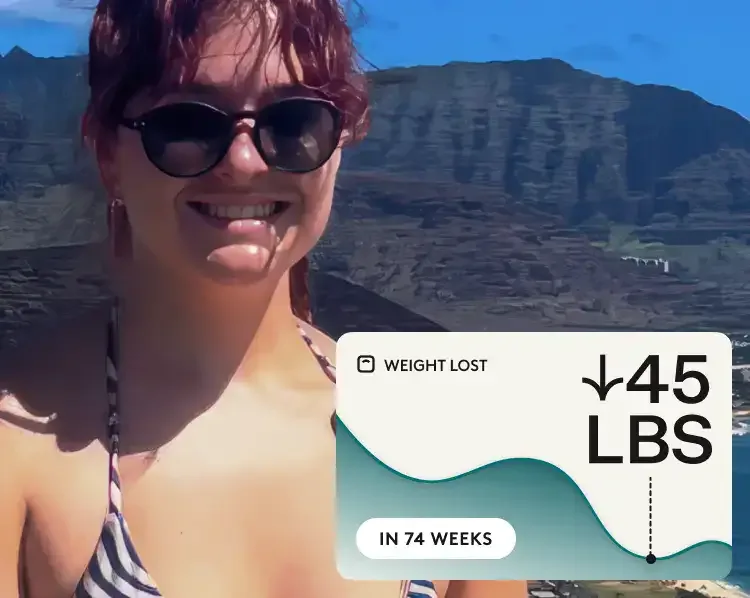
“Noom made the process so simple and now I feel full, free from diet obsession, and at ease in my body again.”
Madison S. – Real Noom user
Sonday K. — Real Noom user
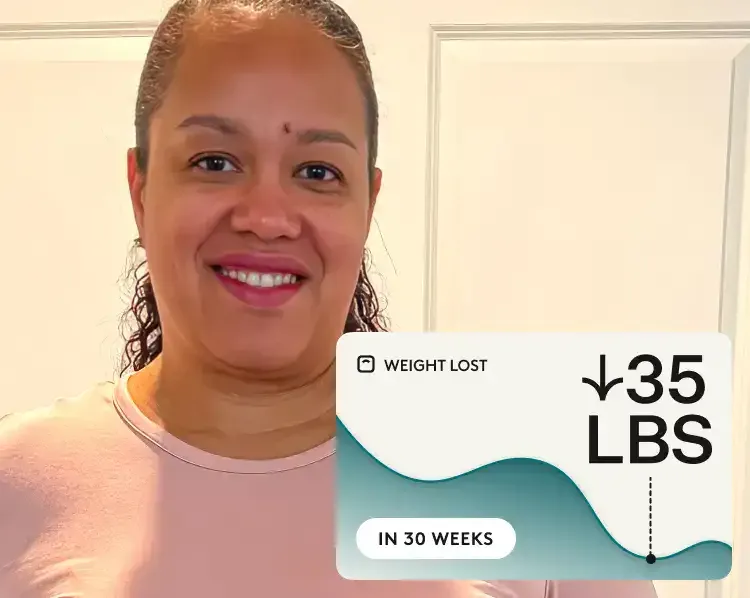
“My doctor recommended Noom after I was frustrated trying to lose weight. The lessons helped change my relationship with food. My body feels lighter & energized.”
Sonday K. – Real Noom user
Cam K. — Real Noom user
“I built healthy habits with coaching and lessons that make me confident I can maintain my weight loss long term.”
Cam K. – Real Noom user
Laura TR. — Real Noom user
“With the right medication through Noom, hunger and sugar cravings finally quieted and I have the tools to break the cycle.”
Laura TR. – Real Noom user
Jessica S. — Real Noom user
“Cravings and food noise are gone, I finally feel confident in the healthy habits I’ve built to last with Noom.”
Jessica S. – Real Noom user
The bottom line: The right semaglutide pill depends on your goals
The Wegovy® pill and Ozempic® pill both bring semaglutide into a once-daily tablet form, which opens up another option for people who aren’t fond of injections. Since the medications work so similarly in the body, many parts of the experience overlap, including the morning dosing routine and common side effects.
Where the gap widens is around weight-loss expectations. Wegovy® pills use higher oral semaglutide doses and showed greater average weight loss in clinical trials, while Ozempic® pill data from equivalent Rybelsus® studies showed more modest average weight changes over time. That doesn’t automatically mean one choice is “better” for everyone, though. Your health history, treatment goals, and insurance situation can all influence which option feels more realistic and sustainable.
If you’re ready to explore your options, see if you qualify for Noom Med. If you do, you’ll be paired with a licensed clinician who can assess whether semaglutide or another treatment is a good fit for you. You’ll also get a personalized plan that combines medical guidance with practical support to help you move forward with confidence.
Note: The Ozempic® pill is not FDA-approved to treat obesity or for weight loss.
Editorial standards
At Noom, we’re committed to providing health information that’s grounded in reliable science and expert review. Our content is created with the support of qualified professionals and based on well-established research from trusted medical and scientific organizations. Learn more about the experts behind our content on our Health Expert Team page.