What you’ll learn:
- “Ferritin face” is a viral term for changes like pale skin, dark circles, and cracked lips that some people associate with low iron.
- Low iron can affect your appearance, energy, and hair, but these symptoms alone can’t tell you whether your ferritin is low.
- A ferritin blood test can help identify low iron stores, while iron-rich foods, better nutrient absorption, and supplements when needed can help restore healthy levels.
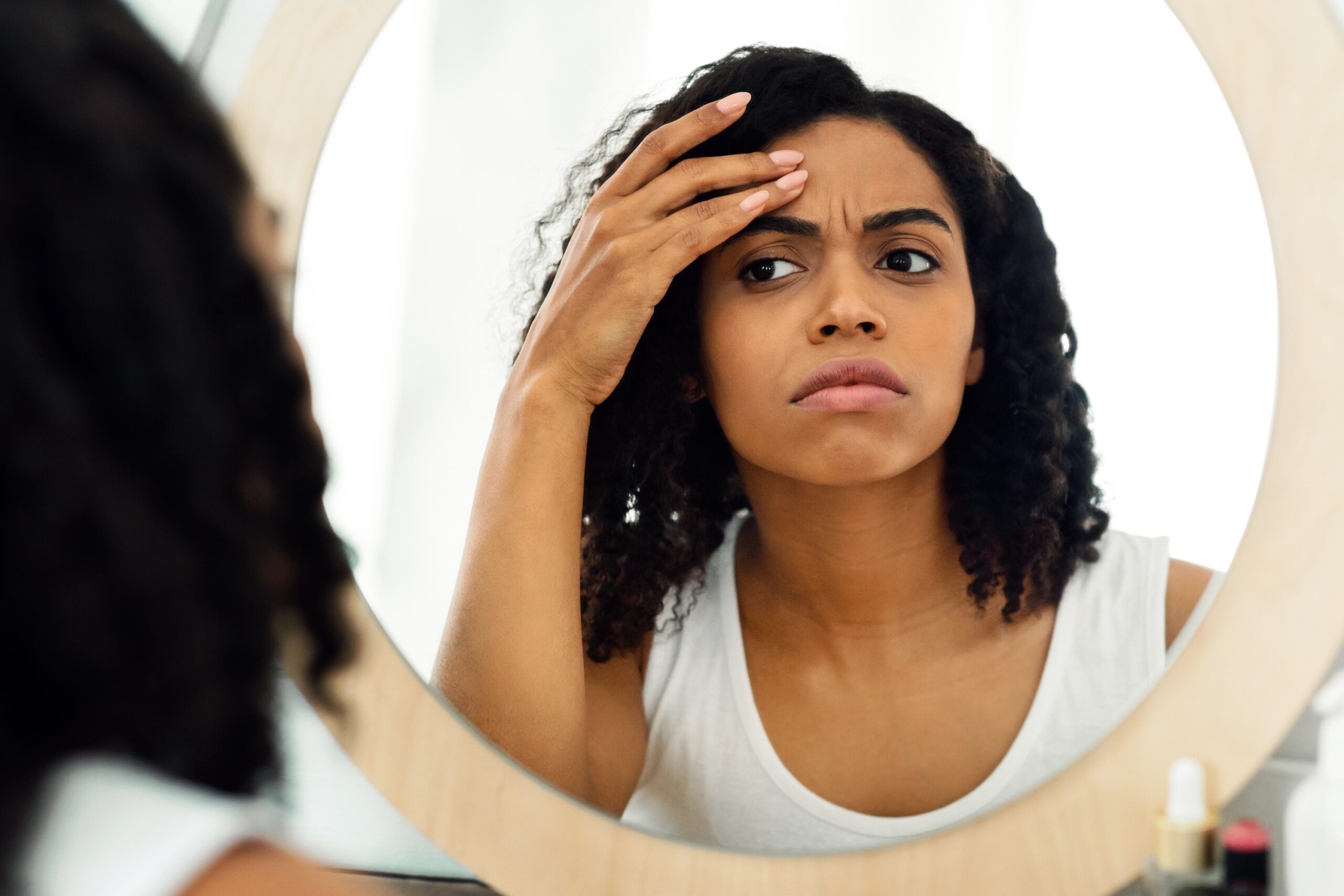
Can you really tell if you’re low on iron just by looking at your face? That’s what people on social media are asking as they share photos of what they’re calling “ferritin face.”
They’re pointing to dark under-eye circles, pale skin, and cracked lips as possible signs of low iron, often sharing before-and-after photos showing how their appearance changed after treating low iron levels.
The trend has made its way into mainstream health and beauty coverage. And while the name is new, the issue behind it is surprisingly common. A 2024 study found that about 34% of U.S. women ages 18 to 49 had low iron stores.
But can low iron really change how your face looks? It’s possible. Iron deficiency can make your skin look paler, particularly when it progresses to anemia. But dark circles, dull skin, and other changes people associate with ferritin face can have plenty of other causes. And low iron can affect more than your appearance, contributing to fatigue, difficulty concentrating, and hair loss.
Here’s what ferritin face can—and can’t—tell you about your health, which symptoms are worth checking out, and when to get your iron levels tested. Plus, Maggie Hudspeth, RDN, Senior Manager of Coaching at Noom, shares insight into the best food sources of iron and how to make sure you’re getting enough.
Noom’s Most Powerful Program
A dual-pathway GLP-1 and behavior change for lasting results.
What is ferritin face?
“Ferritin face” is the name people on social media are giving to a collection of visible signs they believe can reveal low iron levels. They’re sharing before-and-after photos and describing how treating low iron has helped them look and feel better, with more energy, clearer thinking, and less hair loss. While these experiences may reflect real improvements, ferritin face isn’t an official medical condition, and your appearance alone can’t tell you whether you’re low on iron.
How is ferritin connected to iron levels? Ferritin is a protein that stores iron in your body. Iron helps your body make hemoglobin, the protein in red blood cells that carries oxygen throughout your body. Ferritin acts like a reserve, storing iron until your body needs it.
This is especially important for women of reproductive age, who need more iron because they lose some through menstruation. Pregnancy also increases iron needs. If you’re not getting enough iron to replace what’s being used or lost, your body can start drawing down its stored iron.
That means your ferritin can be low even when your other blood tests look normal. A serum iron test measures the iron circulating in your blood at the time of testing, while a ferritin test helps show how much iron your body has in reserve. Those stores can become depleted before you develop iron-deficiency anemia, which happens when your body doesn’t have enough iron to produce adequate amounts of hemoglobin.
“Your body can start running low on stored iron long before you develop anemia,” says Hudspeth. “It’s always important to pay attention to changes in how you feel, especially ongoing fatigue or trouble concentrating. You don’t have to wait until you’re anemic to have a conversation with your doctor about your iron levels. And it could always be something else; it’s starting the conversation that is important.”
Ferritin face: Can you really see low iron in your appearance?
People posting videos about ferritin face are linking changes in their appearance to low iron levels, particularly pale skin, dark circles, dry-looking skin, and cracked lips. But can low iron actually cause these changes?
Sometimes. When iron deficiency progresses to anemia, lower hemoglobin levels can make your skin look paler. But other changes, like dry skin and dark circles, have less convincing evidence. Here’s what we know about each one:
Does low iron cause pale skin? Yes, especially with anemia
Pale skin is one of the more established signs of iron-deficiency anemia. When your body doesn’t have enough hemoglobin, your skin may look less pink or red than usual.
You might notice paleness in a few places:
- Your face: Your complexion may look paler or have less color than usual.
- Inside your lower eyelids: The normally pink tissue may appear unusually pale.
- Your lips and gums: These may look less pink than they normally do.
But paleness isn’t always easy to spot. Research shows that even healthcare professionals can’t reliably identify anemia just by looking for pale skin. How noticeable it is can depend on the severity of anemia, your natural skin tone, and where you’re looking.
Access GLP-1 Weight Loss with Noom
Explore a wide range of prescription medications supported by Noom’s program.
Microdose GLP-1rx
Noom GLP-1rx
Noom GLP-1rx Plus
Wegovy®
Ozempic®
Metformin
Zepbound®
Mounjaro®
Liraglutide
“Low iron doesn’t always show up in the mirror,” says Hudspeth. “You can have depleted iron stores without any obvious changes in your appearance.”
What this means: Pale skin can be a clue, but you can have low ferritin without looking pale. A blood test is much more reliable than checking your complexion.
Does low iron cause dark under-eye circles? Maybe
Low iron might contribute to dark circles, but it’s unlikely to be the main cause for most people. It’s true that iron-deficiency anemia can make your skin look paler, potentially making the blood vessels and shadows beneath your eyes more noticeable. But dark circles are much more commonly associated with other factors, including:
- Genetics: Some people naturally have darker pigmentation beneath their eyes.
- Allergies: Nasal congestion can make the area under your eyes look darker.
- Lack of sleep: Tiredness can make existing dark circles more noticeable.
- Aging: Thinner skin and changes in facial volume can create more visible shadows.
- Sun exposure: Increased pigmentation can darken the skin around your eyes.
Research on the connection to iron deficiency is mixed. A small study of 200 people with dark circles found that about half had iron-deficiency anemia. But another small study of 50 people found anemia in just 10%, with no statistically significant association.
What this means: Dark circles alone aren’t a reliable sign of low iron. But if you’re also feeling unusually tired or noticing other changes, it’s worth asking your doctor about a ferritin test and other diagnostics to see what’s going on.
Does low iron cause dry skin? Possibly, but the evidence is limited
Some people sharing ferritin face videos say their skin looked dull or dry before treating low iron. But there isn’t strong evidence that low ferritin alone causes dry skin.
Dry skin is more commonly linked to:
- Weather: Cold air and low humidity can dry out your skin.
- Skin care habits: Hot showers and harsh cleansers can strip away moisture.
- Hormonal changes: Lower estrogen levels can affect skin moisture.
- Other conditions: Eczema and thyroid problems can cause persistent dryness.
Iron plays a role in normal cell function, but researchers haven’t established that low ferritin directly causes facial dryness or that increasing iron levels improves skin hydration.
What this means: Dry skin alone isn’t a strong reason to suspect low iron. But if you’re also experiencing fatigue, hair loss, or other symptoms, it may be worth discussing with your doctor.
Does low iron cause cracked lips? Sometimes
Iron deficiency can contribute to cracks or soreness at the corners of your mouth, a condition called angular cheilitis.
There’s some research behind this connection. A study of people with iron deficiency found that cracks at the corners of the mouth were common among those experiencing oral symptoms. But that doesn’t mean everyone with low iron will develop them.
There’s also an important difference between cracks at the corners of your mouth and ordinary chapped lips:
- Cracks at the corners: May be linked to iron or vitamin deficiencies, but infections and irritation are also common causes.
- Dry, chapped lips: More often result from cold weather, dehydration, lip licking, or irritation.
What this means: Persistent cracks at the corners of your mouth may be worth checking out, especially if you’re experiencing other symptoms of low iron. But ordinary chapped lips aren’t a reliable sign of low ferritin.
What other symptoms are people linking to ferritin face?
Ferritin face isn’t just about appearance. People sharing their experiences with low iron are also talking about changes in their energy, concentration, and overall health.
Some of these symptoms have stronger scientific support than others:
Noom’s Most Powerful Program
A dual-pathway GLP-1 and behavior change for lasting results.
- Hair loss: Low iron stores may contribute to thinning hair or increased hair loss, particularly in women.
- Feeling tired all the time: Iron deficiency can cause fatigue, especially when it progresses to anemia and reduces the amount of oxygen your blood carries.
- Trouble concentrating: Low iron may make it harder to focus or think clearly.
- Headaches and dizziness: These can occur with iron-deficiency anemia, although they have many other possible causes.
- Weight gain: Low iron doesn’t directly cause weight gain, but fatigue may make it harder to stay active or maintain your usual exercise routine. There’s limited evidence that treating low iron leads to weight loss.
- Restless legs: Low iron stores have been linked to an uncomfortable urge to move your legs, especially at night.
- Craving ice: A persistent urge to chew ice, called pagophagia, can be a sign of iron deficiency.
You don’t necessarily need to have anemia to experience symptoms. A study of 554 women without anemia found that women with ferritin levels of 20 ng/mL or lower were more likely to report recent hair loss. Lower ferritin levels were also associated with restless legs.
“Symptoms are a starting point, not a diagnosis,” says Hudspeth. “A blood test can help you understand whether low iron is contributing to how you’re feeling.”
What this means: These symptoms can have many causes, but if you’re noticing several of them, especially along with changes in your appearance, it’s worth asking your doctor whether checking your ferritin levels makes sense.
Can treating low iron improve how your face looks?
If you’ve seen ferritin face before-and-after videos, you’ve probably been drawn to the dramatic transformations: brighter skin, fewer dark circles, and a more rested appearance after someone starts taking iron.
Can that really happen? Yes, in some cases. If iron-deficiency anemia is making your skin look pale, treating it may help restore your usual complexion as your hemoglobin levels recover.
But that doesn’t mean iron supplements will make everyone’s skin look brighter or eliminate dark circles.
There aren’t well-established clinical trials showing that raising ferritin produces a specific facial transformation. And before-and-after photos don’t tell us what else might have changed, including sleep, hydration, skin care, or lighting.
What counts as low ferritin—and is there an ideal level?
If you’re wondering whether your ferritin is low, there’s a number worth knowing: 30 ng/mL.
A 2024 study of more than 8,000 U.S. adults used a ferritin level below 30 nanograms per milliliter (ng/mL) to identify people with depleted iron stores. It’s a commonly used cutoff, although your doctor will also consider your symptoms, health history, and other blood test results.
But is there an ideal ferritin level to aim for? Not exactly. While some treatment guidelines suggest higher targets when rebuilding iron stores, there’s no universally agreed-upon number that guarantees better energy, healthier hair, or brighter-looking skin.
And ferritin doesn’t always tell the whole story. Inflammation can temporarily raise ferritin levels, so your doctor may check other markers, like transferrin saturation, to get a clearer picture of how much iron your body can actually use.
“Low ferritin isn’t just about a number on a lab report,” says Hudspeth. “It’s about understanding what that number means alongside your symptoms, health history, and nutritional needs.”
What’s especially interesting is how common low iron stores are. That same 2024 study found that:
- 14% of U.S. adults had depleted iron stores.
- 15% had functional iron deficiency, meaning their bodies weren’t making enough iron available for use.
- About 34% of women ages 18 to 49 had low iron stores.
That’s roughly one in three women of reproductive age. And not everyone with low iron will have obvious symptoms, let alone changes in their appearance.
What this means: If you’re noticing changes in your appearance along with fatigue, hair loss, or difficulty concentrating, checking your ferritin may help you understand what’s going on. The goal isn’t to reach a specific number for better-looking skin. It’s to identify and address an actual deficiency.
How long does it take to see improvements?
If you have an iron deficiency, treatment can help you feel better before you notice any changes in your appearance. But rebuilding iron stores takes time.
A 2024 review of iron-deficiency treatment research found that hemoglobin levels may take six to 12 weeks to return to normal with treatment, depending on how severe the anemia is. Restoring iron stores can take several additional months.
Here’s what that could mean for the changes people associate with ferritin face:
- Pale skin: May gradually return to its usual color as anemia improves.
- Dark circles: Might look less noticeable if paleness was making them more visible, but other causes won’t necessarily improve.
- Hair loss: If iron deficiency is contributing, improvement may take several months as hair growth cycles recover.
- Dry skin or cracked lips: May improve if iron deficiency was involved, but other causes may need separate treatment.
And remember, treating low iron isn’t always as simple as taking a supplement. Your doctor may recommend dietary changes, oral iron, or another treatment depending on your results and what’s causing the deficiency.
“It’s important to focus on feeling better, not just looking different,” says Hudspeth. “If low iron is contributing to fatigue or other symptoms, addressing it can make a meaningful difference in your health, even if you don’t notice a dramatic change in the mirror.”
The bottom line: Treating a confirmed iron deficiency may improve some of the physical changes associated with ferritin face, particularly paleness. But there’s no evidence that taking extra iron when your levels are already healthy will improve your appearance.
Ferritin face: Why some people say doctors overlooked their symptoms
One of the biggest conversations surrounding ferritin face has little to do with appearance. It’s about people, particularly women, sharing stories of feeling dismissed when they bring up symptoms like fatigue, hair loss, and brain fog.
Some say their symptoms were blamed on stress, poor sleep, or hormonal changes, only to discover later that their iron stores were low. For them, the trend is about more than looking better. It’s about finally understanding why they haven’t been feeling like themselves.
But does that mean doctors aren’t taking low ferritin seriously? Not necessarily. Iron deficiency can be difficult to recognize because its symptoms overlap with other conditions, including thyroid disorders and perimenopause. And routine bloodwork doesn’t always tell the whole story.
Here’s why:
- A complete blood count (CBC) doesn’t measure ferritin. It checks hemoglobin and other blood markers that can help identify anemia, but your iron stores can be low before anemia develops.
- Serum iron and ferritin aren’t the same thing. Serum iron measures iron circulating in your blood, while ferritin reflects your stored iron. Neither is automatically included in a CBC.
- Ferritin testing is ordered separately. Your doctor may recommend it based on your symptoms, medical history, or risk factors.
And remember that 2024 study of more than 8,000 U.S. adults? It found that iron deficiency was common even among people without anemia or certain chronic health conditions. That suggests some cases could be missed if testing focuses only on people who already have anemia.
When should you ask for a ferritin test?
If you’re experiencing persistent fatigue, hair loss, or trouble concentrating, it’s worth asking your doctor whether checking your iron stores makes sense, especially if you have heavy periods, donate blood frequently, have a condition that affects iron absorption, or eat a diet low in iron.
And if your initial bloodwork looks normal but your symptoms continue, you can ask:
“Could my iron stores be low even if I’m not anemic? Would checking my ferritin make sense?”
The bottom line: Ferritin face isn’t a medical diagnosis, but the conversation raises an important point: normal routine bloodwork doesn’t always rule out low iron stores. If you’re experiencing persistent symptoms, asking about ferritin testing can help you and your doctor explore whether iron deficiency might be contributing.
What actually helps if your ferritin is low?
If testing shows your ferritin is low, the next step is figuring out why. You might not be getting enough iron from food, or you could be losing iron through heavy periods or having trouble absorbing it.
Depending on the cause and how low your levels are, treatment may involve eating more iron-rich foods, taking a supplement, or addressing an underlying medical condition.
Iron-rich foods to prioritize
One of the easiest ways to support healthy iron levels is to include more iron-rich foods in your meals.
Iron comes in two forms: heme iron, found in meat and seafood, and non-heme iron, found in plant foods and fortified products. Your body generally absorbs heme iron more easily, but both count toward your daily needs.
Most adult women ages 19 to 50 (before menopause) need 18 mg of iron daily, while adult men and women ages 51 and older generally need 8 mg. Pregnancy increases that recommendation to 27 mg.
Here are some foods worth adding to your rotation:
| Food and serving | Approximate iron |
|---|---|
| Fortified breakfast cereal (1 serving) | Up to 18 mg |
| Oysters, cooked (3 oz) | 7.8 mg |
| Lentils, cooked (½ cup) | 3.3 mg |
| Spinach, cooked (½ cup) | 3.2 mg |
| Firm tofu (½ cup) | 3 mg |
| Beef, cooked (3 oz) | 2.5 mg |
| Pumpkin seeds (1 oz) | 2.3 mg |
| Chia seeds (2 tbsp) | 2.2 mg |
| Chickpeas, cooked (½ cup) | 2.4 mg |
| Kidney beans, cooked (½ cup) | 2.6 mg |
| Green peas, cooked (1 cup) | 2.5 mg |
| Sardines, canned (3 oz) | 2.5 mg |
| Chicken, roasted (3 oz) | 1 mg |
| Egg, large (1) | 0.9 mg |
Values are approximate and vary by product, preparation, and serving size. Sources: USDA FoodData Central and NIH Office of Dietary Supplements.
You can also make a few changes to help your body absorb more iron:
- Add vitamin C. Pair spinach with bell peppers, lentils with tomatoes, or iron-fortified cereal with strawberries. Vitamin C helps your body absorb plant-based iron.
- Time your coffee and tea. Both contain compounds that can reduce iron absorption when consumed with meals. Try having them between meals instead.
- Separate calcium supplements from iron. Calcium can interfere with iron absorption, so taking calcium and iron supplements at different times may help.
“Getting enough iron isn’t just about eating more of one food,” says Hudspeth. “Small changes, like adding vitamin C to an iron-rich meal, can help your body make better use of the iron you’re already eating.”
How to get to iron minimums without fortified foods
You don’t need to overhaul your diet or give up foods you enjoy. But if you don’t regularly eat iron-fortified foods, reaching your daily iron goal can take some planning.
For women ages 19 to 50 who need about 18 mg daily, here’s what a week of iron-rich meals and snacks could look like:
| Day | Meals and snacks | Estimated daily iron |
|---|---|---|
| Monday | Eggs with ½ cup cooked spinach; lentil and tomato soup (1 cup lentils); 3 oz beef with 1 cup green peas; 1 oz pumpkin seeds | 18 mg |
| Tuesday | Greek yogurt with 2 tbsp chia and 1 oz pumpkin seeds; chickpea and spinach salad (1 cup chickpeas, ½ cup cooked spinach); 3 oz beef with ½ cup lentils | 19 mg |
| Wednesday | Two eggs with ½ cup cooked spinach; lentil soup (1 cup lentils); 3 oz oysters with roasted bell peppers; 2 tbsp chia seeds | 21 mg |
| Thursday | Chia pudding (4 tbsp chia) with strawberries; 1 cup lentils with tomatoes; ½ cup firm tofu with ½ cup cooked spinach; 1 oz pumpkin seeds | 19 mg |
| Friday | Eggs with ½ cup cooked spinach; 1 cup chickpeas with tomatoes; 3 oz oysters with vegetables; 1 oz pumpkin seeds | 19 mg |
| Saturday | Greek yogurt with 2 tbsp chia and 1 oz pumpkin seeds; beef and kidney bean chili (3 oz beef, 1 cup kidney beans); ½ cup cooked spinach with dinner; 1 cup green peas | 18 mg |
| Sunday | Two eggs with ½ cup cooked spinach; lentil salad (1 cup lentils) with bell peppers; 3 oz sardines with 1 cup white beans and tomatoes; 2 tbsp chia seeds | 19 mg |
Iron amounts are estimates based on typical food composition data from USDA FoodData Central and the NIH Office of Dietary Supplements. Actual amounts vary by ingredients, brands, and preparation.
These combinations show that it’s possible to meet your iron needs through everyday foods, even without fortified products. Pairing plant-based iron with vitamin C-rich foods, like tomatoes, bell peppers, and strawberries, can also help your body absorb more of it.
“Keep in mind, these are examples, not prescribed meal plans,” says Hudpseth. “Your iron needs may differ based on age, pregnancy, and other factors. And if your ferritin is already low, eating more iron may not be enough to restore your stores without additional treatment.”
Do you need an iron supplement to raise ferritin?
Not necessarily. If your ferritin is only mildly low, your doctor may recommend dietary changes, depending on your symptoms and what’s causing the deficiency. But if your iron stores are significantly depleted, food alone may not be enough to replenish them.
Most iron supplements contain forms such as ferrous sulfate, ferrous gluconate, or ferrous fumarate. They provide iron your body can use to rebuild its stores.
Your healthcare provider can help determine the right dose and schedule. Some people tolerate lower doses or alternate-day dosing better, since iron supplements can cause constipation, nausea, and stomach discomfort.
And while you may start feeling better within a few weeks, restoring iron stores often takes several months. Follow-up bloodwork can help show whether treatment is working.
Don’t start taking iron just because you recognize yourself in a ferritin face video. Too much iron can be harmful, and supplementing without investigating the cause of a deficiency could delay diagnosis of another condition, such as gastrointestinal bleeding.
Eating more iron-rich foods can help you meet your daily needs, but treating low ferritin starts with understanding why your levels are low. Testing can help you and your doctor decide whether food, supplements, or another treatment is the best next step.
Common myths about low iron and your symptoms
The ferritin face trend has helped bring attention to iron deficiency, but it has also created some confusion about what your appearance and symptoms can actually tell you.
Here are three myths worth clearing up.
Myth: “If my face looks fine, my iron is fine”
You can have low iron stores without any visible changes. Ferritin levels can drop long before you develop anemia, and some people experience fatigue, headaches, or trouble concentrating, while others have no symptoms at all.
The truth: You can’t tell whether your iron levels are healthy just by looking in the mirror.
Myth: “Craving ice means I’m just thirsty”
Occasionally chewing ice is normal, but a persistent urge to chew it, called pagophagia, can be a sign of iron deficiency.
A 2022 review of iron deficiency highlighted the connection between ice cravings and low iron. Other unusual cravings, including dirt or clay, can also occur.
The truth: If you’re constantly craving ice, especially alongside fatigue or other symptoms, it’s worth mentioning to your doctor.
Myth: “A normal blood count rules out iron deficiency”
A complete blood count (CBC) can help identify anemia, but it doesn’t measure stored iron. That means your hemoglobin can be normal even when your ferritin is low.
The truth: If you’re experiencing symptoms despite normal routine bloodwork, your doctor may recommend a separate ferritin test to check your iron stores.
FAQs about ferritin face and iron levels
Does iron deficiency change your face?
It can, especially when iron deficiency progresses to anemia. Low hemoglobin may cause pale skin, lips, or inner eyelids. Iron deficiency can also contribute to changes in your hair, nails, and mouth. But dark circles, dry skin, and other facial changes have many possible causes and aren’t reliable signs of low iron on their own.
What does someone with low ferritin look like?
There’s no characteristic appearance. Some people with low ferritin have no visible symptoms, while others may develop paleness, particularly if they have anemia. Fatigue, hair shedding, and reduced exercise tolerance may be more useful clues to discuss with your doctor.
How do I raise my ferritin quickly?
The best approach depends on what’s causing your low ferritin. Iron-rich foods and vitamin C can help support iron intake and absorption, but a confirmed deficiency may require iron supplements or, in some cases, intravenous iron. Rebuilding iron stores typically takes weeks to months, so there’s no overnight fix.
Can low ferritin cause weight gain?
Low ferritin isn’t an established direct cause of weight gain. However, iron deficiency can cause fatigue and reduced exercise tolerance, making it harder to stay active. Treating a deficiency may improve your energy, but it doesn’t necessarily lead to weight loss.
Can you have low ferritin without being anemic?
Yes. Your iron stores can become depleted before your hemoglobin drops enough to cause anemia. This is called non-anemic iron deficiency. You may experience fatigue, hair loss, or other symptoms even when your complete blood count (CBC) is normal. A separate ferritin test can help identify low iron stores.
Reviews from real Noom users
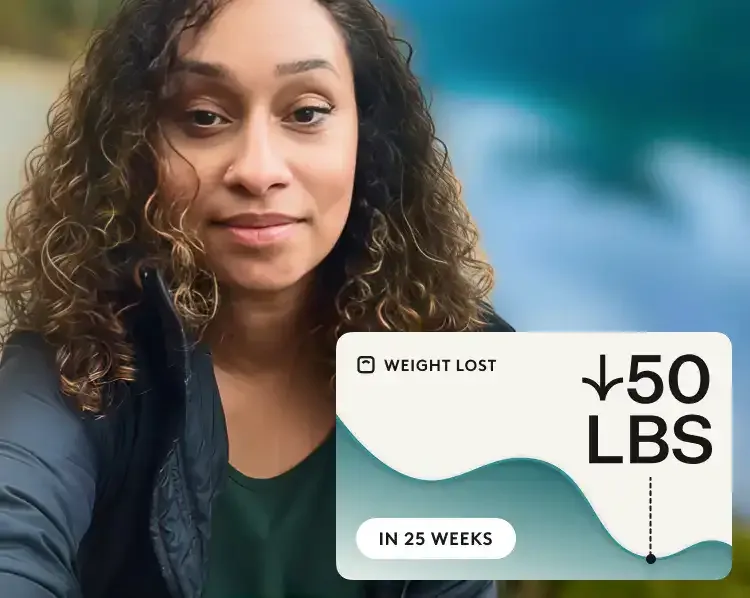
“My favorite parts of Noom are the care team and other Noomers. Sharing and getting help made me feel like I wasn’t doing it alone. That support made all the difference.”
Desirea N. — Real Noom user
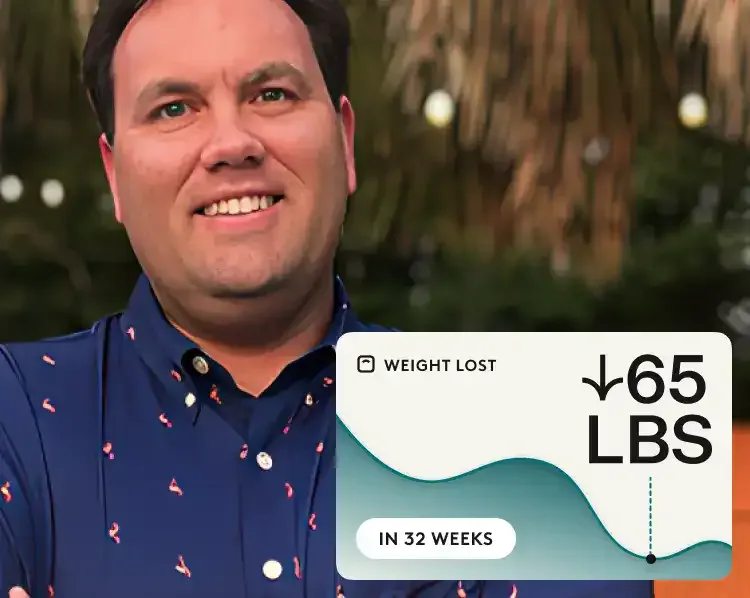
“Noom has taught me that every day is a new chance to make better, healthier choices. It’s taught me how to stop overeating.”
Matthew M. — Real Noom user
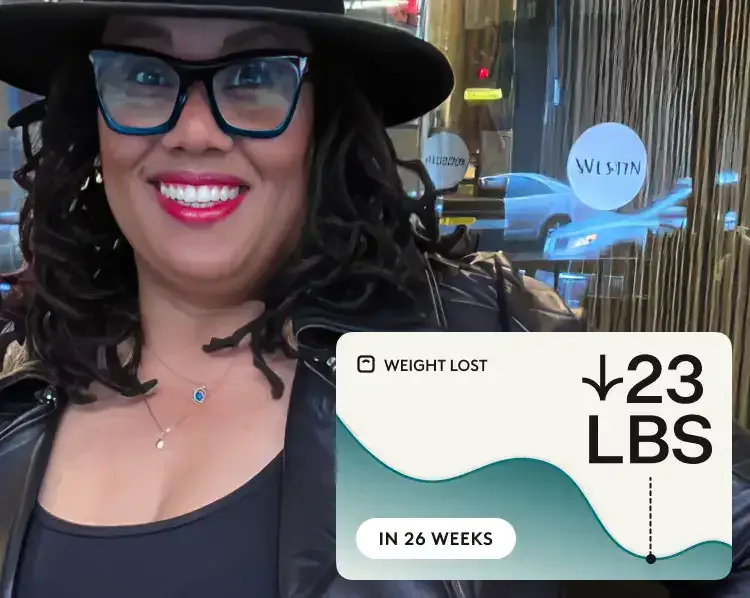
“Clinicians who understand how supportive medication can be is one of the best parts of Noom! I was convinced I wouldn’t have success but I’m down 11 pounds in two months.”
Lila M. — Real Noom user
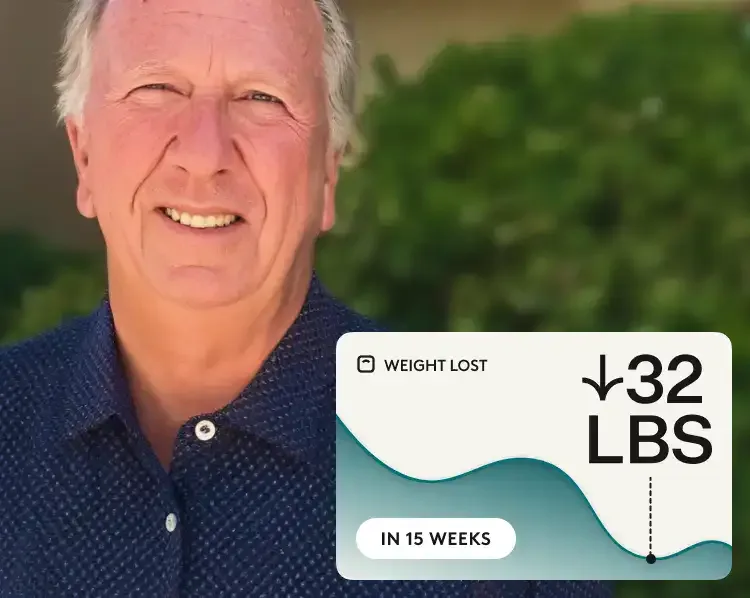
“Noom provided me with the medication which I could not get through Medicare. I have learned the tricks to better eating and life in general.”
Steve M. – Real Noom user
“Noom has changed my life and I’m so thankful, I feel great, have more energy and am no longer prediabetic.”
Daisy R. – Real Noom user
“All of the Noom providers that I’ve met with have been exceptional and prescribed medications that are appropriate for my situation and health.”
Sarah R. – Real Noom user
“Noom made the process so simple and now I feel full, free from diet obsession, and at ease in my body again.”
Madison S. – Real Noom user
“My doctor recommended Noom after I was frustrated trying to lose weight. The lessons helped change my relationship with food. My body feels lighter & energized.”
Sonday K. – Real Noom user
“I built healthy habits with coaching and lessons that make me confident I can maintain my weight loss long term.”
Cam K. – Real Noom user
“With the right medication through Noom, hunger and sugar cravings finally quieted and I have the tools to break the cycle.”
Laura TR. – Real Noom user
“Cravings and food noise are gone, I finally feel confident in the healthy habits I’ve built to last with Noom.”
Jessica S. – Real Noom user
The bottom line: Ferritin face is a trend worth paying attention to, but not a diagnosis
The trend around ferritin face has sparked an important conversation about iron deficiency, particularly among women whose symptoms may have gone unexplained. While low iron can affect your energy, hair, and sometimes your appearance, you can’t tell how much iron your body has stored just by looking in the mirror.
“Your body gives you information in lots of different ways, but no single symptom tells the whole story,” says Hudspeth. “If you’re noticing changes in your energy, health, or appearance, the most important thing is to understand what’s behind them rather than trying to diagnose yourself.”
If you’re concerned about low iron, talk to your healthcare provider about testing. And if you’re looking to build a more balanced diet, Noom can help you develop sustainable eating habits, find nutritious foods you enjoy, and make small changes that support your health and weight goals.
Editorial standards
At Noom, we’re committed to providing health information that’s grounded in reliable science and expert review. Our content is created with the support of qualified professionals and based on well-established research from trusted medical and scientific organizations. Learn more about the experts behind our content on our Health Expert Team page.