
What you’ll learn:
- Ozempic® self-pay prices for eligible diabetes prescriptions range from $149–$299 for pills and $349–$499 for injections in 2027.
- Ozempic® injection list prices drop to $675 in January 2027, but your actual cost may differ.
- Wegovy® may be more affordable for weight loss because Ozempic® discounts require an FDA-approved use.
Ozempic® helped change the way we think about weight loss. It was originally developed for type 2 diabetes, but as more people learned about its effects on appetite and weight, it became one of the most recognizable GLP-1 medications around. A lot has changed since then, especially how much it costs, the forms it comes in, and how you can get it.
Today, Ozempic® comes as both a weekly injection and a daily pill, so there are more options than ever. There are more ways to save, too. What you pay depends on your insurance, your dose and form, where you fill your prescription, and which savings programs you qualify for.
Without insurance, Ozempic® typically costs $349 to $499 per month for the weekly injection or $149 to $299 per month for the daily pill through Novo Nordisk’s self-pay offers. That’s a lot less than the $1,027.51 list price. And if you have commercial insurance, you may pay as little as $25 for either form.
Ozempic® isn’t FDA-approved for weight loss, even though it can help people lose weight. If weight management is your main goal, Wegovy® contains the same active ingredient (semaglutide) and is approved for weight management. It also comes as an injection and a pill, and the injection is available in higher doses than Ozempic® (up to 7.2 mg versus 2 mg weekly). Wegovy® has its own savings options, so it’s worth comparing Wegovy® costs.
Here’s how much Ozempic® costs with and without insurance, how pharmacies like Costco, CVS, and Walmart compare, how manufacturer discounts, patient assistance, Medicare, and TrumpRx work, and what’s changing in 2027. Want the bigger picture across semaglutide medications? See Noom’s semaglutide cost guide.

The Easy Way
to lose weight and get healthy.
Ozempic® price snapshot (estimated monthly costs)
| Payment route | Estimated monthly price |
|---|---|
| List price | $1,027.51 for both the injection pen and the pill; the injection drops to $675 on January 1, 2027 |
| With commercial insurance | As little as $25, subject to discount limits |
| Without insurance through NovoCare® Pharmacy (injection) | 349–499 |
| Without insurance through NovoCare® Pharmacy (pill) | 149–299 |
| Patient assistance (if approved) | $0 for the medication |
What’s changing January 1, 2027: Ozempic’s new $675 list price and Medicare price
Ozempic® is getting two price cuts on January 1, 2027, but you may not see either one at the pharmacy counter. So why are they happening? Novo is lowering its list price (the sticker price it sets before any insurance or discounts) to make Ozempic® more accessible, especially for people whose costs are tied to that price, like those with high-deductible plans or coinsurance. Separately, Medicare’s drug price negotiation program set a lower price for semaglutide, and it starts the same day. Neither one is a universal cash price. Here’s what each one means for you.
| Price change | What’s changing | What it means for you |
|---|---|---|
| Manufacturer list price | Novo Nordisk announced a $675 monthly list price for the Ozempic® injection, about 35% lower than $1,027.51 | May affect costs tied to list price; pharmacies set their own retail prices |
| Medicare negotiated price | $274 per 30-day equivalent supply for the selected semaglutide products, including Ozempic® | Applies through Medicare’s negotiation program; it isn’t a guaranteed $274 copay or an uninsured price |
People whose costs are tied to the medication’s price, like some with high deductibles or percentage-based coinsurance, may see more savings. People already using a lower self-pay offer likely won’t benefit from this change. The list-price cut doesn’t automatically change those offers, and they have separate terms.
A few things to keep in mind:
- Ask your insurer for a 2027 estimate and your pharmacy for the final price, rather than calculating your payment from $675.
- The announcement names Ozempic® injection strengths, but not the newer Ozempic® pill strengths. Don’t assume the pill’s list price will fall to $675 without an updated announcement.
How much does Ozempic® cost per month without insurance in 2027?
Without insurance, you can expect to pay about $349 to $499 per month for the Ozempic® injection or $149 to $299 per month for the pill. Those are Novo Nordisk’s self-pay prices, and they’re well below the list price. Each form has its own dose strengths and self-pay prices, so compare the one your clinician prescribes. Here’s the breakdown for each.
Ozempic® injection
- Standard self-pay price: $349 per pen package for the 0.25/0.5 mg or 1 mg pen, or $499 for the 2 mg pen.
- New-user offer: Eligible new users may pay $199 for each of two starter-pen fills through December 31, 2026. That offer isn’t confirmed for 2027.
- List price: $1,027.51 per pen package today, dropping to $675 on January 1, 2027. Your pharmacy’s regular cash price can differ from list price.
Ozempic® pill
- Self-pay prices: $149 at 1.5 mg, $199 at 4 mg, or $299 at 9 mg, per 30 tablets.
- Starting vs. ongoing price: The lowest price applies to the starting dose. Your ongoing price depends on the maintenance dose you’re prescribed.
- List price: $1,027.51 per 30-tablet bottle. The January announcement doesn’t specifically name Ozempic® pill strengths, so don’t assume their list price will fall to $675.
What else will you pay for?
The medication is only part of the budget. Ask your provider about:
- The initial evaluation and follow-up appointments
- Any lab work you need
- Prescription management or subscription fees
- Delivery charges or other pharmacy fees
Compare the total over several months. A low introductory medication price or first-visit fee may not reflect your ongoing cost.
The cheapest way to get Ozempic® without insurance in 2027
If you qualify for patient assistance, that may be your lowest-cost route. Otherwise, compare the manufacturer’s injection offer through NovoCare® delivery and participating retail pharmacies, and budget for your ongoing pen dose. Treat the $199 introductory price as a separate, temporary offer.
Here are some options:
- Check patient assistance first if you’re uninsured and have a limited income. Qualifying applicants may receive the Ozempic® injection at no cost.
- Compare manufacturer self-pay offers. Use the price for your prescribed dose and form, not the advertised starting price.
- Ask a participating retail pharmacy to process the offer. Delivery through NovoCare® isn’t your only option.
- Compare regular cash and prescription-discount prices if you’re ineligible for the offer. Request the same dose and quantity at every pharmacy.
Manufacturer self-pay terms require a prescription for an FDA-approved use. A prescription written solely for weight loss doesn’t qualify. If weight management is your main goal, compare Wegovy® costs without insurance. For a wider look at your options, see Noom’s guide to Ozempic® costs with and without insurance.
Ozempic® cost by dose
Your price depends on your dose, and your dose changes over time, so the price you start at may not be the price you stay at. The quick version: the injection costs $349 per pen package at the lower doses and $499 at 2 mg, and the pill costs $149, $199, or $299 per 30 tablets depending on strength. Here’s the dose-by-dose breakdown for each form, so you can budget for where you’re headed, not just where you start.
Access GLP-1 Weight Loss with Noom
Explore a wide range of prescription medications supported by Noom’s program.
Microdose GLP-1rx
Noom GLP-1rx
Noom GLP-1rx Plus
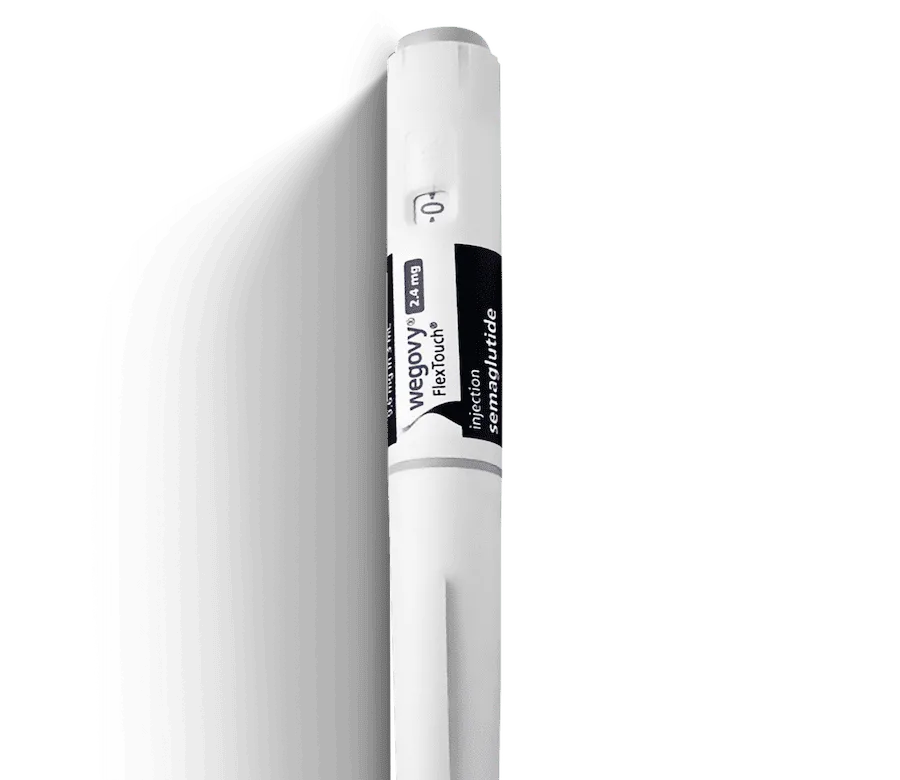
Wegovy®
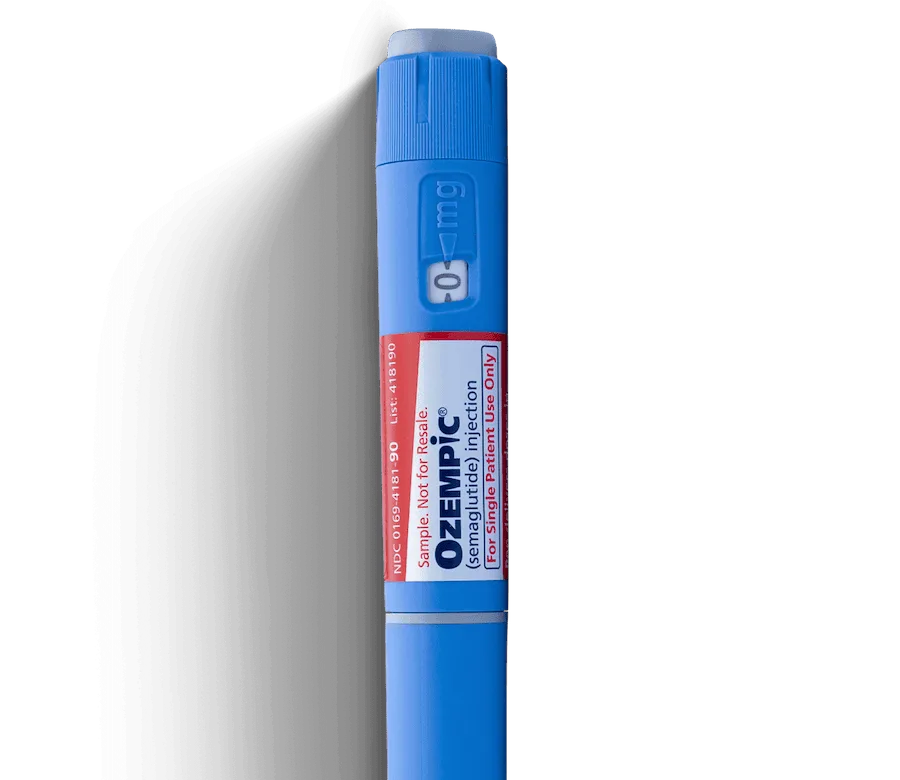
Ozempic®
Metformin
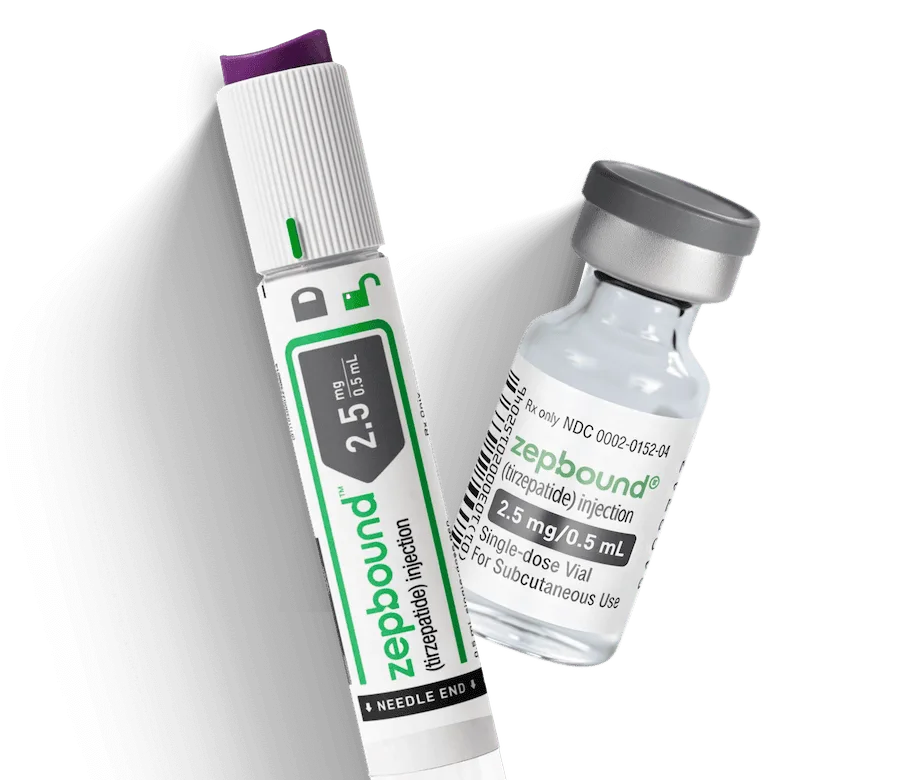
Zepbound®
Mounjaro®
Liraglutide
Ozempic® injection cost by dose: 0.25 mg to 2 mg
| Weekly dose | Earliest usual treatment stage for blood sugar control | Self-pay price (monthly) |
|---|---|---|
| 0.25 mg | Weeks 1–4: starting dose | $349 |
| 0.5 mg | Week 5 onward; may remain the maintenance dose | $349 |
| 1 mg | After at least 4 weeks at 0.5 mg, if more blood sugar control is needed | $349 |
| 2 mg | After at least 4 weeks at 1 mg, if more blood sugar control is needed | $499 |
Ozempic® pill cost by dose: 1.5 mg to 9 mg
The pill has three strengths. The starting dose is used for the first 30 days, and the maintenance dose depends on how much blood sugar control you need.
| Daily dose | Treatment stage | Current self-pay price (30 tablets) |
|---|---|---|
| 1.5 mg | Days 1–30: starting dose | $149 |
| 4 mg | Days 31–60; may continue as maintenance | $199 |
| 9 mg | Day 61 onward, if additional blood sugar control is needed | $299 |
Is the Ozempic® pill cheaper than the injection?
If you’re deciding between the daily pill and the weekly shot, price is one place the pill comes out ahead. Yes, at current self-pay prices, the Ozempic® pill is cheaper. Its maintenance doses cost $199 or $299 per 30 tablets, compared with $349 or $499 per injection-pen package. Your clinician should still assess whether the pill fits your treatment needs.
The routine is different, too:
- Injection: Once a week.
- Pill: Every morning on an empty stomach with up to 4 ounces of plain water. You then wait at least 30 minutes before food, drinks, or other oral medications.
Consider both the ongoing price and a schedule you can stick with. For more information about the pill vs. injection, read Noom’s guide to the Ozempic® pill.
Remember: If you’re looking for a pill specifically for weight loss and not diabetes, it may be worth exploring the Wegovy® pill.
Is Ozempic® on TrumpRx?
Yes. TrumpRx’s Ozempic® coupon lists the same manufacturer-supported injection prices:
- $199 for each of two qualifying starter fills through December 31, 2026
- Then $349 for lower-dose pens or $499 for the 2 mg pen
The $1,027.51 comparison price on TrumpRx is a reference list price. You pay outside insurance, and TrumpRx doesn’t remove prescription or approved-use requirements. Its coupon also can’t be stacked with another external discount. For eligibility and ordering steps, see the Ozempic® self-pay program below.
Ozempic® costs in 2027: Real-life scenarios
If you’re not sure which price applies to you, it mostly comes down to how you’re paying: self-pay, commercial insurance, Medicare, or patient assistance. Treat them as planning references, since terms can change throughout 2027.
Ozempic® injection
| Payment situation | Estimated monthly medication cost | Who this applies to |
|---|---|---|
| Standard self-pay offer | $349 per 0.25/0.5 mg or 1 mg pen package; $499 at 2 mg | Eligible people paying outside insurance |
| Commercial insurance plus Savings Offer | As little as $25; discount limits apply | People whose qualifying commercial plan covers the injection |
| Medicare Part D | Plan-specific payment; $274 negotiated price begins January 1, 2027 | People receiving covered treatment; $274 isn’t a guaranteed copay |
| Patient Assistance Program | $0 for medication if approved | Qualifying uninsured applicants |
| Regular cash purchase | $149-$499 per month | People not using a manufacturer offer |
Ozempic® pill
| Payment situation | Estimated monthly medication cost | Who this applies to |
|---|---|---|
| Self-pay offer: 1.5 mg | $149 | Eligible people prescribed the starting dose |
| Self-pay offer: 4 mg | $199 | Eligible people prescribed 4 mg daily |
| Self-pay offer: 9 mg | $299 | Eligible people prescribed 9 mg daily |
| Commercial insurance plus Savings Offer | As little as $25; discount limits apply | People whose qualifying commercial plan covers the pill |
| Medicare Part D | Plan-specific payment | People whose plan covers the prescribed pill |
| Regular cash purchase | $149-299 | People not using the self-pay offer |
Confirm assistance availability for the exact product. The injection’s patient assistance criteria don’t establish eligibility for the pill.
Ozempic® cost without insurance: Pharmacy comparison
If you’re using the manufacturer’s offer, where you fill your prescription matters less than you might think. Most major pharmacies show the same $349 offer price for a 1 mg injection pen, and the pill’s offer price is set by dose, from $149 to $299 per 30 tablets (just ask whether your pharmacy processes it). A pharmacy’s regular cash price can differ from the price after a manufacturer offer, so ask for both before you transfer your prescription.
| Pharmacy | Injection offer price (1 mg pen) | Pill offer price (per 30 tablets) | What to confirm |
|---|---|---|---|
| Costco | $349 | $149–299 | Offer eligibility, local stock, and regular cash or member price |
| Walmart | $349 | $149–299 | Coupon processing and final pickup price |
| CVS | $349 | $149–299 | Correct strength, quantity, and selected location |
| Walgreens | $349 | $149–299 | Offer eligibility and availability |
| Kroger | $349 | $149–299 | Participating location and final price |
| NovoCare® delivery | $349 under the standard offer | $149–299 | Prescription acceptance, delivery timing, and current terms |
The injection prices come from a GoodRx comparison for one 1 mg-dose pen. These are offer prices, not nationwide cash-price estimates. At 2 mg, the standard self-pay price is $499, and the $199 starter offer has separate requirements and a December 31, 2026 end date.
*The pill’s self-pay price is set by dose ($149 at 1.5 mg, $199 at 4 mg, $299 at 9 mg). Ask the pharmacy whether it processes the pill offer before you transfer.
NovoCare® Pharmacy Ozempic® self-pay program: Who qualifies and what it costs
NovoCare® Pharmacy is Novo’s own pharmacy, and it’s one of the easiest ways to get Ozempic® at the self-pay price. Once your prescriber sends your prescription over, NovoCare® fills it and ships the medication straight to your home, so there’s no trip to the pharmacy. The self-pay program is a cash-payment route for eligible people with a valid prescription, and it’s only for people prescribed Ozempic® for an FDA-approved use like type 2 diabetes.
Who qualifies?
The current terms require you to:
- Have a valid Ozempic® prescription for an FDA-approved indication. For Ozempic®, this needs to be for diabetes, not weight loss, to get approved.
- Be uninsured, or choose to pay outside commercial or government-funded insurance
- Use the program in the U.S. or its territories, where permitted
- Agree not to seek insurance reimbursement or count the purchase toward an insurance deductible or out-of-pocket limit
People with Medicare or Medicaid may use the separate self-pay route under its terms. Compare your covered cost first, because a cash purchase won’t count toward your Part D spending limit.
Noom’s Most Powerful Program
A dual-pathway GLP-1 and behavior change for lasting results.
Here’s what the prices are for both the injections and the pills if you use NovoCare® Pharmacy to fill your prescription.
Self-pay pricing for Ozempic® injections
| Pen | Self-pay price (monthly) |
|---|---|
| 0.25/0.5 mg pen | $349, $199 for each of up to two qualifying fills, through December 31, 2026 |
| 1 mg pen | $349 |
| 2 mg pen | $499 |
Self-pay pricing for the Ozempic® pill
| Tablet strength | Self-pay price (30 tablets) |
|---|---|
| 1.5 mg | $149 |
| 4 mg | $199 |
| 9 mg | $299 |
How do you use the Ozempic® self-pay program?
You can use home delivery or a participating retail pharmacy. Before choosing, check the current NovoCare® ordering instructions for your prescribed product.
- Confirm the prescription. Check whether it’s for the injection or the pill, plus the strength and quantity.
- Choose delivery or pickup. For delivery, have your prescriber use the current NovoCare® pharmacy details. For pickup, confirm the pharmacy processes the self-pay offer.
- Enroll in the offer. Complete the required eligibility steps. At a retail pharmacy, present the offer and ask the pharmacist to use its processing information, including BIN, PCN, and Group numbers where provided.
- Check the final charge. Make sure the price matches your product and dose, and ask about any delivery or other fees.
Self-pay purchases are processed outside insurance. You can’t combine this route with an insurance claim or another external coupon.
Can you get Ozempic® for free?
Possibly. The Novo Nordisk Patient Assistance Program provides medication at no cost to approved applicants. Current criteria for the Ozempic® injection include:
- Being uninsured
- Being a U.S. citizen or legal resident
- Having household income at or below 200% of the federal poverty level
- Meeting other requirements, including rules about eligibility for government assistance (some applicants must provide a Medicaid denial)
People with Medicare prescription drug coverage are no longer eligible to receive Ozempic® through this program. Ask your clinician’s office to help you apply, and confirm product availability and the rules for your enrollment year.
Tips to lower your monthly cost for Ozempic®
Prices aren’t set in stone, and a few simple moves can keep your monthly cost down. Once you know your payment route, run through these quick checks to avoid surprises:
- Compare the ongoing price. Use the dose you’re likely to stay on, not a temporary starter price.
- Request matching pharmacy quotes. Ask for the same form, dose, and quantity every time.
- Check the full care fee. Ask whether visits, labs, refills, and messaging cost extra.
- Ask about longer fills. Convenience and insurance copays may differ, but a three-month self-pay order doesn’t automatically get a bulk discount.
- Review coverage during open enrollment. Compare premiums, deductibles, prior authorization, and medication costs together.
- Check payment restrictions. Confirm how your savings offer treats reimbursement and deductible credit before you use it.
- Check preferred pharmacies if you have coverage. Your plan may offer a different price at a preferred retail or mail-order pharmacy. Compare that covered price with self-pay.
- Keep receipts and coverage decisions. Save pharmacy quotes, itemized care charges, and denial letters so you can compare costs and follow up on an appeal.
- Check account rules before using HSA or FSA funds. Ask your account administrator and the savings-program administrator whether your purchase can be paid from the account under the offer’s terms.
How to get a prescription for Ozempic®
Ozempic® is a prescription-only medication, and a licensed clinician has to decide whether it’s right for you. They’ll review your medical history, medications, and treatment needs first.
How do you get a prescription without insurance?
You can arrange an evaluation through a primary care provider, an endocrinologist, or a telehealth service that manages diabetes or metabolic health. Ask about the initial visit, ongoing monitoring, lab charges, and refill requirements.
If you’re looking for treatment mainly for weight loss, ask about medications approved for weight management. A clinician’s decision to prescribe Ozempic® off-label doesn’t guarantee insurance coverage or eligibility for manufacturer discounts.
Why do you need ongoing medical care?
Your clinician uses follow-ups to choose a dose and monitor side effects and interactions. Both forms contain semaglutide, so switching to the pill doesn’t remove the need for follow-up.
Ozempic® is contraindicated with a personal or family history of medullary thyroid carcinoma, MEN 2, or a prior serious allergic reaction to its ingredients. Talk with your clinician about pregnancy plans, other diabetes medications, and digestive conditions before you start.
Is telehealth cheaper than in-person care?
It depends, so compare the total over several months. Some virtual services charge a subscription, while others bill per appointment. In-person care may be the practical choice if you already see a clinician who can manage your treatment.
Noom offers clinician evaluation and prescription support alongside behavior-change tools for eligible people exploring weight-management treatment. Medication costs are separate from program fees, and enrollment doesn’t guarantee an Ozempic® prescription.
When does insurance cover Ozempic®?
Even though the medication is often associated with weight loss, insurance doesn’t cover Ozempic® for weight loss because it isn’t FDA-approved for that use. It’s approved for type 2 diabetes, and that’s what plans cover it for. Even then, coverage usually depends on your diagnosis, the prescribed product, and your plan’s rules, so approval isn’t automatic. Ask about prior authorization, required treatment history, your deductible, and your copay or coinsurance.
Does commercial insurance cover Ozempic®?
For type 2 diabetes, insurance might offer some coverage. But approval isn’t automatic, and every plan is different.
Before your first fill, ask your insurer:
- Is the prescribed form on your covered-drug list?
- Is prior authorization or another medication trial required?
- Which pharmacies are preferred?
Then ask your clinician’s office to submit the required records, and confirm the approved quantity and your expected payment before ordering. NovoCare®’s coverage resources can help, but confirm directly with your insurer.
Does Medicare cover Ozempic®?
Yes, but only for type 2 diabetes. Medicare Part D can cover Ozempic® for type 2 diabetes, subject to plan requirements, and what you pay depends on your plan and benefit stage. Medicare doesn’t cover Ozempic® for weight loss, since standard Part D excludes drugs prescribed only for weight loss. See Noom’s guide to Medicare and weight loss medications for more.
| Part D cost rule | 2026 | 2027 |
|---|---|---|
| Maximum deductible | $615 | $700 |
| Annual out-of-pocket limit for covered Part D drugs | $2,100 | $2,400 |
These limits apply across all covered Part D medications, not just Ozempic®, and don’t include premiums.
- The $274 semaglutide negotiated price begins January 1, 2027. It isn’t your guaranteed copay.
- Ozempic® isn’t part of the separate Medicare GLP-1 Bridge, which offers selected weight-management medications, like Wegovy®, to eligible people.
Does Medicaid cover Ozempic®?
It depends on your state and plan. Ask member services about your prescribed form and diagnosis. The commercial $25 offer excludes Medicaid beneficiaries.
Ozempic® Savings Offer: How to get it for $25
The $25 offer is a manufacturer savings card from Novo Nordisk, the company that makes Ozempic®. It’s for people with commercial insurance (like an employer or marketplace plan) that already covers Ozempic®. The card picks up part of what’s left after insurance, which can bring your copay down to as little as $25. You can enroll through the official Ozempic® savings page. It’s not a cash price, and it’s separate from self-pay pricing.
Who qualifies?
You need commercial prescription insurance that covers Ozempic®. People without insurance and people in government prescription programs like Medicare and Medicaid aren’t eligible.
Does it apply to the injection, the pill, or both?
Both have a commercial Savings Offer, but your plan has to cover the form you’re prescribed. Injection coverage doesn’t automatically mean pill coverage. For the offer, one month means 28 days for the injection or 30 days for the pill.
How much can you save?
The offer can lower your payment to as little as $25, with maximum savings of:
- $100 for one month
- $200 for two months
- $300 for three months
A three-month fill requires a matching prescription and insurance coverage. If the maximum discount doesn’t cover the difference, you’ll pay more than $25. For example, if your eligible one-month payment after insurance is $200, a $100 discount would leave $100 to pay. So $25 isn’t a guaranteed final charge.
How do you use the savings coupon?
Enroll through the official savings page, then give your pharmacy both your insurance information and the savings card. Ask the pharmacy to apply insurance first and confirm the remaining balance after the offer.
What if insurance denies coverage?
Start by asking why the claim was denied. Your clinician may be able to supply missing documentation or appeal an incorrect decision. If coverage still isn’t available, compare the separate self-pay offer or patient assistance. An off-label weight-loss prescription doesn’t meet the self-pay program’s approved-use requirement.
Weight loss medications: Alternatives to Ozempic®
If you prefer a medication that’s actually approved for weight loss or want to look into different types, you have a few options. Even though these are all GLP-1 medications, they differ in price, form, and results.
| Medication | Weight loss potential | Current self-pay medication cost (monthly) |
|---|---|---|
| Zepbound® (tirzepatide) | About 21% average weight loss at the highest dose | $299 at 2.5 mg$399 at 5 mg$449: 7.5–15 mg with qualifying refills within 45 days; otherwise $499 for 7.5 mg or $699 for 10–15 mg. Single-dose vials and multi-dose KwikPen through LillyDirect and participating pharmacies. |
| Wegovy® injection (semaglutide) | About 15% average weight loss at 2.4 mg (STEP 1), and 18.7% at the 7.2 HD dose | $199 for first starter fills of 0.25 and 0.5 mg through December 31, 2026; $349 after $349 per 28-day supply at 0.25–2.4 mg$399 for 7.2 mg HDThrough NovoCare Pharmacy and participating pharmacies. |
| Wegovy® pill (semaglutide) | About 13.6% average weight loss at 25 mg | $149 at 1.5 mg$199 at 4 mg$299 at 9 or 25 mgThrough NovoCare Pharmacy and participating pharmacies. |
| Foundayo® (orforglipron) | About 11% average weight loss at the highest dose over 72 weeks | $149: 0.8 and 2.5 mg* $199: 5.5 mg*$299–349: 9, 14.5, and 17.2 mg* Through LillyDirect and participating pharmacies. *The 2.5 and 5.5 mg prices are promotional through December 2026. For 14.5 and 17.2 mg, the price increases to $349 without a refill within 45 days. |
Weight loss figures are average results from separate clinical trials, so they can’t be compared head to head, and your results may vary. Sources: STEP 1 (68 weeks, Wegovy® 2.4 mg), SURMOUNT-1 (72 weeks, Zepbound® 15 mg), OASIS 4 (64 weeks, Wegovy® pill 25 mg), and ATTAIN-1 (72 weeks, Foundayo® highest dose).
Ozempic® vs. Wegovy®: Which costs less without insurance for weight loss?
If you’re considering Ozempic® for weight loss, Wegovy® may be a more affordable option. Both contain semaglutide, but Wegovy® is FDA-approved for weight management, while Ozempic® is approved for type 2 diabetes and certain related health risks.
The biggest difference is access to discounted pricing. Novo Nordisk’s Ozempic® self-pay offers require a prescription for a qualifying FDA-approved use. If you’re seeking Ozempic® solely for weight loss without type 2 diabetes, you won’t qualify for those prices, even if your provider prescribes it off-label. That means you may have to pay closer to the full retail price.
Wegovy®, on the other hand, offers discounted self-pay pricing specifically for eligible people seeking weight-management treatment.
Here’s how the costs compare:
| Medication | Monthly manufacturer self-pay price | Monthly list price without the offer |
|---|---|---|
| Wegovy® pill | $149–299 | About $1,349 |
| Wegovy® injection | $199–399 | About $1,349 |
| Ozempic® pill | $149–299, for eligible diabetes prescriptions | About $1,028 |
| Ozempic® injection | $199–499, for eligible diabetes prescriptions | About $1,028 |
Prices are current as of November 11, 2026. Manufacturer self-pay prices vary by dose and eligibility. The $199 injection prices are introductory offers for qualifying starter fills through December 31, 2026. List prices are before discounts and may differ from pharmacy retail prices.
How to qualify for the Ozempic® self-pay offer
Novo Nordisk offers discounted self-pay pricing for eligible patients taking Ozempic®, but the offer isn’t available for every prescription.
Here’s what you’ll need:
- A prescription for an FDA-approved use. This generally means you have type 2 diabetes. Weight loss alone isn’t a qualifying indication, even when Ozempic® is prescribed off-label.
- A prescription from a licensed healthcare provider. Your provider must determine that Ozempic® is appropriate for you and prescribe the correct formulation and dose.
- A plan to pay outside your insurance. You may qualify if you’re uninsured, your insurance doesn’t cover Ozempic®, or you choose to pay without using your coverage.
- An eligible pharmacy. Your provider can send your prescription to NovoCare Pharmacy for home delivery, or you can check whether a participating pharmacy offers the applicable self-pay pricing.
- Confirmation that you meet the program’s terms. Check the latest eligibility requirements and dose-specific prices before filling your prescription.
What if you want Ozempic® only for weight loss? Without a qualifying FDA-approved indication, you won’t be eligible for Novo Nordisk’s discounted Ozempic® self-pay prices. Wegovy® may be a better option to discuss with your provider because it’s approved for weight management and has a separate manufacturer self-pay program.
Ozempic® vs. Wegovy®: Why the dose matters for weight loss
Cost isn’t the only reason to consider Wegovy® instead of Ozempic®. Although both medications contain semaglutide, the doses studied and approved for weight management are generally higher than those used to treat type 2 diabetes. That’s particularly important when comparing the pills.
- Ozempic® pill: Available in 1.5, 4, and 9 mg daily doses. These doses are intended for type 2 diabetes treatment. Weight loss can occur, but the pill isn’t approved for weight management.
- Wegovy® pill: Starts at 1.5 mg and gradually increases to a maintenance dose of 25 mg daily. In the OASIS 4 trial, people who reached the 25 mg dose lost an average of 13.6% of their starting weight over 64 weeks, compared with 2.2% with placebo.
- Ozempic® injection: Available in doses up to 2 mg weekly. It can lead to weight loss, but its approved doses are intended for diabetes treatment.
- Wegovy® injection: Available in higher doses, including 2.4 and 7.2 mg weekly. In clinical trials, people lost an average of approximately 15% at 2.4 mg and 19% at 7.2 mg, alongside lifestyle changes.
These results come from separate clinical trials involving different populations and study durations, so they aren’t direct comparisons. Higher doses can also increase the likelihood of side effects, which is why treatment starts at a lower dose and increases gradually.
The takeaway: If weight loss is your primary goal, Wegovy® may offer two advantages: access to discounted manufacturer pricing for an approved weight-management treatment and the higher semaglutide doses associated with greater weight loss in clinical trials. Paying full price for off-label Ozempic® could cost substantially more without providing access to those higher approved doses.
For more information about current savings programs and prices, see Noom’s Wegovy® cost guide.
Frequently asked questions about Ozempic® costs in 2027
What is the cheapest way to get Ozempic® without insurance?
Start with patient assistance if you’re uninsured and meet the income requirements. Otherwise, compare manufacturer self-pay pricing with local pharmacy quotes. For more ways to save, see Noom’s Ozempic® cost guide.
Does the $25 Ozempic® coupon work if I have no insurance?
No. That offer requires qualifying commercial insurance that covers Ozempic®. Without insurance, compare the separate self-pay program or patient assistance.
How much is Ozempic® out of pocket without insurance?
Current standard self-pay prices are 349–499 for injection pens and 149–299 for pills, depending on dose. A regular pharmacy cash price may be higher.
Does Noom provide Ozempic®?
Noom offers clinical evaluation and prescription support when appropriate. Branded medication costs are separate, and a prescription or manufacturer discount isn’t guaranteed.
Does the monthly cost of Ozempic® include doctor visits?
No. Medication prices generally exclude clinician appointments, lab work, and program fees. Ask your provider what ongoing care includes before you enroll.
Can I get Ozempic® for free?
Possibly, through Novo Nordisk’s assistance program. Current injection criteria include being uninsured and having household income at or below 200% of the federal poverty level, plus other requirements.
Is Ozempic® on TrumpRx?
Yes. TrumpRx lists Ozempic® at $199 for your first two fills (for eligible new users), then $349 or $499 depending on dose, shown against the $1,027.51 original price. Those are the same prices as the manufacturer’s self-pay offer, and you pay out of pocket rather than through insurance. TrumpRx launched on February 5, 2026. The $199 starter price runs through December 31, 2026. For details, see Is Ozempic® on TrumpRx? above.
How much is the Ozempic® pill without insurance?
With the self-pay offer, the pill costs $149 at 1.5 mg, $199 at 4 mg, and $299 at 9 mg per 30 tablets. The list price is $1,027.51. The Ozempic® pill replaces Rybelsus®, so if you were taking Rybelsus®, this is the new version. For the full breakdown, read Noom’s Ozempic® pill cost guide.
Does Medicare cover Ozempic®?
Yes, for type 2 diabetes under Part D. Covered Part D drug costs are capped at $2,100 in 2026 and $2,400 in 2027, and maximum deductibles are $615 and $700. The $274 negotiated price starts January 1, 2027, but it isn’t a guaranteed copay. Ozempic® isn’t on the Medicare GLP-1 Bridge. For details, see Does Medicare cover Ozempic®? above.
How much is Ozempic® at Costco without insurance?
At Costco’s regular cash price, expect roughly $850 to $1,015. With Novo Nordisk’s self-pay offer, it’s $349 for a lower-dose pen or $499 for a 2 mg pen, and Costco’s pharmacy can process that offer as a participating retail pharmacy. Prices vary by location, so ask your local Costco pharmacy for a quote. See the pharmacy comparison above.
Is there a generic Ozempic®?
No. There’s no FDA-approved generic semaglutide available right now. Patent tracking places the earliest U.S. generic entry in late 2031, but that’s not a guaranteed launch date, since other patents and legal outcomes can affect timing. For more, see Noom’s generic Ozempic® timeline.
Compounded semaglutide isn’t a generic and isn’t FDA-approved. FDA’s enforcement discretion for compounded copies ended in April–May 2025, subject to the applicable court-related timing. That doesn’t prohibit all medically necessary compounding.
Is Ozempic® approved for weight loss?
No. Ozempic® isn’t a weight-loss drug. It’s approved for type 2 diabetes and certain related benefits, depending on the form, even though it can lead to weight loss. Wegovy® is the semaglutide brand approved for weight management. Compare Wegovy® costs without insurance.
Is Ozempic® getting cheaper in 2027?
Novo Nordisk will lower Ozempic®’s list price to $675 on January 1, 2027, approximately 35% below today’s $1,027.51. Medicare’s negotiated price for semaglutide, $274 per 30-day supply, takes effect the same day. The company says “this change does not impact other access efforts, including direct-to-patient, self-pay prices,” so the 349/499 self-pay tiers and the $25 Savings Offer aren’t changing. Whether pharmacy sticker prices follow the wholesale cut is up to each pharmacy, so check in January. The announcement also doesn’t name the Ozempic® pill strengths.
Reviews from real Noom users
“My favorite parts of Noom are the care team and other Noomers. Sharing and getting help made me feel like I wasn’t doing it alone. That support made all the difference.”
Desirea N. — Real Noom user
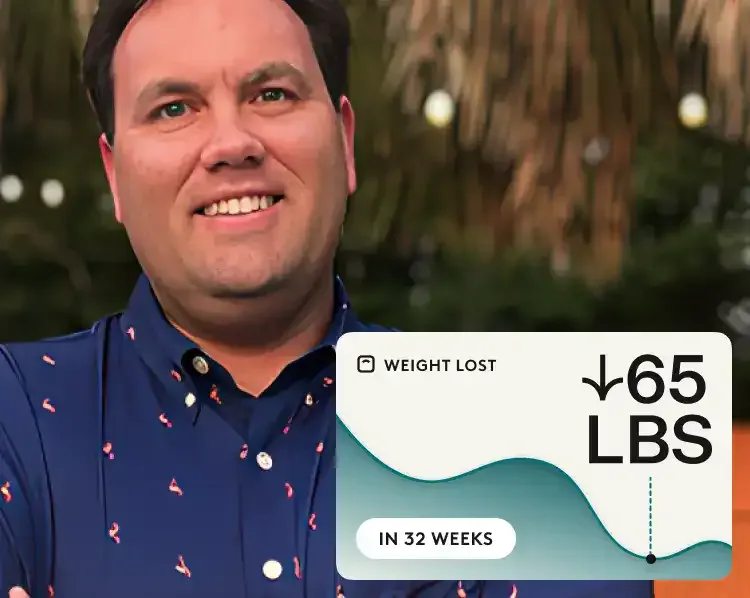
“Noom has taught me that every day is a new chance to make better, healthier choices. It’s taught me how to stop overeating.”
Matthew M. — Real Noom user
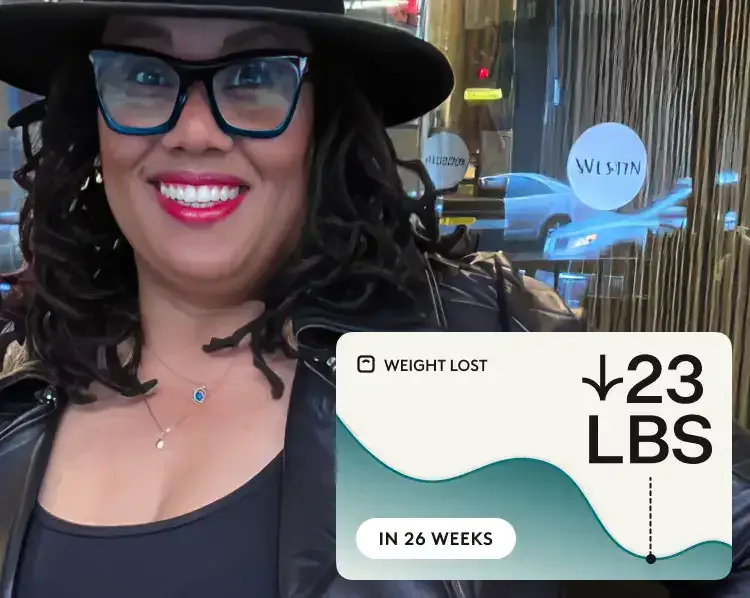
“Clinicians who understand how supportive medication can be is one of the best parts of Noom! I was convinced I wouldn’t have success but I’m down 11 pounds in two months.”
Lila M. — Real Noom user
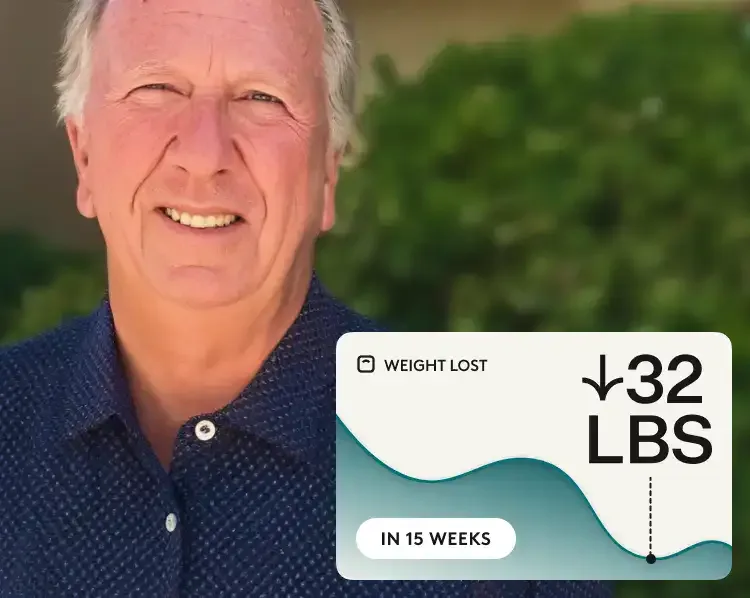
“Noom provided me with the medication which I could not get through Medicare. I have learned the tricks to better eating and life in general.”
Steve M. – Real Noom user
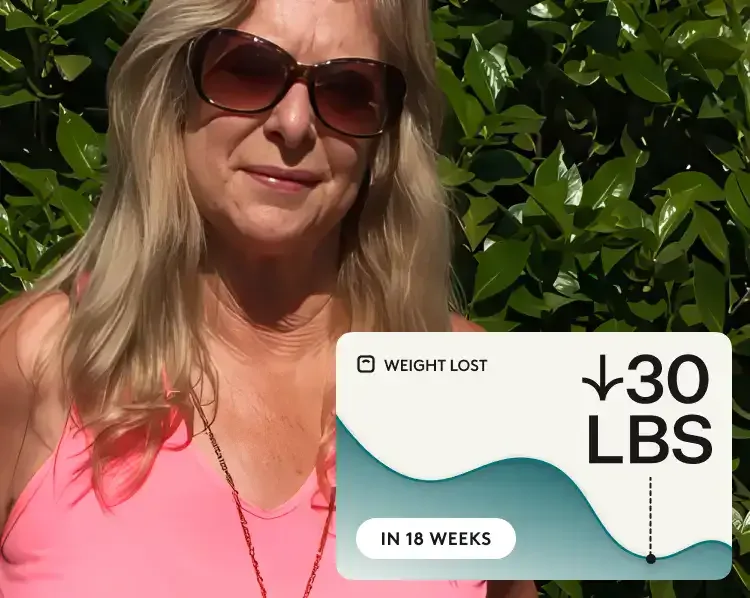
“Noom has changed my life and I’m so thankful, I feel great, have more energy and am no longer prediabetic.”
Daisy R. – Real Noom user
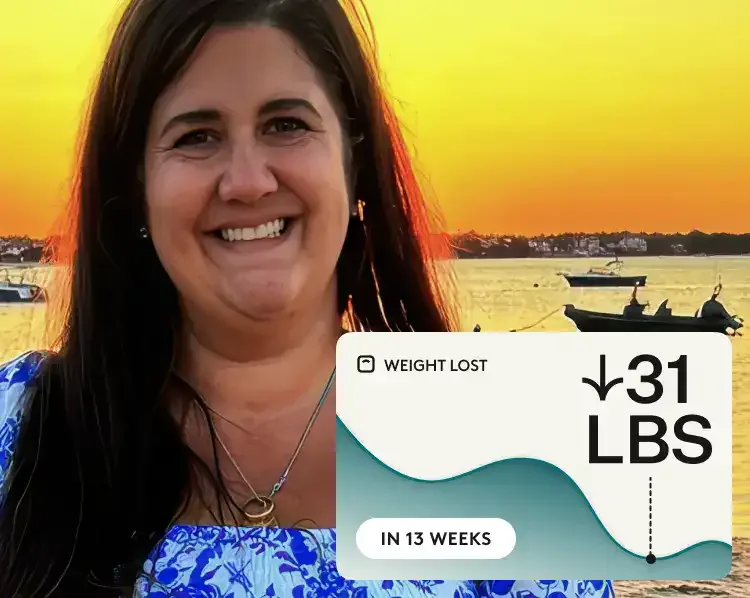
“All of the Noom providers that I’ve met with have been exceptional and prescribed medications that are appropriate for my situation and health.”
Sarah R. – Real Noom user
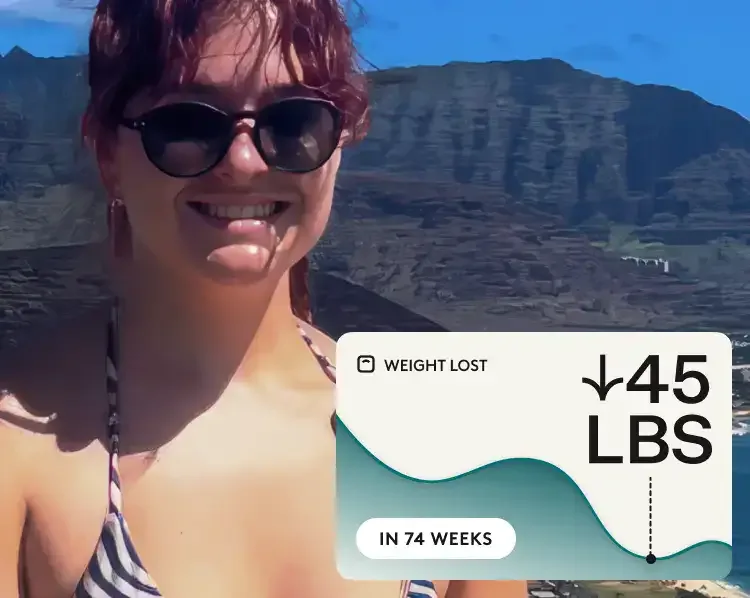
“Noom made the process so simple and now I feel full, free from diet obsession, and at ease in my body again.”
Madison S. – Real Noom user
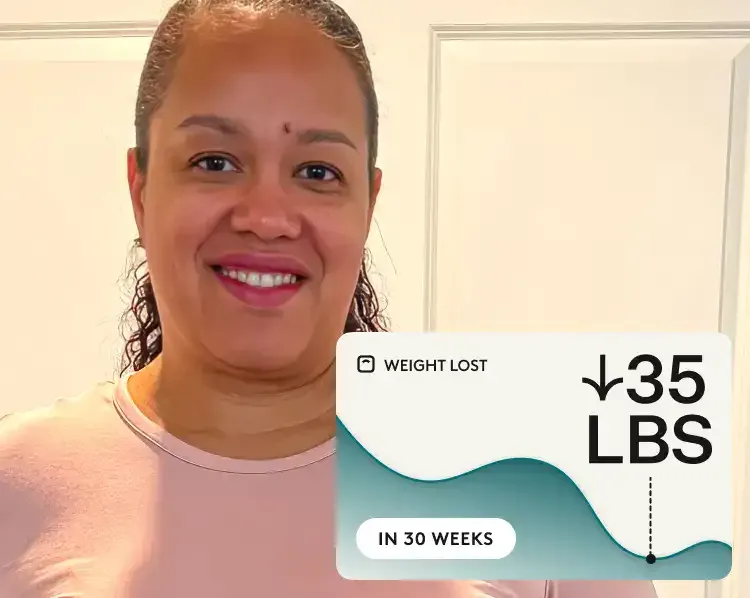
“My doctor recommended Noom after I was frustrated trying to lose weight. The lessons helped change my relationship with food. My body feels lighter & energized.”
Sonday K. – Real Noom user
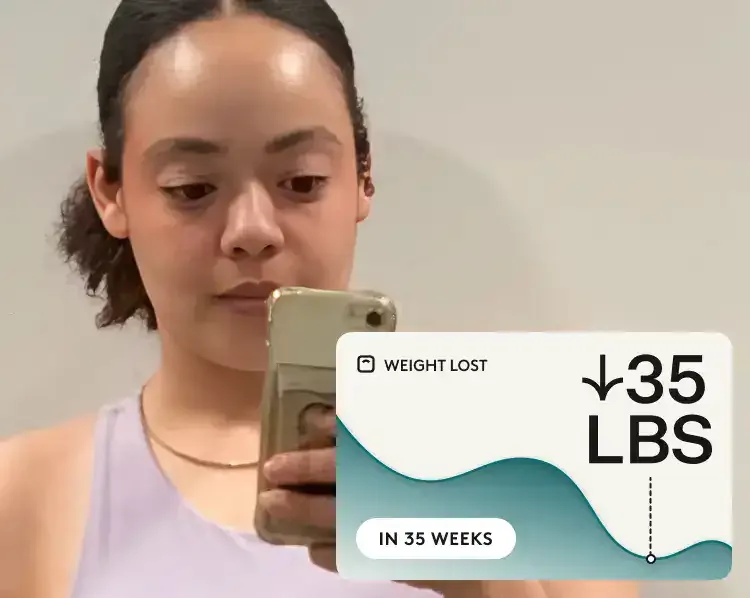
“I built healthy habits with coaching and lessons that make me confident I can maintain my weight loss long term.”
Cam K. – Real Noom user
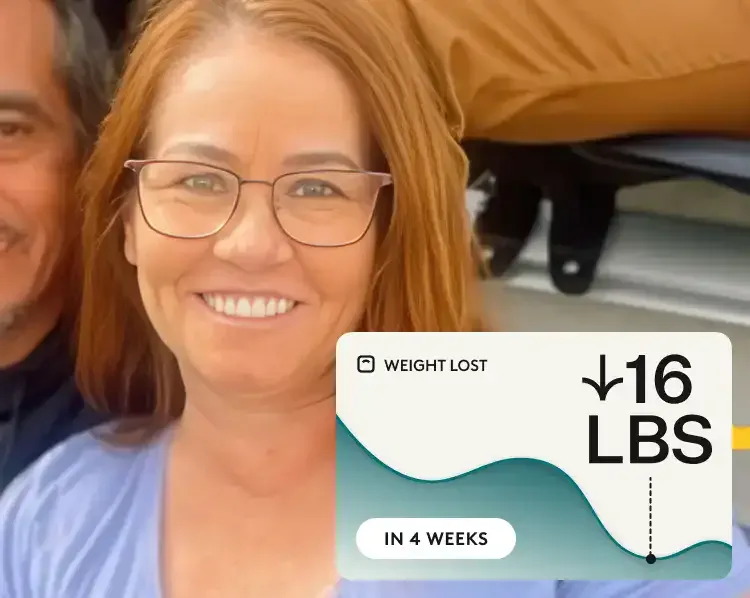
“With the right medication through Noom, hunger and sugar cravings finally quieted and I have the tools to break the cycle.”
Laura TR. – Real Noom user
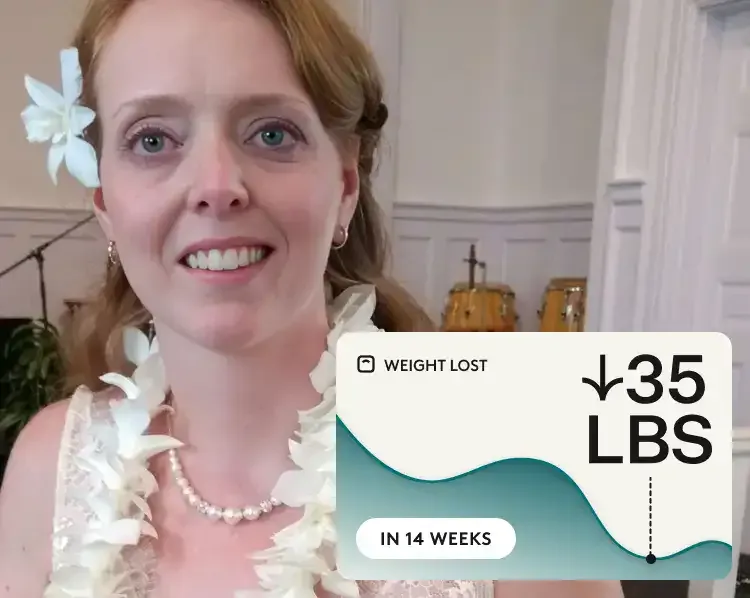
“Cravings and food noise are gone, I finally feel confident in the healthy habits I’ve built to last with Noom.”
Jessica S. – Real Noom user
The bottom line: Your Ozempic® cost depends on how you pay and your diagnosis
Ozempic can be expensive, but the price you see online might not be what you pay at the pharmacy. Without insurance, expect about $349–499 per month for the injection or $149–299 for the pill if you’re prescribed Ozempic® for type 2 diabetes. Before you fill it, check your prescribed dose and form, then compare the payment options you qualify for. Patient assistance, self-pay pricing, and commercial savings each have different requirements, and the January 2027 list-price cut and Medicare negotiated price don’t replace those rules.
If you’re looking for weight loss medication, see if you qualify for Noom. You’ll be connected with a clinician who can prescribe the right medication for you if needed. Your treatment will be managed by a Care Team that can help you work through any side effects. You’ll also receive psychology-based lifestyle coaching, exclusive muscle-building exercises, meal planning and tracking, and more to help you build habits that last.
Noom can also help eligible Medicare members access weight loss medications through the Medicare GLP-1 Bridge Program. If you qualify, it provides access to Wegovy® (pill and injection), Zepbound® KwikPen, and Foundayo® for $50/month.
Editorial standards
At Noom, we’re committed to providing health information that’s grounded in reliable science and expert review. Our content is created with the support of qualified professionals and based on well-established research from trusted medical and scientific organizations. Learn more about the experts behind our content on our Health Expert Team page.