
What you’ll learn:
- As of July 1, 2026, eligible people with Medicare Part D can access GLP-1 medications for weight loss through the Medicare GLP-1 Bridge program for $50 per month.
- The available medications are Wegovy® injections and pills, Zepbound® KwikPen injections, and Foundayo® pills.
- For eligible Medicare members, Noom can help you access GLP-1 medications for a $50/month copay.
Medicare is now doing something it’s never done before: helping pay for medications used specifically for weight loss. That’s a big deal for the tens of millions of older adults and people with disabilities the program insures, especially given the price of these drugs. Without coverage, GLP-1s for weight loss have routinely run $1,000 or more a month out of pocket, with cash pay prices ranging from $149 to $499 per month, depending on type and dose, putting them out of reach for a lot of people who could benefit from them.
The gap goes back to how Part D (the part of Medicare that covers medication) was written when drug coverage began in 2006. Weight-loss medicines were treated as lifestyle products rather than medical treatments.
Medicare excluded them for nearly two decades — even as the same drugs got covered for other uses, like diabetes or heart disease. That framing has been shifting: obesity is increasingly recognized as a chronic disease, one that responds to medication the way other chronic conditions do.
Medicare GLP-1 Bridge is a program that reflects that shift. It began July 1, 2026, and allows eligible Part D beneficiaries to get access to weight-loss GLP-1s for a flat $50 a month. It’s a pilot, not a permanent fix: the Bridge is scheduled to run through December 31, 2027, and what happens after that is still an open question.
Here’s how the Bridge actually works: who qualifies, which medications are included, how to get a prescription through Noom, and how each of the four covered medications fits in.

The Easy Way
to lose weight and get healthy.
See if you qualify
What is the Medicare GLP-1 Bridge Program?
The Medicare GLP-1 Bridge Program is a temporary program that helps eligible people with Medicare Part D access certain GLP-1 weight-loss medications for $50 per month. Covered medications include Wegovy® injections and pills, Zepbound® KwikPen injections, and Foundayo® pills.
Here are a few important things to know:
- The program is available nationwide. Eligible participants can use it in all 50 states and U.S. territories.
- The copay is $50 per month at every dose. You’ll pay the same amount whether you’re starting treatment or taking a higher maintenance dose.
- Your healthcare provider enrolls you. If you’re eligible, your clinician submits the required prior authorization and documentation to the Bridge Program’s processor. You don’t apply on your own.
- It’s only for weight-loss coverage. If Medicare Part D already covers your GLP-1 for another FDA-approved use—such as diabetes, cardiovascular disease, MASH, or obstructive sleep apnea—you’ll continue receiving that medication through your Part D plan rather than the Bridge Program.
- The program is temporary. Under current rules, the Medicare GLP-1 Bridge Program is scheduled to run through December 31, 2027, unless it’s extended or replaced.
How does the Bridge Program work with Medicare Part D?
- Bridge operates separately from your Medicare Part D plan. Claims are processed through the Bridge Program rather than your Part D drug plan.
- Bridge payments don’t count toward your Part D costs. The $50 monthly copay doesn’t apply to your Part D deductible or your annual out-of-pocket spending limit.
- Extra Help doesn’t lower the copay. If you receive Medicare’s Extra Help subsidy, your Bridge Program copay remains $50 per month.
Who’s eligible to get weight loss medications through the Medicare GLP-1 Bridge?
First, you need to be enrolled in Medicare Part D—either a standalone prescription drug plan or a Medicare Advantage plan that includes drug coverage.
Original Medicare (Parts A and B) doesn’t cover most outpatient prescription drugs. Those are covered through Medicare Part D or a Medicare Advantage plan that includes drug coverage, so you’ll need to be enrolled in an eligible Part D plan before you can qualify for the Bridge Program. If you aren’t already enrolled, you’ll need to sign up for Part D during a Medicare enrollment period before you can access Bridge benefits.
You’ll also need to meet one of three eligibility categories based on your BMI and medical history.
| Eligibility category | BMI requirement | Additional conditions |
|---|---|---|
| Category 1 | BMI ≥35 | No additional conditions required |
| Category 2 | BMI ≥30 | Heart failure, uncontrolled hypertension, or chronic kidney disease |
| Category 3 | BMI ≥27 | Prediabetes (per ADA guidelines), previous heart attack, previous stroke, or symptomatic peripheral artery disease |
The BMI requirement is based on when you started GLP-1 treatment, not necessarily when you apply for the Bridge Program. For example, if your BMI was 37 when you started treatment but has since fallen to 34, your healthcare provider can document that you met the BMI ≥35 requirement at the start of therapy. That means many people who have already lost weight on a GLP-1 may still qualify.
Note: If you’re already receiving a GLP-1 through Medicare Part D for an FDA-approved covered use—such as diabetes, cardiovascular disease, MASH, or obstructive sleep apnea—you’ll continue getting that medication through your Part D plan. The Bridge Program can’t be used to replace coverage for the same prescription.
How Noom can help you use the Medicare GLP-1 Bridge program
cause Medicare GLP-1 Bridge runs through its own prior-authorization process rather than a standard prescription, getting access can mean extra paperwork. Your provider must determine eligibility, submit the request, and track it down at a participating pharmacy. Noom’s Medicare Bridge program is built to handle that on your behalf if you qualify:
- Noom handles the prescribing and paperwork. A Noom clinician evaluates your eligibility and, if appropriate, prescribes a covered medication and submits the prior authorization and insurance paperwork required by the Bridge.
- Free shipping from Noom’s partner pharmacy, with medication sent directly to your door.
- You’ll pay $50 per fill if you’re eligible, billed through your Medicare Bridge benefit, applying every time your prescription is filled, at any dose.
Beyond the medication itself, Noom offers:
- $39 to get started: Covers your first evaluation with a Noom clinician, done entirely online.
- $99 a month: For your Noom Med plan, which covers your care team, ongoing clinical support, and all the benefits of Noom, including habit-building tools, a vibrant community, recipes, on-demand exercises, and more. (Billed as $297 every 12 weeks)
See if you’re eligible for Noom Medicare Bridge.
Access GLP-1 Weight Loss with Noom
Explore a wide range of prescription medications supported by Noom’s program.Microdose GLP-1rx
Noom GLP-1rx
Noom GLP-1rx Plus
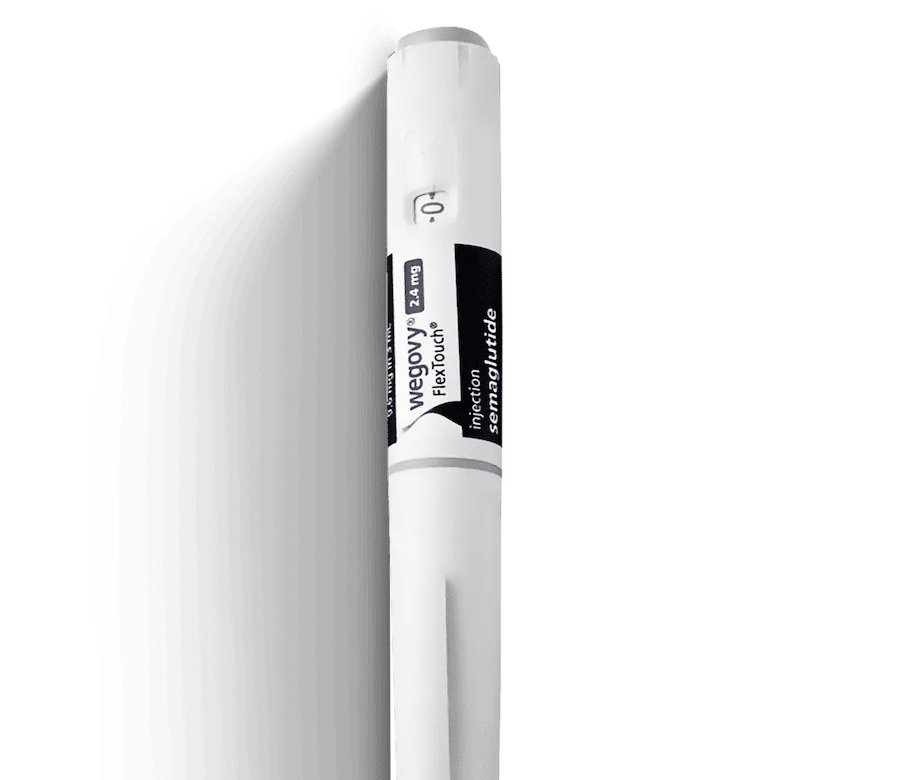
Wegovy®
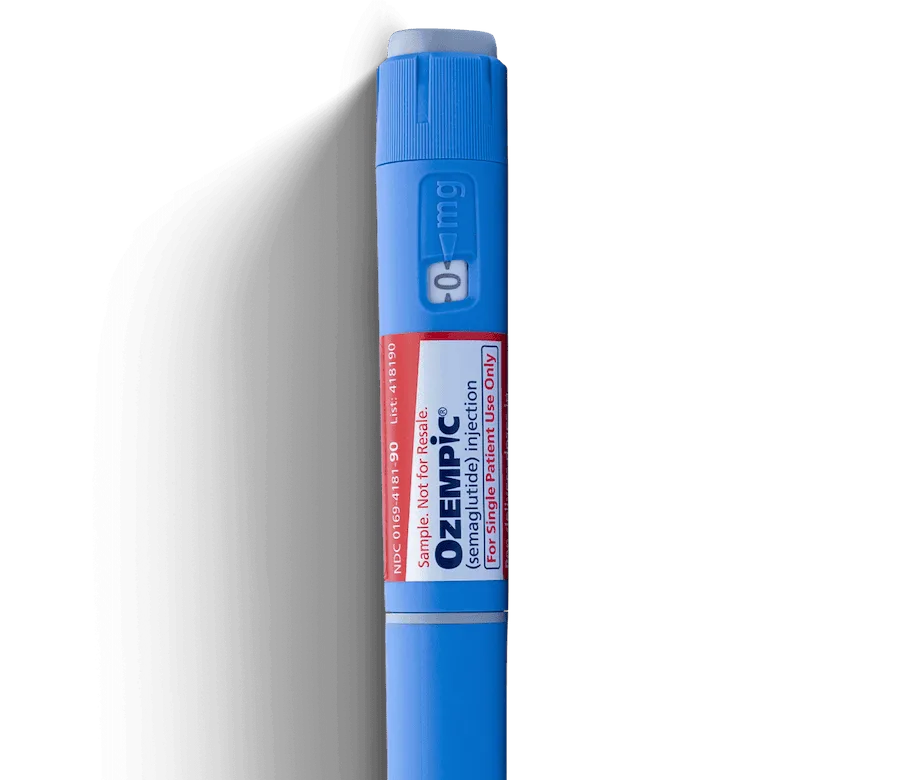
Ozempic®
Metformin
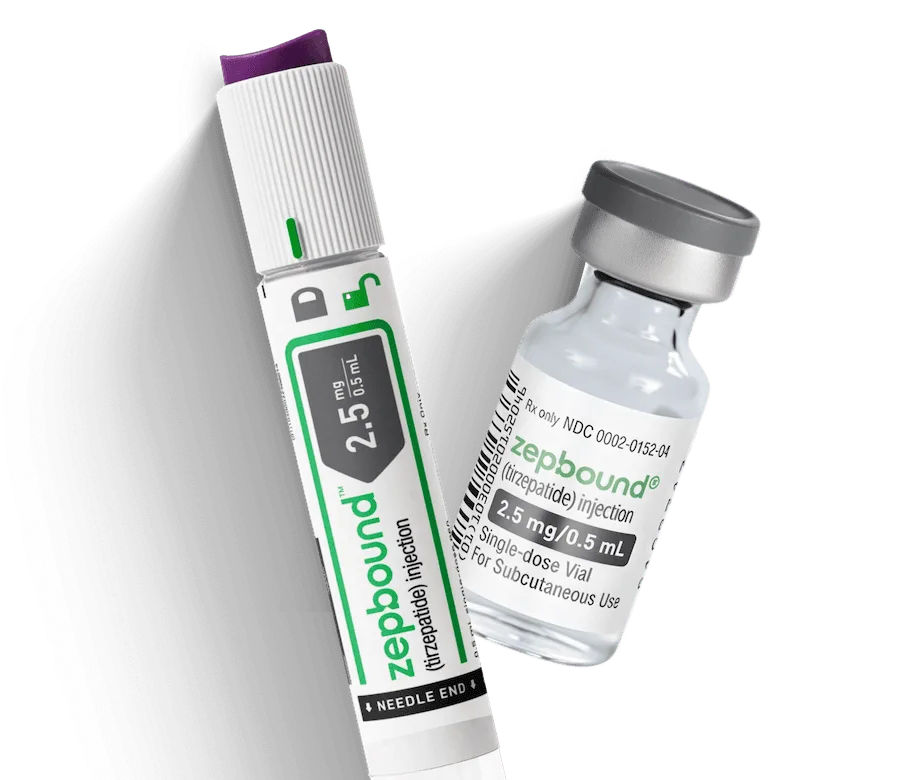
Zepbound®
Mounjaro®
Liraglutide
How do I sign up for the Medicare Bridge?
You don’t sign up for the Medicare GLP-1 Bridge Program directly. Your healthcare provider starts the process by prescribing an eligible medication and submitting a prior authorization request on your behalf.
Here’s how it works:
- Talk with your healthcare provider. Ask whether you meet the Bridge Program’s Medicare Part D, BMI, and health-history requirements.
- Choose a covered medication. If the program is appropriate for you, your provider will prescribe Wegovy® injections or tablets, Zepbound® KwikPen, or Foundayo®.
- Your provider submits the prior authorization. Your clinician sends your prescription and supporting documentation to the Bridge Program’s central processor, either electronically or by fax. You don’t need to submit a separate patient application.
- Wait for an approval decision. Medicare will send you a letter letting you know whether your medication has been approved. You can also call 1-800-MEDICARE to check the status of the prior authorization.
- Fill the prescription at a participating pharmacy. Once approved, the pharmacy processes the prescription through the Bridge Program rather than your regular Part D plan. The pharmacy may ask for your Medicare number or the last four digits of your Social Security number to locate your approval.
- Pay the $50 monthly copay. The copay is the same at every dose. Once approved, you generally won’t need another prior authorization for refills or dose changes through December 31, 2027. A new authorization is required if you switch to a different covered GLP-1 medication.
If you think you qualify but your provider isn’t familiar with the program, you can direct them to the Medicare GLP-1 Bridge information and prior authorization form available through CMS.
The medications covered under the Bridge program
All four medications included in the program are in the GLP-1 family, which means they work by mimicking gut hormones to lower appetite, slow digestion, and regulate blood sugar, but they’re not identical.
What’s the same
- All four mimic GLP-1. Zepbound also mimics another hormone called GIP.
- Lifestyle changes matter. All are prescribed alongside diet and exercise for the best results.
- They share common side effects. The most common side effects across all of them are gastrointestinal and include nausea, vomiting, constipation, diarrhea, and related digestive issues, but what you experience will vary.
What’s different
- The active ingredients vary. Foundayo is made with orforglipron. Both Wegovy forms are made with semaglutide. Zepbound is made with tirzepatide.
- How you take them differs. Two of the medications are daily pills (Foundayo® and Wegovy® tablets), while the other two are once-weekly injections (Wegovy® injections and Zepbound® KwikPen).
- The pills also have different instructions. Foundayo can be taken any time of day with or without food, while Wegovy tablets must be taken first thing in the morning on an empty stomach with a small amount of water and a 30-minute wait before eating and drinking anything else.
- Effectiveness varies in clinical trials. Tirzepatide (Zepbound) has shown the highest average weight loss in trials, at up to 21%, compared to about 14 to 18% for semaglutide (depending on form and dose) and 11% for oral orforglipron.
- Side effect rates differ too. All four medications can cause gastrointestinal side effects, but when they occur and how severe they are can vary from one medication to another.
Here’s a look at them side by side:
| Medication | Form | Frequency | Key requirements | Avg. weight loss in trials* |
|---|---|---|---|---|
| Foundayo® (orforglipron) | Pill | Daily | Taken any time of day. | 11% |
| Wegovy® pill (semaglutide) | Pill | Daily | Taken in the morning on an empty stomach with a 30-minute wait before eating or drinking anything else. | 14% |
| Wegovy® injection (semaglutide) | Injection | Weekly | Subcutaneous injection with a pre-filled injection pen on any day of the week. | 15% |
| Zepbound® KwikPen (tirzepatide) | Injection | Weekly | Refrigerated; multi-dose pen only | 21% |
None of these numbers guarantee an individual result. Trial averages describe a group, not a person, and your doctor is best positioned to weigh how a medication’s mechanism, side effect profile, and delivery method fit your specific situation.
Learn more about each medication:
Frequently asked questions about Medicare coverage for GLP-1s
How do I qualify for the Medicare GLP-1 Bridge Program?
To qualify, you need to be enrolled in a Medicare Part D plan and meet one of the three BMI and health criteria described above. Eligibility is based on your BMI and medical history when you started GLP-1 treatment, not necessarily your current BMI. Your healthcare provider documents that you meet the requirements and submits a prior authorization to the Bridge Program’s processor—you don’t apply for the program yourself.
Is Medicare going to start covering GLP-1s?
Not through Medicare Part D itself. Beginning July 1, 2026, eligible Medicare beneficiaries can access four GLP-1 weight-loss medications through the temporary Medicare GLP-1 Bridge Program: Wegovy® injections, Wegovy® tablets, Zepbound® KwikPen, and Foundayo®. The program is currently scheduled to run through December 2027. Medicare Part D continues to cover certain GLP-1 medications for approved uses such as diabetes, cardiovascular disease, MASH, and obstructive sleep apnea.
How much do GLP-1 medications cost through the Medicare Bridge Program?
If you’re eligible, all four covered medications cost $50 per month, regardless of which medication or dose you’re prescribed. You’ll pay the same amount whether you’re starting treatment or taking a higher maintenance dose.
Is tirzepatide covered under the Medicare Bridge Program?
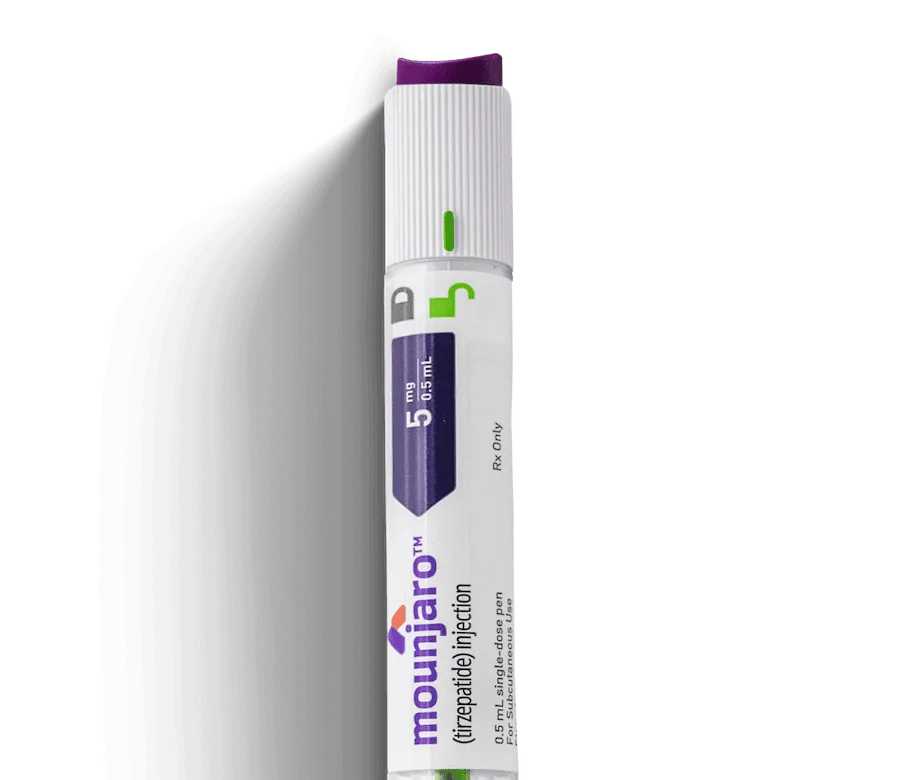
Yes. The Medicare GLP-1 Bridge Program covers Zepbound® KwikPen (tirzepatide) for a $50 monthly copay if you’re eligible. Only the KwikPen version is included. The single-dose pen and vial-and-syringe versions of Zepbound® aren’t covered through the program. Mounjaro isn’t covered by Bridge, but if prescribed for type 2 diabetes, it might be covered by Part D.
Does the Medicare Bridge Program cover semaglutide?
Yes. The Bridge Program covers both Wegovy® injections and Wegovy® tablets for eligible Medicare beneficiaries at the same $50 monthly copay. Ozempic® isn’t covered, but may be covered by Medicare Part D if prescribed for diabetes management.
Can I use the Medicare Bridge Program if I’m already taking a GLP-1?
Yes, in many cases. Eligibility is based on your BMI and medical history when you started GLP-1 treatment, not necessarily your current BMI. If you’ve already lost weight on a GLP-1, your healthcare provider can document that you met the eligibility requirements when you began treatment.
Do I apply for the Medicare Bridge Program myself?
No. Your healthcare provider submits the required prior authorization and eligibility information to the Bridge Program’s processor. If you’re approved, participating pharmacies process your prescription through the Bridge Program rather than your Medicare Part D plan.
Does the Medicare Bridge Program count toward my Part D deductible or out-of-pocket maximum?
No. The $50 monthly copay is separate from your Medicare Part D benefit. Payments made through the Bridge Program don’t count toward your Part D deductible or your annual out-of-pocket spending limit.
How long will the Medicare GLP-1 Bridge Program last?
The Medicare GLP-1 Bridge Program is currently scheduled to run through December 31, 2027, unless it’s extended or replaced.
New from Noom
Microdose GLP-1Rx Plus
An affordable way to start your GLP-1 journey with Compounded Tirzepatide.

*Initial 3 week subscription and 4 weeks of medication from $79 plus tax and $199 per month plus tax for 12 week subscription thereafter. Final pricing depends on program selection. Noom GLP-1Rx Plus Microdose Program involves medication (when appropriate), healthy diet, exercise and support. Individual results vary. Meds & personalization based on need as determined by a third-party clinician. Medications are not reviewed by FDA for safety, efficacy, or quality. No affiliation with Eli Lilly and Company, the only US source of FDA-approved tirzepatide. Not available in all 50 US states.
Reviews from real Noom users
Desirea N. — Real Noom user
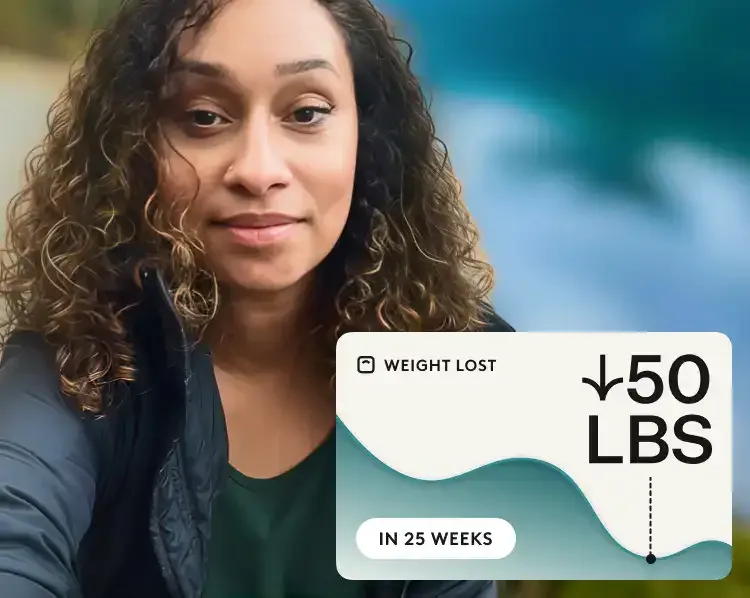
“My favorite parts of Noom are the care team and other Noomers. Sharing and getting help made me feel like I wasn’t doing it alone. That support made all the difference.”
Desirea N. — Real Noom user
Matthew M. — Real Noom user
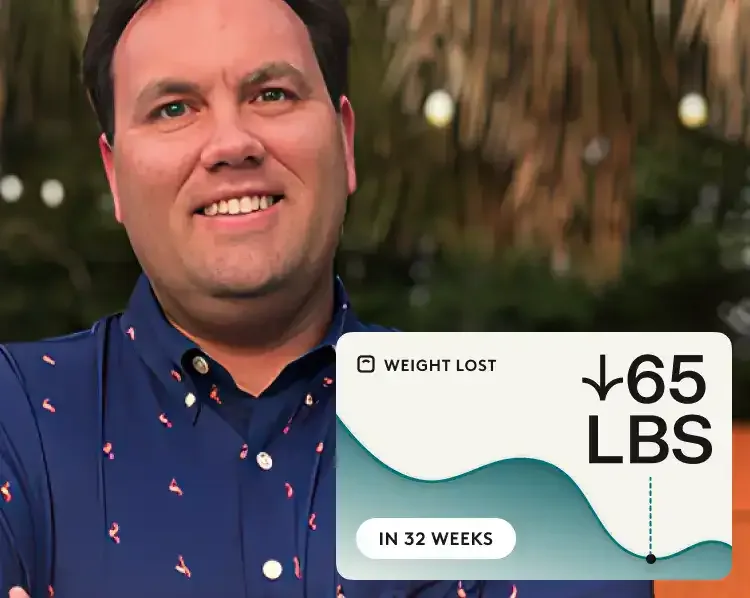
“Noom has taught me that every day is a new chance to make better, healthier choices. It's taught me how to stop overeating.’’
Matthew M. — Real Noom user
Lila M. — Real Noom user
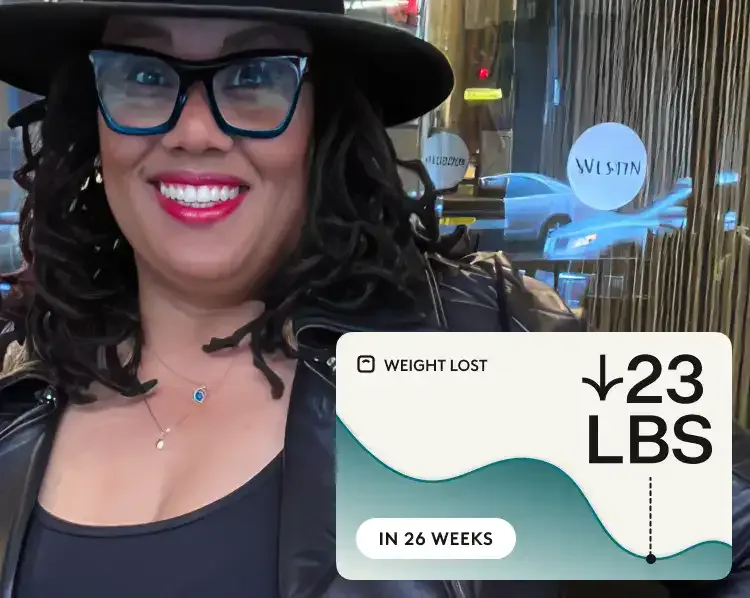
“Clinicians who understand how supportive medication can be is one of the best parts of Noom! I was convinced I wouldn’t have success but I’m down 11 pounds in two months.’’
Lila M. — Real Noom user
Steve M. — Real Noom user
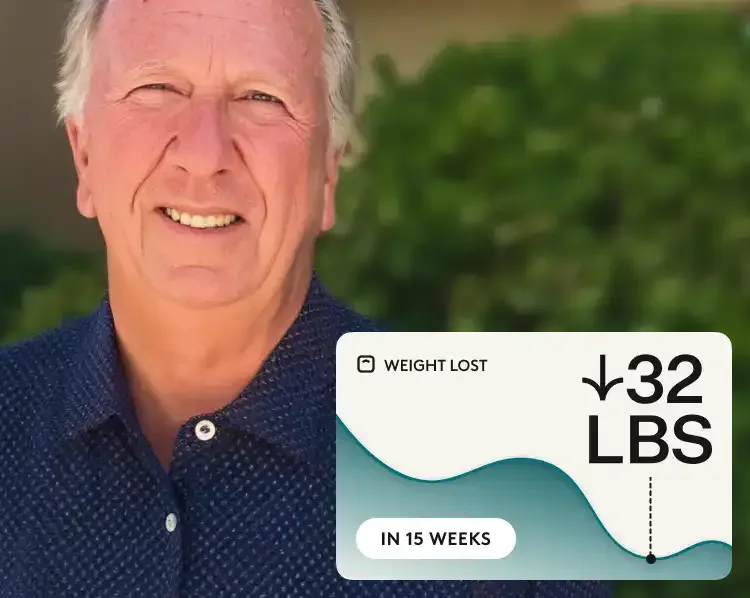
“Noom provided me with the medication which I could not get through Medicare. I have learned the tricks to better eating and life in general.”
Steve M. – Real Noom user
Daisy R. — Real Noom user
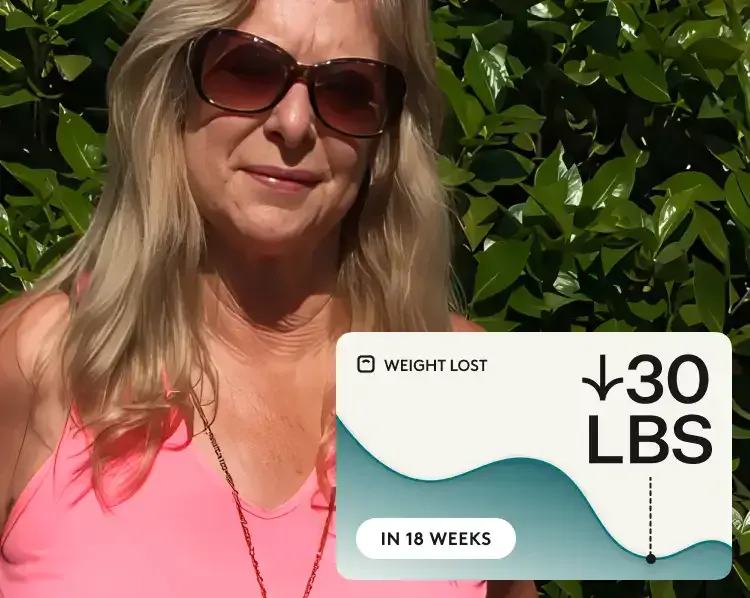
‘’Noom has changed my life and I’m so thankful, I feel great, have more energy and am no longer prediabetic.”
Daisy R. – Real Noom user
Sarah R. — Real Noom user
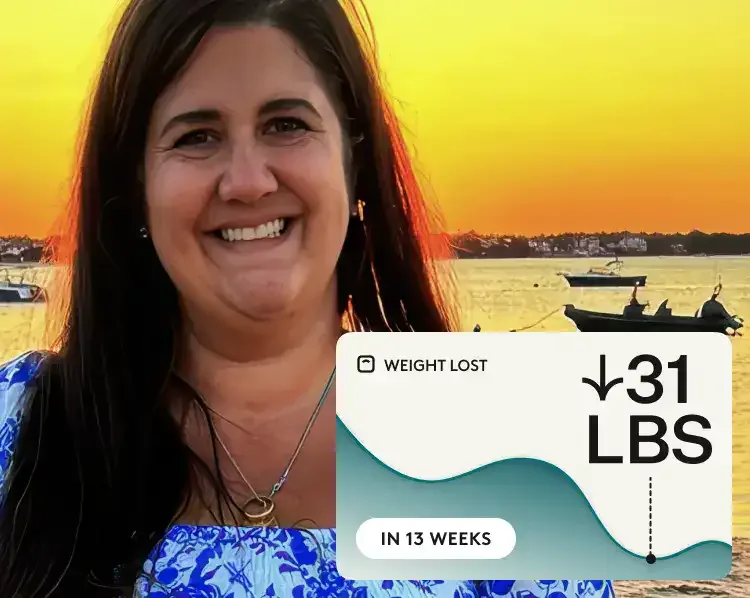
“All of the Noom providers that I’ve met with have been exceptional and prescribed medications that are appropriate for my situation and health.”
Sarah R. – Real Noom user
Madison S. — Real Noom user
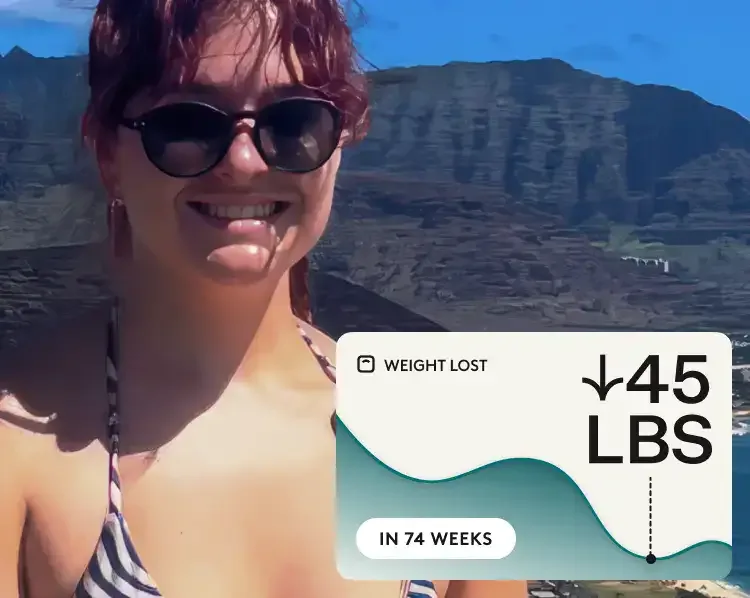
“Noom made the process so simple and now I feel full, free from diet obsession, and at ease in my body again.”
Madison S. – Real Noom user
Sonday K. — Real Noom user
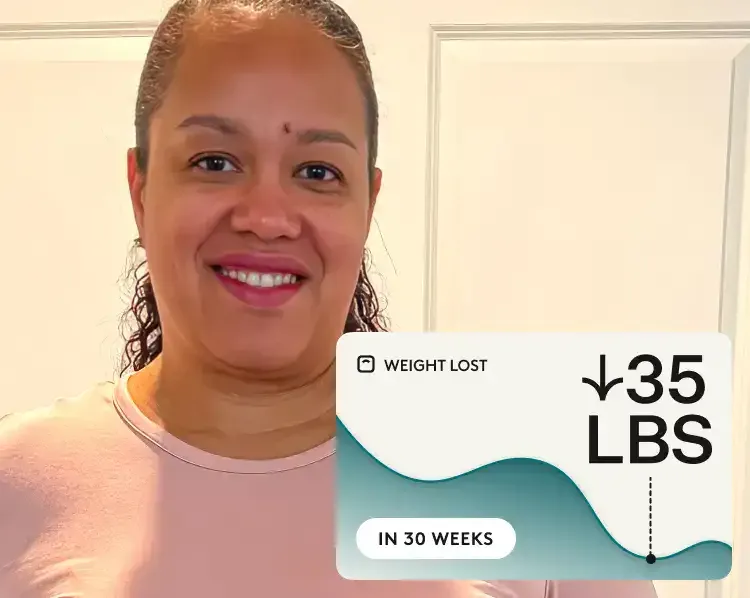
“My doctor recommended Noom after I was frustrated trying to lose weight. The lessons helped change my relationship with food. My body feels lighter & energized.”
Sonday K. – Real Noom user
Cam K. — Real Noom user
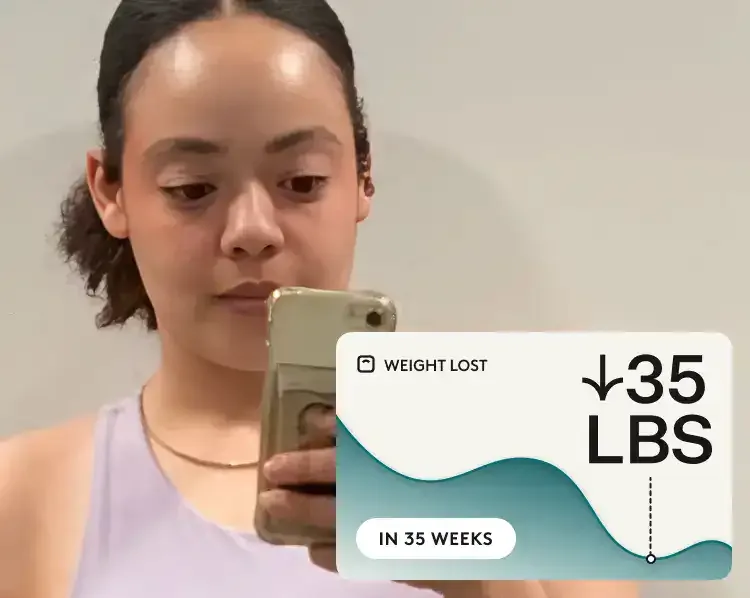
“I built healthy habits with coaching and lessons that make me confident I can maintain my weight loss long term.”
Cam K. – Real Noom user
Laura TR. — Real Noom user
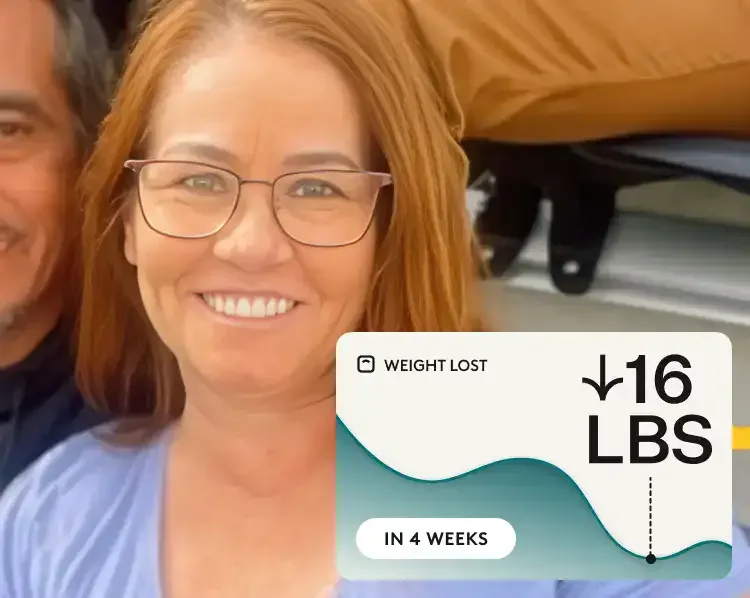
“With the right medication through Noom, hunger and sugar cravings finally quieted and I have the tools to break the cycle.”
Laura TR. – Real Noom user
Jessica S. — Real Noom user
“Cravings and food noise are gone, I finally feel confident in the healthy habits I’ve built to last with Noom.”
Jessica S. – Real Noom user
The bottom line: Medicare covers some weight loss medications under the GLP-1 Bridge program
Medicare still doesn’t cover weight-loss drugs as a standard, permanent benefit — that hasn’t changed. What changed is the temporary Bridge program, which, as of July 1, 2026, gives eligible people with Medicare Part D coverage Wegovy® injections and pills, Zepbound® KwikPen, and Foundayo® for $50 a month.
Coverage depends on your BMI and health history at the time you started treatment, not necessarily where you stand today, and the program is scheduled to run only through December 2027.
If you’re on Medicare and considering a GLP-1 for weight loss, Noom Med can help. You’ll work with a Noom clinician who can help decide which of the four medications is best for you.
This article is for general education and isn’t medical or insurance advice. Medicare rules, drug approvals, and prices change often. Confirm the current details with CMS, Medicare.gov, your plan, and your healthcare provider before deciding anything.
Editorial standards
At Noom, we’re committed to providing health information that’s grounded in reliable science and expert review. Our content is created with the support of qualified professionals and based on well-established research from trusted medical and scientific organizations. Learn more about the experts behind our content on our Health Expert Team page.