
What you’ll learn:
- The most effective FDA-approved weight-loss peptides include Wegovy® and Zepbound®; Foundayo® is also approved but isn’t technically a peptide.
- New treatments like retatrutide and CagriSema are in late-stage development and generating excitement for their weight-loss potential.
- Researchers are also exploring new hormone combinations, pills, and longer-lasting injections to expand treatment options.
Peptides are changing the way weight loss is treated, and the list of medications being developed is growing quickly. What started with drugs that mimic a single hormone has expanded to treatments that target two or even three hormones at once, with new options designed to help people lose more weight, take medication less frequently, or avoid injections altogether.
Some, like semaglutide (Wegovy®) and tirzepatide (Zepbound®), are already available for weight management. So is orforglipron (Foundayo®), a newer GLP-1 pill that works similarly but isn’t technically a peptide. Others, including retatrutide, CagriSema, and MariTide™, are still being studied or reviewed. And with more than 100 obesity drug programs reportedly in development (according to industry trackers), there are many more potential treatments on the horizon.
But not all peptides for weight loss are equally well studied or ready for human use. This A to Z guide breaks down the medications available today and those still in development, including how they work, what research shows about their effectiveness, and where they stand in the FDA approval process. It also looks at peptides prescribed off-label and unapproved products marketed for weight loss, so you can better understand the differences and have an informed conversation with your healthcare provider.
What are peptides for weight loss?
Peptides are short chains of amino acids, the building blocks of protein. Many peptides used for weight loss are designed to mimic hormones your body naturally produces, including GLP-1, GIP, glucagon, and amylin. These hormones help regulate appetite, signal fullness, manage blood sugar, and influence how your body uses energy.
Medications like semaglutide and tirzepatide activate the same receptors as these natural hormones, but their effects last much longer. This can help people feel satisfied with less food, experience fewer cravings, and lose weight over time.
Noom’s Most Powerful Program
A dual-pathway GLP-1 and behavior change for lasting results.
Most peptide medications are given as injections because digestive enzymes break them down before they can reach the bloodstream. However, newer formulations have made oral treatment possible. The Wegovy® pill, for example, uses an absorption enhancer that helps semaglutide pass through the stomach lining. It must be taken on an empty stomach with a small amount of water, followed by a wait of at least 30 minutes before eating, drinking, or taking other oral medications.
Foundayo® (orforglipron), the first FDA-approved non-peptide GLP-1 pill, takes a different approach. As a small-molecule drug, it can be absorbed without a special enhancer and doesn’t have the same food and water restrictions. Although it isn’t technically a peptide, we’ve included it in this guide because it targets the same GLP-1 pathway and is part of the growing landscape of medications for weight loss.
What are the best peptides for weight loss?
The best peptides for weight loss include tirzepatide (Zepbound®) and high-dose semaglutide (Wegovy® HD). In clinical trials, these medications have helped people lose an average of about 19% to 21% of their starting body weight.
But the best option isn’t necessarily the one associated with the most weight loss. Some medications are taken weekly, while others are available as daily pills. They also work through different hormone pathways, and individual responses and side effects can vary.
Here’s how the leading FDA-approved medications compare.
Best injectable peptides for weight loss
Zepbound® and Wegovy® HD are among the most effective FDA-approved injectable peptides for weight loss. Both are taken once a week.
| Medication | How it works | Average weight loss |
|---|---|---|
| Tirzepatide (Zepbound®) | Targets GLP-1 and GIP | Up to 20.9% at 72 weeks |
| Semaglutide (Wegovy® HD) | Targets GLP-1 | 18.8% at 72 weeks |
Both medications are prescribed alongside changes to eating habits and physical activity. Doses are increased gradually to help manage side effects, particularly nausea and other digestive symptoms.
Best oral medications for weight loss
If you’d prefer to avoid injections, there are now FDA-approved GLP-1 pills for weight management. However, only one is technically a peptide.
| Medication | Type | Average weight loss |
|---|---|---|
| Semaglutide (Wegovy® pill) | GLP-1 peptide | 13.6% at 64 weeks |
| Orforglipron (Foundayo®) | Non-peptide GLP-1 medication | 11.2% at 72 weeks |
What about newer peptides being studied for weight loss?
Several investigational medications have produced promising results, including some that exceed the average weight loss reported in trials of currently approved treatments.
For example, retatrutide, which targets GLP-1, GIP, and glucagon, produced an average of 25% weight loss at the highest dose in a Phase 3 trial. CagriSema, which combines semaglutide with the amylin-based medication cagrilintide, produced an average of 20.4% weight loss over 68 weeks.
Access GLP-1 Weight Loss with Noom
Explore a wide range of prescription medications supported by Noom’s program.
Microdose GLP-1rx
Noom GLP-1rx
Noom GLP-1rx Plus
Wegovy®
Ozempic®
Metformin
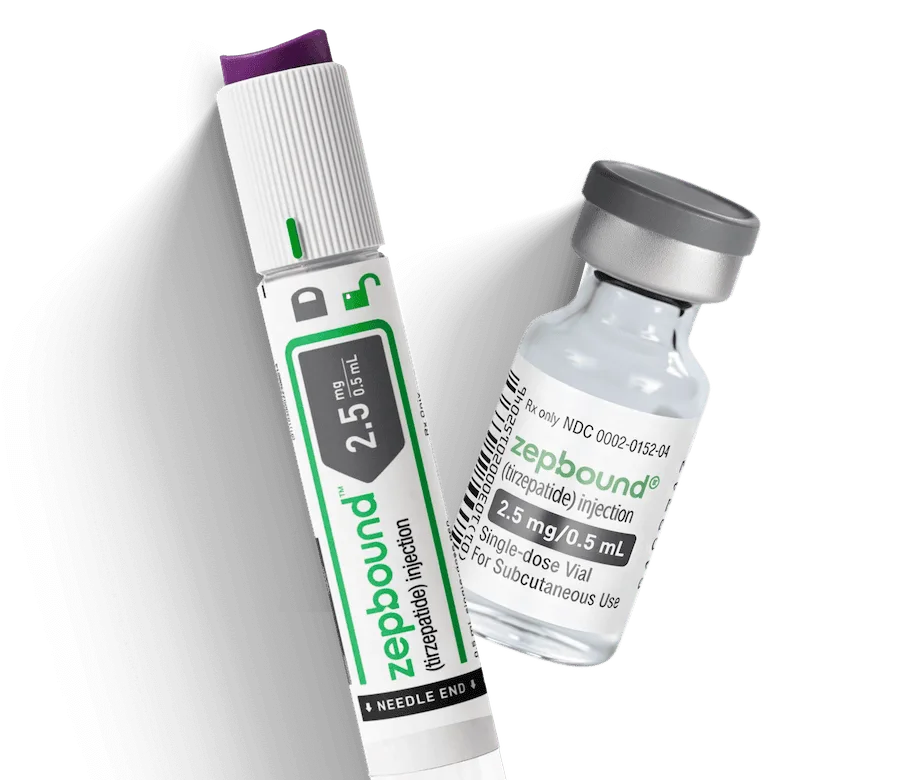
Zepbound®
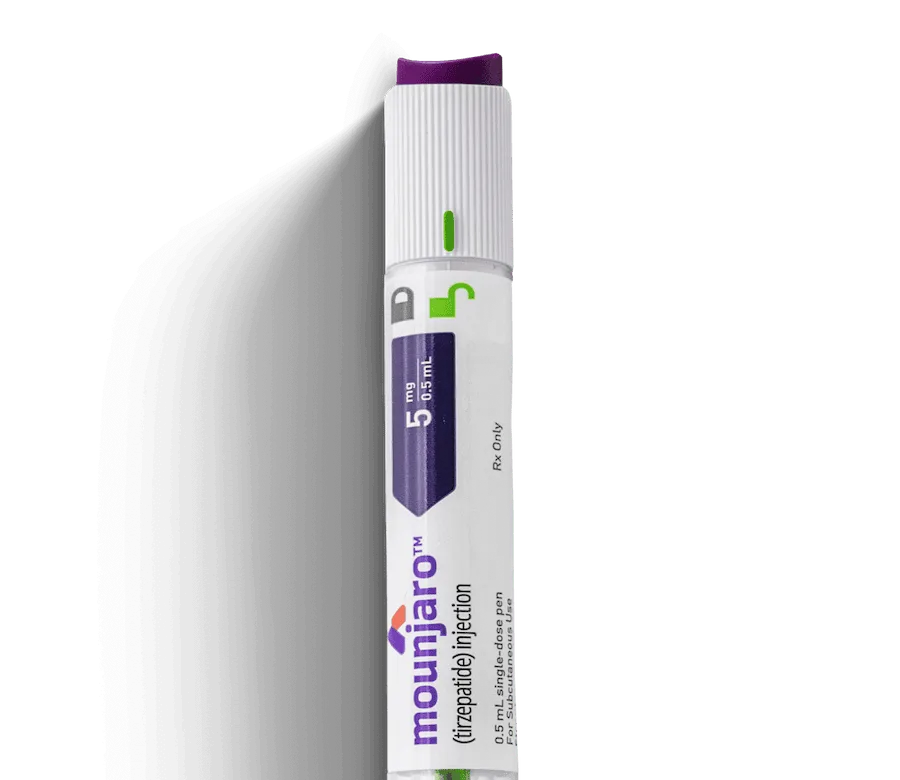
Mounjaro®
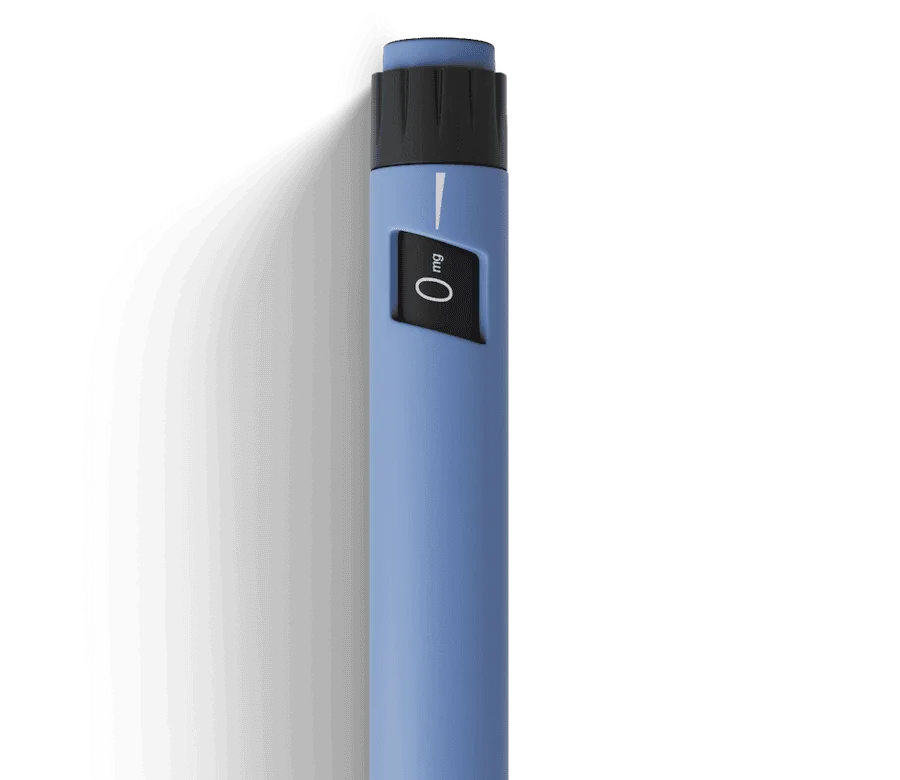
Liraglutide
Neither medication is FDA-approved yet, and additional research and regulatory review are needed before they can become available as prescription treatments.
Keep in mind: These percentages come from different clinical trials with different doses, participants, and study durations, so they aren’t direct comparisons. The best medication for you depends on your health history, treatment goals, potential side effects, insurance coverage, and whether you prefer a pill or injection.
A brief history of weight-loss peptides
Peptide medications have been around for more than a century, beginning with insulin. But modern weight-loss treatments emerged from discoveries about hormones that regulate appetite and blood sugar. Here’s how they evolved from daily diabetes injections to weekly treatments, pills, and medications that target multiple hormones.
- 1980s: GLP-1 is identified. Researchers identify GLP-1, a gut hormone that helps regulate blood sugar and appetite.
- Early 1990s: A discovery in Gila monster venom. Researcher Dr. John Eng isolates exendin-4, a peptide that lasts longer in the body than natural GLP-1, paving the way for new medications.
- 2005: The first GLP-1 medication is approved. Exenatide (Byetta®), inspired by exendin-4, receives FDA approval for type 2 diabetes. It requires twice-daily injections and produces modest weight loss.
- 2010–2014: GLP-1 medications enter weight management. Liraglutide is approved for diabetes as Victoza® in 2010, followed by Saxenda® in 2014, the first GLP-1 approved specifically for chronic weight management.
- 2017–2021: Weekly injections and pills arrive. Semaglutide is approved as the weekly Ozempic® injection in 2017 and the Rybelsus® pill in 2019, both for diabetes. Wegovy® follows in 2021 for weight management.
- 2022–2023: Dual-action medications arrive. Tirzepatide, which targets GLP-1 and GIP, is approved as Mounjaro® for diabetes in 2022 and Zepbound® for weight management in 2023.
- 2025–2026: More oral options emerge. The Wegovy® pill is approved for weight loss in December 2025, followed by Foundayo® (orforglipron), the first non-peptide GLP-1 pill approved for weight loss, in April 2026.
What’s next? Researchers are developing medications that target two or three hormone pathways, including retatrutide and CagriSema, along with longer-lasting injections that may eventually require only monthly dosing. These advances could give people more options for how weight-loss medications work and how often they’re taken.
How do weight-loss peptides work? Single, dual, and triple agonists
One way to understand the growing list of weight-loss peptides is by looking at how many hormone receptors they activate.
An agonist is a medication that activates a receptor, which is a specialized part of a cell that responds to a particular hormone. Think of the hormone as a key and the receptor as a lock. Some medications activate one type of receptor, while others activate two or three, allowing them to influence multiple pathways involved in appetite, blood sugar, and metabolism.
Here’s how the different types compare:
- Single agonists: Target one hormone receptor. Medications like semaglutide and liraglutide activate the GLP-1 receptor. This helps regulate appetite, increase feelings of fullness, and slow stomach emptying.
- Dual agonists: Target two hormone receptors. Tirzepatide activates GLP-1 and GIP receptors, which work together to regulate appetite and blood sugar. Other investigational medications, including survodutide, activate GLP-1 and glucagon receptors. Glucagon plays a role in blood sugar regulation and how the body uses stored energy.
- Triple agonists: Target three hormone receptors. Retatrutide activates GLP-1, GIP, and glucagon receptors. Researchers are studying whether targeting all three pathways can produce greater weight loss and additional metabolic benefits.
- Amylin-based treatments: Target another fullness pathway. Amylin is a hormone released by the pancreas alongside insulin. It helps regulate appetite and slows stomach emptying through pathways that differ partly from GLP-1. CagriSema combines cagrilintide, an amylin receptor agonist, with semaglutide in one injection. Another investigational medication, zenagamtide, is designed to activate both GLP-1 and amylin receptors within a single molecule.
Targeting more receptors doesn’t automatically mean a medication will work better for everyone. Effectiveness also depends on the specific drug, its dose, how well it’s tolerated, and the results of clinical trials.
Peptide vs. non-peptide weight-loss medications
Not every medication that targets GLP-1 is a peptide. Some newer treatments are small-molecule drugs, which are chemically different from peptides but can activate the same receptors.
For example, Foundayo® (orforglipron) is a non-peptide GLP-1 receptor agonist. Unlike oral semaglutide, it doesn’t require a special absorption enhancer or restrictions around food and water. It can be taken at any time of day, making it a potentially more convenient option for people who prefer pills.
Other small-molecule GLP-1 medications, including aleniglipron and elecoglipron, are also being studied.
Although these medications aren’t technically peptides, they work through many of the same biological pathways. That’s why we’ve included them in a separate section near the end of this guide.
Not all peptides being developed or marketed for weight loss are at the same stage. Some have completed clinical trials and received FDA approval, while others are still being tested or are approved in other countries. There are also medications approved for conditions like type 2 diabetes that healthcare providers may prescribe off-label for weight management.
The sections below group these medications by their regulatory status, from FDA-approved treatments to investigational peptides and those that haven’t been approved for human use. Keep in mind that weight-loss results come from studies with different doses, populations, and durations, so percentages aren’t always directly comparable.
FDA-approved peptide medications for weight loss
These medications are FDA-approved for weight management in people who meet certain eligibility criteria. All have been studied in large clinical trials. Foundayo® is included because it works on the same GLP-1 pathway, although it isn’t technically a peptide.

The Easy Way
to lose weight and get healthy.
Semaglutide (Wegovy® injection and pill)
Company: Novo Nordisk
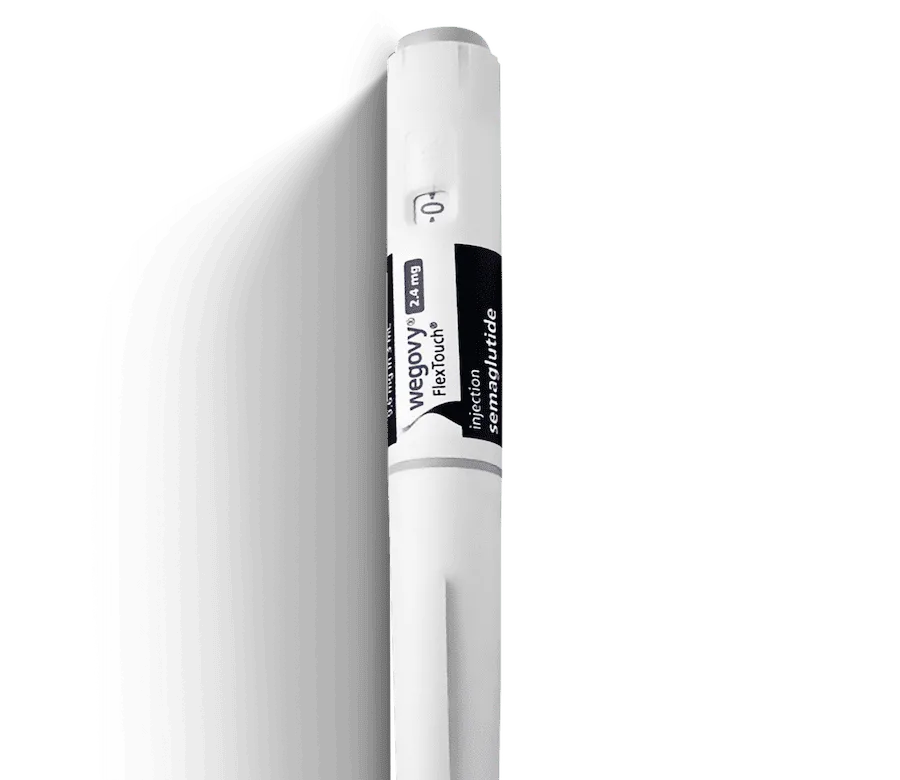
What to know: Wegovy® is a GLP-1 medication available as a weekly injection or daily pill. The injection comes in a standard 2.4 mg dose and a higher-dose 7.2 mg version called Wegovy® HD, which was FDA-approved in March 2026.
Weight loss:
- Wegovy injection (2.4 mg): An average of 14.9% over 68 weeks in the STEP 1 trial.
- Wegovy HD (7.2 mg): An average of 18.7% over 72 weeks in the STEP UP trial.
- Wegovy pill (25 mg): An average of 13.6% over 64 weeks in the OASIS 4 trial.
Tirzepatide (Zepbound®)
Company: Eli Lilly
What to know: Zepbound® is a once-weekly injection that targets two hormones, GLP-1 and GIP, to help regulate appetite. Tirzepatide is also sold as Mounjaro® for type 2 diabetes.
Weight loss: An average of 15% to 20.9% of body weight over 72 weeks, depending on the dose, compared with 3.1% on placebo, in the SURMOUNT-1 trial.
Liraglutide (Saxenda®)
Company: Novo Nordisk
What to know: Saxenda® is a once-daily GLP-1 injection approved for weight management in eligible adults and adolescents ages 12 and older. Liraglutide is also available as Victoza® and in generic form for type 2 diabetes.
Weight loss: An average of 8% of body weight over 56 weeks, compared with 2.6% on placebo, in the SCALE trial.
Orforglipron (Foundayo®) – non-peptide
Company: Eli Lilly
What to know: Foundayo® is a once-daily GLP-1 pill approved for weight loss in April 2026. Unlike the Wegovy® pill, it isn’t a peptide and can be taken without food or water restrictions.
Weight loss: An average of 11.2% of body weight over 72 weeks at the highest dose in the ATTAIN-1 trial.
Peptides used off-label for weight loss
These medications are FDA-approved for type 2 diabetes, not weight management, but healthcare providers may prescribe them off-label. Their weight-loss effects are generally more modest than those of newer treatments.
Dulaglutide (Trulicity®)
Company: Eli Lilly
What to know: Trulicity® is a once-weekly GLP-1 injection approved for type 2 diabetes. It can also lead to some weight loss, but it isn’t FDA-approved for weight management.
Weight loss: An average of 7 to 10 pounds over 36 weeks, depending on the dose, in the AWARD-11 trial.
Exenatide (Byetta®, Bydureon®)
Company: AstraZeneca (original brands); Amneal Pharmaceuticals (generic)
What to know: Exenatide was the first FDA-approved GLP-1 medication, introduced in 2005 for type 2 diabetes. It was available as a twice-daily or weekly injection. The original US brands have been discontinued, but exenatide has also been used off-label for weight loss.
Weight loss: Small studies in adults without diabetes found an average of about 4 to 11 pounds of weight loss, depending on the dose and treatment duration.
Weight loss peptides awaiting FDA approval: CagriSema
CagriSema is currently a weight-loss peptide medication under FDA review. This means it has completed major clinical trials and its manufacturer has submitted an application for approval. The FDA is now evaluating its effectiveness, safety, and manufacturing information before deciding whether it can be prescribed in the US.
CagriSema (cagrilintide + semaglutide)
Company: Novo Nordisk
What to know: CagriSema is a once-weekly injection that combines semaglutide, the GLP-1 medication in Wegovy®, with cagrilintide, a medication that mimics the hormone amylin. Both help regulate appetite and fullness, but work through different pathways. The goal is to produce greater weight loss than either medication alone.
Weight loss: Participants taking CagriSema lost an average of 20.4% of their body weight over 68 weeks, compared with 3% on placebo (22.7% vs 2.3% if everyone stayed on treatment), in the REDEFINE 1 trial.
What’s next: Novo Nordisk submitted CagriSema for FDA approval in December 2025, with a decision expected in the fourth quarter of 2026. If approved, it would offer another once-weekly weight-loss treatment that targets two different appetite-regulating hormones.
New peptides for weight loss in clinical trials
Phase 3 trials test medications in larger groups of people to better understand how well they work and what side effects they cause. Positive results can support FDA approval, but these medications remain investigational until they’re approved.
Berobenatide (MET-097i)
Company: Pfizer
What to know: Berobenatide is a long-acting GLP-1 injection being studied for weekly dosing followed by monthly maintenance injections.
Weight loss: Up to 15.9% over 32 weeks of treatment in a Phase 2b extension study.
What’s next: Phase 3 VESPER trials are underway, with results expected in late 2027.
Cagrilintide
Company: Novo Nordisk
What to know: Cagrilintide is a weekly injection that mimics amylin, a hormone that helps regulate appetite and fullness. It’s also one of the two ingredients in CagriSema.
Weight loss: An estimated 11.8% over 68 weeks in the REDEFINE 1 trial.
What’s next: Phase 3 testing of cagrilintide as a standalone medication continues.
Eloralintide
Company: Eli Lilly
What to know: Eloralintide is a weekly injection that targets amylin receptors to help reduce appetite. It’s being studied alone and in combination with tirzepatide.
Weight loss: An estimated 9.5% to 20.1% over 48 weeks, depending on the dose, in a Phase 2 trial.
What’s next: The Phase 3 ENLIGHTEN program is underway. The combination with tirzepatide, called EloraTZP, is in Phase 2 development.
Enicepatide (CT-388)
Company: Roche
What to know: Enicepatide is a weekly injection that targets GLP-1 and GIP, the same two hormones targeted by Zepbound®.
Weight loss: An average of 18.3% more than placebo over 48 weeks in a Phase 2 trial.
What’s next: The Phase 3 ENITH program is underway.
MariTide™ (maridebart cafraglutide)
Company: Amgen
What to know: MariTide is a long-acting treatment that activates GLP-1 receptors while blocking GIP receptors. It’s being developed for monthly injections, with potentially longer intervals between doses.
Weight loss: An average of 12.3% to 16.2% over 52 weeks, depending on the dose, compared with 2.5% on placebo in a Phase 2 trial.
What’s next: The Phase 3 MARITIME program is studying monthly injections and longer-term dosing schedules.
Olatorepatide (HS-20094)
Company: Regeneron and Jiangsu Hansoh
What to know: Olatorepatide is a once-weekly injection that targets GLP-1 and GIP, the same two hormones as Zepbound®. It has completed Phase 3 testing in China and is being developed for the US market.
Weight loss: An average of 18.7% over 48 weeks at the highest dose, compared with 2.5% on placebo, in the Phase 3 LIGHTEN trial.
What’s next: Regeneron is preparing a global Phase 3 clinical trial program to support potential regulatory approval outside China.
Petrelintide
Company: Roche and Zealand Pharma
What to know: Petrelintide is a weekly injection that mimics amylin to help regulate appetite and fullness.
Weight loss: Up to 10.7% over 42 weeks, compared with 1.7% on placebo, in the Phase 2 ZUPREME-1 trial.
What’s next: The Phase 3 ZUPREME program began in September 2026.
Retatrutide
Company: Eli Lilly
What to know: Retatrutide is a weekly injection that targets three hormones: GLP-1, GIP, and glucagon. It’s one of the most closely watched investigational weight-loss medications.
Weight loss: Up to 28.3% at 80 weeks at the highest dose (12 mg), compared with 2.2% on placebo, Phase 3 TRIUMPH-1 trial.
What’s next: Lilly plans to submit retatrutide for FDA approval in early 2027.
Ribupatide (HRS9531)
Company: Jiangsu Hengrui Pharmaceuticals and Kailera Therapeutics
What to know: Ribupatide targets GLP-1 and GIP. It’s being developed as a weekly injection, with a pill version also in testing.
Weight loss: Up to 17.7% over 48 weeks in the Phase 3 GEMINI-1 trial conducted in China, according to the developer’s clinical results.
What’s next: Global Phase 3 KaiNETIC trial results are expected in 2028.
Survodutide (BI 456906)
Company: Boehringer Ingelheim and Zealand Pharma
What to know: Survodutide is a weekly injection that targets GLP-1 and glucagon to help regulate appetite and metabolism.
Weight loss: An average of 9.8% over 76 weeks at the 6 mg dose, compared with 3.9% on placebo, in the Phase 3 SYNCHRONIZE-2 trial, which involved adults with type 2 diabetes.
What’s next: Additional Phase 3 research is underway, including studies examining cardiovascular outcomes.
VK2735
Company: Viking Therapeutics
What to know: VK2735 targets GLP-1 and GIP and is being developed as both a weekly injection and a daily pill.
Weight loss: Up to 14.7% over 13 weeks with the injection in the Phase 2 VENTURE trial.
What’s next: The injectable version is in Phase 3 VANQUISH trials, with results expected in 2027. The oral version entered Phase 3 in October 2026.
Zenagamtide (formerly amycretin)
Company: Novo Nordisk
What to know: Zenagamtide targets GLP-1 and amylin to help regulate appetite. It’s being developed as a weekly injection and a daily pill.
Weight loss: Up to 24.3% over 36 weeks in a small Phase 1b/2a trial.
What’s next: The Phase 3 AMAZE program is studying both injectable and oral versions.
Earlier-stage weight-loss peptides (Phase 1 and 2)
Phase 1 trials primarily evaluate safety, while Phase 2 trials explore effectiveness, dosing, and side effects. Many weight-loss peptides are still in these earlier stages of development. The following are just a few promising candidates, including combinations of medications that have individually reached later stages of testing. Most are still years away from potential FDA approval, and some may never reach the market.
- ABBV-295 — AbbVie and Gubra: A long-acting amylin analog being studied for weekly or less frequent injections. Early trials showed up to 9.8% weight loss after 12 weeks, and Phase 2 testing began in August 2026.
- AZD9550 + lenbelintide (AZD6234) — AstraZeneca: An investigational combination pairing a GLP-1/glucagon dual agonist with an amylin analog. The Phase 2 ASCEND trial is evaluating whether combining the two treatments produces greater weight loss than either medication alone.
- BI 3034701 — Boehringer Ingelheim and Gubra: A triple agonist targeting GLP-1, GIP, and NPY2 receptors. Unlike retatrutide, which targets glucagon as its third pathway, this treatment targets another receptor involved in appetite regulation. It’s currently in Phase 2 development.
- MET233i — Pfizer (acquired through Metsera): A long-acting amylin and calcitonin receptor agonist being studied alone and in combination with the GLP-1 medication berobenatide. Early clinical research is exploring whether combining the medications can produce additional weight loss.
- NN9662 — Novo Nordisk: An investigational triple agonist targeting GLP-1, GIP, and amylin receptors. It’s a different approach from triple agonists such as retatrutide, which target glucagon instead of amylin. Novo Nordisk lists it in Phase 2 development.
- Pemvidutide — Altimmune: A once-weekly dual GLP-1 and glucagon receptor agonist. Earlier obesity trials showed promising weight loss, while its more advanced Phase 3 development focuses on metabolic dysfunction-associated steatohepatitis (MASH), a form of fatty liver disease.
- UBT251 — Novo Nordisk and United Biotechnology: A triple agonist targeting GLP-1, GIP, and glucagon receptors. In a Phase 2 trial, participants lost an average of 13.6% to 19.7% of their body weight over 24 weeks, compared with 2.0% on placebo, according to Novo Nordisk’s 2026 clinical results presentation.
- Petrelintide + enicepatide — Roche and Zealand Pharma: An investigational combination pairing an amylin analog with a dual GLP-1/GIP agonist. The Phase 2 ZYNERGY trial is exploring whether the two medications can produce greater weight loss together than separately.
These are only a few examples of the many peptide-based treatments being investigated for weight management. Researchers are also exploring longer-lasting injections, new hormone combinations, and treatments that may help preserve muscle during weight loss.
New non-peptide GLP-1 pills in development
Not all GLP-1 medications are peptides. Some newer pills use small molecules to activate the same GLP-1 receptors. Foundayo® (orforglipron) is already FDA-approved for weight loss and is covered earlier in this guide. The medications below target the same receptors but are still being studied for safety and effectiveness.
Aleniglipron (GSBR-1290)
Company: Structure Therapeutics
What to know: Aleniglipron is a once-daily GLP-1 pill being developed for weight management.
Weight loss: Up to 11.3% more weight loss than placebo over 36 weeks in the Phase 2b ACCESS trial.
What’s next: The Phase 3 ACCOMPLISH program is underway.
CT-996
Company: Roche
What to know: CT-996 is a once-daily GLP-1 pill being studied for weight management and blood sugar control.
Weight loss: An average of 7.3% over four weeks, compared with 1.2% on placebo, in a Phase 1 trial.
What’s next: Phase 2 trials are underway to evaluate longer-term weight loss and safety.
Elecoglipron (AZD5004)
Company: AstraZeneca
What to know: Elecoglipron is a once-daily GLP-1 pill being developed for weight management and type 2 diabetes.
Weight loss: An average of 11.8% over 36 weeks, compared with 0.3% on placebo, in the Phase 2b VISTA trial.
What’s next: Phase 3 EMBOLD and ELUMINATE trials are underway.
RGT-075
Company: Regor Therapeutics
What to know: RGT-075 is a once-daily GLP-1 pill being developed for obesity treatment.
Weight loss: An average of 5.4% over 12 weeks, compared with 0.45% on placebo, in a Phase 2a study.
What’s next: The Phase 2b COMO-1 trial is evaluating its effectiveness and safety in a larger group of participants.
Other peptides being explored for weight loss
Beyond FDA-approved medications and peptides in clinical trials for obesity, several other peptides are being explored for their potential roles in metabolism, recovery, and weight management. These include AOD-9604, BPC-157, MOTS-c, and TB-500. Research varies by peptide, with some having been studied in humans and others primarily investigated in animals or laboratory settings.
Regulations surrounding these products are also evolving. On October 28, 2026, the Department of Health and Human Services proposed a policy that would ease federal enforcement against certain pharmacies and physicians compounding six peptides: BPC-157, epitalon, KPV, MOTS-c, Semax, and TB-500.
AOD-9604
What to know: AOD-9604 is a modified fragment of human growth hormone that was developed as a potential obesity treatment. Clinical development for weight loss ended in 2007.
BPC-157
What to know: BPC-157 is a synthetic peptide being explored for tissue repair, gut health, and inflammation. Its potential applications have centered primarily on recovery and gastrointestinal health rather than weight management.
MOTS-c
What to know: MOTS-c is a peptide produced naturally in mitochondria, the structures in cells that help generate energy. Researchers are exploring its potential role in metabolism, insulin sensitivity, exercise performance, and weight management.
TB-500
What to know: TB-500 is a synthetic fragment of thymosin beta-4, a protein involved in tissue repair. It’s primarily explored for injury recovery and healing, sometimes alongside BPC-157, rather than as a weight-loss treatment.
Peptides for weight loss: Complete A–Z list
The medications below include FDA-approved treatments, medications prescribed off-label for weight loss, and investigational treatments being studied in clinical trials. Their approval status and the amount of evidence supporting their use vary.
FDA-approved medications used for weight loss
| Medication | Status | Targets | Form | Weight loss results |
|---|---|---|---|---|
| Dulaglutide (Trulicity®) | Approved for diabetes; off-label for weight loss | GLP-1 | Weekly injection | Modest; varies by dose |
| Exenatide | Approved for diabetes; off-label for weight loss | GLP-1 | Daily or weekly injection | Modest |
| Liraglutide (Saxenda®) | Approved for weight loss | GLP-1 | Daily injection | 8.0% at 56 weeks |
| Orforglipron (Foundayo®) | Approved for weight loss (non-peptide) | GLP-1 | Daily pill | 11.2% at 72 weeks |
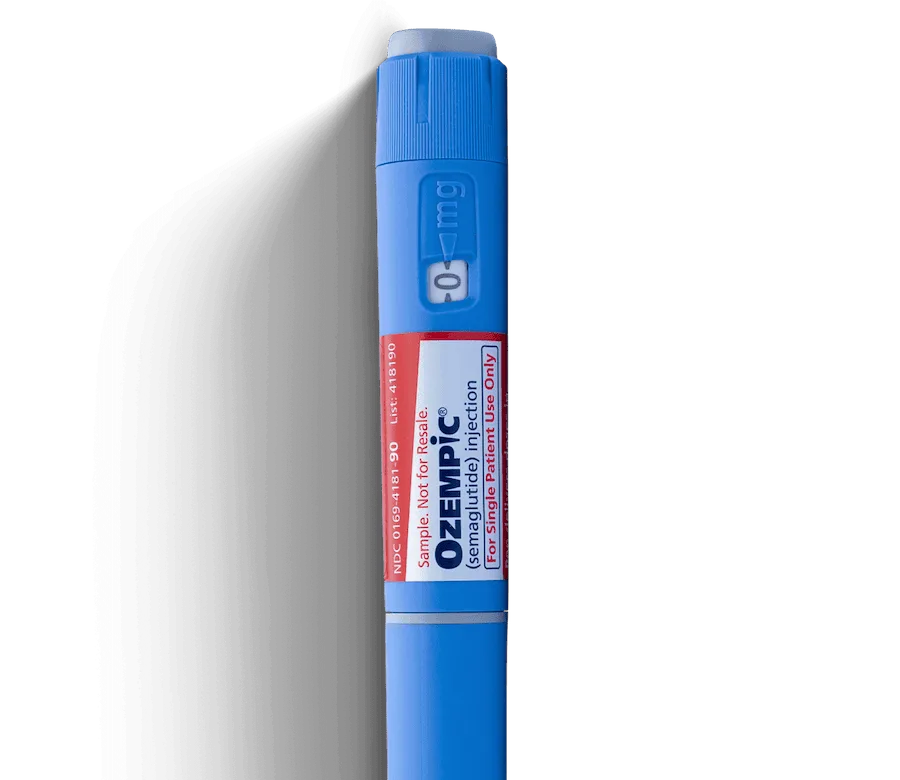
| Semaglutide (Wegovy®, Ozempic®) | Wegovy®: approved for weight loss; Ozempic®: approved for diabetes, used off-label for weight loss | GLP-1 | Weekly injection or daily pill | Wegovy® injection: 14.9% at 68 weeks HD: 18.7% at 72 weeks Pill: 13.6% at 64 weeks |
| Tirzepatide (Zepbound®, Mounjaro®) | Zepbound®: approved for weight loss; Mounjaro®: approved for diabetes, used off-label for weight loss | GLP-1, GIP | Weekly injection | Zepbound®: up to 20.9% at 72 weeks |
Weight-loss peptides in Phase 3 clinical trials and FDA review
| Medication | Status | Targets | Form | Weight loss results |
|---|---|---|---|---|
| Berobenatide | Phase 3 | GLP-1 | Weekly injection; monthly dosing being studied | Up to 15.9% at 32 weeks |
| Cagrilintide | Phase 3 | Amylin | Weekly injection | 11.8% at 68 weeks* |
| CagriSema | Under FDA review** | GLP-1, amylin | Weekly injection | 20.4% at 68 weeks |
| Eloralintide | Phase 3 | Amylin | Weekly injection | 9.5%–20.1% at 48 weeks* |
| Enicepatide | Phase 3 | GLP-1, GIP | Weekly injection | 18.3% more than placebo at 48 weeks |
| MariTide™ | Phase 3 | GLP-1, GIP blocker | Monthly injection | 12.3%–16.2% at 52 weeks |
| Olatorepatide (HS-20094) | Phase 3 completed in China; investigational in U.S. | GLP-1, GIP | Weekly injection | 18.7% at 48 weeks |
| Petrelintide | Phase 3 | Amylin | Weekly injection | 10.7% at 42 weeks* |
| Retatrutide | Phase 3 | GLP-1, GIP, glucagon | Weekly injection | Up to 28.3% at 80 weeks |
| Ribupatide | Phase 3 | GLP-1, GIP | Weekly injection; pill in development | Up to 17.7% at 48 weeks |
| Survodutide | Phase 3 | GLP-1, glucagon | Weekly injection | Up to 16.6% at 76 weeks* |
| VK2735 | Phase 3 | GLP-1, GIP | Weekly injection; pill in development | Up to 14.7% at 13 weeks |
| Zenagamtide | Phase 3 | GLP-1, amylin | Weekly injection; pill in development | Up to 24.3% at 36 weeks* |
*Some results reflect analyses estimating weight loss if participants remained on treatment or results from selected dose groups. Enicepatide’s result is placebo-adjusted; other figures generally represent total weight loss from baseline. Results come from different trials and aren’t directly comparable.
**CagriSema has completed Phase 3 trials and is currently under FDA review, with an approval decision expected in late 2026.
Weight-loss peptides in Phase 2 and earlier clinical trials
| Medication | Status | Targets | Form |
|---|---|---|---|
| ABBV-295 | Phase 2 | Amylin | Weekly or less frequent injection |
| AZD9550 + lenbelintide (AZD6234) | Phase 2 | GLP-1, glucagon, amylin | Injection |
| BI 3034701 | Phase 2 | GLP-1, GIP, NPY2 | Injection |
| MET233i | Early clinical development | Amylin, calcitonin | Injection |
| NN9662 | Phase 2 | GLP-1, GIP, amylin | Injection |
| Pemvidutide | Phase 2 for obesity; Phase 3 for MASH | GLP-1, glucagon | Weekly injection |
| Petrelintide + enicepatide | Phase 2 | Amylin, GLP-1, GIP | Injection |
| UBT251 | Phase 2 | GLP-1, GIP, glucagon | Weekly injection |
Other peptides marketed for weight loss
| Peptide | What to know |
|---|---|
| AOD-9604 | Growth hormone fragment promoted for fat loss |
| BPC-157 | Experimental peptide promoted for tissue repair and recovery |
| MOTS-c | Experimental peptide associated with mitochondrial function and metabolism |
| TB-500 | Experimental peptide promoted for tissue repair and recovery |
Frequently asked questions about peptides for weight loss
What peptides are available now for weight loss?
The current peptide medications for weight loss include liraglutide (Saxenda®), semaglutide (Wegovy® injection and pill), and tirzepatide (Zepbound®). Foundayo® (orforglipron) is also approved for weight loss, but it’s a non-peptide GLP-1 pill. Setmelanotide (Imcivree®) is another approved peptide medication, but it’s used specifically for people with certain rare genetic conditions that cause obesity or acquired hypothalamic obesity.
What is the most effective peptide for weight loss?
Tirzepatide (Zepbound®) and high-dose semaglutide (Wegovy® HD) are among the most effective FDA-approved peptides for weight loss. In clinical trials, Zepbound produced about 21% average weight loss, while Wegovy HD produced about 19% overall, or nearly 21% if everyone remained on treatment. Results vary depending on the dose, treatment duration, and individual.
Are there peptide pills for weight loss?
Yes. The Wegovy® pill contains semaglutide, which is a peptide. Foundayo® is another FDA-approved GLP-1 pill, but it isn’t a peptide. Researchers are also developing several additional oral weight-loss medications.
Where can you buy peptides for weight loss?
To get peptide weight-loss medications you’ll need a prescription from a licensed healthcare provider. Some telehealth services can also evaluate you and prescribe medication if appropriate.
Are peptides for weight loss safe?
The safety of weight-loss peptides depends on the specific medication, how it’s used, and how much research is available. FDA-approved peptides have undergone extensive testing, but they can still cause side effects, including nausea, vomiting, diarrhea, and constipation. Other peptides are still being studied, and while some show promise, their long-term safety and effectiveness may not be fully understood. Working with a qualified healthcare provider can help you understand the potential benefits and risks of any treatment.
Reviews from real Noom users
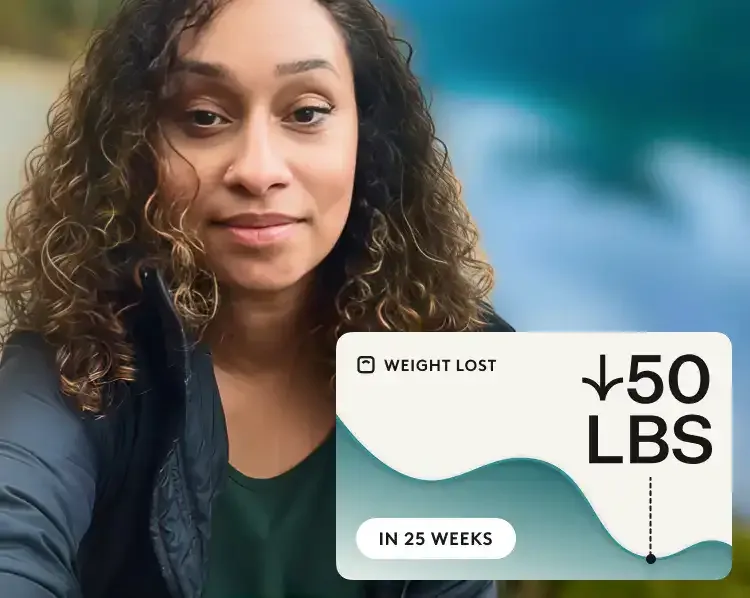
“My favorite parts of Noom are the care team and other Noomers. Sharing and getting help made me feel like I wasn’t doing it alone. That support made all the difference.”
Desirea N. — Real Noom user
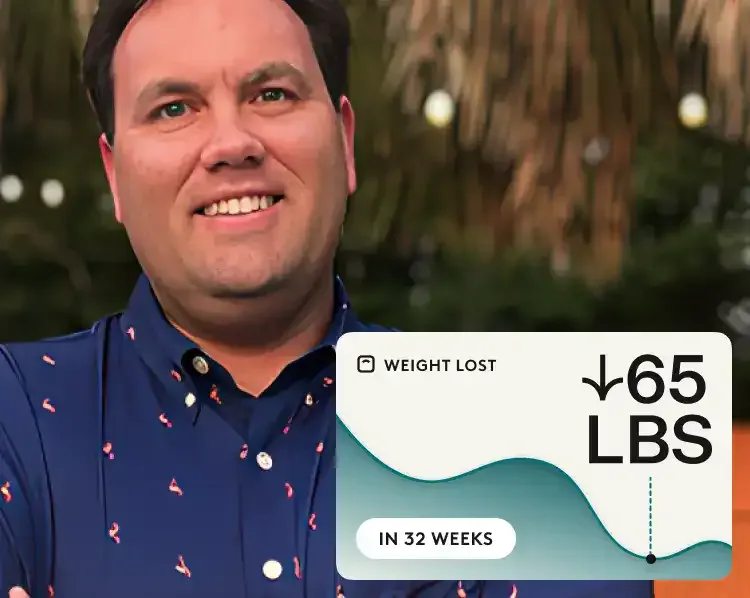
“Noom has taught me that every day is a new chance to make better, healthier choices. It’s taught me how to stop overeating.”
Matthew M. — Real Noom user
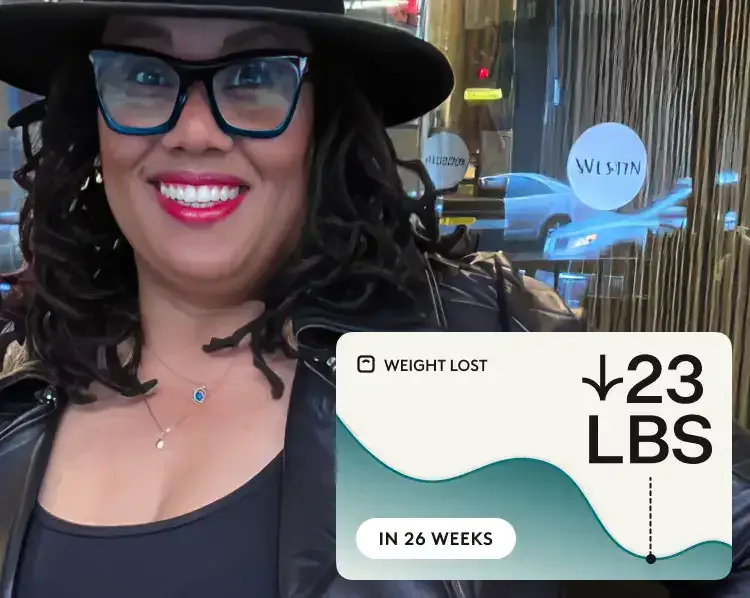
“Clinicians who understand how supportive medication can be is one of the best parts of Noom! I was convinced I wouldn’t have success but I’m down 11 pounds in two months.”
Lila M. — Real Noom user
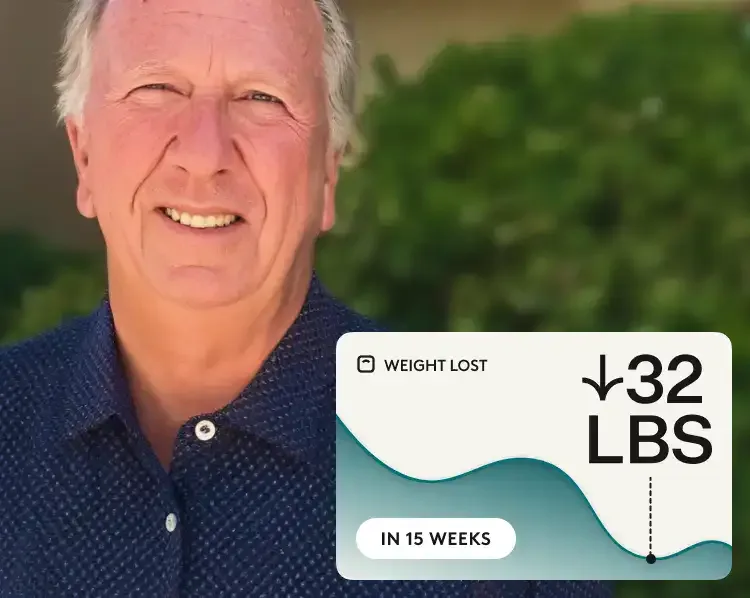
“Noom provided me with the medication which I could not get through Medicare. I have learned the tricks to better eating and life in general.”
Steve M. – Real Noom user
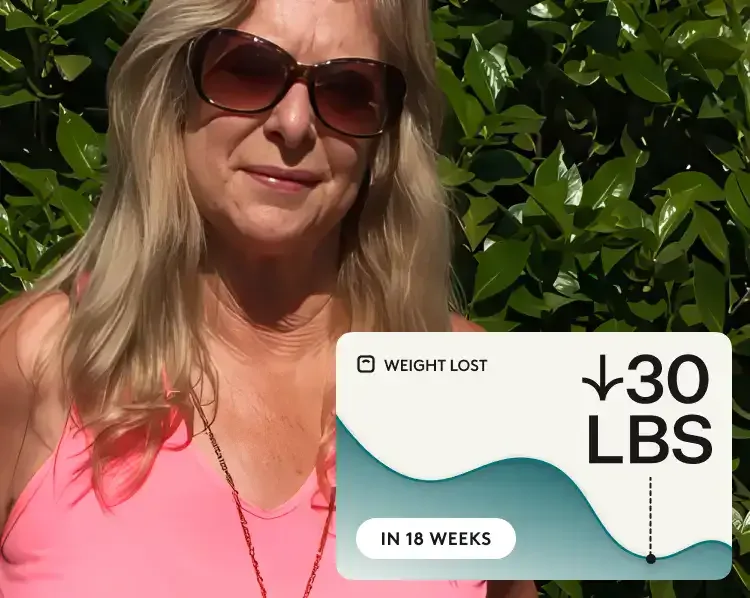
“Noom has changed my life and I’m so thankful, I feel great, have more energy and am no longer prediabetic.”
Daisy R. – Real Noom user
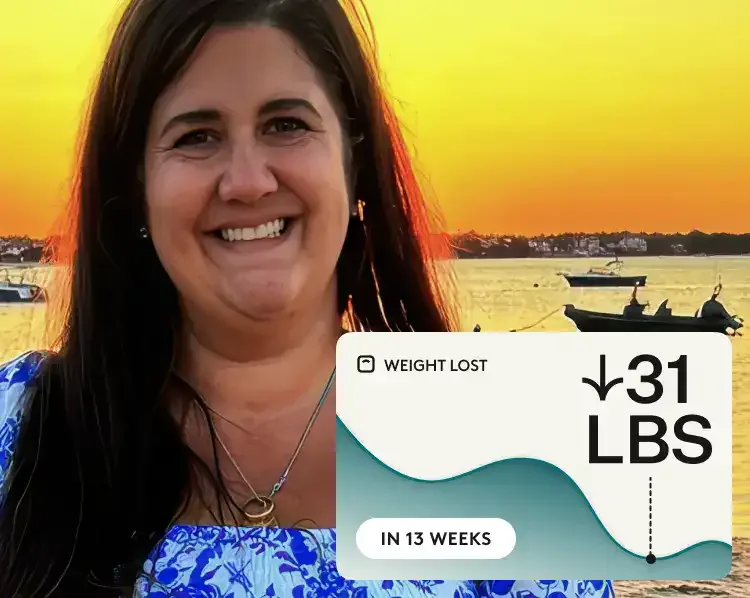
“All of the Noom providers that I’ve met with have been exceptional and prescribed medications that are appropriate for my situation and health.”
Sarah R. – Real Noom user

“Noom made the process so simple and now I feel full, free from diet obsession, and at ease in my body again.”
Madison S. – Real Noom user
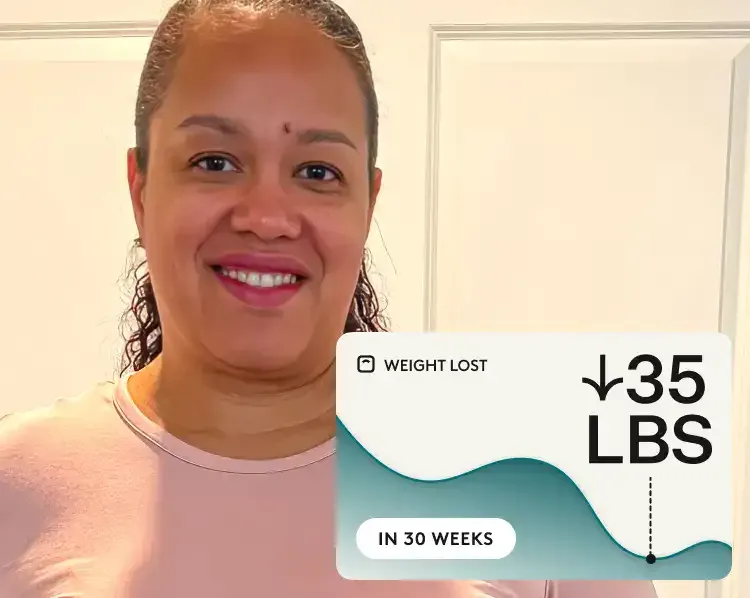
“My doctor recommended Noom after I was frustrated trying to lose weight. The lessons helped change my relationship with food. My body feels lighter & energized.”
Sonday K. – Real Noom user
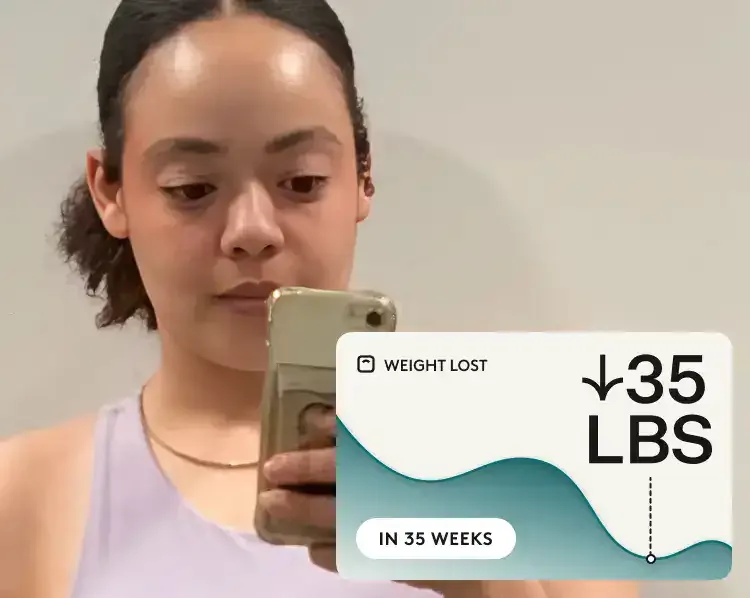
“I built healthy habits with coaching and lessons that make me confident I can maintain my weight loss long term.”
Cam K. – Real Noom user
“With the right medication through Noom, hunger and sugar cravings finally quieted and I have the tools to break the cycle.”
Laura TR. – Real Noom user
“Cravings and food noise are gone, I finally feel confident in the healthy habits I’ve built to last with Noom.”
Jessica S. – Real Noom user
The bottom line: Weight loss peptides are evolving quickly
Weight loss medications have come a long way, from drugs that target a single hormone to newer treatments that act on multiple pathways. FDA-approved options like Zepbound® and Wegovy® HD are helping people achieve substantial weight loss, while pills like Wegovy® and Foundayo® offer alternatives to injections. Investigational medications, including retatrutide and CagriSema, could expand those options even further.
But newer doesn’t always mean better, and not every peptide marketed for weight loss has been proven to work. There’s an important difference between medications that have passed FDA review, treatments being tested in clinical trials, and unapproved products sold online.
If you’re considering a weight-loss medication, talk with your healthcare provider or see if you qualify for medication through Noom. Both can help you find out which options are approved, what the research shows, and what makes sense for your health and goals. The best treatment isn’t necessarily the newest one—it’s one that’s safe, effective, and sustainable for you.
Editorial standards
At Noom, we’re committed to providing health information that’s grounded in reliable science and expert review. Our content is created with the support of qualified professionals and based on well-established research from trusted medical and scientific organizations. Learn more about the experts behind our content on our Health Expert Team page.