
What you’ll learn:
- Hair thinning during and after menopause cause be caused by hormonal changes, but it can also be tied to other causes.
- Medical treatments can help manage and improve hair health and can be combined with lifestyle changes.
- Natural strategies like vitamins and supplements have varying levels of success in treating hair loss and aren’t always supported by scientific evidence.
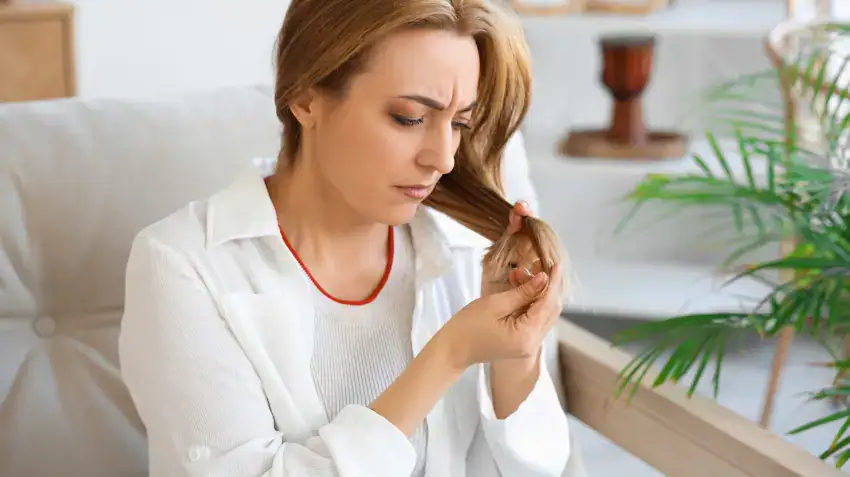
Hot flashes, mood swings, and sleep disruptions are common as you approach menopause, but for many, hair thinning is also a sign that hormones are shifting. You might notice your hairline changing, your part widening, or more strands falling out than usual.
Research shows that about 50% of women experience hair thinning as they approach menopause.
This type of gradual thinning is known as female pattern hair loss (FPHL). It often starts during perimenopause, typically in your early 40s, when hormone levels like estrogen and progesterone begin to fluctuate. These shifts can interrupt the normal hair growth cycle, leading to increased shedding.
And if you don’t experience thinning during perimenopause, it may still show up after menopause. A review in Menopause found that more than half of postmenopausal women also experience FPHL. Once estrogen levels remain consistently low, hair may grow back more slowly, making thinning more noticeable over time. Research shows that hair loss often becomes more visible in your early 50s and can intensify after that.

The Easy Way
to lose weight and get healthy.
The good news? There are effective ways to protect and support hair growth during and after menopause.
We’ll break down how hormonal changes affect your hair, the different types of hair loss to look out for, and which treatments, lifestyle habits, and natural options may help you feel more in control again.
[/et_pb_text][/et_pb_column][/et_pb_row][/et_pb_section]How does menopause cause hair loss?
Hair growth is closely tied to your hormones, especially estrogen. Before menopause, research shows estrogen helps keep your hair in its growth phase longer, which contributes to fuller, thicker strands.
After menopause, there is a shift in the balance between androgens and estrogens. This change in the ratio of estrogens to androgens is linked to a shorter hair growth phase and increased shedding. A study also found that hair follicles actually shrink during menopause, resulting in finer, weaker strands that break more easily.
“Along with hot flashes and sleep disruptions, some of the most noticeable symptoms during menopause are changes in hair texture, thickness, and overall volume,” says Dr. Karen Mann, Medical Director at Noom and menopause specialist. “As estrogen and progesterone decline, androgens like testosterone can have a relatively greater effect on the body—and that includes shrinking hair follicles.”
Research shows that this hormonal imbalance between estrogen and androgens can lead to miniaturization of hair follicles, where the strands become thinner and shorter over time.
Together, these changes often lead to:
- Thinning hair that looks and feels more brittle
- Loss of volume, especially near the part or crown
- Texture changes, with hair becoming drier or more wiry
Types of hair loss during menopause
Hair thinning during menopause is different for everyone, but there are a few different types of hair loss that commonly show up. Knowing which one you’re experiencing can help you find the right treatment.
1. Female pattern hair loss (FPHL)
The most common form, FPHL, usually appears as gradual thinning across the crown with a widening part. With FPHL, usually the front hairline isn’t affected. Doctors and researchers don’t actually understand the exact cause of FPHL, but it’s thought to be a combination of genetics, environmental factors, and hormones. A study in Clinics in Dermatology found up to 68% of women aged 60 to 75 experience FPHL, which is characterized by follicle miniaturization and slower regrowth.
Access GLP-1 Weight Loss with Noom
Explore a wide range of prescription medications supported by Noom’s program.
Microdose GLP-1rx
Noom GLP-1rx
Noom GLP-1rx Plus
Wegovy®
Ozempic®
Metformin
Zepbound®
Mounjaro®
Liraglutide
2. Telogen effluvium (TE)
TE is triggered by stress, illness, or hormonal disruption, and causes sudden, diffuse shedding. You might notice more hair in your brush or shower drain. While typically temporary, TE can be alarming. In a healthy scalp, about 85% of hair follicles are actively growing, while around 15% are in a resting phase. A review highlights how stress can push up to 70% of growing hairs into the resting phase prematurely, disrupting the normal cycle.
3. Frontal fibrosing alopecia (FFA)
A scarring form of hair loss, FFA leads to gradual hairline recession and eyebrow thinning, primarily in postmenopausal women. Though its cause isn’t fully understood, research suggests it may stem from hormonal sensitivity and autoimmune activity. One study found that 63% of those diagnosed with FFA were postmenopausal, underscoring its link to hormonal changes later in life.
[/et_pb_text][/et_pb_column][/et_pb_row][/et_pb_section]Menopause hair loss: Causes & risk factors
Hair thinning during menopause usually isn’t caused by just one thing. It’s often the result of several overlapping factors—from hormone fluctuations to genetics and lifestyle. Understanding these causes can help you take steps to protect your hair.
Here’s a closer look at the most common contributors to hair loss during menopause:
Hormonal shifts: As discussed above, declining estrogen levels can shorten the hair’s growth phase, while a relative increase in androgens (like testosterone) may lead to follicle shrinkage and thinner strands.
Genetic predisposition: If your mother or grandmother experienced thinning hair, you’re more likely to see it too. A recent review that analyzed the role of genetics confirmed that family history is a major contributor to hair loss during menopause.
Underlying health conditions: Hair loss can sometimes signal that something deeper is going on in the body.
- Thyroid issues: A review that examined thyroid health and hair found that both underactive and overactive thyroid conditions can disrupt the hair cycle.
- Anemia: A study that looked at women with iron deficiency anemia showed a clear link to increased hair shedding.
- Autoimmune disorders: Research on autoimmune disorders like alopecia shows how the immune system can mistakenly attack hair follicles, causing thinning or patchy hair loss
- Zinc deficiency: A study from the Annals of Dermatology shows that many people with hair loss do not have enough zinc in their bodies. People with zinc deficiency are more likely to have alopecia and telogen effluvium.
Natural aging: Even without menopause, hair naturally grows more slowly and becomes finer with age. A study that looked at aging and hair follicle activity found that follicles become less productive over time, which contributes to thinning.
Medications: Some medications can also contribute to hair loss. A review that included data on drug-induced hair loss noted that blood thinners, certain antidepressants, and hormone-blocking therapies may all play a role. Another study and case report found that beta blockers, which are commonly used for high blood pressure, can sometimes cause hair loss.
Lifestyle factors: Your everyday habits can have a bigger impact than you might think. A review that analyzed nutrition and hair health highlighted how stress, diet, and overall health affect the hair cycle.
- Stress: A resource on telogen effluvium explains that chronic stress can push a large percentage of hair into the shedding phase.
- What you eat: That same nutrition review showed that low intake of protein, iron, zinc, or vitamins—or even rapid weight loss—can also contribute to thinning.
- Smoking: A study that looked at smoking and hair loss found that smoking reduces blood flow to the scalp and may increase inflammation, both of which can harm follicles.
Hair care practices: The way you treat your hair matters, too. A guide from the American Academy of Dermatology explains that tight hairstyles, excessive heat, and harsh chemical treatments can damage strands and increase breakage over time.
[/et_pb_text][/et_pb_column][/et_pb_row][/et_pb_section]How can hormone replacement therapy reverse hair loss
Hormone replacement therapy (HRT) works by rebalancing your hormones, which can support hair health during menopause, but it’s not FDA-approved for hair regrowth alone. A study that explored HRT’s effects explains how supplemental estrogen (and progesterone for people with a uterus) helps extend the hair’s growth phase and reduce androgen-driven thinning.
Hormonal support can help reverse some hair loss, but HRT typically isn’t used by itself to treat thinning hair. Research shows that HRT works best as part of a broader plan, often with minoxidil, nutritional adjustments, or lifestyle changes.
Here are some of the specific ways HRT may support healthier hair during menopause:
- Improving hair density and thickness: HRT may help shift more follicles into the growing phase and potentially reverse some of the shrinkage caused by hormonal changes.
- Supporting overall scalp and follicle health: Estrogen is known to improve circulation, boost collagen production, and increase natural oils on the scalp.
Balancing androgens: When estrogen drops and androgens become relatively dominant, hair tends to become finer and thinner. HRT may help restore hormonal balance and support fuller hair.
“Hormone replacement therapy (HRT) is primarily prescribed to relieve common menopausal symptoms such as hot flashes, vaginal dryness, and to help prevent bone loss,” explains Dr. Karen Mann, Medical Director at Noom and menopause specialist. “While restoring estrogen and progesterone levels may also help slow or reduce hair thinning, HRT is not typically prescribed solely for hair loss. Instead, it’s often part of a broader treatment plan.”
[/et_pb_text][/et_pb_column][/et_pb_row][/et_pb_section]Medications for hair thinning during and after menopause
When it comes to treating hair loss in menopause, there’s no single solution that works for everyone. But there are medications that can help slow thinning and support regrowth. Some are FDA-approved, while others are used off-label based on research and clinical experience. Below are a few of the most common medications prescribed for female pattern hair loss (FPHL), including how they work and who they may be right for.
Minoxidil: Best known as Rogaine, minoxidil is one of the most widely used treatments for hair loss. The topical form is the only FDA-approved treatment for FPHL. This medication increases blood flow to the scalp and stimulates follicles, helping extend the growth phase and reduce shedding. Though the exact mechanism isn’t fully understood, studies suggest it “wakes up” dormant follicles and reverses miniaturization, leading to thicker, stronger hair over time.
A review found minoxidil promotes regrowth in 40 to 70% of people when used consistently. It’s often recommended alone or alongside hormone replacement therapy (HRT) for menopause-related thinning.
The Easy Way
to lose weight and get healthy.
How minoxidil helps:
- Promotes hair growth: It stimulates hair follicles to enter and stay in the active growth phase of the hair cycle. It also shortens the resting phase.
- Increases blood flow to the scalp: It widens blood vessels, increasing blood flow to the scalp and delivering more oxygen and nutrients to the hair follicles.
- Reverses follicle shrinkage: Minoxidil helps to reverse the shrinkage of hair follicles, leading to thicker, healthier hair.
Forms of minoxidil and how they compare: There are two main forms of minoxidil used to treat hair loss during menopause: topical and oral. The topical form comes in two different types—solution and foam—with similar effectiveness but slightly different formulations and experiences.
- The topical solution is FDA-approved and applied once or twice daily. It’s considered safe for long-term use and has minimal effects on the rest of the body.
- Topical foam is applied once daily. It dries quickly and is often preferred by those who experience scalp irritation from the solution.
- Oral minoxidil is an off-label option, typically prescribed at low doses. One study found it effective for women with stubborn or widespread FPHL.
Results often take 3 to 6 months, and regular use is essential. During the first 1-2 months, you may experience accelerated loss before the growth starts happening. Always talk to your provider to find the option that best fits your needs.
Spironolactone: Often used off-label for hormonally driven hair loss, spironolactone blocks androgen receptors, reducing the effects of testosterone and DHT on hair follicles. A review found it especially effective in women with signs of androgen excess, like acne or unwanted facial hair. It’s typically prescribed to premenopausal or perimenopausal women and is often combined with minoxidil for best results.
Finasteride: Best known as Propecia, finasteride inhibits an enzyme that converts testosterone into DHT—a hormone linked to follicle shrinkage. While it’s primarily used in men, a review found it may help postmenopausal women with FPHL. Due to its hormone-modulating effects, it’s generally reserved for use after menopause and requires careful monitoring by a healthcare provider.
[/et_pb_text][/et_pb_column][/et_pb_row][/et_pb_section]Can taking vitamins or supplements help hair growth during menopause?
ome vitamins and supplements may help support hair health, but most lack strong evidence unless a deficiency is present. Low levels of iron, zinc, biotin, or vitamin D can contribute to hair loss, but supplementing without a confirmed deficiency can do more harm than good. Over-supplementation—especially with iron, zinc, vitamin A, or E—can actually worsen shedding.
Here are a few supplements that may help if needed, based on current research. Always consult your provider before starting any new supplement.
- Biotin: Most effective in people with a confirmed deficiency (which is rare). Evidence for its effectiveness for hair growth in people who don’t have a deficiency is limited.
- Vitamin D: Plays a role in the hair growth cycle. Low levels are linked to several types of alopecia, according to a study on nutrient deficiencies and hair loss.
- Zinc: Essential for follicle repair and growth. A deficiency can lead to hair shedding, but too much may have adverse effects.
- Collagen: Supports the structural foundation of the scalp and keratin production. Evidence is strongest for hydrolyzed marine collagen, according to a recent study.
Vitamin E: Acts as an antioxidant that may protect hair follicles from oxidative stress, a factor linked to thinning.
[/et_pb_text][/et_pb_column][/et_pb_row][/et_pb_section]Natural remedies to prevent menopause hair loss
Although most vitamins and supplements lack the data to support using them for hair growth unless you have a known deficiency, there are other natural options. Pumpkin seed oil, rosemary oil, saw palmetto, melatonin, and topical caffeine all showed significant positive effects on hair growth. The evidence is based on a study about complementary and alternative medicines for hair loss.
Here’s how each of these natural ingredients might help with hair growth:
[/et_pb_text][/et_pb_column][/et_pb_row][/et_pb_section]| Ingredient | Why it helps | What the research says | How to use it |
|---|---|---|---|
| Pumpkin seed extract | May block DHT (a hormone linked to hair loss) and reduce scalp inflammation | Studies suggest it may help increase hair count, especially in hormone-related hair thinning | Apply to the scalp or take as a supplement (check with your doctor) |
| Rosemary oil | Boosts scalp circulation and may naturally block DHT. | Shown to work as well as 2% minoxidil, with fewer side effects. | Massage into the scalp daily, diluted with a carrier oil. |
| Saw palmetto | Helps block DHT production and may slow hair thinning. | Considered a gentler, natural alternative to prescription DHT blockers | Use as a scalp oil or oral supplement (talk to your provider first). |
| Melatonin | Protects hair follicles and supports the hair growth cycle. | Topical melatonin has been linked to increased hair density in people with thinning hair. | Apply melatonin spray or serum to the scalp at night. |
| Caffeine | Stimulates hair follicles and may reduce hormone-related follicle shrinkage. | Research shows caffeine topicals may support hair shaft growth and follicle activity. | Use caffeine-infused serums or shampoos on the scalp regularly. |
Lifestyle changes for hair loss during menopause
Lifestyle changes like managing stress, eating a nutrient-rich diet, and using gentle hair care products can also make a big difference. A personalized approach is key since what works best can vary from person to person. Let’s look at the options:
Change the way you treat your hair
- Use hair products designed for thinning hair: Look for volumizing shampoos, conditioners, and styling products that won’t weigh down your hair. As the American Academy of Dermatology explains, some products contain ingredients like minoxidil that can help stimulate hair growth. Discuss these options with your doctor.
- Don’t wear tight hairstyles: Avoid tight hairstyles that pull on the hair follicles, as this can lead to hair loss.
- Don’t overwash your hair: Dermatologists warn that washing too frequently can strip your scalp of natural oils, potentially irritating hair follicles. Find a washing schedule that works for you.
- Don’t brush when it’s wet: Your hair is at its weakest when it’s wet. Let it dry before brushing it to avoid damage or breakage.
Diet changes for healthy hair during menopause
Hair follicles are highly active and need steady nourishment to grow. Two scientific reviews on nutrition and hair health found that deficiencies in key nutrients—especially iron, protein, vitamin D, and vitamin C—can disrupt the hair cycle and trigger thinning or shedding. While diet alone won’t reverse hormone-related hair loss, it lays the foundation for better results with treatments like minoxidil or hormone replacement therapy (HRT). A well-rounded, nutrient-rich diet supports scalp circulation, reduces inflammation, and provides the building blocks for stronger, healthier hair over time.
Key nutrients that support healthy hair:
Protein: Essential for producing keratin, the main structural protein in hair. One study noted that eating too little protein—typically below 0.8 grams per kilogram of body weight daily (about 45–60 grams for most adults)—can weaken strands, reduce volume, and impair hair growth.
- To support hair health, aim to include a source of protein at each meal to ensure a steady supply of the amino acids your follicles need.
Iron: Low iron is a common cause of hair loss in women, especially a type called telogen effluvium. One study found that women with hair shedding often had lower iron stores than those without hair loss. Even slightly low levels may increase the risk.
- If a blood test shows your iron is low, try boosting it with iron-rich foods like lean red meat, spinach, or lentils—or with supplements, if your doctor recommends them. Recheck your levels after a few months to track improvement.
Vitamin C: Supports hair health by helping your body absorb iron and shielding hair follicles from oxidative stress—a process that research shows can trigger increased shedding.
- Include vitamin C-rich foods like citrus fruits, bell peppers, strawberries, or broccoli in meals that include iron to improve iron absorption and help protect your hair follicles.
How stress affects hair loss during menopause
Stress doesn’t just affect your mood—it can also show up on your scalp. According to the American Academy of Dermatology, emotional or physical stress can worsen hair shedding and delay regrowth. And during menopause, when your body is already navigating hormonal shifts, added stress may push hair follicles into a prolonged resting phase, leading to noticeable thinning or loss.
A recent study found that chronic stress can actually block key hormones involved in hair regeneration. That means even if you’re taking care of your hair on the outside, stress on the inside could be slowing new growth.
Stress and sleep also go hand in hand. Many people going through menopause struggle with sleep quality due to symptoms like night sweats, anxiety, and hormonal fluctuations. And when sleep suffers, so does your body’s ability to manage cortisol, a stress hormone that, when elevated, can contribute to hair loss. A study in Sleep Science highlights how poor sleep can lead to increased cortisol levels, which may disrupt the hair growth cycle.
Tips to reduce stress and support hair growth
You don’t need a total lifestyle overhaul; a few consistent shifts can help your body and scalp find balance. Try incorporating one or two of these stress-reducing habits into your day:
- Move your body in a way that feels joyful. Physical activity helps lower stress hormones and increase circulation to the scalp.
- Try mindfulness or breathing exercises. Guided meditation, deep breathing, or simply spending a few minutes focused on your breath can lower cortisol and ease tension.
- Talk it out. Therapy, journaling, or even just venting to a trusted friend can help lower stress.
- Prioritize sleep hygiene. Go to bed and wake up at the same time each day. If hot flashes are an issue, use cooling sheets or layer breathable fabrics. Power down screens at least an hour before bed, keep your bedroom cool and dark, and try a relaxing ritual like stretching or reading.
[/et_pb_text][/et_pb_column][/et_pb_row][/et_pb_section]
Reviews from real Noom users
“My favorite parts of Noom are the care team and other Noomers. Sharing and getting help made me feel like I wasn’t doing it alone. That support made all the difference.”
Desirea N. — Real Noom user
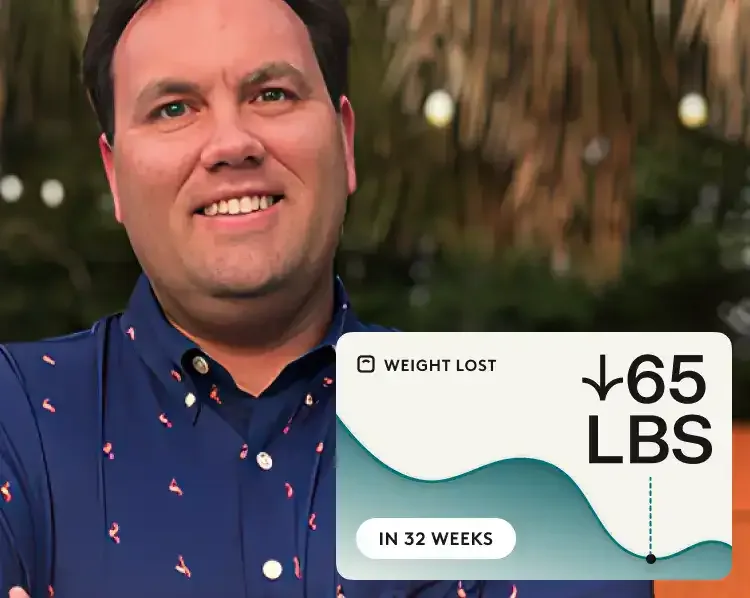
“Noom has taught me that every day is a new chance to make better, healthier choices. It’s taught me how to stop overeating.”
Matthew M. — Real Noom user
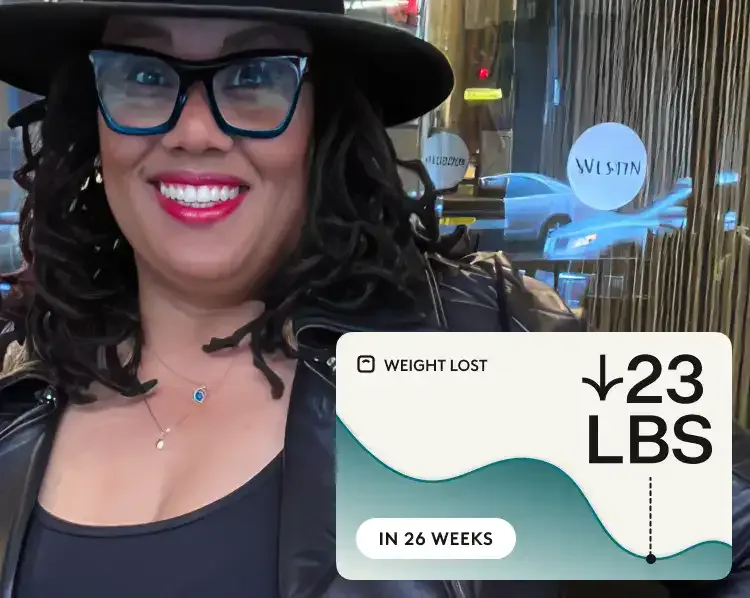
“Clinicians who understand how supportive medication can be is one of the best parts of Noom! I was convinced I wouldn’t have success but I’m down 11 pounds in two months.”
Lila M. — Real Noom user
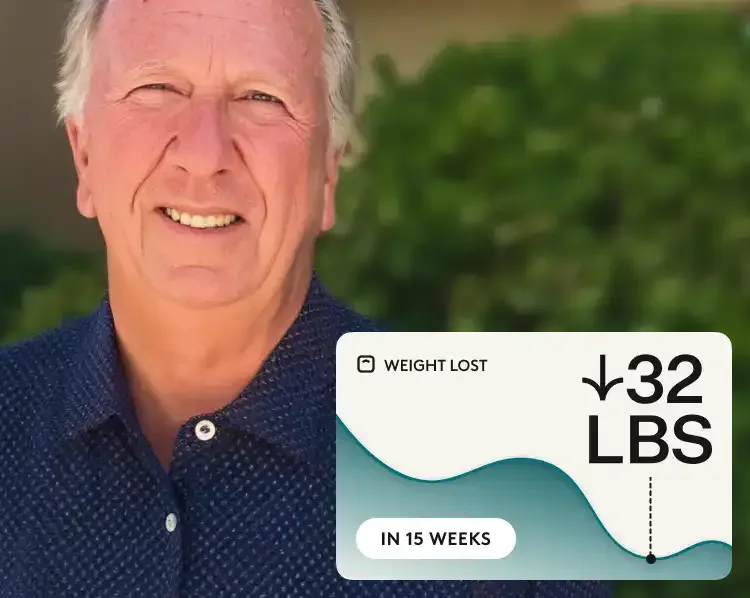
“Noom provided me with the medication which I could not get through Medicare. I have learned the tricks to better eating and life in general.”
Steve M. – Real Noom user
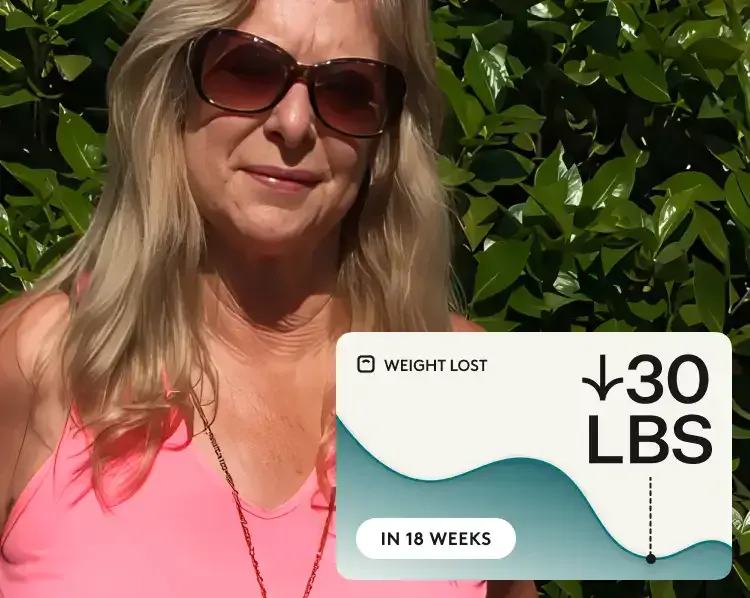
“Noom has changed my life and I’m so thankful, I feel great, have more energy and am no longer prediabetic.”
Daisy R. – Real Noom user
“All of the Noom providers that I’ve met with have been exceptional and prescribed medications that are appropriate for my situation and health.”
Sarah R. – Real Noom user

“Noom made the process so simple and now I feel full, free from diet obsession, and at ease in my body again.”
Madison S. – Real Noom user
“My doctor recommended Noom after I was frustrated trying to lose weight. The lessons helped change my relationship with food. My body feels lighter & energized.”
Sonday K. – Real Noom user
“I built healthy habits with coaching and lessons that make me confident I can maintain my weight loss long term.”
Cam K. – Real Noom user

“With the right medication through Noom, hunger and sugar cravings finally quieted and I have the tools to break the cycle.”
Laura TR. – Real Noom user
“Cravings and food noise are gone, I finally feel confident in the healthy habits I’ve built to last with Noom.”
Jessica S. – Real Noom user
Frequently asked questions about menopause hair loss
When is the best time to start treatment for menopausal hair thinning?
The sooner, the better! Starting treatment early, especially for FPHL, can help preserve more hair and achieve better results. Don’t wait until the thinning is advanced to seek help.
How do I know if my hair thinning is caused by menopause?
A certain amount of daily hair shedding (70 to 100 hairs) is normal. But if you notice significant changes like bald patches and hair coming out in large clumps, or if your scalp is itchy, painful, or inflamed, it’s time to see a dermatologist. They can rule out underlying medical conditions and provide an accurate diagnosis.
Does hair transplant surgery help with hair loss during menopause?
While hair transplant surgery is the most common surgical treatment for permanent hair loss, it’s a less common treatment for menopausal hair loss.
Managing menopausal hair loss with Noom
Hair thinning and loss during and after menopause is a common and often distressing issue, reflecting the complex hormonal changes happening in the body. But understanding the underlying causes—whether hormonal, genetic, lifestyle-related, or a combination—can help you find effective treatments.
From HRT and topical medications to targeted nutrition, stress management, and gentle hair care practices, there are clinically supported strategies that can slow hair loss and promote healthier regrowth over time. Early intervention and a personalized approach are key to achieving the best outcomes.
If you’re looking for a comprehensive approach to managing menopausal symptoms, Noom + HRTRx offers structured guidance tailored to this phase of life, including HRT if needed. The program combines behavior change tools with expert support to help you navigate symptoms like weight gain, sleep disruption, and hair thinning.
Editorial standards
At Noom, we’re committed to providing health information that’s grounded in reliable science and expert review. Our content is created with the support of qualified professionals and based on well-established research from trusted medical and scientific organizations. Learn more about the experts behind our content on our Health Expert Team page.