

What you’ll learn:
- The FDA has identified a potential NAION risk with GLP-1 medications, including Zepbound®.
- NAION can cause permanent vision loss, but cases were very rare in the FDA’s trial review.
- The new FDA warning alerts you to a potential risk; it doesn’t establish that Zepbound® directly causes blindness.
If you’ve been hearing about a new concern with GLP-1s and blindness, it’s easy to be alarmed. If you take Zepbound® or are considering it, that uncertainty can make headlines about eyesight difficult to interpret. How likely is the problem, and does the concern apply to you?
But let’s be clear from the start: Research hasn’t established that Zepbound® directly causes blindness. There is a potential risk worth understanding, but the numbers we walk through help put it in perspective.
So how did all of this start? Much of the early attention focused on semaglutide, the active ingredient in Ozempic® and Wegovy®, following research into a possible connection with vision loss. Lawsuits alleging that semaglutide caused a rare eye condition called NAION also made headlines.
After reviewing clinical trials and other safety evidence, the FDA now requires a warning about a potential increased risk of NAION. That requirement applies across GLP-1 medications, including Zepbound® and Mounjaro®, which contain tirzepatide, as well as Wegovy® and Ozempic®, which contain semaglutide.
Below, we’ll explain the FDA findings, what studies involving tirzepatide can tell us, and which symptoms need immediate attention.

The Easy Way
to lose weight and get healthy.
Does Zepbound® cause blindness? What the FDA says
NAION stands for non-arteritic anterior ischemic optic neuropathy. It happens when reduced blood flow damages the front of the optic nerve. The optic nerve carries visual information from your eye to your brain. If its blood supply is disrupted, some of that vision can be lost.
The FDA’s November 9, 2026 warning addresses a potential increased NAION risk for people taking GLP-1 medications. Across 126 trials involving 134,253 people, reviewers identified 15 probable cases: 10 in GLP-1 groups and 5 in comparison groups that were on placebo.
Accounting for follow-up time, rates were 6.4 in the GLP-1 group vs 3.8 in the comparison group. That’s a difference of 2.6 additional NAION cases in people taking GLP-1s per 100,000 person-years. For context, 100,000 people followed for one year equals 100,000 person-years.
With numbers this small, cases of NAION were very rare in these trials. These findings don’t establish Zepbound®’s individual risk or prove it caused the difference.
Tirzepatide and vision loss: What the studies show
Research involving tirzepatide and blindness shows a possible connection, but it’s limited. Some studies combine tirzepatide with semaglutide, making it difficult to separate the results for each medication. The FDA’s warning requirement applies to the whole class, including tirzepatide.
A warning label alerts you to a potential risk; it doesn’t mean that outcome is guaranteed. Here’s what the studies can tell us.
A large study found a small increase in NAION diagnoses
A 2025 study of people with type 2 diabetes compared 79,699 people prescribed semaglutide or tirzepatide with the same number prescribed other diabetes medications. None had previously diagnosed eye disorders.
35 people (0.04%) taking semaglutide or tirzepatide were diagnosed with NAION, compared with 19 people (0.02%) taking other diabetes medications. The increased risk was statistically significant, but the overall risk was very low, and the study couldn’t establish that the medications caused it. Here’s what that looks like when compared side-by-side:
| Group | People diagnosed with NAION | Percentage |
|---|---|---|
| Semaglutide or tirzepatide | 35 of 79,699 | 0.04% |
| Other diabetes medications | 19 of 79,699 | 0.02% |
So while the study found an association, it wasn’t a randomized trial. Plus, the people who were studied all had diabetes. As you’ll see below, diabetes can put people at a higher risk for vision conditions, which is why it’s hard to say whether the medication was the reason for this difference in NAION diagnoses.
A small case series included people taking tirzepatide
A 2025 report of nine people with eye complications described seven NAION cases: four in people taking semaglutide and three in people taking tirzepatide. The other two cases involved different eye conditions.
Reports like these can help identify a possible safety concern. But they don’t include a comparison group or tell us how many people used the medication without developing a problem. They can’t establish how often a complication occurs or whether the medication caused it.
The authors also raised the possibility that rapid improvement in high blood sugar might contribute to some of the findings. That was a proposed explanation, not a demonstrated mechanism.
Zepbound® and diabetes: The connection between diabetes and vision problems
One complicating factor that makes the data harder to interpret is that GLP-1 medications are often used to treat type 2 diabetes. Having diabetes itself increases the risk of eye problems, including NAION. That makes it harder to determine whether the increased risk is related to the medication, diabetes, or both.
Before the new FDA warning, the Zepbound® prescribing information had already warned that diabetic retinopathy can temporarily worsen when blood sugar improves rapidly. It recommends monitoring people with a history of retinopathy and contacting a healthcare provider about vision changes during treatment.
This concern involves the retina, the light-sensitive tissue at the back of your eye. NAION affects the optic nerve. If you have diabetes, tell your prescriber about any eye disease and ask your eye care team whether your monitoring needs to change as treatment starts or your blood sugar improves.
Vision changes on Zepbound®: When to get immediate care
Get immediate medical attention for sudden loss or a sudden change in vision, even if it doesn’t hurt. Don’t wait for a routine appointment or assume it’s a normal adjustment to medication.
Symptoms to act on include:
- Sudden dimming or loss of vision in one eye
- A new shadow or missing area of vision
- A sudden change in how clearly you can see
Seek emergency eye care or go to an emergency department if you can’t get immediate assessment. Tell the clinician when the change began, which medicines you take, and whether you’ve had a similar problem before.
An urgent examination helps distinguish NAION from other causes of sudden vision loss. Routine monitoring and urgent symptom assessment serve different purposes; a recent normal eye exam isn’t a reason to delay care.
What to do if you take Zepbound® and are worried about your eyes
Start with a conversation about your own history and benefits from treatment. Eye specialists recommend weighing risks and benefits with your care team, especially if you have previous vision loss or NAION.
Let your provider know of:
- Any eye conditions or previous episodes of vision loss
- Whether you have diabetes, sleep apnea, or circulation-related conditions
- Any new symptoms and when they started
- Questions about continuing treatment or considering alternatives
If you have diabetes, keep up with recommended dilated eye exams and blood sugar, blood pressure, and cholesterol management.
How does NAION compare with common Zepbound® side effects?
Digestive symptoms are much more commonly reported than NAION. In Zepbound® weight management trials, rates varied across the 5 mg, 10 mg, and 15 mg doses, but the most common side effects were:
| Side effect | Zepbound® | Placebo |
|---|---|---|
| Nausea | 25%–29% | 8% |
| Diarrhea | 19%–23% | 8% |
| Vomiting | 8%–13% | 2% |
| Constipation | 11%–17% | 5% |
Most nausea, vomiting, and diarrhea occurred during dose increases and decreased over time. These trial percentages don’t estimate NAION risk.
Frequently asked questions about Zepbound® and vision loss
Can tirzepatide cause NAION?
Studies and case reports raise a possible connection, but they don’t establish an individual person’s cause of vision loss. No study has measured tirzepatide’s NAION risk on its own. Tirzepatide has been included in case reports and in studies that combine it with semaglutide, and eye specialists say the evidence is still too limited to draw conclusions
The Easy Way
to lose weight and get healthy.
Can Zepbound® cause blurry vision?
Blur can occur during blood sugar changes, especially when diabetes treatment changes. Retinal and optic nerve conditions can also affect vision. New blur deserves a call to your care team; sudden changes need immediate assessment.
Does the concern apply to Mounjaro® too?
Yes. Mounjaro® also contains tirzepatide and is included in the FDA action.
Should I switch from Zepbound® to Wegovy® to protect my eyes?
Available research doesn’t establish that switching lowers NAION risk. Ask your prescriber and eye specialist to review your options in light of your history.
Can NAION vision loss be reversed?
There’s no proven treatment that reliably restores the lost vision. An urgent exam still matters to confirm the diagnosis and identify other treatable causes. Some people regain part of their vision over time, but lost vision often doesn’t fully return
Reviews from real Noom users
“My favorite parts of Noom are the care team and other Noomers. Sharing and getting help made me feel like I wasn’t doing it alone. That support made all the difference.”
Desirea N. — Real Noom user
“Noom has taught me that every day is a new chance to make better, healthier choices. It’s taught me how to stop overeating.”
Matthew M. — Real Noom user
“Clinicians who understand how supportive medication can be is one of the best parts of Noom! I was convinced I wouldn’t have success but I’m down 11 pounds in two months.”
Lila M. — Real Noom user
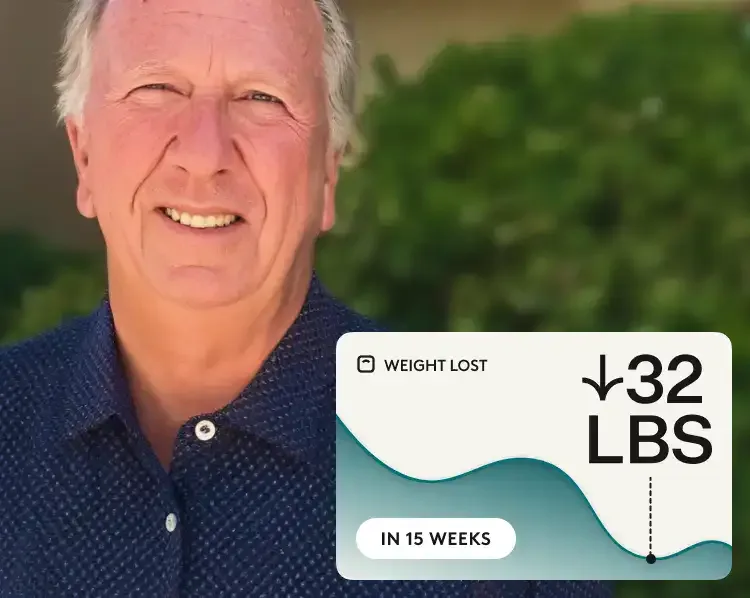
“Noom provided me with the medication which I could not get through Medicare. I have learned the tricks to better eating and life in general.”
Steve M. – Real Noom user
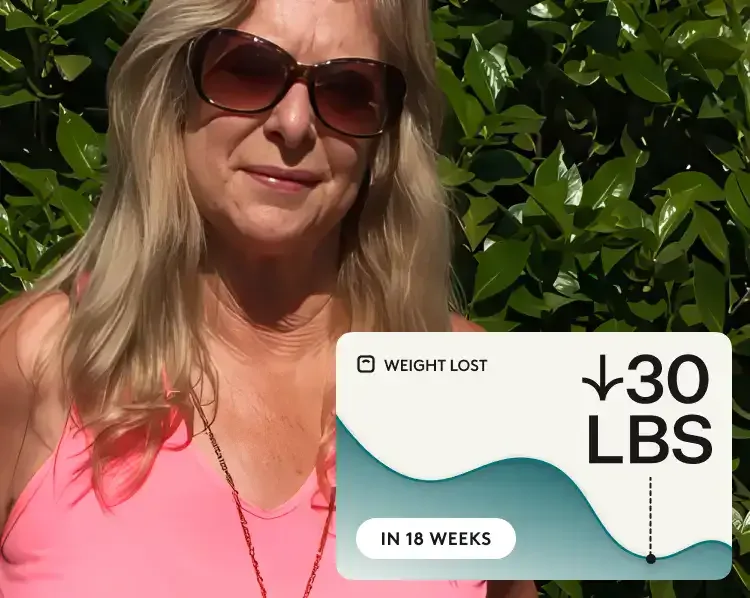
“Noom has changed my life and I’m so thankful, I feel great, have more energy and am no longer prediabetic.”
Daisy R. – Real Noom user
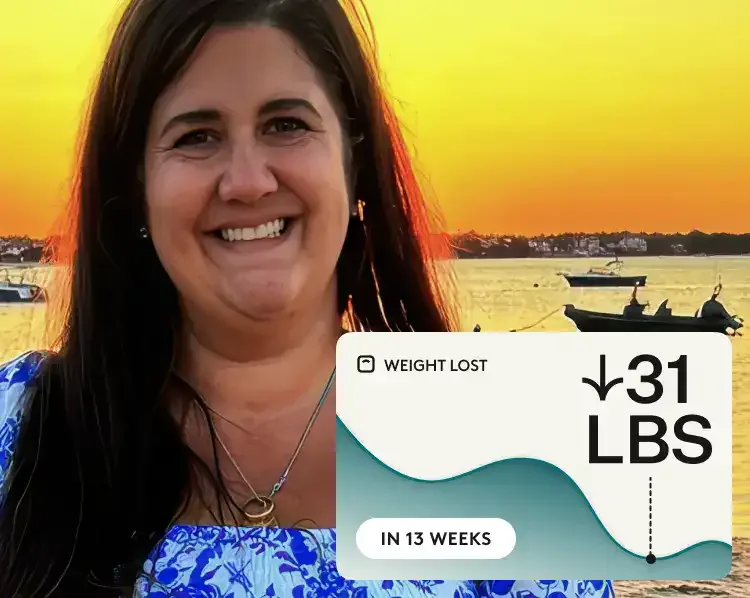
“All of the Noom providers that I’ve met with have been exceptional and prescribed medications that are appropriate for my situation and health.”
Sarah R. – Real Noom user
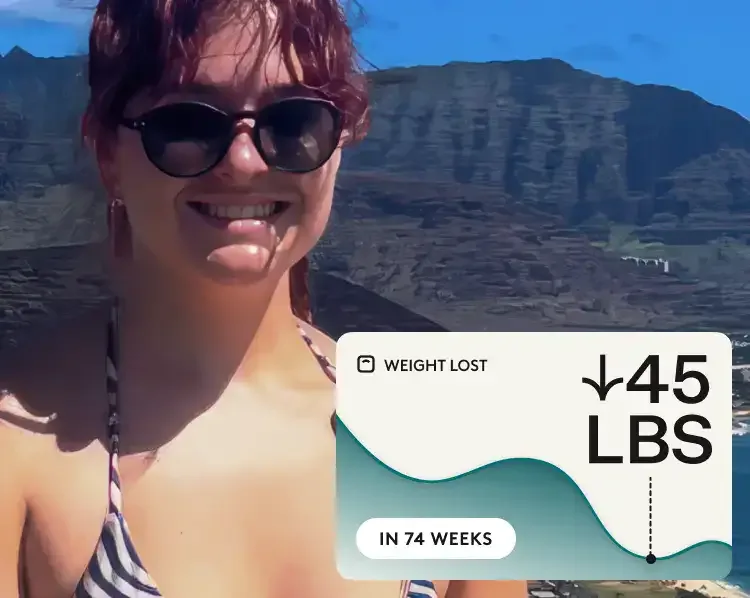
“Noom made the process so simple and now I feel full, free from diet obsession, and at ease in my body again.”
Madison S. – Real Noom user
“My doctor recommended Noom after I was frustrated trying to lose weight. The lessons helped change my relationship with food. My body feels lighter & energized.”
Sonday K. – Real Noom user
“I built healthy habits with coaching and lessons that make me confident I can maintain my weight loss long term.”
Cam K. – Real Noom user
“With the right medication through Noom, hunger and sugar cravings finally quieted and I have the tools to break the cycle.”
Laura TR. – Real Noom user
“Cravings and food noise are gone, I finally feel confident in the healthy habits I’ve built to last with Noom.”
Jessica S. – Real Noom user
The bottom line: There’s a potential NAION risk with Zepbound®, but a direct link hasn’t been established
The FDA has identified a potential NAION risk with Zepbound® and other GLP-1 medications. But the available studies don’t tell us that Zepbound® or any other GLP-1 medication causes NAION.
It’s important to take this warning seriously, but it likely doesn’t mean you need to change anything immediately. This FDA warning flags a potential concern, not a common issue.
What can you do to make sure you’re following the guidance? Discuss your eye history with your prescriber, keep recommended eye appointments, and get immediate care for sudden vision changes.
If you get your medication through Noom, your clinician can help you review what this information means for your treatment plan and coordinate next steps.
Editorial standards
At Noom, we’re committed to providing health information that’s grounded in reliable science and expert review. Our content is created with the support of qualified professionals and based on well-established research from trusted medical and scientific organizations. Learn more about the experts behind our content on our Health Expert Team page.