
What you’ll learn:
- Wegovy® hasn’t been proven to cause blindness, but some studies have linked semaglutide to a small increased risk of NAION, a rare condition that can cause sudden, permanent vision loss.
- Lawsuits alleging that semaglutide caused NAION have been consolidated in federal court, but the lawsuits themselves don’t establish that Wegovy® causes the condition.
- The possible NAION risk appears to be very low and has been seen primarily in people with type 2 diabetes.
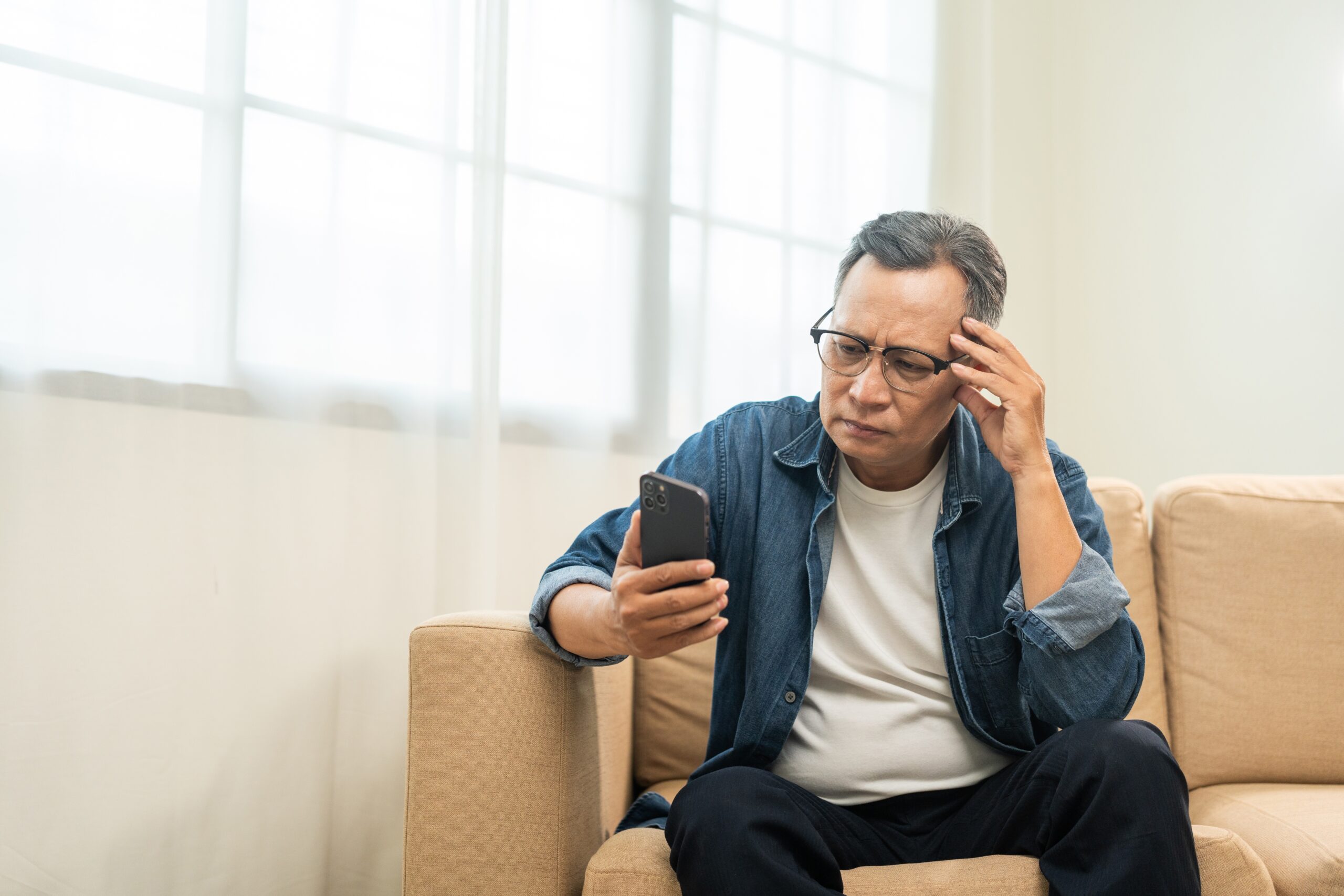
If you take Wegovy®, or you’re thinking about starting it, the recent headlines about vision loss probably left you with a big question: Can this medication affect your eyesight?
The headlines trace back to a set of lawsuits alleging that semaglutide (the active ingredient in Wegovy® and Ozempic®) caused a rare eye condition called NAION (non-arteritic anterior ischemic optic neuropathy). It happens when blood flow to the front of the optic nerve drops suddenly, usually in one eye, and vision is lost as a result.
But there’s a dispute between different countries’ regulatory bodies. Europe’s drug regulator concluded that NAION is a very rare side effect of semaglutide, meaning it may affect up to 1 in 10,000 people taking it. The U.S. label for Wegovy® doesn’t list NAION as a side effect.
For most people taking semaglutide, side effects are digestive (nausea, diarrhea, constipation, and vomiting) and tend to show up when starting the medication or raising the dose. No study has proven that Wegovy® causes NAION or blindness.
So where does that leave people taking Wegovy®, or considering it, who are worried about their vision? For most people, the numbers are reassuring, and the steps that protect your eyes are simple. Below, you’ll find what the studies found, why diabetes may be the common link, how NAION differs from the eye conditions people often confuse it with, and which vision changes are worth prompt attention.
Does Wegovy® cause blindness? What the research shows
No study has shown that Wegovy® causes blindness, and blindness isn’t a listed side effect on the U.S. label. The research points to something much narrower: a possible small increase in the risk of one rare eye condition, NAION, mostly seen in people with type 2 diabetes.

The Easy Way
to lose weight and get healthy.
When NAION happens, it tends to cause sudden, painless vision loss in one eye. The World Health Organization (WHO) notes it’s the second most common optic nerve condition after glaucoma, and there’s no proven treatment, which is why it gets taken seriously even though it’s rare.
What the drug regulators have said
Regulators in Europe and the UK now list NAION as a very rare side effect of semaglutide. The FDA hasn’t added NAION to the warnings on the Wegovy® label, though the agency flagged NAION as a potential safety signal for GLP-1 medications in March 2025 and has an ongoing safety review — as of now, that review hasn’t concluded. Here’s what each country has done so far:
- Europe: The European Medicines Agency based its decision on several large studies showing roughly double the NAION risk in adults with type 2 diabetes taking semaglutide. In real terms, that works out to about one extra case for every 10,000 people treated for a year.
- United Kingdom: The UK’s medicines regulator updated its guidance in February 2026. It noted that from semaglutide’s first UK approval in 2018 through August 2025, it had received just three reports suggestive of NAION, while about 10.2 million packs of the drug were dispensed over five years.
- United States: The FDA hasn’t added NAION to the warnings on the Wegovy® label but there are ongoing reviews of whether this could be a possibility.
What the studies show
Studies on semaglutide and NAION disagree, but they share a pattern: where a higher risk shows up, it’s small and mostly in people with type 2 diabetes.
- The study that sparked the concern was small. A Boston eye clinic reported four to seven times higher risk based on 17 and 20 cases, at a hospital that treats most of the region’s NAION patients, so the results may not apply to everyone taking semaglutide.
- In people with type 2 diabetes, risk roughly doubled. A study of every person with type 2 diabetes in Denmark found about twice the NAION risk over five years in semaglutide users. Because NAION is rare, doubling it still leaves most people’s risk low.
- The largest study found a smaller increase than earlier reports. Across 37.1 million adults with type 2 diabetes, the increase was small. Across 37.1 million adults with type 2 diabetes, semaglutide users showed only a modestly elevated risk compared with people on three other common diabetes drugs (roughly 1.2 to 1.4 times), smaller than earlier reports suggested.
- People taking semaglutide for weight loss showed no clear increase. A 2026 analysis that pooled trials and observational studies found any possible risk was limited mostly to people with diabetes. This is the group most relevant to Wegovy®.
- One large study found the opposite: A lower risk. Among more than 1.2 million adults, semaglutide users with type 2 diabetes had 64% lower odds of NAION, and there was no link in people with overweight or obesity. Again, this might mean diabetes is the common thread, not the medication itself.
The American Academy of Ophthalmology (AAO) and the North American Neuro-Ophthalmology Society (NANOS) concluded that semaglutide may slightly raise NAION risk, but that the risk is low, still unconfirmed, and hasn’t been shown to be caused by the drug. Put simply: the studies can show a link but can’t prove Wegovy® causes NAION, and even if the risk is real, it’s small.
The diabetes connection to Wegovy® and blindness
Diabetes is one of the main reasons researchers can’t say whether semaglutide causes NAION, because the disease itself raises NAION risk. High blood sugar over time damages small blood vessels throughout the body, including the tiny vessels that feed the optic nerve.
People with diabetes are already at risk of NAION, along with people who have heart disease, high blood pressure, or sleep apnea. That overlap matters because semaglutide spent years being prescribed mainly as a diabetes medication (as Ozempic® and Rybelsus®) before Wegovy® was approved for weight management.
As a result, most of the people in these studies have type 2 diabetes, and many also have high blood pressure, heart disease, or sleep apnea that can be associated with it. So, people with more severe diabetes or obesity were likely the ones prescribed semaglutide, which could make the drug look riskier than it is.
Eye specialists debating the evidence in 2026 pointed to this overlap between the reasons people take GLP-1s and their baseline risk. One theory is that a fast drop in blood sugar could strain the optic nerve’s blood supply, similar to how rapid blood sugar changes can temporarily worsen diabetic retinopathy, but that idea hasn’t been proven.
So what does this mean for you? If you don’t have diabetes, the studies most relevant to you haven’t found a clear increase in risk. If you do have diabetes, your NAION risk is higher than average whether or not you take semaglutide, which makes regular eye exams and knowing the symptoms important.
What the Wegovy® vision loss lawsuits do and don’t show
The lawsuits are a big reason this topic is in the news, but we still need more information. Whether Wegovy® causes vision loss requires more studies.
People who developed NAION after taking semaglutide or similar drugs have filed lawsuits claiming the drugmakers should have warned them about the risk, that the drugs were unsafe as designed, and that the drugs didn’t live up to the companies’ promises about safety. Because so many of these cases raise the same questions, including whether the drugs can cause NAION in the first place, a federal panel grouped them together so one judge could oversee them all.
Noom’s Most Powerful Program
A dual-pathway GLP-1 and behavior change for lasting results.
Grouping the cases is a paperwork step that keeps the process organized. Again, it doesn’t mean the court believes the claims, and no court has decided that Wegovy® or any other GLP-1 causes NAION.
Understanding Wegovy eye issues: NAION diabetic retinopathy, and temporary vision changes
Vision problems on Wegovy® can mean very different things, from a lens that’s adjusting to new blood sugar levels to an optic nerve that’s lost blood flow. Here are the most common types:
- NAION is thought to stem from reduced blood flow to the optic nerve, and most people who develop it have a small, crowded optic disc, according to the AAO/NANOS statement.
- Diabetic retinopathy is the one eye issue that appears on the Wegovy® label. In the SUSTAIN-6 trial of people with type 2 diabetes, retinopathy complications occurred in 3% of people taking semaglutide compared with 1.8% on placebo, and the risk was low for people who didn’t already have retinopathy. Over the long term, the picture looks better: A 10-year UCLA study found GLP-1 use was associated with a lower likelihood of developing diabetic retinopathy and diabetic macular edema.
- Temporary blurry vision happens because the lens of the eye changes shape as blood sugar shifts. An American Academy of Ophthalmology spokesperson explains that a big change in blood sugar can alter the lens’s shape, which can make your vision blurry or your glasses prescription seem off. This type of blur is temporary and usually resolves within three to four months.
Who may have a higher risk of NAION?
Most of what raises NAION risk has nothing to do with medication, and knowing your own risk factors gives you and your care team a clearer picture than headlines can.
The most common risk factors are diabetes, being over 50, a very small optic nerve cup (something an eye doctor can see during an exam), low blood pressure overnight, and untreated sleep apnea. If you’ve had NAION in one eye before, eye specialists advise discussing the possible risk before starting or continuing a GLP-1.
NAION symptoms: When to get immediate care
NAION is rare, but it’s worth knowing what it looks like because there’s no proven treatment, and a prompt exam can rule out other causes of vision loss that are treatable.
NAION typically causes sudden, painless vision loss in one eye, often noticed on waking. It may look like a blur or a shadow over part of your vision, often the top or bottom half, rather than total darkness.
Get an eye exam or go to the ER promptly if you notice:
- Sudden vision loss in either eye
- A curtain or shadow across part of your vision
- New floaters or flashes of light
- Eye or jaw pain along with a headache, which can signal arteritic ION, a different emergency
Usually not an emergency: Mild blurriness after starting Wegovy® or raising your dose, especially if you have diabetes. Mention it at your next appointment, and call sooner if it gets worse or doesn’t improve.
Wegovy side effects: Common vs. rare
It can be difficult to put a potential risk like NAION into context without looking at the side effects and serious risks that are already well established for Wegovy®.
Some reactions occurred more often with Wegovy® than with a placebo in clinical trials, providing evidence of a connection to the medication. Other serious risks are recognized in Wegovy®’s prescribing information based on clinical trial and postmarketing data. NAION is different: It’s very rare, and whether semaglutide increases the risk is still being investigated.
Wegovy®’s active ingredient, semaglutide, mimics the hormone GLP-1 to reduce appetite, slow digestion, and help regulate blood sugar. Those effects can also cause digestive symptoms, which is why gastrointestinal issues make up many of the medication’s most common side effects.
Looking at the clinical trial data shows this difference in what’s much less likely to happen when taking Wegovy®.
Common side effects
Nausea is the most common Wegovy® injection side effect, followed by diarrhea, vomiting, and constipation. Other reported reactions include abdominal pain, headache, fatigue, indigestion, dizziness, bloating, belching, gas, acid reflux, and hair loss.
These reactions were reported more often in people taking Wegovy® than in people taking a placebo. But the percentages below tell us how many people experienced each reaction during the trials—not that Wegovy® necessarily caused every case. For example, headaches can happen for many reasons, even though they occurred more frequently in the Wegovy® group.
Here’s a look at how often the most common side effects were reported:
- Nausea: 44%
- Diarrhea: 30%
- Vomiting: 24%
- Constipation: 24%
- Stomach pain or discomfort (abdominal pain): 20%
- Headache: 14%
- Fatigue: 11%
- Dyspepsia (indigestion): 11%
Read more: 10 most common Wegovy side effects and how long they last
Rare side effects
Wegovy® also has established warnings and precautions for less common but potentially serious problems, including pancreatitis, gallbladder problems, and kidney injury related to dehydration. These are different from NAION: They’re recognized risks included in U.S. prescribing information, while NAION currently isn’t.
- Pancreatitis: Wegovy® may trigger inflammation of the pancreas. This can cause severe, persistent abdominal pain—often radiating to the back—with or without nausea and vomiting. Seek medical attention immediately.
- Gallbladder problems: Weight loss and GLP-1 medications like Wegovy® can sometimes lead to gallstones or gallbladder inflammation (cholecystitis). Symptoms include upper right abdominal pain, nausea, fever, or yellowing of the skin or eyes.
- Kidney injury: Ongoing vomiting or diarrhea can cause dehydration, which may lead to acute kidney failure. Watch for decreased urination, swelling in your legs or feet, or unusual tiredness.
Side effects likely unrelated to humans
Wegovy® carries a black box warning due to a possible risk of thyroid C-cell tumors observed in animal studies. It’s unknown whether this applies to humans, but if you or a family member has a history of medullary thyroid carcinoma (MTC) or Multiple Endocrine Neoplasia syndrome type 2 (MEN 2), you shouldn’t take Wegovy®.
What to do if you take Wegovy®: Managing eye health
If the headlines have you second-guessing your medication, a few practical steps can help you stay on top of your eye health while you and your care team decide what’s right for you.
- Talk to your prescriber. Don’t stop a prescribed GLP-1 on your own.
- Keep your regular eye exams. Experts don’t recommend extra eye exams just to check NAION risk before starting semaglutide. If you have diabetes, keep up with your regular diabetic eye exams because that’s the more common cause of NAION.
- If you’re diagnosed with NAION while taking semaglutide, guidance differs by region. U.S. eye specialists recommend deciding next steps together with your care team, while European regulators advise stopping semaglutide if NAION is confirmed.
- Know the symptoms. Sudden vision loss in one eye is the key sign to act on, since NAION has no proven treatment.
FAQ about Wegovy® causing blindness
Does Wegovy® cause blindness?
No. No connection between Wegovy and blindness has been proven, and studies are inconclusive. Some studies link semaglutide to a small increase in the risk of NAION, a rare optic nerve condition that can cause permanent vision loss, while others find no increase. Europe’s regulator estimates it affects up to 1 in 10,000 people taking semaglutide. The U.S. label doesn’t list NAION or blindness as side effects.
Access GLP-1 Weight Loss with Noom
Explore a wide range of prescription medications supported by Noom’s program.
Microdose GLP-1rx
Noom GLP-1rx
Noom GLP-1rx Plus
Wegovy®
Ozempic®
Metformin
Zepbound®
Mounjaro®
Liraglutide
Does Wegovy® cause NAION?
No. The research is observational, meaning it can show an association but not cause and effect. Diabetes and other conditions common in GLP-1 users also raise NAION risk, which makes it hard to isolate the drug’s role.
Do the blindness-associated lawsuits mean Wegovy® is unsafe?
No. Lawsuits are allegations, and no court has ruled on whether semaglutide causes NAION. Consolidating the cases was a procedural step, not a finding about the drug.
Can Wegovy® cause blurry vision?
It can, but the connection has to do with diabetes. Quick changes in blood sugar can change the shape of the eye’s lens, causing blur that usually fades within a few months. Sudden vision loss or a shadow in your vision is different and needs a prompt eye exam.
Should I stop Wegovy® because of the lawsuits?
Talk to your prescriber before making any change. U.S. eye specialists don’t recommend that everyone stop semaglutide over NAION concerns, and stopping can carry its own risks depending on why you take it.
Do tirzepatide medications Zepbound® and Mounjaro® carry the same risk?
It’s unclear. Most NAION research has focused on semaglutide, and there isn’t enough data on tirzepatide to say whether any risk extends to it. The prescribing information for tirzepatide includes vision issues related to diabetic retinopathy, not NAION.
Can NAION be treated?
There’s no proven treatment for NAION, and vision loss is often permanent. Some people regain part of their vision over time. A prompt exam still matters because it can rule out other causes of sudden vision loss that need urgent treatment.
The Easy Way
to lose weight and get healthy.
The bottom line: There’s no proof ye that Wegovy® causes blindness
The headlines about Wegovy® and blindness sound alarming, but the evidence is much more specific. Researchers are looking at a possible connection between semaglutide and NAION, a rare condition that can cause sudden, permanent vision loss. Some studies have found a higher risk, particularly in people with type 2 diabetes, while others haven’t. So far, the research hasn’t shown that Wegovy® causes NAION.
Even regulators don’t interpret the evidence exactly the same way. European regulators now consider NAION a very rare side effect of semaglutide, while the U.S. Wegovy® label doesn’t list it. And even using the European estimate, the absolute risk is small—about one additional case for every 10,000 people treated for a year.
For most people taking Wegovy®, the research doesn’t suggest that vision loss is likely. If you have diabetes, sleep apnea, a history of NAION, or other risk factors, talk with your prescriber or eye doctor about what the emerging evidence means for you. And regardless of your risk, sudden, painless vision loss or a new shadow across part of your vision warrants prompt medical attention.
The lawsuits may keep Wegovy® and vision loss in the headlines, but they don’t establish that the medication causes blindness. As researchers continue to study the connection, the most useful approach is to know your individual risk factors, recognize the symptoms that need attention, and make medication decisions with your care team rather than based on the headlines.
Any decision about your medication is best made with your care team, who can weigh your health history, individual risk factors, and the benefits you’re getting from treatment. If you’re a Noom Med member and the headlines have raised questions about your vision, reach out to your provider.
Editorial standards
At Noom, we’re committed to providing health information that’s grounded in reliable science and expert review. Our content is created with the support of qualified professionals and based on well-established research from trusted medical and scientific organizations. Learn more about the experts behind our content on our Health Expert Team page.