What you’ll learn:
- Vodka, gin, tequila, rum, whiskey, and brandy contain about the same calories at equal proof, with approximately 97 calories in a 1.5-ounce serving of 80-proof liquor.
- Alcohol contains 7 calories per gram, even when a drink has no sugar or carbohydrates. Proof, serving size, and added ingredients all influence the calorie count.
- Alcohol can affect weight loss beyond the calories in your glass, including how your body uses energy, appetite, and sleep.
An occasional cocktail or happy hour after work can still fit into your life when you’re trying to lose weight. But if you’re looking to keep calories in check, you might wonder which types of alcohol are the lightest choices.
If you’re looking for the lowest-calorie alcohol, you might assume vodka is a better choice because it’s clear and has a relatively neutral flavor. Or that tequila has fewer calories than rum because it’s made from agave, a plant, while rum is made from sugarcane. But the truth is that most plain spirits contain about the same calories when they’re the same strength.
That’s because alcohol itself contains calories, even without sugar or carbohydrates. What makes the biggest difference is alcohol proof, serving size, and added sugar. A 1.5-ounce serving of 80-proof, unsweetened vodka, gin, tequila, rum, whiskey, or brandy contains about 97 calories. But larger pours, sweetened varieties, and cocktail ingredients like sugary mixers and syrups can quickly increase that number.
Calories aren’t the only consideration, though. Drinking can also affect your appetite, sleep, and how your body uses energy, which may influence weight loss. And while choosing a lower-calorie drink can help you stay mindful of your intake, it doesn’t make alcohol healthier.
We’ll break down which types of alcohol have the fewest calories, how proof and added sugar affect the numbers, and what drinking means for weight loss and overall health, with insights from Maggie Hudspeth, RDN, Senior Manager of Coaching at Noom.

The Easy Way
to lose weight and get healthy.
Understanding what’s in your drink and how alcohol affects your body can help you make informed decisions that fit your goals, with moderation in mind.
What is the lowest-calorie alcohol?
The lowest-calorie hard alcohol, also called liquor or distilled spirit, is generally plain, unsweetened alcohol with a lower proof. Among popular 80-proof spirits, vodka, gin, tequila, rum, whiskey, and brandy all contain about 97 calories per 1.5-ounce serving.
That means choosing one type of hard alcohol over another won’t necessarily save you calories. Proof and added sugar matter more than whether the alcohol is made from grains, agave, sugarcane, or fruit.
That means choosing one type of liquor over another won’t necessarily save you calories. Proof and added sugar matter more than whether the alcohol is made from grains, agave, sugarcane, or fruit.
Calories in different types of liquor
| Type of liquor | Proof | Calories per 1.5 oz |
|---|---|---|
| Vodka | 80 | About 97 |
| Gin | 80 | About 97 |
| Tequila | 80 | About 97 |
| Rum, unsweetened | 80 | About 97 |
| Whiskey | 80 | About 97 |
| Brandy or Cognac | 80 | About 97–100 |
| Lower-proof unsweetened liquor | 70 | About 85 |
| Higher-proof unsweetened liquor | 100 | About 124 |
Calories are approximate and assume unsweetened spirits. Actual products may vary in proof and added ingredients.
Although vodka, gin, tequila, rum, whiskey, and brandy are made from different ingredients, they contain about the same calories at equal proof. That’s because during fermentation, sugars are converted into alcohol, and distillation separates and concentrates the alcohol, leaving most of the original sugars and carbohydrates behind.
So whether a spirit starts with grains, agave, sugarcane, or fruit, most of its calories come from the alcohol itself. The biggest differences come from alcohol strength and added ingredients, particularly in flavored or sweetened varieties.
“When you’re comparing vodka, tequila, gin, or whiskey, the biggest difference usually isn’t the type of liquor. It’s how much alcohol is in the serving and whether anything has been added to it,” says Hudspeth.
Understanding alcohol calories: Why liquor has calories without sugar or carbs
Here’s something that might surprise you: A shot of plain vodka can have zero sugar, zero carbohydrates, and still contain nearly 100 calories. That’s because alcohol itself provides energy, even though it isn’t considered an essential nutrient.
Unlike most foods, which get their calories from carbohydrates, protein, and fat, spirits get most of their calories from alcohol. And because alcohol is relatively calorie-dense, even a small serving can add up.
Access GLP-1 Weight Loss with Noom
Explore a wide range of prescription medications supported by Noom’s program.
Microdose GLP-1rx
Noom GLP-1rx
Noom GLP-1rx Plus
Wegovy®
Ozempic®
Metformin
Zepbound®
Mounjaro®
Liraglutide
How many calories are in alcohol per gram?
Alcohol contains 7 calories per gram, compared with 4 calories per gram for carbohydrates and protein and 9 for fat. Here’s how they compare:
| Source of calories | Calories per gram |
|---|---|
| Protein | 4 |
| Carbohydrates | 4 |
| Alcohol | 7 |
| Fat | 9 |
In the United States, a standard alcoholic drink contains approximately 14 grams of pure alcohol. That’s the amount in a 1.5-ounce shot of liquor that’s 40% alcohol (80 proof), a 5-ounce glass of wine that’s 12% alcohol, or a 12-ounce beer that’s 5% alcohol. Since alcohol provides 7 calories per gram, each contains about 98 calories from alcohol alone.
That’s why a shot of plain vodka can contain nearly 100 calories despite having no sugar or carbohydrates. The calories come from the alcohol itself.
Does alcohol contain carbohydrates or sugar?
That depends on the beverage.
Plain distilled spirits generally contain no carbohydrates or sugar because distillation separates alcohol from most of the carbohydrates in the original ingredients.
But not all alcoholic beverages are sugar-free.
- Plain spirits: Unsweetened vodka, gin, tequila, rum, whiskey, and brandy generally contain little to no sugar or carbohydrates.
- Flavored spirits: Some contain added sugar, while others use flavorings without sweeteners.
- Liqueurs and cordials: Usually contain added sugar and sometimes cream or other ingredients.
- Beer and wine: Retain carbohydrates or sugars from fermentation.
If you’re following a low-carb or keto diet, it’s important to remember that zero carbs doesn’t mean zero calories. Your body prioritizes processing alcohol, temporarily reducing how much fat it burns for energy. Alcohol’s calories still count toward your overall intake, even when your drink contains no sugar or carbohydrates. That doesn’t mean alcohol automatically causes weight gain, but its calories still count toward your overall intake.
So while a plain vodka or tequila might fit within your carbohydrate goals, it isn’t calorie-free—and drinking regularly can still make weight loss more challenging.
Alcohol proof: How it affects calories
Most of the vodka, tequila, rum, whiskey, and other spirits used in mixed drinks are sold at 80 proof, or 40% alcohol by volume (ABV). It’s a common bottling strength for many popular liquor brands and the standard reference point for measuring a serving of distilled spirits in the United States. Some spirits are stronger, while others, particularly flavored varieties, contain less alcohol.
What does proof tell you? Proof is the key to how concentrated the alcohol is. In the United States, it’s twice the ABV. An 80-proof spirit contains 40% alcohol, while a 100-proof spirit contains 50%.
Because alcohol provides 7 calories per gram, higher-proof liquor generally contains more calories per ounce, even when it has no sugar or carbohydrates.
Calories by alcohol proof
| Proof | Alcohol by volume | Calories per 1.5 oz |
|---|---|---|
| 70 | 35% | About 85 |
| 80 | 40% | About 97 |
| 90 | 45% | About 110 |
| 100 | 50% | About 124 |
| 120 | 60% | About 147 |
Approximate values for unsweetened spirits, calculated from ethanol content.
For example, a 1.5-ounce serving of 100-proof liquor contains about 27 more calories than the same amount of 80-proof liquor. It also contains 25% more alcohol.
A standard U.S. alcoholic drink contains approximately 14 grams of pure alcohol, the amount in 1.5 ounces of 80-proof liquor. That’s why 80 proof is commonly used as the baseline when comparing liquor servings and calories.
A 1.5-ounce serving of 100-proof liquor contains more than one standard drink, even though the serving size looks identical.
Noom’s Most Powerful Program
A dual-pathway GLP-1 and behavior change for lasting results.
“Proof can be a helpful way to compare the calories in plain spirits, but it also tells you how much alcohol you’re consuming. A higher-proof drink isn’t just higher in calories—it’s stronger, too,” says Hudspeth.
Understanding proof helps you compare calories more accurately while also keeping track of how much alcohol you’re consuming.
Lowest-calorie liquor brands: Calories and proof differences
How do popular liquor brands compare when it comes to calories? Whether you prefer Tito’s vodka, Patrón tequila, or Jack Daniel’s whiskey, the type of liquor matters less than its proof. Most unsweetened spirits contain about 97 calories per 1.5-ounce serving at 80 proof, but some brands are bottled at higher strengths, which increases their calorie count. Here’s how some popular brands compare.
Calories in common liquor brands
Organized from lowest to highest calories per 1.5-ounce serving.
| Brand | Product | Proof | Approx. calories per 1.5 oz |
|---|---|---|---|
| Captain Morgan | Original Spiced Rum | 70 | 86 |
| Tito’s | Handmade Vodka | 80 | 97 |
| Smirnoff | No. 21 Vodka | 80 | 97 |
| Grey Goose | Original Vodka | 80 | 97 |
| Absolut | Original Vodka | 80 | 97 |
| Patrón | Silver Tequila | 80 | 97 |
| Don Julio | Blanco Tequila | 80 | 97 |
| Jose Cuervo | Especial Silver Tequila | 80 | 97 |
| Bacardí | Superior Rum | 80 | 97 |
| Jack Daniel’s | Old No. 7 Whiskey | 80 | 97 |
| Jameson | Original Irish Whiskey | 80 | 97 |
| Jim Beam | Original Bourbon | 80 | 97 |
| Crown Royal | Fine De Luxe Whisky | 80 | 97 |
| Hennessy | V.S Cognac | 80 | 97–100 |
| Rémy Martin | VSOP Cognac | 80 | 97–100 |
| Maker’s Mark | Bourbon Whisky | 90 | 110 |
| Tanqueray | London Dry Gin | 94.6 | 116 |
Calories are approximate per 1.5-ounce serving. Most figures are calculated from alcohol content, assuming negligible added sugar or other calorie-containing ingredients.
The biggest differences in this table come down to proof, not the type of liquor. Tanqueray London Dry Gin is 94.6 proof, while Maker’s Mark bourbon is 90 proof. Both contain more alcohol and calories per ounce than comparable 80-proof spirits.
On the other end, Captain Morgan Original Spiced Rum is just 70 proof and contains about 86 calories per 1.5-ounce serving. That’s fewer calories than most 80-proof spirits, even though it contains a small amount of added sugar.
Some brands even highlight their proof in the name. Maker’s Mark 101 and Wild Turkey 101 are both 101 proof (50.5% ABV), while 99 Bananas is 99 proof (49.5% ABV). These products contain more alcohol per ounce than standard 80-proof spirits. And because 99 Bananas is a sweetened schnapps, it also contains calories from added sugar.
When comparing liquor calories, check the proof first. Higher proof generally means more calories per ounce, but added sugar can also affect the total, particularly in flavored spirits and liqueurs.
Lowest-calorie liqueurs and flavored spirits
Not all flavored alcohol is the same when it comes to calories. Some spirits, like citrus-flavored vodka or botanical gin, get their flavor from extracts or natural ingredients without added sugar. Others, including liqueurs, schnapps, and sweetened flavored whiskeys, contain added sugar or other ingredients that increase their calories beyond those from alcohol alone.
Proof tells you how much alcohol is in a drink, but it doesn’t tell you how much sugar it contains. That’s why a lower-proof liqueur can sometimes have more calories than a stronger, unsweetened spirit.
Under U.S. federal regulations, products classified as liqueurs or cordials must contain at least 2.5% sugar by weight, and many contain considerably more.
Here’s how popular liqueurs and schnapps compare.
Calories in popular liqueurs and schnapps
| Liqueur or schnapps | ABV | Approx. calories per 1.5 oz |
|---|---|---|
| Aperol | 11% | 70–90 |
| DeKuyper Peachtree Schnapps | 15% | 90–110* |
| St-Germain Elderflower Liqueur | 20% | 100–115 |
| Kahlúa Original | 16–20% | 110–135 |
| Jägermeister | 35% | 110–120 |
| Cointreau | 40% | 138 |
| Baileys Original Irish Cream | 17% | 139 |
| Grand Marnier Cordon Rouge | 40% | 140–150 |
| 99 Bananas Schnapps | 49.5% | 151 |
| Disaronno Originale | 28% | 160–170 |
Calories are approximate. Starred figures require manufacturer verification. Kahlúa’s ABV varies by market.
Liqueurs can contain significantly more calories than their alcohol content alone would suggest. Baileys, for example, gets additional calories from cream and sugar, while coffee, orange, and almond liqueurs contain added sweeteners.
Aperol, the bright orange, bittersweet Italian liqueur commonly used in Aperol spritzes, is relatively low in alcohol but still contains sugar, which adds calories beyond those from alcohol alone.
Lowest-calorie flavored spirits
Flavored spirits can be harder to compare because not all of them contain added sugar. Some flavored vodkas and gins have calorie counts similar to their unflavored counterparts at the same proof, while sweetened varieties can contain considerably more.
Here’s how some popular flavored spirits compare.
| Flavored spirit | ABV | Calories per 1.5 oz |
|---|---|---|
| Fireball Cinnamon Whisky | 33% | 125 |
| Jack Daniel’s Tennessee Honey | 35% | 106 |
| Jack Daniel’s Tennessee Apple | 35% | 103 |
| Jack Daniel’s Tennessee Fire | 35% | 110 |
| Crown Royal Regal Apple | 35% | About 100–103* |
| Southern Comfort Original (70 proof) | 35% | 100 |
| Malibu Original Coconut | 21% | About 83 |
| Parrot Bay Coconut Rum (42 proof) | 21% | 90 |
Calories are based on manufacturer information where available. Crown Royal’s figure requires manufacturer confirmation. Malibu’s figure is calculated from its manufacturer’s published 188 calories per 100 mL.
Fireball is a particularly good example of why proof doesn’t tell the whole story. Despite being just 66 proof, it contains 125 calories and 11 grams of sugar per 1.5-ounce serving. That’s more calories than a shot of plain 80-proof whiskey, which has about 97 calories.
Malibu Original is another interesting example. Although it’s often called coconut rum, the manufacturer describes it as a coconut-flavored, rum-based liqueur. At 21% alcohol, it has less alcohol than standard 80-proof rum, but its added sugar contributes to its total calories.
Jack Daniel’s Tennessee Honey is also lower in proof than the brand’s original whiskey, but it contains 106 calories and 5 grams of sugar per serving, compared with approximately 97 calories and no sugar in a 1.5-ounce serving of original 80-proof whiskey.
How to identify added sugar in alcohol
You’ll notice that alcoholic beverages generally aren’t required to display a standard Nutrition Facts panel. Under federal labeling rules, manufacturers can voluntarily provide calorie, carbohydrate, and other nutrition information, but it isn’t always available on the bottle.
If you’re comparing flavored spirits, look for terms like “liqueur,” “cordial,” or “schnapps,” which can signal added sugar. You can also check the manufacturer’s website for nutrition information, including calories and sugar per serving.
And remember, even spirits without added sugar contain calories from alcohol itself.
“A flavored vodka isn’t necessarily higher in calories than plain vodka, but if it has added sugar, syrups, or cream, the calories can increase. Checking the nutrition information, when it’s available, can help you understand the difference,” says Hudspeth.
Calories in popular mixed drinks—and how to lower them
While it’s nearly impossible to know exactly how many calories are in a cocktail, most bartenders follow similar recipes for popular drinks. That means we can estimate the calories in favorites like margaritas, mojitos, and martinis, even though the amounts of alcohol and other ingredients may vary.
What makes some cocktails higher in calories?
The alcohol itself accounts for some of a cocktail’s calories, but sweetened ingredients can add considerably more.
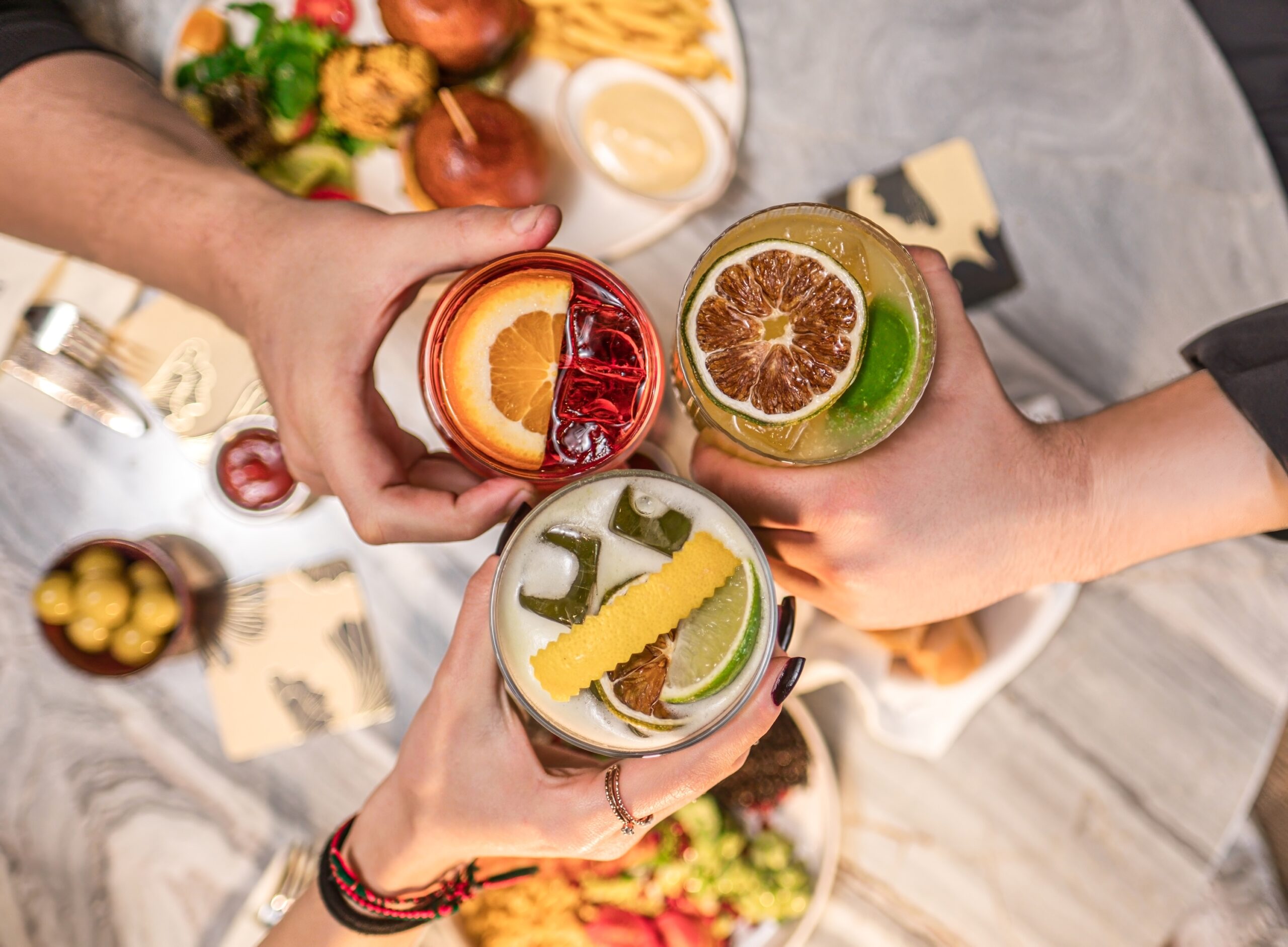
For example, a vodka soda gets nearly all its calories from vodka because club soda has none. A gin and tonic contains additional calories from regular tonic water, while a Moscow mule gets some of its calories from sweetened ginger beer.
Drinks like espresso martinis and piña coladas can be higher in calories because they combine alcohol with liqueurs, syrups, or sweetened coconut ingredients.
But if you’re trying to lose weight, you don’t necessarily have to skip your favorite cocktail. Asking for less alcohol lowers both calories and alcohol intake, while reducing syrup or choosing a sugar-free mixer can lower calories without changing the amount of alcohol.
Here’s how popular cocktails compare, what typically goes into them, and how much you could save with a simple change.
Calories in common cocktails and how to lower them
| Cocktail | Common ingredients and amounts | Approx. calories | What to ask for | Potential calories saved |
|---|---|---|---|---|
| Vodka soda | 1.5–2 oz vodka, club soda | 100–130 | “Just a single shot of vodka, please.” | 30 |
| Martini | 2.5 oz gin or vodka, 0.5 oz vermouth | 170–210 | “Can you make it with half the usual gin or vodka?” | 80 |
| Gin and tonic | 2 oz gin, 4–6 oz tonic | 180–230 | “Diet tonic and a single shot of gin, please.” | 90–120 |
| Old fashioned | 2 oz whiskey, sugar, bitters | 150–190 | “Half the sugar and a single shot of whiskey, please.” | 40–50 |
| Moscow mule | 2 oz vodka, 4–6 oz ginger beer, lime | 170–240 | “Sugar-free ginger beer and a single shot of vodka, please.” | 80–140 |
| Aperol spritz | 3 oz prosecco, 2 oz Aperol, soda | 170–220 | “Half the Aperol and a little less prosecco, please.” | 55–75 |
| Mojito | 2 oz rum, lime, mint, simple syrup, soda | 190–230 | “Half the syrup and a single shot of rum, please.” | 60–75 |
| Negroni | 1 oz each gin, Campari, sweet vermouth | 180–220 | “Could you make me a smaller Negroni?” | 45–55 |
| Whiskey sour | 2 oz whiskey, lemon, simple syrup | 190–230 | “Half the syrup and a single shot of whiskey, please.” | 60–75 |
| Margarita | 2 oz tequila, 1 oz orange liqueur, lime | 200–250 | “A single shot of tequila, half the orange liqueur, and fresh lime, please.” | 75–80 |
| Espresso martini | 2 oz vodka, 1 oz coffee liqueur, espresso, syrup | 260–310 | “Half the vodka and coffee liqueur, and no added syrup, please.” | 95–120 |
| Piña colada | 2 oz rum, 2 oz cream of coconut, pineapple juice | 350–450 | “Half the cream of coconut and a single shot of rum, please.” | 120–150 |
Calories and potential savings are estimates based on common recipes and the ingredient amounts shown. Actual values vary by recipe, serving size, and brand. A single shot is assumed to be 1.5 ounces. Savings estimates should be checked against standardized recipes before publication.
And remember, a single cocktail can contain more than one standard alcoholic drink, even when it’s served in one glass.
The takeaway: You don’t have to memorize cocktail recipes or give up your favorites to make choices that support your goals. Knowing which ingredients contribute the most calories gives you more flexibility. Whether you ask for less syrup, swap your mixer, choose a smaller pour, or simply enjoy the original version, you can decide what works for you. Small, intentional choices can make a difference over time.
Does liquor have fewer calories than beer or wine?
Ounce for ounce, liquor contains more calories than beer or wine because it has a much higher alcohol concentration. But since liquor is typically served in smaller amounts, the calories in a standard serving can be surprisingly similar.
A 1.5-ounce shot of 80-proof liquor contains about 97 calories, compared with approximately 90–110 calories in a 12-ounce light beer or 110–130 calories in a 5-ounce glass of dry wine.
Of course, larger pours, higher alcohol content, and added sugar can increase the calories in any of these drinks.
Want to compare your favorites? Explore Noom’s guides to calories in beer, red wine and weight loss, and how wine calories affect weight loss.
Does alcohol cause weight gain? Effects on weight loss and metabolism
Now for the important question: Can you drink alcohol and still lose weight? Yes. While alcohol provides calories without many essential nutrients and drinking too much can harm your health, having an occasional drink doesn’t automatically lead to weight gain or prevent you from reaching your goals.
Weight loss is about building habits you can maintain over time, and enjoying your life is part of that. If that includes a glass of wine with dinner or a cocktail with friends, understanding how alcohol affects your body can help you make informed choices.
“Weight loss doesn’t have to mean giving up the things you enjoy, including an occasional drink,” says Hudspeth. “What matters most is your overall pattern of habits, not one cocktail or one night out. Finding a balance that works for you is what makes healthy changes sustainable.”
Research suggests that how much and how often you drink matters. A review of 127 studies found that heavier drinking was more consistently linked to excess weight, although the findings weren’t the same across all types of studies.
Here’s how alcohol can affect weight management beyond the calories in your glass.
How your body processes alcohol calories
Your body processes alcohol differently from protein, carbohydrates, and fat. Because it can’t store alcohol for later use in a meaningful way, your liver prioritizes breaking it down.
While this happens, your body temporarily burns less fat for energy, an effect observed in human research.
But that doesn’t mean alcohol permanently stops fat burning or automatically causes weight gain. What matters more is your overall calorie intake and habits over time.
Alcohol’s effects on appetite and food choices
Research suggests that alcohol can make you hungrier. In a review of 22 studies, researchers found that people tended to eat more after drinking alcohol. They also didn’t typically eat less to make up for the calories in their drinks.
That means alcohol can add calories in two ways: through the drinks themselves and through the extra food you might eat afterward.
Alcohol can also affect judgment and food choices, making it easier to reach for snacks or eat more than you planned.
Paying attention to how drinking affects your appetite can help you recognize patterns and make choices that support your goals.
Alcohol, sleep, and weight management
Alcohol might make you feel sleepy initially, but it can interfere with sleep quality.
A review of 27 studies found that alcohol reduced REM sleep, with greater disruption at higher amounts.
Since poor sleep can affect hunger, energy levels, and motivation to exercise, regularly drinking enough to disrupt your sleep may make weight management more challenging.
What research says about alcohol and weight gain
Does drinking alcohol lead to weight gain? Not necessarily.
Research has found mixed results, with heavier drinking more consistently associated with weight gain than light or moderate drinking.
The bigger picture matters: how much you drink, how often, the calories in your drinks, what you eat alongside them, and your overall habits.
Regularly drinking enough to add substantial calories can make maintaining a calorie deficit more difficult. But one occasional drink doesn’t erase your progress.
The takeaway: You can lose weight and still enjoy an occasional drink. Understanding how alcohol affects your appetite, sleep, and calorie intake can help you find a balance that works for you. And because alcohol carries health risks even at lower levels of consumption, drinking less—or choosing not to drink—is always a healthy option.
Tips for making informed choices about alcohol
You don’t have to give up your favorite drinks to work toward your weight loss goals. Understanding what’s in your glass and how alcohol fits into your overall habits can help you make choices that work for you.
Here are a few things to keep in mind:
- Pay attention to portion sizes. A standard serving of 80-proof liquor is 1.5 ounces, but many cocktails contain larger pours or multiple types of alcohol. Knowing how much you’re drinking can help you estimate both calories and alcohol intake.
- Check the proof. Higher-proof liquor contains more alcohol and calories per ounce. Choosing a lower-proof option may reduce calories, although added sugar can change the total.
- Make simple swaps. Ask for less syrup, a sugar-free mixer, or a smaller pour. These small changes can reduce calories without requiring you to skip your favorite cocktail.
- Stay hydrated. Alternate alcoholic drinks with water to help maintain hydration and slow your drinking pace. Water won’t cancel out alcohol’s effects, but it can help you feel better hydrated.
- Eat before or while drinking. Having food in your stomach can slow alcohol absorption. It may also help you avoid drinking on an empty stomach.
- Think about how often you drink. An occasional cocktail can fit into a weight loss plan, but regularly drinking additional calories can make maintaining a calorie deficit harder. Drinking less also reduces alcohol-related health risks, including the risk of certain cancers.
“You don’t have to focus on every calorie in every drink, but understanding where those calories come from can help you make choices that align with your goals,” says Hudspeth. “How much and how often you drink matters, too.”
Frequently asked questions about alcohol calories
Is vodka the lowest-calorie liquor?
Not necessarily. Vodka, tequila, gin, rum, whiskey, and brandy have approximately the same calories when they’re the same proof and serving size. A 1.5-ounce serving of 80-proof liquor contains about 97 calories.
Is tequila lower in calories than vodka?
No. Unsweetened tequila and vodka contain approximately the same calories at equal proof and serving size.
Does brandy have more calories than whiskey?
Not necessarily. Brandy and whiskey have similar calorie counts at the same proof. Higher-proof or sweetened varieties may contain more.
Does alcohol turn into sugar in your body?
No. Your body primarily metabolizes alcohol into acetaldehyde and then acetate. Alcohol isn’t directly converted into sugar, although its metabolism can affect how your body uses other energy sources.
Does alcohol stop your body from burning fat?
Alcohol can temporarily reduce fat oxidation while your body metabolizes it, but it doesn’t permanently stop fat burning. The effect is one part of how alcohol influences energy metabolism.
Can alcohol be stored as fat?
Your body doesn’t typically store alcohol itself as fat. Instead, it prioritizes breaking down alcohol for energy, temporarily reducing how much fat it burns.
That means your body may be more likely to store some of the fat you eat while it’s processing alcohol. And because alcohol also adds calories, regularly drinking more calories than your body needs can contribute to weight gain over time.
But having an occasional drink doesn’t automatically mean you’ll gain fat. Your overall calorie intake and habits over time matter much more.
Reviews from real Noom users
“My favorite parts of Noom are the care team and other Noomers. Sharing and getting help made me feel like I wasn’t doing it alone. That support made all the difference.”
Desirea N. — Real Noom user
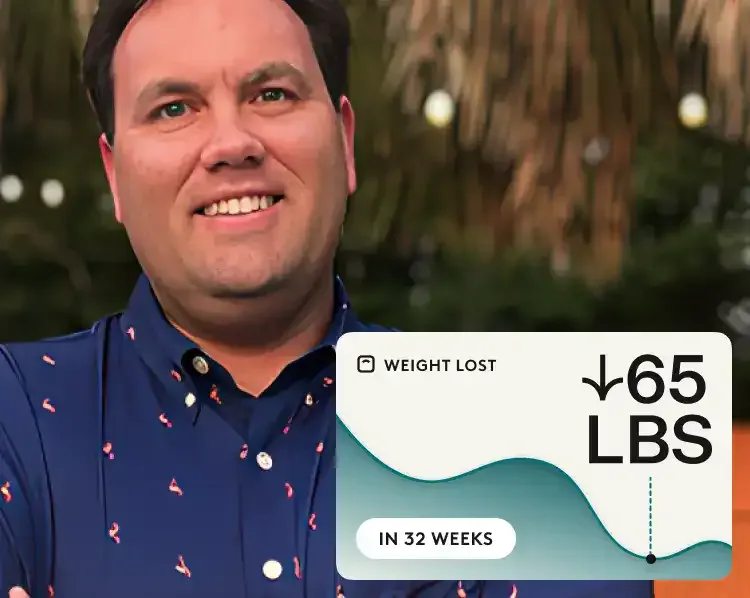
“Noom has taught me that every day is a new chance to make better, healthier choices. It’s taught me how to stop overeating.”
Matthew M. — Real Noom user
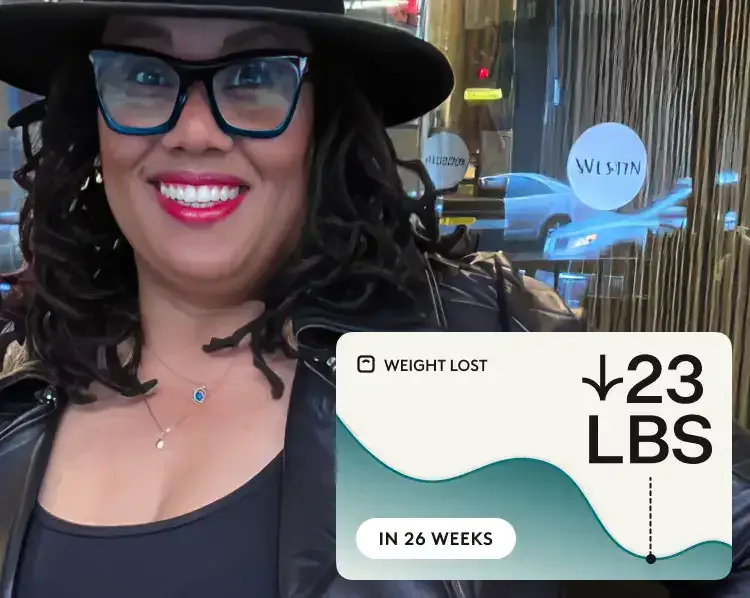
“Clinicians who understand how supportive medication can be is one of the best parts of Noom! I was convinced I wouldn’t have success but I’m down 11 pounds in two months.”
Lila M. — Real Noom user
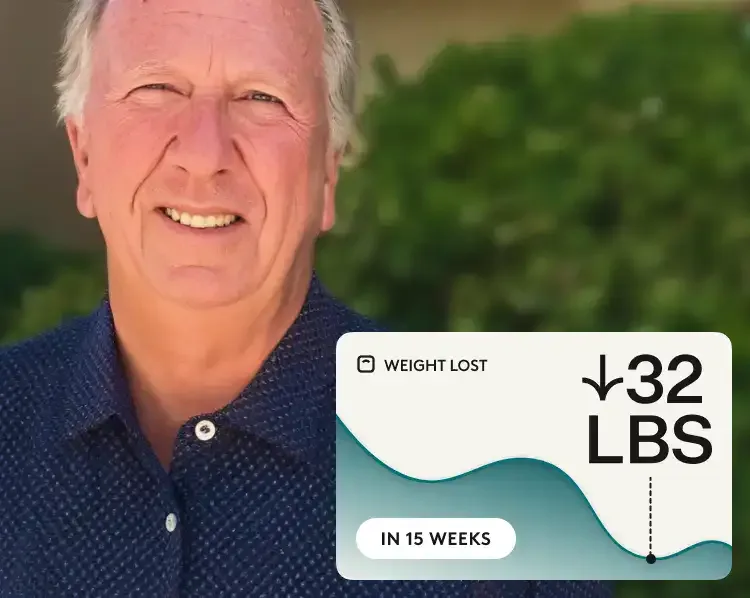
“Noom provided me with the medication which I could not get through Medicare. I have learned the tricks to better eating and life in general.”
Steve M. – Real Noom user
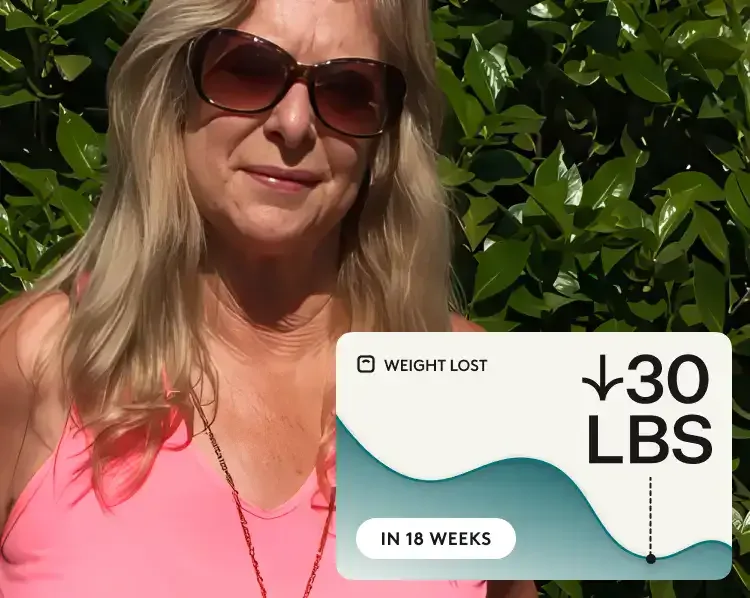
“Noom has changed my life and I’m so thankful, I feel great, have more energy and am no longer prediabetic.”
Daisy R. – Real Noom user
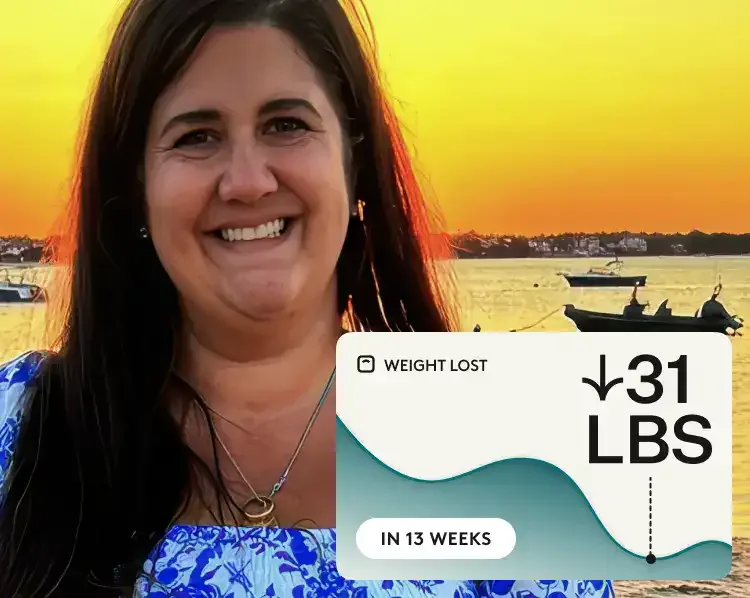
“All of the Noom providers that I’ve met with have been exceptional and prescribed medications that are appropriate for my situation and health.”
Sarah R. – Real Noom user
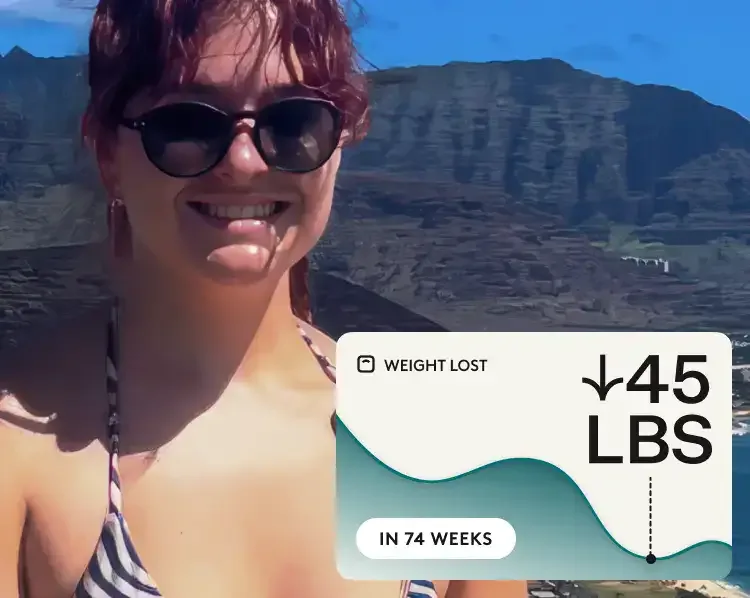
“Noom made the process so simple and now I feel full, free from diet obsession, and at ease in my body again.”
Madison S. – Real Noom user
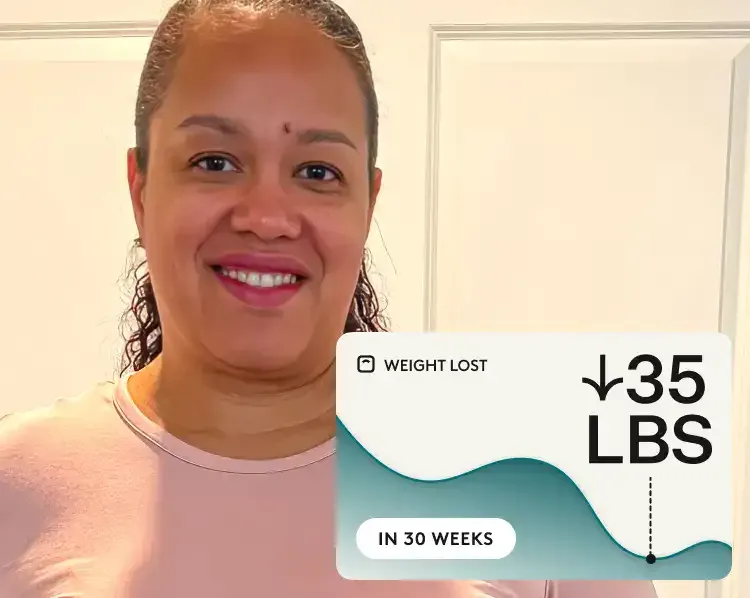
“My doctor recommended Noom after I was frustrated trying to lose weight. The lessons helped change my relationship with food. My body feels lighter & energized.”
Sonday K. – Real Noom user
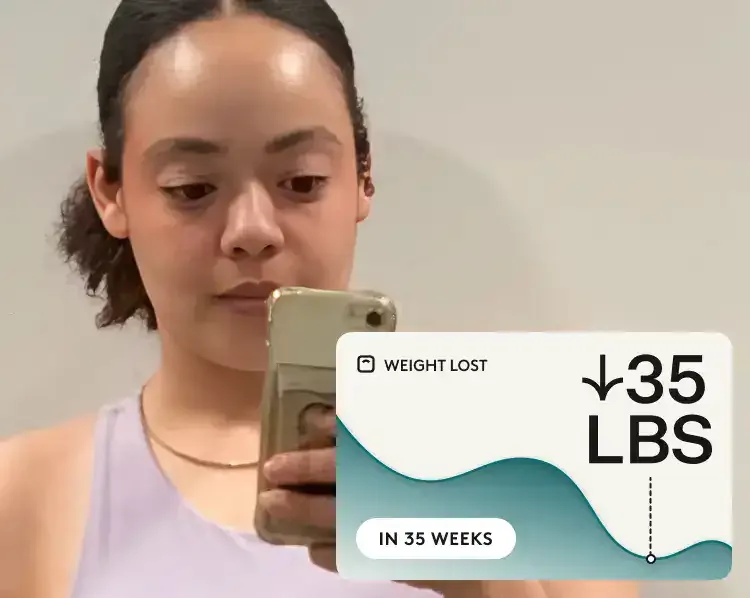
“I built healthy habits with coaching and lessons that make me confident I can maintain my weight loss long term.”
Cam K. – Real Noom user
“With the right medication through Noom, hunger and sugar cravings finally quieted and I have the tools to break the cycle.”
Laura TR. – Real Noom user
“Cravings and food noise are gone, I finally feel confident in the healthy habits I’ve built to last with Noom.”
Jessica S. – Real Noom user
The bottom line: Understanding alcohol calories helps you make an informed decision
When it comes to choosing the lowest-calorie alcohol, vodka, tequila, gin, rum, whiskey, and brandy are more similar than you might think. At the same proof and serving size, they contain about the same calories. What makes the biggest difference is the amount of alcohol and whether your drink contains added sugar or other ingredients.
But calories aren’t the only consideration. Alcohol can also affect appetite, sleep, and how your body uses energy, which may influence weight management. And even lower-calorie drinks carry health risks, so how much and how often you drink matters, too.
The good news? You can still lose weight while enjoying an occasional drink. At Noom, the focus is on building sustainable habits that support your weight and overall health, not following rigid rules about individual foods or drinks. That means understanding how alcohol fits into the bigger picture and making informed choices that work for your goals.
Editorial standards
At Noom, we’re committed to providing health information that’s grounded in reliable science and expert review. Our content is created with the support of qualified professionals and based on well-established research from trusted medical and scientific organizations. Learn more about the experts behind our content on our Health Expert Team page.