
What you’ll learn:
- Coffee jelly is trending as a low-calorie treat on social media, but this Japanese dessert is nothing new.
- It’s easy to make with just a few ingredients, and the calories depend on what you add.
- Despite the buzz, there’s no evidence that coffee jelly helps you lose weight on its own, though it can fit into a lower-calorie diet.
We’ve seen coffee mixed with everything from butter to protein powder in the name of weight loss. Now, another coffee trend is getting attention, and this one involves turning your morning brew into a jiggly, spoonable dessert.
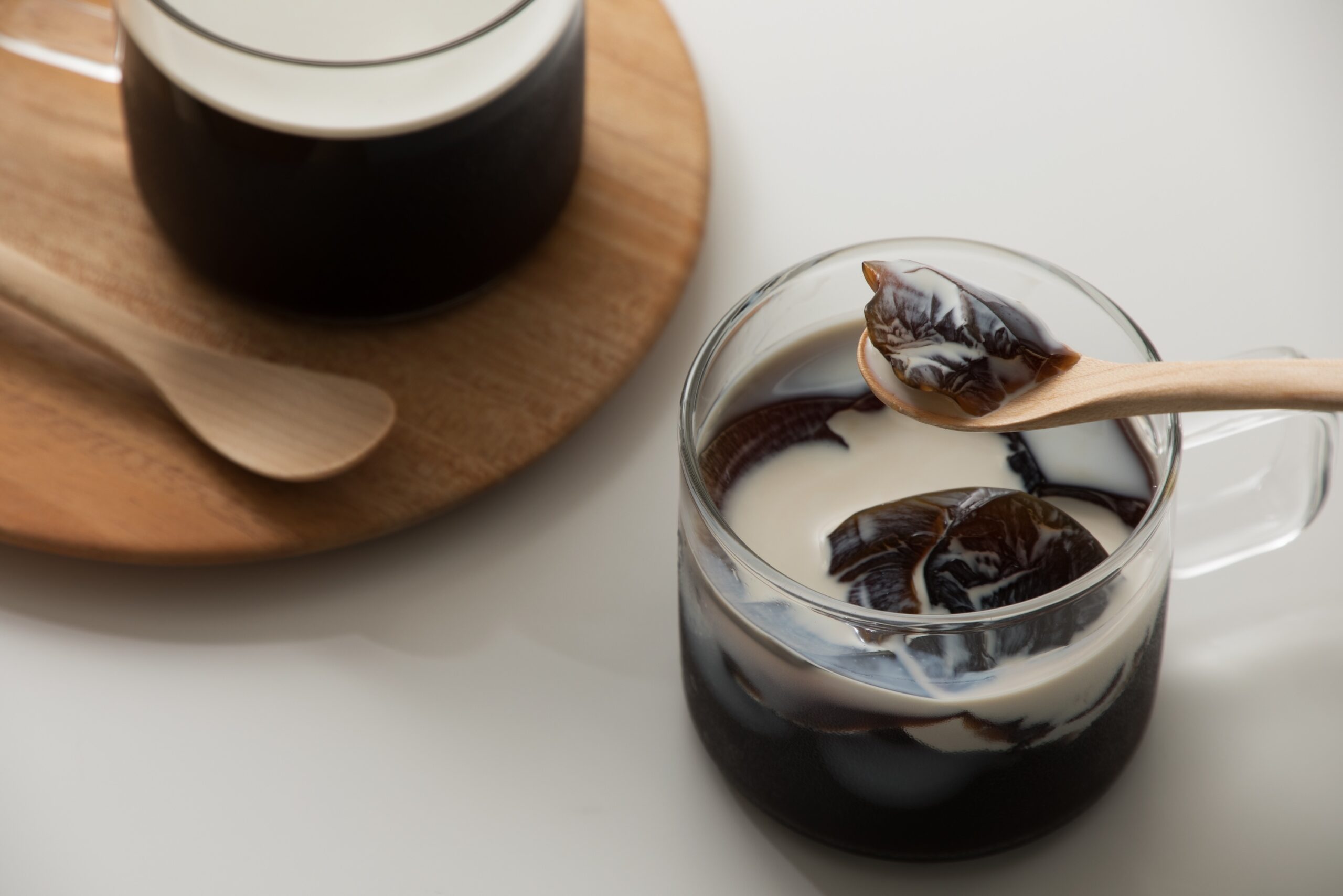
It’s called coffee jelly, and while it might be new to your social media feed, it has a much longer history. Coffee jelly recipes date back to the 1800s, but the dessert became especially popular in Japan, where it’s been served in cafés and restaurants for decades. Made by combining brewed coffee with gelatin or agar-agar and chilling it until firm, coffee jelly has a soft, jiggly texture and a slightly bitter flavor. It’s often served with cream or sweetened condensed milk, or cut into cubes and added to drinks.
So why is coffee jelly being linked to weight loss? The idea draws on two existing trends: consuming gelatin or drinking coffee to reduce appetite. The viral gelatin trick for weight loss involves eating gelatin snacks or drinking a gelatin solution before meals in hopes of feeling fuller and eating less. Coffee has also been linked to weight loss because caffeine may temporarily reduce appetite and slightly increase calorie burning.
Coffee jelly can be a low-calorie dessert, depending on how it’s made. But does combining coffee and gelatin actually help with weight loss? Here’s what coffee jelly contains, how to make it, and what the research says about its potential benefits, with insights from Maggie Hudspeth, RDN, Senior Manager of Coaching at Noom.
What is coffee jelly?
Coffee jelly is a chilled, coffee-flavored dessert that’s getting attention on social media, including as a potential low-calorie snack. But it has a much longer history. Recipes appeared in Britain and the United States during the 1800s, and a coffee jelly recipe was published in a Japanese newspaper in 1914. The dessert became more popular in Japan during the 1960s, when Mikado Coffee began selling it at its Karuizawa café in 1963.

The Easy Way
to lose weight and get healthy.
Today, Japanese coffee jelly is commonly made with sweetened brewed coffee and kanten, a plant-based gelling ingredient derived from seaweed, although some recipes use gelatin. It’s typically served chilled in a small dish with cream or sweetened condensed milk, or cut into cubes and added to drinks and other desserts.
The coffee jelly recipes circulating on social media follow much the same idea. Many show cubes of coffee jelly mixed with milk, cream, or sweetened condensed milk to create a drink with a chewy, jelly-like texture. Others serve the jelly on its own with toppings.
The main differences are the ingredients and how the jelly is prepared. Some online recipes use unflavored gelatin instead of kanten, creating a softer texture. Others skip the sugar and creamy additions entirely, leaving just coffee and gelatin. Those simpler versions are the ones most relevant to the weight-loss claims because they’re very low in calories and contain a small amount of protein.
What is coffee jelly made of?
Most recipes use a few basic ingredients, although the amounts and preparation vary:
- Coffee: Brewed or instant coffee provides the flavor and caffeine.
- Gelatin or kanten (agar): These make the coffee set into a jelly. Gelatin creates a softer texture, while kanten produces a firmer jelly that holds its shape when cut into cubes.
- Sugar or sweetener: Often mixed into the coffee before it sets, although some recipes leave it out.
- Milk, cream, or sweetened condensed milk: Added as toppings or mixed with jelly cubes to make a coffee jelly drink.
How many calories are in coffee jelly?
The calories in coffee jelly vary widely depending on the recipe. A plain version made with black coffee and unflavored gelatin might contain just 5 to 10 calories per ½-cup serving, while versions with sugar, milk, cream, and other additions can contain considerably more.
Here are some popular variations and their estimated calories:
- Japanese coffee jelly: About 50–150 calories per serving when topped with cream or sweetened condensed milk.
- Coffee jelly drinks: About 100–250 calories for a 12-ounce drink made with milk, coffee jelly cubes, and optional sweetener.
- Mocha coffee jelly: About 150–300 calories per serving when combined with milk and chocolate sauce.
- Filipino-style coffee jelly: About 200–350 calories per serving when made with sweetened condensed milk and cream.
- Layered coffee jelly: About 150–300 calories per serving when layered with sweetened milk jelly or cream.
“The amount of sugar and other ingredients you add makes a big difference,” says Hudspeth. “Coffee jelly can be a lower-calorie dessert without having to eliminate sugar or your favorite toppings. It’s about being mindful of portions and finding a balance that works for you.”
Is coffee jelly good for weight loss?
Could combining coffee and gelatin actually help with weight loss? That’s part of what’s driving the current interest in coffee jelly, especially because both ingredients have been linked to potential benefits for appetite and weight management.
Gelatin contains protein, which may help promote fullness, while caffeine in coffee may temporarily reduce appetite and slightly increase calorie burning. Together, they might sound like a promising combination, but research suggests that any effects on weight loss are likely to be small or short-lived. And studying the ingredients separately doesn’t necessarily tell us what happens when they’re combined in a dessert.
But when made without much added sugar or high-calorie toppings, coffee jelly can be a low-calorie dessert. If it replaces a higher-calorie option, it could help reduce overall calorie intake. Still, there’s no evidence that coffee jelly itself directly causes weight loss.
Access GLP-1 Weight Loss with Noom
Explore a wide range of prescription medications supported by Noom’s program.
Microdose GLP-1rx
Noom GLP-1rx
Noom GLP-1rx Plus
Wegovy®
Ozempic®
Metformin
Zepbound®
Mounjaro®
Liraglutide
Here’s a closer look at what the research says about each of these potential benefits.
Gelatin may temporarily help you feel fuller
Some research suggests gelatin may temporarily reduce hunger. In one small study, 24 adults ate a custard-based breakfast made with different proteins, including gelatin, whey, and casein (a protein found in milk). Those who ate certain gelatin-based breakfasts consumed about 20% fewer calories at lunch three hours later than those who ate breakfasts containing some other proteins.
Another study compared diets containing gelatin or casein over 36 hours. Researchers found that participants reported less hunger on the gelatin-based diet when protein provided 10% of their calories.
But these studies tested meals or diets in which protein provided 10% to 25% of calories, substantially more protein than you’d get from a typical serving of coffee jelly. A basic recipe made with coffee and gelatin contains only about 1 to 2 grams of protein per serving. Coffee jelly made with agar-agar (also called kanten), a seaweed-derived alternative to gelatin, contains little to no protein. Neither study examined long-term weight loss.
“A typical serving of coffee jelly is unlikely to have the same effect on fullness as a protein-rich meal or snack. Gelatin also isn’t a complete protein, so it’s not something I’d recommend relying on to meet your daily protein needs,” says Hudspeth.
Caffeine may briefly reduce appetite and increase calorie burning
Caffeine can temporarily affect appetite and slightly increase the number of calories your body burns. One review found that caffeine consumed shortly before a meal may reduce calorie intake, although results were inconsistent.
Caffeine may also briefly increase metabolic rate, but these effects don’t necessarily lead to weight loss. There’s no evidence that turning coffee into jelly changes how caffeine affects appetite or metabolism.
“A typical serving of coffee jelly is unlikely to have the same effect on fullness as a protein-rich meal or snack. Gelatin also isn’t a complete protein, so it’s not something I’d recommend relying on to meet your daily protein needs. But as a lower-calorie dessert, coffee jelly can certainly fit into a balanced eating plan,” says Hudspeth.
Coffee jelly can be a lower-calorie alternative to dessert
Coffee jelly’s clearest potential benefit for weight management is as a lower-calorie substitute for desserts like high-calorie coffee drinks or ice cream. Made with little added sugar and without rich toppings, it’s mostly water and contains very few calories.
“One of the most helpful things you can do for weight management is find foods you genuinely enjoy that also support your goals,” says Hudspeth. “If coffee jelly satisfies your craving for dessert, it might be a useful option. But there’s no reason to force yourself to eat it just because it’s trending or because someone claims it helps with weight loss.”
Swapping a higher-calorie dessert for coffee jelly could help reduce overall calorie intake, but coffee jelly itself hasn’t been shown to cause weight loss.
Coffee jelly vs. the gelatin trick: What’s the difference?
The gelatin trick for weight loss involves mixing gelatin with water or another liquid and consuming it before meals in hopes of reducing hunger and eating less.
Coffee jelly made with gelatin contains the same type of protein, but it’s generally prepared as a dessert rather than something intended to suppress appetite.
| Property | Coffee jelly | Gelatin trick |
|---|---|---|
| Main ingredients | Coffee and gelatin or agar | Gelatin and water or another liquid |
| Typical purpose | Dessert or snack | Consumed before meals to reduce hunger |
| Protein | Small amount if made with gelatin | Depends on amount used |
| Caffeine | Usually, unless decaf | Only if added |
| Proven weight-loss benefit | None | None |
Both have been linked to claims that gelatin can help reduce hunger. But the available research suggests that any effect on fullness is temporary, and neither approach has been shown to produce lasting weight loss.
“Tricks that promise to suppress your appetite might help you eat less in the short term, but that doesn’t mean they’ll lead to lasting weight loss,” says Hudspeth. “A more sustainable approach is eating a balanced diet that meets your nutritional needs, helps you feel satisfied, and supports healthy habits you can maintain over time.”
Noom’s Most Powerful Program
A dual-pathway GLP-1 and behavior change for lasting results.
Is coffee jelly healthy?
Coffee jelly can be part of a balanced diet, but its nutritional value depends on how it’s made.
Plain coffee jelly contains few calories and a small amount of protein if made with gelatin. However, it provides little fiber, healthy fat, or many essential vitamins and minerals.
“Low in calories doesn’t always mean a food is especially nutritious,” says Hudspeth. “Coffee jelly can be a perfectly reasonable dessert, but it doesn’t provide much fiber, protein, or many essential nutrients. If you’re actually hungry, something like Greek yogurt with fruit may be more satisfying and give your body more of what it needs.”
- Added sugar: Recipes containing sugar, sweetened condensed milk, or sweet toppings can be substantially higher in calories.
- Caffeine: Coffee jelly made with regular coffee contains caffeine, which can interfere with sleep or cause jitteriness in sensitive people. The FDA notes that up to 400 milligrams per day is generally not associated with negative effects for most adults, although individual tolerance varies.
- Protein quality: Gelatin is an incomplete protein and shouldn’t be relied on as a primary protein source.
- Overall nutrition: Coffee jelly doesn’t provide the nutrients needed for a balanced meal. Regularly eating it in place of meals could leave you short on important nutrients.
If you’re sensitive to caffeine or eat dessert close to bedtime, consider making coffee jelly with decaf coffee.
How to make coffee jelly healthier
A few adjustments can change the calories and nutritional content of coffee jelly without changing the basic recipe.
- Use unsweetened coffee. This keeps the base low in calories and allows you to control how much sugar you add.
- Reduce the sugar. Start with less sugar than the recipe calls for and sweeten to taste.
- Add Greek yogurt instead of cream or condensed milk. Plain Greek yogurt adds creaminess and some protein.
- Use low-fat milk instead of heavy cream. Depending on the type, milk can provide a similar creamy texture with fewer calories.
- Measure richer toppings. If you’re adding whipped cream or sweetened condensed milk, measuring the portion can help you understand how many calories you’re adding.
You don’t need to make every dessert as low in calories as possible. The goal is to find an approach that fits your preferences and nutritional needs.
How to make coffee jelly
Coffee jelly requires only a few ingredients and basic kitchen equipment. Most of the preparation time is spent waiting for it to set in the refrigerator.
Easy coffee jelly recipe
This version uses black coffee and unflavored gelatin without added sugar or cream. You can add sweetener or toppings depending on how you prefer it.
Ingredients (4 servings):
- 2 cups brewed coffee
- 1 packet (7 grams) unflavored gelatin
- 2 tablespoons cold water
- Optional: Sugar or a zero-calorie sweetener, to taste
Instructions:
- Sprinkle the gelatin over the cold water and let it sit for about 5 minutes. This process, called blooming, helps the gelatin dissolve evenly.
- Stir the bloomed gelatin into the hot brewed coffee until completely dissolved.
- Add sweetener, if using.
- Pour the mixture into a shallow dish or individual cups.
- Refrigerate for 2 to 4 hours, or until set.
- Cut into cubes if firm enough, or serve directly from the cup.
You can eat the jelly plain or add milk, Greek yogurt, or another topping.
Can you buy coffee jelly instead of making it?
Yes. Coffee jelly is available in ready-to-eat containers and as a prepared topping for coffee drinks, bubble tea, and desserts. You can find it through specialty food retailers, Asian grocery stores, and online.
Here are a few examples of what’s available:
- Bossen Coffee Jelly: A sweetened coffee jelly topping made with water, sugar, coffee powder, carrageenan, and xanthan gum. Its published nutrition information lists 75 calories, 14 grams of added sugar, and no protein per 50-gram serving.
- Possmei Coffee Jelly Topping: A ready-to-use topping made with coffee powder, several types of sugar, carrageenan, konjac powder, and xanthan gum. It’s designed for adding to drinks and desserts.
- SAC Coffee Jelly: Another sweetened topping made with coffee powder, carrageenan, locust bean gum, sugar, and fructose. It also contains a noncaloric sweetener.
- Keary Coffee Jelly: A ready-to-use coffee jelly sold in a smaller jar, made with sugar, coffee powder, carrageenan, and xanthan gum.
Unlike homemade coffee jelly made with gelatin, these products rely on plant-based gelling ingredients and don’t necessarily provide protein. They may also contain added sugar, so the calories can be quite different from a simple homemade recipe.
If you’re choosing coffee jelly as a lower-calorie dessert, compare the serving size, calories, added sugar, and protein on the nutrition label. Store-bought coffee jelly may use agar, konjac, or other plant-based gelling ingredients instead of gelatin. These products can differ in protein, calories, and added sugar, so it’s worth checking the nutrition label.
Frequently asked questions about coffee jelly and weight loss
Does coffee jelly burn belly fat?
No. There’s no evidence that coffee jelly, gelatin, or caffeine specifically targets belly fat. Losing body fat generally requires maintaining a calorie deficit over time, and you can’t choose where your body loses fat.
Can you eat coffee jelly every day?
For most people, a moderate serving of coffee jelly can fit into a balanced diet. If you eat it regularly, consider the added sugar and caffeine, particularly if you also drink coffee throughout the day.
Is coffee jelly keto-friendly?
It can be. Coffee jelly made with unsweetened coffee and unflavored gelatin contains very few carbohydrates. Versions made with sugar or sweetened condensed milk contain more carbohydrates and may not fit into a ketogenic diet.
Can you make coffee jelly without gelatin?
Yes. Agar-agar, a plant-based gelling ingredient derived from seaweed, is commonly used in Japanese coffee jelly. It creates a firmer texture than gelatin and contains little protein. Because it sets differently, follow a recipe specifically designed for agar-agar rather than substituting it in equal amounts.
Reviews from real Noom users
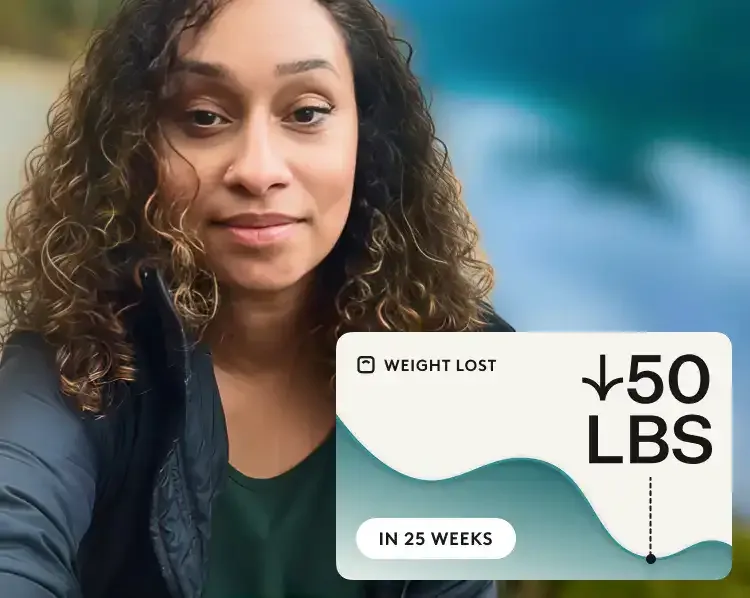
“My favorite parts of Noom are the care team and other Noomers. Sharing and getting help made me feel like I wasn’t doing it alone. That support made all the difference.”
Desirea N. — Real Noom user
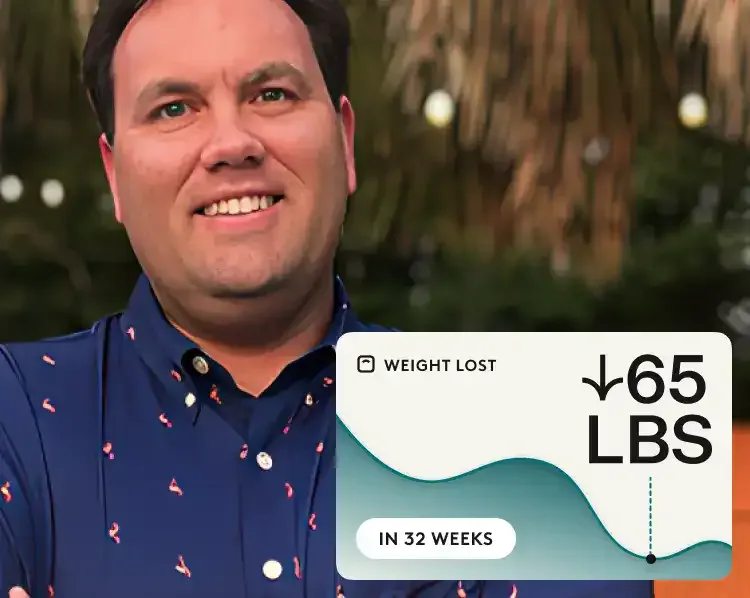
“Noom has taught me that every day is a new chance to make better, healthier choices. It’s taught me how to stop overeating.”
Matthew M. — Real Noom user
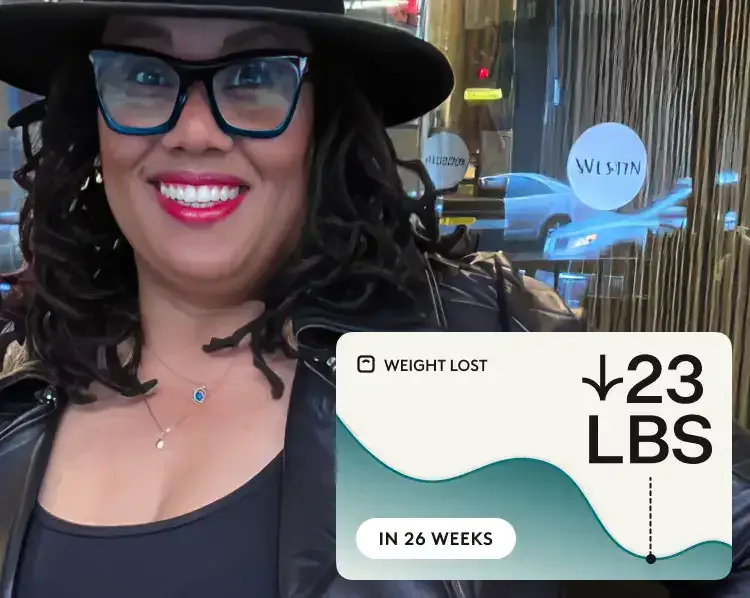
“Clinicians who understand how supportive medication can be is one of the best parts of Noom! I was convinced I wouldn’t have success but I’m down 11 pounds in two months.”
Lila M. — Real Noom user
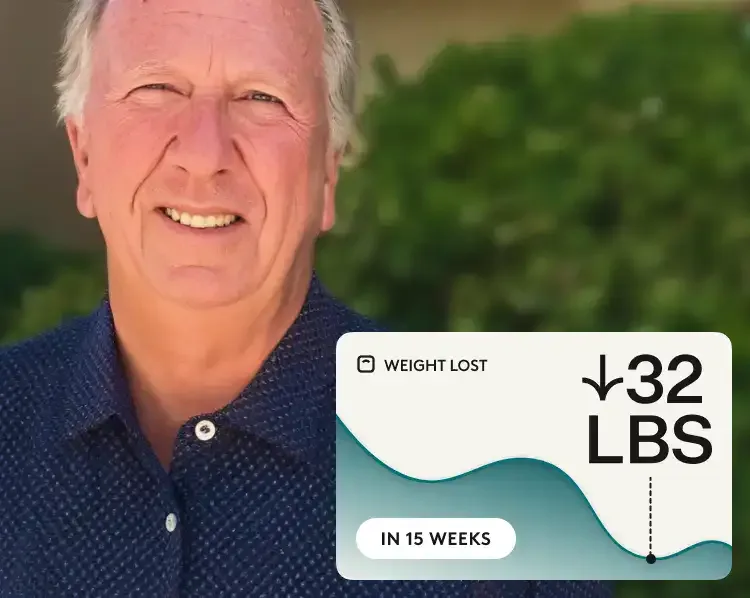
“Noom provided me with the medication which I could not get through Medicare. I have learned the tricks to better eating and life in general.”
Steve M. – Real Noom user
“Noom has changed my life and I’m so thankful, I feel great, have more energy and am no longer prediabetic.”
Daisy R. – Real Noom user
“All of the Noom providers that I’ve met with have been exceptional and prescribed medications that are appropriate for my situation and health.”
Sarah R. – Real Noom user
“Noom made the process so simple and now I feel full, free from diet obsession, and at ease in my body again.”
Madison S. – Real Noom user
“My doctor recommended Noom after I was frustrated trying to lose weight. The lessons helped change my relationship with food. My body feels lighter & energized.”
Sonday K. – Real Noom user
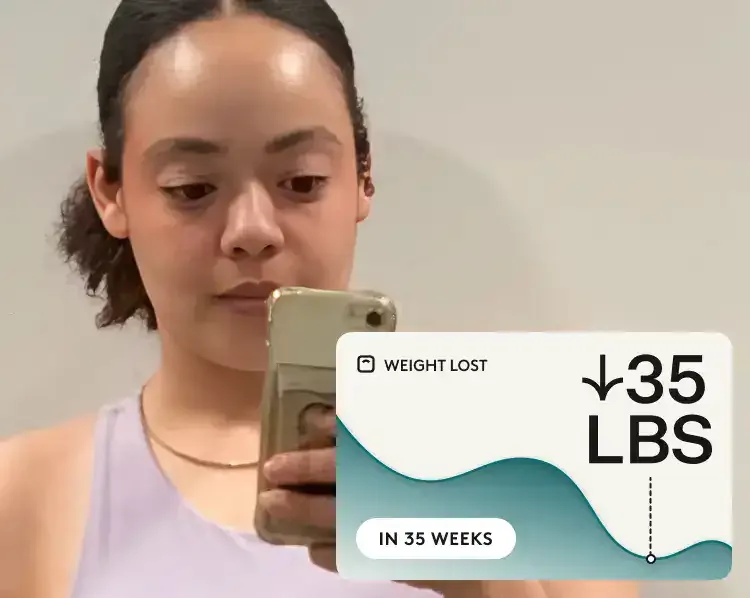
“I built healthy habits with coaching and lessons that make me confident I can maintain my weight loss long term.”
Cam K. – Real Noom user
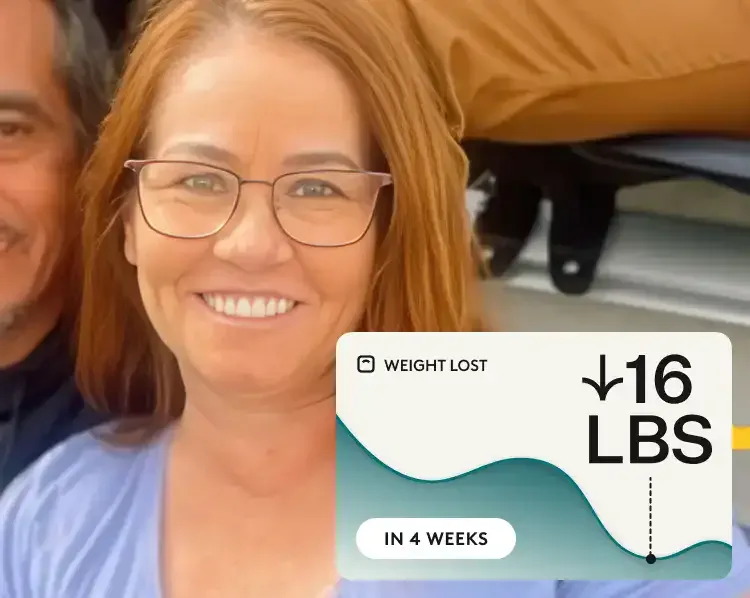
“With the right medication through Noom, hunger and sugar cravings finally quieted and I have the tools to break the cycle.”
Laura TR. – Real Noom user
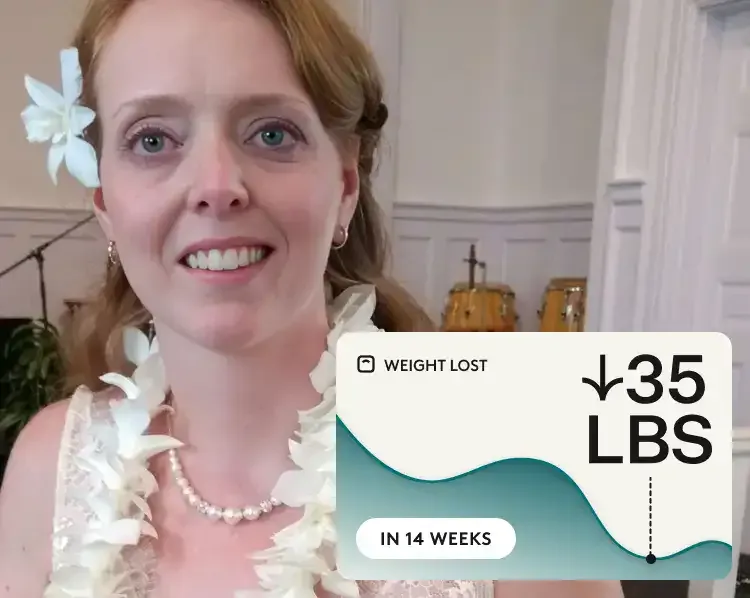
“Cravings and food noise are gone, I finally feel confident in the healthy habits I’ve built to last with Noom.”
Jessica S. – Real Noom user
The bottom line: Coffee jelly can be a lower-calorie dessert, but it isn’t a weight-loss shortcut
Coffee jelly is a traditional dessert that’s found a new audience on social media, including among people looking for lower-calorie treats. Depending on how it’s prepared, it can be a lighter alternative to ice cream, high-calorie coffee drinks, or other richer desserts. And it doesn’t have to be made without sugar or cream to fit into a balanced eating plan. The ingredients and portions are what matter.
While gelatin may temporarily increase fullness and caffeine may briefly affect appetite and metabolism, there’s no evidence that combining them in coffee jelly leads to meaningful or lasting weight loss. Most servings also contain too little protein to have the same effect on fullness as a protein-rich snack or meal.
If you like coffee jelly, there’s no reason you can’t include it in your routine. But lasting weight management is about more than finding foods that might suppress your appetite. Eating balanced, satisfying meals, getting regular physical activity, sleeping well, and building habits you can maintain over time are more reliable approaches.
“Weight loss isn’t about finding tricks to make yourself less hungry,” says Hudspeth. “It’s about learning how to nourish your body in a way that supports your goals and keeps you feeling satisfied. If coffee jelly is a dessert you like, it can absolutely be part of that. It just doesn’t need to do anything special for weight loss.”
Want to build healthier eating habits without giving up the foods you love? Download Noom for free on iOS or Android. Create a free account to access select tools for tracking your progress and building healthy habits that last.
Editorial standards
At Noom, we’re committed to providing health information that’s grounded in reliable science and expert review. Our content is created with the support of qualified professionals and based on well-established research from trusted medical and scientific organizations. Learn more about the experts behind our content on our Health Expert Team page.