What you’ll learn:
- Nausea is the most common Zepbound® side effect, affecting about 1 in 4 people in clinical trials, followed by diarrhea, constipation, and vomitting.
- Many digestive side effects become less common over time but can come back during dose increases.
- Eating smaller meals, staying hydrated, and talking to your prescriber about slowing dose increases if needed can help make Zepbound® side effects more manageable.
Starting Zepbound® can feel like an exciting step toward reaching your weight-loss goals—but you may also be wondering about the side effects you’ve heard about. While it’s true that nausea, diarrhea, constipation, and other digestive issues are common with Zepbound, they’re typically mild to moderate and occur most often when starting the medication or when the dose is increased.
Zepbound is designed to be started slowly to get your body used to the medication and to reduce the risk of side effects. Everyone starts at 2.5 mg once a week for four weeks before moving up to 5 mg. From there, the dose can be increased by 2.5 mg after at least four weeks at the current dose, up to 15 mg. But not everyone needs to reach the highest dose to see results. Being able to manage side effects is important for staying on the treatment.
And while side effects can be uncomfortable, most people in clinical trials didn’t stop Zepbound because of them. In a 72-week study of adults with obesity or overweight, about 4% to 7% of people taking tirzepatide stopped treatment because of side effects, depending on the dose.
So, what might you actually experience, how long can side effects last, and what can you do to feel better while your body adjusts? Let’s go through the 10 most common Zepbound side effects, when they’re most likely to happen, and practical ways to manage them—plus when a symptom means it’s time to call your healthcare provider.
For a fuller safety overview, see Noom’s complete guide to Zepbound® side effects.

The Easy Way
to lose weight and get healthy.
The 10 most common Zepbound® side effects
Most of the side effects on this list involve your stomach and digestion. That makes sense based on how Zepbound® works: It lowers appetite and slows how quickly food leaves your stomach. That can help with weight loss, but it can also lead to nausea, feeling too full, constipation, and other digestive symptoms while your body adjusts.
The percentages below come from Zepbound® weight-loss trials and reflect side effects reported by people taking the 5 mg, 10 mg, and 15 mg maintenance doses. They offer a helpful guide, but your experience may be milder, stronger, or different.
1. Nausea (25%–29%)
Nausea is the most common Zepbound® side effect. Because the medication slows how quickly food leaves your stomach, a meal that used to feel normal may suddenly feel like too much. It’s especially common when you first start or move up a dose, which is why the tirzepatide dosing schedule increases in small steps.
What can happen: You may feel queasy, unusually full, or less interested in food.
How long will it last? There’s no set timeline. Research across four tirzepatide weight-loss trials found that gastrointestinal side effects occurred primarily while doses were being increased. Nausea may ease as your body adjusts. Contact your healthcare provider if nausea is severe or persistent, you can’t keep fluids down, or you develop signs of dehydration, such as barely urinating, dizziness, or confusion.
What might help: A few changes to how and what you eat may make nausea easier to manage:
- Eat smaller meals, eat slowly, and stop when you feel comfortably full.
- Choose bland, lower-fat foods on queasy days and sip fluids throughout the day.
- If symptoms are hard to manage, ask your prescriber whether you should stay at the current dose longer. See Noom’s guide to managing Zepbound nausea for more tips.
2. Diarrhea (19%–23%)
Diarrhea is another common digestive side effect of Zepbound®. It’s more likely to happen while your body is adjusting to the medication, particularly when doses are being increased, and it often gets better with time. The biggest thing to watch for is dehydration, especially if you’re also vomiting.
What can happen: You may have loose stools, urgency, or cramping. The main concern is dehydration, especially if diarrhea and vomiting happen together.
How long will it last? There’s no set number of days. It may come and go as you start Zepbound® or move up a dose, then settle as your body adjusts. Contact your healthcare provider if it’s severe or persistent, or makes it hard to drink enough.
What might help: Adjusting your diet and replacing fluids may help:
Access GLP-1 Weight Loss with Noom
Explore a wide range of prescription medications supported by Noom’s program.
Microdose GLP-1rx
Noom GLP-1rx
Noom GLP-1rx Plus
Wegovy®
Ozempic®
Metformin
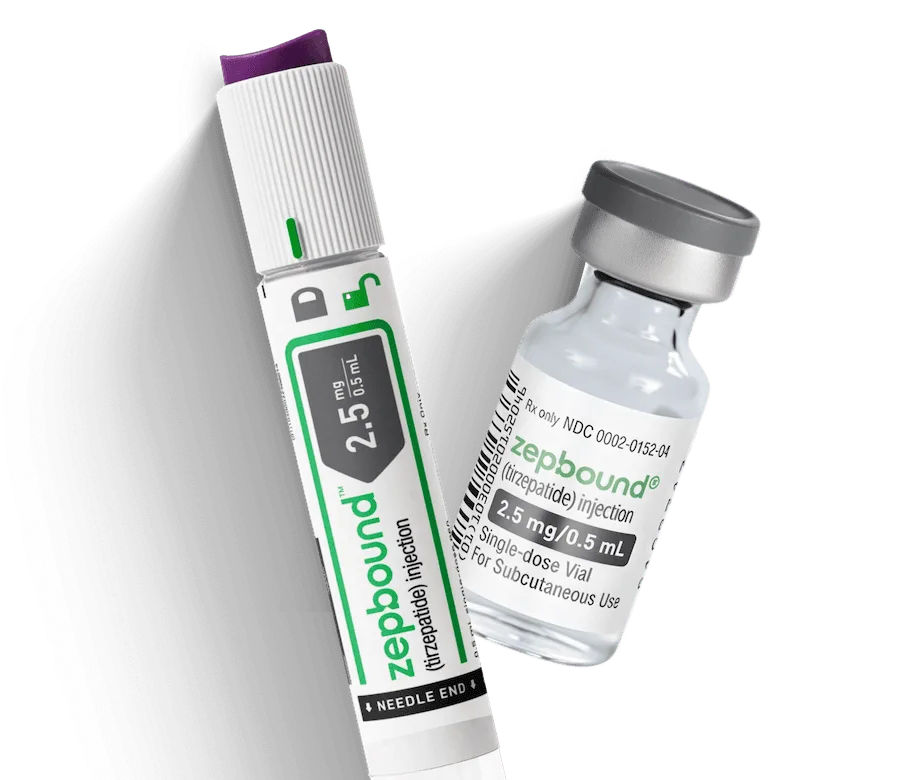
Zepbound®
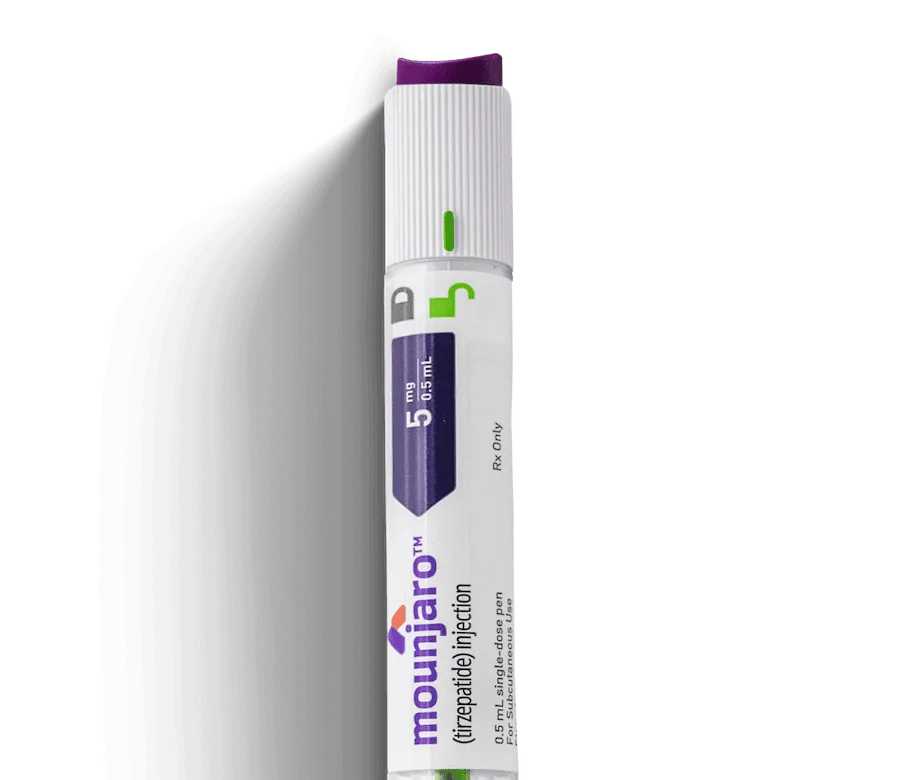
Mounjaro®
Liraglutide
- Drink water regularly; an oral rehydration drink may help replace fluids and electrolytes after repeated loose stools.
- Temporarily limit greasy foods, alcohol, caffeine, and any foods that clearly make symptoms worse.
- Once symptoms settle, return to your usual balanced eating pattern gradually rather than sharply restricting food.
3. Constipation (11%–17%)
Slower digestion, eating less, drinking less fluid, and getting less fiber can all play a part in constipation. In Zepbound® weight-loss trials, constipation was reported by 11% to 17% of people taking the medication, depending on the dose.
What can happen: You may have fewer bowel movements, hard stools, straining, or the feeling that you didn’t fully empty your bowels. Severe abdominal pain, vomiting, a swollen abdomen, or an inability to pass stool or gas needs to be evaluated immediately.
How long will it last? There’s no set timeline for how long constipation will last. Research shows that gastrointestinal side effects with tirzepatide tend to occur more often while your body is adjusting to the medication and become less common over time, but constipation may not follow the same timeline for everyone. If it isn’t getting better, is getting worse, or comes with the warning signs above, check in with your healthcare provider.
What might help: A few gentle changes can help support regular bowel movements:
- Increase fiber gradually with foods such as oats, beans, fruit, vegetables, and whole grains; adding too much at once can worsen bloating.
- Drink enough fluid and add gentle movement, such as walking, when you can.
- Ask your healthcare provider whether an over-the-counter stool softener or laxative is appropriate if food, fluids, and activity are not enough.
4. Vomiting (8%–13%)
Vomiting can happen for some of the same reasons as nausea. Because Zepbound® slows how quickly food leaves your stomach, a large or rich meal may be harder to tolerate, especially after a dose increase. Repeated vomiting can also lead to dehydration.
What can happen: You may have one or repeated episodes of vomiting, sometimes along with nausea and stomach discomfort. Some people feel nauseated but don’t vomit at all.
How long will it last? Research looking at gastrointestinal side effects across four tirzepatide weight-loss trials found that vomiting occurred primarily while doses were being increased and generally decreased over time. There isn’t a set number of days it will last. Call your healthcare provider if it continues, you can’t keep fluids down, or you develop signs of dehydration. Seek medical care right away for vomiting with severe stomach pain that doesn’t go away, especially if the pain spreads to your back. This can be a sign of pancreatitis, a rare but serious Zepbound side effect.
What might help: Once vomiting stops, prioritize hydration and restart food slowly:
- Take small, frequent sips of clear fluids instead of drinking a full glass at once.
- When you are ready to eat, start with small portions of bland foods such as toast, rice, bananas, or crackers.
- Talk with your prescriber before your next dose if vomiting is repeated or severe.
5. Abdominal pain (9%–10%)
Abdominal pain can mean cramping, tenderness, or a general stomachache. It may happen along with constipation, diarrhea, gas, or nausea. Mild discomfort may improve as the related digestive symptom settles.
What can happen: You may have mild cramping, aching, or a temporary stomachache, often along with constipation, diarrhea, or nausea. Severe or persistent pain is different.
How long will it last? There’s no set timeline for stomach pain. Mild discomfort may improve as your body adjusts or as the related digestive symptom settles. But severe pain that doesn’t go away—especially pain that spreads to your back—can be a sign of pancreatitis. Stop taking Zepbound® and get medical care right away if that happens. Learn more about serious symptoms in Noom’s guide to Zepbound side effects.
What might help: For mild, short-lived discomfort, a few simple steps may help:
- Eat smaller portions and avoid foods that reliably trigger discomfort.
- Keep track of where the pain occurs, how long it lasts, and whether it follows meals, constipation, or a dose increase.
- Contact your healthcare provider for pain that is getting worse, won’t go away, or is difficult to explain.
6. Dyspepsia or indigestion (9%–10%)
Dyspepsia is the medical word for indigestion. It usually shows up as discomfort in the upper part of your stomach. Because Zepbound® slows how quickly food leaves your stomach, you may feel pressure, burning, burping, or uncomfortable fullness after eating. Smaller meals may help.
What can happen: You may feel full after only a few bites, bloated, or uncomfortable in the upper abdomen. Some people also notice heartburn or frequent burping.
How long will it last? There isn’t a set timeline for indigestion. Symptoms may come and go as your body adjusts to Zepbound®, and your portion size and what you eat can also affect how you feel. Contact your healthcare provider if indigestion isn’t improving, feels severe, or comes with trouble swallowing, black stools, or vomiting blood.
Noom’s Most Powerful Program
A dual-pathway GLP-1 and behavior change for lasting results.
What might help: Changes in meal size and timing may reduce pressure and fullness:
- Choose smaller meals and eat slowly so you have time to notice fullness.
- Avoid lying down right after eating and reduce foods that trigger symptoms, which may include greasy, spicy, or very rich foods.
- Use Noom’s guide to what to eat while taking Zepbound for meal and snack ideas that may feel easier to tolerate.
7. Injection-site reactions (6%–8%)
You may notice redness, itching, bruising, soreness, or a small rash where you gave the injection. Unlike nausea or diarrhea, these reactions stay around the injection area and are usually mild. Rotating sites can help keep one spot from getting irritated.
What can happen: A small red, itchy, bruised, or tender area may appear where you gave the injection. Widespread hives, facial swelling, or trouble breathing are different and may signal a serious allergic reaction.
How long will it last? There isn’t a set timeline, but a mild reaction may fade as your skin settles. Contact your healthcare provider if the area becomes more painful, warm, or swollen, starts draining fluid, or isn’t improving. Seek emergency care for widespread hives, facial swelling, or trouble breathing.
What might help: Good injection technique can help reduce repeated irritation:
- Rotate among the abdomen, thigh, and upper arm, and use a different spot each week.
- Don’t inject into skin that is bruised, tender, hard, scarred, or irritated.
- Review Noom’s Zepbound injection-site guide for placement and technique tips.
8. Fatigue (5%–7%)
Fatigue can feel like low energy, unusual tiredness, or simply not having your usual stamina. Zepbound® may play a role, but eating much less than usual, not drinking enough, poor sleep, or other side effects can also leave you tired.
What can happen: You may need more rest or find that your usual activities feel harder. Eating less than usual or becoming dehydrated from nausea, vomiting, or diarrhea can make low energy worse.
How long will it last? There isn’t a set timeline for Zepbound-related fatigue. It may improve as your body adjusts and you get enough food, fluids, and sleep. If it isn’t getting better, is getting worse, or comes with fainting, confusion, chest pain, or shortness of breath, contact your healthcare provider.
What might help: A few everyday basics may help support steadier energy:
- Keep eating regular, nutrient-dense meals even if your appetite is lower, with enough protein, carbohydrates, and overall calories to support your needs.
- Drink fluids consistently, especially if you also have diarrhea or vomiting.
- Scale activity to how you feel, but keep gentle movement in your routine when possible.
9. Hypersensitivity reactions (about 5%)
Hypersensitivity reactions are immune-related reactions that can include allergic reactions. In Zepbound® trials, most were skin reactions, such as rash or itching. Serious allergic reactions are rare, but they can happen and need immediate medical attention.
What can happen: A mild reaction may involve limited itching or a rash. A serious reaction can cause swelling of the face, lips, tongue, or throat; trouble breathing or swallowing; fainting; or a widespread or rapidly worsening rash.
How long will it last? There isn’t one timeline for a hypersensitivity reaction. Don’t wait to see if facial or throat swelling, trouble breathing, or other signs of a serious allergic reaction will pass. Stop using Zepbound® and seek emergency medical care right away.
What might help: The right next step depends on whether the reaction is mild or serious:
- Photograph a mild rash and contact your healthcare provider for advice before your next dose.
- Don’t try to treat facial or throat swelling at home; call emergency services.
- Don’t restart Zepbound® after a serious allergic reaction unless a qualified clinician specifically directs you to.
10. Hair loss (4%–5%)
Hair loss can happen during weight loss, including while taking Zepbound®. In Zepbound® weight-loss trials, 4% to 5% of people reported hair loss, and the prescribing information notes that it was associated with weight reduction. Hair loss was also reported more often in women taking Zepbound® than men—7.1% versus 0.5%.
Rapid or significant weight loss can trigger a type of temporary hair shedding called telogen effluvium, so the change in weight may be playing a bigger role than the medication itself.
What can happen: Shedding often becomes noticeable after weight loss is already underway rather than immediately after the first injection. You may see more hair in the shower or brush or notice thinning across the scalp.
How long will it last? Hair shedding related to weight loss often begins a few months after the trigger and can take several months to settle as the normal hair-growth cycle resumes. Talk with your healthcare provider about patchy hair loss, scalp pain, scarring, or shedding that keeps going or gets worse.
What might help: Get enough nutrients to support healthy hair growth and rule out other causes of hair loss:
- Avoid overly restrictive dieting and aim for enough protein, iron, zinc, and overall energy intake while losing weight.
- Ask your healthcare provider about checking for other causes, such as iron deficiency or thyroid problems, if shedding is significant.
- See Noom’s complete guide to Zepbound and hair loss for what the research shows and when regrowth may begin.
FAQs About Zepbound® side effects
It depends on the side effect and how your body responds. You might notice symptoms after your first dose, or you might feel fine until your dose goes up. Nausea, vomiting, and diarrhea tend to happen most often while doses are being increased and generally become less common over time.
Give your body time to adjust, but don’t feel like you need to push through symptoms that are making it hard to eat, drink, or go about your day. If a side effect is severe or isn’t getting better, check in with your healthcare provider.
Is Zepbound® safe?
Zepbound® can be safe for people who are eligible to take it when it’s prescribed and monitored appropriately. Most side effects are mild to moderate, but there are also some potentially serious risks to know about.
Serious side effects and warnings include: Severe stomach problems, kidney problems related to dehydration, gallbladder problems, including gallstones and inflammation, pancreatitis, serious allergic reactions, low blood sugar, particularly when Zepbound® is used with insulin or certain diabetes medications, changes in vision in people with type 2 diabetes, suicidal thoughts or behavior, and risk of food or liquid entering the lungs during anesthesia or deep sedation because Zepbound® slows stomach emptying
Zepbound® also has a boxed warning about thyroid C-cell tumors seen in rats. It isn’t known whether this risk applies to people, but Zepbound® shouldn’t be used by people with a personal or family history of medullary thyroid carcinoma or Multiple Endocrine Neoplasia syndrome type 2.
See Noom’s complete guide to Zepbound® side effects for more about these risks, symptoms to watch for, and when to contact your healthcare provider.
Does Zepbound® have more side effects than Wegovy®?
Zepbound® and injectable Wegovy® have many of the same side effects, but some may be more likely with one medication than the other.
In a study that directly compared the two, nausea was reported at almost identical rates with Zepbound® and injectable Wegovy® (43.6% vs. 44.4%), and diarrhea was also about the same (23.5% vs. 23.4%). Vomiting was less common with Zepbound® (15% vs. 21.3%), while injection-site reactions were more common (8.6% vs. 0.3%).
So, neither medication simply has “more” side effects. You might tolerate one better than the other, and that can matter when you and your healthcare provider are deciding which medication is a better fit. With both medications, digestive side effects were generally mild to moderate and happened most often while doses were being increased. See Noom’s guide to Wegovy® vs. Zepbound® side effects for a closer comparison.
Does Zepbound® cause more side effects than Mounjaro®?
Zepbound® and Mounjaro® contain the same active ingredient—tirzepatide—so they can cause the same types of side effects. What’s different is who they’re approved to treat. Zepbound® is approved for weight management and moderate to severe obstructive sleep apnea (OSA) in adults with obesity, while Mounjaro® is approved for type 2 diabetes.
That makes comparing the percentages in their prescribing information tricky. The medications were studied in different groups of people, and having diabetes can affect both treatment and side-effect patterns. What matters more is how you respond to tirzepatide and the dose you’re taking.
Where should I inject Zepbound® for the fewest side effects?
Zepbound® can be injected into your abdomen, thigh, or the back of your upper arm. The prescribing information shows that your body is exposed to similar amounts of tirzepatide with all three injection sites. There isn’t enough evidence to say that using one of these spots instead of another will reduce side effects like nausea or diarrhea.
Where you inject can matter for your skin, though. Rotate the exact spot each week, and avoid skin that is bruised, tender, hard, scarred, or irritated. If one area tends to get sore or itchy, using another approved injection site the following week can give it time to recover.
What dose of Zepbound® causes the most side effects?
There isn’t one dose that causes the most side effects for everyone. In Zepbound® trials, the pattern varied depending on the symptom: Nausea was reported most often at 10 mg, diarrhea and vomiting at 15 mg, and constipation at 5 mg.
The number on the pen isn’t the whole story, either. Timing matters. Nausea, vomiting, and diarrhea tended to happen most often while doses were being increased and became less common over time. That’s one reason Zepbound® starts at 2.5 mg and increases gradually.
You also don’t need to race to the highest dose. Your healthcare provider can look at how you’re feeling along with your results over time to decide whether it makes sense to stay at your current dose or move up.
Reviews from real Noom users
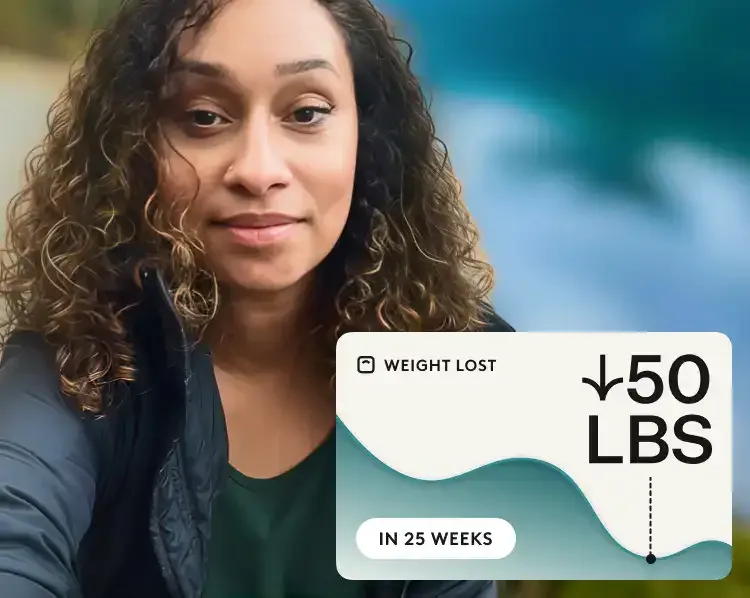
“My favorite parts of Noom are the care team and other Noomers. Sharing and getting help made me feel like I wasn’t doing it alone. That support made all the difference.”
Desirea N. — Real Noom user
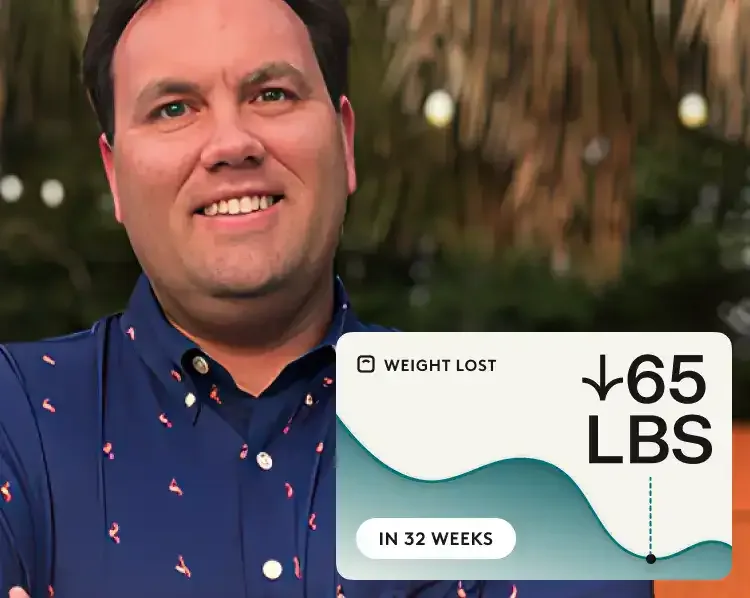
“Noom has taught me that every day is a new chance to make better, healthier choices. It’s taught me how to stop overeating.”
Matthew M. — Real Noom user
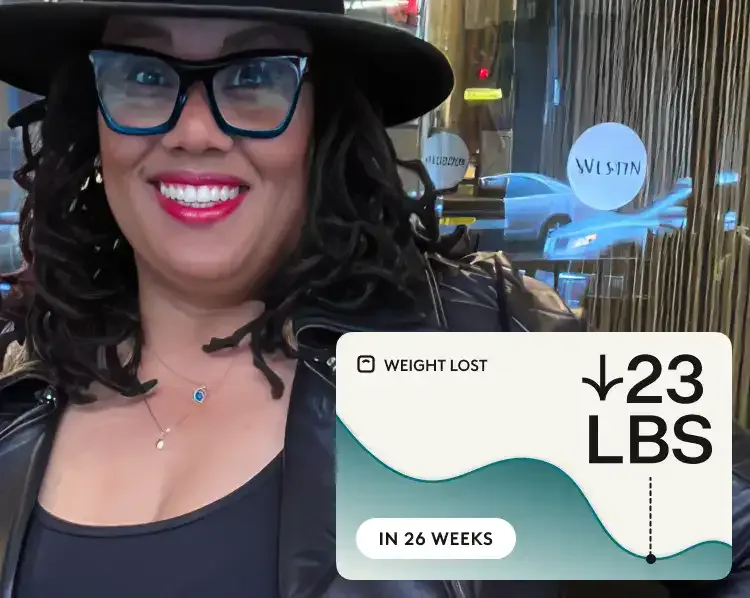
“Clinicians who understand how supportive medication can be is one of the best parts of Noom! I was convinced I wouldn’t have success but I’m down 11 pounds in two months.”
Lila M. — Real Noom user
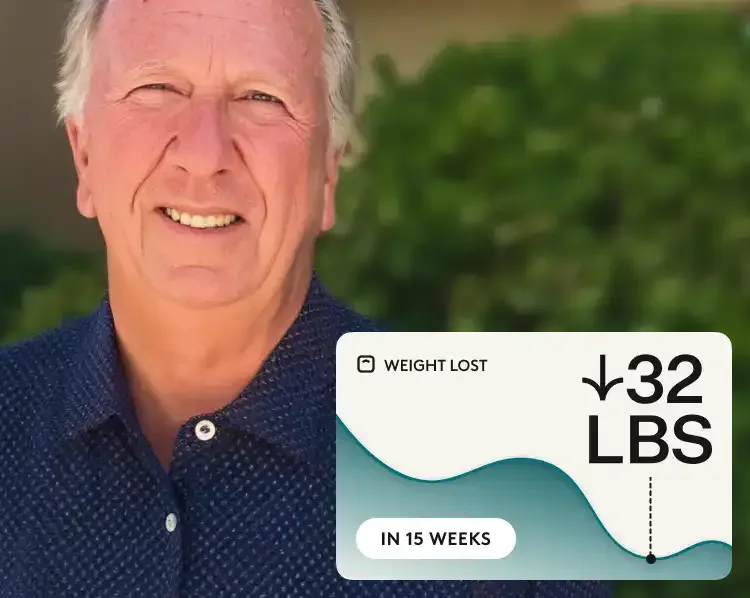
“Noom provided me with the medication which I could not get through Medicare. I have learned the tricks to better eating and life in general.”
Steve M. – Real Noom user
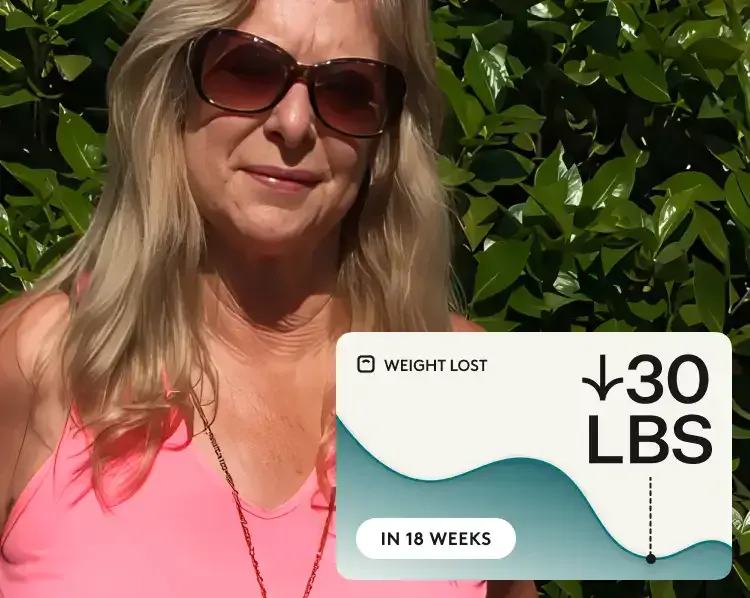
“Noom has changed my life and I’m so thankful, I feel great, have more energy and am no longer prediabetic.”
Daisy R. – Real Noom user
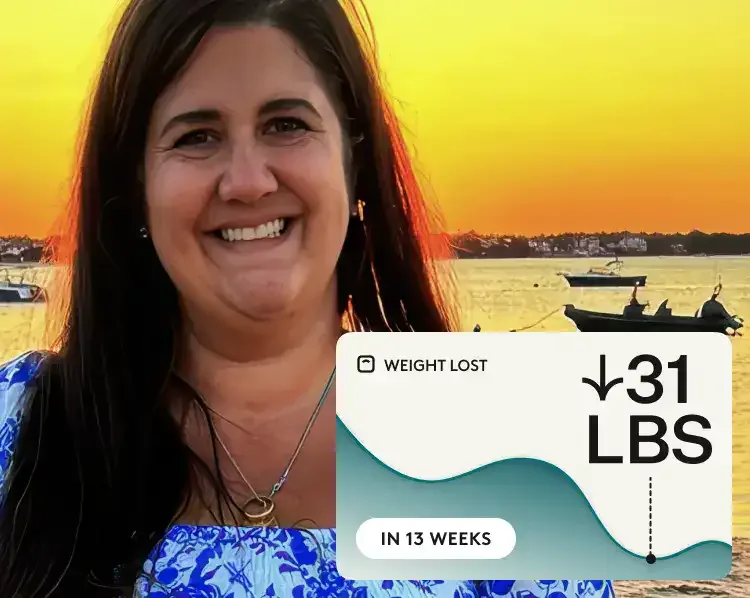
“All of the Noom providers that I’ve met with have been exceptional and prescribed medications that are appropriate for my situation and health.”
Sarah R. – Real Noom user
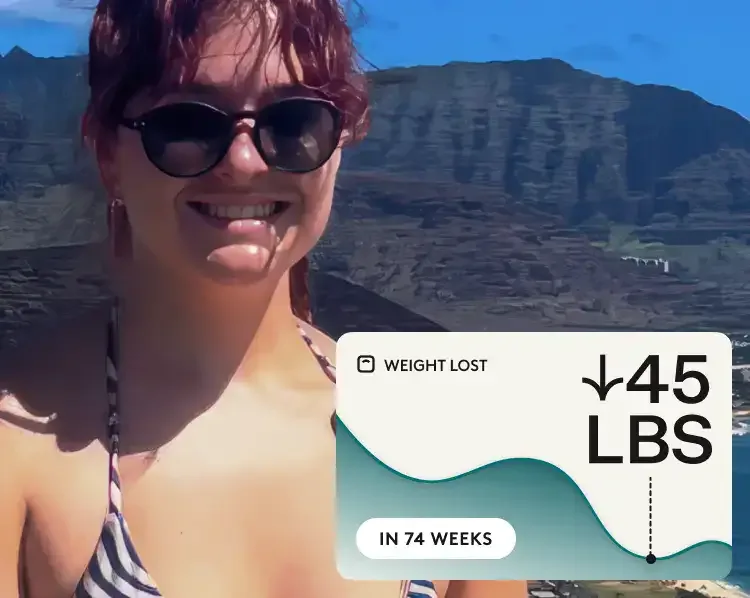
“Noom made the process so simple and now I feel full, free from diet obsession, and at ease in my body again.”
Madison S. – Real Noom user
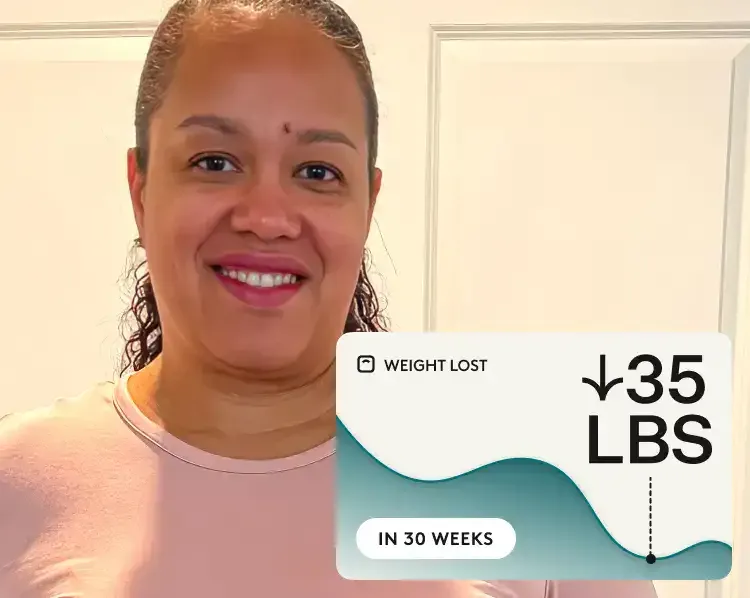
“My doctor recommended Noom after I was frustrated trying to lose weight. The lessons helped change my relationship with food. My body feels lighter & energized.”
Sonday K. – Real Noom user
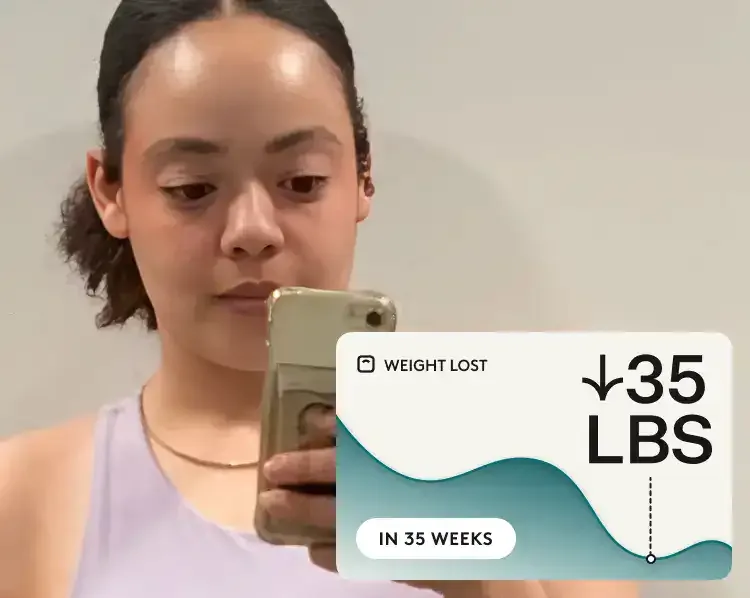
“I built healthy habits with coaching and lessons that make me confident I can maintain my weight loss long term.”
Cam K. – Real Noom user
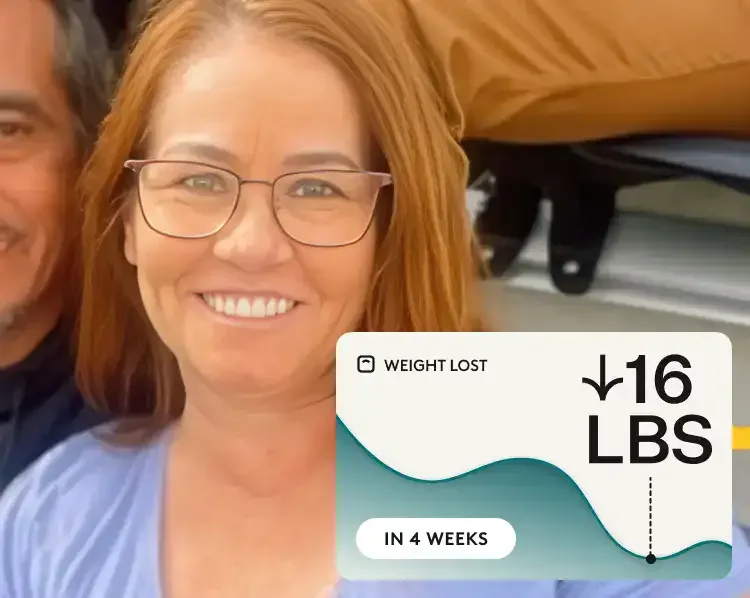
“With the right medication through Noom, hunger and sugar cravings finally quieted and I have the tools to break the cycle.”
Laura TR. – Real Noom user
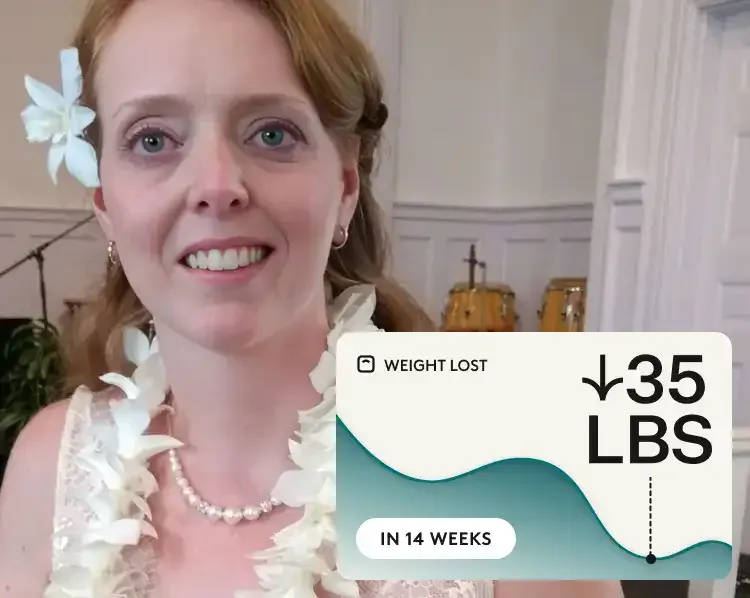
“Cravings and food noise are gone, I finally feel confident in the healthy habits I’ve built to last with Noom.”
Jessica S. – Real Noom user
The bottom line: Zepbound® side effects are typically common and manageable
If you’re considering Zepbound®, side effects often show up when starting and increasing the medication. But percentages are just estimates, and they will not look the same for everyone. Nausea, diarrhea, constipation, and vomiting are the most common. They are often most noticeable when you start or move up a dose, then become easier to manage with time.
Knowing what to expect can make those first weeks feel less overwhelming. Smaller meals, steady hydration, and noticing which foods make you feel better or worse can help. If a dose increase is particularly hard, talk to your prescriber instead of trying to push through it. They may suggest giving your body more time at the same dose.
It also helps to know when a side effect needs medical attention. Severe stomach pain that does not go away, repeated vomiting, an inability to keep fluids down, signs of dehydration, or swelling of your face, lips, tongue, or throat are all reasons to get help right away.
How you feel matters just as much as the number on the scale. Your clinician can look at your results over time and your side effects together to decide whether you need more time, a slower increase, a different dose, or another approach.
If you’re exploring medication options, see if you qualify for Noom Med. Those who qualify will work with a clinician who can review your health history and determine which medicine ie best for you. Plus, you’ll get access to Noom’s comprehensive program can help you build habits that support long-term results.
Editorial standards
At Noom, we’re committed to providing health information that’s grounded in reliable science and expert review. Our content is created with the support of qualified professionals and based on well-established research from trusted medical and scientific organizations. Learn more about the experts behind our content on our Health Expert Team page.