
What you’ll learn:
- Wegovy® comes as a weekly injection (up to 2.4 mg, or 7.2 mg as Wegovy® HD) and a daily pill (up to 25 mg).
- The most common side effects are digestive, and they’re most likely when you start or move up a dose.
- Serious side effects are uncommon, but it’s important to know the symptoms and when to get medical help.
Wegovy® can be a very effective tool for weight loss. In separate clinical trials, people taking the highest dose of the weekly injection (7.2 mg) lost about 19% of their body weight on average, while those taking the daily pill lost about 14%, alongside diet and activity changes. For someone starting at 200 pounds, that’s roughly 28 to 38 pounds.
But the same processes that help Wegovy reduce hunger and support weight loss can also cause side effects, particularly those involving digestion. In clinical trials, digestive side effects affected 73% of people taking the 2.4 mg injection vs 47% on placebo, and 74% taking the pill vs 42% on placebo. Other possible side effects include headache, fatigue, and dizziness.
Side effects are most common during dose increases, which is why Wegovy treatment starts at a low dose and gradually increases over time. This approach helps your body adjust and may make side effects easier to manage. If symptoms become difficult to tolerate, your prescriber may recommend delaying a dose increase or adjusting your treatment. See our Wegovy dosage guide for more details.
We’ll look at the most common Wegovy side effects, how they differ between the injection and pill, ways to manage them, and the serious warnings to know about. We’ll also cover what’s changed in Wegovy’s safety information in 2025 and 2026.
For a quick overview, see the most common Wegovy side effects and how long they last.
Noom’s Most Powerful Program
A dual-pathway GLP-1 and behavior change for lasting results.

How Wegovy works and why it causes side effects
Wegovy® contains semaglutide, a medication that mimics glucagon-like peptide-1 (GLP-1), a hormone your body naturally releases after eating. GLP-1 helps regulate appetite, blood sugar, and digestion. It signals areas of your brain involved in hunger and fullness, stimulates insulin release when blood sugar is elevated, and slows how quickly food moves from your stomach into your intestines.
Semaglutide activates these same GLP-1 receptors but stays active much longer than the hormone your body produces. This helps you feel satisfied with less food, reduces hunger between meals, and supports weight loss.
But some of the same effects that make Wegovy effective can also contribute to side effects. Slower stomach emptying may lead to nausea, bloating, constipation, or a feeling of fullness that lasts longer than expected. GLP-1 medications also act on areas of the brain involved in nausea and vomiting, which may help explain why these symptoms are so common.
To help your body adjust, Wegovy is started at a low dose and gradually increased over several months. Digestive side effects are most frequently reported during dose increases. If you’re having trouble tolerating a dose, your prescriber may recommend waiting an additional four weeks before increasing it.
Is Wegovy® safe?
For many people, Wegovy® is considered a safe and effective treatment for weight loss when prescribed and used as directed. But like any medication, it comes with risks. Understanding the difference between common side effects and more serious reactions can help you know what to expect and when to seek medical attention.
Most Wegovy® side effects are mild to moderate and involve digestion. Nausea, diarrhea, vomiting, and constipation are among the most frequently reported symptoms. They tend to occur during dose increases and often improve as your body adjusts to treatment.
Serious adverse reactions are less common, but they can happen. These include pancreatitis (inflammation of the pancreas), gallbladder problems, severe allergic reactions, and kidney injury, which can develop when persistent vomiting or diarrhea causes dehydration.
There’s also a distinction between an uncomfortable side effect and one that’s severe enough to interfere with daily life. According to the Wegovy® prescribing information, severe gastrointestinal reactions occurred in:
- 4.1% of people taking the Wegovy® injection, compared with 0.9% taking a placebo.
- 2% of people taking the Wegovy® pill, compared with none taking a placebo.
Wegovy® also carries an FDA boxed warning about thyroid C-cell tumors. These tumors were observed in animal studies, but it’s not known whether Wegovy causes them in humans. Because of this potential risk, Wegovy shouldn’t be used by anyone with a personal or family history of medullary thyroid carcinoma (MTC) or multiple endocrine neoplasia syndrome type 2 (MEN 2).
The important takeaway is that experiencing a common side effect doesn’t necessarily mean something dangerous is happening. But symptoms that are severe, persistent, or unusual deserve medical attention. Your prescriber can review your health history, assess your individual risks, and help you recognize symptoms that need prompt evaluation. Now that we’ve covered the overall safety picture, let’s look at how side effects differ depending on which form of Wegovy® you take and at what dose.
Access GLP-1 Weight Loss with Noom
Explore a wide range of prescription medications supported by Noom’s program.
Microdose GLP-1rx

Noom GLP-1rx
Noom GLP-1rx Plus
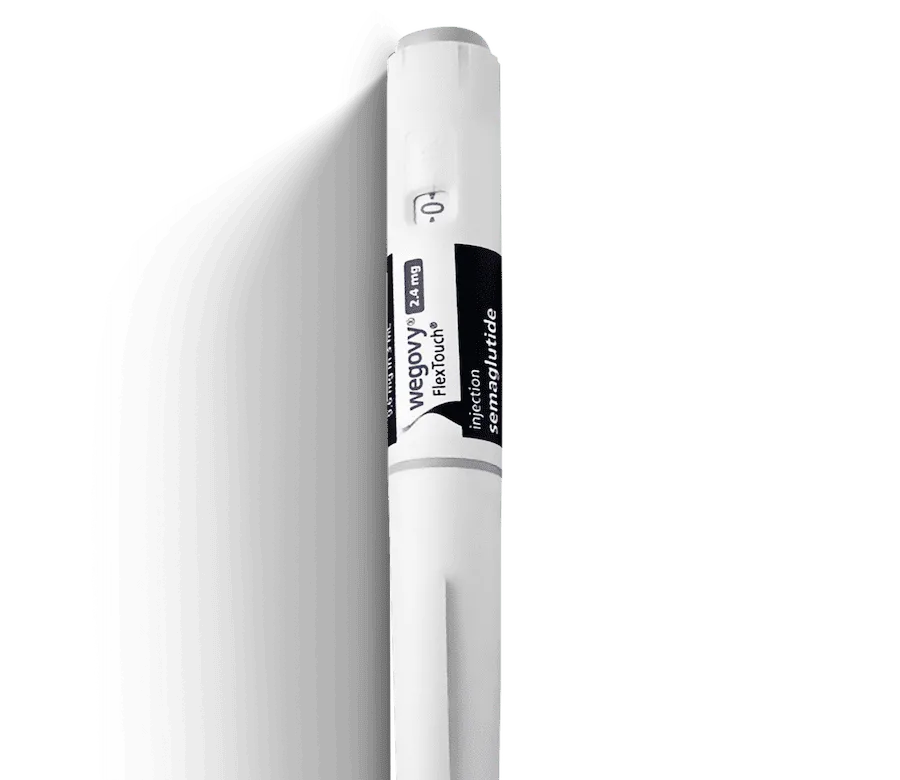
Wegovy®
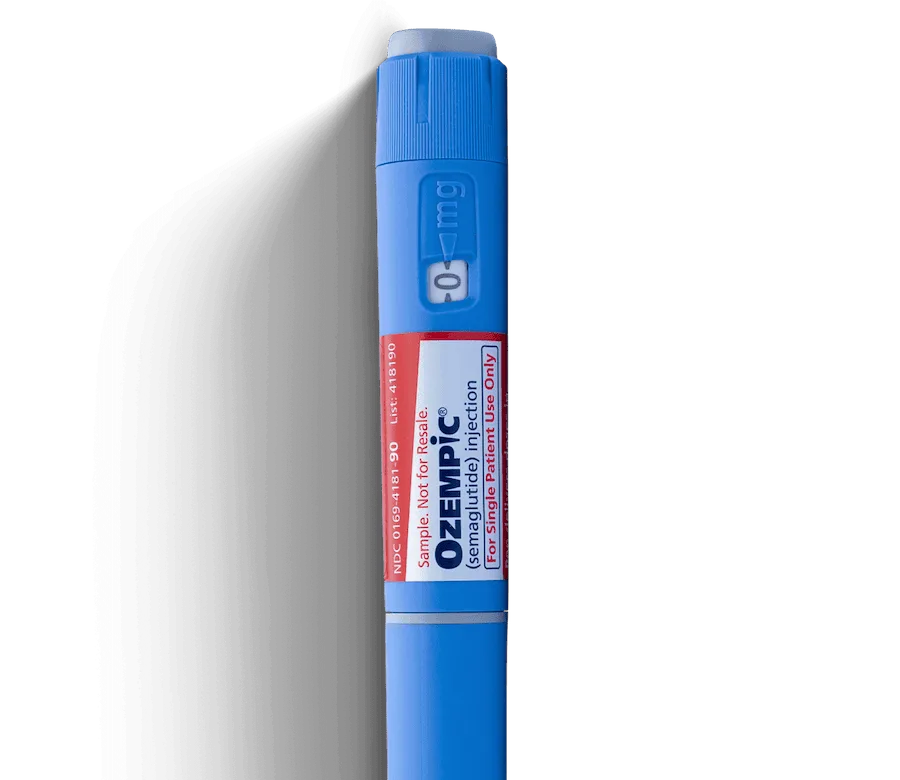
Ozempic®
Metformin
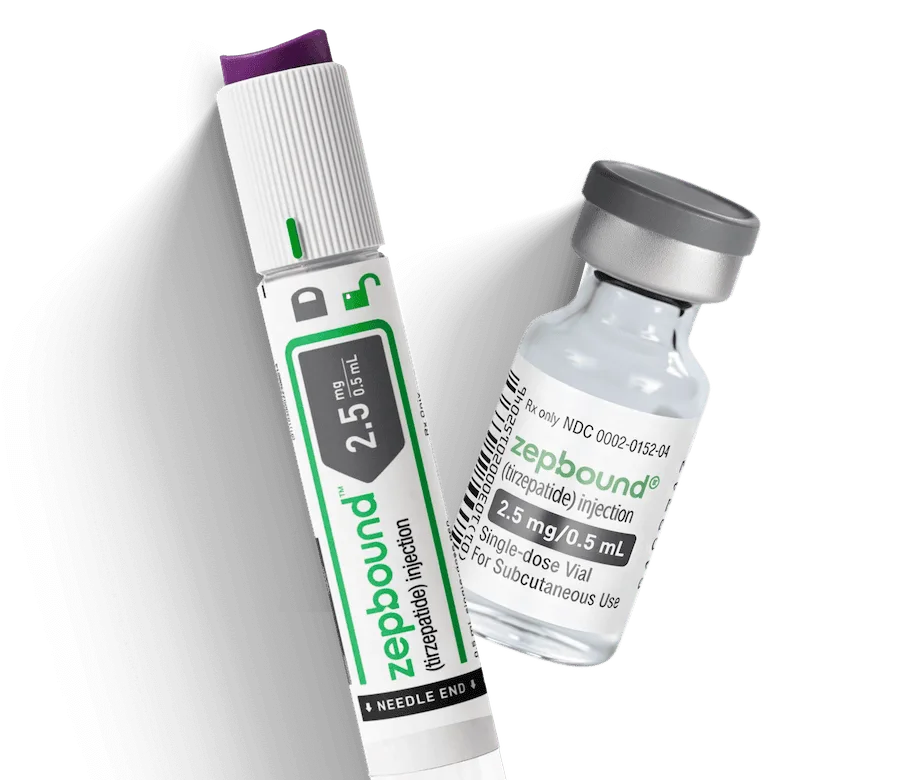
Zepbound®
Mounjaro®
Liraglutide
Wegovy® side effects: Injection vs. pill
Wegovy® is available as a weekly injection and a daily pill. Both contain semaglutide, but the doses, how your body absorbs the medication, and the rates of certain side effects differ.
One important factor is dose titration, the process of increasing your dose over time. Both forms start at a low dose and follow a schedule of increases at intervals of at least four weeks for the injection or 30 days for the pill. This helps your body adjust and can reduce digestive side effects, which are particularly common during dose increases.
Here’s how the dosing schedules compare:
- Wegovy® injection: Starts at 0.25 mg weekly and increases through 0.5 mg, 1 mg, 1.7 mg, and 2.4 mg. Some people may increase to 7.2 mg (Wegovy HD) for additional weight loss.
- Wegovy® pill: Starts at 1.5 mg daily and increases to 4 mg, 9 mg, and 25 mg.
Although the pill doses are higher in milligrams, that doesn’t mean they’re more potent. Semaglutide is absorbed differently when taken by mouth, so the doses aren’t directly comparable.
Clinical trials provide a clearer picture of how often side effects occur at different doses. The table below compares the most commonly reported symptoms for the Wegovy® pill and injections, including the higher-dose 7.2 mg injection.
Read more:
Side effects by Wegovy® form and dose: 2.4 mg, 7.2 mg, and the pill
All three versions of Wegovy® can cause similar side effects, but how often people experience them can vary. Digestive symptoms are the most common, although some effects, like hair loss and unusual skin sensations, are worth watching for at higher doses.
The table below compares side effect rates for the 25 mg pill, the 2.4 mg injection, and the 7.2 mg injection (Wegovy® HD), based on the OASIS 4 trial (pill) and Wegovy® prescribing information.
Each column comes from different clinical trials with different groups of people, so the numbers show patterns rather than a head-to-head comparison.
| Side effect | Wegovy® pill (25 mg) | Wegovy® 2.4 mg injection | Wegovy® HD 7.2 mg injection |
|---|---|---|---|
| Nausea | 47% | 44% | 39% |
| Vomiting | 31% | 24% | 22% |
| Constipation | 20% | 24% | 20% |
| Diarrhea | 18% | 30% | Not among top-listed effects |
| Indigestion | 18% | 9% | Not among top-listed effects |
| Headache | 12% | 14% | 9% |
| Stomach pain | 9% | 20% | 12% |
| Heartburn or reflux | 8% | 5% | Not among top-listed effects |
| Fatigue | 7% | 11% | 11% |
| Dysesthesia (tingling, burning, or sensitive skin) | 5% | 2%* | 22% |
Across all three options, nausea was one of the most frequently reported side effects, affecting roughly four in 10 people. Vomiting, constipation, and other digestive symptoms were also common. One notable finding is the higher rate of dysesthesia—unusual sensations like tingling or burning skin—reported with Wegovy® 7.2 mg.
Keep in mind that these numbers come from different clinical trials, so they aren’t direct comparisons of which form or dose causes more side effects. We’ll take a closer look at the differences between the injections and pill below.
Wegovy® side effects: The differences between 2.4 mg and 7.2mg
For years, 2.4 mg was the highest approved weekly dose of Wegovy®. But in March 2026, the FDA approved a higher 7.2 mg dose, known as Wegovy® HD, offering another option for people who may benefit from additional weight loss.
Both doses contain semaglutide, so they cause the same general types of side effects, primarily digestive symptoms like nausea, vomiting, diarrhea, and constipation. But does taking a higher dose make these symptoms more likely?
The table above shows side effect rates from the original 2.4 mg trials and the newer 7.2 mg trials. Because these studies involved different groups of people, the percentages aren’t directly comparable. Fortunately, the newer trials also included people taking 2.4 mg, allowing researchers to compare the two doses more directly.
According to the Wegovy® prescribing information, here’s what researchers found:

The Easy Way
to lose weight and get healthy.

- Most side effects increased only slightly. Nausea was reported by 39% of people taking 7.2 mg versus 35% taking 2.4 mg. Constipation, headache, fatigue, and abdominal pain differed by just one to three percentage points.
- Vomiting was somewhat more common. It affected 22% of people taking 7.2 mg compared with 16% taking 2.4 mg.
- Unusual skin sensations were the biggest difference. Dysesthesia, which includes tingling, burning, and sensitive skin, was reported by 22% of people taking 7.2 mg versus 6% taking 2.4 mg.
- Discontinuation rates were similar. About 5% of people in each group stopped treatment because of side effects.
The takeaway? Most side effects followed a similar pattern at both doses, although some symptoms were more common with 7.2 mg. Dysesthesia stands out as the most significant difference. The FDA highlighted this finding when it approved the higher dose and noted that it is continuing to investigate these reactions.
Wegovy® HD 7.2 mg and dysesthesia: What is it and why is it different?
Dysesthesia is grouped as a broader category of sensory-related side effects. That means it can include a range of unusual skin sensations—like tingling, burning, numbness, heightened sensitivity, or even discomfort from light touch (called allodynia). Some people may also experience “pins and needles”–type feelings (paresthesia).
These sensations happen without a clear external cause, which is part of what makes them feel unexpected. They’re not typically dangerous, but they can feel uncomfortable or confusing if you don’t realize they may be related to the medication. The FDA notes that these reactions generally resolved on their own or with a dose reduction, and that it is continuing to investigate them. If you notice new skin sensations, tell your provider rather than changing your dose yourself.
Read more: Dysesthesia and Wegovy® 7.2 mg
Injection-site reactions
One side effect that’s unique to injectable Wegovy® is irritation where you give yourself the shot. Because the needle punctures your skin and delivers medication into the tissue just beneath it, you may experience a temporary reaction. The Wegovy® pill doesn’t cause these reactions because it’s taken by mouth.
Here’s what you might notice after an injection:
- Redness or swelling: A small red or raised area where the needle entered your skin, usually fading within a day or two.
- Itching or irritation: Mild itching around the injection site that typically goes away on its own.
- Tenderness or bruising: Some soreness or a small bruise if the needle irritates tiny blood vessels beneath the skin.
To help minimize these reactions, rotate injection sites between your abdomen, thigh, or upper arm rather than using the same spot each week. Clean the skin before injecting, let it dry, and avoid rubbing the area afterward.
Most injection-site reactions are mild and temporary. But if redness, swelling, or pain persists or worsens, or you notice warmth or pus, contact your healthcare provider.
Read more: Wegovy injection sites: How to inject correctly and minimize discomfort
Side effects: What to know about the Wegovy® pill vs. injections
The Wegovy® pill and injection contain the same medication, semaglutide, so their side effects are largely similar. Both can cause nausea, vomiting, diarrhea, and constipation, especially when starting treatment or increasing the dose. But there are a few differences worth understanding.
As the table above shows, nausea, vomiting, and indigestion were reported more frequently in the pill trials than in the original 2.4 mg injection trials, while diarrhea, constipation, and abdominal pain were reported less frequently. Because these were separate studies, though, the numbers don’t establish that one form causes more or fewer side effects than the other.
Here’s what else to know about how they compare:
- The pill avoids injection-site reactions. Because it’s taken by mouth, there’s no needle-related redness, swelling, itching, or bruising.
- Absorption is different. The pill uses an absorption enhancer called SNAC to help semaglutide enter the bloodstream through the stomach. Oral absorption is more variable than absorption from an injection, which may contribute to differences in how people experience the medication, although it’s not clear whether this changes side effect frequency or severity.
- Digestive side effects are common with both. In clinical trials, about 74% of people taking the pill experienced a digestive side effect. Both forms can cause symptoms that are particularly noticeable during dose increases.
- Most people continue treatment. About 6.9% of people taking the pill stopped because of side effects, compared with 5.9% taking a placebo. In the original 2.4 mg injection trials, 6.8% stopped because of side effects, compared with 3.2% taking a placebo.
The bottom line? Neither form has been shown to consistently cause more side effects or be easier to tolerate than the other. Both have similar side effect profiles, and individual experiences can vary. If you’re deciding between them, your clinician can help you weigh how you’ve responded to semaglutide and which form might work best for you.
Read more:
- Wegovy® pill side effects: What to expect and how to manage them
- Wegovy® pill vs. injection for weight loss
Wegovy® side effects: When they are most likely by dose
Wegovy® side effects are most common when you first start treatment and when your dose increases. In clinical trials, digestive symptoms were reported most frequently during dose escalation, as the body adjusted to higher amounts of semaglutide.
Wegovy® starts at a low dose and increases gradually, typically every four weeks for the injection or 30 days for the pill. This process, called titration, helps reduce the likelihood of digestive side effects like nausea, vomiting, and diarrhea.
How often do people stop Wegovy due to side effects?
Although side effects are common, most people are able to continue treatment. According to the Wegovy® prescribing information, here’s how many people permanently stopped taking the medication because of side effects:
- Wegovy® 2.4 mg injection: 6.8% stopped treatment, compared with 3.2% taking a placebo.
- Wegovy® HD 7.2 mg injection: 5% stopped treatment, compared with 5% taking the 2.4 mg injection and 2% taking a placebo.
- Wegovy® pill (25 mg): 6.9% stopped treatment, compared with 5.9% taking a placebo.
Learn more: The most common Wegovy® side effects and how long they last
How to manage Wegovy® side effects
The most common Wegovy® side effects are manageable and often improve as your body adjusts to the medication. Digestive symptoms are especially common when starting treatment or increasing your dose, but a few changes to your eating habits and daily routine can help you feel more comfortable.
Here are some ways to manage specific symptoms:
- Nausea: Eat smaller meals, take your time eating, and stop when you feel comfortably full. Bland foods like crackers, toast, or rice may be easier to tolerate when you’re feeling queasy. Limiting greasy, high-fat, or spicy foods may also help.
- Vomiting or diarrhea: Stay hydrated by taking frequent, small sips of water. If you’re losing a lot of fluid, an oral rehydration solution can help replace electrolytes. Persistent vomiting or diarrhea can lead to dehydration and kidney problems, so contact your clinician if symptoms don’t improve. See the Wegovy® prescribing information.
- Constipation: Gradually increase fiber-rich foods, drink plenty of water, and stay physically active. Walking can help stimulate bowel movements. If constipation persists, ask your clinician whether a fiber supplement or over-the-counter treatment might help. Read more about Wegovy® and constipation.
- Heartburn, reflux, or indigestion: Try smaller meals, avoid lying down for two to three hours after eating, and limit foods that trigger your symptoms, such as fatty meals, coffee, or acidic foods.
- Bloating, gas, or uncomfortable fullness: Eat slowly, avoid large meals, and consider limiting carbonated beverages. A short walk after eating may also help relieve discomfort.
- Headache, dizziness, or fatigue: Drink enough fluids and eat regularly, even if your appetite is reduced. Dehydration and inadequate food intake can contribute to these symptoms. If you also take diabetes medications that lower blood sugar, ask your clinician whether low blood sugar could be contributing.
If side effects are difficult to tolerate, talk with your clinician about adjusting your dose. Both forms of Wegovy® use gradual dose increases to help your body adjust. According to the prescribing information, your clinician may recommend:
- For the injection: Delaying a dose increase by four weeks if you’re having trouble tolerating your current dose.
- For the pill: Delaying a dose increase if needed. If you’re unable to tolerate the 25 mg maintenance dose, your clinician may consider switching you to the 1.7 mg weekly injection.
Most mild side effects can be managed at home, but severe or persistent symptoms shouldn’t be ignored. Contact your healthcare provider if you’re unable to keep fluids down or experience ongoing vomiting or diarrhea. Seek prompt medical attention for severe abdominal pain, particularly if it doesn’t go away or radiates to your back.
Wegovy®: Severe side effects and warnings
Serious side effects are uncommon, but you should know them before you start. They apply to every form and dose, and all of them are described in the Wegovy prescribing information.
First, Wegovy® carries a boxed warning—the FDA’s strongest safety alert—due to a possible risk of thyroid C-cell tumors observed in animal studies. It’s unknown whether this applies to humans, but if you or a family member has a history of medullary thyroid carcinoma (MTC) or Multiple Endocrine Neoplasia syndrome type 2 (MEN 2), you shouldn’t take Wegovy®. Tell your provider right away about a lump or swelling in your neck, hoarseness, or trouble swallowing.
Here are the other serious side effects and safety warnings to know about:
- Severe digestive reactions. Severe nausea, vomiting, diarrhea, or constipation were reported by 4.1% of people on the 2.4 mg injection versus 0.9% on placebo, and by 2% on the pill versus 0%. Call your provider if symptoms are severe or stop you from keeping fluids down.
- Gallbladder problems. Weight loss and GLP-1 medications can sometimes lead to gallstones or gallbladder inflammation. With the pill, gallstones were reported by 2.5% versus 1% on placebo. Symptoms include upper right belly pain, nausea, fever, or yellowing of the skin or eyes.
- Pancreatitis. Inflammation of the pancreas causes severe, persistent stomach pain, often spreading to the back, with or without nausea and vomiting. Seek medical attention immediately.
- Acute kidney injury. Ongoing vomiting or diarrhea can cause dehydration, which can lead to kidney injury—in some cases serious enough to require dialysis. Watch for very little urine, swelling in your legs or feet, or unusual tiredness, and tell your provider if you already have kidney disease.
- Aspiration during anesthesia or sedation. Because Wegovy slows stomach emptying, stomach contents can be inhaled into the lungs during a procedure under anesthesia or deep sedation. Tell your surgeon, anesthesiologist, or dentist you take Wegovy before any planned procedure.
- Hip and pelvis fractures. In a large cardiovascular outcomes trial, these were reported more often on Wegovy than placebo in women (1% versus 0.2%) and in people 75 and older (2.4% versus 0.6%). Report any fall or new hip or groin pain.
- Severe allergic reactions. Rare, but swelling of the face, lips, tongue, or throat, trouble breathing, hives, or a severe rash can be life-threatening. Seek emergency care immediately.
- Low blood sugar. Mainly a risk if you also take insulin or a sulfonylurea. Severe low blood sugar can cause confusion, fainting, or a seizure.
- Vision changes. In June 2025, European regulators concluded that NAION (non-arteritic anterior ischemic optic neuropathy), an optic-nerve condition that can cause sudden vision loss, is a very rare side effect of semaglutide, affecting up to 1 in 10,000 people. The US prescribing information doesn’t list it, and the FDA has said it is evaluating whether regulatory action is needed. If you notice sudden vision loss or a sudden change in vision, contact your doctor without delay.
- Diabetic retinopathy complications in patients with type 2 diabetes
- Increased heart rate
One more safety rule: never share your Wegovy pen with anyone else, even with a new needle, because of the risk of passing on a blood-borne infection.
If you ever think you’re experiencing a medical emergency, don’t wait—call 911 or seek immediate care.
When to call your provider vs. when to get emergency care
| Call your provider | Get emergency care now |
|---|---|
| Nausea, vomiting, or diarrhea that lasts more than a few days or makes it hard to keep fluids down | Severe, persistent stomach pain, often spreading to your back, with or without vomiting (possible pancreatitis) |
| Constipation that doesn’t improve with fiber, fluids, and movement | Upper right belly pain with fever or yellowing skin or eyes (possible gallbladder problem) |
| Tingling, burning, or sensitive skin that’s new or getting worse | Swelling of the face, lips, tongue, or throat, trouble breathing, or hives (severe allergic reaction) |
| Headaches, dizziness, or tiredness that don’t improve | Very little urine, swelling in your legs, or confusion along with vomiting or diarrhea (possible kidney injury) |
| A resting heartbeat that feels fast or pounding | Sudden vision loss or sudden change in vision |
| New or worsening low mood, anxiety, or changes in behavior | Signs of severe low blood sugar: confusion, fainting, or a seizure |
| Hair loss, irregular periods, or a planned pregnancy or surgery | A lump or swelling in your neck, hoarseness, or trouble swallowing |
If you or someone you know is in crisis, call or text the Suicide & Crisis Lifeline at 988.
Other Wegovy® side effects people ask about
Some of the side effects people search for most aren’t really about the drug—they come from losing weight quickly. Others have changed status recently. Here’s what people often ask.
Does Wegovy® affect mood or mental health?
For a while, GLP-1 labels carried a warning about suicidal thoughts and behavior. That changed in 2026. In January, the FDA asked for that warning to be removed from the Wegovy®, Zepbound®, and Saxenda® labels after reviewing 91 placebo-controlled trials with 107,910 people. The review found no increased risk of suicidal thoughts or behavior, and no increased risk of anxiety, depression, irritability, or psychosis. The Wegovy prescribing information shows that section was removed in early 2026.
The FDA still advises telling your healthcare professional if you experience new or worsening depression, suicidal thoughts, or any unusual changes in mood or behavior. If you’re in crisis or need immediate help, contact the Suicide & Crisis Lifeline at 988.
Is muscle loss a side effect of Wegovy®?
Rapid weight loss can lead to some muscle mass reduction, or sarcopenia, especially if you’re not eating enough protein or not strength training. This is common across most weight loss methods, not specific to Wegovy.
What to do: Focus on eating enough protein and adding resistance training to your routine. These help preserve lean muscle, which supports strength and metabolism during weight loss.
Learn more:
- How to prevent muscle loss on GLP-1 medications
- How much protein do you need on a GLP-1? What the experts say
Is a gaunt face a side effect of Wegovy®?
Significant weight loss may lead to facial volume loss, making features appear more sunken—sometimes called “Ozempic face.” Since Wegovy® and Ozempic® both contain semaglutide, similar facial changes are reported with either. It can happen with any form of weight loss, and it isn’t a sign that the drug is harming you. Read more about temporal hollowing and facial changes with weight loss.
What to do: Stay well hydrated and talk to your provider about a sustainable pace for weight loss.
Can Wegovy® make you feel cold?
Feeling cold isn’t one of the common side effects listed in the prescribing information, but some people notice they feel colder as they eat less and lose weight. Staying active helps circulation, which can help you feel warmer. If it persists or comes with other symptoms, mention it to your provider.
Side effects of stopping Wegovy®
First, the reassuring part: Wegovy isn’t habit-forming, and stopping it doesn’t cause withdrawal symptoms. The prescribing information has no taper requirement, and you don’t need to step down gradually for safety reasons. What does happen is that the medication’s effects wear off over several weeks, which can bring some changes:
- Hunger can return. Since Wegovy® helps with appetite control, stopping it may make you feel hungrier or think about food more often.
- Some weight regain is common. Without the medication’s support, it’s possible to regain weight, especially if healthy habits aren’t fully in place yet. In the STEP 1 extension trial, adults who stopped semaglutide after 68 weeks regained about two-thirds of the weight they had lost over the following yeaR.
- Ask your provider before changing or stopping your dose. They can help you plan the transition in a way that supports your progress, whether that means a lower maintenance dose, a different medication, or more support with habits.
- Habits still matter most. Daily choices like staying active, eating balanced meals, and having support make a big difference. Tools like Noom can help keep you on track, even after stopping.
Learn more: What happens when you stop taking Wegovy®
Wegovy® side effects in women and men
Wegovy’s prescribing information reports a few side effects separately for women and men, and the clearest difference is hair loss. Here’s what the trials show, plus what to know about periods, pregnancy, breastfeeding, and birth control.
Do females experience different side effects?
Some side effects do differ by sex in the clinical trials. In the trials of the 2.4 mg injection, hair loss was reported by 4% of women versus 0.9% of men. In the separate 7.2 mg trials, it was 8.4% of women versus 0.2% of men on 7.2 mg. Men reported hair loss far less often than women in both sets of trials.
In a large cardiovascular outcomes trial, hip and pelvis fractures were reported more often on Wegovy than on placebo in women (1% versus 0.2%) and in people aged 75 and older (2.4% versus 0.6%).
Beyond the trial data, some females report irregular periods or spotting while on Wegovy®. If you’re noticing changes in your cycle, talk to your doctor.
Learn more: Semaglutide side effects in women: How they differ and how to manage them
Pregnancy, breastfeeding, and birth control on Wegovy®
Weight loss can improve hormone balance and ovulation, which may increase fertility, especially in people with conditions like PCOS. Wegovy® doesn’t directly cause this, but it may help your body function more regularly. While GLP-1 medications aren’t fertility treatments, these changes can still make pregnancy more likely. Here’s what to know:
- Planning a pregnancy. Stop Wegovy at least two months beforehand, because semaglutide stays in your body for a long time. If you become pregnant while taking Wegovy®, stop and contact your healthcare provider.
- Breastfeeding. Not recommended while taking the Wegovy pill. For the injection, there’s no data on whether semaglutide passes into breast milk, so decide with your provider.
- Birth control. Wegovy slows stomach emptying, which may affect how other oral medications are absorbed. The prescribing information doesn’t give a specific instruction about birth control pills, so ask your provider whether anything should change while you start or increase your dose.
Who shouldn’t take Wegovy®?
Wegovy® isn’t right for everyone. According to the prescribing information, you should avoid Wegovy® if any of the following apply to you:
- You or a family member has a history of medullary thyroid cancer (MTC) or MEN 2. Wegovy® carries a boxed warning due to the risk of thyroid tumors observed in animal studies.
- You’ve had allergic reactions to semaglutide or other GLP-1 medications. Symptoms may include rash, swelling, or trouble breathing.
- You’re pregnant or planning to become pregnant. Wegovy® may harm a developing fetus. If you’re planning to conceive, stop at least two months beforehand. If you become pregnant while taking it, stop and contact your healthcare provider.
- You’re breastfeeding and taking the pill. The Wegovy pill isn’t recommended while nursing. For the injection, there’s no data, so decide with your provider.
Talk to your doctor before starting Wegovy® if you have a history of:
- Pancreatitis. GLP-1 medications may increase this risk.
- Severe gastroparesis. Wegovy isn’t recommended for people with severe gastroparesis because it slows digestion further.
- Kidney disease. Dehydration from digestive side effects is harder on kidneys that are already impaired.
- Planned surgery or sedation. Tell your care team you take Wegovy before any planned procedure.
For more detailed safety information, visit the Wegovy® safety page.
What changed about Wegovy® safety in 2025 and 2026
A lot has happened in a short time. Here’s a rundown of the regulatory changes, what each one means for side effects and safety, and where to read more. What didn’t change: the boxed warning, digestive effects as the most common side effects, and the advice to report new or worsening depression.
| When | What changed | Why it matters for side effects and safety |
|---|---|---|
| March 2026 | The FDA approved the 7.2 mg weekly dose (Wegovy® HD) for adults with obesity who have tolerated 2.4 mg for at least four weeks. | The label now has a second set of side effect data. Dysesthesia and hair loss joined the list of most common reactions, and the FDA said it is continuing to investigate the skin-sensation reports. If you move up to 7.2 mg, expect a bit more nausea and vomiting and watch for tingling or burning skin. |
| January–February 2026 | The FDA asked Novo Nordisk and Eli Lilly to remove the suicidal-behavior warning after a review of 91 trials and 107,910 patients found no increased risk. The updated Wegovy prescribing information removed that section. | This closes a question that the FDA first exa. The FDA found no increased risk of suicidal thoughts, depression, anxiety, irritability, or psychosis. It still advises reporting any new or worsening mood changes to your provider. |
| December 2025 | The FDA approved the Wegovy® pill, a once-daily 25 mg semaglutide tablet, based on the OASIS 4 trial. | The pill has its own side effect profile: somewhat more nausea and vomiting than the injection, less diarrhea and constipation, no injection-site reactions, and strict empty-stomach dosing rules. Breastfeeding isn’t recommended while taking the pill. Read more: Wegovy pill side effects. |
| June 2025 | European regulators concluded that NAION, an optic-nerve condition that can cause sudden vision loss, is a very rare side effect of semaglutide (up to 1 in 10,000 people), and the WHO issued a safety alert. It is not on the US label. | Sudden vision loss on Wegovy is rare but should be treated as urgent: contact your doctor without delay. Read more: Does Wegovy cause blindness? |
How Wegovy® injection side effects compare with Zepbound®
Zepbound® contains tirzepatide, which targets two hormones—GLP-1 and GIP—to help regulate appetite and blood sugar. This dual action may lead to greater weight loss than GLP-1-only medications like Wegovy®. Like Wegovy, Zepbound® is a once-weekly injection approved for weight management; Mounjaro® is the same medication approved for type 2 diabetes.
The comparison below is injection-to-injection: Wegovy 2.4 mg versus Zepbound 15 mg, the top dose of each in its main trials. Wegovy HD (7.2 mg) isn’t included because it hasn’t been studied against Zepbound, and its trials used a different population. Each drug was measured against its own placebo group in its own trials, so the numbers show patterns rather than a head-to-head result.
| Side effect | Wegovy® 2.4 mg injection | Zepbound® 15 mg injection |
|---|---|---|
| Nausea | 44% | 28% |
| Vomiting | 24% | 13% |
| Diarrhea | 30% | 23% |
| Constipation | 24% | 11% |
| Stomach pain | 20% | 10% |
Sources: Wegovy® prescribing information, Zepbound® prescribing information.
Both carry the same boxed warning about thyroid C-cell tumors and the same warnings for pancreatitis, gallbladder disease, kidney injury from dehydration, and aspiration during anesthesia. For a fuller comparison, see Wegovy vs. Zepbound.
How Wegovy® pill side effects compare with Foundayo®
Wegovy® isn’t the only GLP-1 pill approved for weight loss. In April 2026, the FDA also approved Foundayo® (orforglipron), a once-daily medication from Eli Lilly. Both pills work by activating GLP-1 receptors, and both can cause digestive side effects like nausea, vomiting, diarrhea, and constipation.
But how do their side effects compare?
The table below shows side effect rates for the highest approved doses of each medication: Wegovy® 25 mg and Foundayo® 17.2 mg. The numbers come from separate clinical trials, so they can help illustrate patterns but don’t establish that one medication is easier to tolerate than the other.t.
| Side effect | Wegovy® pill (25 mg) | Foundayo® (17.2 mg) |
|---|---|---|
| Nausea | 47% | 35% |
| Vomiting | 31% | 24% |
| Diarrhea | 18% | 25% |
| Constipation | 20% | 24% |
Sources: OASIS 4 trial for Wegovy®; Foundayo® prescribing information for Foundayo®.
Beyond digestive symptoms, a few other differences are worth noting:
- Hair loss: Reported by 5% of people taking Foundayo® 17.2 mg versus 2% taking a placebo. It was more common among women (7%) than men (0.9%).
- Dysesthesia: Unusual skin sensations, such as tingling or burning, were reported by 1% of people taking Foundayo® 17.2 mg versus 5% taking the Wegovy® pill.
- Stopping treatment because of side effects: About 10% of people taking Foundayo® 17.2 mg discontinued treatment, compared with 6.9% taking the Wegovy® pill.
Overall, both medications have similar types of side effects, with digestive symptoms being the most common. Although the reported rates differ, neither pill has been shown to be consistently easier to tolerate. How you respond to treatment may be more important than the differences between these trial results.
To learn more: Wegovy® pill vs Foundayo®: Which one works best for weight loss?
Frequently asked questions about Wegovy® side effects
Is Wegovy® safe?
For most people prescribed it under medical supervision, yes. The WHO’s safety advisers say GLP-1 medicines have a well-established positive benefit-risk profile when used as approved under qualified supervision. Most side effects are digestive. Serious ones are uncommon but real, and Wegovy carries a boxed warning about thyroid C-cell tumors—it isn’t for anyone with a personal or family history of MTC or MEN 2. Get it only from authorized, reliable sources.
Do Wegovy® side effects go away?
Usually. They’re most common in the first week or two after each dose increase and tend to ease as your body adjusts. If a step is hard to tolerate, your provider can hold your dose for another four weeks before the next increase. In trials, 6.8% of people stopped the 2.4 mg injection because of side effects, compared with 3.2% on placebo. For how long each common effect tends to last, see the most common Wegovy® side effects.
Does the Wegovy® pill have fewer side effects than the injection?
Not clearly. The prescribing information says the pill’s common side effects were similar to those of the 2.4 mg injection. In separate trials, nausea, vomiting, and indigestion were reported a little more often with the pill, and diarrhea, constipation, and stomach pain more often with the injection. Because the pill is swallowed, injection-site reactions don’t apply. See Wegovy® pill side effects for more.
Does Wegovy® HD (7.2 mg) have more side effects?
Somewhat. In the 7.2 mg trials, nausea and vomiting were a few points higher than on 2.4 mg, hair loss roughly doubled (6% versus 3%), and dysesthesia—tingling, burning, or sensitive skin—was reported by 22% versus 6%. The rate of people stopping because of side effects was the same at both doses (5%). See Wegovy® HD: Weight loss results and what to expect.
Can Wegovy® cause vision problems?
In the EU, regulators list NAION, an optic-nerve condition that can cause sudden vision loss, as a very rare side effect of semaglutide, affecting up to 1 in 10,000 people. The US prescribing information doesn’t list it, and the FDA is evaluating whether regulatory action is needed. If you notice sudden vision loss, contact your doctor without delay.
Reviews from real Noom users
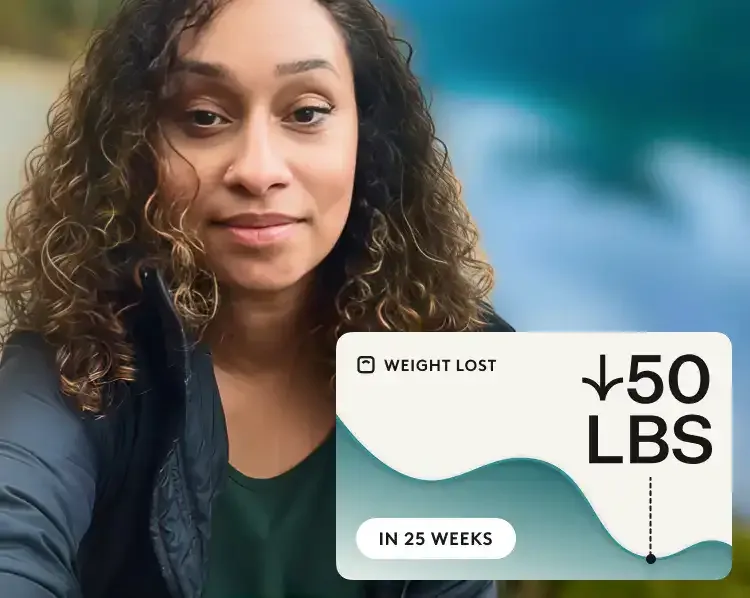
“My favorite parts of Noom are the care team and other Noomers. Sharing and getting help made me feel like I wasn’t doing it alone. That support made all the difference.”
Desirea N. — Real Noom user
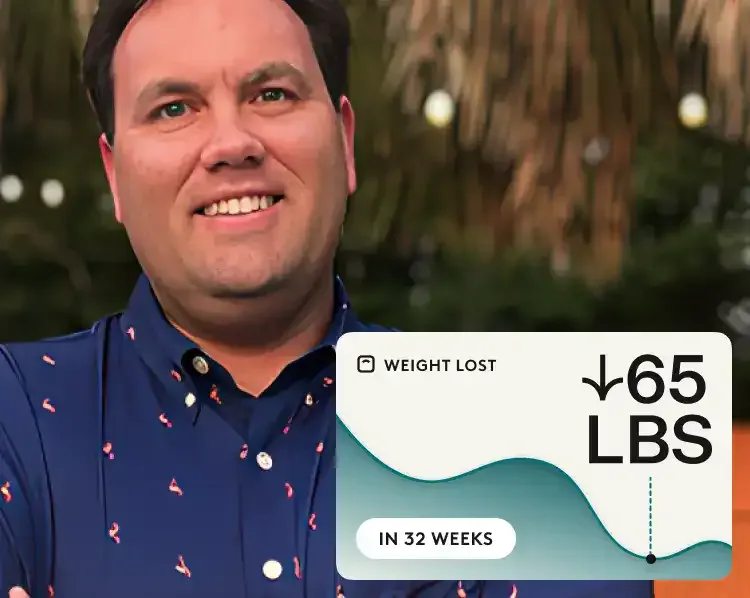
“Noom has taught me that every day is a new chance to make better, healthier choices. It’s taught me how to stop overeating.”
Matthew M. — Real Noom user
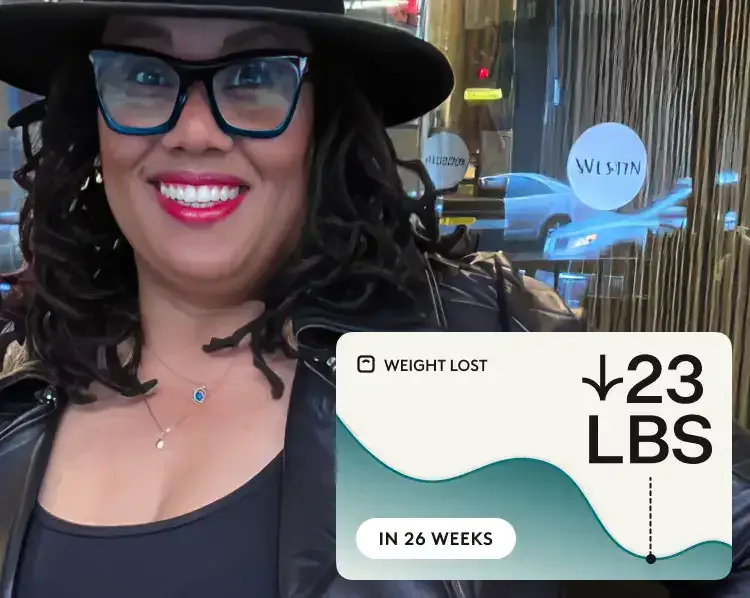
“Clinicians who understand how supportive medication can be is one of the best parts of Noom! I was convinced I wouldn’t have success but I’m down 11 pounds in two months.”
Lila M. — Real Noom user
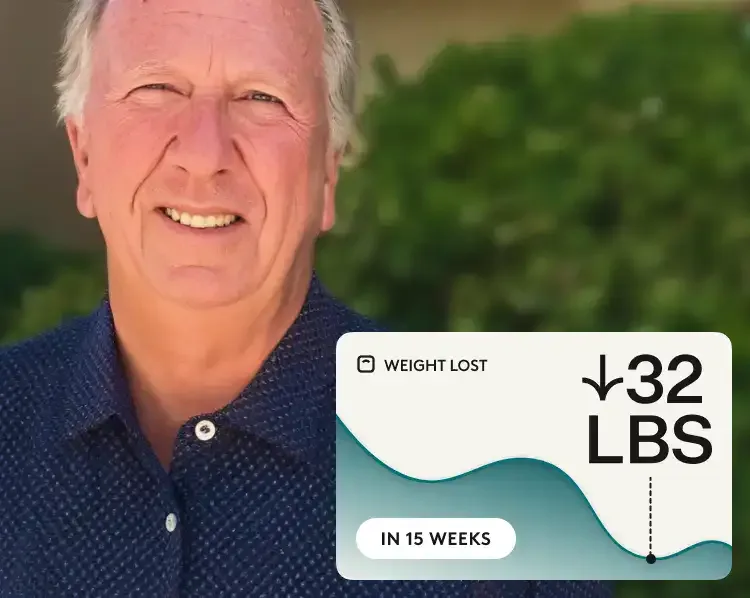
“Noom provided me with the medication which I could not get through Medicare. I have learned the tricks to better eating and life in general.”
Steve M. – Real Noom user
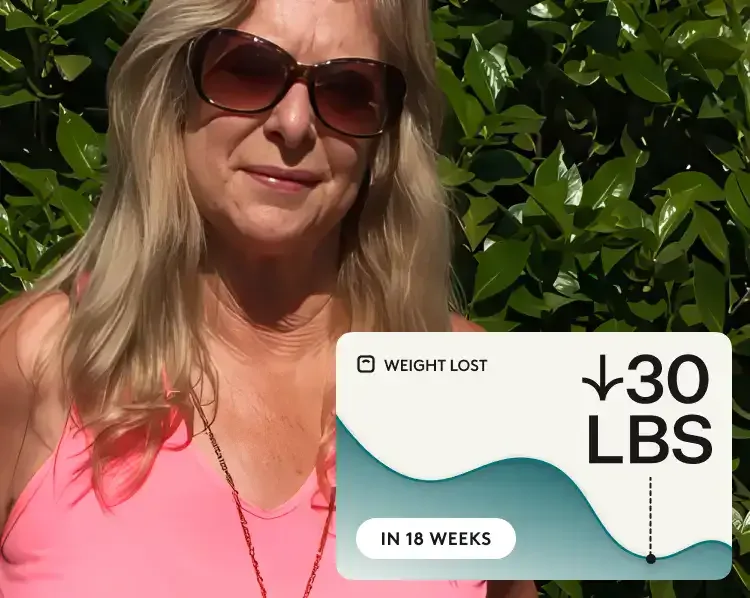
“Noom has changed my life and I’m so thankful, I feel great, have more energy and am no longer prediabetic.”
Daisy R. – Real Noom user
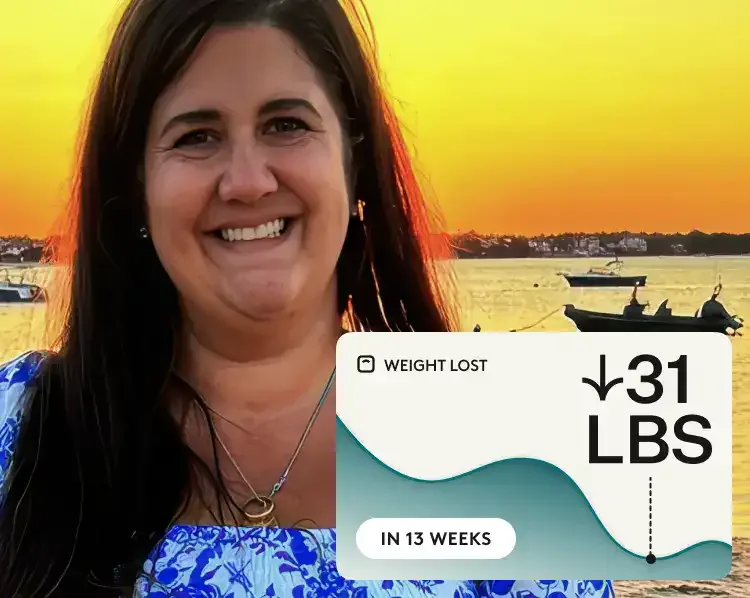
“All of the Noom providers that I’ve met with have been exceptional and prescribed medications that are appropriate for my situation and health.”
Sarah R. – Real Noom user
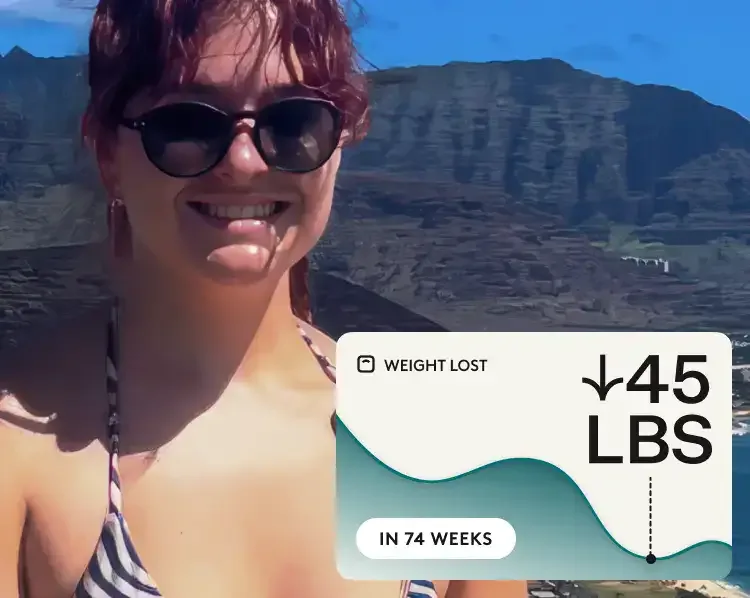
“Noom made the process so simple and now I feel full, free from diet obsession, and at ease in my body again.”
Madison S. – Real Noom user
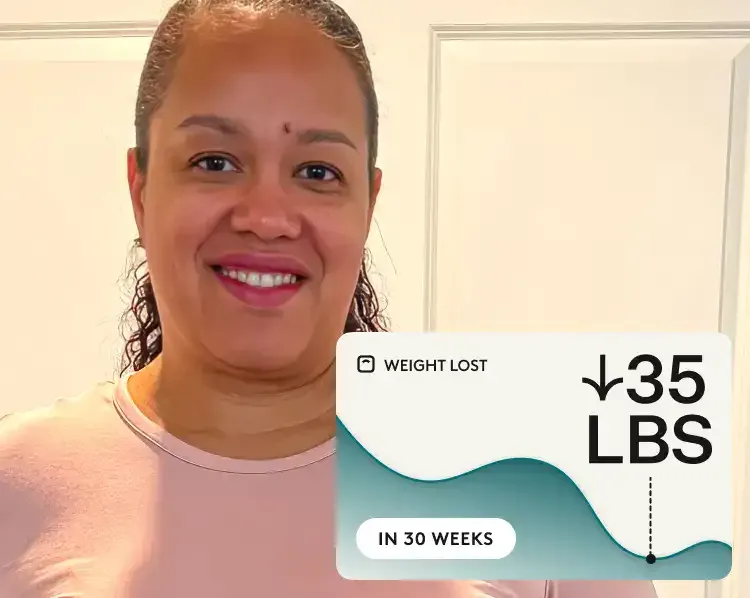
“My doctor recommended Noom after I was frustrated trying to lose weight. The lessons helped change my relationship with food. My body feels lighter & energized.”
Sonday K. – Real Noom user
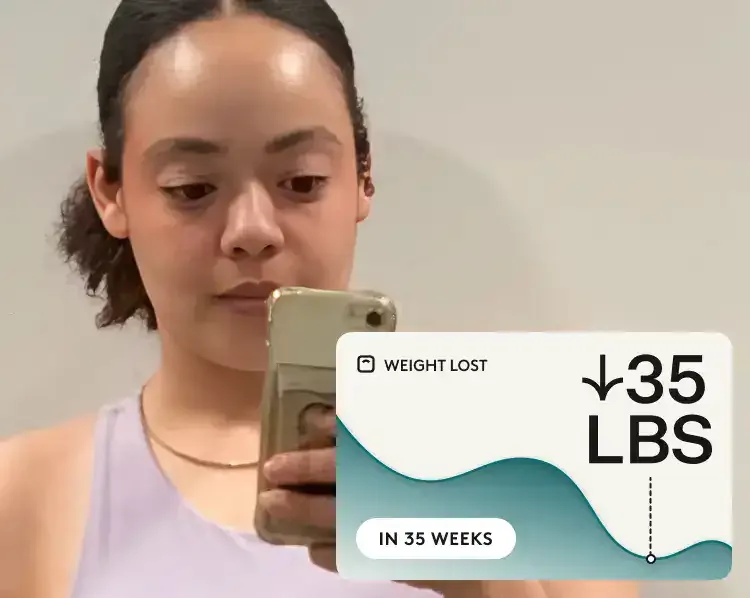
“I built healthy habits with coaching and lessons that make me confident I can maintain my weight loss long term.”
Cam K. – Real Noom user
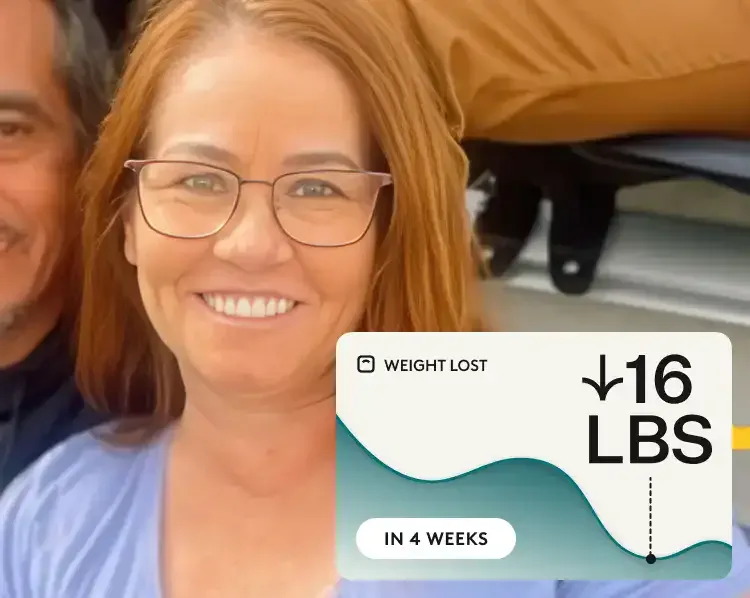
“With the right medication through Noom, hunger and sugar cravings finally quieted and I have the tools to break the cycle.”
Laura TR. – Real Noom user
“Cravings and food noise are gone, I finally feel confident in the healthy habits I’ve built to last with Noom.”
Jessica S. – Real Noom user
The bottom line: Wegovy® side effects are manageable for most but have warning signs worth knowing
For most people who are prescribed it and monitored by a clinician, Wegovy® has a well-studied safety record. The World Health Organization’s safety advisers say GLP-1 medicines have a well-established positive benefit-risk profile when used as approved and under the supervision of qualified healthcare professionals.
Most side effects are digestive, cluster around dose increases, and ease with time and a few habit changes. Serious side effects are uncommon but real, so know the warning signs. And what you can expect depends on your dose and form: the 7.2 mg dose brings more dysesthesia and hair loss, and the pill shifts the balance toward nausea and vomiting and away from diarrhea and constipation.
Wegovy® isn’t right for everyone, especially if you’re pregnant or have certain medical conditions, so starting with the right support matters. If you qualify for Noom, you’ll be matched with a clinician who can walk you through medication choices and prescribe them, if needed. Then, they’ll help you work through symptom management and more. With the right plan in place, you’ll be more prepared to get the results you’re looking for—safely and confidently.
Editorial standards
At Noom, we’re committed to providing health information that’s grounded in reliable science and expert review. Our content is created with the support of qualified professionals and based on well-established research from trusted medical and scientific organizations. Learn more about the experts behind our content on our Health Expert Team page.