What you’ll learn:
- Zepbound® dosing starts low at 2.5 mg and can be increased every four weeks, helping your body adjust while reducing the risk of nausea, digestive issues, and fatigue.
- The most weight loss, an average of 20.9% over 72 weeks, happens at the 15 mg dose, but many people see steady progress on lower doses with fewer side effects.
- Whether your cost rises with your dose depends on how you pay: single-dose pens cost the same at every strength, LillyDirect® vials and the four-dose KwikPen step up twice and then hold at $449, and the Medicare GLP-1 Bridge is a flat $50 for the KwikPen.
- The most common side effects change little as the dose climbs, and the serious ones are rare and not tied to dose.
If you’re familiar with weight loss medications, you’ve likely heard of Zepbound®. Zepbound® belongs to the GLP-1 class of medications, which are changing the way people look at weight loss. These medications mimic hormones that deal with hunger, satiety, and blood sugar levels, helping you eat less, stay full longer, and ultimately lose weight. Made with tirzepatide, Zepbound® targets two hormone receptors, GLP-1 and GIP, helping people lose an average of 20.9% of their body weight at the highest dose over 72 weeks.
But taking Zepbound® isn’t like taking other medications. For Zepbound® to work best, the medication must be slowly increased or titrated based on your individual response. Weight loss with Zepbound® takes time and careful adjustments to minimize side effects while making lifestyle changes that can lead to lasting weight loss.
Let’s walk through everything you need to know about finding the right Zepbound® dosage for weight loss with your doctor. We’ll go through the whole process, including dose levels, why and when adjustments happen, the KwikPen and single-dose vial formats, what each step costs, and what you might experience at each dose, so you feel prepared every step of the way.
What is Zepbound®? Understanding the different doses and formats
Zepbound® is the brand name for tirzepatide, a once-weekly injection made by Eli Lilly. The FDA approved it in November 2023 for chronic weight management in adults with obesity, or with overweight plus at least one weight-related condition like high blood pressure. In December 2024, it was also approved for moderate-to-severe obstructive sleep apnea (OSA) in adults with obesity. Either way, the dose schedule is the same.
Tirzepatide works on two gut hormones, GIP and GLP-1, that help regulate hunger and blood sugar—which is why you feel full sooner and stay full longer.
Noom’s Most Powerful Program
A dual-pathway GLP-1 and behavior change for lasting results.
- How you take it. Once a week, on the same day each week, as an injection just under the skin. Everyone starts at the lowest strength and moves up one step at a time, spending at least four weeks on each dose so your body can adjust.
- How it comes. Three formats hold the same medication at the same strengths: a single-dose prefilled pen, a single-dose vial you draw up with a syringe, and the four-dose KwikPen that joined the label in February 2026. The choice affects cost and convenience, not how well the drug works.
- Why the dose matters for weight loss. In Zepbound’s main trial, average weight loss rose with each step up the ladder—but so did some stomach-related side effects, and many people find their best dose below the top. Finding it is a conversation with your prescriber, and this guide is your prep for it.
Zepbound® dosing chart: Every FDA-approved dose and what to expect
Zepbound® comes in six FDA-approved strengths—2.5 mg, 5 mg, 7.5 mg, 10 mg, 12.5 mg, and 15 mg—each taken once a week as a subcutaneous injection, meaning just under the skin. You move up one step at a time, spending at least four weeks on each dose before the next. Your clinician can slow down the dose escalation process if needed.
Every format—single-dose pen, single-dose vial, and KwikPen—comes in all six strengths, so the chart is the same whichever you use. Here’s every dose at a glance and what the SURMOUNT-1 trial found at the strengths it tested.
| Dose | When you take it | Average weight loss over 72 weeks |
|---|---|---|
| 2.5 mg | Starting dose (first 4 weeks) | Starter dose—meant to help your body adjust, not tested as a long-term dose, but some people remain on it for longer |
| 5 mg | After 4 weeks on 2.5 mg | 15% |
| 7.5 mg | After at least 4 weeks on 5 mg | Not tested on its own |
| 10 mg | After at least 4 weeks on 7.5 mg | 19.5% |
| 12.5 mg | After at least 4 weeks on 10 mg | Not tested on its own |
| 15 mg | After at least 4 weeks on 12.5 mg | 20.9% |
| Placebo (for comparison) | — | 3.1% with lifestyle counseling alone |
How you move through it. Everyone starts Zepbound® at the lowest dose and gradually increases over time, based on their reaction to the medication. This approach allows the body to adjust and helps reduce common Zepbound side effects like nausea and other stomach issues.
After the first month, the dose is typically increased every four weeks based on your tolerance and response. While this is the recommended path, many people opt to stay at lower doses for longer if they are losing weight steadily and they don’t have any (or few) side effects.
Your healthcare provider will guide you through this gradual titration process, and once you’ve reached a level that feels effective and well-tolerated, you’ll stay on that dose for ongoing weight loss and maintenance.
What’s the best Zepbound® dose for weight loss?
The best Zepbound® dose is the one that keeps you losing weight at a steady pace (1-2 pounds per week) with the lowest side effects.
For many people, that turns out to be lower than 15 mg. The chart above shows why the top step isn’t for everyone: the jump from 10 mg to 15 mg added about 1.4% of average weight loss, and 89% of people on 10 mg lost at least 5% of their body weight, versus 91% on 15 mg.
Outside the trial, plenty of people settle below the top step. Some people find that 10 mg or 12.5 mg gives them steady progress without the extra nausea, and that trade-off is worth it. Your prescriber can help you weigh it.
Wondering whether Zepbound® fits your plan? See if you qualify for a prescription through Noom →
When to adjust your Zepbound® dose
The four-week schedule is a starting point, not a script. Most dose changes on Zepbound® come down to two things: how well you’re tolerating the current step, and whether your weight is still moving. Here’s what shapes those decisions and the signs that it’s time to bring them up with your provider.
Access GLP-1 Weight Loss with Noom
Explore a wide range of prescription medications supported by Noom’s program.
Microdose GLP-1rx
Noom GLP-1rx
Noom GLP-1rx Plus
Wegovy®
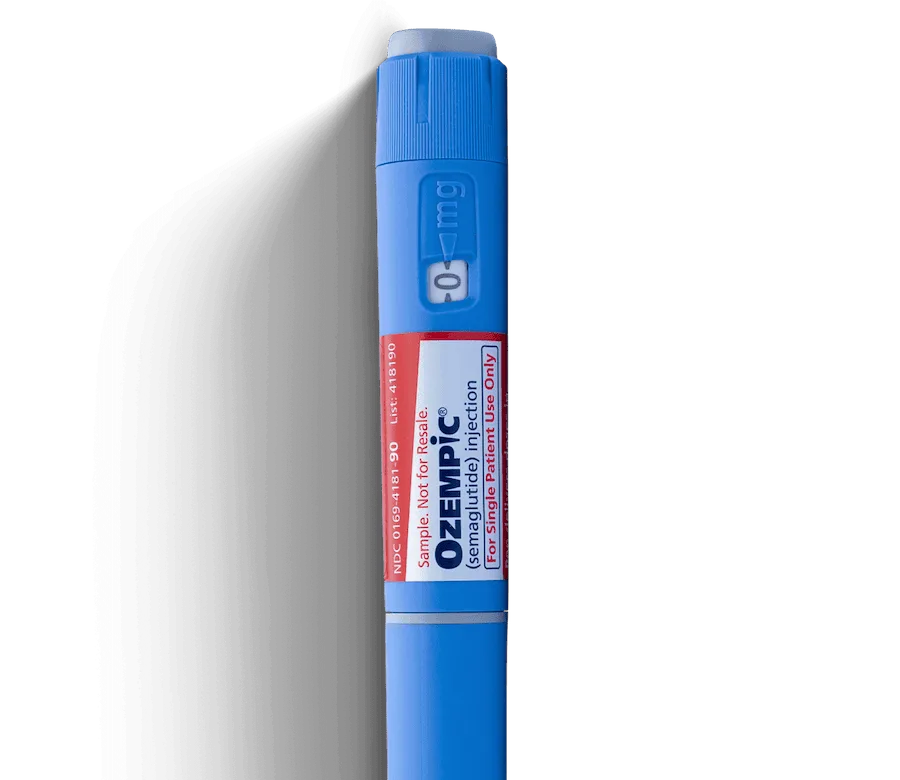
Ozempic®
Metformin
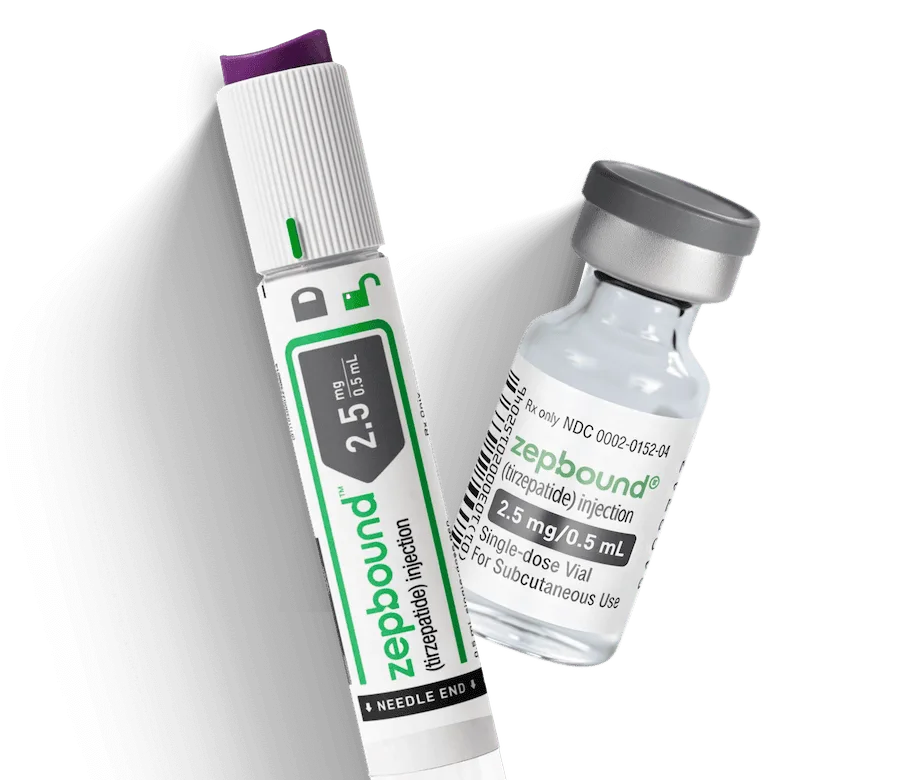
Zepbound®
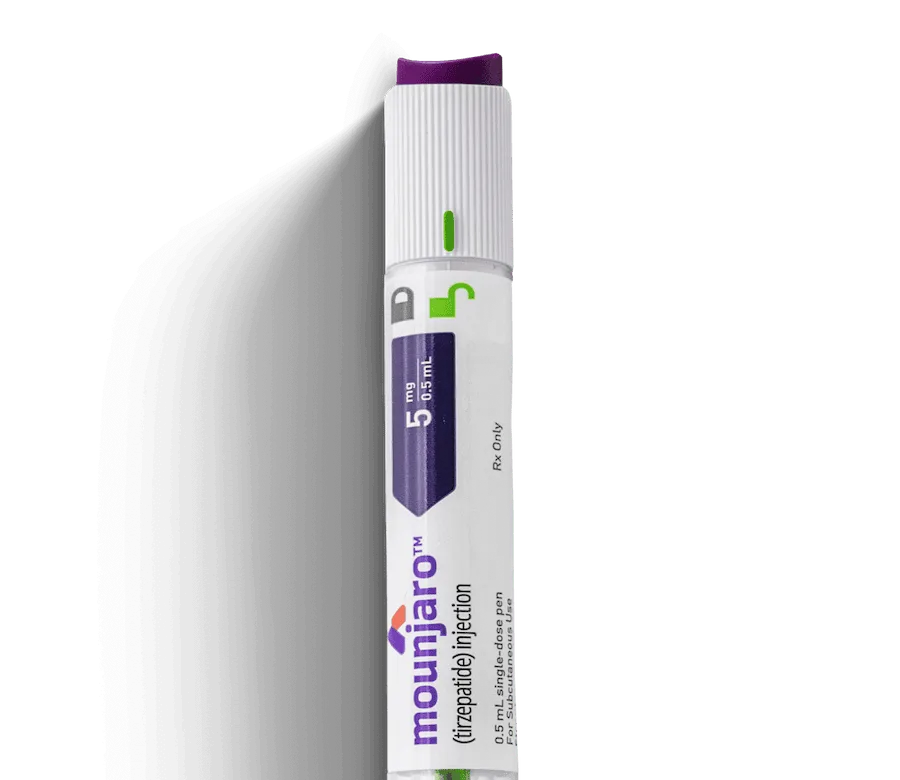
Mounjaro®
Liraglutide
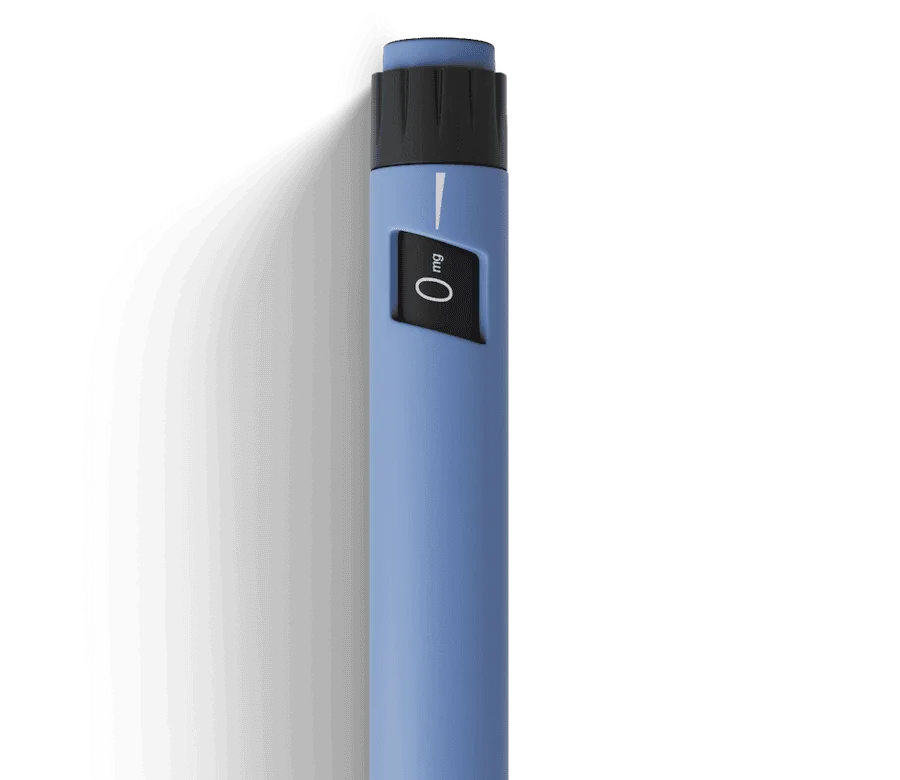
What influences your dose path with Zepbound®?
A few key things help guide how your provider personalizes your dose:
- How you’re feeling: If Zepbound side effects like nausea or fatigue are bothering you, your provider may pause, reduce, or slow down dose increases to give your body more time to adjust. Side effects tend to peak in the first weeks after a dose increase.
- Your progress: If your weight loss plateaus or changes in appetite taper off, your provider might recommend a dose adjustment—if it’s safe and appropriate to do so.
- Your overall health: Kidney function and cardiovascular health can influence how cautiously your tirzepatide dose is increased. While GLP-1 receptor agonists like tirzepatide have demonstrated benefits in reducing kidney and cardiovascular events, individual responses may vary. Healthcare providers may adopt a more gradual dosing approach or closely monitor people with existing kidney or heart conditions to ensure safety and efficacy.
- Your age: Older adults may benefit from more gradual dose increases, not just to avoid side effects like nausea, but also to prevent unintended muscle or bone loss that can lead to frailty or falls. You should pair medication with strength training and adequate protein intake.
Everyone’s journey is a little different, and that’s completely normal. These factors help your provider make the best call for your safety and results.
What are signs it’s time to adjust your dose of Zepbound®?
Your dose will be adjusted based on how your body is responding. Here are a few scenarios:
- If your weight loss slows or stalls, your provider may suggest moving up to the next dose level.
- If side effects linger or get in the way of daily life, staying at your current dose longer—or even dialing it back—might help.
- If your health changes, including new medications or conditions, your dose may need to be reviewed to keep things safe and effective.
With the right support, these small tweaks can make a big difference in your progress. If side effects are tough on a new dose, your prescriber may keep you at that dose for an extra 4 weeks before the next step; the four-week cadence is a minimum, not a schedule you have to climb.
Staying on your dose: Maintenance after goal weight
Once you reach your goal weight, your maintenance dose is the one that keeps your weight steady without side effects you can’t live with. For many people, that’s the same dose that got them there. For others, it’s one step down, especially if the climb was rough.
Maintenance is something you and your prescriber settle on over time, not a switch you flip at week 72. Maintenance dose of Zepbound after weight loss →
Zepbound® is approved as a long-term medication, and its trials ran at least 72 weeks. In practice, a study of nearly 1,800 adults who started tirzepatide found about half were still taking it a year later, and those who stayed on lost the most weight.
KwikPen, single-dose vial, or single-dose pen: How to choose
As of 2026, Zepbound® comes in three formats. The single-dose prefilled pen is the one most people fill through insurance. The single-dose vial, which you draw up with a syringe, has been Lilly’s self-pay option through LillyDirect®. And on February 23, 2026, the FDA expanded the Zepbound® label to include the KwikPen—a single-patient-use pen with four weekly doses inside, so one pen covers one month.
All three hold the same medication at the same strengths, follow the same four-week schedule, and were tested in the same clinical trials. Choosing between them comes down to how you prefer to handle your weekly injection and what you’ll pay, not how well the drug works.
| Format | How it works | Where it’s available | What it costs |
|---|---|---|---|
| Single-dose pen | One prefilled auto-injector per weekly dose; four pens make a month | Retail pharmacies with a prescription—the format most insurance plans cover | Priced per pen, so your monthly cost stays the same at every dose—around $1,086 without insurance |
| KwikPen (four doses, one month) | One pen holds four weekly doses. You attach a fresh pen needle each week, dial your dose, and inject | LillyDirect® home delivery, and major retail pharmacies at self-pay pricing since March 2026; the only format covered by the Medicare GLP-1 Bridge | LillyDirect® self-pay: $299 for 2.5 mg $399 for 5 mg $449 for 7.5 to 15 mg if you refill within 45 days (otherwise $499 at 7.5 mg and $699 at 10 to 15 mg). If you have Medicare Part D, the KwikPen is the only Zepbound® format covered by the Medicare GLP-1 Bridge program, at $50 a month from July 2026 through December 2027—see Noom’s Medicare Bridge guide |
| Single-dose vial | One vial holds one weekly dose. You draw it up with a needle and syringe; four vials make a month | LillyDirect® home delivery only — not stocked at retail pharmacies | Same LillyDirect® self-pay pricing as the KwikPen since Feb. 23, 2026. Not covered by the Medicare GLP-1 Bridge |
Same medication, same doses, same trial results—the three formats simply package it differently. Because Zepbound® works as a step-up treatment, it’s worth knowing how dose changes affect your monthly cost before you start.
Zepbound cost by dosage: Will increasing dose affect my cost?
It depends on how you’re paying. With the single-dose pen, your dose makes no difference to the price. Through LillyDirect®, it does—the price steps up twice as you climb, then holds. And under the Medicare GLP-1 Bridge, it’s a flat copay at every strength. Here’s what happens at each step of the chart above:
| Dose step | Single-dose pen (monthly) | LillyDirect® self-pay—vial or KwikPen (monthly) | Medicare GLP-1 Bridge—KwikPen only |
|---|---|---|---|
| 2.5 mg (weeks 1–4) | About $1,086 | $299 | $50 |
| 5 mg (weeks 5–8) | No change | $399 | $50 |
| 7.5 mg (weeks 9–12) | No change | $449, if you refill within 45 days (otherwise $499) | $50 |
| 10 mg (weeks 13–16) | No change | $449 with a 45-day refill (otherwise $699) | $50 |
| 12.5 mg (weeks 17–20) | No change | $449 with a 45-day refill (otherwise $699) | $50 |
| 15 mg (week 21 on) | No change | $449 with a 45-day refill (otherwise $699) | $50 |
If you’re paying through LillyDirect®, expect two price increases in your first two months and then a steady $449 as long as you refill on time—the vial and the KwikPen cost the same. If your insurance covers the single-dose pen, your copay is set by your plan, not your dose. And if you qualify for the Medicare GLP-1 Bridge, the $50 copay doesn’t move as you step up, but only the KwikPen is covered.
For what you’d actually pay with or without insurance, see the cost of Zepbound®.
How to take Zepbound® and store it: Tips for getting the best weight loss results
Taking Zepbound® consistently each week is one of the best ways to stay on track with your weight loss goals and manage any potential side effects. Here’s how to make your dosing routine work for you.
When to take it
There’s no single “best” time of day to inject Zepbound®. Because Zepbound® can be taken with or without food, you can take it in the morning, afternoon, or evening—whatever fits your schedule. The key is consistency.

The Easy Way
to lose weight and get healthy.
Many people prefer evenings or weekends so they have time to rest and manage side effects like nausea or fatigue more comfortably. Pick a day that works for you and stick with it week to week.
Where to inject
You will give yourself an injection of Zepbound® once weekly, just under the skin, known as a subcutaneous injection. The most common injection spots are:
- Stomach (at least two inches away from your belly button)
- Thigh (front or outer area)
- Back of the upper arm (if someone else is helping)
To keep your skin healthy and reduce irritation, rotate injection sites each week. Avoid areas that feel sore, bruised, scarred, or irritated.
Learn more: Zepbound® injection sites: How to inject correctly and minimize discomfort
How to use each form of Zepbound®
Whichever format you use, the basics are the same: wash your hands, clean the site with an alcohol swab, check that the medication is clear to slightly yellow, inject just under the skin, and drop the needle or pen in a sharps container. What differs is the handling:
- Single-dose pen: Pull off the cap, press the clear base flat against your skin, unlock, and hold the button until you hear two clicks—about 10 seconds. One pen, one dose, then it goes in the sharps container.
- KwikPen: Attach a new pen needle, dial your prescribed dose, inject, then remove the needle and put the pen back in the fridge. One pen holds four weekly doses.
- Single-dose vial: Draw the full dose into a syringe, tap out any air bubbles, pinch the skin, inject slowly, and discard the syringe and vial.
For full step-by-step instructions with pictures, see How to inject Zepbound, and follow the instruction leaflet packed with your pen or vial.
How to store Zepbound®
- In the fridge: Keep unused pens and vials refrigerated, between 36°F and 46°F. Never freeze them—if a pen or vial freezes or looks damaged, toss it.
- Out of the fridge: Each pen or vial can stay at room temperature (up to 86°F) for 21 days at most. Once it has been at room temperature, don’t move it back into the refrigerator.
- The 21-day clock: Discard any pen or vial that has been out for more than 21 days. The clock applies to the physical pen or vial, so a KwikPen that has been out for 21 days is discarded even if doses remain in it.
Learn more: Does Zepbound® need to be refrigerated? Here’s what you need to know
What to do if you miss a Zepbound® dose
Missing a Zepbound® dose can happen. The key is knowing how to respond in a way that keeps your treatment safe and effective. Follow these guidelines to manage a missed dose without disrupting your progress:
| Situation | What to do | Why it matters |
|---|---|---|
| If you missed a dose and it’s been ≤ 4 days (96 hours) | Take the missed dose as soon as you remember. Stay on your regular weekly schedule for the next dose. | Staying on track helps keep the medication effective and avoids missed benefits of treatment. |
| If you missed a dose and it’s been > 4 days (96 hours) | Skip the missed dose and wait until your next scheduled injection. | Taking doses too close together may cause overlapping effects. Zepbound® requires at least 3 days (72 hours) between doses for safety. |
| Important reminder | Never double up on doses to “catch up.” | Doubling up increases the risk of side effects and may compromise your safety. |
If you miss doses more than once in a row, talk to your prescriber before stepping up again; a longer gap may mean restarting at a lower dose. What to do if you miss a Zepbound dose →
Zepbound® side effects, overdose and safety
Side effects and dose are tied together on Zepbound®, which is the whole reason the schedule climbs slowly.
Most side effects are stomach-related, show up in the first week or two after a step up, and settle as your body adjusts; the dose you land on is often the one where results and comfort meet.
A small number of serious reactions—pancreatitis, severe allergic reactions, and kidney problems from dehydration—are rare and don’t appear to depend on your dose.
Below is what to expect as you climb, how often each common side effect showed up at each dose in the trials, what the serious ones are and how to spot them, and what happens if you take too much.
Zepbound: Side effects and warnings as your dose increases
As your Zepbound® dose gradually increases, it’s common for some side effects to return, especially during the week following a dose change. That’s why your provider increases your dose slowly, to help your body adjust and minimize discomfort.
If you do notice side effects, many tend to fade as your body gets used to the new dose. But if something doesn’t feel right, always let your provider know. They can pause your dose increases, make adjustments, or offer ways to ease the symptoms.
Here are some common side effects of Zepbound® to be alert for:
- Nausea
- Diarrhea
- Vomiting
- Constipation
- Stomach pain or discomfort
- Indigestion
How often the most common side effects were reported in SURMOUNT-1, by weekly dose
| Side effect | 5 mg | 10 mg | 15 mg |
|---|---|---|---|
| Nausea | 25% | 29% | 28% |
| Diarrhea | 19% | 21% | 23% |
| Vomiting | 8% | 11% | 13% |
| Constipation | 17% | 14% | 11% |
| Abdominal pain | 9% | 9% | 10% |
| Indigestion | 9% | 9% | 10% |
Share of participants reporting each side effect over 72 weeks, per the Zepbound® label.
The pattern is worth noticing: nausea sits around a quarter of participants at every dose, vomiting and diarrhea creep up a few points as the dose climbs, and constipation actually becomes less common. Stepping up from 5 mg to 15 mg does not mean three times the stomach trouble.
If any of these linger or become hard to manage, it’s worth checking in with your provider. They may suggest staying at your current dose a little longer or adjusting your care plan to keep things manageable.
For the full breakdown and what might help manage side effects, see Zepbound side effects.
Severe and rare side effects to be aware of with Zepbound
While most Zepbound® is safe for many people, there are some serious side effects you should be aware of. These are rare, but it’s important to know the signs so you can act quickly if something feels wrong. If you experience any of these, get immediate medical attention.
Unlike the stomach-related side effects above, these don’t track with dose: serious adverse events were reported at similar rates in the 5 mg, 10 mg, and 15 mg groups. All of these are rare. Here’s what each one is, what to watch for, and how often it was seen in Zepbound’s trials where the FDA label gives a figure:
| Serious side effect | What it is | What to watch for | How often in trials |
|---|---|---|---|
| Pancreatitis | Inflammation of the pancreas, the organ that makes digestive enzymes and insulin | Severe stomach pain that may spread to your back | Confirmed in about 0.2% of people on Zepbound® (0.1% on placebo) |
| Allergic reactions | A serious immune response to the medication | Swelling of the face or throat, trouble breathing, severe rash | Hypersensitivity reactions in about 1.6% (0.9% on placebo); severe reactions were rare |
| Vision changes | In people with diabetes, a fast drop in blood sugar can briefly worsen diabetic eye disease | Any sudden change in vision | Not studied in the weight-management trials; a precaution for people with diabetic retinopathy |
| Low blood sugar | Blood sugar falling too low, mainly when combined with insulin or similar drugs | Shakiness, sweating, confusion | Uncommon in people without diabetes; risk rises with insulin or sulfonylureas |
| Kidney problems | Kidney injury, usually from dehydration after heavy vomiting or diarrhea | Less urination, swelling, unusual fatigue | Rare; reported mainly alongside severe stomach side effects |
| Depression or suicidal thoughts | Mood changes reported with weight loss medications as a class | New or worsening low mood or thoughts of self-harm | Rare; the label asks prescribers to monitor for it |
| Thyroid tumors | A boxed warning based on rodent studies; it is unknown whether this applies to humans | A lump or swelling in the neck, new hoarseness | Not seen in human trials; people with a personal or family history of medullary thyroid carcinoma or MEN 2 should not use Zepbound® |
Your provider will let you know how to monitor for them and what to report between visits; knowing what to look for helps keep your treatment safe and effective.
Overdose risks and symptoms
Taking more Zepbound® than prescribed can lead to stronger or longer-lasting side effects than usual. If you accidentally take an extra dose or inject more than directed, you may notice symptoms like:
- Intense nausea or vomiting that won’t let up
- Ongoing diarrhea or sharp stomach pain
- Feeling extremely tired, dizzy, or confused
- Shakiness, a racing heart, or blurred vision
- Signs of low blood sugar, like sweating or trouble concentrating
If any of these happen, especially if they feel severe or come on suddenly, call the Poison Control help line at 1-800-222-1222 right away. For more serious situations, don’t wait—call 911 or head to the nearest emergency room.
Because Zepbound® stays in your system for several days, your care team might need to monitor and manage your symptoms for a little while to make sure you stay stable and comfortable.
If you think a prescription for Zepbound® might be right for you, a Noom Med clinician can review your health history and goals and prescribe it if it’s a fit. For more details on how Zepbound® works, its benefits, and side effects, check out: What is Zepbound? Exploring the weight loss benefits, side effects, and cost
Zepbound® vs Wegovy®: How the doses compare
If you’re weighing Zepbound® against Wegovy® (semaglutide), the first thing to know is that the milligram numbers don’t translate—they’re different medications on different ladders, so a 5 mg dose of one tells you nothing about the other.
Here’s how the two climbs compare, and what the one head-to-head trial found when each was increased on the standard schedule to the highest dose. As with Zepbound, you can stay at a lower dose of Wegovy for longer, but have to stay at each dose step for at least 4 weeks.
| Weeks | Zepbound® (tirzepatide) | Wegovy® (semaglutide) |
|---|---|---|
| 1–4 | 2.5 mg | 0.25 mg |
| 5–8 | 5 mg | 0.5 mg |
| 9–12 | 7.5 mg | 1 mg |
| 13–16 | 10 mg | 1.7 mg |
| 17–20 | 12.5 mg | 2.4 mg—the standard top dose, and where most people stay |
| 21 and on | 15 mg—top dose | 7.2 mg (Wegovy® HD)—approved March 2026 for adults who have tolerated 2.4 mg for at least 4 weeks and need more weight loss |
Each step is a minimum of four weeks, and your prescriber can hold you at any step longer. Wegovy’s 7.2 mg dose is an optional extra step, not the default; Zepbound’s 15 mg is the top of a ladder most people don’t need to finish.
Zepbound vs. Wegovy: Average weight loss at 72 weeks
| Condition | Zepbound® | Wegovy® |
|---|---|---|
| Highest dose vs. placebo | 20.9% at 15 mg vs 3.1% on placebo | 18.7% at 7.2 mg vs 3.9% on placebo |
Two cautions when reading these. The results come from different trials with different participants, so they sit side by side but weren’t tested against each other. The SURMOUNT-5 trial tested them side by side but predates Wegovy® HD.
FAQs about the Zepbound dosing for weight loss
What is the starting dose of Zepbound®?
Everyone starts at 2.5 mg once a week for the first four weeks. This starter dose gives your body time to adjust rather than drive weight loss on its own. After four weeks, your prescriber will usually move you to 5 mg, then up in 2.5 mg steps every four weeks or longer.
What is the highest dose of Zepbound®?
The highest FDA-approved dose is 15 mg once a week, reached by climbing from 2.5 mg in 2.5 mg steps with at least four weeks on each. In SURMOUNT-1, people on 15 mg lost an average of 20.9% of their body weight over 72 weeks. Plenty of people never need the top step—many find their best dose lower down. What dose of Zepbound is most effective →
What is the lowest dose of Zepbound®?
The lowest FDA-approved dose is 2.5 mg once a week, which is also everyone’s starting dose. It’s meant for the first four weeks only. Anything below 2.5 mg sits outside the FDA-approved range.
Is Zepbound® available as a pill?
Zepbound® is a weekly injection only. The new pill from Eli Lilly you may have heard about is Foundayo (orforglipron). Foundayo is a different medication from tirzepatide, with its own dose ladder topping out at 17.2 mg a day. It is made with orforflipron and isn’t Zepbound® in pill form.
What’s the difference between the KwikPen and the single-dose vial?
Both hold the same medication at the same strengths. The KwikPen is a single-patient-use pen with four weekly doses inside—one pen, one month—and the FDA added it to the Zepbound® label on February 23, 2026. The single-dose vial holds one weekly dose, so four vials make a month. Both come in every strength from 2.5 mg to 15 mg.
Learn more:
- Zepbound® vials: How to use them, costs, and how they compare
- Zepbound® KwikPen®: How to use it and what makes it different
How long can Zepbound® be out of the fridge?
Up to 21 days, as long as it stays at or below 86°F (30°C). That goes for each single-dose pen or vial, per the FDA label. Once it’s been at room temperature, keep it there rather than putting it back in the fridge, and toss any pen or vial that’s been out longer than 21 days.
Does a higher dose of Zepbound® cost more?
Only with LillyDirect® self-pay, where the price for the KwikPen and vial steps up with dose. Because retail and insured prices change, we keep the full breakdown in one place: Zepbound cost with and without insurance →
What is the Zepbound® dose for sleep apnea?
The same schedule as for weight management. The FDA approved Zepbound® for moderate-to-severe obstructive sleep apnea in adults with obesity on December 20, 2024. The approved strengths are 2.5, 5, 7.5, 10, 12.5, and 15 mg once a week, climbed in 2.5 mg steps with at least four weeks on each. There’s no separate sleep-apnea ladder.
Zepbound® vs tirzepatide: Are they the same?
Zepbound® is the brand name; tirzepatide is the active ingredient. Mounjaro®, also made by Eli Lilly, is a different brand of the same ingredient, approved for type 2 diabetes. The two brands share the same medication and weekly dose range but are approved for different uses and sold under different labels. Tirzepatide dosage →
Reviews from real Noom users
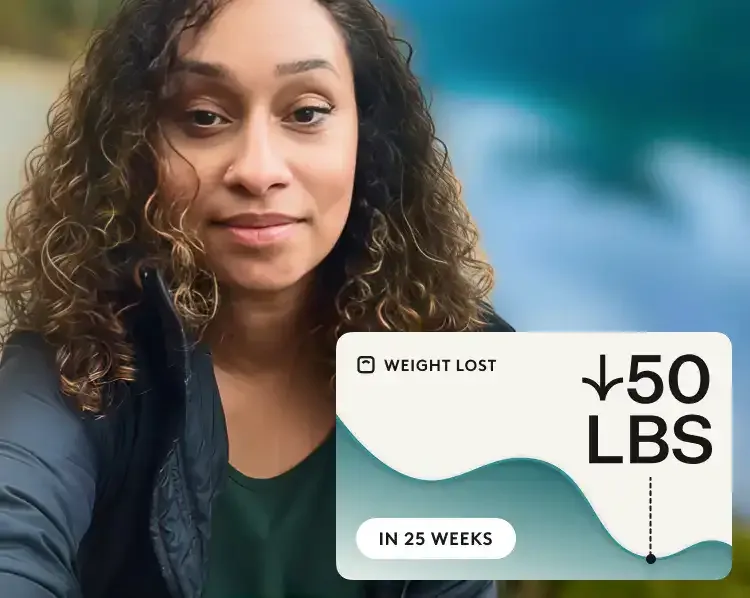
“My favorite parts of Noom are the care team and other Noomers. Sharing and getting help made me feel like I wasn’t doing it alone. That support made all the difference.”
Desirea N. — Real Noom user
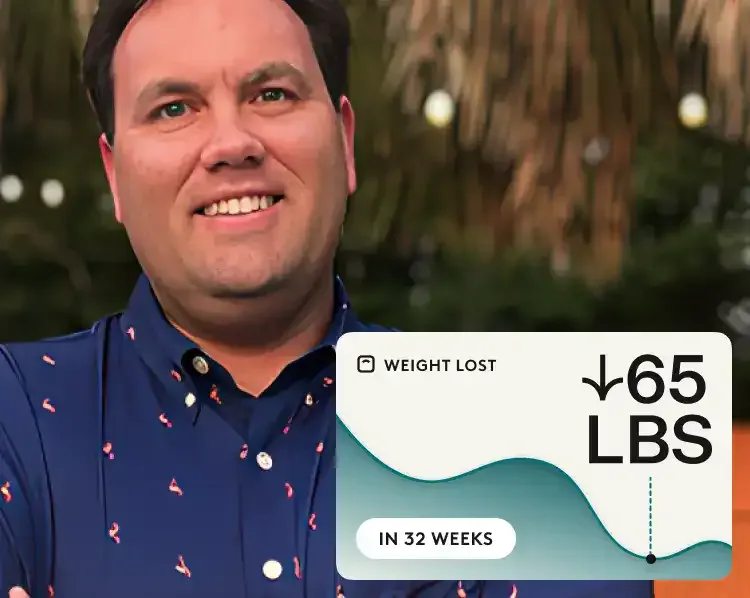
“Noom has taught me that every day is a new chance to make better, healthier choices. It’s taught me how to stop overeating.”
Matthew M. — Real Noom user
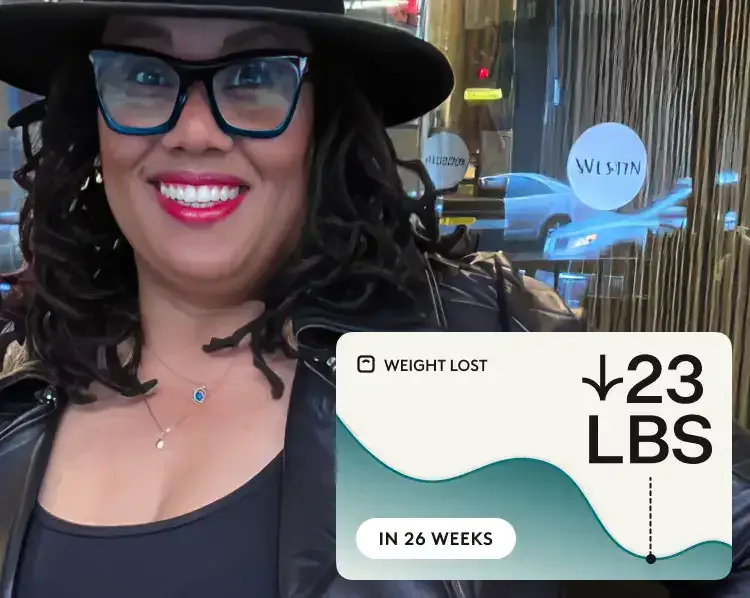
“Clinicians who understand how supportive medication can be is one of the best parts of Noom! I was convinced I wouldn’t have success but I’m down 11 pounds in two months.”
Lila M. — Real Noom user
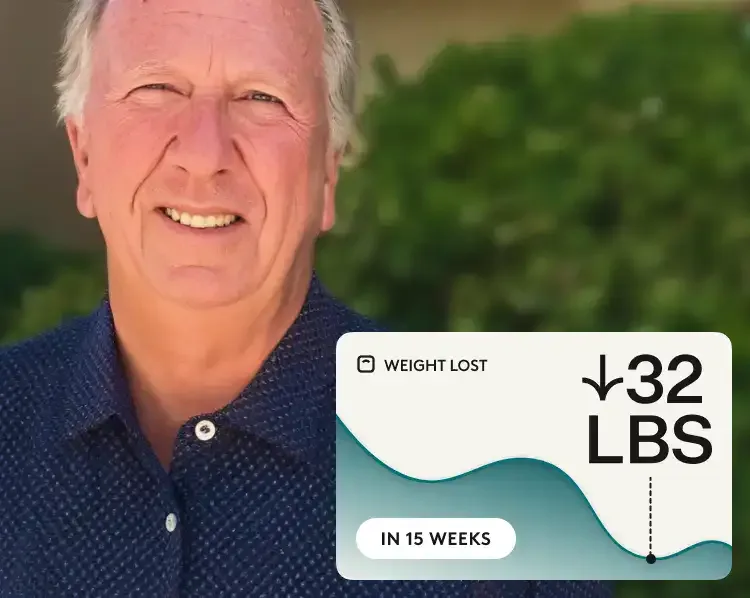
“Noom provided me with the medication which I could not get through Medicare. I have learned the tricks to better eating and life in general.”
Steve M. – Real Noom user
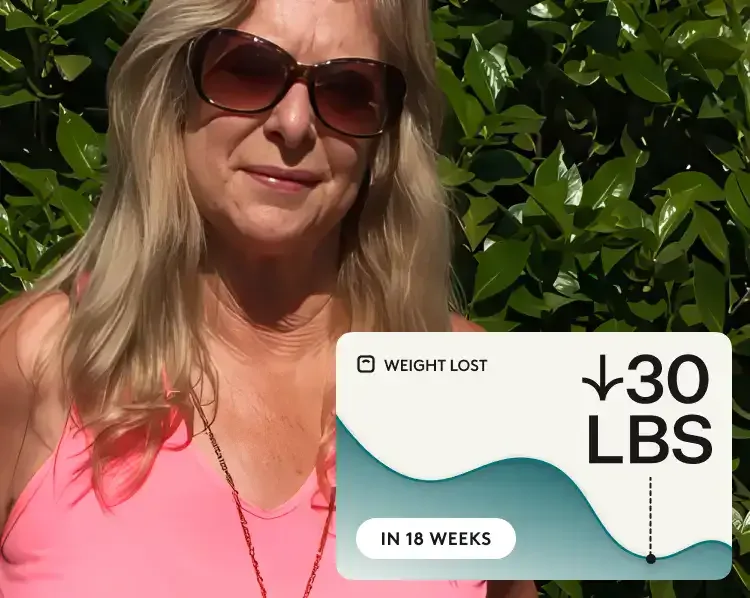
“Noom has changed my life and I’m so thankful, I feel great, have more energy and am no longer prediabetic.”
Daisy R. – Real Noom user
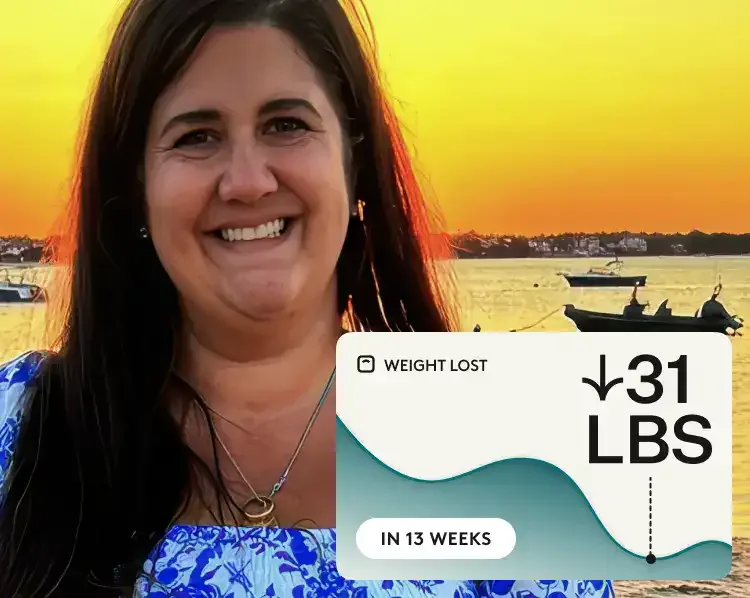
“All of the Noom providers that I’ve met with have been exceptional and prescribed medications that are appropriate for my situation and health.”
Sarah R. – Real Noom user
“Noom made the process so simple and now I feel full, free from diet obsession, and at ease in my body again.”
Madison S. – Real Noom user
“My doctor recommended Noom after I was frustrated trying to lose weight. The lessons helped change my relationship with food. My body feels lighter & energized.”
Sonday K. – Real Noom user
“I built healthy habits with coaching and lessons that make me confident I can maintain my weight loss long term.”
Cam K. – Real Noom user
“With the right medication through Noom, hunger and sugar cravings finally quieted and I have the tools to break the cycle.”
Laura TR. – Real Noom user
“Cravings and food noise are gone, I finally feel confident in the healthy habits I’ve built to last with Noom.”
Jessica S. – Real Noom user
The bottom line: Finding the right Zepbound® dose is key to making the treatment work
Zepbound’s dose schedule hasn’t changed since its November 2023 approval: six strengths, taken weekly, climbed in 2.5 mg steps with at least four weeks on each. What’s new in 2026 is how you can get it—the four-dose KwikPen joined the single-dose vial and single-dose pen on February 23, and all three cover every strength.
Finding the right Zepbound® dose is key to making the treatment work for your body and your goals. It starts with a low dose and increases gradually, giving your body time to adjust. Staying in touch with your healthcare provider helps make sure your dose stays in sync with how you’re feeling, how you’re progressing, and what you’re aiming for long term.
Zepbound® can be a powerful tool, but it works best when it’s part of a bigger picture. Support, guidance, and consistent habits are all key to getting the most out of your treatment. That’s where personalized programs that combine medication with behavioral strategies really shine.
If you qualify for Noom, your clinician can prescribe Zepbound®, if needed, personalize your plan, and help you navigate dose increases while building healthy routines that last. See how Noom can help guide your journey forward.
Editorial standards
At Noom, we’re committed to providing health information that’s grounded in reliable science and expert review. Our content is created with the support of qualified professionals and based on well-established research from trusted medical and scientific organizations. Learn more about the experts behind our content on our Health Expert Team page.