
What you’ll learn:
- Some people lose muscle— not just fat— while taking GLP-1 medications, though it’s not inevitable.
- Science-backed habits that help preserve muscle during weight loss include eating enough protein and strength training
- Working with your healthcare team can help ensure you remain healthy during your weight loss journey.
You may have heard that GLP-1 medications cause muscle loss.
If you’re taking Wegovy® (semaglutide) or Zepbound® (tirzepatide), that can sound alarming. After all, you want to lose fat—not the muscle that helps keep you strong, active, and healthy.
“The good news is that muscle loss isn’t inevitable,” says Dr. Ameen Masoodi, MD, MPH, DABOM. “While losing some lean body mass is a normal part of almost any weight-loss journey, what you do can slow or prevent it.” Research suggests there are several evidence-based strategies that can help preserve muscle while taking a GLP-1 medication.
Let’s take a look at why muscle loss can happen, what the latest research actually shows, and what you can do to help protect your muscle while working toward your weight-loss goals.
What are GLP-1 medications, and how do they affect muscle?
GLP-1 medications, also called GLP-1 receptor agonists, mimic a hormone your body naturally releases after you eat. This hormone, called glucagon-like peptide-1, lowers appetite, regulates blood sugar, and slows digestion.
Noom’s Most Powerful Program
A dual-pathway GLP-1 and behavior change for lasting results.
By mimicking this hormone, these medications work in several ways that can support weight loss over time. They help you feel fuller after eating, slow stomach emptying so that food stays in your stomach longer, and improve blood sugar regulation.
“Together, these effects make it easier to eat fewer calories without feeling as hungry. Over time, that calorie deficit can lead to weight loss,” says Dr. Masoodi.
People taking these medications can lose on average 15% to 21% of their body weight, especially when medication is combined with nutrition, exercise, and behavioral support.
That calorie deficit can also cause some lean tissue loss, including muscle. When your body takes in less energy than it needs, it pulls from stored fat for fuel, but it can pull from muscle tissue too, especially without enough protein or resistance exercise to help protect it.
The medication isn’t the cause; rapid or substantial weight loss is the reason. Let’s take a look at what’s happening.
Why can GLP-1 medications cause muscle loss?
If you’ve searched online for “GLP-1 muscle loss,” you’ve probably seen claims that 25% to 40% of the weight lost on medications like Zepbound® or Wegovy® comes from muscle. “While that statistic is based on real research, it doesn’t tell the whole story,” says Dr. Masoodi. “GLP-1 medications don’t cause muscle loss. Losing some lean body mass is a normal part of weight loss, whether you lose weight through diet, exercise, bariatric surgery, or GLP-1 medications.”
A team of orthopedic researchers who reviewed the existing research on GLP-1 medications and musculoskeletal health found that this pattern isn’t unique to these drugs— it’s long been recognized as a normal part of weight loss in general.
Most of the widely cited numbers come from two of the major drug trials that got these medications approved. Novo Nordisk, the company that makes semaglutide, ran a trial called STEP-1, following nearly 2,000 adults with obesity or overweight for 68 weeks on either semaglutide or a placebo. A smaller group of about 140 of those participants also got DEXA scans before and after, so researchers could see exactly what the weight loss was made of. Eli Lilly, the maker of tirzepatide, ran a similar trial called SURMOUNT-1, with over 2,500 participants, and about 160 of them also got DEXA scans as part of a body-composition sub-study.
In the STEP-1 scans, participants taking semaglutide lost an average of nearly 15% of their body weight. While they did lose lean body mass, they lost even more body fat and visceral (belly) fat, resulting in an overall improvement in body composition. In fact, lean mass made up a larger percentage of participants’ total body weight at the end of the study than it did at the beginning, even though the absolute amount of lean mass decreased.
Researchers saw a similar pattern in the SURMOUNT-1 scans of tirzepatide. Participants lost about 21% of their body weight, with approximately three-quarters of the weight loss coming from fat mass and about one-quarter coming from lean mass.
Access GLP-1 Weight Loss with Noom
Explore a wide range of prescription medications supported by Noom’s program.
Microdose GLP-1rx
Noom GLP-1rx
Noom GLP-1rx Plus
Wegovy®
Ozempic®
Metformin
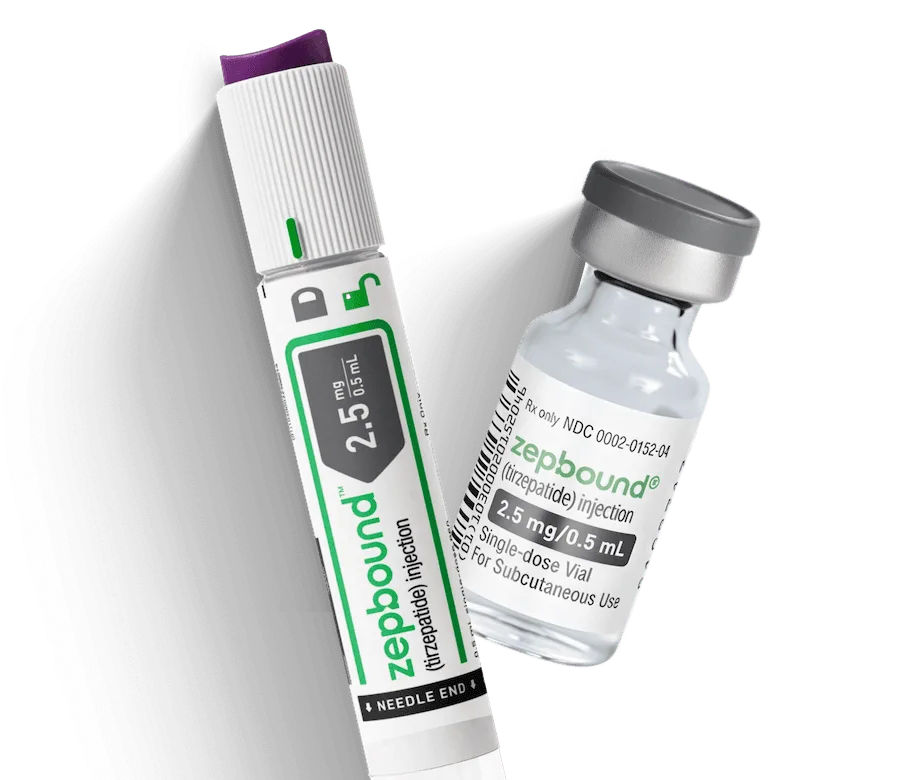
Zepbound®
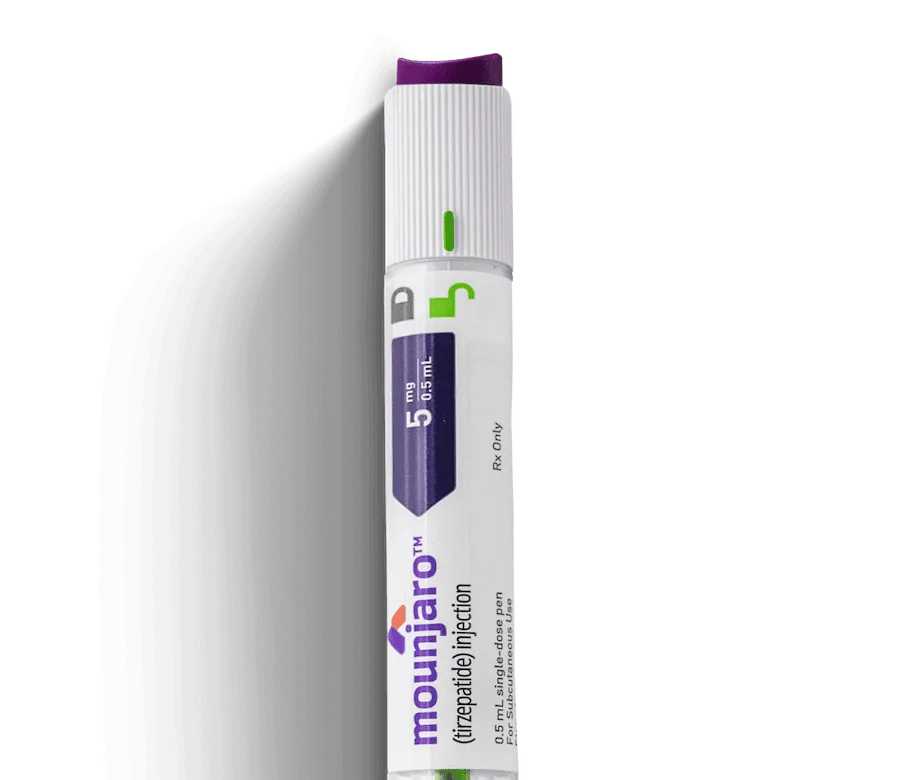
Mounjaro®
Liraglutide
Lean body mass isn’t the same as muscle
One reason this topic can be confusing is that many studies measure lean body mass, not muscle directly. As researchers who took a closer look at how we think about muscle during weight loss point out, lean body mass includes everything in your body except fat— muscle, water, bones, organs, and connective tissue.
So when researchers report that 25% to 40% of weight lost during GLP-1 treatment is lean mass, that doesn’t mean the same percentage of weight lost came from muscle tissue alone. A group of researchers who pulled together the latest evidence on GLP-1 medications and muscle health point out that some of that reduction reflects changes in body water, glycogen (stored carbohydrate), and other tissue— not just muscle.
That same team notes that DEXA scans— the technology commonly used in weight-loss studies— can’t actually distinguish muscle from other lean tissues, which means lean mass loss doesn’t automatically equal muscle loss.
It also doesn’t mean you’ll be suddenly weaker after losing weight. They found that muscle strength and physical function are generally maintained even as people lose some lean mass on GLP-1 medications— especially when treatment is combined with adequate protein intake and resistance exercise.
Body composition often improves— even when lean mass decreases
Another important point: losing some lean mass isn’t always a sign of poorer health. The same researchers who looked closely at muscle quality noted that people with obesity often start out with more total lean mass simply because carrying additional body weight requires more muscle to support movement. As body weight decreases, less muscle is needed to move it.
That’s one reason researchers often look beyond the scale and focus on body composition, muscle strength, and physical function, rather than lean mass alone.
GLP-1 medications don’t appear to uniquely “waste muscle”— instead, they produce body composition changes similar to those seen with other successful weight-loss approaches. The biggest difference is that because people often lose more total weight on newer GLP-1 medications, the absolute amount of lean mass lost can also be greater— making strategies like adequate protein intake and strength training even more important.
“The more important question isn’t whether you’ll lose some lean mass,” says Dr. Masoodi. “it’s how much, and what you can do to preserve the muscle that matters most.”
Why muscle loss happens during weight loss—and how to prevent it
Your body doesn’t know you’re trying to lose weight— it simply recognizes that it’s receiving fewer calories than it needs. To make up the difference, it begins using stored energy.
Most of that energy comes from body fat, but some also comes from lean tissue. This is true whether the calorie deficit comes from eating fewer calories, exercising more, taking a GLP-1 medication, or a combination of these approaches.
Researchers who study body composition during weight loss have identified several factors that can tip the scale toward more muscle loss:
- Eating too little protein. Because GLP-1 medications reduce appetite, some people unintentionally eat less protein than they need.
- Skipping strength training. Muscles need regular resistance exercise to signal your body that they’re still needed.
- Losing weight very quickly. In a meta-analysis comparing gradual versus rapid weight loss in adults with overweight or obesity, people who lost weight gradually held onto more lean tissue and kept their metabolism running higher than those who lost weight quickly.
- Older age. Muscle naturally declines with age, making preservation even more important.
- Starting with lower muscle mass. People who are inactive or already have reduced muscle reserves may have less muscle to spare.
Most of these are things you can actually change. While you can’t completely eliminate lean mass loss during weight reduction, you can improve the odds that your body burns more fat while preserving more muscle. A 2026 review focused specifically on GLP-1 treatment points to eating enough protein and doing regular resistance training as the two most effective habits for holding onto muscle during treatment.
GLP-1 muscle loss prevention: Prioritize protein
“If there were one nutrition habit to prioritize while taking a GLP-1 medication, getting enough protein would be near the top of the list, says Dr. Masoodi. That’s because protein provides the amino acids your body needs to repair and maintain muscle— especially when you’re eating fewer calories than usual.
Why getting enough protein can be harder on GLP-1 medications
One of the reasons GLP-1 medications are so effective for weight loss is that they make it easier to eat less. Many people notice that they:
- Feel full sooner
- Stay satisfied longer after meals
- Snack less often
- Experience fewer food cravings
While these effects can support weight loss, they can also make it harder to get enough protein— especially if you’re eating much smaller meals than you did before starting treatment.
Noom’s Most Powerful Program
A dual-pathway GLP-1 and behavior change for lasting results.
Protein-rich foods can also be especially filling, meaning they may be the first foods people unintentionally cut back on as their appetite decreases. That’s one reason experts recommend making protein a priority at every meal, rather than trying to catch up at the end of the day.
How much protein do you need on a GLP-1?
Your ideal protein target depends on you— your age, body size, activity level, kidney function, and whether you’re aiming to build muscle or simply hold onto what you have.
Research on protein intake during intentional weight loss points to something higher than the standard recommendation of 0.8 grams per kilogram of body weight per day. That number is designed to prevent deficiency, not to help you preserve muscle while you’re in a calorie deficit— which is exactly the situation most people on a GLP-1 are in.
For many adults trying to preserve muscle while losing weight, research points to a higher range. The everyday target is 1.2–1.6 grams of protein per kilogram of body weight per day.
What that looks like for you:
| Body weight | Protein target |
|---|---|
| 132 lb | 72–96 g |
| 165 lb | 90–120 g |
| 198 lb | 108–144 g |
If your weight falls somewhere else on that scale, Noom’s macro calculator can help you land on a number that’s built around you. And if you want to track it, download Noom now and get a personalized protein tracker through the GLP-1 Companion in the app.
You don’t need to hit a perfect number every day. A good source of protein at each meal and snack will get you most of the way there.
Read more: Protein for weight loss: Why it matters
What are good sources of protein?
Many everyday foods are naturally rich in high-quality protein. Since appetite is often lower on a GLP-1, it helps to prioritize lean sources— protein-rich foods that don’t come with a lot of extra saturated fat, so more of your limited calories go toward the nutrient your muscles actually need. A few go-to categories:
- Poultry: skinless chicken breast, turkey breast, ground chicken or turkey
- Fish and seafood: salmon, tuna, cod, shrimp, canned tuna or salmon (packed in water)
- Eggs and dairy: eggs, non-fat or low-fat Greek yogurt, low-fat cottage cheese, skim or low-fat milk
- Red meat: lean cuts like beef sirloin, tenderloin, or 93%+ lean ground beef; bison; pork tenderloin
- Plant-based proteins: tofu, tempeh, edamame, seitan
- Beans and legumes: black beans, chickpeas, lentils, split peas
- Nuts and seeds: almonds, peanut butter, chia seeds, hemp seeds— protein-rich, though higher in fat, so portion size matters more here
- Protein powders and shakes: whey, casein, or plant-based blends (pea, soy, rice)— a convenient, concentrated way to hit your target, especially useful when appetite is low or preparing whole foods feels like too much
- Fortified options: protein-fortified plant milks, protein-fortified pastas and cereals
Mixing and matching across these categories makes it easier to hit your target without eating the same three foods on repeat— and it naturally brings in different nutrients along the way.
Protein is only one piece of the puzzle. To preserve muscle during weight loss, your body also needs a reason to keep it.
GLP-1 muscle loss prevention: Strength training
Protein provides the building blocks for muscle, and strength training tells your body that your muscles are still needed. Without that signal, your body has less reason to preserve muscle while you’re losing weight.
“When you’re losing weight, your body is constantly adapting to a lower calorie intake, and muscle tissue is metabolically ‘expensive’ to support,” says Dr. Masoodi. “Strength training sends the message that muscle is needed.”
By challenging your muscles against resistance— whether that’s dumbbells, resistance bands, weight machines, or even your own body weight— you trigger muscle protein synthesis, the process your muscles use to repair and grow, encouraging your body to maintain or even build muscle.
Research on GLP-1-based obesity treatment consistently shows that combining resistance exercise with adequate protein is one of the most effective ways to preserve lean mass during weight loss, including while taking GLP-1 medications.
Read more: How GLP-1 and Exercise Work Together for Weight Loss.
Other healthy habits that support your muscle
Protein and strength training get most of the attention because they are effective, but they aren’t the only habits that keep your muscles healthy during weight loss.
- Stay physically active. Exercise doesn’t have to happen only in the gym. Walking, cycling, swimming, gardening, and other forms of movement all contribute to your overall fitness and help you maintain the habits that support long-term health.
- Don’t cut calories too aggressively. GLP-1 medications naturally reduce appetite, but eating too little can make it more difficult to get enough protein, vitamins, minerals, and calories to support muscle maintenance. If you’re struggling to eat enough, let your healthcare provider know— they may recommend meeting with a registered dietitian or adjusting your treatment plan.
- Get enough sleep. Sleep is when much of your body’s recovery takes place. Poor sleep has been linked with reduced muscle recovery, impaired exercise performance, and changes in hormones that regulate appetite and metabolism. Aim for 7 to 9 hours of sleep each night whenever possible.
- Stay hydrated. Hydration supports exercise performance, recovery, and overall health. Because lean body mass includes a large amount of water, staying hydrated is also important for accurate body composition measurements.
Supplements and peptides for maintaining muscle
Alongside protein and strength training, researchers are also studying whether certain supplements and peptides can help preserve— or even build— muscle during weight loss. Some you may have already heard of, like creatine, collagen, sermorelin, and BPC-157.
Supplements
A few supplements beyond protein powder have research behind them specifically for muscle maintenance:
- Creatine is one of the most extensively studied sports nutrition supplements. Decades of research show it can improve strength and help increase lean body mass when paired with resistance training. It works by boosting phosphocreatine stores in your muscles, which fuel short bursts of high-intensity effort like lifting weights.
- HMB (beta-hydroxy-beta-methylbutyrate) is a compound your body naturally makes from the amino acid leucine. A 2025 meta-analysis found it modestly increased muscle mass in adults over 50, with the biggest benefit when paired with exercise.
- Collagen peptides are popular for skin and joint health, but a randomized trial in older adults found that pairing 15 grams of collagen daily with resistance training led to greater gains in muscle mass and strength than training alone. Collagen is lower in the amino acids your muscles need most, though, so it’s best thought of as an add-on to— not a replacement for— a complete protein source like whey or soy.
None of these have been specifically studied in people taking GLP-1 medications, so think of them as possible additions to a muscle-preserving routine. Talk with a clinician before starting any new supplement, especially if you’re managing other health conditions.
Peptides
Peptides work differently than supplements— they’re short chains of amino acids that act more like the body’s own signaling molecules. A few available today are getting attention for their potential role in muscle preservation:
- Sermorelin stimulates your pituitary gland to release more growth hormone. Small studies in older adults have found modest increases in lean body mass, but it hasn’t been tested in large trials alongside GLP-1 medications.
- Tesamorelin works through a similar growth-hormone pathway. A 2026 meta-analysis in people with HIV-associated fat redistribution found it modestly increased lean body mass alongside fat loss. It hasn’t been studied in people taking GLP-1 medications for weight loss.
- BPC-157 is a peptide often marketed for tissue repair and recovery. The research behind it is almost entirely from animal studies so far, so its effects on human muscle mass during weight loss remain largely unknown.
Access to sermorelin, tesamorelin, and BPC-157 typically requires a prescription through a compounding pharmacy, and none have been studied specifically in people on GLP-1 medications. Talk with your healthcare provider before starting any of them.
For now, the most effective muscle-preserving strategy is also the simplest: combine medication with adequate protein intake, regular resistance training, and an overall healthy lifestyle.
Frequently asked questions about GLP-1 muscle loss prevention
Can you build muscle while taking GLP-1 medications?
Yes. While building muscle during a calorie deficit is generally more challenging than building muscle while eating enough calories to support growth, research shows it’s still possible. Eating enough protein and following a progressive strength-training program can help support muscle growth and improve strength while you’re losing weight. Even if you don’t gain a lot of new muscle, maintaining the muscle you already have is an important goal.
Is muscle loss from GLP-1 medications permanent?
No. Like other forms of muscle loss, muscle that is lost during weight loss can often be rebuilt through regular resistance training, adequate protein intake, and a balanced diet. The sooner you begin prioritizing muscle health, the better your chances of preserving lean mass throughout your weight-loss journey.
Does showering after a workout cause muscle loss?
No. There’s no evidence that taking a shower after exercising causes muscle loss. Some studies suggest very cold water immersion right after strength training can blunt those adaptations, but a normal warm or cool shower after your workout isn’t something you need to worry about.
Does fasting cause muscle loss?
Not necessarily. Short periods of fasting don’t automatically cause muscle loss. However, prolonged fasting, severe calorie restriction, or consistently eating too little protein may increase the risk of losing lean mass— particularly if you’re also skipping resistance exercise. If you’re taking a GLP-1 medication and practicing intermittent fasting, it’s especially important to make sure you’re still meeting your protein and calorie needs during your eating window.
Does running cause muscle loss?
No. Running doesn’t inherently cause muscle loss. In fact, running offers many health benefits, including improved cardiovascular fitness and endurance. Problems are more likely to occur if you’re combining high volumes of endurance exercise with inadequate calorie intake, insufficient protein, and no strength training. A balanced routine that includes both aerobic exercise and resistance training can help support fat loss while preserving muscle.
Reviews from real Noom users
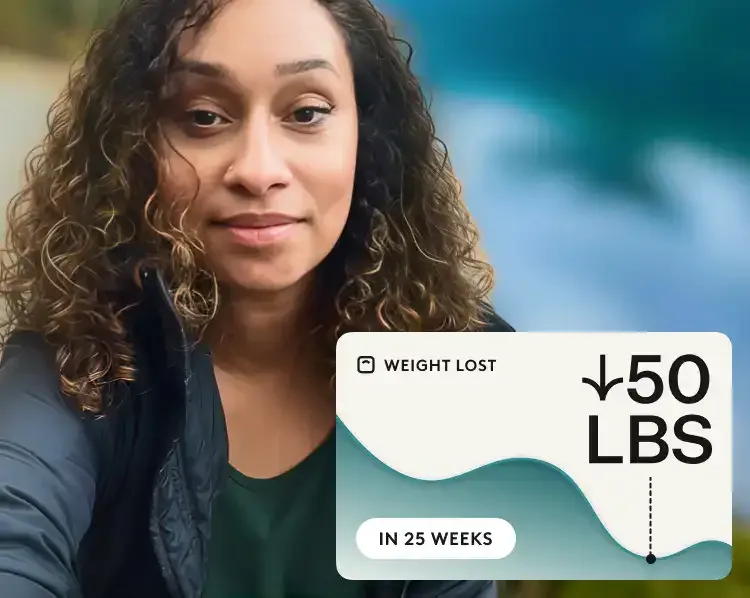
“My favorite parts of Noom are the care team and other Noomers. Sharing and getting help made me feel like I wasn’t doing it alone. That support made all the difference.”
Desirea N. — Real Noom user
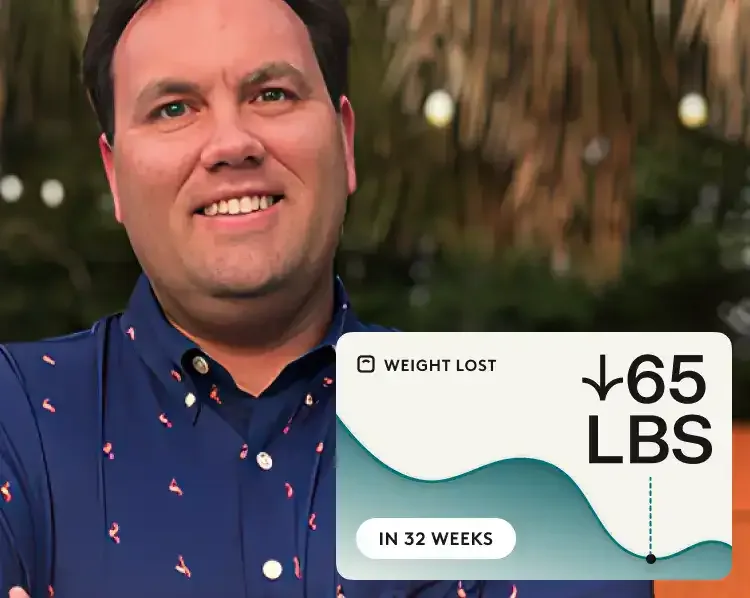
“Noom has taught me that every day is a new chance to make better, healthier choices. It’s taught me how to stop overeating.”
Matthew M. — Real Noom user
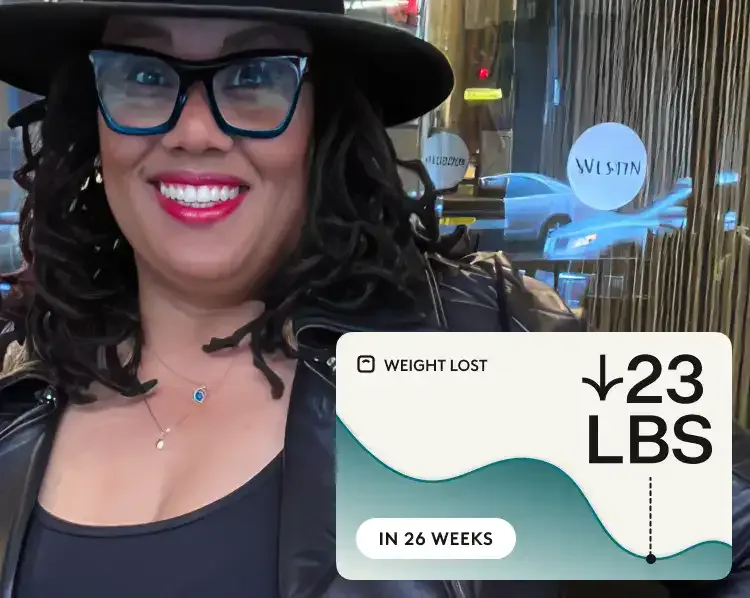
“Clinicians who understand how supportive medication can be is one of the best parts of Noom! I was convinced I wouldn’t have success but I’m down 11 pounds in two months.”
Lila M. — Real Noom user
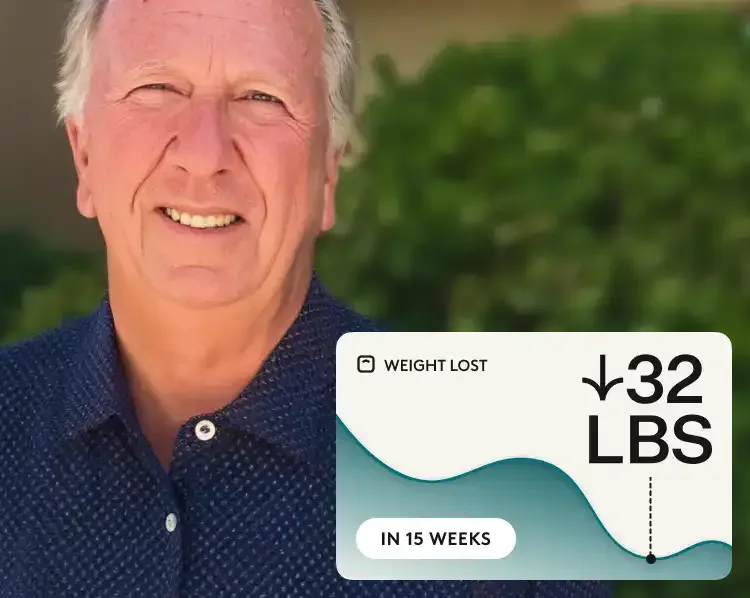
“Noom provided me with the medication which I could not get through Medicare. I have learned the tricks to better eating and life in general.”
Steve M. – Real Noom user
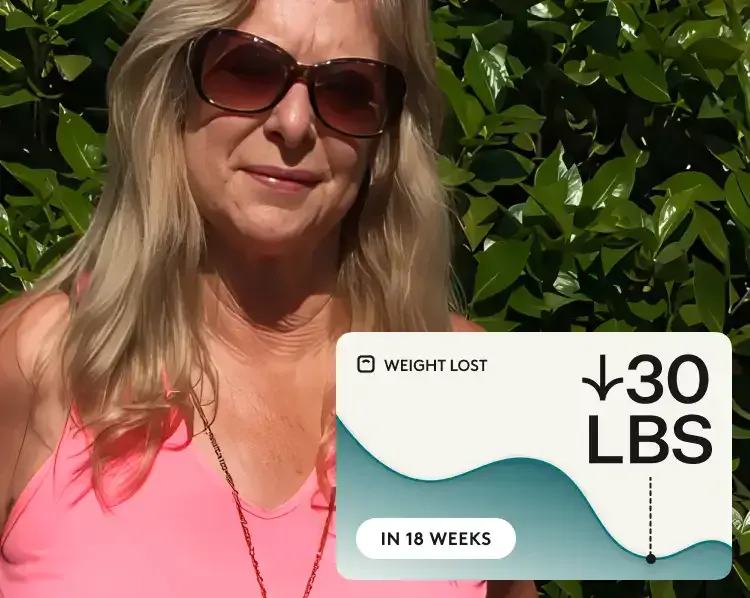
“Noom has changed my life and I’m so thankful, I feel great, have more energy and am no longer prediabetic.”
Daisy R. – Real Noom user
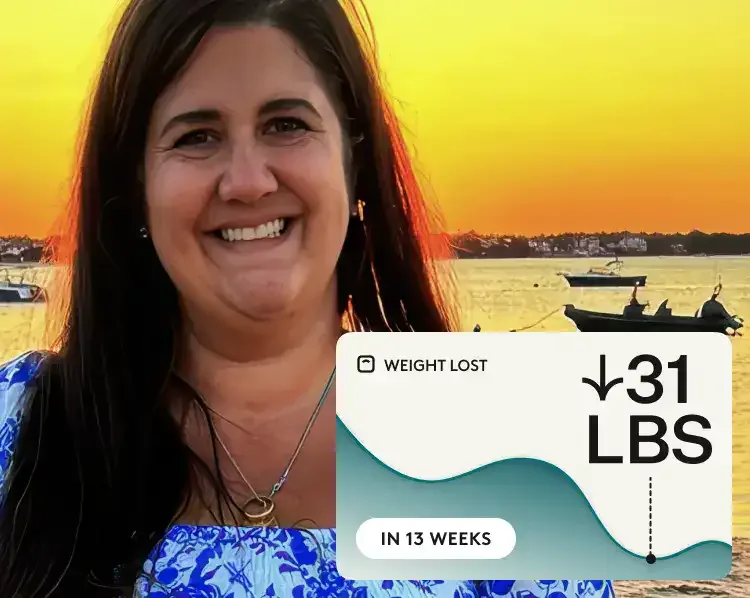
“All of the Noom providers that I’ve met with have been exceptional and prescribed medications that are appropriate for my situation and health.”
Sarah R. – Real Noom user
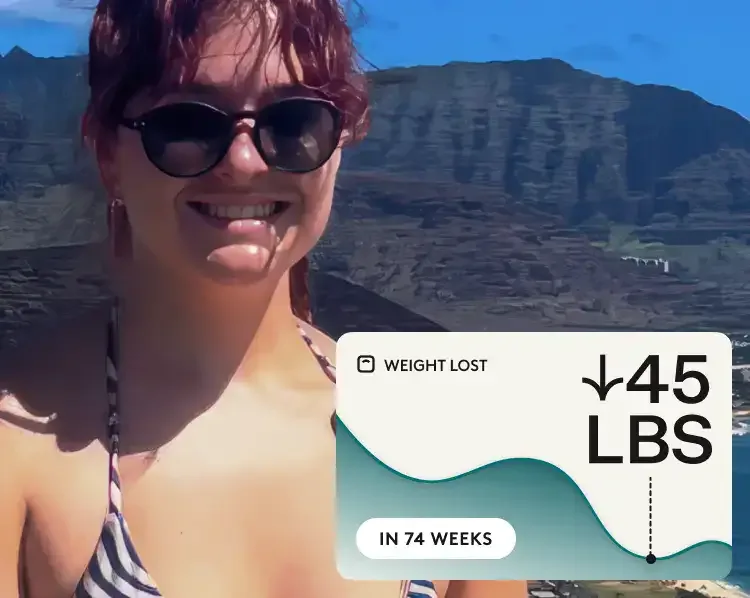
“Noom made the process so simple and now I feel full, free from diet obsession, and at ease in my body again.”
Madison S. – Real Noom user
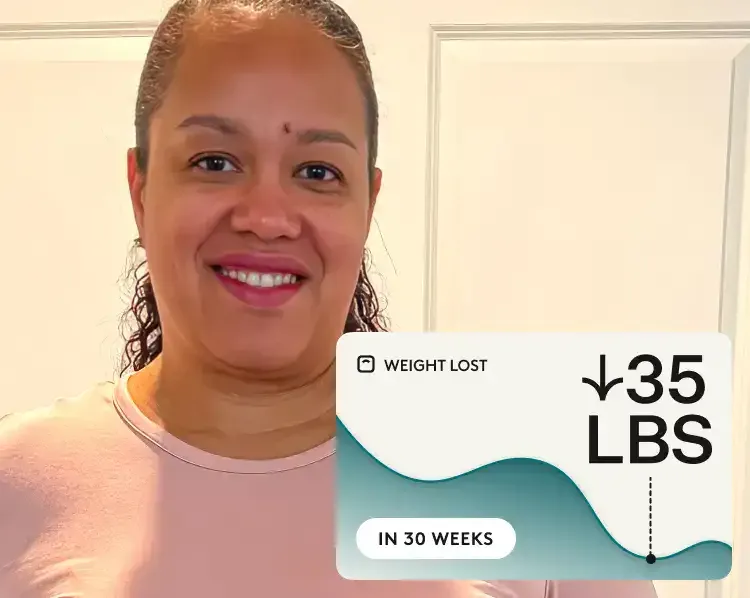
“My doctor recommended Noom after I was frustrated trying to lose weight. The lessons helped change my relationship with food. My body feels lighter & energized.”
Sonday K. – Real Noom user
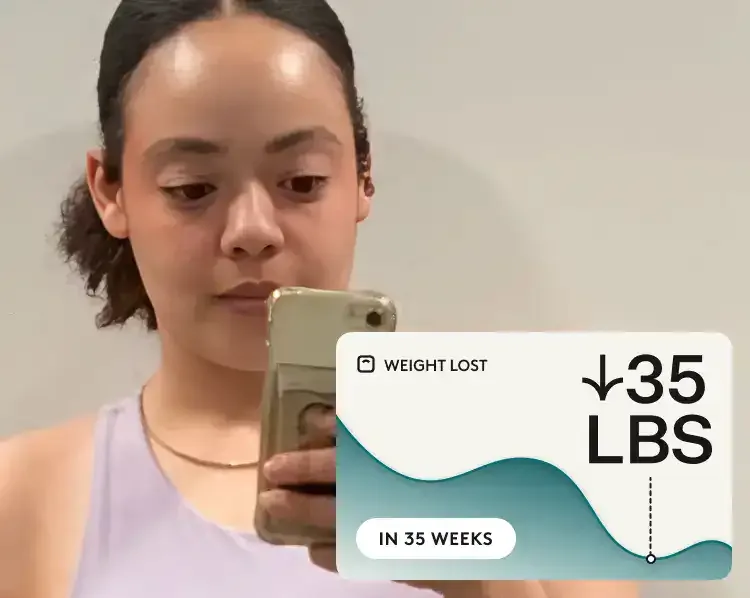
“I built healthy habits with coaching and lessons that make me confident I can maintain my weight loss long term.”
Cam K. – Real Noom user
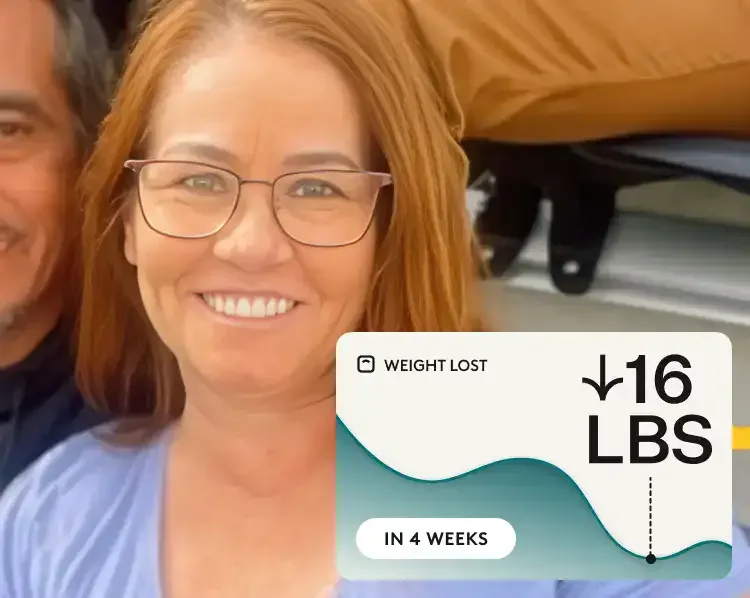
“With the right medication through Noom, hunger and sugar cravings finally quieted and I have the tools to break the cycle.”
Laura TR. – Real Noom user
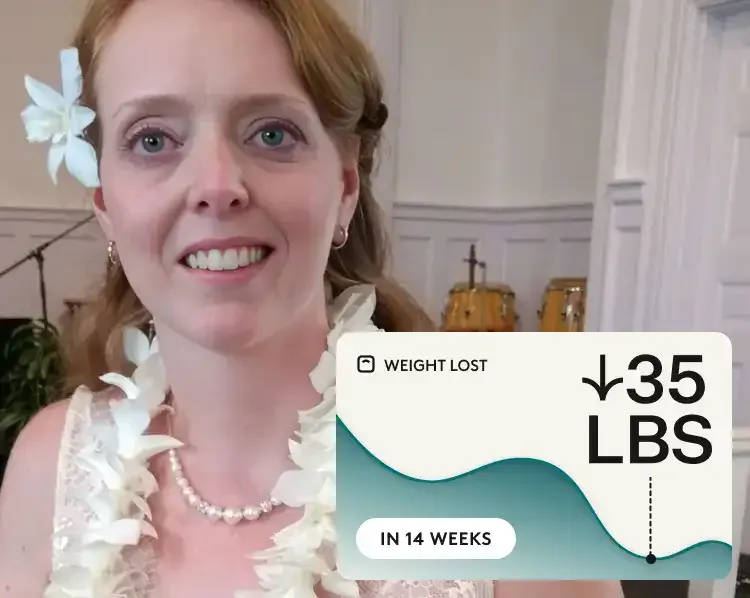
“Cravings and food noise are gone, I finally feel confident in the healthy habits I’ve built to last with Noom.”
Jessica S. – Real Noom user
The bottom line: Prioritize protein and strength training to prevent muscle loss on a GLP-1
Losing some lean body mass during weight loss is normal, whether you’re taking a GLP-1 medication, following a reduced-calorie diet, or increasing your physical activity. Losing a lot of muscle isn’t inevitable.
Current research suggests the best way to preserve muscle is to:
- Prioritize protein at every meal
- Strength train at least two or three times per week
- Stay physically active between workouts
- Get enough sleep and recovery
- Avoid overly restrictive diets that make it difficult to meet your nutritional needs
- Work with your healthcare team to develop a personalized plan
“Losing some lean body mass during weight loss is normal,” says Dr. Masoodi. “But losing a significant amount of muscle isn’t inevitable. Prioritizing protein, strength training regularly, staying active, and getting enough rest can help your body hold onto the muscle that supports strength, mobility, and long-term health.”
If you’re taking a GLP-1 medication, download Noom to get access to our GLP-1 Companion for protein targets, exercises, and other tips for building muscle while losing weight. For people using Noom Med, that support also includes evidence-based nutrition guidance, behavior change coaching, and exercise recommendations that make these habits easier to build— and easier to maintain.
Editorial standards
At Noom, we’re committed to providing health information that’s grounded in reliable science and expert review. Our content is created with the support of qualified professionals and based on well-established research from trusted medical and scientific organizations. Learn more about the experts behind our content on our Health Expert Team page.