
What you’ll learn:
- Nausea is a common Zepbound® side effect, especially when you first start treatment or increase your dose, and it often improves as your body adjusts.
- Eating smaller portions, limiting rich or greasy foods, eating slowly, and staying hydrated can help make nausea easier to manage.
- If nausea is persistent, severe, or makes it difficult to eat or stay hydrated, contact your healthcare provider to discuss what to do next.
For many people starting a GLP-1 like Zepbound® can come with some important questions and some of the biggest are around side effects. Will it make you feel sick? What can I do if it does? Does it get better?
Here’s the thing, it’s very common to experience a variety of GI issues when starting Zepbound®. Feeling nauseated after starting Zepbound® is one of the medication’s most commonly reported side effects—affecting roughly a quarter to a third of people in clinical trials.
Nausea itself is the queasy, unsettled feeling in your stomach that often shows up before vomiting, even if vomiting never happens. It’s your body’s signal that something in digestion has changed, rather than a condition on its own.
Why does it happen with Zepbound®? While the exact reason is likely tied to your own biology, the biggest reason is likely that tirzepatide, the active ingredient in Zepbound®, slows digestion and changes the signals between your gut and brain that affect hunger and fullness. Those same effects that help you eat less and lose weight can also leave your stomach feeling a little unsettled.
Here’s a closer look at how common nausea is with Zepbound®, why it happens, how long it may last, and a few things that can help make it easier to manage.
Why can Zepbound® cause nausea?
Zepbound® causes nausea for two main reasons. First, its active ingredient, tirzepatide, slows down digestion, so food sits in your stomach longer than you’re used to. Second, tirzepatide also reaches parts of your brain that trigger the feeling of nausea — the same brain regions that tell you when you’re full or when something’s not sitting right, even before your stomach itself is involved.
Both effects come from tirzepatide activating GIP and GLP-1 receptors, the same receptors that help control appetite and blood sugar. Here’s a closer look at each:
Zepbound® slows down digestion
One of tirzepatide’s effects is that it slows how quickly food moves out of the stomach and into the small intestine. That process can help you feel full sooner and stay full longer. But it also means eating the same large or heavy meal you were used to before Zepbound® may suddenly feel uncomfortable. You might notice a queasy or unsettled stomach, bloating, and indigestion.
This slowing effect tends to be strongest early in treatment and can ease over time as the body adjusts, though how much it eases varies from person to person.
Zepbound® also affects nausea signals in the brain
Zepbound® doesn’t work only in your stomach. GLP-1 and GIP receptors are also found in parts of the brain involved in appetite, fullness, and nausea. They are also found in a region called the area postrema, sometimes nicknamed the brain’s “vomiting center,” because of its role in triggering nausea.
Activating receptors there can produce the sensation of queasiness, separate from anything happening in your digestive tract, which is one reason a meal might suddenly feel “too much” even when it’s a portion you used to eat comfortably.
Worth noting: this part of the explanation rests on thinner evidence than the digestion piece. A review of tirzepatide’s mechanisms points out that most of what’s known about these brain circuits and nausea comes from animal studies, and it’s not yet fully confirmed how directly they explain what people experience. It’s the leading explanation for nausea that shows up independent of the stomach, but it’s a newer, less settled area of research than the gastric-emptying mechanism above. Once your body has had time to adjust, these signals often feel less pronounced.
What does Zepbound® nausea feel like?
Nausea can be surprisingly hard to describe. It doesn’t feel exactly the same for everyone, and it doesn’t always mean you feel like you’re seconds away from throwing up. It’s generally an uncomfortable, unsettled feeling in your stomach that can range from barely noticeable to strong enough to make you want to stop eating and sit still for a while.
With Zepbound®, nausea might feel like:
- A queasy or unsettled stomach
- A slightly sick or “off” feeling in your stomach
- The sensation that you could throw up, even if you never do
- An uncomfortable feeling that makes eating or thinking about food less appealing
You might also experience other digestive effects alongside nausea, such as feeling very full, bloating, or stomach discomfort. Those aren’t the same thing as nausea, but together they can contribute to that overall “my stomach doesn’t feel great” feeling.
Access GLP-1 Weight Loss with Noom
Explore a wide range of prescription medications supported by Noom’s program.Microdose GLP-1rx
Noom GLP-1rx
Noom GLP-1rx Plus
Wegovy®
Ozempic®
Metformin
Zepbound®
Mounjaro®
Liraglutide
Clinical trials don’t tell us much about these individual sensations. They record whether someone experienced nausea, how severe it was, and when it started and stopped, rather than asking people to describe exactly what it felt like. That means there isn’t Zepbound® trial data showing that one particular type of queasiness is more typical than another.
Nausea is also tracked separately from vomiting, and experiencing one doesn’t mean you’ll experience the other. In Zepbound® trials, vomiting was reported less often than nausea.
What may be more useful is getting to know your own pattern. Pay attention to when nausea shows up, what you ate beforehand, and whether anything seems to make it better or worse. Those details can help you figure out what works for you—and give your healthcare provider more useful information if nausea becomes difficult to manage.
When does nausea with Zepbound® usually start?
Everyone who starts Zepbound® begins at the lowest dose, and your provider increases it gradually, staying at each dose for at least four weeks before moving higher. That timing is designed to give your body time to adjust to the medication and reduce side effects like nausea, making it easier to stick with treatment.
While side effects are most common when first starting and when the dose increases, most people who will experience nausea with Zepbound® will do so in the first four weeks of treatment. An analysis of tirzepatide trials tracked when nausea, vomiting, or diarrhea first showed up. New cases were most common in the first four weeks, at the lowest starting dose.
After that, each later dose increase was far less likely to trigger these symptoms for the first time — even though the dose kept going up.
That said, your prescriber will keep you at a lower dose if it’s working well and you’re managing the side effects.
How long does Zepbound® nausea last?
There isn’t one exact timeline, and no trial has pinned down an average number of days per episode. What the research does show is a clear pattern: nausea is temporary rather than constant, and it clusters around the start of treatment and each dose increase rather than persisting steadily throughout.
An analysis across multiple tirzepatide trials found gastrointestinal side effects were mostly mild to moderate and eased as people stayed on a given dose.
In practice, that usually means you may notice nausea for a few days after an injection or during the first couple of weeks at a new dose, then find it settles down before your next increase. Exactly how long any individual episode lasts varies quite a bit from person to person.
That said, if nausea isn’t improving after several weeks at the same dose, or it’s making it difficult to eat or drink enough, talk with your prescriber.
Will nausea increase after every Zebound dose increase?
Not necessarily, and even when it does return, it’s usually not a big jump.
Zepbound® starts at 2.5 mg and is gradually increased in 2.5 mg steps. This slow schedule is intentional — it gives your body time to get used to the medication before moving to a stronger dose. Each increase is another adjustment, so nausea can come back temporarily even if you felt completely fine on your previous dose. But that doesn’t happen to everyone: most new cases of nausea appear early in treatment, at the lowest starting dose, and become less common at each later increase — even though the dose keeps going up.
The trial numbers back this up. Nausea rises somewhat between 5 mg and 10 mg but doesn’t keep climbing from there — it levels off rather than getting progressively worse at every step, and can even dip a bit at the maximum dose:
| Symptom | 5 mg | 10 mg | 15 mg |
|---|---|---|---|
| Nausea | 25% | 29% | 28% |
| Diarrhea | 19% | 21% | 23% |
| Vomiting | 8% | 11% | 12% |
| Constipation | 17% | 17% | 12% |
So a dose increase can bring nausea back, but it’s not a given, and if it does happen, the data doesn’t suggest it get a lot worse.

The Easy Way
to lose weight and get healthy.
See if you qualify
Does Zepbound® cause less nausea than Wegovy®?
Not clearly less — the two medications appear to cause nausea at similar rates, though tirzepatide (Zepbound®) may be somewhat easier to stick with overall.
In the first trial to compare the two medications directly, adults with obesity were randomly assigned to the maximum tolerated dose of either Zepbound® or Wegovy® for 72 weeks. Both caused GI side effects at similar rates, 43.6% of participants taking Zepbound (tirzepatide) and 44.4% of participants taking Wegovy (semaglutide) experienced nausea. Interestingly, people were less likely to stop treatment altogether over GI side effects on Zepbound® (2.7%) than on Wegovy® (5.6%).
A separate head-to-head comparison in people with type 2 diabetes found nausea rates were nearly identical: 17 to 22% on tirzepatide versus 18% on semaglutide (thought this was at a lower dose than seen with Wegovy®).
Some lab research has explored whether Zepbound®’s second receptor (GIP) could work against nausea, partially offsetting the GLP-1 side, but that idea comes from animal studies rather than human trials, and it isn’t borne out in the numbers above.
In practice, nausea rates are close enough between the two that individual response likely matters more than which drug you’re on — worth raising with your prescriber if it becomes a deciding factor.
How to manage nausea while taking Zepbound®
Since Zepbound® slows digestion, giving your stomach less to handle at once is one of the simplest ways to ease nausea. A few eating and timing adjustments are often enough to help. Here’s what can work:
- Eat smaller meals. Four or five small meals may sit better than three large ones.
- Go easy on high-fat foods. Fried, creamy, or rich foods take longer to digest and can make nausea worse. Lighter meals may feel better until your stomach settles.
- Try simple foods when queasy. Try bland options like toast, crackers, and rice, then easing back into balanced meals as you feel better.
- Read more: what to eat on Zepbound®.
- Sip fluids instead of gulping. Small sips throughout the day help you stay hydrated without upsetting your stomach further. Ask your provider about electrolyte drinks if vomiting or diarrhea is also an issue.
- Give yourself time after meals. Sit upright for a bit rather than lying down, and try a short walk instead of staying still.
- Notice your own pattern around injection day. There’s no trial evidence confirming nausea reliably worsens on a specific day, though the medication’s blood levels can keep rising for a couple of days after injection. If you personally notice a rougher day or two afterward, picking an injection day with more flexibility in your schedule can help.
What to do if nausea doesn’t get better
If nausea is a problem at your current dose, tell your prescriber before moving higher — they may decide it makes sense to stay at the same dose longer, and not everyone needs the higher doses to see results. The right dose is the one that balances effectiveness with side effects you can reasonably tolerate.
Read more: Zepbound® dosage guide
What to avoid when managing Zepbound® nausea
What you don’t do can matter just as much as what you do when nausea hits. A few habits can make an unsettled stomach harder to manage, while certain symptoms are a sign that it’s time to check in with a clinician.
- Consistently eating too little. Zepbound® is designed to reduce appetite, but if nausea is making it difficult to get enough nutrition, that’s something to address. Your body still needs protein, vitamins, minerals, and other nutrients while you’re losing weight. Prioritizing protein and nutrient-dense foods can help support muscle and overall health, even if smaller meals feel more manageable.
- Skipping fluids because your stomach feels unsettled. Small, frequent sips may be easier to tolerate than drinking a lot at once. Staying hydrated is especially important because nausea, vomiting, and diarrhea can lead to dehydration, which may contribute to kidney problems.
- Increasing your dose without mentioning ongoing nausea. Zepbound® doses are increased gradually, and tolerability is one factor your prescriber considers when determining your dose. If nausea is still bothering you when it’s time for your next increase, let your provider know rather than trying to push through it. They can decide whether your dosing plan needs to be adjusted.
When should you talk to your provider about Zepbound® nausea?
Mild nausea that comes and goes is common. But you shouldn’t feel like you have to push through nausea that’s disrupting your life simply. Talk to your provider if nausea is persistent, getting worse, or making it difficult to eat or drink enough.
Seek medical attention promptly if you develop:
- Vomiting that won’t stop or makes it difficult to keep fluids down
- Signs of dehydration, such as dizziness, very dark urine, or urinating much less than usual
- Severe or persistent abdominal pain, particularly if it spreads to your back
- Severe pain in the upper abdomen, especially with fever, yellowing of the skin or eyes, or pale stools
These symptoms can sometimes signal complications beyond routine nausea. Zepbound® carries warnings for serious gastrointestinal problems, dehydration that can lead to kidney problems, and pancreatitis.
Read more: Zepbound® side effects: Symptom guide & management tips
FAQs about nausea on Zepbound®
When are Zepbound® side effects the worst?
Digestive side effects like nausea tend to be most noticeable when you first start Zepbound® and after dose increases. They often become less intense as your body adjusts to the medication and you spend more time at the same dose.
How long after a Zepbound® injection can nausea start?
There isn’t one predictable timeline for when nausea will start after an injection. Rather than occurring at a specific number of hours after each dose, nausea tends to be more common during the adjustment periods after starting Zepbound® or increasing your dose.
Is it normal to feel nauseous while taking Zepbound®?
Yes. Nausea is one of the medication’s most common side effects. In clinical trials, about 25% to 29% of people taking Zepbound® reported nausea—roughly 1 in 4 to 1 in 3 people. Most reports of nausea, vomiting, and diarrhea happened while doses were being increased and decreased over time.
What’s the best time to take Zepbound® to avoid nausea?
There isn’t evidence that morning versus evening—or one particular day of the week—prevents nausea. If you tend to feel queasy around your injection day, you may prefer a time when your schedule gives you more flexibility to eat smaller meals and take it easy if needed.
Does nausea mean Zepbound® is working?
Not necessarily. Nausea is a side effect, not a sign that the medication is working better. You can lose weight on Zepbound® without feeling nauseous, and having more nausea doesn’t mean you’ll lose more weight. Ideally, side effects should be manageable while you’re getting the intended benefits of treatment.
Reviews from real Noom users
Desirea N. — Real Noom user
“My favorite parts of Noom are the care team and other Noomers. Sharing and getting help made me feel like I wasn’t doing it alone. That support made all the difference.”
Desirea N. — Real Noom user
Matthew M. — Real Noom user
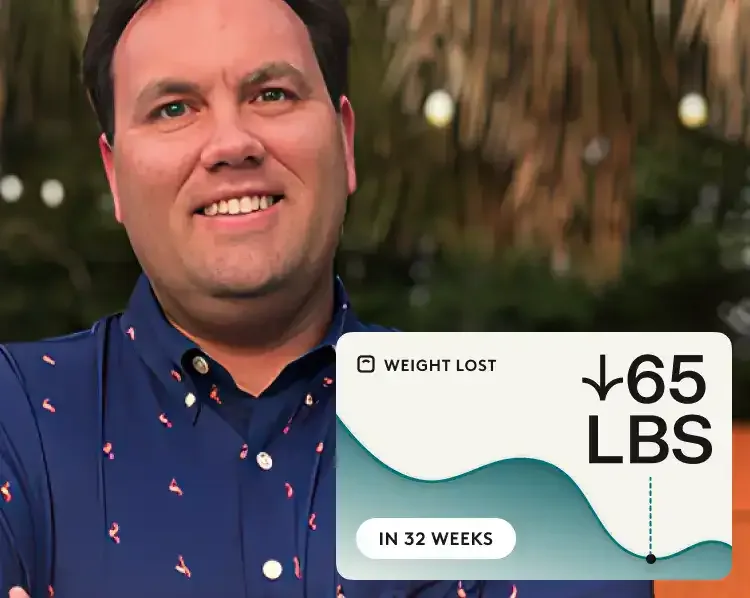
“Noom has taught me that every day is a new chance to make better, healthier choices. It's taught me how to stop overeating.’’
Matthew M. — Real Noom user
Lila M. — Real Noom user
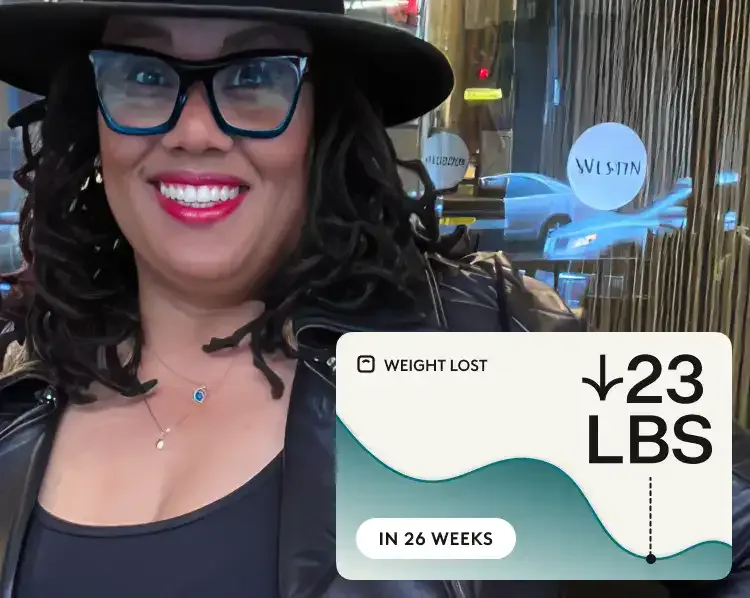
“Clinicians who understand how supportive medication can be is one of the best parts of Noom! I was convinced I wouldn’t have success but I’m down 11 pounds in two months.’’
Lila M. — Real Noom user
Steve M. — Real Noom user
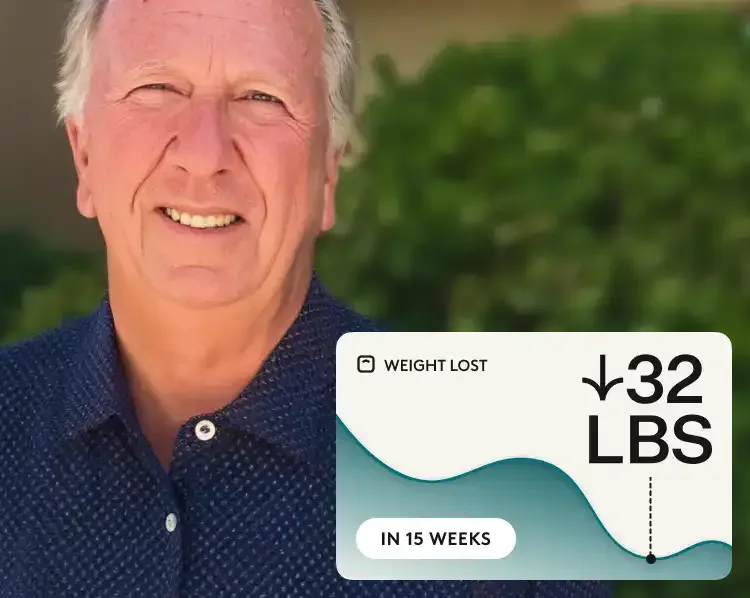
“Noom provided me with the medication which I could not get through Medicare. I have learned the tricks to better eating and life in general.”
Steve M. – Real Noom user
Daisy R. — Real Noom user
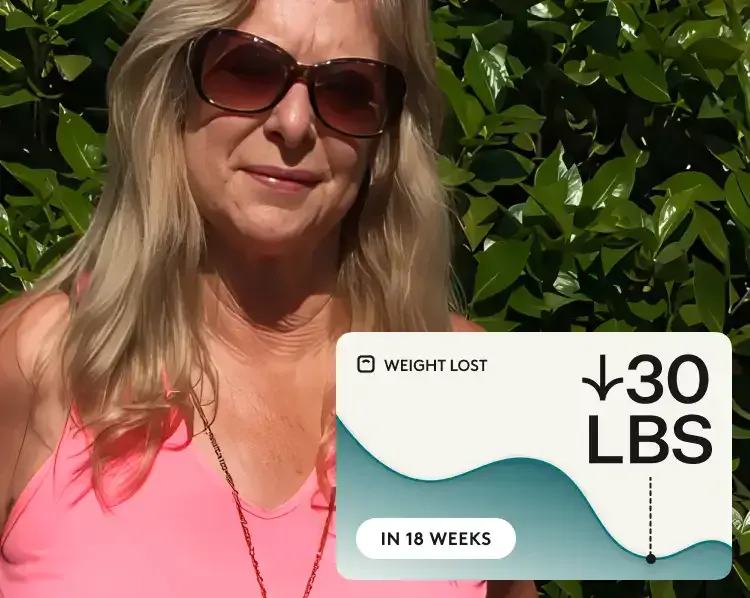
‘’Noom has changed my life and I’m so thankful, I feel great, have more energy and am no longer prediabetic.”
Daisy R. – Real Noom user
Sarah R. — Real Noom user
“All of the Noom providers that I’ve met with have been exceptional and prescribed medications that are appropriate for my situation and health.”
Sarah R. – Real Noom user
Madison S. — Real Noom user
“Noom made the process so simple and now I feel full, free from diet obsession, and at ease in my body again.”
Madison S. – Real Noom user
Sonday K. — Real Noom user
“My doctor recommended Noom after I was frustrated trying to lose weight. The lessons helped change my relationship with food. My body feels lighter & energized.”
Sonday K. – Real Noom user
Cam K. — Real Noom user
“I built healthy habits with coaching and lessons that make me confident I can maintain my weight loss long term.”
Cam K. – Real Noom user
Laura TR. — Real Noom user
“With the right medication through Noom, hunger and sugar cravings finally quieted and I have the tools to break the cycle.”
Laura TR. – Real Noom user
Jessica S. — Real Noom user
“Cravings and food noise are gone, I finally feel confident in the healthy habits I’ve built to last with Noom.”
Jessica S. – Real Noom user
The bottom line: Zepbound® nausea is common and often gets better
Nausea is one of the most common side effects of Zepbound®, and it’s most likely to show up when you first start treatment or after you move to a higher dose. That makes sense given how the medication works: Zepbound® slows digestion and affects the gut-brain signals involved in appetite and fullness, which can leave your stomach feeling unsettled while your body adjusts.
For many people, nausea is mild, comes and goes, and improves with time. How and what you eat can also make a difference. Smaller portions, eating slowly, going lighter on rich or greasy foods, and staying hydrated can help make nausea more manageable.
It’s also worth paying attention to what your symptoms are telling you. If nausea is persistent, severe, or making it difficult to eat, drink, or go about your day, talk with your healthcare provider. Your next dose increase may need to wait, and your provider can help determine whether adjusting your treatment or trying another strategy makes sense.
The goal isn’t to simply power through nausea to get to a higher dose. It’s to find a treatment plan that helps you make progress and feels manageable enough to stick with.
If you’re considering Zepbound® and want support managing side effects along the way, see if you qualify for Noom Med. If eligible, a clinician can help determine whether Zepbound® or another medication is appropriate for you, while Noom provides nutrition guidance, side-effect tracking, and support as you work toward your goals.
Editorial standards
At Noom, we’re committed to providing health information that’s grounded in reliable science and expert review. Our content is created with the support of qualified professionals and based on well-established research from trusted medical and scientific organizations. Learn more about the experts behind our content on our Health Expert Team page.