

What you’ll learn:
- GLP-1 and GIP are both gut hormones involved in blood sugar and appetite, but they act through different pathways that may have complementary effects on weight.
- Tirzepatide, which targets both GLP-1 and GIP, produced greater average weight loss than semaglutide in a head-to-head trial, but researchers can’t say GIP alone caused the difference.
- Newer drugs like retatrutide add a third target, glucagon, but more receptors don’t automatically mean a medication will work better for every person.
You may have heard of GLP-1 medications, like Wegovy®, and GLP-1/GIP medications, like Zepbound®, but not quite understand what those terms mean or why the difference matters. These two hormones can be confusing to keep straight, so let’s break down what each one does and how they connect to blood sugar regulation and weight loss.
Very basically, GLP-1 and GIP are hormones your body releases after eating. Both help regulate blood sugar and appetite—though they work in different ways, and that difference might matter a lot for weight loss.
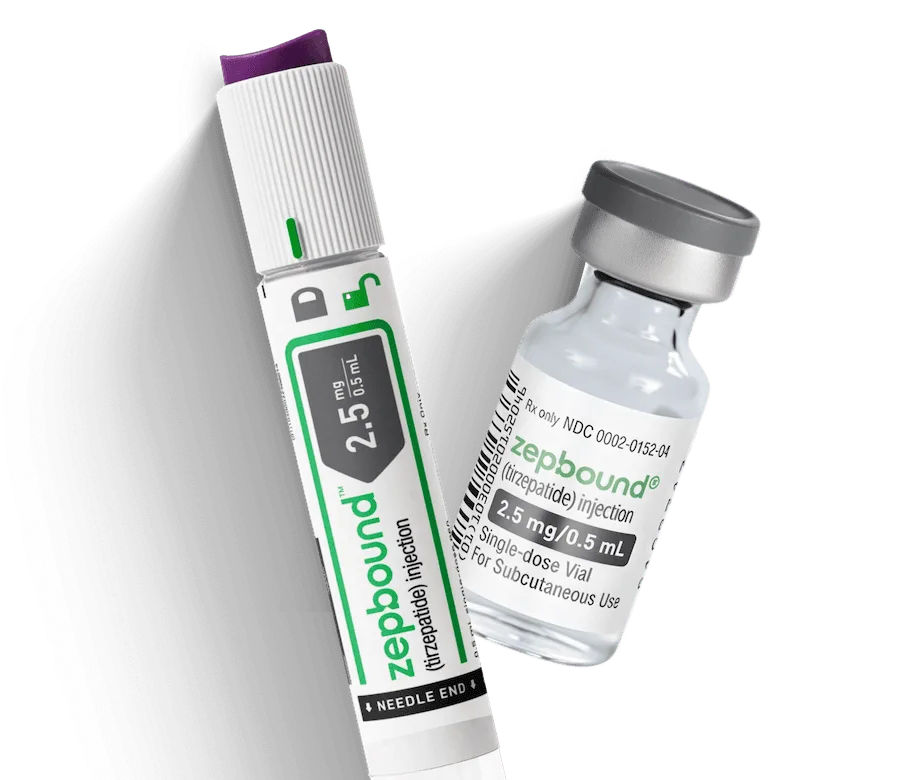
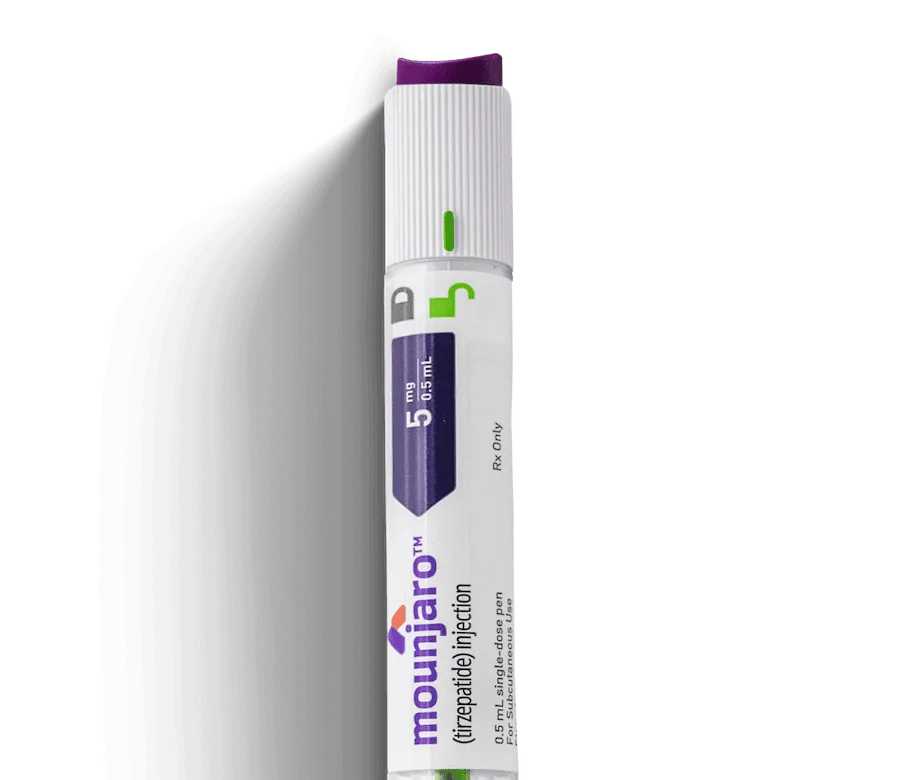
Semaglutide, the active ingredient in Wegovy® (and Ozempic®), targets GLP-1 alone, which makes it a single agonist. Tirzepatide, the active ingredient in Zepbound® (and Mounjaro®), targets both GLP-1 and GIP, making it a dual agonist.
Does that make one better than the other for weight loss? It might. In a direct head-to-head trial, tirzepatide produced greater average weight loss than semaglutide. While no studies have confirmed that GIP is the reason, it might be. So what does GIP actually do that GLP-1 doesn’t, and why might combining the two matter?
This article breaks down what GLP-1 and GIP do, how semaglutide and tirzepatide use those pathways, what the head-to-head weight-loss data show, and why researchers are now testing medications that target a third hormone receptor.
GLP-1 vs. GIP: What’s the difference?
GLP-1 and GIP are both incretins, which are hormones released by your gut that help your body respond to food. They share some jobs, like triggering insulin, but they’re made in different parts of the intestine and affect your body in different ways beyond blood sugar. Here’s what each one actually does.
What is GLP-1?
GLP-1 (glucagon-like peptide-1) is a hormone made by special cells in your intestine. It’s present at low levels all the time, but eating causes a surge. That surge prompts your pancreas to release insulin, dials back glucagon (the hormone that raises blood sugar), and slows how quickly food leaves the stomach so you feel full longer. GLP-1 also signals fullness directly to your brain, which is part of why it can lower appetite.
Semaglutide—the active ingredient in Ozempic® and Wegovy®—works by activating GLP-1 receptors far longer than your body’s natural GLP-1 does after a meal.
What is GIP?
GIP (glucose-dependent insulinotropic polypeptide) is a hormone made by K-cells in your upper small intestine. Like GLP-1, it’s present at low levels between meals and surges after eating, and it also triggers insulin release. But its reach goes further—to receptors in fat tissue, bone, and the brain. A study in mice found that GIP signaling in the brain plays a real role in regulating food intake and body weight.
GIP’s exact role in weight loss is still being worked out. A review notes that its mechanisms are less clearly understood than GLP-1’s—and, oddly, studies have found weight-related effects from both activating and blocking GIP receptors. GIP isn’t just “a second GLP-1.” It has its own biology, and researchers are still mapping it.
GLP-1 vs. GIP: Activating different pathways
GLP-1 already has a strong effect on appetite, fullness, and blood sugar. Adding GIP appears to bring in another set of signals that may complement GLP-1 rather than simply doing more of the same thing.
Here’s what the research shows:
GLP-1 helps reduce hunger and increase feelings of fullness
GLP-1 acts on areas of the brain involved in hunger, fullness, motivation, and food intake. It also slows digestion and helps regulate blood sugar. Together, those effects can make it easier to feel satisfied with less food.
GIP may influence appetite through different pathways
GIP also acts in parts of the brain involved in eating and energy balance, but not in exactly the same places or in exactly the same way as GLP-1. Researchers think activating both receptors may affect a broader range of appetite and metabolic signals than targeting GLP-1 alone.
That may help explain why medications that activate both GLP-1 and GIP can produce greater weight loss, although researchers are still figuring out exactly how much GIP contributes and why.
Access GLP-1 Weight Loss with Noom
Explore a wide range of prescription medications supported by Noom’s program.Microdose GLP-1rx
Noom GLP-1rx
Noom GLP-1rx Plus
Wegovy®
Ozempic®
Metformin
Zepbound®
Mounjaro®
Liraglutide
GIP also has effects outside the brain
GIP has effects beyond the brain, including in fat tissue and in the way the body responds to nutrients after a meal. But it’s not as simple as saying GIP “burns fat.” Its role in body weight and metabolism is complicated, and scientists are still working out which effects matter most in humans.
The main takeaway: GLP-1 and GIP seem to work through overlapping but distinct pathways, which may be why targeting both can have a bigger effect than targeting GLP-1 alone.
GLP-1 vs. GIP: Does targeting both lead to more weight loss?
It might, but we can’t say that GIP is necessarily the reason. Tirzepatide, which targets both GIP and GLP-1, has produced greater average weight loss than semaglutide in a head-to-head trial. But that comparison tells us which medication worked better—not which receptor was responsible for the difference. And there’s an important caveat when comparing it with newer, higher-dose semaglutide.
Tirzepatide vs. semaglutide: What did the head-to-head trial find?
In a study that directly compared the two medications (in people with obesity who did not have type 2 diabetes), participants took the highest dose they could tolerate: tirzepatide 10 or 15 mg, or semaglutide 1.7 or 2.4 mg, for 72 weeks.
By the end of the trial, people taking tirzepatide lost an average of about 20% of their body weight, compared with about 14% with semaglutide.
That tells us tirzepatide produced more weight loss in this trial, but it doesn’t prove that targeting GIP was the reason. Weight loss is influenced by many factors, including how much people eat, physical activity, side effects, and how consistently they take the medication. Because tirzepatide and semaglutide are different medications—not the same drug with GIP simply added—we can’t isolate GIP’s contribution in a trial like this.
Where does Wegovy® 7.2 mg fit?
This is where the comparison gets less straightforward. That study only tested semaglutide doses up to 2.4 mg, not the newer Wegovy® 7.2 mg dose.
In the separate trial, people taking semaglutide 7.2 mg lost an average of about 19% of their body weight after 72 weeks, compared with about 16% with 2.4 mg.
That puts higher-dose semaglutide closer to the weight-loss results seen with tirzepatide. But because the medications weren’t tested against each other in the same trial, we still can’t say whether Wegovy® 7.2 mg or tirzepatide leads to greater weight loss head-to-head.
Read more: Wegovy® HD: What the new 7.2 mg dose means for weight loss
Does that mean GLP-1 + GIP is always better than GLP-1 alone?
Not necessarily. Tirzepatide led to greater average weight loss than semaglutide in the head-to-head trial, but that doesn’t mean everyone will lose more weight with tirzepatide—or that GIP alone explains the difference.
The two medications differ in more than receptor activity, so researchers can’t isolate exactly how much of tirzepatide’s added weight loss comes from targeting GIP. A review of GIP and GLP-1 biology suggests the dual-receptor effect is one possible explanation, but the exact contribution of each pathway is still being studied.
What works best also varies from person to person based on treatment response, side effects, medical history, access, and the dose you can tolerate.
What about retatrutide? Will activating a third hormone make it better for weight loss
We just don’t know yet. Retatrutide is an investigational medication designed to target three pathways: GLP-1, GIP, and glucagon. The added glucagon activity may affect energy expenditure and how the body uses stored fuel, but researchers are still figuring out how much that third pathway contributes to weight loss.
In a Phase 3 trial, people assigned to the 12-mg dose lost about 25% of their body weight on average after 80 weeks, including everyone who entered the trial, even if they stopped treatment early. That’s more than the average losses seen in major semaglutide and tirzepatide trials, but these weren’t head-to-head comparisons. The studies involved different people, doses, and conditions, so we can’t say that adding glucagon is the reason for the difference—or that retatrutide is definitively more effective than tirzepatide.
New from Noom
Microdose GLP-1Rx Plus
An affordable way to start your GLP-1 journey with Compounded Tirzepatide.

*Initial 3 week subscription and 4 weeks of medication from $79 plus tax and $199 per month plus tax for 12 week subscription thereafter. Final pricing depends on program selection. Noom GLP-1Rx Plus Microdose Program involves medication (when appropriate), healthy diet, exercise and support. Individual results vary. Meds & personalization based on need as determined by a third-party clinician. Medications are not reviewed by FDA for safety, efficacy, or quality. No affiliation with Eli Lilly and Company, the only US source of FDA-approved tirzepatide. Not available in all 50 US states.
Retatrutide is also not yet FDA-approved for weight loss, so for now its results show what a triple-receptor approach may be capable of, not whether targeting three pathways is necessarily better than targeting one or two.
Learn more: Retatrutide side effects and safety: What early research shows so far
GLP-1 vs. GIP: How semaglutide, tirzepatide, and retatrutide compare for weight loss
The biggest difference between semaglutide, tirzepatide, and retatrutide is the number of hormone receptors they target. Semaglutide targets GLP-1, tirzepatide adds GIP, and retatrutide adds a third target, glucagon. Looking at major obesity trials side by side gives a sense of how much weight loss has been seen with each approach—but it doesn’t prove that adding more hormone targets is what caused the difference.
| Factor | Semaglutide | Tirzepatide | Retatrutide |
| Receptors targeted | GLP-1 | GLP-1 + GIP | GLP-1 + GIP + glucagon |
| Type | Single-receptor agonist | Dual agonist | Triple agonist |
| Dose | 7.2 mg | 15 mg | 12 mg |
| Average weight loss | 18.7% | 20.9% | 25% |
| Time | 72 weeks | 72 weeks | 80 weeks |
These percentages aren’t head-to-head comparisons. They come from separate trials with different participants, study lengths, and treatment conditions. Tirzepatide has been directly compared with semaglutide, but not at semaglutide’s 7.2-mg dose. Retatrutide has not yet been directly compared with either medication in a completed head-to-head trial. So these numbers show what happened in each study—not that targeting two or three receptors necessarily causes more weight loss than targeting GLP-1 alone.
Retatrutide is still investigational and isn’t FDA-approved. Lilly does have an expanded-access program for certain people with serious obesity-related complications who meet specific criteria and aren’t able to participate in a clinical trial.
Read more: Retatrutide early access
GLP-1 vs. GIP: FAQs
Is Ozempic a GLP-1 or GIP medication?
Ozempic® and Wegovy® contain semaglutide, which activates GLP-1 receptors. It doesn’t activate GIP receptors. Mounjaro® and Zepbound® contain tirzepatide, which activates both GIP and GLP-1 receptors.
Is tirzepatide a GLP-1 medication?
Yes, but that description doesn’t tell the whole story.
Tirzepatide activates GLP-1 receptors, so it is commonly discussed alongside GLP-1 medications. But unlike semaglutide, it also activates GIP receptors, which is why researchers more precisely describe it as a dual GIP/GLP-1 receptor agonist.
Is GLP-1/GIP better than GLP-1 alone?
Tirzepatide has led to greater average weight loss than semaglutide in trials but that doesn’t mean a dual agonist will be the best choice for every one.
What’s the difference between GLP-1 and GIP?
Both are hormones your intestines release after you eat, and both help your pancreas respond to rising blood sugar. GLP-1 has particularly well-established effects on appetite, slowed digestion, and blood sugar regulation. GIP also stimulates insulin and appears to affect appetite and metabolism, but it works through a different receptor and has distinct effects in tissues such as the brain and fat.
Does GIP affect weight on its own?
Experimental research on GIP signaling in the brain suggests GIP receptors can influence appetite and body weight. At the same time, reviews of GIP-based obesity therapies note that researchers are still debating exactly how GIP receptor stimulation contributes to weight loss.
Much of the strongest clinical evidence so far comes from medications that combine GIP with GLP-1, specifically tirzepatide.
Why would activating two hormones work better than activating one?
Scientists think GLP-1 and GIP may activate partly different biological pathways involved in appetite, insulin regulation, and weight loss overall. Activating both could produce complementary effects rather than simply more of the same signal.
Is tirzepatide a GLP-2?
“GLP-2” is the name of a naturally-occurring peptide related to the GI system. It isn’t the same as GLP-1, the peptide related to weight loss medications. Tirzepatide uses GLP-1 and GIP, so it dose activate two different hormone receptors. But, that isn’t the same as GLP-2, which is is used as a medicine to treat GI conditions.
Is retatrutide the same as “GLP-3”?
“GLP-3” is an informal nickname sometimes used for retatrutide because it acts on three hormone receptors. There is no GLP-3 hormone involved. Retatrutide activates GLP-1, GIP, and glucagon receptors, making “triple agonist” the more accurate description.
Is retatrutide available yet?
Retatrutide is still under clinical development, but some people may qualify for early access.
Retatrutide is still under clinical development and isn’t FDA-approved or available for routine prescribing. Some people with serious obesity-related complications may qualify for expanded access before approval. Phase 3 weight loss results are now available: In the TRIUMPH-1 trial, people assigned to 12 mg of retatrutide lost about 25% of their body weight on average after 80 weeks, including those who stopped treatment early. Full peer-reviewed results are still forthcoming, and retatrutide remains investigational.
Reviews from real Noom users
Desirea N. — Real Noom user
“My favorite parts of Noom are the care team and other Noomers. Sharing and getting help made me feel like I wasn’t doing it alone. That support made all the difference.”
Desirea N. — Real Noom user
Matthew M. — Real Noom user
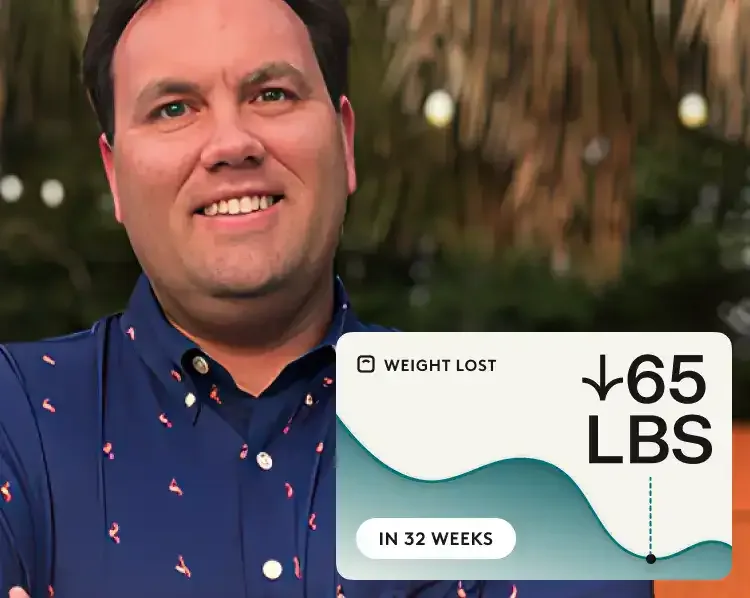
“Noom has taught me that every day is a new chance to make better, healthier choices. It's taught me how to stop overeating.’’
Matthew M. — Real Noom user
Lila M. — Real Noom user

“Clinicians who understand how supportive medication can be is one of the best parts of Noom! I was convinced I wouldn’t have success but I’m down 11 pounds in two months.’’
Lila M. — Real Noom user
Steve M. — Real Noom user
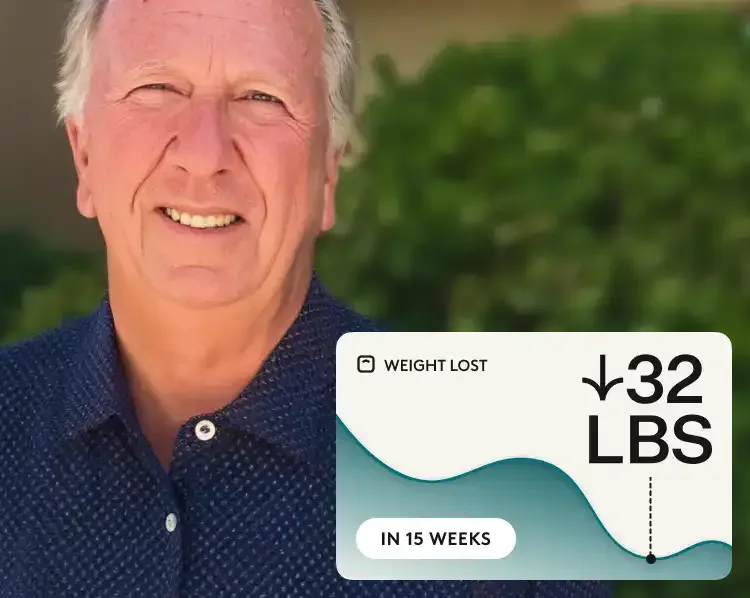
“Noom provided me with the medication which I could not get through Medicare. I have learned the tricks to better eating and life in general.”
Steve M. – Real Noom user
Daisy R. — Real Noom user
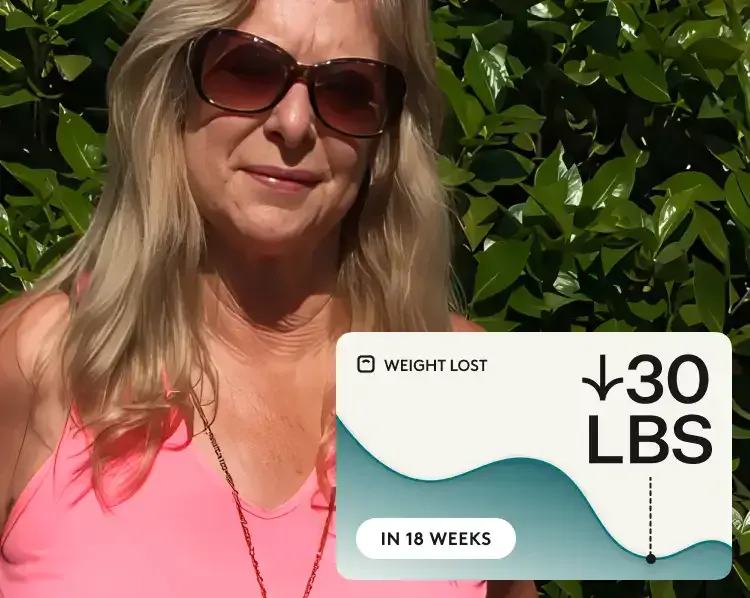
‘’Noom has changed my life and I’m so thankful, I feel great, have more energy and am no longer prediabetic.”
Daisy R. – Real Noom user
Sarah R. — Real Noom user
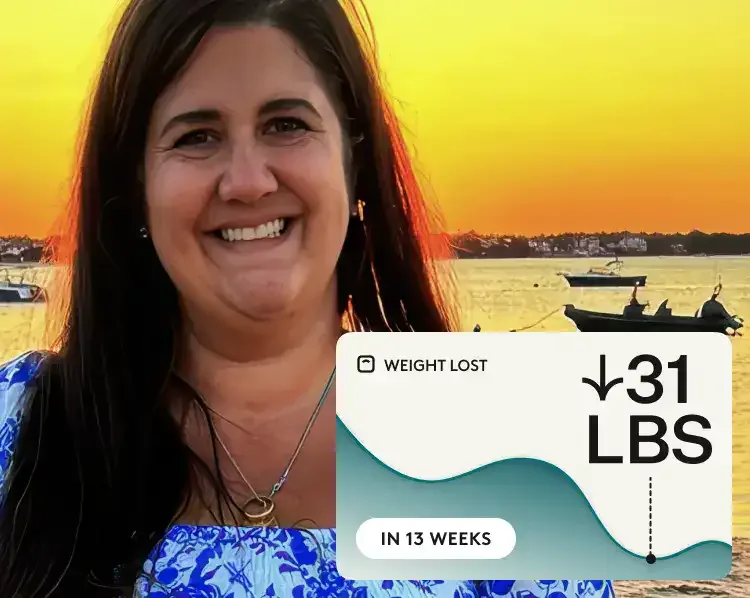
“All of the Noom providers that I’ve met with have been exceptional and prescribed medications that are appropriate for my situation and health.”
Sarah R. – Real Noom user
Madison S. — Real Noom user

“Noom made the process so simple and now I feel full, free from diet obsession, and at ease in my body again.”
Madison S. – Real Noom user
Sonday K. — Real Noom user
“My doctor recommended Noom after I was frustrated trying to lose weight. The lessons helped change my relationship with food. My body feels lighter & energized.”
Sonday K. – Real Noom user
Cam K. — Real Noom user
“I built healthy habits with coaching and lessons that make me confident I can maintain my weight loss long term.”
Cam K. – Real Noom user
Laura TR. — Real Noom user
“With the right medication through Noom, hunger and sugar cravings finally quieted and I have the tools to break the cycle.”
Laura TR. – Real Noom user
Jessica S. — Real Noom user
“Cravings and food noise are gone, I finally feel confident in the healthy habits I’ve built to last with Noom.”
Jessica S. – Real Noom user
The bottom line: GLP-1 and GIP work differently, but one isn’t always “better”
GLP-1 and GIP both help your body respond to food, but they don’t do exactly the same thing. GLP-1 has strong effects on appetite, fullness, digestion, and blood sugar, while GIP appears to add its own signals related to insulin, appetite, and metabolism.
That difference may help explain why tirzepatide, which targets both hormones, produced more average weight loss than semaglutide in a head-to-head trial. But the trial can’t tell us that GIP was the reason, because the two medications differ in more than receptor activity.
Retatrutide pushes the idea further by adding glucagon as a third target, and its Phase 3 weight-loss results have been impressive. Still, the same caution applies: more receptors may expand the ways a medication affects appetite and metabolism, but that doesn’t prove that each added pathway is responsible for the extra weight loss—or that a multi-receptor medication will be the best option for everyone.
What matters most is how well a medication works for you, how well you tolerate it, and whether it fits your health history and treatment goals.
If you’re exploring whether prescription weight-loss treatment could fit your goals, see if you qualify for Noom Med. If so, you’ll be connected with a clinician who can review your health history, help determine the right treatment approach for you, and prescribe it if needed.
Editorial standards
At Noom, we’re committed to providing health information that’s grounded in reliable science and expert review. Our content is created with the support of qualified professionals and based on well-established research from trusted medical and scientific organizations. Learn more about the experts behind our content on our Health Expert Team page.