
What you’ll learn:
- Weight loss on the Wegovy® pill builds gradually.
- Most causes of slow progress are manageable with provider support and habits, and short-term fluctuations are a normal part of the process.
- Pairing the pill with consistent eating, movement, sleep, and stress management can help you get the results you’re looking for.
If you’ve started the Wegovy® pill and the scale isn’t moving as fast as you hoped, it’s completely normal to feel discouraged. But slower progress doesn’t automatically mean something is wrong. In many cases, it simply means your body is still adjusting—or that you haven’t yet reached the dose where the medication has its greatest effect.
When you first start the Wegovy® pill, you begin at the lowest dose to minimize side effects. That gradual increase is intentional. It gives your body time to adapt before moving up to doses that are more strongly associated with weight loss. Unlike injectable GLP-1 medications, the Wegovy® pill also has specific instructions for when and how to take it so your body can absorb it properly. Taking it consistently and as directed is an important part of getting the results you’re expecting.
It’s also important to distinguish between a slow start and a true plateau later on. Early in treatment, weight loss can be modest. After you’ve been on a stable, higher dose for a while, a stall may mean something different.
And remember: progress with the Wegovy® pill rarely follows a perfectly straight line. You might lose a few pounds quickly, then see the scale hold steady for weeks before it starts moving again. Your dose, how your appetite changes, how consistently you’re taking the medication, your eating habits, your sleep, and your activity level can all influence what you see on the scale. If your progress feels slow, that’s often part of the process—not proof that the medication isn’t working.
What is the Wegovy® pill, and how does it support weight loss?
The Wegovy® pill is an oral tablet form of semaglutide—the same active ingredient in injectable Wegovy®—and the first oral GLP-1 medication that was approved for weight management. It’s taken once daily instead of once weekly by injection.
Noom’s Most Powerful Program
A dual-pathway GLP-1 and behavior change for lasting results.
The oral and injectable versions of semaglutide work about the same once they’re in your body, but the pill must have an absorption enhancer to get absorbed through your stomach. It’s formulated in a way that only lets your body absorb it properly under very specific conditions—which is why when and how you take it matters here more than it does with most medications.
The pill is designed to be taken first thing in the morning with no more than 4 ounces of water. Then you must wait 30 minutes before eating or drinking anything else
Learn more: What are GLP-1 pills, and how do they work? | What is the Wegovy® pill?
How much weight can I lose with the Wegovy® pill, and how long does it take?
Weight loss potential with the Wegovy® pill is a bit less than with the injection. People taking the 25 mg pill, which is the highest approved dose, lost an average of 14% of their starting weight over 64 weeks. People who stayed on treatment for the full study lost closer to 17%.
What this tells you is that weight loss takes time with the Wegovy® pill. The dose is increased in stages to help your body adjust with fewer side effects. The Wegovy® pill has four doses and you will spend a minimum of 30 days at each dose. Your provider will increase the dose as needed and tolerated. This means that if you lose weight too quickly you will stay at a lower dose, or if you have unmanageable side effects you will stay at a lower dose. Here is the typical path to the maximum 25 mg dose:
| Time on treatment | Daily dose |
|---|---|
| Days 1–30 | 1.5 mg |
| Days 31–60 | 4 mg |
| Days 61–90 | 9 mg |
| Day 91 onward | 25 mg |
During the first 30 days, you may not see much movement on the scale, as this dose is meant to get your body acclimated to the medication. Appetite changes and a reduction in food noise can show up before that, though.
As the dose increases, appetite suppression tends to get more consistent, and this is usually when people start noticing real changes in portion sizes and fullness. Your path will depend on your response and weight loss will also be contingent on your lifestyle changes.
What does “not losing weight” on the Wegovy® pill actually mean?
When people say they’re “not losing weight” on the Wegovy® pill, it usually means the scale isn’t changing as fast as they expected. While it’s true that studies show that people lose an average of about 14% of their body weight over 64 weeks, which means weight loss is gradual, an average of about 1% per month. But that doesn’t mean nothing is happening. Most people notice shifts in appetite and fullness before the scale shows any changes—clinicians see those as encouraging signs that the pill is working.
Here’s a look at how to understand it:
- Getting to the higher maintenance dose takes time: The dose is raised gradually over the first 12 weeks before reaching the full 25 mg maintenance dose. An analysis found early responders lost about 13% by 4 months and 22% by the end of the trial.
- These numbers are averages: Some people lose more, some less, some more slowly.
- They come from clinical settings: These numbers come from a structured trial with regular follow-ups and support; day-to-day life can be very different.
- Weight loss in general is rarely linear: Progress often comes in waves—down a few pounds, steady for weeks, then shifting again.
- It involves lifestyle changes, which differ for each person: The pill lowers appetite and changes fullness signals, but food, movement, sleep, and stress still matter. Timing matters too—it’s taken once daily on an empty stomach with a 30-minute wait before eating, and skipping that window can blunt absorption. Hormones and individual biology play a role as well.
How providers evaluate whether the Wegovy® pill is working
From a clinical standpoint, the Wegovy® pill is considered to be “working” when it produces steady change over time—not necessarily a fast drop on the scale. Your provider may look at:
Access GLP-1 Weight Loss with Noom
Explore a wide range of prescription medications supported by Noom’s program.
Microdose GLP-1rx
Noom GLP-1rx
Noom GLP-1rx Plus
Wegovy®
Ozempic®

Metformin

Zepbound®
Mounjaro®
Liraglutide
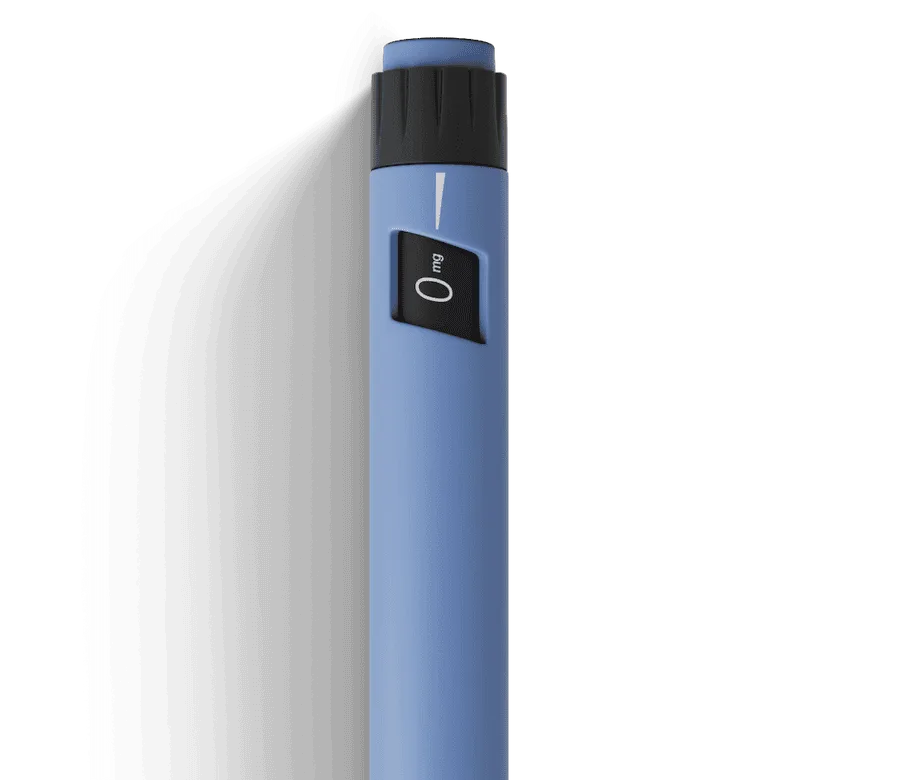
- What’s typical for your stage of treatment. Providers generally look for measurable weight loss within the first few months of reaching the full 25 mg dose, understanding that the earlier weeks of ramping up aren’t expected to show much.
- Health improvements beyond the scale. Cardiometabolic markers like blood pressure, cholesterol, and blood sugar improved in trial participants, sometimes before major changes on the scale. If you’re feeling better and have more energy, the medication may be doing its job even if your weight hasn’t dropped much yet.
- Your experience with the medication. Providers consider how manageable your side effects are, whether hunger has actually dropped off, and whether the pill’s daily routine—empty stomach, timing, the 30-minute wait—fits into your life sustainably.
Looking at these pieces together helps your provider tell whether progress is happening at a reasonable pace, even when the scale isn’t telling the whole story.
Common reasons you’re not losing weight on the Wegovy® pill
The Wegovy® pill can produce real, meaningful weight loss—but not losing weight on it doesn’t always point to one single problem. Progress can slow for a mix of reasons: some tied to where you are in treatment, some tied to daily habits, and some tied to biology that’s different from person to person. Here’s a closer look at what tends to show up, and when.
Short-term factors that can slow progress
- You’re still working up to the full dose. The Wegovy® pill is raised gradually over the first 12 weeks before reaching the 25 mg maintenance dose, so slower progress early on is expected, not a warning sign.
- How you take it matters. The pill needs to be taken first thing in the morning on an empty stomach with a small amount of water. You must wait 30 minutes before eating or drinking anything else. Taking it with food or a full glass of water can reduce how much your body absorbs.
- Side effects can throw off normal eating. Nausea affects almost half of people and vomiting about a third, especially during dose increases. Some people cut back on food to manage nausea or lean on low-fiber “safe foods,” which can mask how the medication is actually affecting appetite.
Longer-term factors that affect weight loss
- Eating habits and movement still matter. The pill lowers appetite, but what and how much you eat—and how much you move—still shapes your results. Being in a calorie deficit, whether through eating habits, exercise, or a combination of both, is what leads to weight loss.
- Ongoing stress can work against you. Studies link higher cortisol and chronic stress to weight gain over time.
- Sleep affects your hunger hormones. Getting less than 7 to 8 hours a night is linked to lower leptin and higher ghrelin—the hormones that signal fullness and hunger.
- Other medications can compete with the pill’s effects. Steroids, certain antidepressants and antipsychotics, insulin, and some birth control methods are all associated with weight gain. Reviewing everything you take with your provider can help you spot conflicts.
Biological differences between people
- Type 2 diabetes. People with type 2 diabetes tend to lose less weight on semaglutide than people without it. The main trial that supports the Wegovy® pill excluded people with diabetes, so its results don’t directly reflect this group.
- PCOS. GLP-1 medications do help reduce weight and insulin resistance in PMOS (formerly PCOS), but the underlying insulin resistance can still make progress more variable than for people without it.
- Menopause status. An analysis of the OASIS 4 trial found pre-menopausal women lost about 18% of body weight on average, compared with 15% for peri-menopausal and 16% for post-menopausal women—all clinically meaningful, but not identical.
- Heart, kidney, or liver conditions. These can affect fluid balance and energy processing in ways that sometimes mask progress on the scale, even when the medication is working.
How long does the Wegovy® pill typically take to work?
The medication starts working on your appetite and digestion within the first week or two, but the scale usually lags behind that. Here’s a general picture of what to expect at each stage, based on the dosing schedule and the OASIS 4 trial:
- Days 1–30 (1.5 mg): You may not see much movement on the scale yet. This dose is mainly getting your body used to the medication, though appetite and fullness can start shifting before weight does.
- Days 31–90 (4 mg → 9 mg): As the dose climbs, appetite suppression tends to get more consistent, and portion sizes and fullness usually keep shifting along with it.
- Day 91 onward (25 mg): This is the dose the trial results are actually based on, so most of the expected weight loss happens from here forward.
- Around week 16 (month 4): In the trial, about a third of people had already lost 10% or more of their body weight by this point. That group went on to average about 22% by week 64. People who hadn’t hit that mark yet still averaged about 11.5% by the end of the trial, so a slower start didn’t mean the medication wasn’t working.
- Around week 64 (month 15, the end of the trial): Average weight loss was about 14% across everyone in the trial, or about 17% among people who stayed on treatment the whole time.
And keep in mind these are trial averages — individual results can be higher, lower, or slower, and the pace can vary from person to person.
What to do if you’re not losing weight on the Wegovy® pill: A look at lifestyle factors
Lifestyle intervention, calorie reduction, and exercise can play a big role in how much weight you lose with the Wegovy® pill:
The medication reduces appetite, but what you do alongside it can influence how steady your progress is, how you feel day to day, and how well you maintain results. This matters even more in the early weeks of the pill’s dosing schedule, since the 1.5 mg and 4 mg starting doses are mainly there to help your body adjust and aren’t expected to drive much weight loss on their own.
Here are some of the lifestyle factors providers and researchers consistently point to as especially important while taking the Wegovy® pill:
Prioritizing protein and nutrient-dense foods
Protein and food quality matter a lot when you’re losing weight with the Wegovy® pill. Because GLP-1 medications reduce appetite and total calorie intake, research suggests that aiming for about 1.2 to 1.6 grams of protein per kilogram of body weight per day can help preserve lean muscle mass during weight loss.
Higher protein intake in this range has been associated with better body-composition outcomes, especially when combined with resistance training. For many people, that translates to roughly 90 to 120 grams of protein per day, ideally spread across meals and snacks. This might look like:
- Starting the day with eggs, low-fat Greek yogurt, or low-fat cottage cheese
- Adding beans, lentils, tofu, chicken, or fish to lunches and dinners
- Choosing snacks like cheese sticks, nuts, or hummus with veggies
Because appetite is often lower on the Wegovy® pill, nutrient-dense foods are very important. Lean proteins, fruits, vegetables, high-fiber carbs, and healthy fats give you protein, fiber, vitamins, and minerals that can keep you healthy even at a lower calorie level. Sipping water and unsweetened drinks regularly during the day can also help with fullness, digestion, and energy, especially when you’re eating less overall. Keep in mind that the Wegovy® pill itself needs to be taken on an empty stomach with only a small amount of plain water, so build your fluid and food routine around that 30-minute window rather than working against it.
Moving your body and protecting muscle
When you’re losing weight—especially on a GLP-1 medication—movement isn’t just about burning calories. It’s about protecting muscle, supporting your metabolism, and strengthening your heart and overall health. Both resistance training and aerobic activity play important but different roles.
Strength or resistance exercises a couple of times per week can help maintain—and sometimes build—muscle while you lose fat. Preserving muscle is key because it supports metabolic health, physical function, and long-term weight maintenance. This doesn’t require heavy lifting. Resistance bands, light weights, or body-weight movements like squats, push-ups, and lunges can all be effective.
Cardio is just as important. Current guidelines recommend at least 150 minutes of moderate-intensity aerobic activity per week—like brisk walking or light cycling—or 75 minutes of vigorous activity. Aerobic movement supports heart health, improves insulin sensitivity, enhances mood, and complements fat loss.
Beyond structured workouts, everyday movement counts. Walking more, taking the stairs, gardening, stretching, or staying active around the house all contribute. The goal isn’t a perfect routine. It’s building a sustainable mix of strength and aerobic activity that supports both weight loss and long-term health.
Getting enough sleep and easing stress
Sleep and stress can quietly shape how well the Wegovy® pill works for you. Short or broken sleep can increase hunger hormones and lower fullness signals, and can also change what kind of weight you lose: one study found that dieters who slept only 5.5 hours a night lost the same total weight as those who slept 8.5 hours, but a smaller share came from fat and more came from muscle. Many people feel best aiming for roughly 7 to 9 hours of sleep, though the exact number is personal.

The Easy Way
to lose weight and get healthy.
Ongoing stress can also increase cravings, especially for high-sugar or high-fat foods, and can make it harder to notice natural hunger and fullness cues. Simple practices like a short walk, breathing exercises, gentle stretching, or brief breaks during the day can help bring stress down to a more manageable level and support your weight-loss efforts.
Hormones, aging, and weight changes
As people age, hormones naturally shift, and that can change how the body stores and uses energy. For women, perimenopause and menopause often bring changes in estrogen that can lead to an increase in belly fat that’s difficult to lose and change how the body responds to insulin. Even with GLP‑1 medications like the Wegovy® pill, these changes can influence the pace and pattern of weight loss.
Combining a GLP‑1 medication with hormone replacement therapy (HRT) may support better weight-loss results than using a GLP‑1 alone. This isn’t the right fit for everyone, so it’s something to talk about directly with a healthcare provider who knows your health history and can explain the pros and cons.
Getting structured support that fits GLP‑1 use
Medication is just one piece of the puzzle. Many people find they do better with some kind of structured support alongside the Wegovy® pill. Coaching, group programs, or behavior-change tools designed specifically for GLP‑1 users, like Noom Med or our GLP-1 Companion.
Support like this can help you:
- Make a realistic eating plan that works with a lower appetite
- Manage side effects
- Problem-solve plateaus or tough weeks
- Stay consistent with habits around food, movement, sleep, and stress, including the daily timing the Wegovy® pill requires
- Track progress in more ways than just the scale
Noom Med and the GLP-1 Companion pair GLP‑1 treatment with psychology-based tools and coaching, helping turn medication into part of a broader, more sustainable plan for long-term weight management.
Plateaus vs. slowed weight loss on the Wegovy® pill
A slow week isn’t the same as a plateau. Your weight can naturally move by a few pounds in either direction day to day, so it helps to know the difference before assuming something’s wrong.
- Normal weight fluctuation. Your weight shifts based on water retention, meals, activity, and timing. A few quiet weigh-ins or a slow week usually reflects these normal swings, not stalled progress.
- A true plateau. This means little to no change over several weeks while you’re consistently taking the pill at a stable, full dose—not just a slow patch.
What’s happening in your body during a plateau
Plateaus are a normal part of GLP-1 treatment, typically showing up after about a year on the medication. A few things drive them:
- Your appetite hormones shift. Losing weight lowers leptin (your fullness hormone) and raises ghrelin (your hunger hormone), which can nudge your brain to push back toward your previous weight.
- Your metabolism adapts. As you lose weight, your body needs fewer calories to function—a smaller body simply burns less energy doing the same activities.
- Your body composition changes. Some muscle loss happens with any method of weight loss, and less muscle means burning slightly fewer calories at rest.
How providers assess plateaus
When you bring up a possible plateau, your provider looks at more than the scale. Part of care is figuring out why your body may be slowing down and whether anything needs adjusting. Providers typically look at:
- How long your weight has held steady, beyond normal daily fluctuation
- Whether calorie intake or activity has gradually shifted without you realizing it
- Whether hunger or fatigue has increased, which can happen as the body adapts to weight loss
- Whether muscle loss, low energy, or reduced activity could be slowing your metabolism
- How long the slowdown has actually lasted
Learn more: Semaglutide plateau: Why weight loss stalls happen and what to do next | Wegovy® plateau
Wegovy® pill: When to change doses vs. switch to the injection
Finding the dose that works best for you can take time. The pill has 4 doses—1.5 mg, 4 mg, 9 mg, and 25 mg—and you’ll typically stay at each for at least 30 days, longer if side effects are an issue.
Some people see good progress on lower doses, but 25 mg is considered the maintenance dose for weight loss. It’s also the max—there’s no higher dose to move up to.
If you’re not losing weight steadily at 25 mg, your provider might suggest switching to the injection. It has 6 doses and now includes a 7.2 mg option for people who’ve plateaued on the standard 2.4 mg dose. In clinical trials, people on 7.2 mg lost an average of about 18.7% of their starting weight.
Frequently asked questions about not losing weight on the Wegovy® pill
Does the Wegovy® pill work for everyone?
It works for most people: in the OASIS 4 trial, about 76% of people on the pill lost at least 5% of their body weight. But “working” can look different depending on the context—measurable weight loss at the full dose, less hunger day to day, or improved blood sugar and blood pressure before the scale moves much. Starting weight, hormones, genetics, and health conditions all shape how your body responds.
Do some people respond more slowly to the Wegovy® pill?
Yes, and it’s fairly common. A closer look at the OASIS 4 data found that people who hadn’t lost 10% of their body weight by week 16 still lost about 11.5% on average by week 64. A slower start doesn’t mean the medication isn’t working—it can just mean your body needs more time.
Does it matter when or how I take the Wegovy® pill?
Yes, more than with most medications. The pill uses an ingredient called SNAC that helps semaglutide get absorbed through the stomach wall instead of the intestine, where most pills are absorbed. That absorption window is short and easily disrupted: food, coffee, other beverages and larger amounts of water can reduce how much semaglutide is absorbed. That’s why the instructions are strict—empty stomach, minimal water, then a 30-minute wait before eating or drinking anything else.
Read more: Wegovy® pill: Exploring the benefits, side effects, and cost
Why am I not losing weight on the maximum 25 mg dose?
Even at the full dose, weight loss can eventually slow due to your body’s adaptation, lifestyle factors, or reaching a natural set point. In the OASIS 4 trial, weight loss followed this pattern too—the curve leveled off around week 60 to 65, even while people stayed on 25 mg the whole time, which is one reason a slowdown at the max dose isn’t unusual. Focus on protein intake, regular movement, sleep, or stress management alongside the medication. Your provider can help evaluate what’s happening and whether switching approaches makes sense.
Does weight loss ever resume after a plateau?
It can. Plateaus are part of how the body protects itself during weight loss, not a sign the medication has stopped working. Studies found that leptin (fullness) and ghrelin (hunger) shift for at least a year after weight loss — the body’s biological pushback, not medication failure. Progress often resumes with time, a habit change, or a conversation with your provider about your dose.
Read more: Wegovy® plateau: Why weight loss stalls and what to do next
Can stopping and restarting the Wegovy® pill affect results?
Stopping semaglutide often leads to weight regain over time, as appetite tends to return once the medication clears your system. If you miss one dose, skip it and take your next dose the following day. If you have stopped the medication for a longer period, contact your clinician before restarting. You may need to restart at a lower dose, depending on how long treatment was interrupted and how well you previously tolerated it.
Reviews from real Noom users
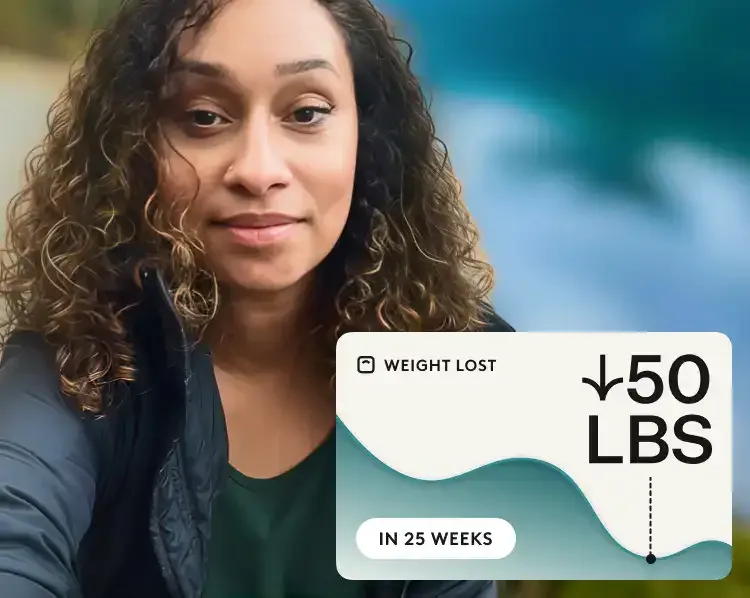
“My favorite parts of Noom are the care team and other Noomers. Sharing and getting help made me feel like I wasn’t doing it alone. That support made all the difference.”
Desirea N. — Real Noom user
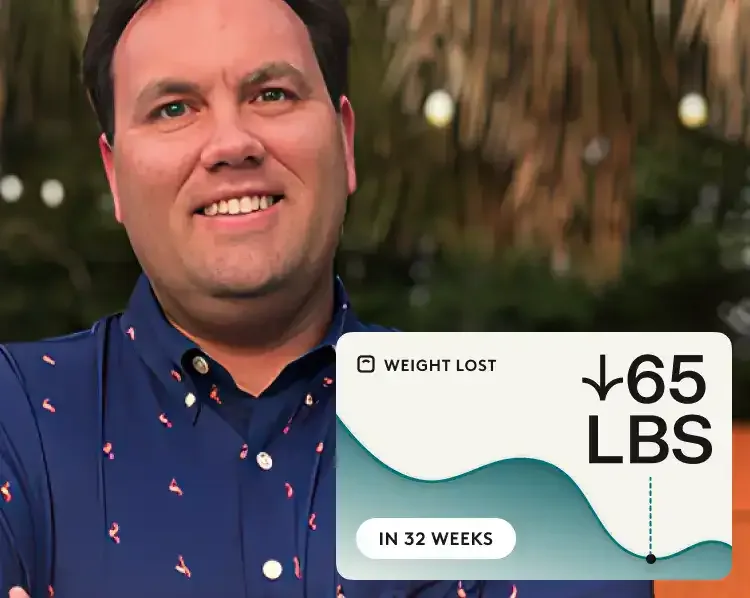
“Noom has taught me that every day is a new chance to make better, healthier choices. It’s taught me how to stop overeating.”
Matthew M. — Real Noom user
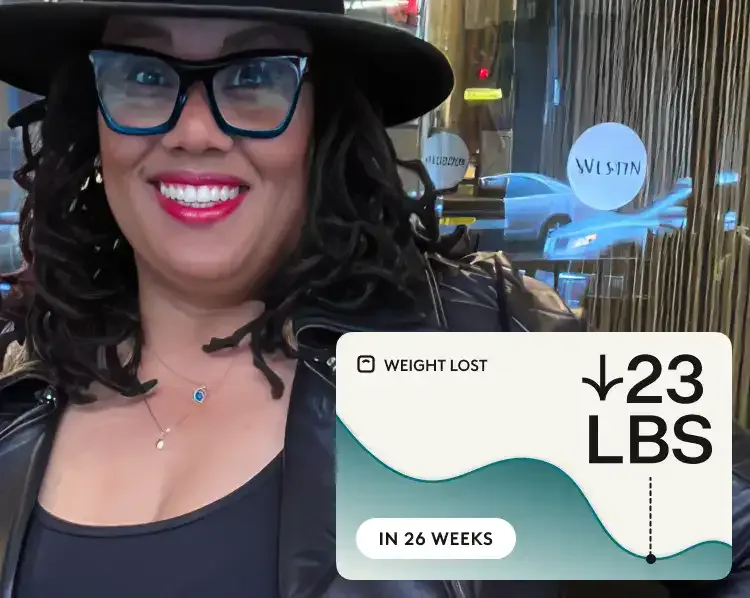
“Clinicians who understand how supportive medication can be is one of the best parts of Noom! I was convinced I wouldn’t have success but I’m down 11 pounds in two months.”
Lila M. — Real Noom user
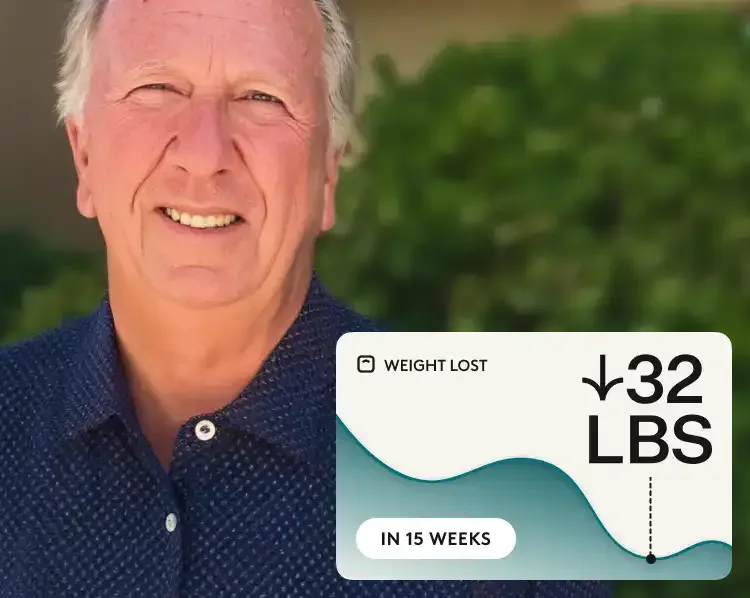
“Noom provided me with the medication which I could not get through Medicare. I have learned the tricks to better eating and life in general.”
Steve M. – Real Noom user
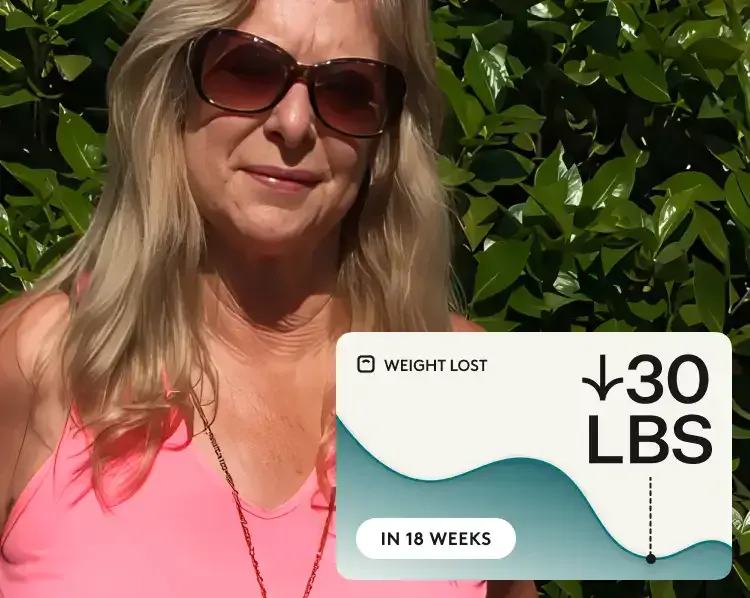
“Noom has changed my life and I’m so thankful, I feel great, have more energy and am no longer prediabetic.”
Daisy R. – Real Noom user
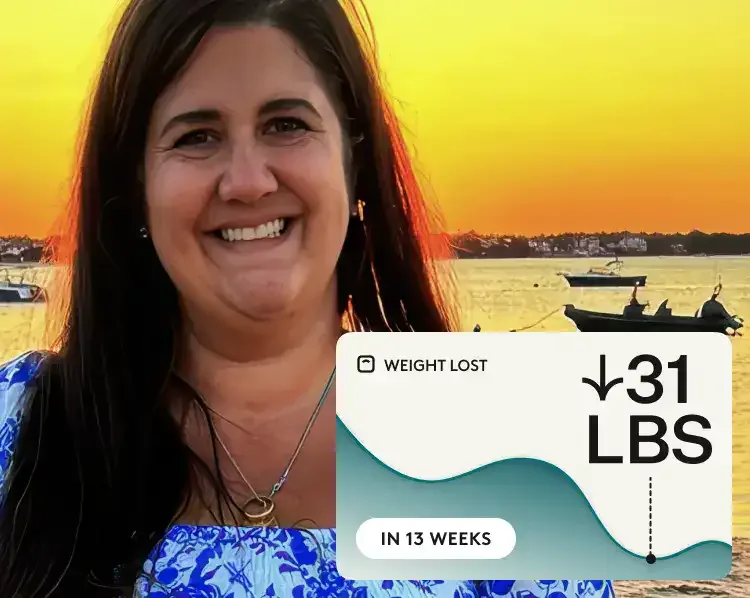
“All of the Noom providers that I’ve met with have been exceptional and prescribed medications that are appropriate for my situation and health.”
Sarah R. – Real Noom user
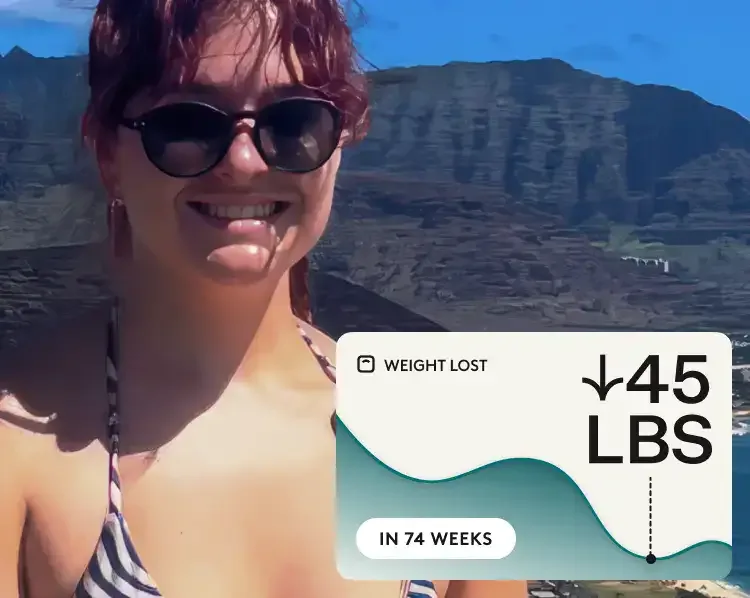
“Noom made the process so simple and now I feel full, free from diet obsession, and at ease in my body again.”
Madison S. – Real Noom user
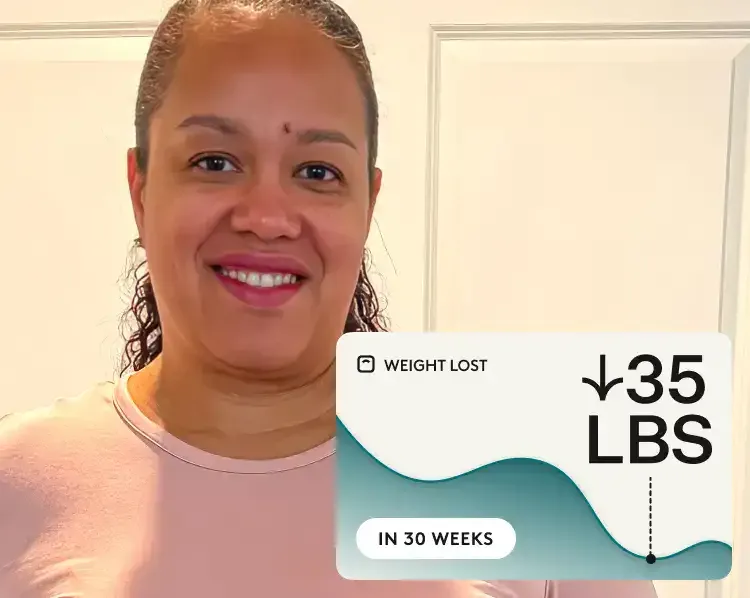
“My doctor recommended Noom after I was frustrated trying to lose weight. The lessons helped change my relationship with food. My body feels lighter & energized.”
Sonday K. – Real Noom user
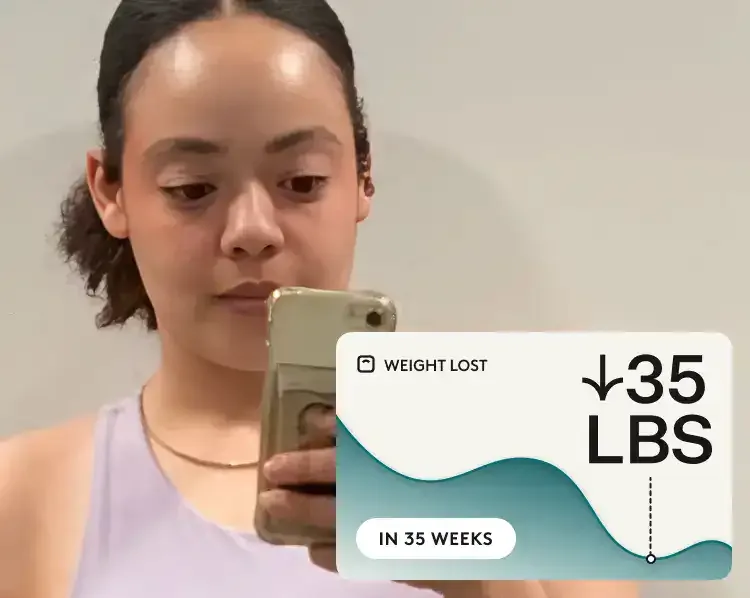
“I built healthy habits with coaching and lessons that make me confident I can maintain my weight loss long term.”
Cam K. – Real Noom user
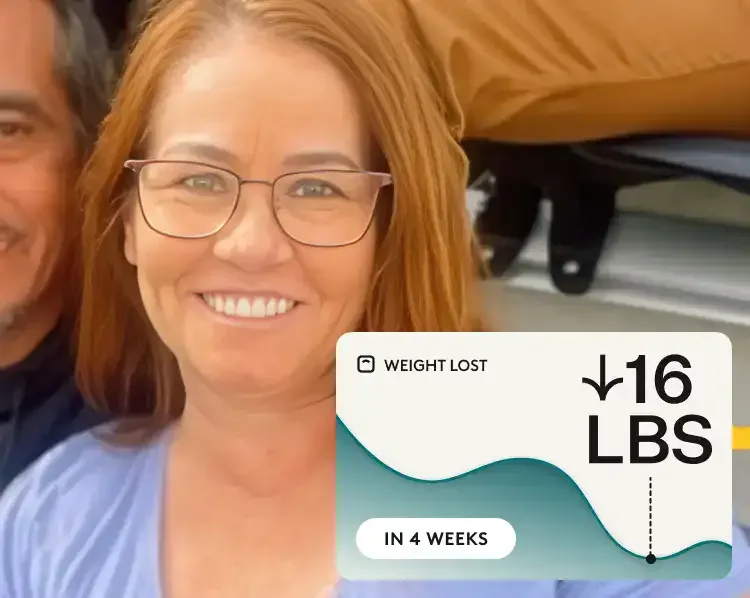
“With the right medication through Noom, hunger and sugar cravings finally quieted and I have the tools to break the cycle.”
Laura TR. – Real Noom user
“Cravings and food noise are gone, I finally feel confident in the healthy habits I’ve built to last with Noom.”
Jessica S. – Real Noom user
The bottom line: There are many reasons for not losing weight on the Wegovy® pill
Slower-than-expected weight loss on the Wegovy® pill usually has an explainable cause—still ramping up to full dose, how the pill is being taken, side effects reshaping your diet, sleep or stress, an underlying health condition, or a genuine plateau your body is working through. None of that typically means the medication has failed.
Progress on the Wegovy® pill is measured over months, not days. If your progress has stalled, the most useful next step is a conversation with your provider about what’s actually happening, rather than assuming the pill isn’t working.
If you qualify for Noom Med, you’ll work with a licensed clinician who can determine if the Wegovy® pill is right for you and pair it with coaching and behavior tools that help your progress stick.
Editorial standards
At Noom, we’re committed to providing health information that’s grounded in reliable science and expert review. Our content is created with the support of qualified professionals and based on well-established research from trusted medical and scientific organizations. Learn more about the experts behind our content on our Health Expert Team page.