
What you’ll learn:
- Tirzepatide may start changing your appetite within the first couple of weeks, but changes on the scale usually take longer and build over several months.
- Your dose increases gradually, which gives your body time to adjust and can shape when you notice results.
- Your timeline is personal, and everyday habits can all affect how progress looks from week to week.
More and more people are starting a GLP-1 medication like tirzepatide every day and many want to know one thing: How long will it take to work? What they mean is when will I feel something and when will I start losing weight? The answer to these questions largely depends on the person but there are some similarities in the timeline. Some people may notice less hunger or feel full sooner during the first few weeks. Others may not notice much at first, especially while taking the low starting dose.
That gradual start is intentional. Initial weight loss can take longer and builds over time as your dose increases. Tirzepatide begins at a low dose so your body has time to adjust and to make any side effects easier to manage. It will be increased at the earliest every 4 weeks. So if you’re a few weeks in and the scale hasn’t moved much yet, it may simply be too early to tell.
How will you be able to tell if it’s “working”?
Below, we’ll walk through how tirzepatide works, why the dose changes over time, and what the research can tell us about results at 3 months, 6 months, and beyond.
How does tirzepatide work for weight loss?
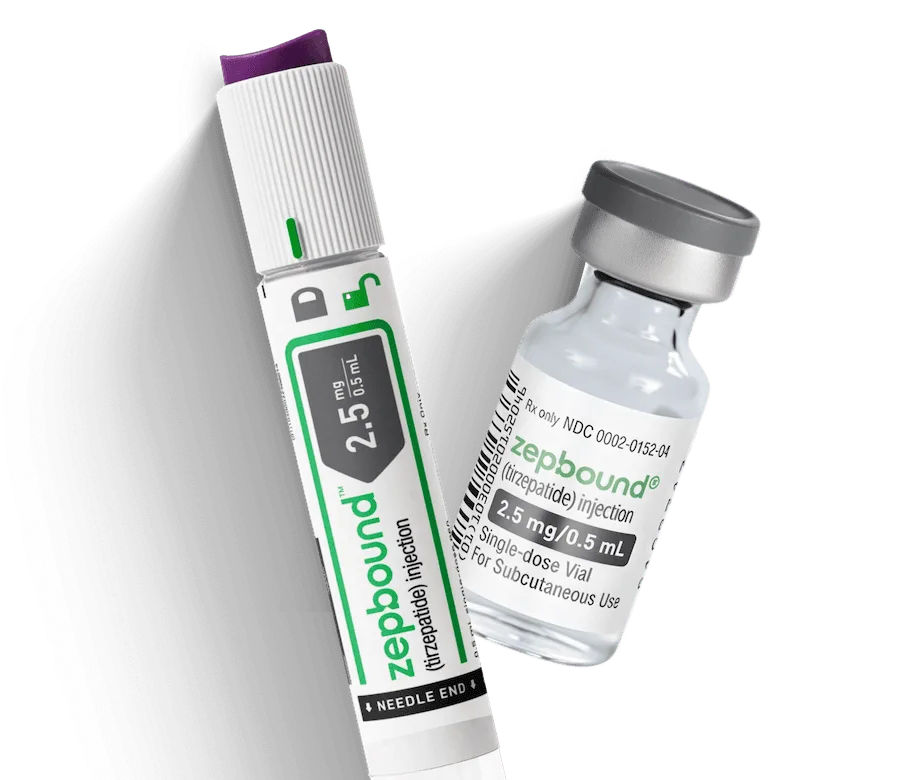
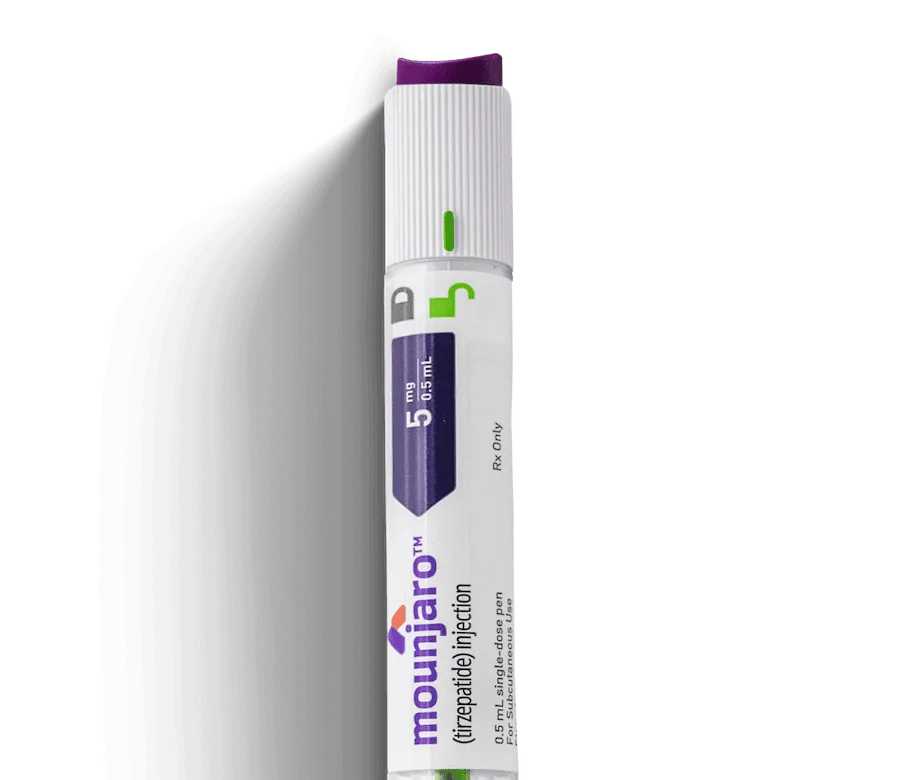
First let’s take a look at what tirzepatide is designed to do. Tirzepatide is the active ingredient in Zepbound®, which is approved for weight management, and Mounjaro®, which is approved for type 2 diabetes, but often prescribed off-label for weight loss. It works by mimicking two hormones your body naturally releases after you eat: GIP and GLP-1.


Together, those hormones help lower appetite, slow digestion, and regulate blood sugar. Here’s what happens:
- In the brain, it can lower hunger signals and help you feel satisfied with less food.
- In the stomach, it slows how quickly food leaves your stomach, helping fullness last longer.
- In the pancreas, it helps your body respond to insulin and manage blood sugar after meals.
Those combined effects can make it easier to eat less over time and lose weight.
Learn more: Tirzepatide for weight loss: Benefits, dosage, side effects, and FAQs
How fast does tirzepatide work?
Tirzepatide starts working in your body immediately, but you might not see any weight changes for several weeks. Within the first week, you may notice changes in hunger or fullness. Weight loss usually builds more gradually as your dose increases.
Early signs that tirzepatide may be having an effect can include:
- Feeling full sooner during meals
- Feeling satisfied for longer after eating
- Thinking about food or snacking less often
Tirzepatide: How your dose increases over time
One reason tirzepatide takes time to work is the dosing schedule. You start low, and your provider will increase the dose step by step to lower the rate of side effects. That gives your body time to get used to the medication. And here’s the important thing to remember, tirzpeatide takes time. While you’ve probably heard that people can lose an average of 21% of their body weight on tirzepatide, those studies were conducted over 72 weeks.
Tirzepatide dosing schedule explained
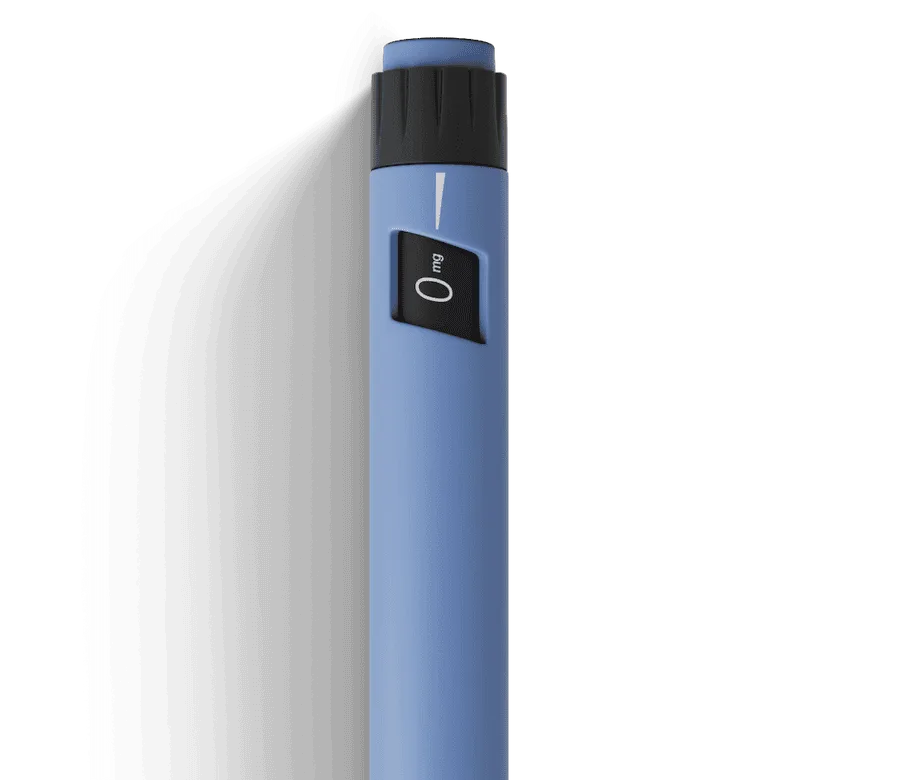
The first 2.5 mg dose is the starting dose that helps your body adjust to tirzepatide. Think of those first few weeks as time for your body to get used to the medication. Your dose will be increased every 4 weeks, as needed and tolerated, until you reach the dose that works the best for you. The goal is to lose about an average of 1 to 2 pounds per week, while minimizing side effects.
Not everyone needs to reach the highest dose. At the lowest point, some patients stay on the 2.5mg for longer than 4 weeks because that dose is enough for them to benefit from the medication. On the other end, most patients will likely not reach the highest dose at all, and others will take much longer than 21 weeks to reach it.
If a lower dose is working well and feels manageable, your provider may recommend staying there.
Here’s a look at the doses:
Access GLP-1 Weight Loss with Noom
Explore a wide range of prescription medications supported by Noom’s program.Microdose GLP-1rx
Noom GLP-1rx
Noom GLP-1rx Plus
Wegovy®
Ozempic®
Metformin

Zepbound®
Mounjaro®
Liraglutide
| Time | Dose |
|---|---|
| Weeks 1–4 | 2.5 mg (starting dose) |
| Weeks 5–8 | 5 mg |
| Weeks 9–12 | 7.5 mg |
| Weeks 13–16 | 10 mg |
| Weeks 17–20 | 12.5 mg |
| Week 21+ | 15 mg (maximum approved dose) |
Learn more: Tirzepatide dosage guide: How to find the right dose for weight loss
Do higher doses of tirzepatide lead to more weight loss?
It depends. In studies, higher doses of tirzepatide were associated with greater average weight loss—but that doesn’t mean the highest dose is the best dose for everyone. Many people lose significant weight while staying on lower maintenance doses.
In the SURMOUNT-1 trial, average weight loss after 72 weeks was about 15% with 5 mg, 19.5% with 10 mg, and 20.9% with 15 mg. While the higher doses produced the greatest average weight loss, the differences between 10 mg and 15 mg were relatively modest.
For someone starting at 200 pounds, those averages would translate to roughly:
- 5 mg: About 30 pounds lost
- 10 mg: About 39 pounds lost
- 15 mg: About 42 pounds lost
Keep in mind these are group averages, not guarantees. Some people lost considerably more weight, while others lost less. Your results will also depend on factors such as how consistently you take the medication, your eating habits, physical activity, sleep, and how your body responds to treatment.
The best dose is the one that helps you make meaningful progress while keeping side effects manageable. Some people do well at 5 or 10 mg and never need to increase their dose. Others benefit from moving up if weight loss has plateaued and they’re tolerating the medication well. Your healthcare provider can help you balance the potential for additional weight loss against the possibility of more side effects.
Learn more: What dose of Zepbound® is most effective?
Tirzepatide results timeline: Week by week
When you start tirzepatide, the first changes you notice may not be on the scale. Many people find they feel less hungry, get full sooner, or think about food less before they see meaningful weight loss. Here’s what the research suggests you can expect over the first few weeks and months.
Weeks 1 to 2: Appetite changes may begin, and side effects are likely
During the first couple of weeks, you may start to notice subtle changes in how you eat. You might feel full sooner, stay satisfied longer after meals, or find yourself thinking about food and snacks less often. These changes can happen before you see much movement on the scale, especially since the starting dose is designed to help your body adjust to the medication rather than deliver its full weight-loss effect.
This is also when stomach-related side effects are most likely to show up. In tirzepatide studies, nausea, diarrhea, and constipation were among the most common side effects when first starting the medication. While these side effects can be uncomfortable, they were generally mild to moderate and often improved as treatment continued.They did, however, recur in some patients when their doses were increased.
3 months: Weight loss begins for many
By about 12 weeks, changes on the scale are often easier to see, although everyone’s pace is different. Clinical studies suggest many people have lost roughly 6% to 8% of their starting body weight by this point, and about 82% have reached at least 5% weight loss.
That also means not everyone hits those milestones right away. A follow-up analysis of that pivotal study, SURMOUNT-1, found that among participants who had lost less than 5% of their starting weight by week 12, 90% went on to lose at least 5% of their body weight by week 72.
If your progress feels slower than expected after the first three months, it doesn’t necessarily mean tirzepatide isn’t working. Weight loss varies from person to person, and many people continue to lose weight steadily over time.
Learn more: Not losing weight on tirzepatide? Here’s what might be happening
Tirzepatide results after 6 months
By about 24 weeks, many people have seen steady progress on the scale. Average weight loss reached about 13% to 14% of starting body weight at week 24, although some people lost more and others less.
Learn more: Zepbound® results: How much weight can you lose month to month?
72 weeks: Full results
By the end of the SURMOUNT-1 study, average weight loss depended on the dose participants were assigned::
| Dose | Average body weight lost | Lost 5% or more |
|---|---|---|
| 5 mg | 15.0% | 85% |
| 10 mg | 19.5% | 89% |
| 15 mg | 20.9% | 91% |
| Placebo | 3.1% | 35% |
This included everyone in the study, even those who stopped early. In a separate analysis that estimated the results if everyone had stayed on their assigned treatment, for those who stayed on the study until the end, the numbers were higher:
- 5 mg – 16%
- 10 mg – 21.4%
- 15 mg – 22.5%
Why did some people stop tirzepatide early?
Like any medication, tirzepatide isn’t the right fit for everyone. About 4% to 7% of people taking it in clinical trials stopped treatment because of side effects.
The most common side effects were nausea, diarrhea, and constipation. These symptoms were most likely to show up while people were increasing their dose and often became less noticeable as their bodies adjusted.
How side effects can affect tirzepatide results
Side effects can shape the timeline, too. Nausea, diarrhea, and constipation were more common around dose increases. A 2025 analysis of stomach-related side effects across tirzepatide trials found that these symptoms generally became less common over time.
Can side effects slow down your dose progression?
Yes. If side effects are hard to manage, your clinician may recommend staying at the same dose a little longer before moving up. That can shift your timeline, and that’s okay. Getting to a dose you can tolerate is more important than moving up as quickly as possible.
You don’t need to race to the highest dose. The goal is to find a dose that works for you and feels manageable enough to keep taking consistently. If side effects are severe, don’t improve, or make it hard to eat or drink normally, check in with your healthcare provider instead of changing your dose on your own.
Learn more: Tirzepatide side effects: Symptom guide and management tips
How to get the best results from tirzepatide
Tirzepatide works over time, and the basics still matter. A few practical habits can make treatment easier to stick with and help support your overall progress. Tirzepatide can make healthy choices feel easier by turning down hunger and helping you feel full sooner. But you still need to make the healthier choices. All studies of tirzepatide were done in tandem with diet and exercise changes.
The study results are a good reminder that medication wasn’t the only support participants had; people also received guidance on nutrition and physical activity.
Here’s what to focus on:
- Keep eating healthy meals and snacks, even if you’re less hungry. Protein- and fiber-rich foods can help you feel satisfied and make it easier to get the nutrients you need when you’re eating smaller portions.
- Move in ways that feel doable. Walking, everyday movement, and strength training when appropriate can support your health and help protect muscle as you lose weight.
- Don’t overlook sleep and stress. Both can affect hunger, energy, and how easy it feels to stick with your routines. Small improvements can make the rest of the plan easier to follow.
- Make side effects easier to manage. Smaller meals, eating slowly, and staying hydrated may help with stomach-related symptoms. If nausea, diarrhea, constipation, or other symptoms are getting in the way of eating, drinking, or taking your medication, tell your care team.
You don’t have to overhaul everything at once. Pick one or two habits that feel realistic right now—maybe adding protein to breakfast, taking a short walk after dinner, or keeping a water bottle nearby. Small routines are easier to repeat, and consistency matters more than perfection.
- What to eat on Zepbound®: Tips for building an effective meal plan
- What to eat on Mounjaro®: Meal plan and food tips
Does where you inject tirzepatide affect weight loss results?
The short answer: No. Tirzepatide can be injected into the abdomen, thigh, or back of the upper arm. The medication is absorbed similarly at all three approved sites. There isn’t evidence that one spot leads to better weight-loss results than another.
Choose an approved injection site that feels comfortable for you, and rotate spots from week to week. Rotating can help reduce irritation from using the same area repeatedly.
Learn more: Tirzepatide injection sites: How to inject correctly and minimize discomfort
Why tirzepatide results can vary
Tirzepatide doesn’t work at exactly the same pace for everyone. Your timeline can be shaped by a few things:
- Your dose and how quickly you move up. In the trial’s dose-by-dose results, higher target doses were linked with greater average weight loss. But the right pace is the one your provider recommends and you can tolerate.
- Your body’s response. The follow-up analysis of “late” versus “early” responders found that starting body weight and sex were likely linked with how quickly some people responded. In other words, some differences in pace come down to biology—not effort.
- Your habits alongside medication. In SURMOUNT-1, participants also got support with nutrition and physical activity. That’s a useful reminder that medication works within the bigger picture of your daily routines.
- Your starting weight. Two people can lose a similar percentage of their body weight but a different number of pounds, so comparing scale numbers doesn’t always tell the full story.
Learn more: Tirzepatide for weight loss: Benefits, dosage, side effects, and FAQs
What to do if tirzepatide feels slow to work
If progress feels slower than you expected, try not to evaluate the medication based on the first few weeks alone. Your dose is still increasing, and some people simply respond later than others.
A slow start is different from a plateau
A slow start happens early. A plateau usually comes after you’ve already been losing weight for a while. Plateaus can happen as your body adjusts to a lower weight and changing energy needs.
If you’re a few months in and progress still feels slower than expected, your provider can help you sort through common reasons and possible next steps.
- Why you’re not losing weight on tirzepatide
- Why you’re not losing weight on Zepbound®
- Why you’re not losing weight on Mounjaro®
When to talk to your provider
It can be frustrating if you feel like you’re not seeing results on tirzepatide. Check in with your provider if several months have passed without much change, side effects are hard to manage, or you’re unsure about your dose. They can look at the full picture—your dose, how long you’ve been taking tirzepatide, your health history, and how you’re feeling—and help you decide what makes sense next.
Reviews from real Noom users
Desirea N. — Real Noom user
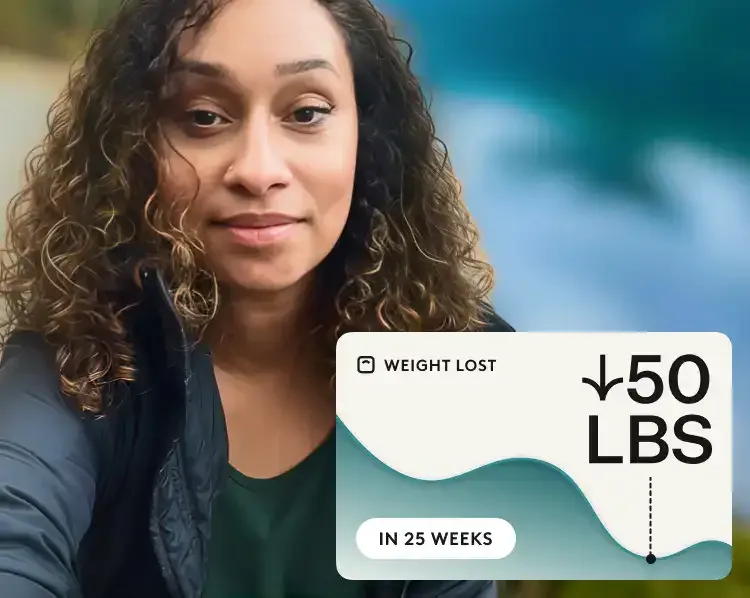
“My favorite parts of Noom are the care team and other Noomers. Sharing and getting help made me feel like I wasn’t doing it alone. That support made all the difference.”
Desirea N. — Real Noom user
Matthew M. — Real Noom user
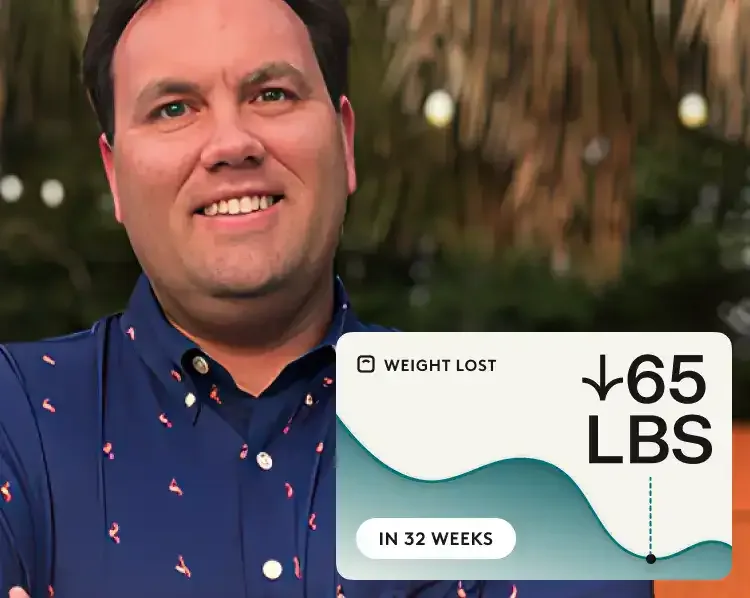
“Noom has taught me that every day is a new chance to make better, healthier choices. It's taught me how to stop overeating.’’
Matthew M. — Real Noom user
Lila M. — Real Noom user
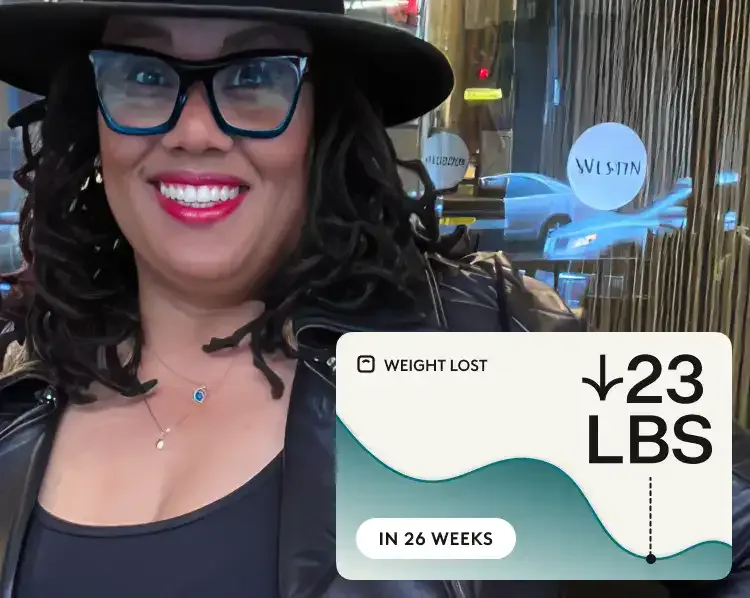
“Clinicians who understand how supportive medication can be is one of the best parts of Noom! I was convinced I wouldn’t have success but I’m down 11 pounds in two months.’’
Lila M. — Real Noom user
Steve M. — Real Noom user
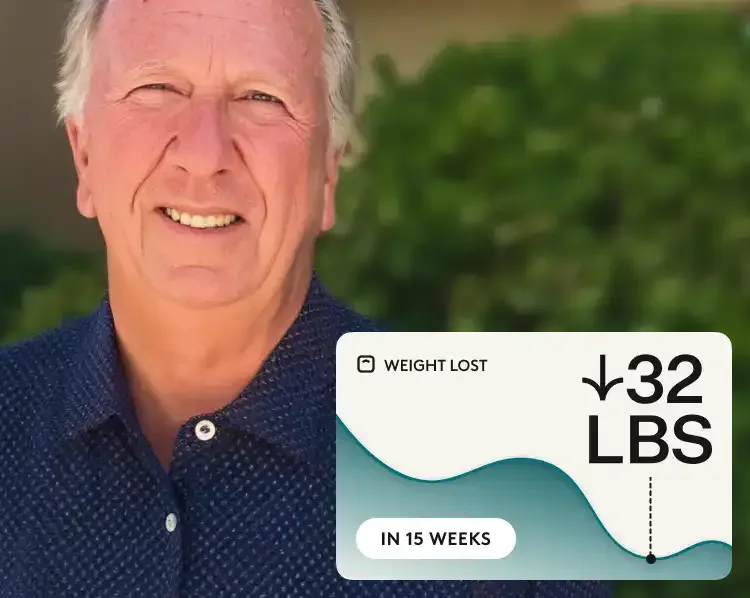
“Noom provided me with the medication which I could not get through Medicare. I have learned the tricks to better eating and life in general.”
Steve M. – Real Noom user
Daisy R. — Real Noom user
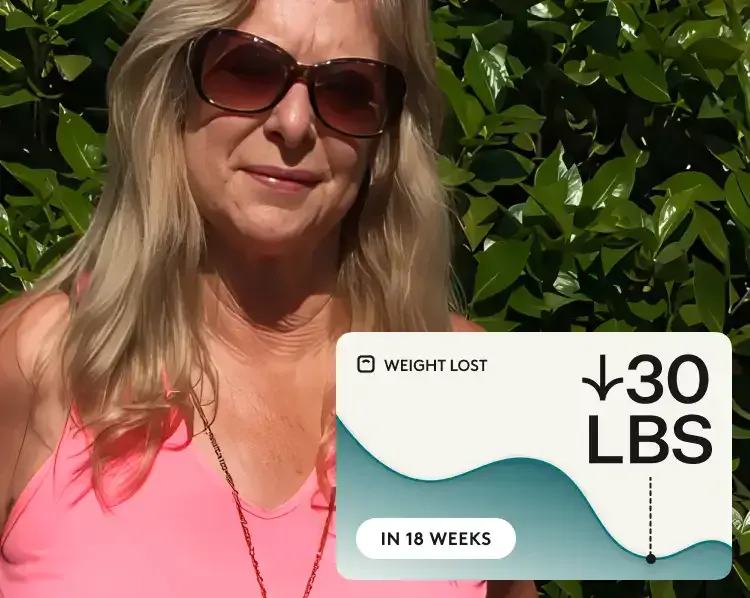
‘’Noom has changed my life and I’m so thankful, I feel great, have more energy and am no longer prediabetic.”
Daisy R. – Real Noom user
Sarah R. — Real Noom user
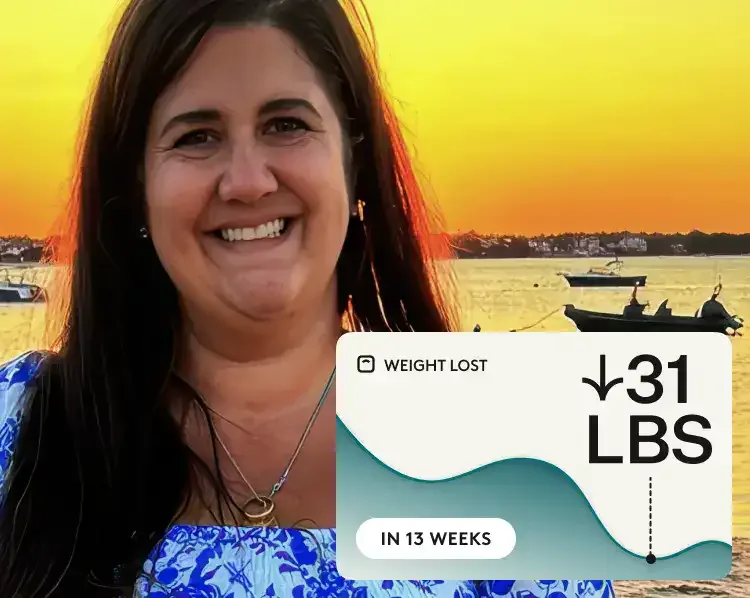
“All of the Noom providers that I’ve met with have been exceptional and prescribed medications that are appropriate for my situation and health.”
Sarah R. – Real Noom user
Madison S. — Real Noom user
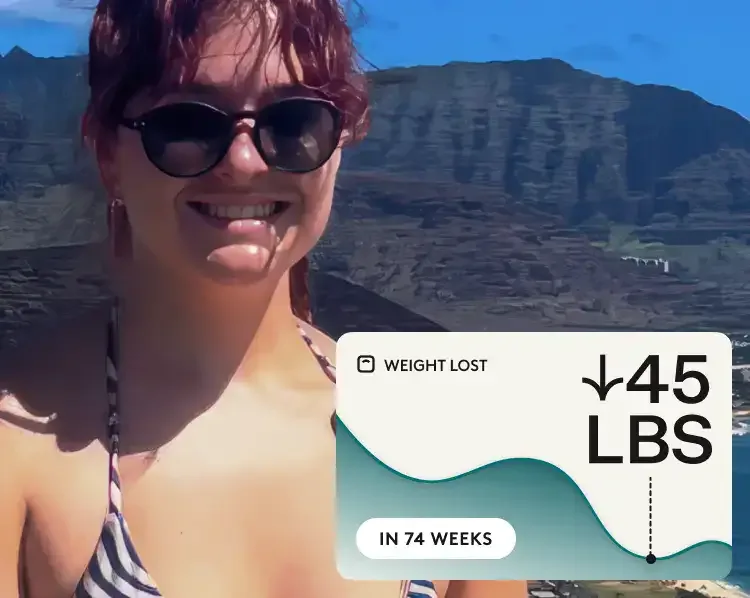
“Noom made the process so simple and now I feel full, free from diet obsession, and at ease in my body again.”
Madison S. – Real Noom user
Sonday K. — Real Noom user
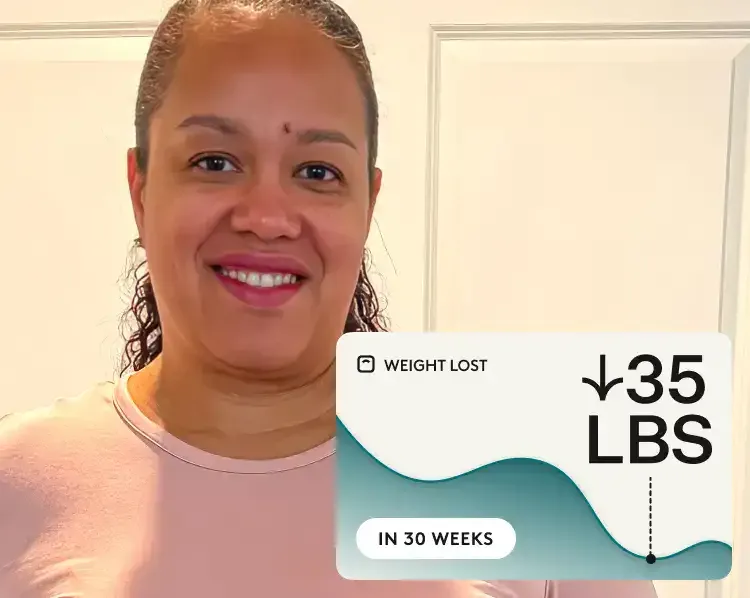
“My doctor recommended Noom after I was frustrated trying to lose weight. The lessons helped change my relationship with food. My body feels lighter & energized.”
Sonday K. – Real Noom user
Cam K. — Real Noom user
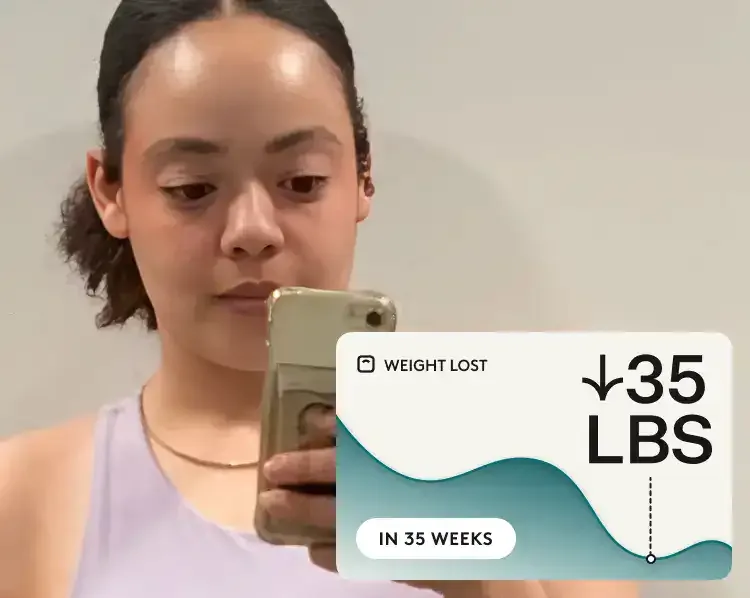
“I built healthy habits with coaching and lessons that make me confident I can maintain my weight loss long term.”
Cam K. – Real Noom user
Laura TR. — Real Noom user
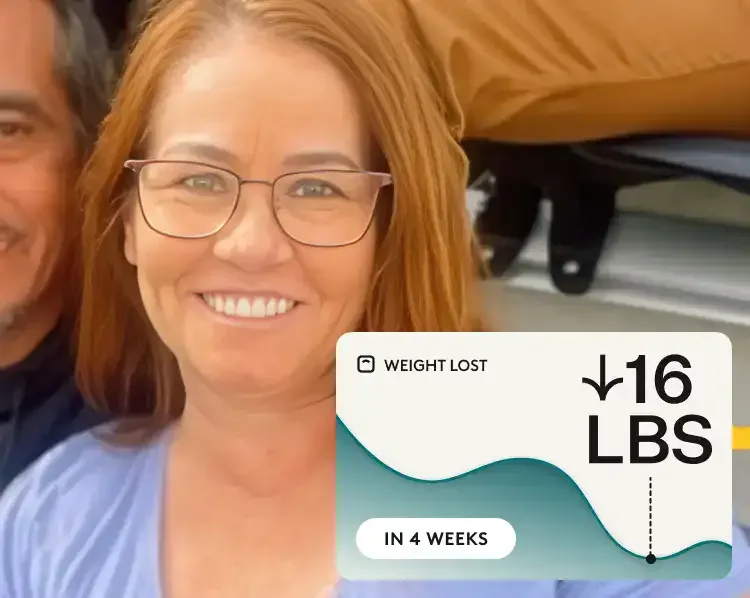
“With the right medication through Noom, hunger and sugar cravings finally quieted and I have the tools to break the cycle.”
Laura TR. – Real Noom user
Jessica S. — Real Noom user
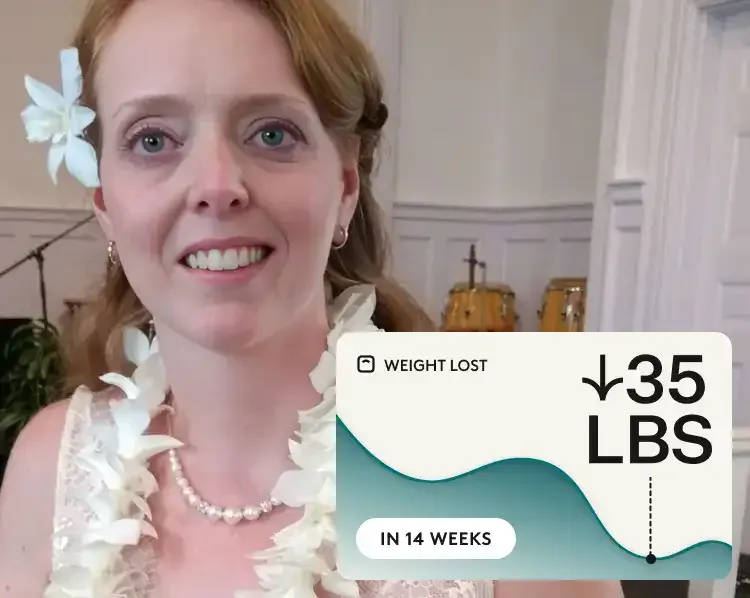
“Cravings and food noise are gone, I finally feel confident in the healthy habits I’ve built to last with Noom.”
Jessica S. – Real Noom user
Common questions about how long tirzepatide takes to work
Does tirzepatide work right away?
The medication starts working in the body right away, but the changes you can feel or see may take longer. Some people may notice less hunger or feel full sooner during the first few weeks. Others may not notice much at first, especially while taking the low starting dose. Weight loss usually builds over the following months as the dose increases.
Do tirzepatide pills work the same way as the injection?
There isn’t currently an FDA-approved oral form of tirzepatide. Zepbound® and Mounjaro® are given as once-weekly injections under the skin.
How long does it take to lose 20 lbs on tirzepatide?
There’s no set timeline. It depends on your starting weight, dose, and how your body responds. Tirzepatide weight loss tends to build gradually over several months, so focus on steady progress rather than a specific deadline.
How will I feel the first week on tirzepatide?
You may feel less hungry, get full sooner, or notice fewer food cravings. You might also have side effects like nausea, diarrhea, or constipation. Some people don’t notice much at first, which can be normal.
How can you tell if tirzepatide is working?
Early signs can include less hunger, feeling full with smaller portions, and staying satisfied longer after meals. Weight loss usually follows more gradually, so look at your overall trend instead of a single weigh-in.
The bottom line: Tirzepatide results take time and vary from person to person
Tirzepatide works gradually. You may notice appetite changes within the first couple of weeks, while weight loss usually becomes more noticeable over the next several months as your dose increases.
By around 3 months, many people have started to see meaningful changes, but a slower start doesn’t mean treatment won’t work for you. By 6 months and beyond, average weight loss becomes more noticeable in clinical trials. Your own timeline may be faster or slower depending on your dose, side effects, starting point, and how your body responds.
If you’re early in treatment, focus on the things you can control: take your medication as prescribed, keep up the nutrition and activity habits you’re working on, and give your body time to adjust. If you’re worried about progress or side effects, your provider can help you figure out the next step.
If you’re considering tirzepatide or another weight-loss medication, you can see if you qualify for Noom Med. If eligible, you’ll meet with a licensed clinician who can help you understand your options and prescribe medication when appropriate. Noom Med also includes behavior-change support to help you build habits that can support your progress over time.
Want to explore the two tirzepatide options? Learn about Mounjaro® and Zepbound® through Noom Med.
Note: Mounjaro®is not FDA-approved to treat obesity or for weight loss.
Editorial standards
At Noom, we’re committed to providing health information that’s grounded in reliable science and expert review. Our content is created with the support of qualified professionals and based on well-established research from trusted medical and scientific organizations. Learn more about the experts behind our content on our Health Expert Team page.