
What you’ll learn:
- Combining Mounjaro® with balanced, nutrient-dense meals can enhance weight loss results and minimize side effects.
- You don’t need a strict diet on Mounjaro®, but making thoughtful food choices and limiting highly processed, fried, and high-sugar foods supports your comfort and progress.
- Simple strategies like eating slowly, staying hydrated, and listening to your hunger cues help you build sustainable habits and maximize the benefits of Mounjaro®.
Starting Mounjaro® can feel like a big step, especially when it comes to figuring out what to eat. When used off-label for weight loss, the tirzepatide in Mounjaro® can help lower appetite, slow digestion, and stabilize blood sugar, making it easier for many to eat less. But people often want to know what the best diet is while taking it, and what to eat when starting Mounjaro®.
The good news: there’s no strict “Mounjaro diet” you need to follow, and no off-limits foods, but following a healthy, balanced diet with adequate protein is key.
Clinical studies on tirzepatide paired the medication with a reduced-calorie diet and increased physical activity—meaning Mounjaro® works best as part of a sustainable approach to eating. Choosing nutrient-dense foods can support your weight-loss goals, keep your energy steady, preserve muscle mass, and help manage common side effects like nausea or stomach discomfort.
In this article, we’ll cover what to eat when starting Mounjaro®, which foods to avoid if side effects are bothersome, and how to build eating habits that support steady, sustainable weight loss.
One note, while Mounjaro® is FDA-approved for type 2 diabetes management, it is frequently prescribed off-label for weight loss—and that’s the focus of this article. If you are taking it for diabetes, follow your healthcare provider’s guidance on what to eat.
Noom’s Most Powerful Program
A dual-pathway GLP-1 and behavior change for lasting results.
Why what you eat matters with Mounjaro®
Mounjaro® can make it much easier to eat less—because hunger, cravings, and “food noise” are often lower. But it’s not a free pass to ignore food choices. Mounjaro® is designed to work alongside a reduced-calorie diet and increased physical activity, not replace them.
That’s also how the biggest tirzepatide weight-loss trial was run: people took the medication and followed a lifestyle program that included a calorie deficit and regular physical activity counseling. The greatest weight loss happened in that combined setup—a good reminder that medication helps, but it’s day-to-day habits that move the needle.
The two biggest mistakes people tend to make when starting Mounjaro® are:
- Eating less nutritious foods, assuming the medication will do the work regardless.
- Not eating enough, which can lower energy, lead to constipation, or cause muscle loss.
When your appetite drops significantly, getting enough nutrition becomes the priority. Here’s what to focus on:
- Prioritize nutrient-dense foods like lean proteins, healthy fats, and high-fiber carbs, including fruits and vegetables.
- Eat small, frequent meals even if you don’t feel hungry.
- Put protein first at each meal to help maintain muscle mass during weight loss.
Eating adequate protein and fiber—and planning small but regular meals—may also help prevent some common side effects. Protein helps protect lean muscle mass during weight loss, and fiber supports healthy digestion. Both matter especially when appetite is lower and you’re eating smaller portions. And because GI side effects are common early on, many people feel better keeping meals smaller and avoiding heavy, greasy foods—especially around dose increases.
How to eat for the best results with Mounjaro®
Eating well on Mounjaro® doesn’t mean following a strict or complicated diet. It means choosing foods that help your body feel good while the medication helps reduce hunger and support smaller portions.
A balanced eating plan can help you get enough nutrients, protect muscle during weight loss, keep your energy steady, and make stomach-related side effects easier to manage. The main foods to focus on are protein-rich foods, vegetables and fruits, fiber-rich carbs, and healthy fats.
Protein-rich foods
When you’re taking Mounjaro®, protein can help make meals more satisfying. Since the medication may reduce hunger, you might not feel like eating as much as usual, which can make it harder to get enough nutrients throughout the day.
Protein is especially important during weight loss because when calories go down, your body can lose some lean mass along with fat. Research on body composition changes with tirzepatide suggests that most weight loss comes from fat mass, but some lean mass loss can still occur. That is why nutrition guidance for people using GLP-1 medications often emphasizes adequate protein intake, along with strength-supporting habits like regular movement or resistance exercise.
A helpful target for many adults taking a GLP-1 medication for weight loss is about 1.2 to 1.6 grams of protein per kilogram of body weight per day, or roughly 20 to 30 grams of protein at meals and snacks, depending on your body size, appetite, and health needs.
Access GLP-1 Weight Loss with Noom
Explore a wide range of prescription medications supported by Noom’s program.
Microdose GLP-1rx
Noom GLP-1rx
Noom GLP-1rx Plus
Wegovy®

Ozempic®

Metformin

Zepbound®
Mounjaro®

Liraglutide

Good sources of protein include:
- Chicken and turkey
- Fish and seafood
- Eggs
- Low-fat Greek yogurt and cottage cheese
- Tofu, tempeh, and edamame
- Beans and lentils
- Lean cuts of beef or pork
- Protein shakes or protein powders
Easy ways to add more protein to your day include:
- Start the day with eggs and low-fat Greek yogurt instead of a carbohydrate-only breakfast.
- Add chicken, fish, tofu, or beans to salads, grain bowls, soups, and wraps.
- Keep protein-rich snacks on hand, such as cottage cheese, Greek yogurt, or a protein shake.
- Pair fruit with a protein source, such as yogurt or cottage cheese, for a more satisfying snack.
- Build meals around a protein source first, then add vegetables, healthy fats, and fiber-rich carbohydrates.
Vegetables and fruits
Fruits and vegetables provide vitamins, minerals, antioxidants, and water while typically being low in caloric density, meaning they can add volume to meals for relatively few calories. That can help you feel satisfied while supporting overall nutrition, especially if you’re eating less than usual on Mounjaro®.
Easy ways to add more fruits and vegetables include:
- Add leafy greens, bell peppers, mushrooms, or zucchini to eggs, soups, wraps, or grain bowls.
- Pair berries, apples, pears, or oranges with Greek yogurt, cottage cheese, or nuts.
- Roast broccoli, carrots, cauliflower, Brussels sprouts, or peppers as a simple side dish.
- Blend frozen fruit into smoothies for a nutrient-rich snack or meal addition.
- Keep frozen vegetables and fruit on hand so healthy options are always available when you don’t feel like cooking.
Fiber-rich carbohydrates
Carbohydrates can still be part of a healthy eating plan while taking Mounjaro®. The key is choosing carbohydrate-rich foods that provide fiber, vitamins, and minerals while digesting more slowly than highly refined options.
Fiber can be especially helpful on Mounjaro® because it supports digestive health, may help you feel fuller for longer, and can help promote more regular bowel movements. Since Mounjaro® slows stomach emptying, some people experience constipation or other digestive side effects. In clinical trials, constipation was reported in about 17% of people taking tirzepatide.
Fiber-rich carbohydrates may also support blood sugar management and weight-loss goals. Foods that contain fiber tend to be digested more gradually, which can help slow the rise in blood sugar after meals and increase feelings of fullness. Research has found that low-glycemic-index eating patterns can improve blood sugar control and other markers of metabolic health in people with prediabetes and type 2 diabetes.
Examples of fiber-rich carbohydrate foods include:
- Oats
- Barley
- Quinoa
- Brown rice
- Sweet potatoes
- Beans
- Lentils
- Peas
- Whole-grain breads and pastas
- High-fiber cereals
To put this into practice, try:
- Oats topped with Greek yogurt and berries for a fiber- and protein-rich breakfast.
- A grain bowl with brown rice, quinoa, or barley plus chicken, fish, tofu, or beans and plenty of vegetables.
- Whole-grain toast topped with eggs, avocado, cottage cheese, or nut butter.
- Whole-wheat pasta paired with lean protein and vegetables.
- A small baked sweet potato served alongside a protein source and non-starchy vegetables.
- Beans or lentils added to soups, salads, tacos, or grain bowls for extra fiber and plant-based protein.
Increase fiber gradually and drink plenty of fluids, especially if you’re experiencing constipation or other digestive side effects.
Healthy fats
Healthy fats can help meals feel more satisfying and flavorful, which can be especially helpful when you’re eating smaller portions on Mounjaro®. They also help your body absorb certain nutrients, including vitamins A, D, E, and K.
Good sources of healthy fats include avocado, olive oil, nuts, seeds, nut butter, and fatty fish like salmon, sardines, and trout. These foods can add flavor, texture, and staying power to meals without requiring large portions.
Because fat is calorie-dense, a little goes a long way. Some people also find that greasy or very high-fat meals make nausea, bloating, or stomach discomfort worse while taking Mounjaro®, so lighter preparations may feel better.
Simple ways to add healthy fats to your meals include:
- Top eggs, toast, grain bowls, salads, or tacos with sliced avocado.
- Drizzle olive oil over salads, roasted vegetables, soups, or grain bowls.
- Add nuts or seeds to low-fat Greek yogurt, oatmeal, cottage cheese, or salads.
- Spread nut butter on whole-grain toast or pair it with fruit.
- Choose baked, grilled, or air-fried salmon, sardines, or trout.
The goal isn’t to load up on fat—it’s to use small amounts strategically to make nutritious meals more enjoyable and satisfying.
Noom’s Most Powerful Program
A dual-pathway GLP-1 and behavior change for lasting results.
Are there foods I shouldn’t eat while taking Mounjaro®?
You don’t need to completely avoid specific foods while taking Mounjaro®. But some foods may be harder to tolerate or may not support your goals as well as others.
Foods that may be worth limiting or adjusting include:
- Sugary or highly processed foods: Foods like candy, pastries, soda, sweetened coffee drinks, chips, and packaged snacks can be easier to eat too much of and provide fewer nutrients than more filling options. When your appetite is reduced, it helps to prioritize foods that give you protein, fiber, vitamins, and minerals.
- Fried, greasy, or very rich foods: Foods such as fries, fried chicken, fast food burgers, creamy sauces, pizza, and greasy takeout may feel especially heavy when digestion is slower. They may also make nausea, reflux, or burping worse for some people. Lilly specifically recommends avoiding fatty foods if nausea occurs. A guide for people using GLP-1 weight-loss medications also recommends avoiding high-fat foods and choosing baking or steaming instead of deep frying to help manage nausea.
- Very large meals: Even balanced meals can feel uncomfortable if the portion is bigger than your appetite can manage. Because tirzepatide delays gastric emptying and can make fullness come on faster, large meals may leave you feeling overly full, bloated, or nauseated.
- Large amounts of fiber all at once: Fiber-rich foods like beans, lentils, whole grains, and cruciferous vegetables can support fullness and digestion, but adding too much too quickly may cause gas or bloating. If constipation is an issue, fiber may help, but it works best when increased gradually and paired with enough fluids. Guides recommend increasing soluble and insoluble fiber with plenty of water for constipation while using GLP-1 medications.
- Carbonated, spicy, or acidic foods and drinks: Sparkling drinks, spicy meals, tomato-heavy sauces, citrus, and other acidic foods may bother some people if they are already dealing with reflux, burping, or stomach irritation. You may not need to avoid them completely, but it can help to reduce them temporarily if you notice they trigger symptoms. Guides recommend avoiding irritating spices and not lying down for two to three hours after meals when heartburn is a problem.
The main goal is not restriction. It is to learn which foods help you feel energized, comfortable, and satisfied while taking Mounjaro®. With Noom, you can build meals that support your goals while still leaving room for flexibility.
Can I drink alcohol while taking Mounjaro®?
Alcohol isn’t completely off-limits for everyone, but it deserves extra caution while taking Mounjaro®.
Tirzepatide can slow digestion and may make alcohol feel less predictable. One preliminary study found that people taking GLP-1 medications had a delayed rise in breath alcohol concentration and subjective alcohol effects, meaning your usual amount may not feel the same or may seem to affect you later.
Alcohol can also affect blood sugar, especially if you take Mounjaro® for type 2 diabetes; the CDC notes that alcohol can cause blood sugar to rise or fall depending on several factors.
If you choose to drink, start with less than usual, drink slowly, avoid drinking on an empty stomach, and pay attention to nausea, dizziness, reflux, shakiness, or unusual fatigue. Some research suggests GLP-1 medications may be linked with reduced alcohol cravings or intake, but this does not mean alcohol is risk-free while taking tirzepatide.
Now that you know which foods and drinks may work against your comfort and progress, let’s look at how to structure meals that can support your success on Mounjaro®.
3-day sample meal plan for Mounjaro®
A meal plan for Mounjaro® doesn’t need to be complicated. The idea is to build meals around foods that help you feel nourished, satisfied, and comfortable while your appetite is lower than usual.
This 3-day sample plan includes protein, fiber-rich foods, slow-digesting carbs, and small amounts of healthy fats. Use it as a flexible guide and adjust portions based on your hunger, fullness, activity level, blood sugar needs, and weight-loss goals.
- Start each meal with protein to maintain muscle mass and keep you feeling full longer
- Fill half your plate with fiber-rich vegetables to support digestion and add volume without excess calories
- Add healthy fats like avocado, fatty fish, nuts and seeds, or olive oil to slow digestion and help manage appetite changes from the medication
- Choose smaller, more frequent meals to work with Mounjaro’s effect on stomach emptying and reduce nausea
- Keep simple options ready like low-fat Greek yogurt with berries, veggie omelets, or grilled chicken with roasted vegetables
Remember that your calorie and portion needs are unique to you. These sample meals provide a starting point, but you should adjust portions based on your hunger levels, activity, and weight loss goals.
If you’re new to meal prepping, consider preparing some components ahead of time to make your week easier. Tracking your meals can also help you understand what works best for your body and goals with Noom’s approach to nutrition.
Day 1: Balanced basics
♦ Breakfast: Low-fat Greek yogurt with mixed berries and chopped walnuts
♦ Lunch: Grilled chicken salad with mixed greens, cucumber, cherry tomatoes, and olive oil vinaigrette
♦ Dinner: Baked salmon with roasted sweet potato and steamed broccoli
♦ Snack: Apple slices with almond butter
This day keeps meals simple and nutrient-dense. Greek yogurt, chicken, salmon, and almond butter add protein or healthy fats, while berries, greens, sweet potato, and broccoli provide fiber and key nutrients. If Mounjaro® makes you feel full quickly, take your time with meals and stop when you feel satisfied rather than overly full.
Day 2: Easy variety
♦ Breakfast: Vegetable omelet with spinach, bell peppers, and a sprinkle of cheese
♦ Lunch: Turkey and avocado wrap on a whole-grain tortilla with lettuce and tomato
♦ Dinner: Lean ground turkey with quinoa and sautéed zucchini
♦ Snack: Hummus with baby carrots
Day 2 shows how you can keep the same balanced pattern while changing the ingredients. Eggs, turkey, hummus, and quinoa help make meals filling, while vegetables add volume without making the plate feel too heavy. If larger meals bother your stomach, you can eat smaller portions and save part of the meal for later.
Day 3: Make-ahead friendly
♦ Breakfast: Overnight oats made with rolled oats, milk, chia seeds, and sliced banana
♦ Lunch: Lentil soup with whole-grain crackers
♦ Dinner: Grilled chicken thigh with brown rice and roasted Brussels sprouts
♦ Snack: String cheese with a small handful of grapes
These meals are useful for days when you want less prep. Overnight oats, soup, cooked rice, and roasted vegetables can be made ahead and portioned as needed. This can make it easier to eat consistently, even when your appetite changes from day to day.
| Day | Breakfast | Lunch | Dinner | Snack |
|---|---|---|---|---|
| 1 | Low-fat Greek yogurt with mixed berries and chopped walnuts | Grilled chicken salad with mixed greens, cucumber, cherry tomatoes, and olive oil vinaigrette | Baked salmon with roasted sweet potato and steamed broccoli | Apple slices with almond butter |
| 2 | Vegetable omelet with spinach, bell peppers, and a sprinkle of cheese | Turkey and avocado wrap on a whole-grain tortilla with lettuce and tomato | Lean ground turkey with quinoa and sautéed zucchini | Hummus with baby carrots |
| 3 | Overnight oats with rolled oats, milk, chia seeds, and sliced banana | Lentil soup with whole-grain crackers | Grilled chicken thigh with brown rice and roasted Brussels sprouts | String cheese with grapes |
These meal ideas align with dietary recommendations for people taking Mounjaro®, emphasizing foods that are easier to digest and less likely to trigger side effects. Each day provides roughly 20 to 30 grams of protein per meal to support muscle maintenance during weight loss. Don’t forget to sip water throughout the day and consider eating your meals slowly to help with digestion and comfort.
Tips for success when starting Mounjaro®
When starting Mounjaro®, a few strategies can help you work with your body’s changing appetite and energy levels to lose weight in a healthy, sustainable way. The goal isn’t just to eat less—it’s to eat well enough to fuel your body, preserve muscle, and keep your energy up throughout the day.
Here are some tips that many people find helpful during their first few weeks:
- Follow a healthy meal plan rather than eating reactively, since Mounjaro® can significantly reduce appetite and make it easy to unintentionally under-eat. Regular, balanced meals help ensure your body gets the nutrients it needs, even when hunger feels low.
- Prepare simple, balanced meals ahead of time so you always have nutritious options ready, even on days when your appetite is low or unpredictable.
- Eat slowly and chew thoroughly to give your brain time to register fullness, which works well with Mounjaro’s appetite-reducing effects.
- Track how different foods make you feel in a journal or app to identify which meals give you energy and support your goals.
- Eat enough to maintain energy and muscle. If your appetite is suppressed to the point where eating feels difficult or you’re skipping meals regularly, talk to your healthcare provider. Under-fueling can lead to fatigue, muscle loss, and other health issues that work against your goals.
These strategies help you build a sustainable eating rhythm as your body adjusts to Mounjaro®. The next section covers common digestive challenges you might face and practical ways to manage them.
Common challenges and solutions when starting Mounjaro®
When first starting Mounjaro® or when your dose is increased, you may notice some digestive changes as your body adjusts—but most side effects are mild to moderate and tend to decrease over time. Here’s how to address the most common ones:
- Nausea relief: Eat smaller, more frequent meals and avoid greasy or fried foods that can trigger stomach upset. Bland foods like toast, crackers, or broth-based soups often feel gentler when you’re feeling queasy.
- Preventing constipation: Increase your fiber intake gradually through fruits, vegetables, and other high fiber carbs—adding too much too quickly can cause bloating. Drinking plenty of water throughout the day also helps support healthy digestion.
- Reducing stomach discomfort: Eat slowly and chew thoroughly to reduce air swallowing. Carbonated drinks and eating too quickly can both worsen these symptoms.
- Staying hydrated: Sip water consistently throughout the day rather than drinking large amounts at once. Side effects like nausea, vomiting, and diarrhea can cause dehydration, making consistent fluid intake especially important.
If symptoms persist or worsen, reach out to your clinician for advice.
Frequently asked questions about what to eat on Mounjaro®
Do I need to follow a specific diet while on Mounjaro®?
No strict diet is required, but combining Mounjaro® with a reduced-calorie diet and increased physical activity enhances weight loss results. Focus on nutrient-dense foods like lean proteins, vegetables, and whole grains. While no foods are completely off-limits, limiting certain foods like sugary drinks and fried foods can help reduce digestive discomfort.
What should I eat during my first week on Mounjaro®?
During your first week, focus on smaller, simple meals that include protein, fiber-rich foods, and plenty of fluids. Since nausea, decreased appetite, constipation, and stomach discomfort are common side effects, gentle foods like low-fat Greek yogurt, eggs, soup, lean protein, fruit, and cooked vegetables may be easier to tolerate.
How much protein should I eat while taking Mounjaro®?
A good starting point is to include protein at each meal, such as eggs, fish, chicken, tofu, beans, Greek yogurt, or cottage cheese. Many people aim for about 20 to 30 grams per meal, but your needs can vary based on your body size, activity level, and health goals. If you use Noom, the GLP-1 Companion will give you a protein goal to aim for to preserve muscle while you lose weight.
Are there foods I should avoid on Mounjaro®?
No food is completely off-limits, but some foods may make side effects worse or make weight loss harder. Highly processed snacks, sugary drinks, greasy fried foods, and large high-fat meals may be harder to tolerate because Mounjaro® slows stomach emptying and can cause digestive side effects.
Is it normal for my food preferences to change on Mounjaro®?
Yes, it can be normal for your appetite, cravings, and interest in certain foods to change while taking Mounjaro®. The medication commonly reduces appetite, so foods you used to crave may feel less appealing or satisfying.
How much water should I drink while taking Mounjaro®?
There is no single water goal that fits everyone, but it is important to sip fluids throughout the day, especially if you are eating less or dealing with nausea, vomiting, diarrhea, or constipation. Your needs may be higher if you exercise, sweat a lot, or live in a hot climate.
Do I need to count calories on Mounjaro®?
You don’t have to count calories to be successful, but being aware of portions can help. In tirzepatide weight-management studies, participants were guided toward a reduced-calorie diet, so tracking meals with a tool like Noom may help you understand whether your choices support your goals.
What happens if I eat too much while on Mounjaro®?
Eating too much may make you feel overly full, uncomfortable, nauseated, or bloated because Mounjaro® slows how quickly food leaves your stomach. Eating smaller portions slowly can help you stop before you feel uncomfortably full.
Can I drink alcohol while taking Mounjaro®?
Alcohol isn’t off-limits, but it is best to be cautious. How you process alcohol while taking tirzepatide can be unpredictable. Plus, alcohol can add calories, irritate the stomach, and make side effects worse.
Will my diet need to change as my Mounjaro® dose increases?
It might. As your dose increases, your appetite may decrease more, or side effects may become more noticeable, so smaller meals, enough protein, fluids, and gentler food choices may become more important.
Reviews from real Noom users
“My favorite parts of Noom are the care team and other Noomers. Sharing and getting help made me feel like I wasn’t doing it alone. That support made all the difference.”
Desirea N. — Real Noom user
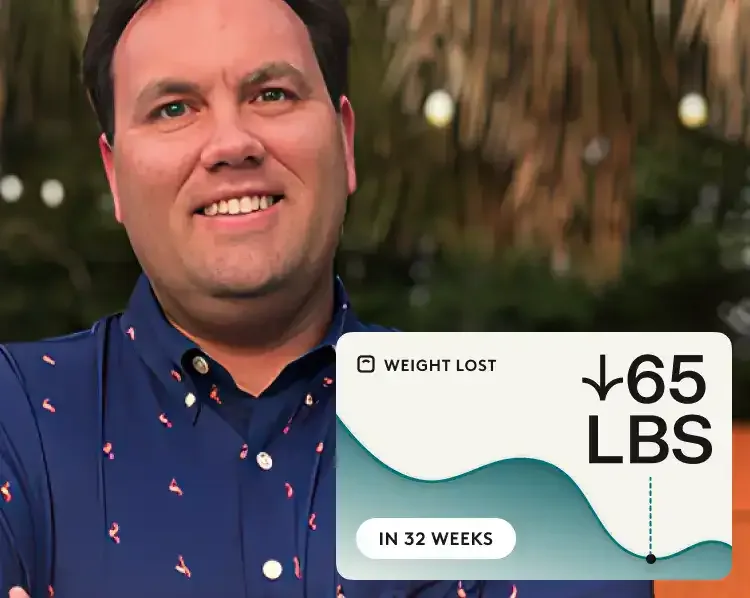
“Noom has taught me that every day is a new chance to make better, healthier choices. It’s taught me how to stop overeating.”
Matthew M. — Real Noom user
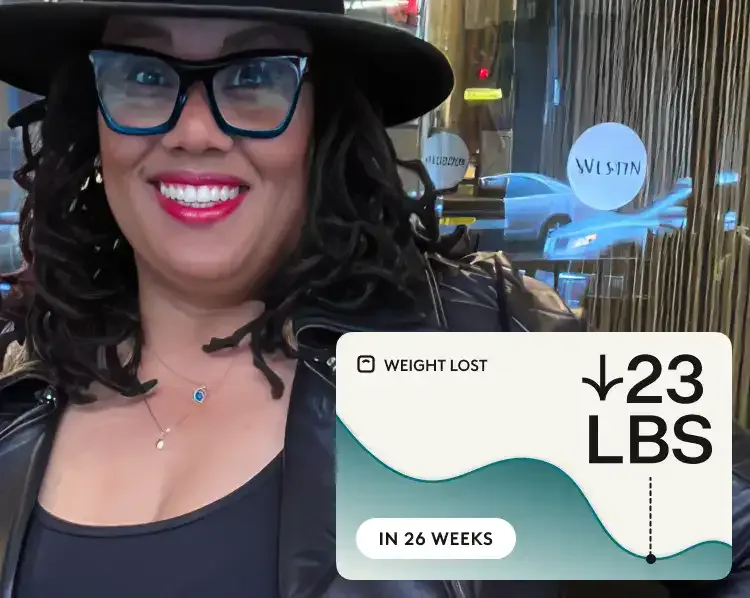
“Clinicians who understand how supportive medication can be is one of the best parts of Noom! I was convinced I wouldn’t have success but I’m down 11 pounds in two months.”
Lila M. — Real Noom user

“Noom provided me with the medication which I could not get through Medicare. I have learned the tricks to better eating and life in general.”
Steve M. – Real Noom user
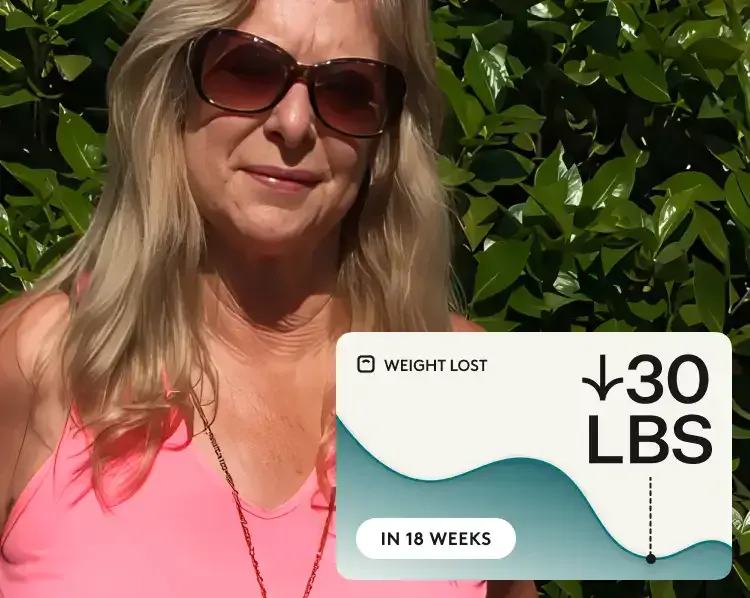
“Noom has changed my life and I’m so thankful, I feel great, have more energy and am no longer prediabetic.”
Daisy R. – Real Noom user
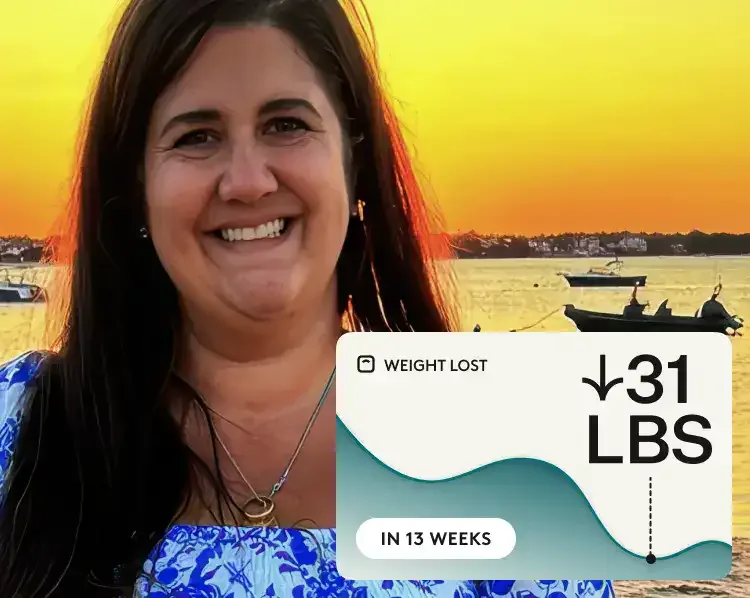
“All of the Noom providers that I’ve met with have been exceptional and prescribed medications that are appropriate for my situation and health.”
Sarah R. – Real Noom user

“Noom made the process so simple and now I feel full, free from diet obsession, and at ease in my body again.”
Madison S. – Real Noom user
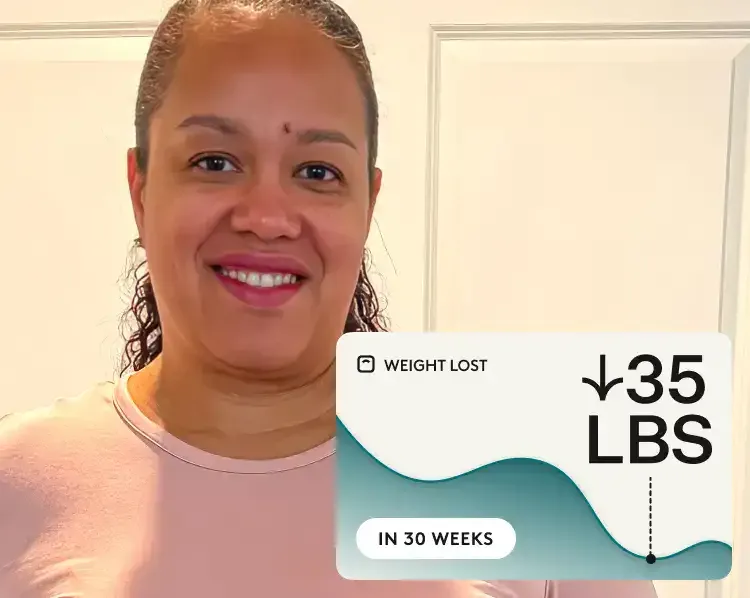
“My doctor recommended Noom after I was frustrated trying to lose weight. The lessons helped change my relationship with food. My body feels lighter & energized.”
Sonday K. – Real Noom user
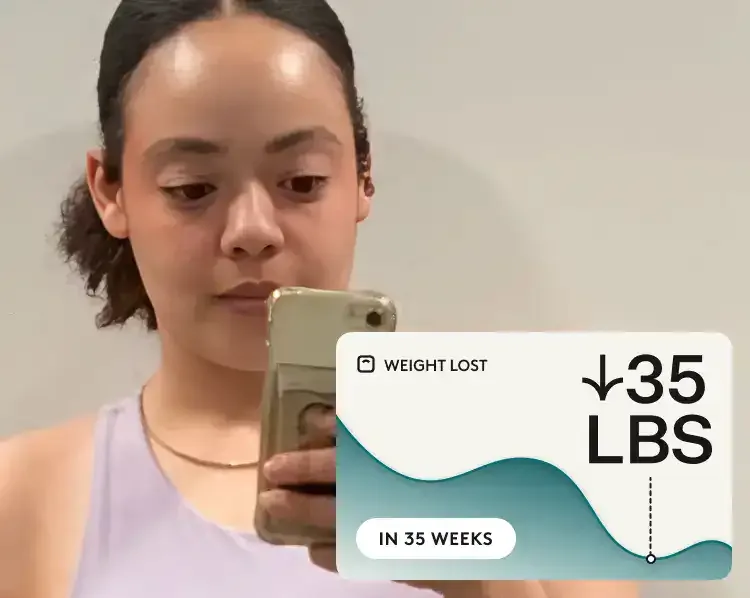
“I built healthy habits with coaching and lessons that make me confident I can maintain my weight loss long term.”
Cam K. – Real Noom user
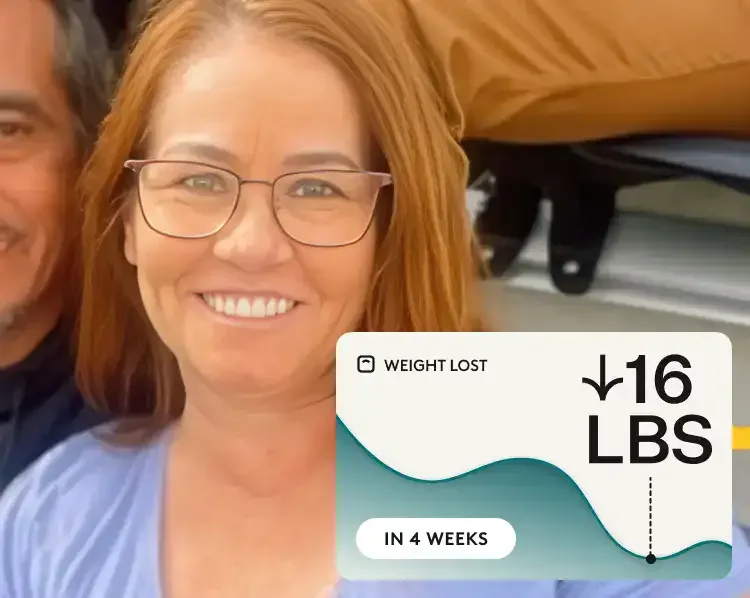
“With the right medication through Noom, hunger and sugar cravings finally quieted and I have the tools to break the cycle.”
Laura TR. – Real Noom user
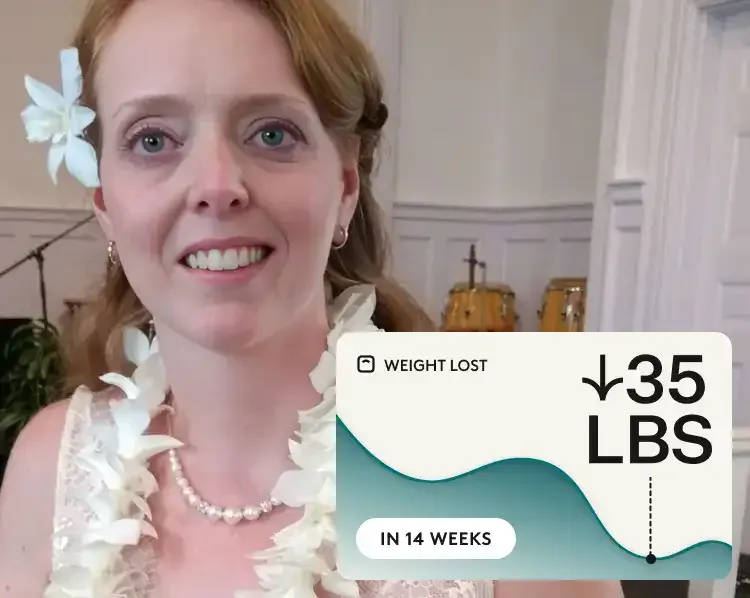
“Cravings and food noise are gone, I finally feel confident in the healthy habits I’ve built to last with Noom.”
Jessica S. – Real Noom user
The bottom line: What you eat on Mounjaro® can make a big difference
Eating well with Mounjaro® doesn’t have to be complicated. The goal is to choose meals that help you feel full, energized, and comfortable while the medication supports your appetite and portion control.
A helpful Mounjaro® meal plan usually starts with protein, fiber-rich fruits and vegetables, slow-digesting carbs, and small amounts of healthy fats. It also means limiting foods that may make side effects worse, such as greasy meals, sugary snacks, and highly processed foods.
Most importantly, your eating habits should feel realistic. Small, steady changes can help you learn what works best for your body as you adjust to Mounjaro®. Use Noom’s GLP-1 companion and trackers to help you build a more balanced approach to food that supports your weight-loss goals without feeling overly strict or hard to follow. Plus, check with the community to see what they are eating, swap recipes, and get tips for healthier eating.
Editorial standards
At Noom, we’re committed to providing health information that’s grounded in reliable science and expert review. Our content is created with the support of qualified professionals and based on well-established research from trusted medical and scientific organizations. Learn more about the experts behind our content on our Health Expert Team page.