
What you’ll learn:
- The Wegovy® pill and phentermine are both daily prescription weight loss medications.
- Wegovy® pill is designed for long-term weight management, while phentermine is generally intended for short-term use.
- The Wegovy® pill typically leads to greater average weight loss than phentermine, but it may cost more and requires careful daily dosing.
Prescription weight-loss medications can make it easier to manage hunger and lose weight, but choosing between them isn’t always straightforward. Some are designed to provide support over a shorter period, while others are intended to be part of a longer-term approach to weight management.
If you’re deciding between phentermine and the Wegovy® pill, you’re probably wondering which one is more effective—and whether the newer medication is worth the higher cost.
While both are prescription weight-loss medications taken as daily pills, they work very differently—and they’re designed for different points in your weight-loss journey.
Phentermine is a decades-old medication that suppresses appetite. It’s intended to kickstart weight loss over a short stretch, typically 12 weeks. The Wegovy® pill, approved in late 2025, is the first oral GLP-1 approved for weight loss. It contains semaglutide, the same active ingredient as injectable Wegovy® and Ozempic®, and is intended for long-term weight management.
So, which one is right for you? Here’s a look at how phentermine and the Wegovy® pill compare, including their potential benefits and drawbacks, expected weight loss, side effects, cost, and what it’s like to take each one. We’ll also look at the situations in which one medication may be a better fit than the other, so you can have a more informed conversation with your healthcare provider.


Wegovy® pill vs. phentermine: How do they work?
Both phentermine and semaglutide can help with weight loss, but they work in very different ways. Phentermine acts on the brain to reduce hunger, while semaglutide mimics a natural gut hormone that helps lower appetite, slow digestion, and regulate blood sugar. Understanding these differences can help you and your healthcare provider decide which approach may be a better fit. Let’s go through them:
Phentermine
Phentermine is a stimulant that increases levels of certain brain chemicals, including norepinephrine, to reduce appetite. By making you feel less hungry, it can help you eat fewer calories and support weight loss.
It’s FDA-approved for short-term use, typically up to 12 weeks, and designed to kickstart weight loss rather than sustain it for months or even years. Some healthcare providers prescribe it for longer periods off-label.
Phentermine is available as a generic medication, which helps keep costs relatively low. It’s also sold under different brand names and in combination with other medications:
- Lomaira®: A lower-dose version of phentermine that can be taken up to three times daily before meals.
- Qsymia®: A combination drug that pairs phentermine with topiramate and is FDA-approved for long-term weight management.
Wegovy® pill (semaglutide)
Semaglutide is a GLP-1 receptor agonist, meaning it mimics a hormone in your body that helps lower appetite, slow digestion, and regulate blood sugar. The Wegovy® pill contains the same active ingredient as the Wegovy® injection, but it’s taken as a once-daily tablet instead of a once-weekly injection. It’s intended to be a long-term strategy for losing weight and keeping it off, combined with healthy lifestyle changes.
Read more: Wegovy® pill vs. injection
Wegovy® pill vs. phentermine: What are the differences?
While both medications can help with weight loss, they differ in several important ways—including how they’re taken, how long you typically stay on them, how much they cost, and the results you can expect. Here’s how they compare.
How they are taken
Even though both medications come as pills, the daily routine isn’t the same.
- Phentermine is usually taken once each morning to help reduce appetite throughout the day (or up to three times a day before meals if you’re taking Lomaira®).
- The Wegovy® pill is also taken once daily, but timing matters much more. To help your body absorb semaglutide, you’ll need to take it first thing in the morning on an empty stomach with no more than 4 ounces of water, then wait at least 30 minutes before eating, drinking, or taking other medications.
How long you take them
A major difference when comparing these two options is how long each medication is intended to be used.
- Phentermine is FDA-approved for short-term weight loss, typically for up to 12 weeks. That recommendation dates back to its original approval in 1959, before long-term safety data were available. Today, some healthcare providers prescribe it for longer periods in certain situations, but it’s meant as a short-term “boost” to start the weight loss process.
- The Wegovy® pill, on the other hand, is designed for long-term weight management. Like injectable Wegovy®, it’s intended to be used over months or even years when appropriate. Most people take semaglutide for at least 6 to 12 months, and studies have shown it can be used safely for longer when monitored by a healthcare provider.
What they cost without insurance
Cost is often an important part of the decision, especially since insurance coverage for weight-loss medications varies by plan and is still quite rare.
Access GLP-1 Weight Loss with Noom
Explore a wide range of prescription medications supported by Noom’s program.Microdose GLP-1rx
Noom GLP-1rx
Noom GLP-1rx Plus
Wegovy®

Ozempic®

Metformin

Zepbound®
Mounjaro®
Liraglutide
- Phentermine is one of the more affordable prescription weight-loss medications. Generic tablets or capsules typically cost about $37 to $41 per month, while Lomaira® averages around $28 per month. Qsymia®, which combines phentermine with topiramate, costs closer to $150 per month without insurance.
- Wegovy® pill is cheapest through the manufacturer’s NovoCare Pharmacy. Prices range from about $149 to $299 per month depending on dose. If you have insurance, you might pay as low as $25 per month with the Wegovy® Savings Offer. Without any discount, the list price is about $1,349 per month.
Effectiveness
Clinical studies show that semaglutide generally leads to greater weight loss than phentermine. That makes sense because phentermine is intended for short-term use, while the Wegovy® pill is designed for long-term weight management. But keep in mind that results vary from person to person and depend on factors like eating habits, physical activity, and how long you stay on treatment. We’ll get into what average weight loss looks like below.
Prescription requirements
The prescribing process differs between these medications. Since phentermine is a controlled substance, federal regulations require going to a doctor in-person before it can be prescribed. The Wegovy® pill can be prescribed through telehealth, allowing eligible patients to be evaluated remotely by a licensed healthcare provider.
Side effects
Because these medications work differently, their side effects are different, too.
- Phentermine stimulates the central nervous system, so it’s more likely to cause side effects such as a faster heart rate, restlessness, dry mouth, and trouble sleeping. Read more: Phentermine side effects
- The Wegovy® pill works on hormones that regulate appetite and digestion, making digestive side effects more common—especially when starting treatment or increasing the dose. In clinical trials, nausea was the most frequently reported side effect, affecting about 47% of people taking the 25 mg maintenance dose, followed by vomiting (31%), constipation (20%), and diarrhea (18%). Read more: Wegovy® pill side effects
Wegovy® pill vs. phentermine: What are the similarities?
Although phentermine and the Wegovy® pill work differently, they share a few important similarities. Both are prescription medications that can support weight loss when combined with healthy lifestyle changes, and both require a healthcare provider to determine whether they’re appropriate for you.
They can both support weight loss
Both medications are FDA-approved to help with weight management, but they’re intended for different timelines. Phentermine is approved for short-term use, while the Wegovy® pill is approved for long-term weight management.
Neither medication is a standalone solution. For the best results, both should be combined with nutritious eating habits, regular physical activity, and other lifestyle changes.
Insurance coverage varies
Coverage for weight-loss medications depends on your insurance plan. Some commercial plans cover medications like the Wegovy® pill with prior authorization, while others exclude weight-loss drugs altogether. Medicare and Medicaid coverage also varies based on the medication, indication, and, in Medicaid’s case, the state you live in. For example, the Wegovy pill is available through the Medicare GLP-1 Bridge Program for qualified people, but phentermine isn’t. If you have insurance, check your plan’s covered medication list before deciding on a treatment.
Read more: Which GLP-1s are covered by Medicare?
Wegovy® pill vs. phentermine: Which is better for weight loss?
Both medications have been shown to help people lose weight, but they work on very different timelines and tend to deliver different results. Here’s a look at the averages that have been seen in weight loss trials:
Phentermine and Qsymia
Phentermine works by lowering your appetite, and the clearest way to see its effect is in percent of body weight lost.
- The strongest trial we have: In a 12-week study, 96% of people taking phentermine lost at least 5% of their starting weight and 63% lost 10% or more. It’s a small study (37 people per group) done in people managing a related condition like diabetes or high blood pressure, so your own results may land in a somewhat different range.
- The general pattern: Research points to most people losing around 5% of their starting weight over 12 weeks when phentermine is paired with healthy eating and movement. If you’re starting at 200 pounds, that’s roughly 10 pounds.
What about Qsymia? Qsymia combines phentermine with topiramate, and the combo tends to lead to more weight loss than phentermine alone. In one trial, people on the full dose lost an average of about 10% of their starting weight over 56 weeks.
Wegovy pill
Wegovy® pill: In a 64-week study of the Wegovy® pill at the 25 mg maintenance dose, people lost an average of 14% of their starting body weight. For someone weighing 200 pounds, that’s roughly 27 pounds.
In that same study, 76% of participants lost at least 5% of their starting weight, and 47% lost 15% or more. The study emphasized weight loss alongside a reduced-calorie diet and increased physical activity
How long does it take to see results?
The time it takes to see weight loss also differs between these medications. Phentermine often leads to noticeable weight loss within the first few weeks, while the Wegovy® pill works more gradually but typically delivers stronger long-term results, particularly if people stay on the medication.

The Easy Way
to lose weight and get healthy.
See if you qualify

- Phentermine: Weight loss often begins quickly and continues throughout the typical 12-week course. Over time, some people find the medication becomes less effective as their body develops tolerance to its appetite-suppressing effects.
- Wegovy® pill: Weight loss tends to build gradually as the dose is increased over several months. The most significant results usually occur after reaching the maintenance dose and continuing treatment, making semaglutide a better option for long-term weight management than rapid initial weight loss.
Who can be prescribed phentermine or the Wegovy® pill for weight loss?
Before starting either medication, your provider will review your health background, existing conditions, and personal weight-loss goals.
Who can take phentermine for weight loss?
You may qualify for phentermine if you have:
- BMI of 30 or higher
- BMI of 27+ with at least one weight-related health condition, such as high blood pressure or high cholesterol
Who shouldn’t take phentermine?
Certain conditions make phentermine unsafe. You can’t take phentermine if you:
- Have heart issues, such as uncontrolled high blood pressure, irregular heartbeat, or a history of stroke
- Live with eye conditions like glaucoma or an overactive thyroid (hyperthyroidism)
- Have used MAOI antidepressants in the past 14 days, or have a known allergy to phentermine
- Are pregnant or breastfeeding
Who can take the Wegovy® pill for weight loss?
You may qualify for the Wegovy® pill if you have:
- A BMI of 30+
- A BMI of 27+ with a weight-related health issue like high blood pressure or high cholesterol
Who shouldn’t take the Wegovy® pill?
You can’t take the Wegovy® pill if you:
- Have a personal or family history of medullary thyroid cancer (MTC) or multiple endocrine neoplasia type 2 (MEN 2)
- Are allergic to semaglutide or any of the tablet’s ingredients
- Are pregnant, planning to become pregnant, or breastfeeding
Your clinician will also determine if the Wegovy® pill is right for you if you have a history of pancreatitis or severe gastrointestinal problems.
Can you switch between the Wegovy® pill and phentermine?
Yes, it’s possible to switch between the Wegovy® pill and phentermine, but you should only do so under the guidance of a healthcare provider. Because these medications work differently, your provider will recommend the safest way to stop one medication and start the other.
People switch medications for different reasons, including wanting more or less weight loss, experiencing side effects, changes in cost or insurance coverage, or deciding a different treatment better fits their lifestyle or long-term goals.
- If you switch from the Wegovy® pill to phentermine: You’ll be changing from a GLP-1 medication that slows digestion and helps you feel full for longer to a stimulant that primarily reduces hunger. Your provider will determine the right starting dose and monitor for stimulant-related side effects, such as a faster heart rate, restlessness, or trouble sleeping.
- If you switch from phentermine to the Wegovy® pill: You’ll start semaglutide at the lowest dose and gradually increase it over time to help reduce digestive side effects. Because the Wegovy® pill works differently, it may take longer to notice results, but it generally leads to more weight loss than phentermine and it can be taken longer to maintain weight loss.
If you take phentermine or the Wegovy® pill to lose weight, will you need to keep taking them forever?
Whether you stay on a weight loss medication long-term depends on your progress and goals. One of the biggest differences between these two treatments is that phentermine is intended for short-term use, while the Wegovy® pill is designed for long-term weight management. Here’s what that means for each medication.
- Phentermine: Phentermine is generally intended for short-term use, typically up to 12 weeks. While some research suggests longer-term use may be safe and effective for certain people, it remains an off-label approach that should only be done under the supervision of a healthcare provider.
- Wegovy® pill: The Wegovy® pill is designed for long-term weight management. Like other GLP-1 medications, it helps control appetite while you’re taking it, but it doesn’t permanently change the biological processes that influence weight. As a result, stopping treatment can lead to weight regain for some people.
- Whether you stay on the medication long term depends on factors like your weight-loss goals, how well you’re tolerating treatment, and guidance from your healthcare provider. Building sustainable eating, physical activity, and other healthy habits during treatment can also help you maintain your progress over time.
Note: In most U.S. states, phentermine and phentermine-containing products like Qsymia® can only be prescribed by a physician you see in person, not through telehealth with Noom Med.
Wegovy® pill vs. phentermine: The difference in side effects
The side effects of phentermine and the Wegovy® pill are different because they work in different ways. Phentermine acts as a stimulant, while the Wegovy® pill works by slowing digestion and lowering appetite. Phentermine is more likely to cause stimulant-related side effects, while the Wegovy® pill is more likely to cause digestive symptoms.
Wegovy® pill vs. phentermine: Common side effects
Regardless of which medication you take, most of the common side effects are mild and often improve as your body adjusts.
With phentermine: Because phentermine is a stimulant, it’s more likely to cause side effects that affect your energy levels, heart rate, or sleep. Common side effects include dry mouth, a metallic taste, constipation or diarrhea, mild nausea, dizziness, tremor, headaches, restlessness, and trouble sleeping. These can usually be managed by following your provider’s guidance on dose and timing.
Read more: Phentermine side effects
With the Wegovy® pill: Because the Wegovy® pill works by slowing digestion and lowering appetite, digestive side effects are the most common—especially when you’re first starting treatment or increasing your dose. Nausea (47%), vomiting (31%), constipation (20%), and diarrhea (18%) are the most commonly reported symptoms at the 25 mg dose. Some people also experience stomach discomfort, indigestion, and headaches. These tend to resolve over time, and only about 7% of people in clinical trials stopped taking the Wegovy® pill because of side effects.
Read more: Wegovy pill side effects
Wegovy® pill vs. phentermine: Severe side effects and warnings
Serious side effects are uncommon with both medications, but it’s important to know which symptoms require prompt medical attention. While most people tolerate these medications well, contact your healthcare provider or seek emergency care if you experience any of the warning signs below.
Phentermine: What to watch for
- Heart-related issues: Contact your provider if you notice a rapid or irregular heartbeat, palpitations, or consistently high blood pressure.
- Chest discomfort or breathing issues: Seek emergency care if you develop chest pain, trouble breathing, or swelling in your legs or ankles.
- Severe nervous system effects: Report intense restlessness, agitation, or sudden mood changes to your doctor.
- Sleep problems: If insomnia persists or affects daily life, talk to your provider about adjusting or stopping your dose.
- Allergic reactions: Get immediate medical attention for a rash, itching, facial or throat swelling, dizziness, or trouble breathing.
- Possible dependence: If you feel the need to take more than prescribed, or struggle to go without it, call your healthcare provider right away.
Wegovy® pill: What to watch for
- Pancreatitis: Seek emergency care for sharp abdominal pain that radiates to your back, with or without vomiting.
- Vision changes: Get immediate medical assistance for sudden vision loss or major changes in eyesight.
- Low blood sugar: Dizziness, shaking, blurred vision, or a racing heartbeat — especially if you use other diabetes medications — requires immediate attention.
- Kidney problems: Reduced urination, swelling in the ankles or legs, fatigue, or shortness of breath can signal trouble, often related to dehydration from GI side effects like vomiting or diarrhea.
- Gallbladder issues: Get immediate attention for upper abdominal pain, fever, nausea, or yellowing of the skin or eyes.
- Allergic reactions: Seek emergency help for swelling of the face, lips, tongue, or throat, a rash, or difficulty breathing.
- Thyroid lumps and tumors: Semaglutide medication include a warning for potential thyroid tumors, though the risk is based on animal studies and these haven’t been seen in humans. Still, you’ll be advised to get immediate medical attention for neck swelling, hoarseness, or trouble swallowing.
Phentermine or the Wegovy® pill: Which one is right for you?
Choosing between phentermine and the Wegovy® pill isn’t about which medication is “better”—it’s about which one best fits your goals, health history, lifestyle, and budget. While both can support weight loss, they differ in how they’re taken, how much weight loss they typically produce, how long they’re intended to be used, and what they cost.
Because both medications require a prescription, you’ll need to work with a healthcare provider to determine whether you’re a good candidate, discuss the potential benefits and risks, and decide which treatment is most appropriate for you.
Here are some of the key differences to help you compare your options:
| Category | Phentermine | Wegovy® pill (semaglutide) |
|---|---|---|
| How it works | A stimulant that curbs appetite through the central nervous system | A GLP-1 receptor agonist that slows digestion, reduces appetite, and regulates blood sugar |
| How you take it | Daily oral pill (Lomaira® up to 3x/day before meals) | Daily oral pill, taken on an empty stomach with a 30-minute wait before food |
| FDA approval | Short-term weight loss (about 12 weeks); longer use is off-label | Weight loss, reducing cardiovascular risk |
| Weight loss | About 5-8% of starting weight over 12-28 weeks | About 14% of starting weight over 64 weeks |
| Controlled substance | Yes, Schedule IV | No |
| Prescribing | Requires an in-person visit in most states | Available through telehealth, including Noom Med |
| Insurance coverage | Limited, but sometimes used as step therapy | Depends on your plan and if you have certain chronic conditions |
| Cost without insurance | Generic: $37-$41/month; Lomaira®: $28/monthQsymia®: $150/month | $149-$299/month through NovoCare Pharmacy |
| Available as a generic | Yes | No |
Reviews from real Noom users
Desirea N. — Real Noom user
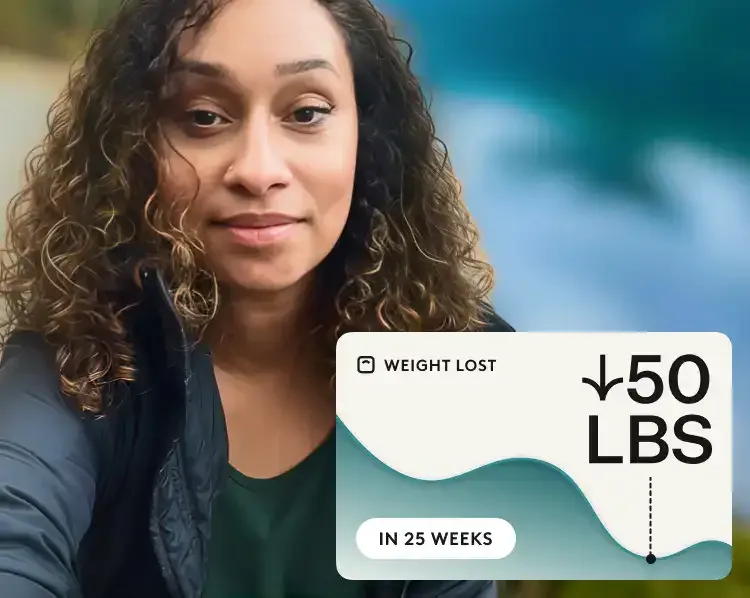
“My favorite parts of Noom are the care team and other Noomers. Sharing and getting help made me feel like I wasn’t doing it alone. That support made all the difference.”
Desirea N. — Real Noom user
Matthew M. — Real Noom user
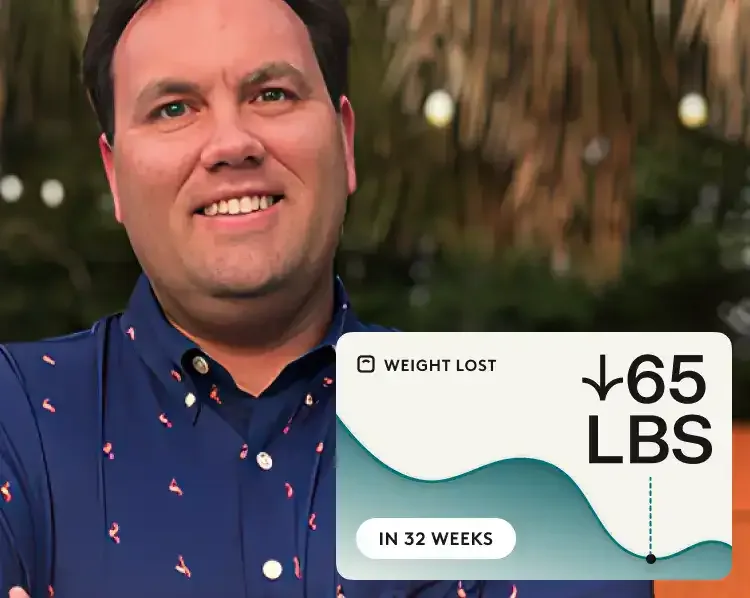
“Noom has taught me that every day is a new chance to make better, healthier choices. It's taught me how to stop overeating.’’
Matthew M. — Real Noom user
Lila M. — Real Noom user
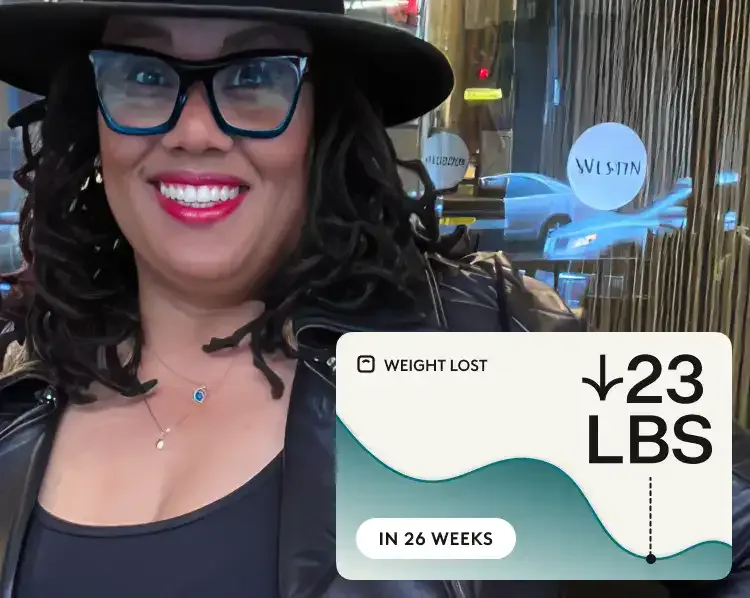
“Clinicians who understand how supportive medication can be is one of the best parts of Noom! I was convinced I wouldn’t have success but I’m down 11 pounds in two months.’’
Lila M. — Real Noom user
Steve M. — Real Noom user
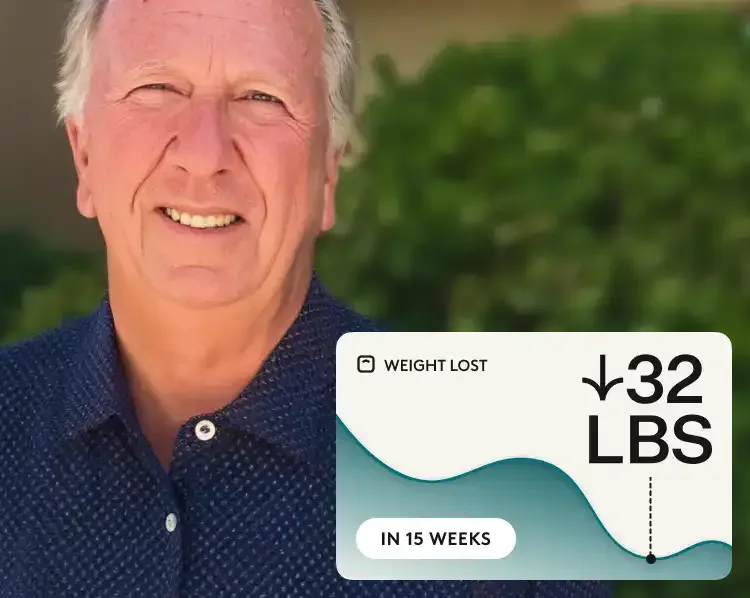
“Noom provided me with the medication which I could not get through Medicare. I have learned the tricks to better eating and life in general.”
Steve M. – Real Noom user
Daisy R. — Real Noom user
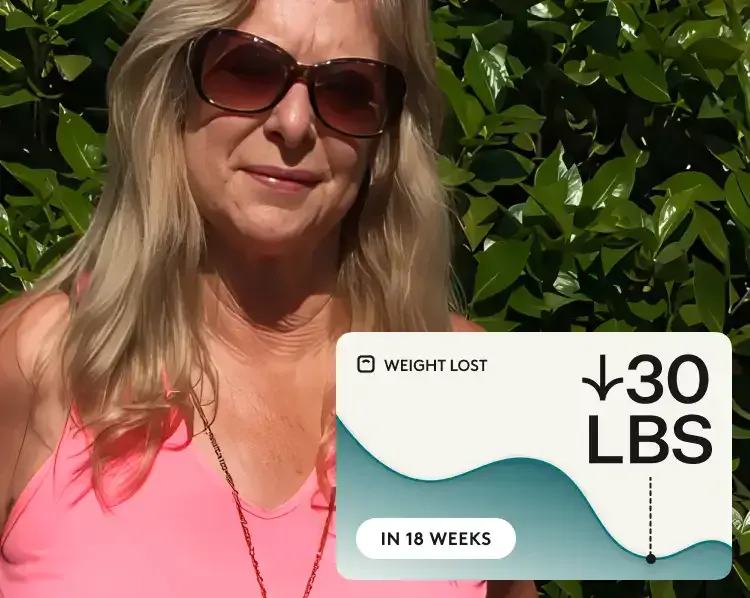
‘’Noom has changed my life and I’m so thankful, I feel great, have more energy and am no longer prediabetic.”
Daisy R. – Real Noom user
Sarah R. — Real Noom user
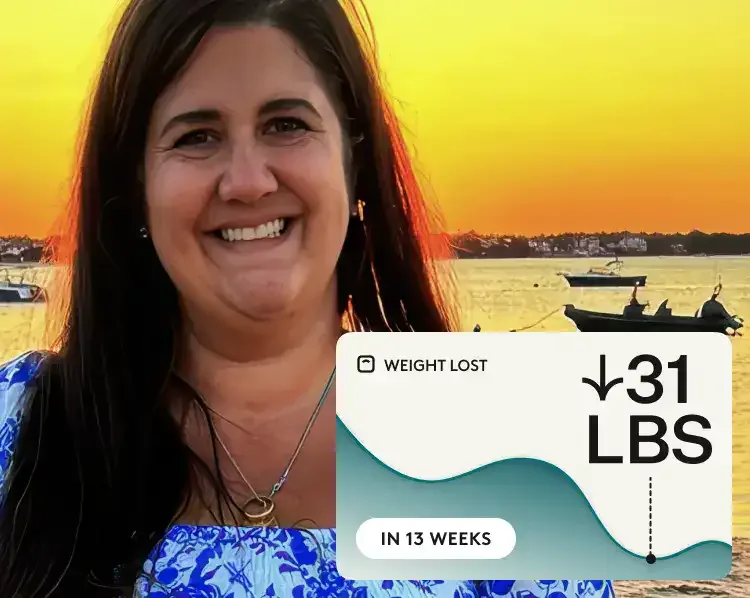
“All of the Noom providers that I’ve met with have been exceptional and prescribed medications that are appropriate for my situation and health.”
Sarah R. – Real Noom user
Madison S. — Real Noom user
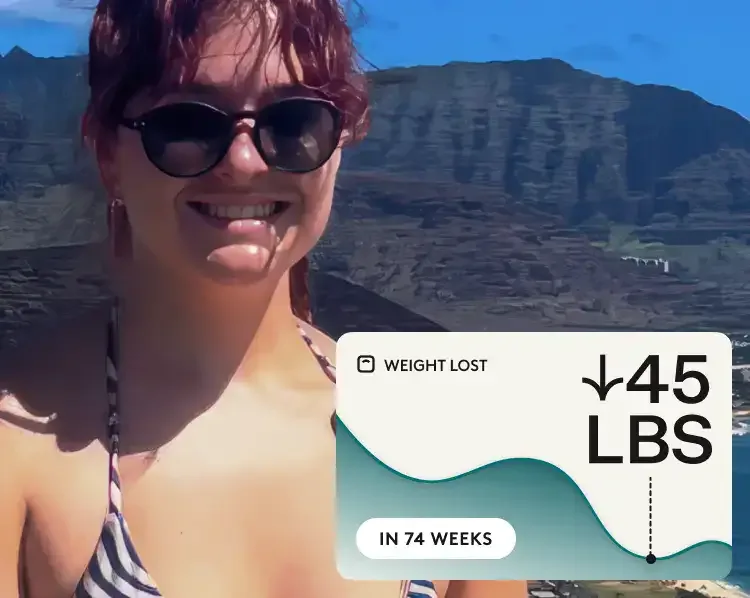
“Noom made the process so simple and now I feel full, free from diet obsession, and at ease in my body again.”
Madison S. – Real Noom user
Sonday K. — Real Noom user
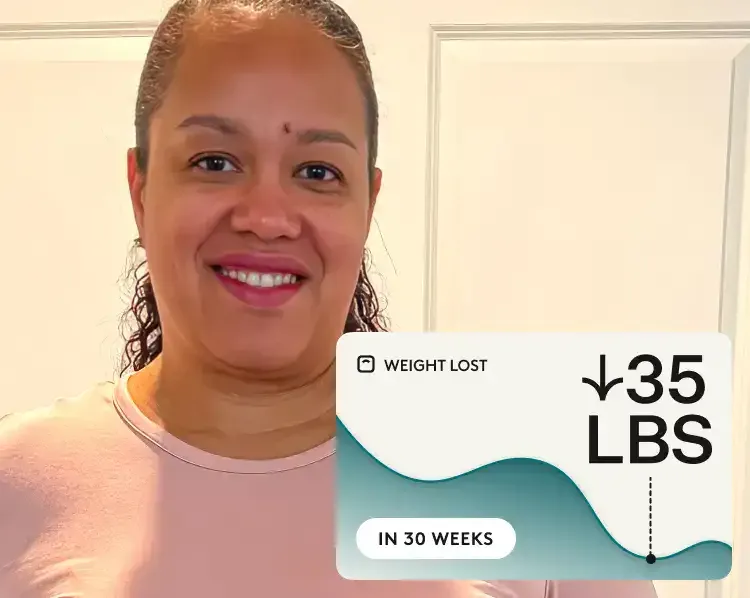
“My doctor recommended Noom after I was frustrated trying to lose weight. The lessons helped change my relationship with food. My body feels lighter & energized.”
Sonday K. – Real Noom user
Cam K. — Real Noom user
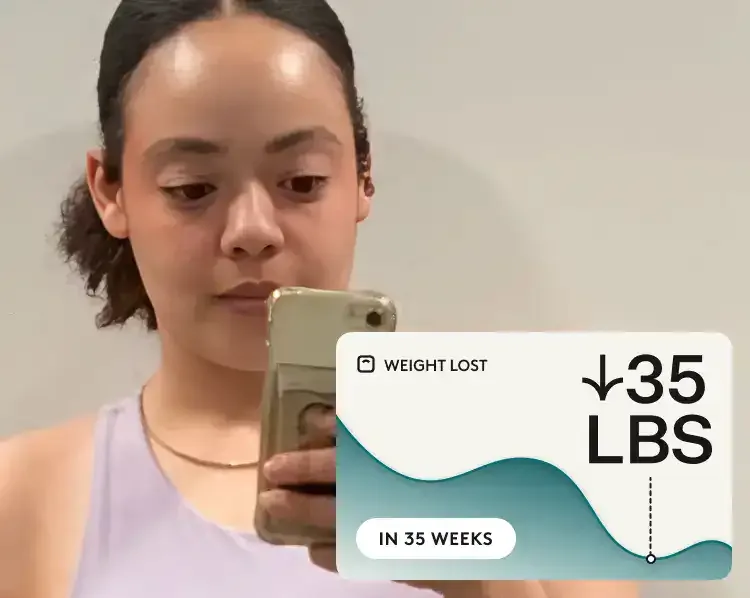
“I built healthy habits with coaching and lessons that make me confident I can maintain my weight loss long term.”
Cam K. – Real Noom user
Laura TR. — Real Noom user
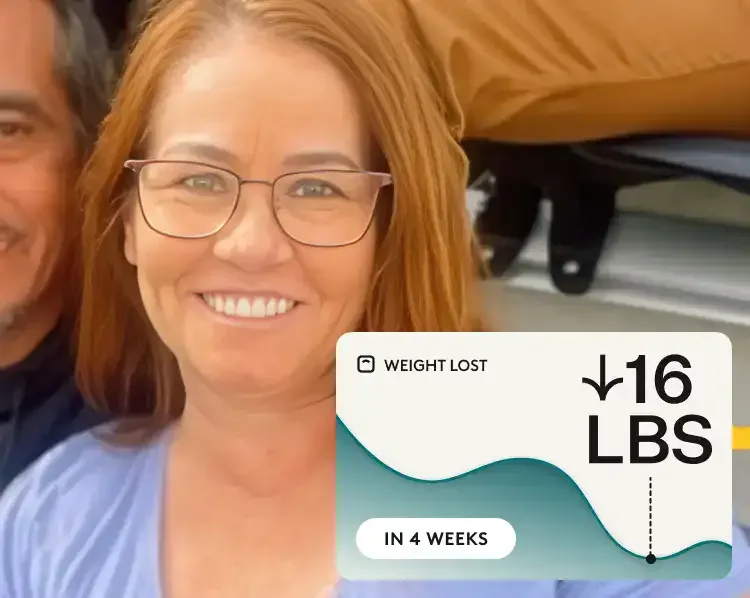
“With the right medication through Noom, hunger and sugar cravings finally quieted and I have the tools to break the cycle.”
Laura TR. – Real Noom user
Jessica S. — Real Noom user
“Cravings and food noise are gone, I finally feel confident in the healthy habits I’ve built to last with Noom.”
Jessica S. – Real Noom user
The bottom line: Phentermine and the Wegovy® pill work differently for weight loss
Phentermine and the Wegovy® pill can both help with weight loss, but they’re designed for different purposes. If you’re looking for a lower-cost medication to jump-start weight loss over a few months, phentermine may be an option if it’s safe for your health history. If your goal is greater weight loss and long-term weight management, the Wegovy® pill is generally the more effective choice, though it requires a longer commitment, careful daily dosing, and typically comes with a higher price tag. Whichever medication you and your healthcare provider choose, it works best alongside sustainable habits like balanced eating, regular physical activity, and adequate sleep—because those are the behaviors that help support weight loss during treatment and make it easier to maintain your progress over time.
If you’re considering a weight loss medication, see if you qualify for Noom Med. You’ll be connected with a licensed clinician who can determine the right option for you, prescribe it if appropriate, and offer ongoing support—plus access to Noom’s behavior-change program to help you lose weight sustainably and keep it off.
Editorial standards
At Noom, we’re committed to providing health information that’s grounded in reliable science and expert review. Our content is created with the support of qualified professionals and based on well-established research from trusted medical and scientific organizations. Learn more about the experts behind our content on our Health Expert Team page.