
What you’ll learn:
- Zepbound® slows stomach emptying as part of how it works, but gastroparesis is uncommon, and research hasn’t established exactly how often the medication causes it.
- Diabetes and other conditions can also slow stomach emptying, making it difficult to determine whether gastroparesis is caused by Zepbound® or an underlying condition.
- Zepbound® can cause common digestive side effects like nausea and feeling full, but severe, persistent, or worsening symptoms should be evaluated.
If you’ve read about GLP-1 medications online, you’ve probably come across the word “gastroparesis,” often paired with scary phrases like “stomach paralysis.” It’s a fair thing to worry about. Zepbound® (tirzepatide) works partly by slowing how fast food leaves your stomach, so it makes sense to wonder if that slowdown can go too far.
Slower digestion is an expected effect of Zepbound®, and it isn’t the same as gastroparesis. Gastroparesis is a diagnosed condition in which the stomach empties too slowly for a long time. It has been reported in people taking GLP-1 medications, including tirzepatide, but it appears to be uncommon. Research so far is early, and the studies don’t agree on whether tirzepatide carries more, less, or about the same risk as similar drugs.
There’s another important piece of context: the medication may not be the only factor. Gastroparesis was a condition before GLP-1s, and having diabetes increases one’s risk for it. Also, type 2 diabetes and obesity often occur together, and researchers think they may share underlying causes. Since the people who take these medications often have one or both conditions, it can be hard to tell whether gastroparesis comes from the drug, the health condition that leads you to take the drug, or both.
Let’s go over what gastroparesis is, how it differs from common Zepbound® side effects, what the research found, and what you can do to lower your risk. If you’re having severe or lasting stomach symptoms, contact your healthcare provider.
What is gastroparesis?
Gastroparesis is the name of a condition that happens when the muscles of the stomach move food along too slowly, even though nothing is blocking the way.
Noom’s Most Powerful Program
A dual-pathway GLP-1 and behavior change for lasting results.
Here’s how digestion normally works: After you eat, your stomach muscles squeeze to mix and break down the food, then push it a little at a time into your small intestine. In gastroparesis, those squeezes are weak or out of sync, often because the nerves that control them aren’t working properly (something that can happen with long-term diabetes). Food sits in the stomach much longer than it should.
Common symptoms include:
- Nausea and vomiting, sometimes of food you ate hours earlier
- Feeling full after just a few bites
- Bloating and a swollen belly after meals
- Upper belly pain
- Weight loss from not being able to eat enough (in more severe cases)
Clinicians usually diagnose it when symptoms last more than three months and a test confirms slow emptying. In that test, you eat a meal that contains a tracer, and scans track how much is left in your stomach hours later. Less than 10% of the meal should remain after four hours, so more than that points to delayed emptying.
How common is gastroparesis?
Even without Zepbound®, gastroparesis happens to some people. In a large U.S. health-records study, it occurred in:
- About 1 in 600 people overall
- About 1 in 75 people with type 2 diabetes
- About 1 in 22 people with type 1 diabetes
What is gastroparesis on Zepbound®?
Zepbound® works by stimulating hormones that lower appetite, help your body manage blood sugar, and make your stomach empty more slowly. That’s primarily how the medicine helps people lose weight.
When food stays in your stomach longer, you feel full sooner and stay full longer, which helps you eat less and lose weight. That’s called slower or delayed gastric emptying. It’s part of how the medication works, but it also sounds similar to gastroparesis. The two aren’t the same, though.
- Slower emptying from Zepbound® is an expected drug effect. Your stomach is working, just at a slower pace. It’s strongest right after you start or raise your dose and fades over several weeks as your body adjusts. That’s why side effects show up most at the beginning and when you move up a dose. It usually causes mild to moderate symptoms, like feeling full quickly, mild nausea, or bloating.
- Gastroparesis is a medical condition. The stomach isn’t emptying properly, and it doesn’t resolve on its own. Symptoms can be severe enough to make it hard to eat and drink, which can lead to dehydration, nutrient deficiencies, and too much weight loss.
People on Zepbound® who are diagnosed with gastroparesis have symptoms that go beyond the usual adjustment period. Instead of easing after the first few weeks, their symptoms stay severe or get worse, or start after a dose increase and don’t let up. They may not be able to keep food or fluids down, may vomit food they ate hours earlier, and may lose weight because they can’t eat enough. In these cases, the slowdown appears to have gone too far.
Does Zepbound® cause gastroparesis?
Most people who take Zepbound® never develop gastroparesis, and the research doesn’t show that the medication causes it. But cases have been reported in people taking tirzepatide, and in some of them, symptoms cleared up after the medication was stopped. That suggests the drug can play a role in certain people, especially those with other risk factors.
Who Zepbound® isn’t recommended for: Zepbound® isn’t recommended for people with severe gastroparesis. It hasn’t been studied in people with this condition, and since the medication slows the stomach, it could make their symptoms worse. This also means people with severe gastroparesis were left out of the big clinical trials, so we don’t have good data on how the drug affects them.
Why the research is confusing: Most studies don’t look at gastroparesis alone. They bundle it with other digestive problems, like bowel blockage, pancreatitis, gallbladder disease, and severe constipation. So a number like “1 in 100” often describes several problems combined, not gastroparesis on its own.
Access GLP-1 Weight Loss with Noom
Explore a wide range of prescription medications supported by Noom’s program.
Microdose GLP-1rx
Noom GLP-1rx
Noom GLP-1rx Plus
Wegovy®
Ozempic®
Metformin
Zepbound®
Mounjaro®
Liraglutide
Here’s what studies have found so far:
- In the Zepbound® weight-loss trials, severe stomach side effects of any kind were reported in 1.7% of people taking 5 mg, 2.5% taking 10 mg, and 3.1% taking 15 mg, compared with 1% taking a placebo.
- In a large study of people with type 2 diabetes, researchers followed adults who started tirzepatide, semaglutide (Wegovy®/Ozempic®), or dulaglutide (Trulicity®). Serious stomach and digestive problems requiring ER or hospital care occurred at a rate of about 1% to 1.2% per year, with similar rates across all three medications.
- A review of 55 clinical trials involving more than 106,000 people found no clear increase in gastroparesis among people taking GLP-1 medications. The review did find small increases in gallstones and acid reflux. However, gastroparesis appears to be uncommon, and clinical trials may not always be large or long enough to detect rare side effects.
Is gastroparesis more common with tirzepatide than semaglutide?
Slower stomach emptying can happen with GLP-1 medications, including both tirzepatide (Zepbound®/Mounjaro®) and semaglutide (Wegovy®/Ozempic®), so it isn’t unique to tirzepatide. But when researchers have compared new gastroparesis diagnoses between the two medications, the results have conflicted. Three recent studies came to three different conclusions, and all were presented as conference abstracts or posters rather than full peer-reviewed studies.
Here’s where the research differs:
- One study found a higher rate with tirzepatide. In a large study that followed adults for one year, gastroparesis was diagnosed in 0.22% of people taking tirzepatide compared with 0.002% taking semaglutide. Despite the large relative difference, gastroparesis was uncommon with both medications.
- Another study found a lower rate with tirzepatide. Among adults with obesity who didn’t have diabetes, a study found that gastroparesis was diagnosed in about 0.06% of people taking tirzepatide compared with about 0.16% taking semaglutide.
- A third study found similar rates. Among adults with obesity and type 2 diabetes followed for up to five years, a study found that gastroparesis was diagnosed in about 1% of people taking tirzepatide and 1.1% taking semaglutide.
What does that mean? Gastroparesis was uncommon with either medication in these studies, but the research doesn’t yet give us a consistent answer about whether the risk is higher with tirzepatide or semaglutide. Larger, peer-reviewed studies will be needed to make a reliable comparison.
Why it’s hard to know what causes gastroparesis
One reason the data is complicated is that the health conditions that lead people to take tirzepatide can also affect how the stomach works. Both diabetes and obesity have been linked to digestive problems. So when someone taking Zepbound® or Mounjaro® develops gastroparesis, it can be difficult to determine how much the medication, an underlying condition, or a combination of factors contributed.
Here’s where diabetes and obesity overlap with gastroparesis:
- Diabetes itself can slow stomach emptying. Over time, high blood sugar can damage the nerves that help control stomach movement. Among people who have had diabetes for many years, delayed stomach emptying has been estimated to affect about 30% to 50%.
- Obesity and diabetes often overlap. A review of gastroparesis and obesity found that most people who had both gastroparesis symptoms and type 2 diabetes also had obesity. That makes it harder to separate the potential contribution of each condition.
- The symptoms can look alike. Nausea, bloating, and feeling full quickly can occur with gastroparesis, but they can also have many other causes. Researchers note that symptoms alone aren’t enough to diagnose gastroparesis.
- Many reported cases have involved people with diabetes. In a 2026 review of 13 reported cases of gastroparesis associated with GLP-1 medications, 11 people had type 2 diabetes, and three had signs of stomach problems before starting treatment. The authors suggested that the medication may have worsened an existing problem in those cases. Two of the 13 people didn’t have diabetes and were taking a GLP-1 medication for weight loss, showing that reported cases aren’t limited to people with diabetes.
All of this makes cause and effect difficult to untangle. Diabetes, obesity, pre-existing digestive problems, and the medication itself may all need to be considered when researchers study the risk of gastroparesis with tirzepatide.
Can you avoid gastroparesis on Zepbound®?
There’s no proven way to prevent gastroparesis while taking Zepbound®. But you can take steps to use the medication safely and recognize potential problems early.
Before starting Zepbound®, tell your clinician if you already have gastroparesis or another condition that affects how your stomach empties. Zepbound® slows stomach emptying and isn’t recommended for people with severe gastroparesis.
It’s also important to tell your clinician if you have diabetes, particularly if you already experience symptoms such as frequent nausea or vomiting, bloating, or feeling full unusually quickly. Diabetes is the most common known cause of gastroparesis, and long-term high blood sugar can damage the nerves that help control stomach movement.
If you’re cleared to take Zepbound®, these steps can help you use it safely:
- Follow the dosing plan your clinician prescribes. Zepbound® doses are increased gradually to help reduce gastrointestinal side effects. Don’t increase your dose or change your dosing schedule unless your clinician tells you to.
- Ask before restarting after a longer break. If you’ve missed several doses, check with your clinician about how to restart rather than choosing a dose yourself.
- Pay attention to persistent symptoms. Feeling full soon after starting a meal, remaining full long after eating, nausea, vomiting, bloating, and upper abdominal pain can all be symptoms of gastroparesis.
- Don’t wait out severe or persistent stomach problems. Zepbound® can cause gastrointestinal side effects that are sometimes severe. Tell your clinician if stomach symptoms are severe or don’t go away.
Digestive symptoms are common with Zepbound®, particularly when starting treatment or increasing the dose, and having nausea, bloating, or feeling full doesn’t necessarily mean you have gastroparesis. Eating smaller meals, stopping when you feel full, and avoiding fatty foods can help with common Zepbound® stomach side effects.
What matters is whether symptoms are severe, persistent, or getting worse. The prescribing information recommends telling your clinician if stomach problems are severe or don’t go away. Your clinician can determine whether the symptoms are expected medication side effects or need further evaluation.
How to tell the difference between slow stomach emptying and gastroparesis
It can be difficult to tell the difference between the expected effects of Zepbound® on digestion and gastroparesis based on symptoms alone. Zepbound® intentionally slows stomach emptying, and common side effects like nausea, vomiting, bloating, and feeling full can overlap with symptoms of gastroparesis.
There are some signs that can help you know when to contact your clinician:

The Easy Way
to lose weight and get healthy.
| What to look for | Common Zepbound® digestive effects | Symptoms that need further evaluation |
|---|---|---|
| When they occur | GI side effects are especially common during dose escalation | Symptoms may be concerning if they are persistent, severe, or getting worse |
| Severity | Most GI side effects in clinical trials were mild to moderate | Severe symptoms or symptoms that interfere with eating and drinking need medical attention |
| Fullness | Feeling fuller and eating less are expected effects of Zepbound® | Feeling full long after eating or being unable to eat enough can be symptoms of gastroparesis |
| Vomiting | Vomiting is a known Zepbound® side effect | Frequent or persistent vomiting, especially if you can’t keep fluids down, needs evaluation |
| Bloating | Bloating and other digestive symptoms can occur with Zepbound® | Severe or persistent bloating or abdominal swelling should be discussed with your clinician |
The key is that there isn’t a symptom checklist that can confirm gastroparesis at home. Doctors diagnose gastroparesis using your symptoms and medical history along with tests that measure how quickly your stomach empties.
If your digestive symptoms are severe, persistent, or getting worse, contact your clinician rather than assuming they’re a normal part of taking Zepbound®.
For more, see our guides to Zepbound® for weight loss and Zepbound® side effects.
What happens if you develop gastroparesis while taking Zepbound®?
Having nausea or feeling unusually full while taking Zepbound® doesn’t necessarily mean you have gastroparesis. But if symptoms are persistent or severe, your clinician may need to determine whether your stomach is actually emptying more slowly than it should.
Gastroparesis can be serious, but it’s usually manageable and isn’t typically life-threatening. Treatment can help control symptoms and maintain hydration and nutrition. When delayed stomach emptying is medication-related, symptoms may improve after the medication is stopped, although recovery can vary and gastroparesis from other causes may be chronic.
First, your clinician may look for the cause. Gastroparesis can’t be diagnosed from symptoms alone. Your clinician may review your medications and medical history, rule out other causes such as a blockage, and order tests that measure how quickly food leaves your stomach. Gastric emptying scintigraphy, which tracks how quickly a meal moves through your stomach, is one test used to diagnose gastroparesis.
Treatment depends on how severe your symptoms are. If gastroparesis is diagnosed or strongly suspected, your clinician will decide whether you should continue Zepbound®. Don’t stop the medication or change your dose on your own.
Treatment may also include:
- Changing how you eat. Gastroparesis treatment can include smaller, more frequent meals that are lower in fat and fiber. People who have trouble getting enough nutrition may need more liquids or other forms of nutrition support.
- Medication to manage symptoms. Clinicians may prescribe medicines to reduce nausea and vomiting or help the stomach empty more quickly.
- Fluids and nutrition support when needed. Severe vomiting can lead to dehydration and make it difficult to get enough calories and nutrients. More severe cases may require treatment in the hospital.
In a 2026 review of 13 reported cases of gastroparesis associated with GLP-1 medications, stopping the GLP-1 medication was part of treatment in the reported cases, along with measures such as fluids, anti-nausea medication, and dietary changes. Some people required hospital care. Most of these cases involved people with diabetes and GLP-1 medications other than Zepbound®, so they can’t tell us exactly what will happen in someone who develops gastroparesis while taking Zepbound®.
FAQs about Zepbound and gastroparesis
How can I avoid gastroparesis on Zepbound®?
There’s no proven way to prevent gastroparesis while taking Zepbound®. Tell your clinician about gastroparesis, diabetes, or other digestive conditions before starting, and follow the dosing schedule they prescribe. Zepbound® isn’t recommended for people with severe gastroparesis. If digestive symptoms are severe, persistent, or getting worse, tell your clinician rather than assuming they’re a normal side effect.
Does Zepbound® cause gastroparesis?
Zepbound® slows stomach emptying, which is one of its expected effects. Gastroparesis has been reported in people taking tirzepatide, but the research hasn’t established exactly how often it occurs or whether tirzepatide directly causes all of these cases. Diabetes and other conditions that affect stomach emptying can also make the connection difficult to untangle.
Is gastroparesis from Zepbound® reversible?
There’s limited research on tirzepatide specifically. In a 2026 review of reported cases of gastroparesis associated with GLP-1 medications, symptoms generally improved after the medication was stopped, and repeat testing in several cases showed that stomach emptying returned to normal. However, these were individual case reports, and recovery can vary, particularly when someone already has a condition such as diabetic gastroparesis.
How common is gastroparesis with Zepbound®?
We don’t know yet. In early studies of people taking tirzepatide, gastroparesis diagnoses have ranged from about 0.06% to 1%, depending on the population and length of follow-up. These findings came from conference abstracts and posters rather than full peer-reviewed studies, so they should be considered preliminary. Common digestive side effects are much more frequent: nausea occurred in 25% to 29% of people taking Zepbound® in weight-loss trials, depending on the dose.
Is gastroparesis from GLP-1 medications reversible?
It can be. In a 2026 review of 13 reported cases, most people with gastroparesis associated with GLP-1 medications had complete symptom relief within days to weeks after stopping the medication. In several cases, repeat testing also showed that stomach emptying returned to normal. However, these were individual case reports, so we don’t yet know how often or how quickly this happens overall.
What does a gastroparesis flare feel like?
Symptoms of gastroparesis can include feeling full soon after starting a meal or long after eating, nausea, vomiting, bloating, and upper abdominal pain. Some people may vomit undigested food several hours after eating. Because these symptoms can overlap with common Zepbound® side effects, contact your clinician if they’re severe, persistent, or getting worse.
Reviews from real Noom users
“My favorite parts of Noom are the care team and other Noomers. Sharing and getting help made me feel like I wasn’t doing it alone. That support made all the difference.”
Desirea N. — Real Noom user
“Noom has taught me that every day is a new chance to make better, healthier choices. It’s taught me how to stop overeating.”
Matthew M. — Real Noom user
“Clinicians who understand how supportive medication can be is one of the best parts of Noom! I was convinced I wouldn’t have success but I’m down 11 pounds in two months.”
Lila M. — Real Noom user
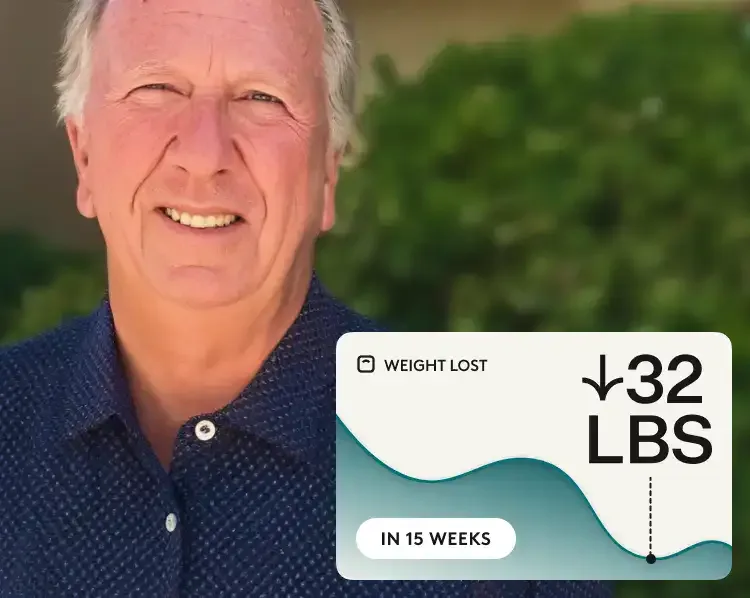
“Noom provided me with the medication which I could not get through Medicare. I have learned the tricks to better eating and life in general.”
Steve M. – Real Noom user
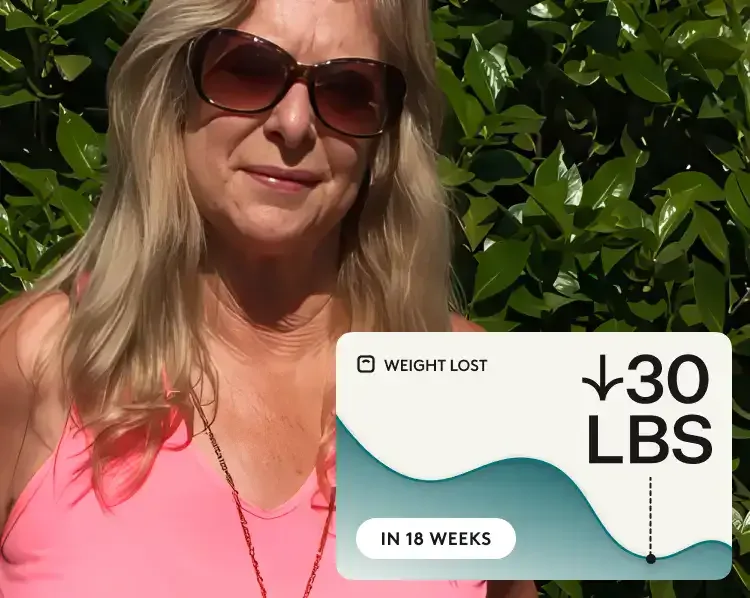
“Noom has changed my life and I’m so thankful, I feel great, have more energy and am no longer prediabetic.”
Daisy R. – Real Noom user
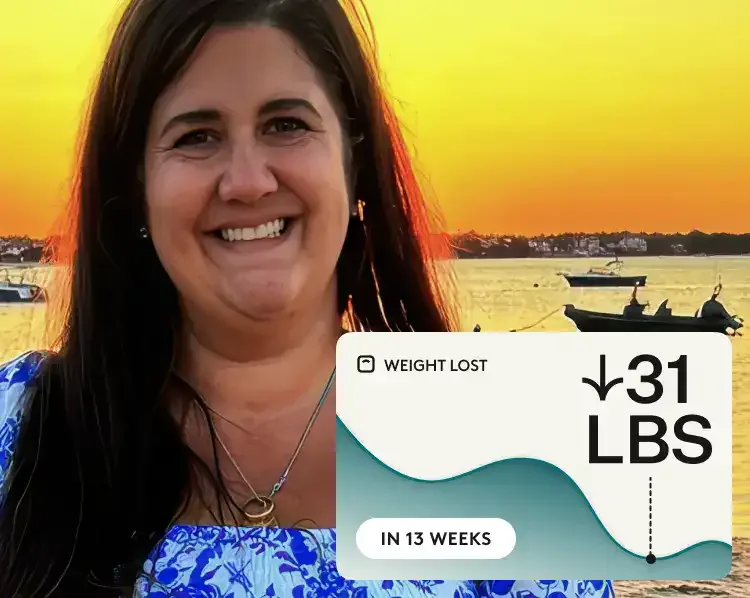
“All of the Noom providers that I’ve met with have been exceptional and prescribed medications that are appropriate for my situation and health.”
Sarah R. – Real Noom user
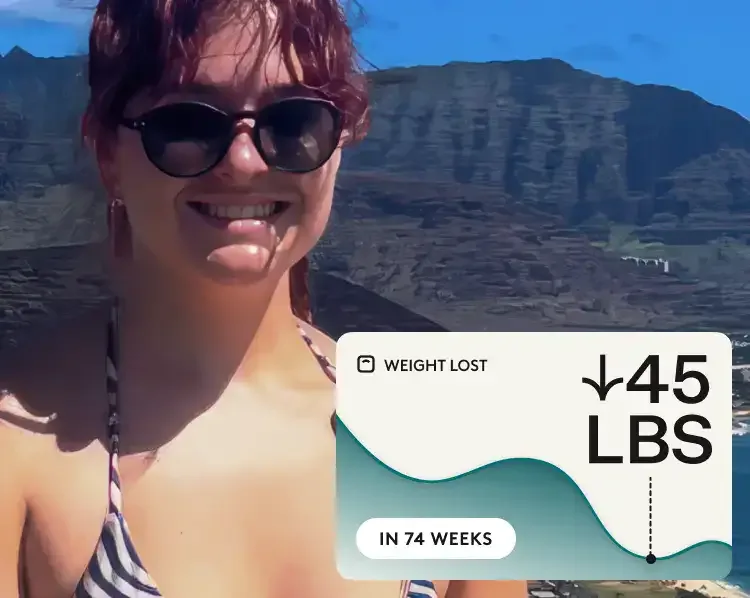
“Noom made the process so simple and now I feel full, free from diet obsession, and at ease in my body again.”
Madison S. – Real Noom user
“My doctor recommended Noom after I was frustrated trying to lose weight. The lessons helped change my relationship with food. My body feels lighter & energized.”
Sonday K. – Real Noom user
“I built healthy habits with coaching and lessons that make me confident I can maintain my weight loss long term.”
Cam K. – Real Noom user
“With the right medication through Noom, hunger and sugar cravings finally quieted and I have the tools to break the cycle.”
Laura TR. – Real Noom user
“Cravings and food noise are gone, I finally feel confident in the healthy habits I’ve built to last with Noom.”
Jessica S. – Real Noom user
The bottom line: Zepbound and gastroparesis are linked, but more research is needed
Zepbound® can be a helpful option for people who need more support with weight loss. It works in part by slowing how quickly food leaves your stomach, and gastroparesis has been reported in people taking tirzepatide and other GLP-1 medications. But the research hasn’t established exactly how often this happens or whether the medication is always the cause. A review of reported cases found that most involved people with type 2 diabetes, which itself can cause delayed stomach emptying.
True gastroparesis appears to be uncommon, and the research so far is mixed. Diabetes, pre-existing digestive problems, and other factors can also affect stomach emptying, making it difficult to determine how much the medication contributes in an individual case.
Common digestive side effects like nausea, vomiting, and feeling full are much more common than gastroparesis and don’t necessarily mean you have it. But if your symptoms are severe, persistent, getting worse, or making it difficult to eat or drink, contact your clinician. They can determine whether your symptoms are expected side effects or need further evaluation.
If you receive medication through Noom Med, track any side effects and stay connected with your Care Team for help managing them. If you’re considering Zepbound® or another GLP-1 medication, Noom Med can also help you understand your individual risk factors, what symptoms to watch for, and how to get the most out of your treatment.
Editorial standards
At Noom, we’re committed to providing health information that’s grounded in reliable science and expert review. Our content is created with the support of qualified professionals and based on well-established research from trusted medical and scientific organizations. Learn more about the experts behind our content on our Health Expert Team page.