
What you’ll learn:
- GLP-1 medications like tirzepatide can indirectly affect anesthesia because they slow how fast your stomach empties.
- Older guidelines suggested that all people stop taking the medication before surgery, but now it’s shifted to a personalized approach.
- The best approach is to ask your surgical team what they recommend to ensure your safety during surgery.
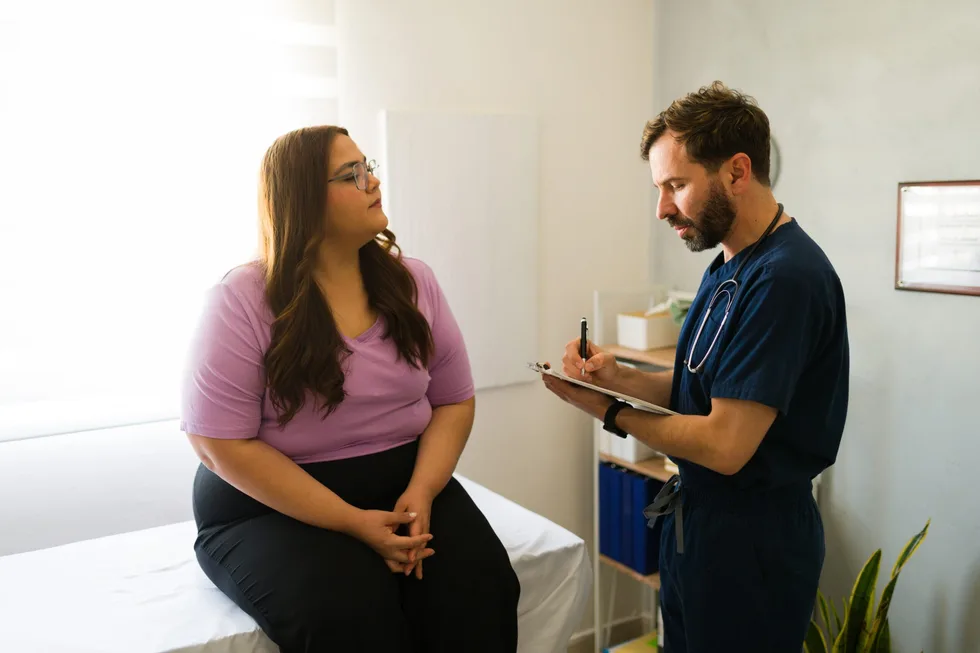
Any time you need to be given anesthesia for a procedure or surgery, you’re usually given a checklist. It probably includes stopping eating after a certain time, adjusting certain medications, and arranging a ride home. But GLP-1 medications have added another layer to some of the before-surgery routine: If you take tirzepatide—Mounjaro® or Zepbound®—your surgical team may also recommend a few additional precautions.
Why does taking a GLP-1 change what you do before surgery or anesthesia? Tirzepatide can affect your experience with anesthesia because it slows how quickly your stomach empties. This can lead to serious complications, including pneumonia and even respiratory failure.
So when should you stop taking tirzepatide before surgery? That depends on your procedure, your medical history, and your risk of delayed stomach emptying. Guidance has evolved over the past few years, and current recommendations emphasize personalized decision-making rather than a one-size-fits-all approach. And it can vary between practices.
Here’s why when you stop tirzepatide matters for anesthesia, how recommendations have changed, and which people may need additional precautions. Plus some important questions to ask your healthcare team before surgery.
What is tirzepatide?
Here’s a quick recap: Tirzepatide is a medication injected once a week to manage diabetes, help people lose weight, or for the treatment of obstructive sleep apnea (OSA). Tirzepatide is available under two brand names:
New from Noom
Microdose GLP-1Rx Plus
An affordable way to start your GLP-1 journey with Compounded Tirzepatide.

*Initial 3 week subscription and 4 weeks of medication from $79 plus tax and $199 per month plus tax for 12 week subscription thereafter. Final pricing depends on program selection. Noom GLP-1Rx Plus Microdose Program involves medication (when appropriate), healthy diet, exercise and support. Individual results vary. Meds & personalization based on need as determined by a third-party clinician. Medications are not reviewed by FDA for safety, efficacy, or quality. No affiliation with Eli Lilly and Company, the only US source of FDA-approved tirzepatide. Not available in all 50 US states.
- Mounjaro®: prescribed for people with type 2 diabetes, though often used off-label for weight loss.
- Zepbound®: prescribed for weight loss and OSA.
Both lower appetite, regulate blood sugar, and slow how quickly the stomach empties. That last one is the reason tirzepatide affects surgical planning.
They both work the same in your body; regardless of which brand you take, so your surgical team should know about it before any procedure requiring general anesthesia or deep sedation.
Learn more: Zepbound® vs. Mounjaro® for weight loss
Why do you need to stop tirzepatide before anesthesia?
One of the ways tirzepatide works, by slowing how quickly food leaves your stomach, can increase the risk of surgical complications.
Typically, you’re asked to stop eating and drinking for several hours before a procedure so your stomach is empty when anesthesia begins. Why? Under general anesthesia or deep sedation, the reflexes that normally keep food and liquid out of your airway are temporarily suppressed.
If food stays in your stomach, you may throw up, which can cause you to breathe in food or liquid that can get into your airway and lungs. This is called pulmonary aspiration. Although uncommon because steps are taken to prevent it, pulmonary aspiration can lead to pneumonia, respiratory failure, and other serious complications, even death.
That’s why it’s important anesthesiologists know if you’re taking a GLP-1 like tirzepatide before any procedure requiring general anesthesia or deep sedation.
When to stop tirzepatide before surgery
You might find different recommendations between surgical teams. That’s because recommendations about how to treat GLP-1 medications before surgery have changed over the past few years as newer medications have been approved and some have evolved.
In 2023, before Zepbound was approved, the American Society of Anesthesiologists (ASA) recommended that people stop weekly GLP-1 medications for one week before surgery. At the time, evidence was limited, and the recommendation reflected a cautious approach to reducing aspiration risk.
As more data became available, researchers began asking a different question: Does stopping the medication for a certain number of days actually predict whether the stomach is empty?
Not necessarily.
One small study used bedside ultrasound to check whether people’s stomachs were actually empty after fasting before a procedure. Researchers found that people taking weekly GLP-1 medications, including tirzepatide, were more likely to still have food in their stomachs than people who weren’t taking these medications. They also found that stopping the medication for up to seven days didn’t make much difference—people who had paused it for a week were just as likely to have food left in their stomachs as those who hadn’t. In other words, taking a week off tirzepatide didn’t reliably restore normal stomach emptying.
Those findings helped shape newer recommendations.
In 2024, five major medical societies released updated joint guidance..
Instead of recommending that everyone stop their GLP-1 medication, the updated guidance takes a more personalized approach. It says that most people having a planned surgery or procedure can continue taking their medication.
If you’re at higher risk for delayed stomach emptying, your care team may recommend extra precautions, like following a liquid-only diet for 24 hours before your procedure.
The biggest change is that the decision is no longer based on an automatic rule, like stopping your medication for a week. Instead, your surgical, anesthesia, and prescribing teams consider your symptoms, where you are in treatment, and other factors that may affect your risk.
Who’s considered higher risk?
Current guidance doesn’t recommend the same approach for everyone taking tirzepatide. Instead, your healthcare team will look at a few factors that can increase the chance that food is still in your stomach during anesthesia.
You may need extra precautions if any of these apply:
- You’re still increasing your dose. Gastrointestinal side effects are most common during the dose-escalation phase, when you’re first starting tirzepatide or gradually increasing your dose.
- You’re having digestive symptoms. Nausea, vomiting, stomach pain, bloating, constipation, or feeling like food sits in your stomach longer than usual can all be signs that your stomach is emptying more slowly.
- You have another condition that affects digestion. Some health conditions, including Parkinson’s disease and other disorders that affect how the stomach and intestines move food along, can also slow stomach emptying.
If one or more of these applies to you, your care team may recommend additional steps before your procedure, such as following a liquid-only diet for 24 hours or adjusting your surgical plan. The goal isn’t to stop tirzepatide automatically—it’s to lower your risk while keeping your treatment on track whenever possible.
Tirzepatide before surgery: Guidance by procedure
If you’re having surgery, you may be wondering whether you need to stop taking tirzepatide. For most procedures that require general anesthesia, the answer isn’t the same for everyone. Instead of following a one-size-fits-all rule, your care team will consider your risk, including whether you’re still increasing your dose, having digestive symptoms, and the type of procedure you’re having.
Some medical specialties have also published their own recommendations or have additional considerations for certain procedures, which we’ll cover below.
Colonoscopy and upper endoscopy
Guidance for colonoscopies and upper endoscopies has also moved toward a more individualized approach.
According to the American Gastroenterological Association (AGA), most people taking a GLP-1 medication can continue it before an endoscopy as long as they aren’t having symptoms of delayed stomach emptying and follow the usual fasting instructions for the procedure.
If you have symptoms like nausea, vomiting, bloating, or a feeling that food sits in your stomach longer than usual, your care team may recommend extra precautions, such as following a liquid-only diet for 24 hours before the procedure.


Since the preparation for a colonoscopy already includes a clear liquid diet and bowel cleansing, some research suggests the standard prep itself may help reduce the amount of food left in the stomach for people taking GLP-1 medications.
No matter what procedure you’re having, let your gastroenterologist know you’re taking tirzepatide well ahead of time. They can review your symptoms, assess your risk, and let you know if you need to make any changes to your preparation.
Joint replacement surgery
Joint replacement surgery is one situation where your surgeon may recommend a different approach.
One recent study found that people taking semaglutide who stopped the medication at least 14 days before a total hip or knee replacement had fewer aspiration-related complications than those who stopped it only a few days before surgery.
That said, there are a couple of important caveats. The study looked at semaglutide—not tirzepatide—and its findings haven’t been adopted into the current multi-society guidance for GLP-1 medications. Because of that, orthopedic surgeons may not all follow the same recommendations.
If you’re planning a hip or knee replacement, talk with both your orthopedic surgeon and your anesthesiologist well before your procedure. They can explain the guidance they use and whether they recommend making any changes to your tirzepatide schedule.
Cosmetic surgery
According to guidance from the American Board of Cosmetic Surgery, most people don’t need to routinely stop tirzepatide before elective cosmetic surgery. Instead, surgeons consider the same factors used for other procedures, including your current dose, gastrointestinal symptoms, and overall risk of delayed stomach emptying.
Cosmetic surgery does introduce another consideration: weight stability. For body-contouring procedures such as tummy tucks, liposuction, and body lifts, surgeons usually prefer people to be at a stable weight for several months before surgery. If you’re still actively losing weight on tirzepatide, your surgeon may recommend waiting—not because of anesthesia concerns, but because continued weight loss could affect your final cosmetic results.
FAQ about stopping tirzepatide before surgery
How long do you need to stop a GLP-1 medication before surgery?
There isn’t a single answer for everyone.
Earlier guidance recommended stopping weekly GLP-1 medications, including tirzepatide, one week before non-emergency surgery. More recent multi-society guidance recommends a risk-based approach instead. Many people can continue taking their medication, while others may benefit from additional precautions depending on their dose, symptoms, and the type of procedure they’re having.
Your surgical team will recommend the approach that’s safest for your situation.
Does tirzepatide affect anesthesia?
Not directly.
Tirzepatide doesn’t interact with anesthesia medications. Instead, it slows stomach emptying, which can leave food in the stomach longer than expected. During general anesthesia or deep sedation, that may increase the risk of pulmonary aspiration if stomach contents enter the airway.
Can you have surgery while taking Zepbound®?
Yes. Most people taking Zepbound® (tirzepatide) can safely undergo surgery.
Rather than automatically stopping the medication, your healthcare team will evaluate your individual risk factors—including your current dose, gastrointestinal symptoms, and medical history—to determine whether you need any additional precautions before your procedure.
When should I stop tirzepatide before surgery?
Only your healthcare team can answer that for your specific situation.
Some people won’t need to stop tirzepatide at all. Others may be advised to temporarily hold the medication, follow a clear liquid diet before surgery, or delay an elective procedure until gastrointestinal symptoms improve.
Your surgeon and anesthesiologist will make this recommendation based on your medical history and the type of procedure you’re having.
Why do some doctors recommend stopping GLP-1 medications before surgery?
The concern isn’t the medication itself—it’s delayed stomach emptying.
Because tirzepatide slows how quickly food leaves the stomach, some people may still have stomach contents despite following standard fasting instructions. That can increase the risk of pulmonary aspiration during anesthesia.
Current guidance recommends evaluating each patient’s individual risk rather than automatically stopping the medication before every procedure.
How long after surgery can I restart Zepbound®?
The timing varies from person to person.
If you temporarily stopped tirzepatide before surgery, your healthcare team will usually recommend restarting once you’re eating and drinking normally and any postoperative nausea or vomiting has resolved.
If you’ve been off the medication for several weeks, ask your prescribing clinician whether you should restart at your previous dose or gradually increase your dose again.
Reviews from real Noom users
Desirea N. — Real Noom user

“My favorite parts of Noom are the care team and other Noomers. Sharing and getting help made me feel like I wasn’t doing it alone. That support made all the difference.”
Desirea N. — Real Noom user
Matthew M. — Real Noom user
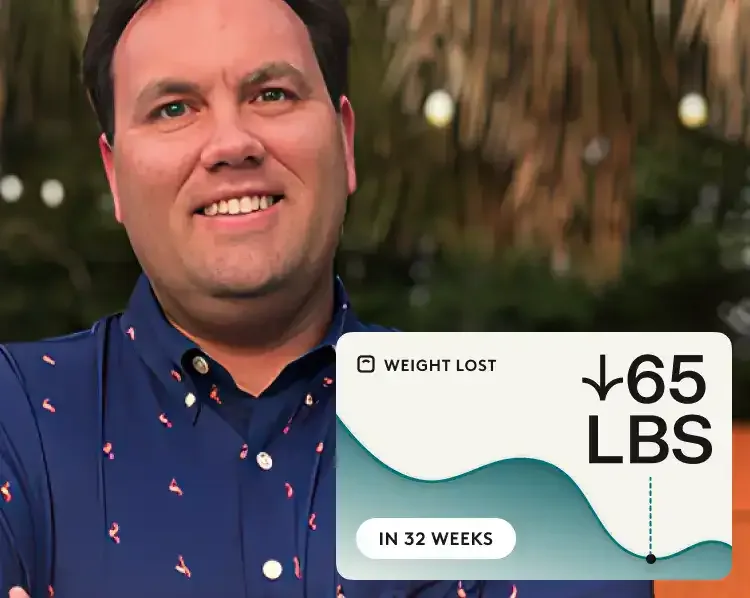
“Noom has taught me that every day is a new chance to make better, healthier choices. It's taught me how to stop overeating.’’
Matthew M. — Real Noom user
Lila M. — Real Noom user
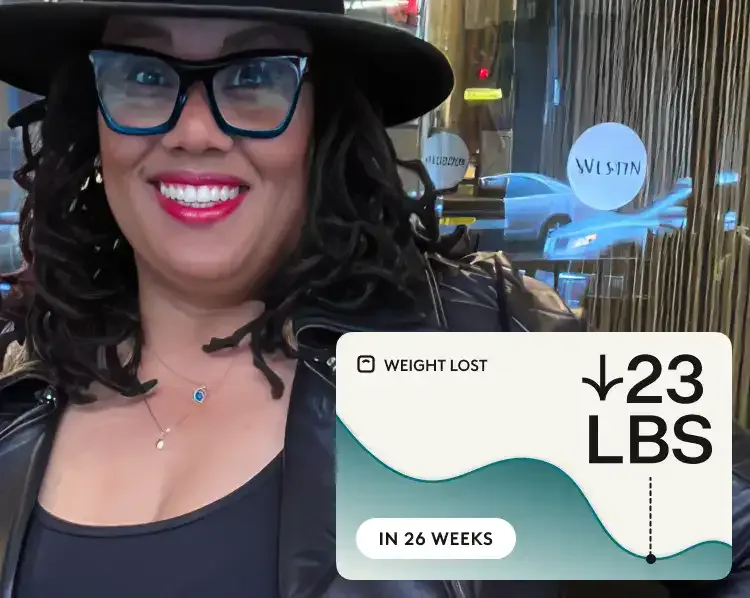
“Clinicians who understand how supportive medication can be is one of the best parts of Noom! I was convinced I wouldn’t have success but I’m down 11 pounds in two months.’’
Lila M. — Real Noom user
Steve M. — Real Noom user
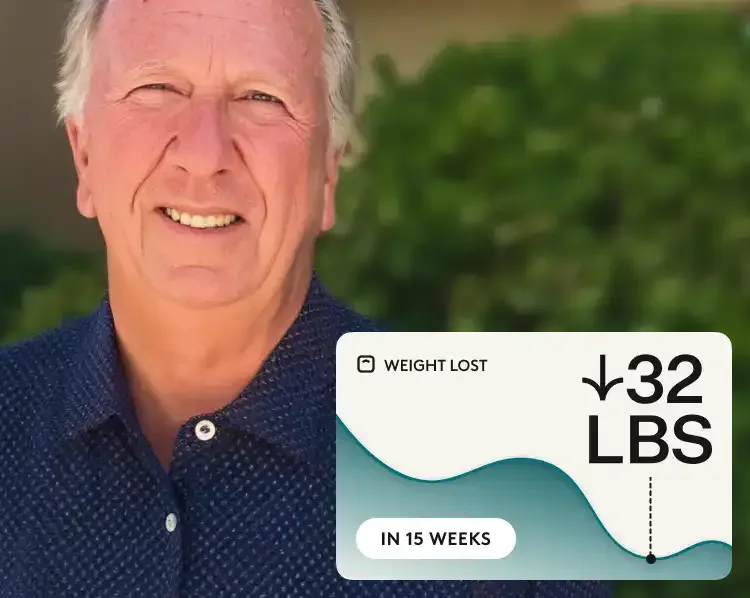
“Noom provided me with the medication which I could not get through Medicare. I have learned the tricks to better eating and life in general.”
Steve M. – Real Noom user
Daisy R. — Real Noom user
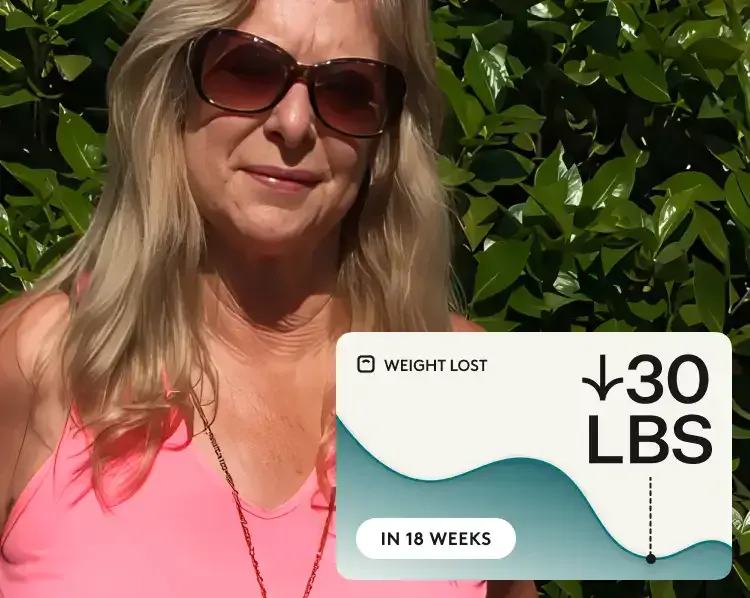
‘’Noom has changed my life and I’m so thankful, I feel great, have more energy and am no longer prediabetic.”
Daisy R. – Real Noom user
Sarah R. — Real Noom user
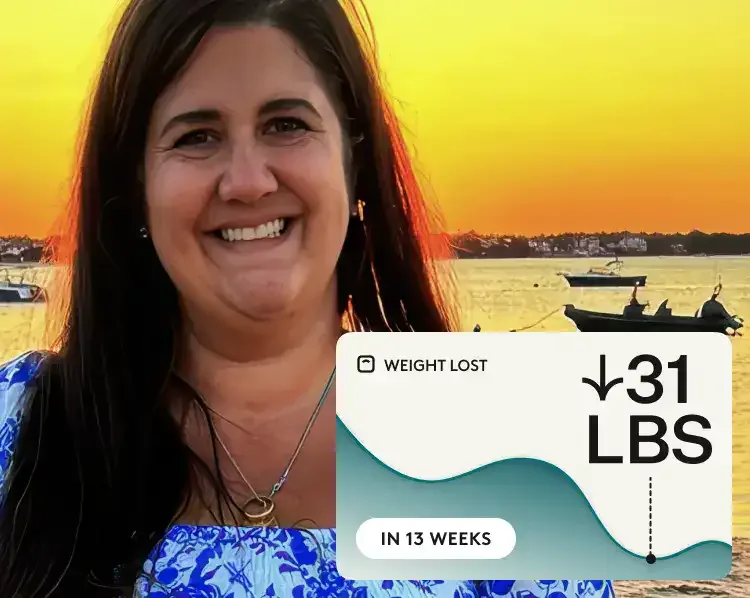
“All of the Noom providers that I’ve met with have been exceptional and prescribed medications that are appropriate for my situation and health.”
Sarah R. – Real Noom user
Madison S. — Real Noom user
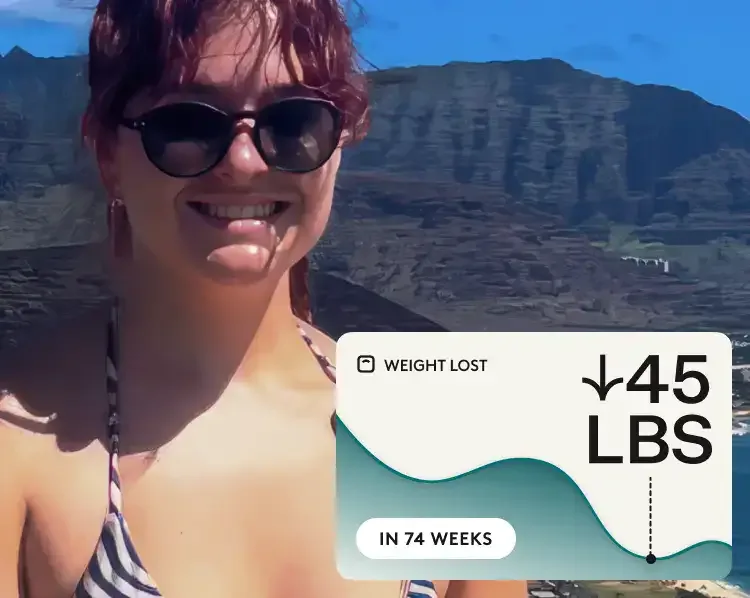
“Noom made the process so simple and now I feel full, free from diet obsession, and at ease in my body again.”
Madison S. – Real Noom user
Sonday K. — Real Noom user
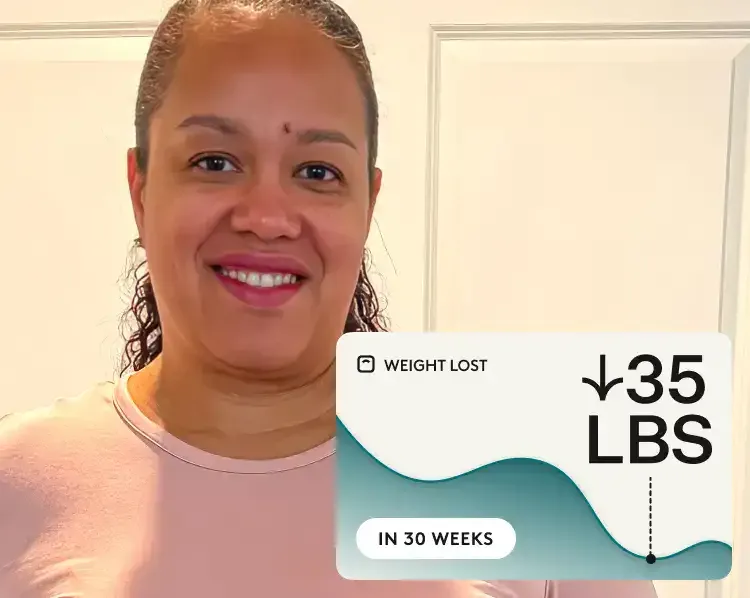
“My doctor recommended Noom after I was frustrated trying to lose weight. The lessons helped change my relationship with food. My body feels lighter & energized.”
Sonday K. – Real Noom user
Cam K. — Real Noom user
“I built healthy habits with coaching and lessons that make me confident I can maintain my weight loss long term.”
Cam K. – Real Noom user
Laura TR. — Real Noom user
“With the right medication through Noom, hunger and sugar cravings finally quieted and I have the tools to break the cycle.”
Laura TR. – Real Noom user
Jessica S. — Real Noom user
“Cravings and food noise are gone, I finally feel confident in the healthy habits I’ve built to last with Noom.”
Jessica S. – Real Noom user
The bottom line: Ask your doctor about whether to stop tirzepatide before surgery
Tirzepatide works partially because it slows how quickly food leaves your stomach, keeping you full longer. But while that’s an important part of how the medication works, the delayed stomach emptying may increase the risk of pulmonary aspiration during general anesthesia or deep sedation.
Most people taking tirzepatide don’t need to automatically stop their medication before surgery. Current guidance has shifted away from a one-size-fits-all recommendation and instead focuses on each person’s individual risk factors and what procedure you’re undergoing.
If you have a procedure scheduled, tell your surgeon, anesthesiologist, and the clinician who prescribes your tirzepatide as early as possible. Be prepared to discuss your current dose, how long you’ve been taking the medication, whether you’re still increasing your dose, and any gastrointestinal symptoms you’ve experienced. Together, your healthcare team can determine whether you should continue your medication, temporarily pause it, or take additional precautions before your procedure.
If you’re using Noom Med to receive tirzepatide, your prescribing clinician already has access to your dosing history. With your surgical team, they’ll help determine the safest plan. Surgery doesn’t have to derail your progress—it just requires a little extra planning to help ensure both your procedure and your ongoing treatment go as smoothly as possible.
Editorial standards
At Noom, we’re committed to providing health information that’s grounded in reliable science and expert review. Our content is created with the support of qualified professionals and based on well-established research from trusted medical and scientific organizations. Learn more about the experts behind our content on our Health Expert Team page.