
What you’ll learn:
- GLP-1 medications are now available as daily pills, giving people a needle-free way to access this type of treatment.
- Each pill works a little differently, so the right choice depends on your health goals, routine, and coverage.
- Weight loss results vary by pill, but none currently match the average weight loss seen with injectable GLP-1 options like Zepbound®.
If you’ve been thinking about starting a GLP-1 medication for weight loss, you’re looking at a very different landscape than even a year ago. For a long time, these medications were only approved as injections for weight loss purposes. Now you have two GLP-1 pills to choose from
In late 2025, the Wegovy® pill, made with semaglutide, became the first GLP-1 pill approved for weight loss. A few months later, in April 2026, Foundayo®, made with orforglipron, was also approved for weight loss, expanding the number of pill-based options available.
With taking GLP-1s as pills now an option, you may have questions about how they work, how they compare to injections, and whether one option stands out. Let’s explore the science behind these medications, look at the latest trials, and break down what makes each GLP-1 pill unique.
GLP-1 pills: What are they and how do they work?
GLP-1 pills are oral versions of GLP-1 medications, a class of drugs that help regulate appetite, slow digestion, and regulate blood sugar by mimicking a hormone your body makes called glucagon-like peptide-1. Instead of being delivered through a weekly injection, as older versions of the medications are, they are taken as daily tablets.
GLP-1 pills work the same way as GLP-1 injections. The main difference is how the medication gets into your body. Injections deliver the medication under the skin, while pills are absorbed through the digestive system.
New from Noom
Microdose GLP-1Rx Plus
An affordable way to start your GLP-1 journey with Compounded Tirzepatide.

*Initial 3 week subscription and 4 weeks of medication from $79 plus tax and $199 per month plus tax for 12 week subscription thereafter. Final pricing depends on program selection. Noom GLP-1Rx Plus Microdose Program involves medication (when appropriate), healthy diet, exercise and support. Individual results vary. Meds & personalization based on need as determined by a third-party clinician. Medications are not reviewed by FDA for safety, efficacy, or quality. No affiliation with Eli Lilly and Company, the only US source of FDA-approved tirzepatide. Not available in all 50 US states.
GLP-1 medications can help:
- Reduce appetite, making it easier to feel satisfied with less food
- Slow digestion, which can help you stay full longer after meals
- Regulate blood sugar by supporting insulin release and reducing excess glucose production from the liver
Which GLP-1 pills are available right now?
There are currently three GLP-1 pills available in the U.S. Two are made with semaglutide, while the third uses a newer active ingredient called orforglipron.
Of the three available pills, two are approved for weight loss, and one is approved for type 2 diabetes management. Here’s a closer look at each option.
- Semaglutide: Two of the three GLP-1 pills currently available have semaglutide as their active ingredient. While they’re made from the same medication, they’re approved for different uses.
- Wegovy® pill: The Wegovy® pill was approved for weight loss in December and is available in the following doses:
- 1.5 mg
- 4 mg
- 9 mg
- 25 mg (maintenance dose).
- Ozempic® pill: Novo Nordisk’s oral semaglutide for type 2 diabetes has been available since 2019, originally under the Rybelsus® name. In May 2026, it was reformulated and rebranded as the Ozempic® pill in the U.S. to align it more closely with its injectable version. It’s available in the following doses:
- 1.5 mg
- 4 mg
- 9 mg
- Wegovy® pill: The Wegovy® pill was approved for weight loss in December and is available in the following doses:
- Orforglipron: Orforglipron is a small-molecule GLP-1 medication developed by Eli Lilly. Unlike semaglutide, it’s not a peptide-based drug, which makes it structurally different from other oral GLP-1 options. Small molecules are more stable in the digestive system, so orforglipron doesn’t need an absorption enhancer and has no requirements around food, water, or timing.
- Foundayo®: Eli Lilly’s Foundayo® became the second oral GLP-1 approved for weight loss when it received FDA approval in April 2026. Foundayo® is available in the following doses:
- 0.8 mg
- 2.5 mg
- 5.5 mg
- 9 mg
- 17.2
- Foundayo®: Eli Lilly’s Foundayo® became the second oral GLP-1 approved for weight loss when it received FDA approval in April 2026. Foundayo® is available in the following doses:
Learn more about Foundayo®, Wegovy®, and Ozempic® pills.
How are GLP-1 pills taken?
GLP-1 pills are taken once a day, but there are some differences depending on whether you are taking semaglutide or orforglipron.
One thing that’s shared across all GLP-1 medications, including both pills and injections, is a gradual dose-escalation process called titration. Rather than starting at the full dose right away, you’ll begin with a lower dose and increase gradually over time.
This gives your body time to adjust to the medication and can help reduce the risk of common side effects like nausea, vomiting, diarrhea, and constipation. Most dose increases happen about every 30 days, although the exact schedule depends on the medication and how well you’re tolerating it. You can stay at a dose longer if needed.
Here’s a quick look at how each one is taken and their available doses:
- Semaglutide: Oral semaglutide must be taken first thing in the morning on an empty stomach with a small amount of plain water. You’ll need to wait at least 30 minutes before eating, drinking, or taking other medications to help your body absorb it properly.
- Orforglipron: Orforglipron can be taken at any time of day and doesn’t have food, water, or timing restrictions, making it a more flexible option for some people.
| Feature | Foundayo® | Wegovy® pill | Ozempic® pill |
|---|---|---|---|
| When to take it | Any time of day | First thing in the morning | |
| Dosing instructions | No food, water, or timing restrictions | Take it on an empty stomach with a small amount of plain water (no more than 4 oz), then wait at least 30 minutes before eating, drinking, or taking anything else | |
| Available doses | 0.8 mg, 2.5 mg, 5.5 mg, 9 mg, 14.5 mg, and 17.2 mg | 1.5 mg, 4 mg, 9 mg, and 25 mg | 1.5 mg, 4 mg, and 9 mg |
Learn more about Foundayo® and Wegovy® pill dosage.
GLP-1 pills: How much weight can you lose?
The average expected weight loss with GLP-1 pills ranges from 11% with Foundayo to about 14% with the Wegovy pill. While the Ozempic pill can be used for off-label weight loss, the Wegovy pill is generally a better choice as it contains the same active ingredient and is approved for a higher dose for weight loss. Here’s what the trials showed for each:
Access GLP-1 Weight Loss with Noom
Explore a wide range of prescription medications supported by Noom’s program.Microdose GLP-1rx
Noom GLP-1rx
Noom GLP-1rx Plus
Wegovy®
Ozempic®
Metformin
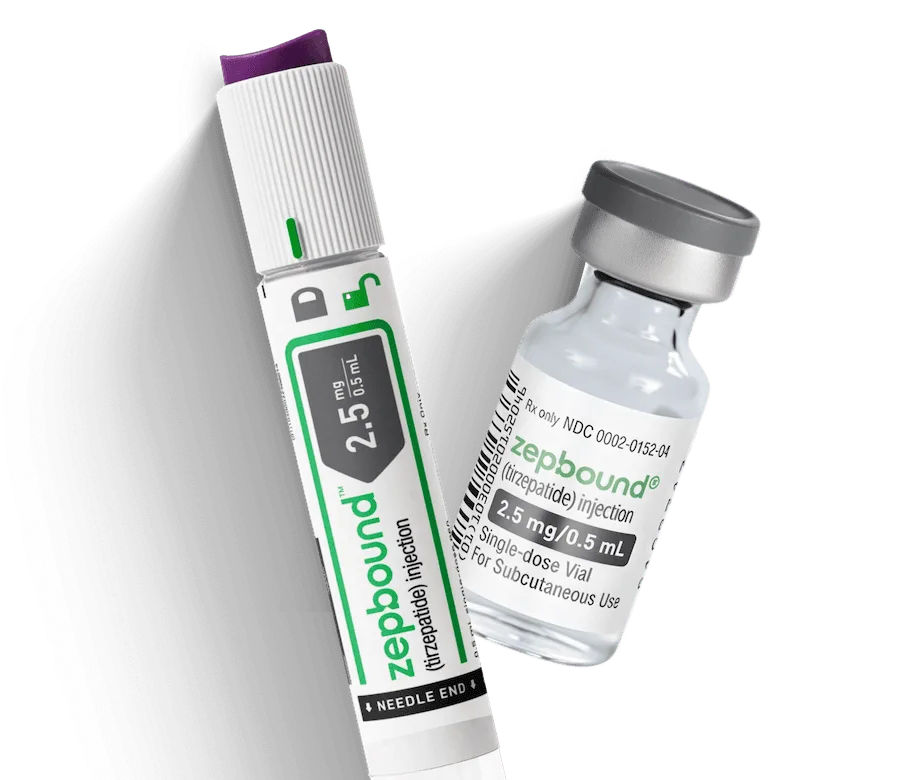
Zepbound®
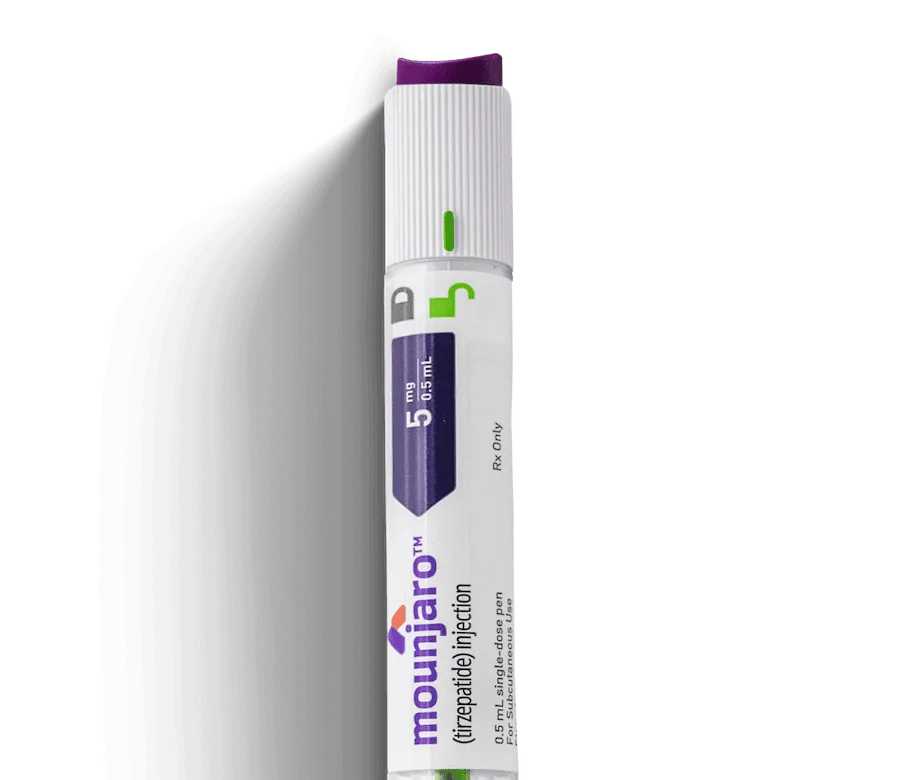
Mounjaro®
Liraglutide
- Wegovy® pill: People lost an average of 14% of their starting body weight, with nearly half of the participants losing 15% or more.
- Foundayo®: People lose an average of 11% of their starting body weight over roughly 72 weeks.
But how much weight you can expect to lose with a GLP-1 pill depends on a few things:
- Your starting weight – Weight loss is usually reported as a percentage of your starting body weight, so the number of pounds lost can look different from person to person.
- How long you stay on it – Weight loss with GLP-1 medications tends to build over time. People generally continue losing weight for months before reaching a plateau.
- Lifestyle changes you’re making alongside it – Everyone in these trials was following a reduced-calorie diet and increasing their physical activity. These medications are designed to work alongside those habits, not instead of them.
Learn more about how Foundayo® and Wegovy® compare for weight loss.
Where can you buy GLP-1 pills?
GLP-1 pills are prescription only, but there are a few different ways of getting a prescription if you qualify.
You can get a prescription through your primary care provider or a specialist, a telehealth platform, or a weight management program with medical support built in, like Noom Med.
To qualify for Wegovy® or Foundayo® for weight loss, providers generally look at BMI, your weight loss history, and how you have responded to any weight loss medication you’ve taken in the past.
You’ll typically need to meet one of the following:
- A BMI of 30 or higher or
- A BMI of 27 or higher with at least one weight-related health condition, like high cholesterol or high blood pressure.
The Ozempic® pill is approved for type 2 diabetes, so a diabetes diagnosis is the most direct path to getting it prescribed. It can also be prescribed off-label for weight management, in which case the same BMI criteria above would apply.
Where can I fill my GLP-1 pill prescription?
Once prescribed, you can fill it at major retail pharmacies or through manufacturer options like NovoCare® for Wegovy® and Ozempic® pills and LillyDirect for Foundayo®, which offer discount pricing for people paying out of pocket.
Where you fill your prescription—and what you end up paying—often depends on whether your insurance covers it. When prescribed for weight loss, Wegovy® and Foundayo® insurance coverage varies widely. Some commercial insurance plans cover GLP-1 medications for weight loss, but not all, and coverage requirements can include prior authorization and documentation of prior weight loss attempts.
Insurance is more likely for the Ozempic® pill, when prescribed for type 2 diabetes, or the Wegovy pill when prescribed for heart disease management or MASH.
If you are paying out of pocket without insurance coverage, the manufacturer’s direct pharmacy programs—NovoCare® (Novo Nordisk) for the Wegovy® pill and Ozempic® pill, and LillyDirect® for Foundayo®—are typically the most affordable starting point. Many major retail pharmacies also partner with Novo Nordisk and Eli Lilly on pricing programs.
Learn more about who can take GLP-1s.
GLP-1 pills: Cost and insurance
Cost is one of the most practical parts of any treatment decision, and GLP-1 pills are no different. The good news is that list prices don’t tell the whole story. Savings programs and manufacturer pharmacies can significantly reduce monthly costs, depending on your situation. Here’s a look at costs across types:
| Cost factor | Wegovy® pill | Ozempic® pill | Foundayo® |
|---|---|---|---|
| List price | $1,349/month | $1,027/month | $649/month |
| With eligible commercial insurance | As little as $25/month with the Wegovy® Savings Offer. | As little as $25/month with the Ozempic® Savings Offer | As little as $25/month with the Foundayo® Savings Card |
| Without insurance | Starting at $149/month through NovoCare® Pharmacy | Starting at $149/month through NovoCare® Pharmacy | Starting at $149/month through LillyDirect® |
| Dose-based cash-pay pricing | 1.5 mg: $149/month 4 mg: $149/month (increases to $199/month after Aug 31, 2026) 9 mg and 25 mg: $299/month | 1.5 mg: $149/month 4 mg: $199/month 9 mg: $299/month | 0.8 mg: $149/month 2.5 mg: $199/month 5.5 mg, 9 mg, 14.5 mg, and 17.2 mg: $299/month |
| Important coverage notes | Insurance coverage is generally most likely when prescribed for heart disease prevention or MASH.Eligible Medicare Part D beneficiaries may access the Wegovy® pill through the federal Medicare GLP-1 Bridge program (July–Dec 2026) for a $50/month copay. | Insurance coverage is generally most likely when prescribed for type 2 diabetes management. | Eligible Medicare Part D beneficiaries may access Foundayo® through the federal Medicare GLP-1 Bridge program (July–Dec 2026) for a $50/month copay. |
- Learn more about Wegovy® pill costs
- Learn more about Foundayo® costs
- Learn more about Ozempic® pill costs
How manufacturer savings cards work
All three pills have savings cards that work in a similar way. You enroll through the manufacturer’s website—the Wegovy® Savings Offer and Ozempic® Savings Offer through NovoCare®, and the Foundayo® Savings Card through LillyDirect®. Then bring both your insurance card and savings card to the pharmacy. After your insurance processes the claim, the savings card is applied to the remaining balance, up to its monthly cap.
A few things to keep in mind:
New from Noom
Microdose GLP-1Rx Plus
An affordable way to start your GLP-1 journey with Compounded Tirzepatide.
*Initial 3 week subscription and 4 weeks of medication from $79 plus tax and $199 per month plus tax for 12 week subscription thereafter. Final pricing depends on program selection. Noom GLP-1Rx Plus Microdose Program involves medication (when appropriate), healthy diet, exercise and support. Individual results vary. Meds & personalization based on need as determined by a third-party clinician. Medications are not reviewed by FDA for safety, efficacy, or quality. No affiliation with Eli Lilly and Company, the only US source of FDA-approved tirzepatide. Not available in all 50 US states.
- These cards are only available to people with commercial insurance. Medicare, Medicaid, and other government-funded plans do not qualify.
- Each card has a monthly savings cap. The Wegovy® and Ozempic® cards cover up to $100/month, bringing your cost to as little as $25. The Foundayo® card covers up to $100/month per 30-day fill, with a separate annual cap of $1,000.
- If you don’t have commercial insurance, the manufacturer pharmacy programs—NovoCare® Pharmacy for Wegovy® and Ozempic®, and LillyDirect® for Foundayo®—are typically the most affordable starting point.
GLP-1 pills: Side effects and safety
Starting a GLP-1 pill comes with an adjustment period, and side effects are a normal part of that. The most commonly reported ones across all three pills are nausea, vomiting, diarrhea, constipation, and stomach pain—all digestive, which makes sense given that these medications work in part by slowing how quickly food moves through your stomach.
These tend to be most noticeable when you first start or after a dose increase, and they typically ease up as your body gets used to the medication. The gradual dose escalation built into all three pills is specifically designed to make that process as smooth as possible.
Common side effects
With the Wegovy® pill, Foundayo®, and Ozempic® pill, side effects are most likely to appear early in treatment or after a dose increase. The Wegovy® pill and Ozempic® pill share the same active ingredient (semaglutide) and the same first four doses, so their side effect profiles are similar—the comparison below focuses on Wegovy® and Foundayo®.
The numbers below reflect the highest maintenance dose for each drug and come from separate clinical trials with different study designs and populations, so they aren’t a direct head-to-head comparison, and your experience may differ.
| Side effect | Wegovy® pill 25 mg | Foundayo® 17.2 mg |
|---|---|---|
| Nausea | 47% | 35% |
| Vomiting | 31% | 24% |
| Diarrhea | 18% | 25% |
| Constipation | 20% | 24% |
| Dyspepsia (indigestion) | 18% | 13% |
| Abdominal pain / upper abdominal pain | 9% | 14% |
| Headache | 12% | 9% |
These symptoms are usually mild to moderate and tend to improve over time. The gradual dose increases are specifically designed to help minimize them. If you’re using Noom, the GLP-1 Companion can also help you track and manage side effects as you adjust to treatment.
Looking at the side effect profiles side by side, a few patterns stand out. The Wegovy® pill results in more nausea, vomiting, dyspepsia, and headache, while with Foundayo®, you’re more likely to experience diarrhea, constipation, abdominal pain, and fatigue. At the same time, the comparisons aren’t exact—the studies use slightly different terms, and each reports some side effects the other doesn’t, so there isn’t a perfect one-to-one match.
Serious side effects and warnings
Serious side effects are rare, but it’s worth knowing what to look out for so you can act fast if something feels off. These warnings are shared across GLP-1 medications, including all three pills covered here:
- Pancreatitis: Severe, persistent abdominal pain that radiates to your back, with or without nausea or vomiting, could signal inflammation of the pancreas. Stop taking your medication and seek medical care immediately if this happens.
- Gallbladder problems: Pain in the upper right abdomen, nausea, fever, or yellowing of the skin or eyes are worth contacting your provider promptly, as they may point to gallstones or gallbladder inflammation.
- Kidney strain: If you’re experiencing ongoing nausea, vomiting, or diarrhea and notice decreased urination, swelling, or unusual fatigue alongside it, contact your provider, as dehydration can put stress on the kidneys.
- Low blood sugar: If you’re also taking insulin or sulfonylureas, watch for shakiness, sweating, confusion, or dizziness. Mild symptoms can often be managed with a fast-acting sugar source, but severe symptoms need immediate medical attention.
- Severe allergic reactions: Swelling of the face or throat, difficulty breathing, or a sudden widespread rash are signs of a serious allergic reaction. Call emergency services right away.
- Vision changes: Sudden or worsening changes in vision, especially in people with type 2 diabetes, should be evaluated by a provider as soon as possible.
- Increased heart rate: If you notice a consistently fast or pounding heartbeat while at rest that lasts for several minutes, let your provider know.
- Thyroid tumors: All GLP-1 medications carry a boxed warning, the FDA’s most serious warning label, about the potential risk of thyroid C-cell tumors. This risk has been seen only in animal studies and has not been confirmed in humans. Report any lump or swelling in the neck, persistent hoarseness, or difficulty swallowing to your provider promptly.
What long-term safety data do we have for GLP-1 pills?
Because these medications are taken indefinitely for weight management, understanding their long-term safety record matters. Here’s what the research shows for each pill.
Wegovy® pill and Ozempic® pill: Semaglutide has one of the most extensive safety records of any GLP-1 medication. The PIONEER clinical trial program, a global phase III program enrolling over 9,500 participants across 12 studies, established the safety and tolerability of oral semaglutide across a range of doses and patient populations.
More recently, a cardiovascular outcomes trial further confirmed the cardiovascular safety of oral semaglutide in people with type 2 diabetes. This depth of data gives the Wegovy® and Ozempic® pills a relatively strong long-term safety foundation.
Foundayo® is one of the newer players in the space—it was only approved in April 2026, so its long-term story is still being written. That said, the early data looks promising. The ACHIEVE-4 trial—the biggest and longest phase 3 study of Foundayo® to date—followed over 2,700 people across 15 countries for 104 weeks. Cardiovascular safety checked out, and there were no liver-related concerns flagged. Zooming out, across all seven phase 3 studies in the ACHIEVE and ATTAIN programs (more than 11,000 patients total), Foundayo® has held up with a consistent safety and efficacy profile. So while it’s still early days, the foundation looks solid.
Who shouldn’t take GLP-1 pills?
These medications aren’t appropriate for everyone. You can’t take them if:
- You or a family member has a history of medullary thyroid carcinoma (MTC) or MEN 2
- You’ve had a serious allergic reaction to the active ingredient or any components of the medication
- You’re pregnant, planning to become pregnant, or breastfeeding
Talk to your doctor before starting if you have a history of:
- Pancreatitis or kidney problems
- Severe digestive conditions like gastroparesis
- Diabetic retinopathy
If you have any upcoming surgeries or procedures planned, make sure to tell your care team that you’re taking a GLP-1 pill before scheduling.
For side effects specific to each medication, our full guides on Wegovy® pill side effects and Foundayo® side effects go into more detail.
Are there other GLP-1 pills being developed?
There are two GLP-1 medications currently in development being studied in oral form.
- Amycretin: This medication, being developed by Novo Nordisk’s targets GLP-1 and amylin, a hormone your pancreas releases after eating to help signal fullness and stabilize blood sugar. Researchers are also exploring whether the amylin component could help people hold onto more lean muscle while losing weight, which sets it apart from current options. Notably, amycretin is being developed in both an oral and an injectable form. The oral version showed an average of 10% weight loss over 36 weeks in phase 2. Phase 3 trials are expected to begin in 2026, with a possible approval estimated around 2030—though timelines like this frequently shift.
- Aleniglipron: Aleniglipron is an oral small-molecule GLP-1 from Structure Therapeutics, similar in type to Foundayo®. Phase 2 data from March 2026 showed an average weight loss of 16% at 44 weeks, making it the highest efficacy reported to date for any oral GLP-1. An FDA meeting was scheduled for mid-2026 to wrap up phase 2, with phase 3 set to begin in the second half of 2026.
These are still experimental results, and phase 3 data will be needed before any conclusions about long-term safety and efficacy can be drawn.
Both medications are still years away from potential approval, but their early results offer a real glimpse of where oral GLP-1 treatment could be headed.
Frequently asked questions about GLP-1 pills
Are GLP-1 pills more effective than injectables?
In terms of average weight loss, no. The injectables have shown stronger results across trials, with Zepbound® at an average of 21% weight loss over 72 weeks and injectable Wegovy® HD 7.2 mg at an average of 18% over 72 weeks. The Wegovy® pill comes closest at an average of 14% over 64 weeks, and Foundayo® at an average of 11% over 72 weeks, but neither pill currently matches the injectable options on outcomes alone.
Keep in mind, these figures come from separate clinical trials with different study designs and populations. Individual responses can vary significantly, and averages don’t predict how any one person will respond to treatment.
Are GLP-1 pills used for conditions beyond weight loss and diabetes?
The Wegovy® pill currently carries a cardiovascular risk-reduction indication alongside its weight-management approval. For Foundayo®, orforglipron is being studied as a potential treatment for obstructive sleep apnea, osteoarthritis knee pain, hypertension, peripheral artery disease, and stress urinary incontinence. These are all active areas of research, though approvals for any of these additional uses may still be several years away.
How much are GLP-1 pills?
GLP-1 pill costs vary depending on the medication, your insurance coverage, and the dose you’re taking. List prices currently range from about $649 per month for Foundayo® to more than $1,000 per month for semaglutide-based options like the Wegovy® pill and Ozempic® pill.
If you have eligible commercial insurance, you may be able to pay as little as $25 per month through manufacturer savings programs. Without insurance, manufacturer pharmacy programs such as NovoCare® Pharmacy and LillyDirect® offer cash-pay options starting at $149 per month, with costs increasing as your dose increases.
Can you lose weight on GLP-1 tablets?
Yes. Both GLP-1 pills currently approved for weight loss have been shown to produce meaningful weight loss in clinical trials when combined with lifestyle changes like a reduced-calorie diet and increased physical activity.
In a 64-week trial, people taking the Wegovy® pill lost an average of about 14% of their starting body weight. In the 72-week ATTAIN-1 trial, people taking Foundayo® lost an average of about 11% of their starting body weight.
Results vary from person to person; your starting weight, how long you stay on the medication, the dose you reach, and the lifestyle changes you make alongside treatment can all affect how much weight you lose. While GLP-1 pills can be effective, injectable options such as Zepbound® and injectable Wegovy® have generally produced greater average weight loss in clinical trials.
Can I buy GLP-1 pills over the counter?
No. GLP-1 pills are prescription-only medications in the United States and cannot be purchased over the counter. This includes the Wegovy® pill, Foundayo®, and the Ozempic® pill.
To get a prescription, you’ll need to be evaluated by a licensed healthcare provider. Depending on the medication, eligibility may be based on factors such as your BMI, weight-related health conditions, or whether you have type 2 diabetes.
What is the strongest weight loss pill over-the-counter?
There currently isn’t an over-the-counter weight-loss pill that produces results comparable to those of prescription GLP-1 medications. Most nonprescription weight-loss products have either limited evidence for meaningful weight loss or rely on stimulants and other ingredients that may not be appropriate for everyone.
The FDA-approved over-the-counter weight-loss medication is Alli® (orlistat 60 mg), which works by reducing the amount of dietary fat your body absorbs. People who take Alli® while following a reduced-calorie, low-fat diet can lose about 50% more weight than with diet alone. For example, if you lose 10 pounds through diet changes, Alli® may help you lose an additional 5 pounds.
By comparison, prescription GLP-1 medications have produced substantially greater average weight loss in clinical trials. Because GLP-1 pills such as Wegovy® and Foundayo® are prescription-only medications, they are not available over the counter.
What is the best time to take GLP-1 pills?
The best time to take a GLP-1 pill depends on which medication you’re using.
For the Wegovy® pill and Ozempic® pill, you will need to take the medication first thing in the morning on an empty stomach with no more than 4 ounces of plain water. You’ll then need to wait at least 30 minutes before eating, drinking, or taking other medications to help ensure proper absorption.
For Foundayo®, timing is more flexible. It can be taken at any time of day, with or without food.
The most important thing is consistency. Taking your medication at the same time each day can make it easier to remember and help you stay on track with treatment.
Reviews from real Noom users
Desirea N. — Real Noom user
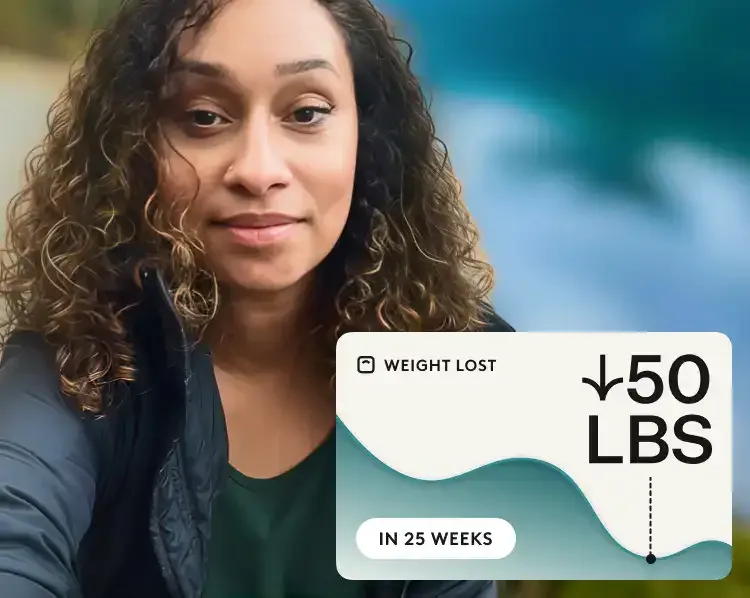
“My favorite parts of Noom are the care team and other Noomers. Sharing and getting help made me feel like I wasn’t doing it alone. That support made all the difference.”
Desirea N. — Real Noom user
Matthew M. — Real Noom user
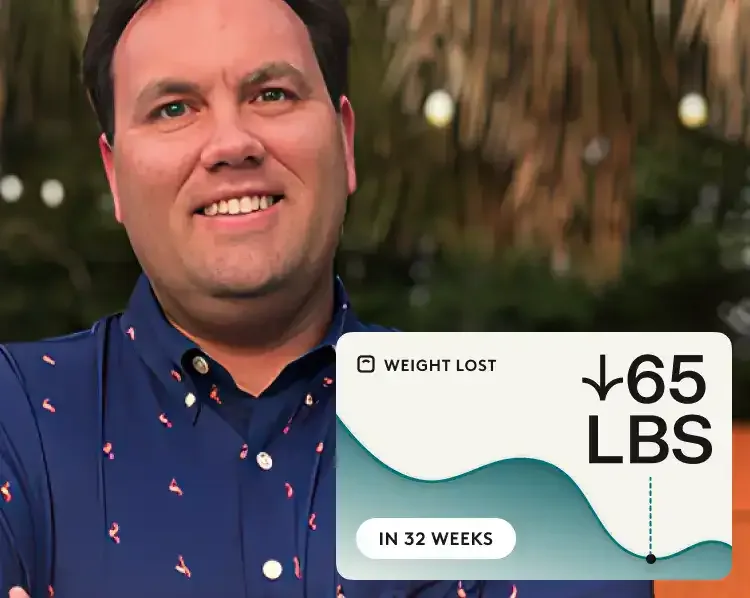
“Noom has taught me that every day is a new chance to make better, healthier choices. It's taught me how to stop overeating.’’
Matthew M. — Real Noom user
Lila M. — Real Noom user
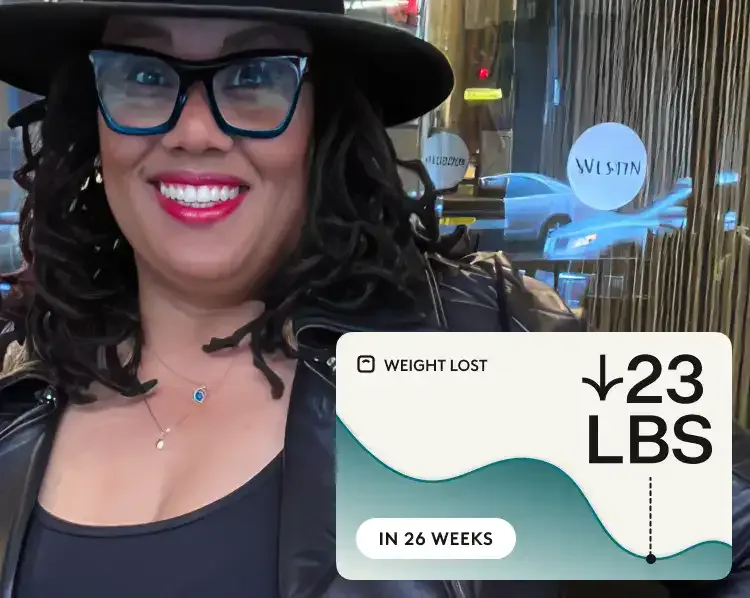
“Clinicians who understand how supportive medication can be is one of the best parts of Noom! I was convinced I wouldn’t have success but I’m down 11 pounds in two months.’’
Lila M. — Real Noom user
Steve M. — Real Noom user
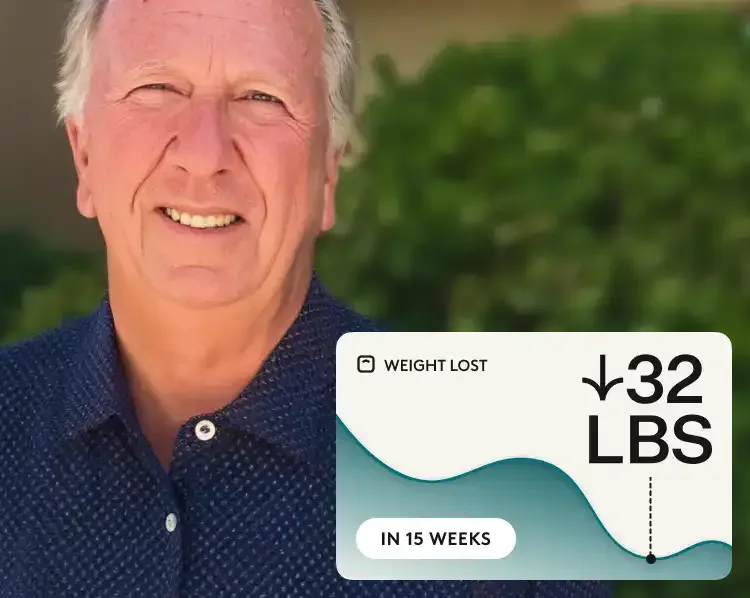
“Noom provided me with the medication which I could not get through Medicare. I have learned the tricks to better eating and life in general.”
Steve M. – Real Noom user
Daisy R. — Real Noom user
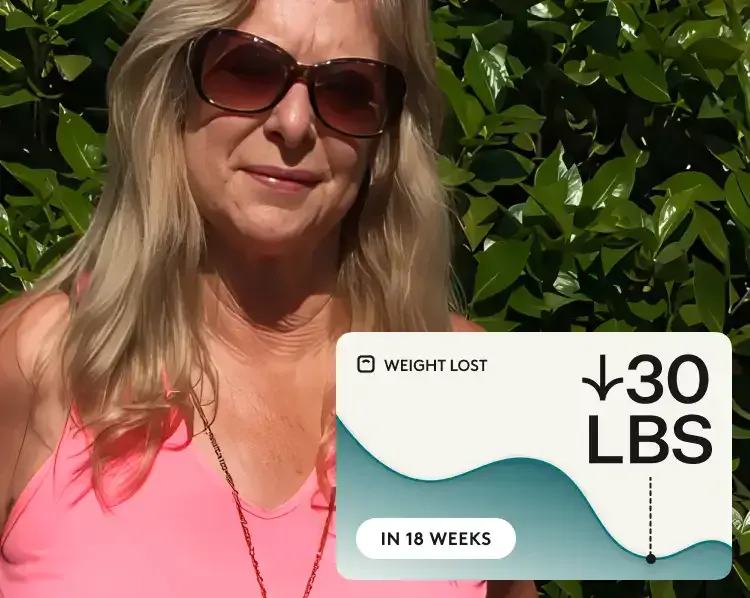
‘’Noom has changed my life and I’m so thankful, I feel great, have more energy and am no longer prediabetic.”
Daisy R. – Real Noom user
Sarah R. — Real Noom user
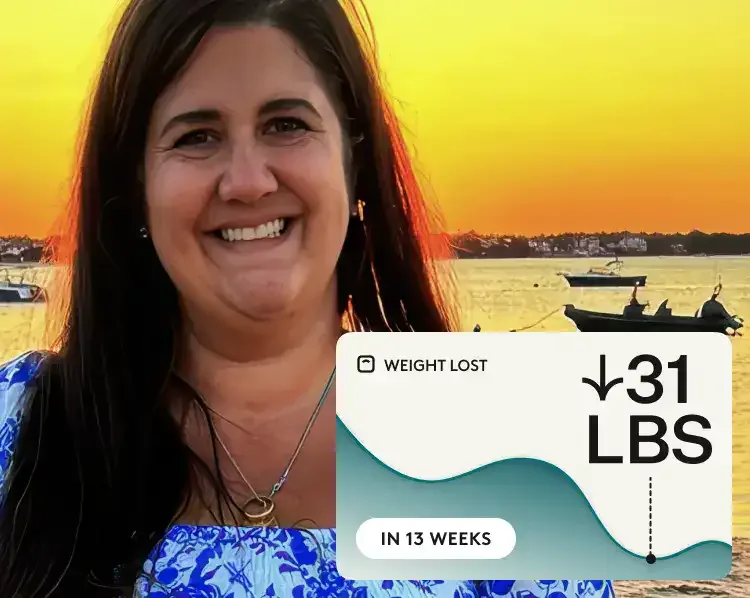
“All of the Noom providers that I’ve met with have been exceptional and prescribed medications that are appropriate for my situation and health.”
Sarah R. – Real Noom user
Madison S. — Real Noom user
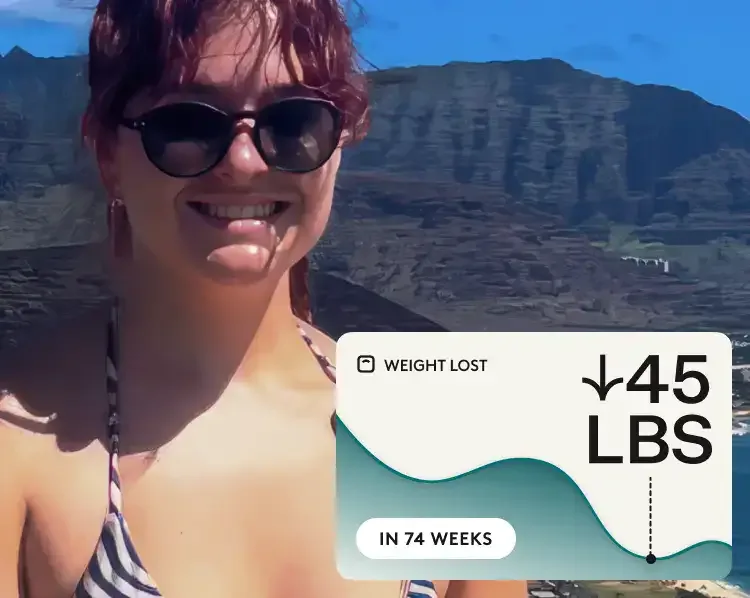
“Noom made the process so simple and now I feel full, free from diet obsession, and at ease in my body again.”
Madison S. – Real Noom user
Sonday K. — Real Noom user
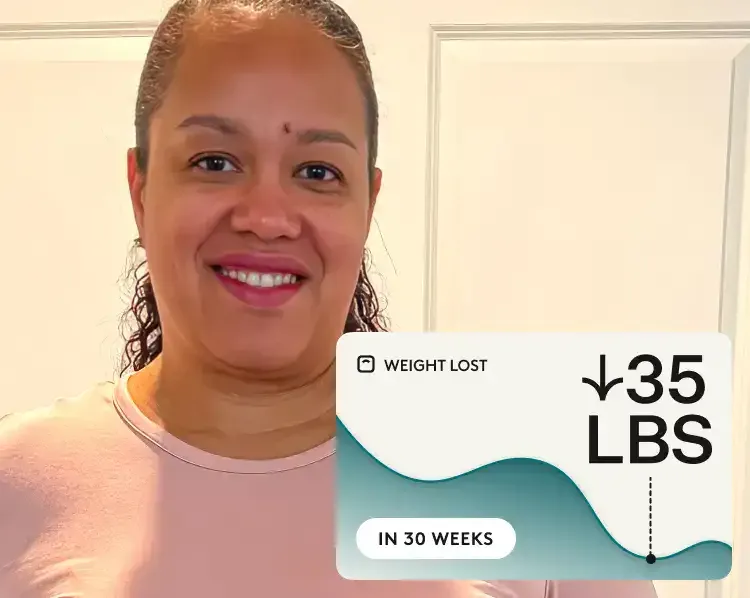
“My doctor recommended Noom after I was frustrated trying to lose weight. The lessons helped change my relationship with food. My body feels lighter & energized.”
Sonday K. – Real Noom user
Cam K. — Real Noom user
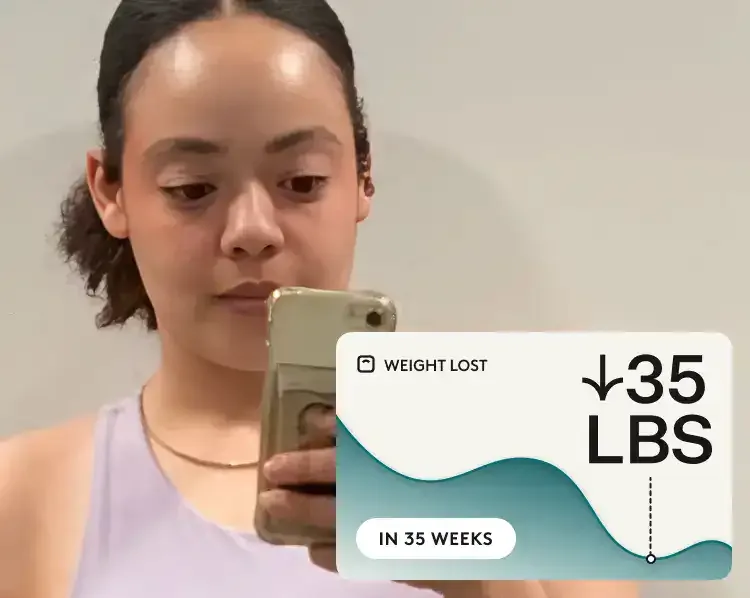
“I built healthy habits with coaching and lessons that make me confident I can maintain my weight loss long term.”
Cam K. – Real Noom user
Laura TR. — Real Noom user
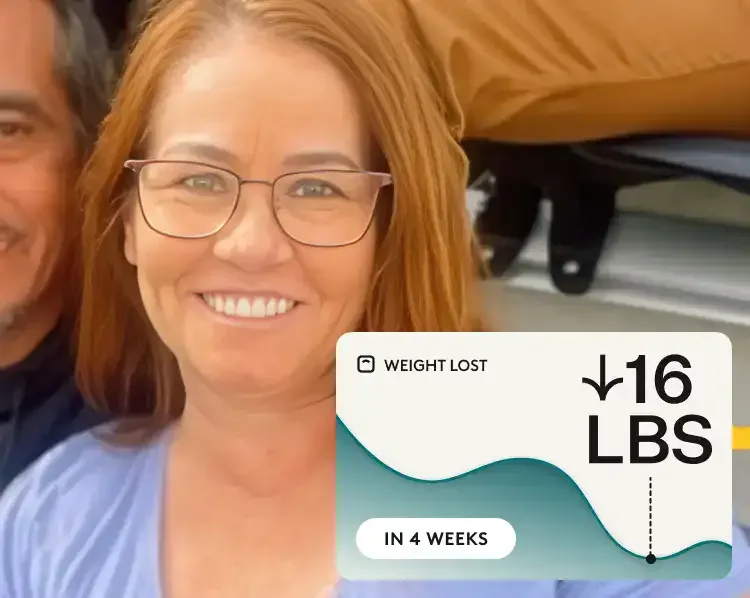
“With the right medication through Noom, hunger and sugar cravings finally quieted and I have the tools to break the cycle.”
Laura TR. – Real Noom user
Jessica S. — Real Noom user
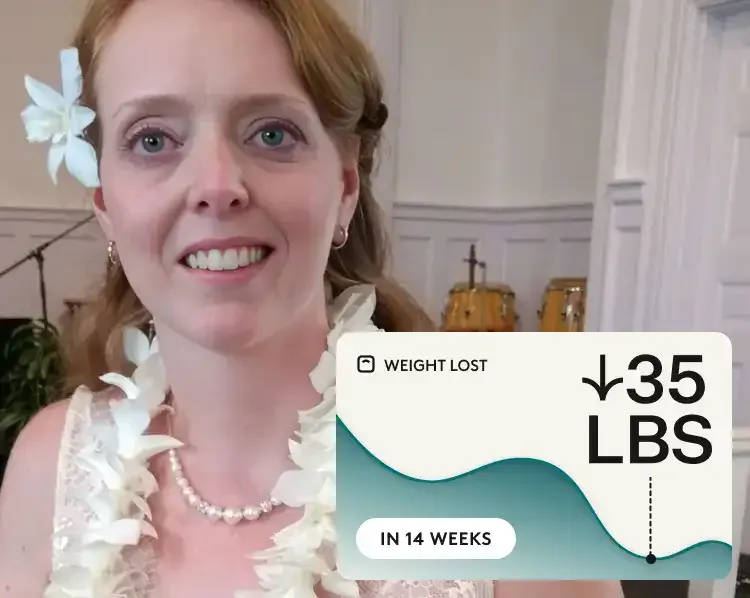
“Cravings and food noise are gone, I finally feel confident in the healthy habits I’ve built to last with Noom.”
Jessica S. – Real Noom user
The bottom line: There are 3 GLP-1 pills available now
The arrival of GLP-1 pills doesn’t replace what already exists. It adds to it. The Wegovy® pill and Foundayo® give people who prefer a daily tablet a real, evidence-backed option for weight loss, while the Ozempic® pill brings oral semaglutide for type 2 diabetes under a more familiar name. Each comes with its own routine, price point, and track record, and the research pipeline suggests there’s a lot more still to come.
That said, GLP-1 injections still come out ahead on average weight loss in trials. But while the numbers matter, they’re only part of the decision. How a medication fits into your daily routine, how your body responds to it, and what you can realistically keep up with over months and years all play a role in what actually works for you.
If you’re curious whether a GLP-1 pill could be a good fit, see if you qualify for Noom Med. If you do, you’ll be paired with a licensed clinician who can review your health history, walk through the options that make sense, and prescribe medication when appropriate. You’ll also be backed by Noom’s behavior change program, guided exercise content, and other tools to support your goals over the long term.
See what your options are today.
Note: Ozempic® pills are not FDA-approved to treat obesity or for weight loss.
Editorial standards
At Noom, we’re committed to providing health information that’s grounded in reliable science and expert review. Our content is created with the support of qualified professionals and based on well-established research from trusted medical and scientific organizations. Learn more about the experts behind our content on our Health Expert Team page.