

What you’ll learn:
- PCOS is now called PMOS, a new name that better reflects the condition’s hormonal and metabolic roots rather than focusing only on the ovaries.
- The name has changed, but the symptoms, diagnostic criteria, and treatment recommendations remain the same.
- Experts hope the shift to PMOS will encourage earlier recognition of insulin resistance, metabolic health, and long-term cardiovascular risk alongside reproductive care.
Written by Dr. Karen Mann, MD, Noom’s Medical Director
Medicine has a long and complicated relationship with names. We name diseases after the doctors who first described them, after the symptoms that define them, after the organs we think are responsible. Inevitably, as we learn more, we have to adjust.
That’s exactly where we find ourselves right now with the condition most of us have spent the last several decades calling polycystic ovary syndrome, or PCOS.
In June 2026, a landmark global consensus published in The Lancet formally retired “polycystic ovary syndrome” and replaced it with polyendocrine metabolic ovarian syndrome (PMOS). The recommendation was developed by an international collaboration of 56 academic, clinical, and patient organizations—including the American Society for Reproductive Medicine (ASRM) and the Endocrine Society. They also incorporated input from more than 22,000 people living with the condition.
Ultimately, I do believe this change was warranted, though it took me some time to get there. Like many physicians, I had spent years diagnosing PCOS, counseling patients with PCOS, and explaining PCOS. Changing the name of one of the most common endocrine disorders affecting women is not something we should do lightly.


But the more I thought about it, the more I realized that the old name had quietly shaped the way patients, clinicians, and even entire specialties thought about the condition. Let me explain why, and how it relates so closely to the work I do at Noom.
A condition that has always had the wrong name
Before it was called PCOS, the original name was Stein-Leventhal syndrome. In 1935, Drs. Irving Stein and Michael Leventhal published a case series of seven women who shared a constellation of features: enlarged ovaries, irregular periods, and excess hair growth. They were the first to connect these seemingly disparate findings into a single clinical entity.
Like many eponymous syndromes in medicine, Stein-Leventhal captured who discovered it rather than what it actually was. Over the following decades, as better tools emerged, the clinical description expanded, but the name changed into something arguably just as incomplete: polycystic ovary syndrome. A name that put cysts front and center.
What is PCOS/PMOS?
The symptoms of PCOS and PMOS are exactly the same. It’s a disorder of hormonal signaling involving the ovaries, adrenal glands, pancreas, liver, adipose tissue, and the metabolic pathways that connect them. According to the World Health Organization, PMOS affects approximately one in ten women of reproductive age, yet many remain undiagnosed for years because no single symptom defines the condition.
Under the updated Rotterdam criteria, which remain the international standard for diagnosis, a woman needs only two of three findings: irregular ovulation, clinical or biochemical evidence of androgen excess, or polycystic ovarian morphology on ultrasound. That means a woman can have what we used to call PCOS even if her ovaries look completely normal on imaging.
The most common symptoms include:
- Irregular or absent menstrual periods
- Difficulty ovulating or infertility
- Excess facial or body hair (hirsutism)
- Persistent acne
- Weight gain or difficulty losing weight, particularly around the abdomen
- Insulin resistance or prediabetes
- Elevated cholesterol or triglycerides
- Darkened patches of skin (acanthosis nigricans), a sign of insulin resistance
- Multiple immature ovarian follicles visible on ultrasound
Not every woman experiences all of these symptoms, and they don’t all appear at the same stage of life.
PCOS vs. PMOS: What’s the difference?
PMOS isn’t a new disease. It’s a more accurate description of the one we’ve been treating all along. Reproductive symptoms are often what bring women into the doctor’s office, but insulin resistance, metabolic dysfunction, and long-term cardiovascular risk have always been part of the disease. The new name doesn’t change the biology; it just focuses more on the endocrine and metabolic pathways rather than cysts.
The shift away from cysts
The problem with the name “polycystic” is that the diagnostic criteria don’t require cysts.
More importantly, the “cysts” in PCOS are not cysts at all. They are antral follicles—normal, immature ovarian follicles that accumulate because ovulation is disrupted. Calling them cysts has unintentionally reinforced one of the biggest misconceptions about the condition.
Access GLP-1 Weight Loss with Noom
Explore a wide range of prescription medications supported by Noom’s program.Microdose GLP-1rx
Noom GLP-1rx
Noom GLP-1rx Plus
Wegovy®
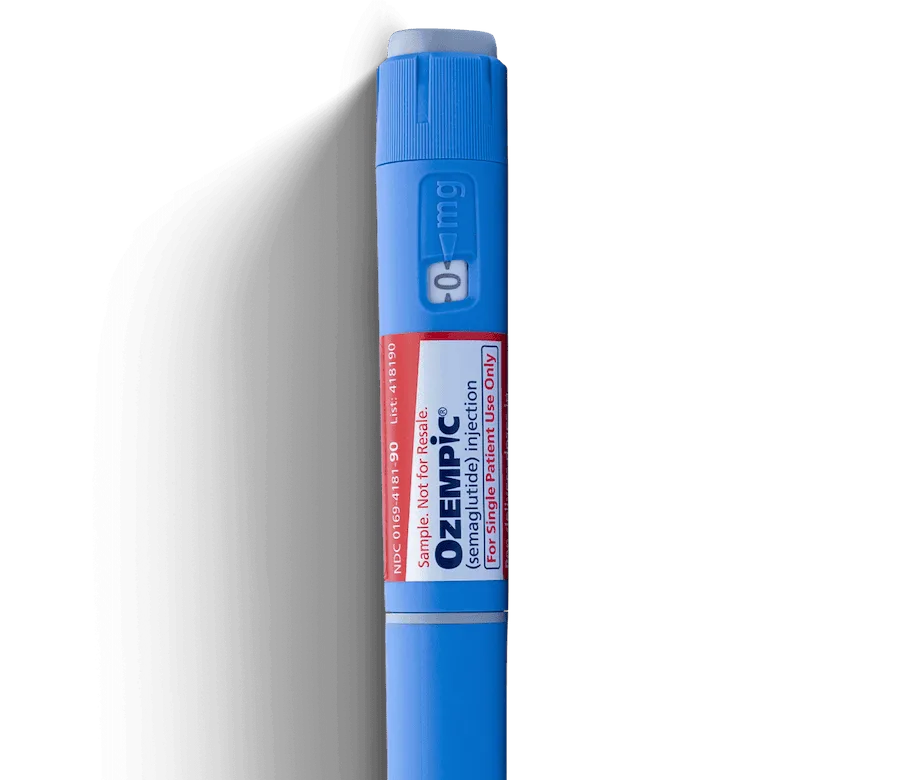
Ozempic®
Metformin
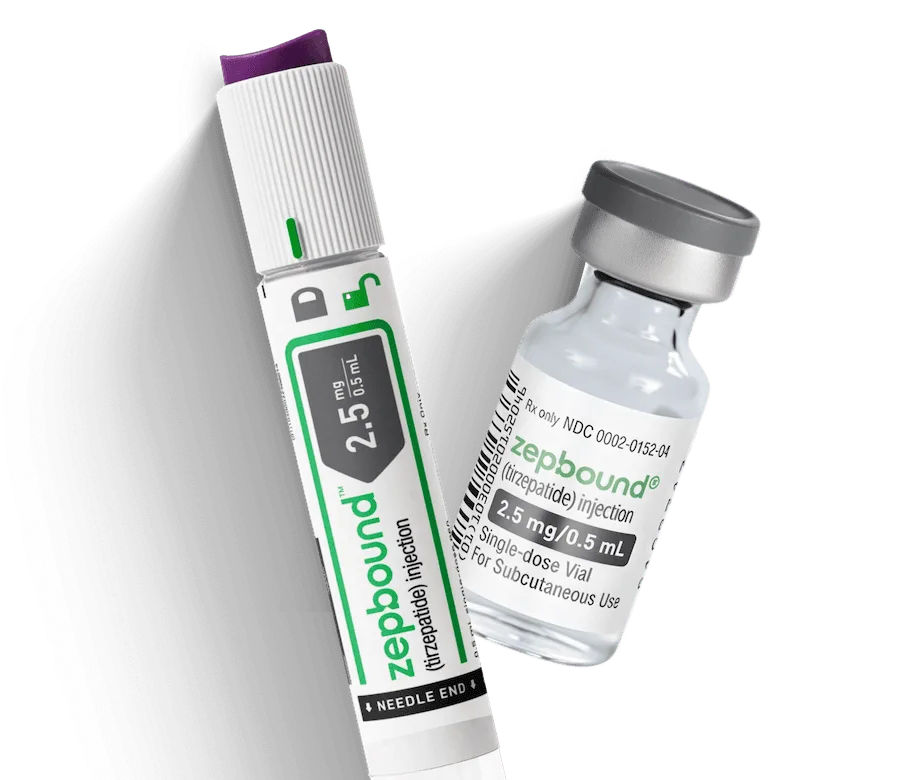
Zepbound®
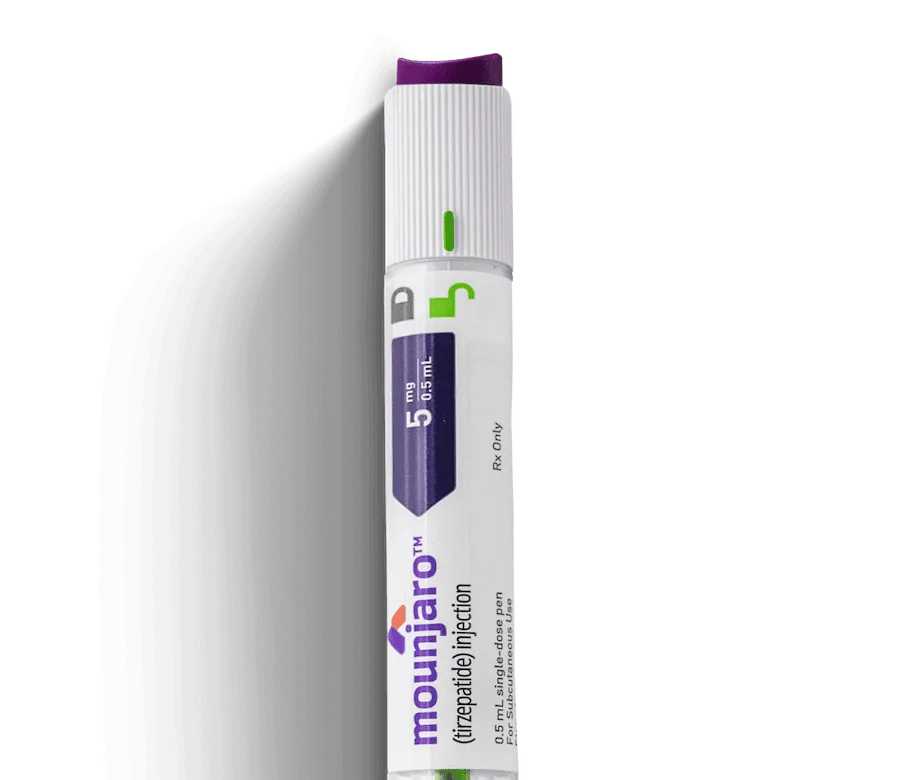
Mounjaro®
Liraglutide
Many women diagnosed with PCOS never have polycystic ovarian morphology on ultrasound, while many women with polycystic-appearing ovaries don’t have the syndrome. The 2023 International Evidence-Based Guideline for the Assessment and Management of PCOS continues to use the updated Rotterdam criteria, which require only two of three findings: irregular ovulation, clinical or biochemical evidence of androgen excess, or polycystic ovarian morphology.
The new name corrects that misconception. It shifts the focus away from a single ultrasound finding and toward the endocrine and metabolic dysfunction that has always defined the syndrome. And it gives patients and providers a path forward to treating their full-body health, not just their reproductive organs.
Why “polyendocrine” matters
Calling it polyendocrine metabolic ovarian syndrome doesn’t diminish the importance of reproductive health. Instead, it recognizes that reproductive health is only one part of a much larger picture.
The “polyendocrine” portion of the name acknowledges something we’ve known for years: androgen excess doesn’t come exclusively from the ovaries. The adrenal glands also contribute.
In fact, studies suggest that approximately 20 to 30 percent of women with the syndrome have a significant adrenal contribution to their androgen excess—although most have a combination of ovarian and adrenal hormone production rather than one or the other. Only a small minority have androgen excess that appears to arise solely from the adrenal glands. The old name had no room for any of that. The new one does.
I don’t think the old name prevented physicians from recognizing those risks. But I do think it made it easier to think of them as secondary.
The emphasis on “metabolic”
Putting “metabolic” front and center recognizes that insulin resistance, dyslipidemia, impaired glucose metabolism, and increased cardiovascular risk aren’t simply complications that develop later. For many women, they are fundamental features of the condition itself. The 2023 International Evidence-Based Guideline, the American Diabetes Association Standards of Care, and a growing body of cardiovascular literature all emphasize that women with PMOS require long-term metabolic risk assessment, not simply reproductive care.
Insulin resistance has always been central to PMOS. Not every woman with PMOS has obesity, and not every woman with obesity has PMOS, but for many patients the two conditions intersect because of shared metabolic pathways. That’s also why medications originally developed for diabetes and obesity, including GLP-1 receptor agonists, have become an area of growing interest in PMOS research, with a 2025 Scientific Reports meta-analysis finding that GLP-1 receptor agonists significantly reduced body weight, BMI, and insulin resistance in women with the condition compared to metformin or placebo.
What the change from PMOS to PCOS means to me
I practice obesity medicine, and I can’t tell you how many women I’ve met who spent years treating the reproductive manifestations of what we now call PMOS without anyone ever addressing the metabolic dysfunction underlying them.
Their menstrual cycles were discussed. Their fertility was discussed. Their acne and excess hair growth were discussed. Yet many had never been screened for insulin resistance, had never talked about long-term cardiometabolic health, and had never understood why conversations about nutrition, physical activity, sleep, and weight management were relevant to what they thought was simply an ovarian condition.
From my perspective, that’s one of the most meaningful aspects of this name change.
At Noom, we spend a great deal of time helping people understand the relationship between behavior, metabolism, and long-term health. That’s one reason this name change resonates with me. It doesn’t redefine the condition. It simply aligns the language with what many of us have been discussing in clinic for years.
Every conversation I’ve ever had with a patient with PMOS has included nutrition, movement, sleep, and metabolic health because those conversations have always been part of treating the whole person. Now, for the first time, they’re reflected in the name of the condition itself.
The downsides of transitioning from PCOS to PMOS
I’m not going to pretend this change is going to be easy.
Naming transitions in medicine are genuinely disorienting for patients. Right now, there are millions of women who have built their understanding of their own bodies around the term “PCOS.” They belong to PCOS communities on social media, their medical records say PCOS, and their friends know the acronym. Now we’re asking them to update not only their vocabulary, but their understanding of a condition they’ve often spent years learning to navigate. Any transition, even one that is scientifically justified, inevitably creates a period of uncertainty.
New from Noom
Microdose GLP-1Rx Plus
An affordable way to start your GLP-1 journey with Compounded Tirzepatide.

*Initial 3 week subscription and 4 weeks of medication from $79 plus tax and $199 per month plus tax for 12 week subscription thereafter. Final pricing depends on program selection. Noom GLP-1Rx Plus Microdose Program involves medication (when appropriate), healthy diet, exercise and support. Individual results vary. Meds & personalization based on need as determined by a third-party clinician. Medications are not reviewed by FDA for safety, efficacy, or quality. No affiliation with Eli Lilly and Company, the only US source of FDA-approved tirzepatide. Not available in all 50 US states.
And it’s not just patients. As providers, we will need to remember the importance of the polyendocrine and metabolic components of the diagnosis. The name matters because it shapes what patients expect from us, which specialists see themselves as responsible for managing it, and how we coordinate across gynecology, endocrinology, primary care, and obesity medicine. My hope is that instead of leaving each piece to whichever specialist happens to be in the room, every specialty takes this as an opportunity to educate themselves and their patients about the diagnosis.
And to state the obvious, “polyendocrine metabolic ovarian syndrome” is also a mouthful. Even physicians will probably stumble over it for a while. I suspect that, over time, PMOS will simply become another acronym patients use as comfortably as ADHD, IVF, or GLP-1. But getting there will take time.
My bottom line
Name changes in medicine are imperfect. I certainly had my own questions when I first heard about PMOS.
What ultimately changed my mind wasn’t simply that the new name is more scientifically accurate, although I think it is. It was the realization that names do more than describe diseases. They shape how patients understand them, how physicians approach them, and, in this case, which aspects of them receive the most attention.
For decades, the term polycystic ovary syndrome subtly directed our attention toward the ovaries. That wasn’t wrong—they are unquestionably part of the disease—but it was incomplete. The name left little room for the insulin resistance, metabolic dysfunction, cardiovascular risk, and complex endocrine interactions that so many patients experience and that increasingly define how we think about long-term management.
The comparison I keep coming back to is premature ovarian failure, now known as primary ovarian insufficiency. That transition succeeded not only because the new terminology was more scientifically accurate, but because it was more humane.
A woman whose ovaries stop functioning in her thirties does not need the word “failure” permanently attached to her diagnosis. “Insufficiency” describes the physiology without assigning judgment. Over time, clinicians adapted, patients adapted, and the new terminology became the standard because it better reflected both the science and the patient experience.
I think PMOS has the same opportunity.
Removing “cysts” from the name removes a misconception that has confused patients and clinicians alike for decades. Adding “polyendocrine” and “metabolic” acknowledges what the research has been telling us for years: this is a complex endocrine-metabolic disorder that deserves comprehensive, multidisciplinary care.
The transition will undoubtedly be messy. But medicine has never stood still, and our language shouldn’t either. If changing a name helps more women receive earlier diagnoses, more comprehensive metabolic care, and a better understanding of what’s happening in their bodies, then I think it’s a change worth making.
So, welcome, PMOS. Now let’s make sure everyone understands what it means.
Reviews from real Noom users
Desirea N. — Real Noom user
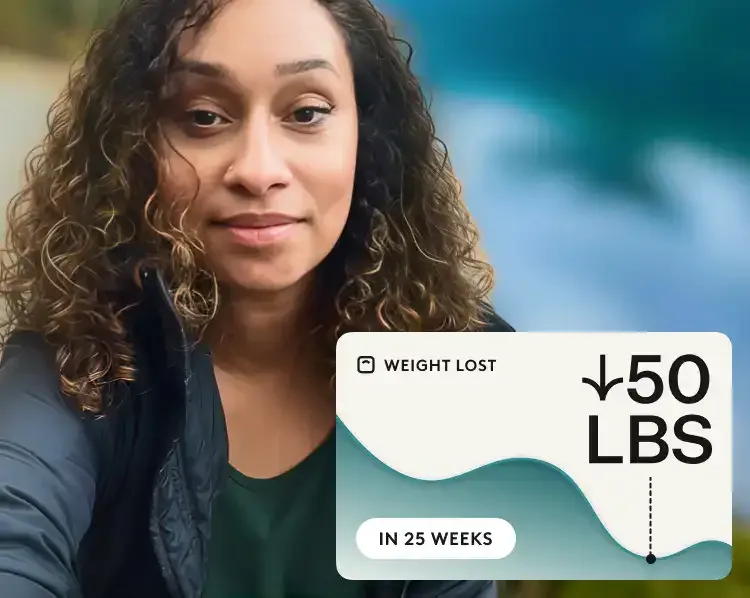
“My favorite parts of Noom are the care team and other Noomers. Sharing and getting help made me feel like I wasn’t doing it alone. That support made all the difference.”
Desirea N. — Real Noom user
Matthew M. — Real Noom user
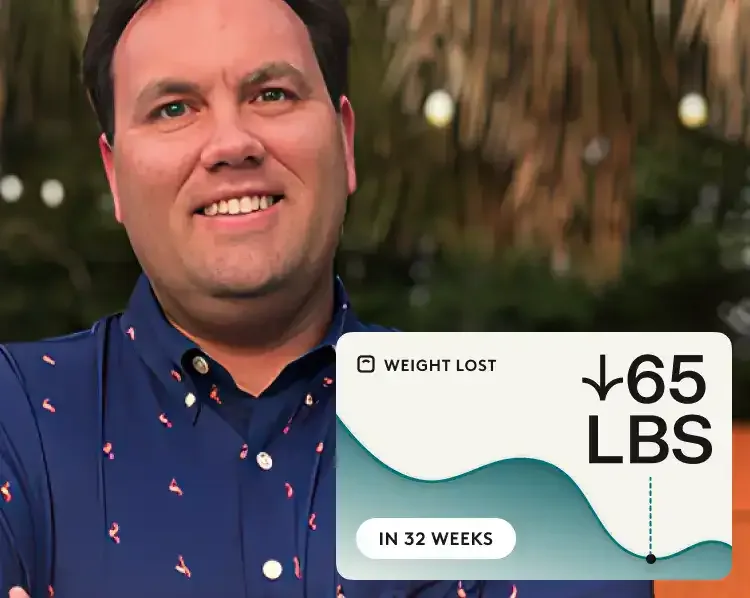
“Noom has taught me that every day is a new chance to make better, healthier choices. It's taught me how to stop overeating.’’
Matthew M. — Real Noom user
Lila M. — Real Noom user
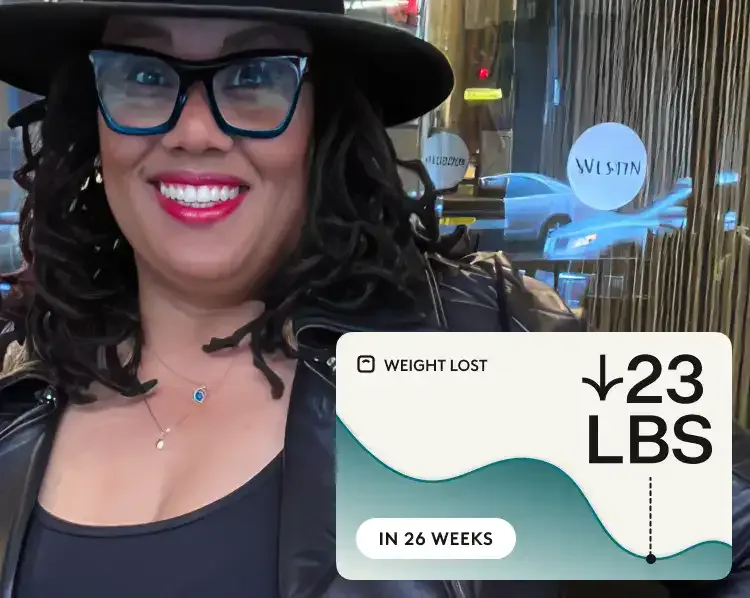
“Clinicians who understand how supportive medication can be is one of the best parts of Noom! I was convinced I wouldn’t have success but I’m down 11 pounds in two months.’’
Lila M. — Real Noom user
Steve M. — Real Noom user
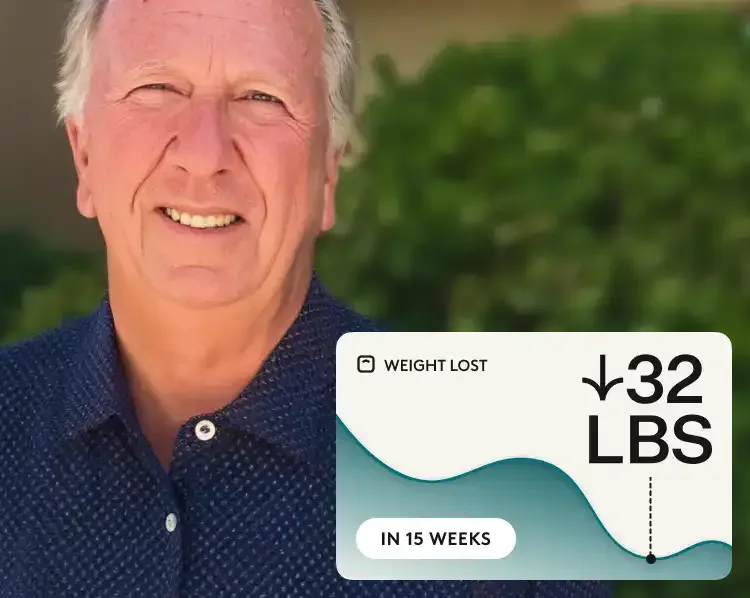
“Noom provided me with the medication which I could not get through Medicare. I have learned the tricks to better eating and life in general.”
Steve M. – Real Noom user
Daisy R. — Real Noom user
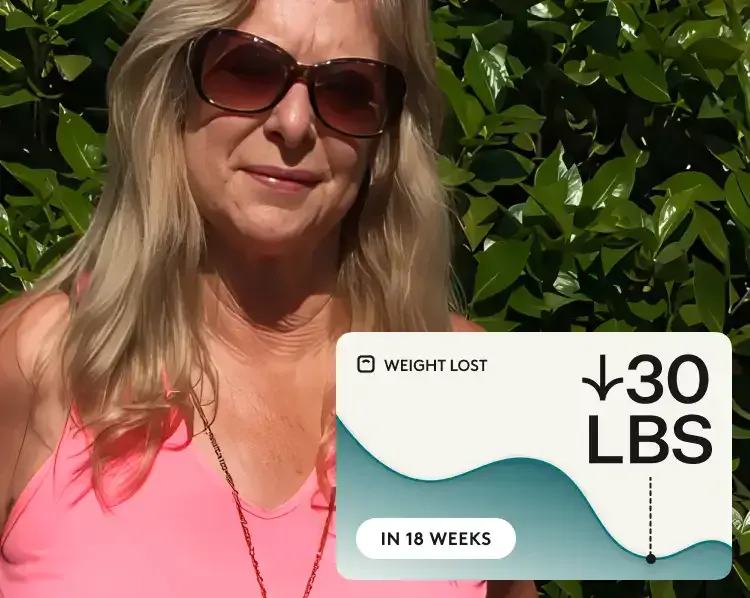
‘’Noom has changed my life and I’m so thankful, I feel great, have more energy and am no longer prediabetic.”
Daisy R. – Real Noom user
Sarah R. — Real Noom user
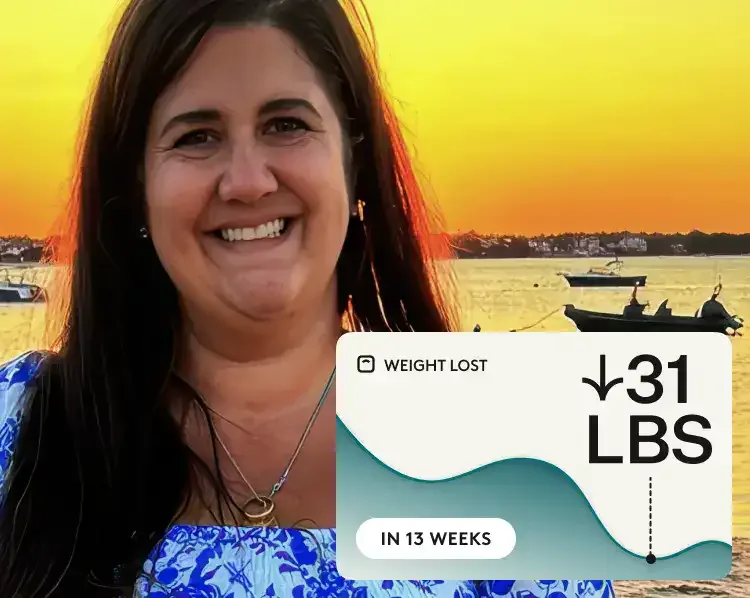
“All of the Noom providers that I’ve met with have been exceptional and prescribed medications that are appropriate for my situation and health.”
Sarah R. – Real Noom user
Madison S. — Real Noom user
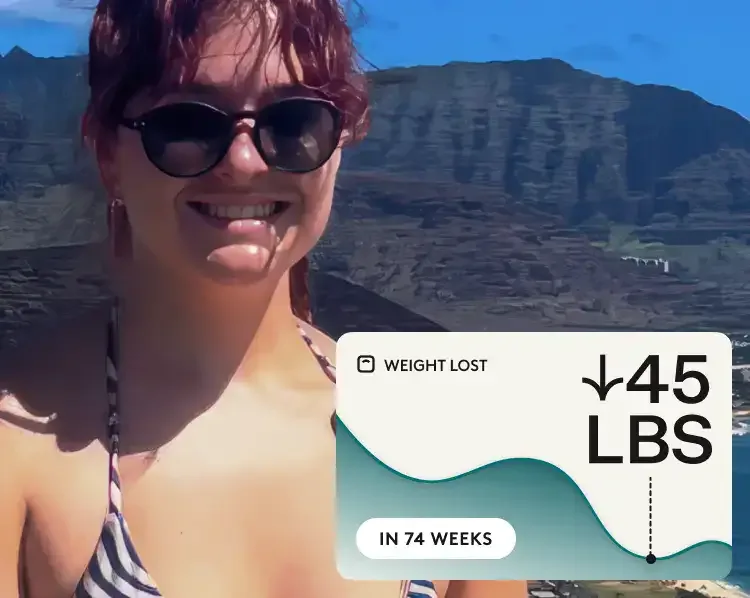
“Noom made the process so simple and now I feel full, free from diet obsession, and at ease in my body again.”
Madison S. – Real Noom user
Sonday K. — Real Noom user
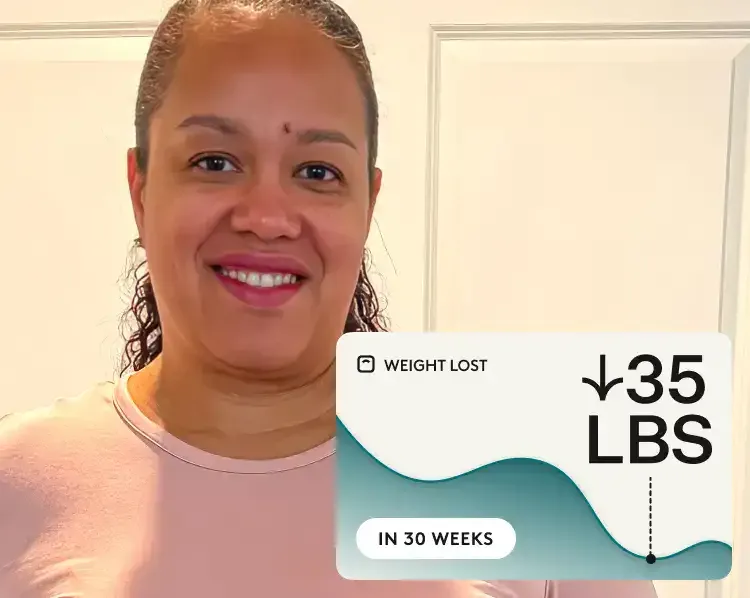
“My doctor recommended Noom after I was frustrated trying to lose weight. The lessons helped change my relationship with food. My body feels lighter & energized.”
Sonday K. – Real Noom user
Cam K. — Real Noom user
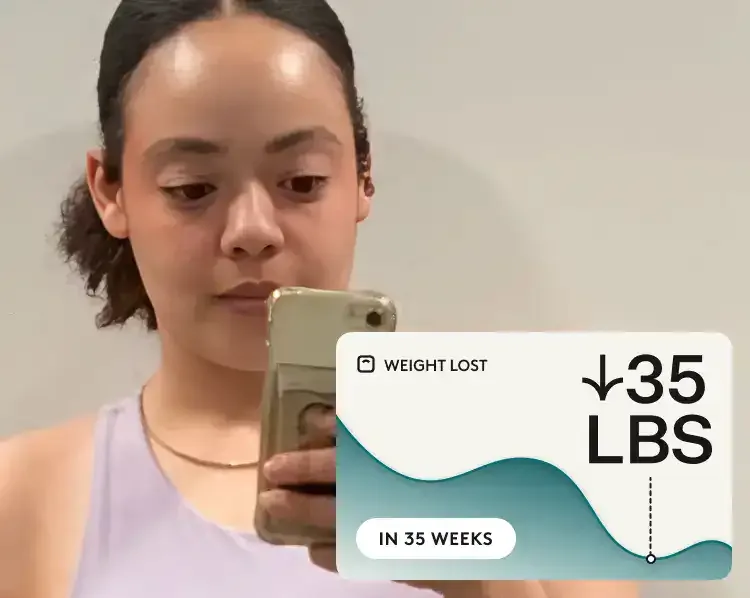
“I built healthy habits with coaching and lessons that make me confident I can maintain my weight loss long term.”
Cam K. – Real Noom user
Laura TR. — Real Noom user
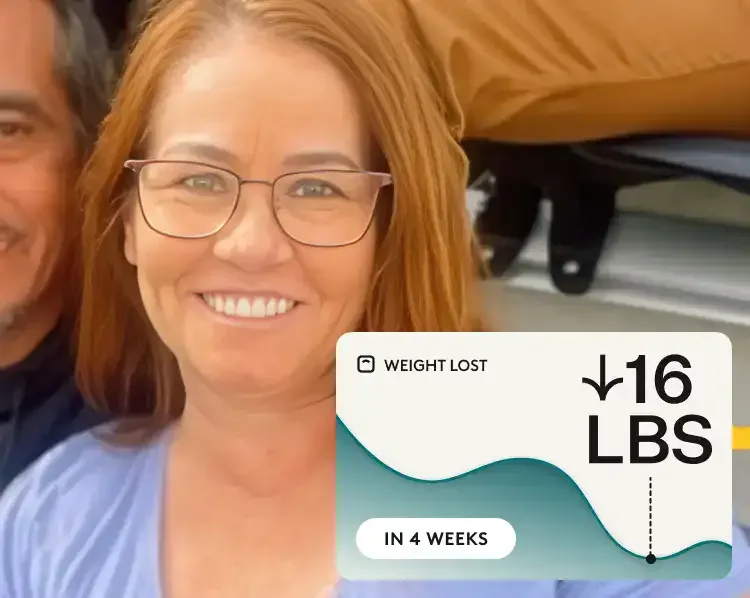
“With the right medication through Noom, hunger and sugar cravings finally quieted and I have the tools to break the cycle.”
Laura TR. – Real Noom user
Jessica S. — Real Noom user
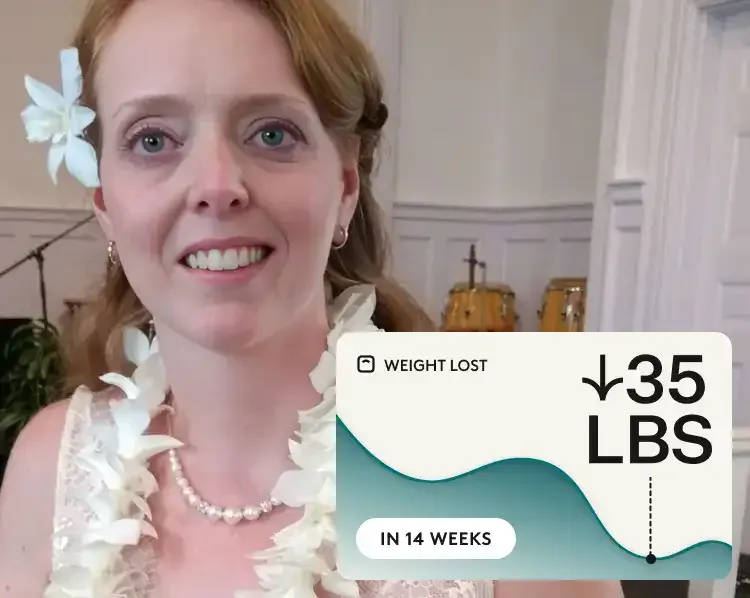
“Cravings and food noise are gone, I finally feel confident in the healthy habits I’ve built to last with Noom.”
Jessica S. – Real Noom user
Frequently asked questions about PCOS and PMOS
Does PMOS qualify you for Ozempic®?
Not by itself.
Ozempic® (semaglutide) is approved for the treatment of type 2 diabetes, not PMOS. However, many women with PMOS also meet criteria for obesity, prediabetes, or type 2 diabetes, conditions in which Ozempic® or other GLP-1 medication like Wegovy® or Zepbound® may be appropriate.
Some physicians also prescribe these medications off-label for women with PMOS when insulin resistance and excess weight are major contributors to their symptoms. The decision depends on the individual. If you would like to find out if a GLP-1 medication is right for you, see if you qualify for Noom Med. If so, our clinicians can find the right medication for you and prescribe it if needed.
Why is PCOS now called PMOS?
Because the old name no longer reflected what we know about the biology of the condition.
Research over the past several decades has shown that this syndrome involves multiple endocrine organs and metabolic pathways—not simply the ovaries. The international consensus group concluded that polyendocrine metabolic ovarian syndrome more accurately describes the condition while emphasizing the importance of metabolic health and interdisciplinary care. You can read the full consensus in The Lancet.
What are the symptoms of PMOS?
Common symptoms include irregular or absent periods, difficulty ovulating, excess facial or body hair, acne, weight gain or difficulty losing weight, insulin resistance, and multiple immature ovarian follicles seen on ultrasound. Symptoms vary from person to person, and not everyone experiences all of them.
How do I get tested for PMOS?
There isn’t a single test for PMOS. A healthcare provider diagnoses it using your symptoms, medical history, blood tests to measure hormone levels, and sometimes a pelvic ultrasound, while ruling out other conditions that can cause similar symptoms.
Which GLP-1 medication is best for PMOS?
There isn’t one “best” GLP-1 medication specifically for PMOS because none are currently approved for treating the condition itself.
Most of the available evidence comes from studies of semaglutide and liraglutide, which have demonstrated improvements in body weight, insulin resistance, and metabolic health in women with PMOS. Which medication is appropriate depends on an individual’s medical history, treatment goals, other health conditions, and insurance coverage. It’s a decision that should be made in partnership with a healthcare professional.
Does insurance cover GLP-1 medications for PMOS?
Coverage varies considerably with GLP-1 medications, but insurers won’t cover GLP-1 medications to treat PMOS. Ozempic and Mounjaro are more likely covered for type 2 diabetes. Any weight-loss use, even in FDA-approved medications Zepbound® and Wegovy®, is still rare, although policies continue to evolve. Use Noom’s Insurance Checker to find out what your policy covers,
If you’re considering treatment, it’s worth discussing both the medical indications and your costs with your healthcare team. And note that Zepbound® and Wegovy® have lower prices when you pay cash through their manufacturer programs.
What is the difference between PCOS and PMOS?
There isn’t a difference in the underlying condition. PMOS is the new name for the condition previously called PCOS. The diagnostic criteria, symptoms, and treatment recommendations remain the same. What has changed is the terminology, which now better reflects the endocrine and metabolic nature of the disorder.
Editorial standards
At Noom, we’re committed to providing health information that’s grounded in reliable science and expert review. Our content is created with the support of qualified professionals and based on well-established research from trusted medical and scientific organizations. Learn more about the experts behind our content on our Health Expert Team page.