

What you’ll learn:
- Some people lose hair while taking tirzepatide, but it usually isn’t caused by the medication itself, but by how your body reacts to weight loss.
- Hair loss from weight changes is typically temporary and tends to improve over time.
- Eating well, managing stress, and being gentle with your hair can help manage hair loss and support regrowth.
People start taking a tirzepatide medication, like Zepbound® or Mounjaro®, for a few different reasons, usually weight loss, diabetes management, or obstructive sleep apnea (OSA). While they are told to expect some side effects like nausea, fatigue, and constipation, hair loss can be a surprising one. Noticing more strands in your brush or shower can be concerning, especially when your focus has been on improving your health, and while it can happen with tirzepatide medication, it isn’t a widely reported side effect.
Still, some people may notice thinning or shedding after starting treatment. That doesn’t always mean the medication is directly causing it, but it’s worth understanding what could be happening.
Tirzepatide works by lowering appetite, slowing digestion, and regulating blood sugar. These shifts can lead to changes in how your body uses energy and nutrients, especially during weight loss. And when your body is adjusting, hair growth can sometimes follow. Researchers call this pattern telogen effluvium, which is essentially a temporary increase in hair shedding triggered by physical stress or change.
Here’s a closer look at why hair shedding can show up, what might be driving it, and simple ways to support your hair while staying on track with your health goals.
Does tirzepatide cause hair loss?
Tirzepatide is linked to hair loss, but it’s not something the medication is known to directly cause. What’s likely happening has more to do with how your body reacts to weight loss, and in clinical trials, around 5% to 6% of people taking it reported some level of hair loss. So while it can happen, it’s still considered uncommon.
New from Noom
Microdose GLP-1Rx Plus
An affordable way to start your GLP-1 journey with Compounded Tirzepatide.

*Initial 3 week subscription and 4 weeks of medication from $79 plus tax and $199 per month plus tax for 12 week subscription thereafter. Final pricing depends on program selection. Noom GLP-1Rx Plus Microdose Program involves medication (when appropriate), healthy diet, exercise and support. Individual results vary. Meds & personalization based on need as determined by a third-party clinician. Medications are not reviewed by FDA for safety, efficacy, or quality. No affiliation with Eli Lilly and Company, the only US source of FDA-approved tirzepatide. Not available in all 50 US states.
Mounjaro®, which uses the same active ingredient but is prescribed for diabetes management, doesn’t list hair loss in its prescribing information. The reason likely comes down to weight loss itself. People taking Mounjaro® for diabetes aren’t always actively losing weight, and since rapid weight loss tends to push the hair cycle into a shedding phase, hair changes are less likely to appear in that group.
When does hair loss with tirzepatide usually start?
Right now, studies haven’t consistently shown when hair shedding is most likely to begin after starting tirzepatide.
What we do know is that the rate of weight loss seems to play a role. In studies on GLP-1 medications, people who lost more than an average of 15% of their weight were more likely to notice increased hair loss. And when looking specifically at which GLP-1 medications were most associated with shedding, tirzepatide came out at the top of the list.
Hair loss studies show that telogen effluvium tends to show up about 2 to 4 months after a big change in the body, then gradually slows down. Starting a GLP-1 could be considered one of those changes in the body that causes shedding.
How long does hair loss last on tirzepatide?
Telogen effluvium usually isn’t permanent. There are studies showing that hair loss from weight loss usually improves over time and often resolves within 6 to 9 months. However, researchers still don’t have a well-defined timeline from GLP-1 studies, so we can’t say exactly how long shedding lasts for everyone taking tirzepatide.
Common reasons tirzepatide can cause hair loss
If you’re seeing more hair in your brush or shower, it’s most likely the body changes that come with taking tirzepatide, like weight loss, a stress reaction, or other health issues overlapping.
Weight loss can trigger a temporary shedding phase
The clearest link so far is weight loss. Eli Lilly’s prescribing information for Zepbound® says the hair loss seen in trials was tied to weight reduction.
Your body may read the whole experience as stress
Telogen effluvium is known to happen after a big change, another reason hair shedding may pop up during treatment. Even when these changes are helping you move toward your goals, your body can still see them as stress
Other health issues can overlap
Another thing to keep in mind is that hair loss can be triggered by many factors. Thyroid conditions, iron-deficiency anemia, malnutrition, taking certain medications, and vitamin D deficiency are among the common causes of hair loss.
So if you start noticing hair loss while on tirzepatide, the medication might be part of the picture, but it may not be the only reason. Talking with your healthcare provider can help you sort through the possible causes and decide what steps make sense for you.
Access GLP-1 Weight Loss with Noom
Explore a wide range of prescription medications supported by Noom’s program.Microdose GLP-1rx

Noom GLP-1rx

Noom GLP-1rx Plus

Wegovy®

Ozempic®

Metformin

Zepbound®

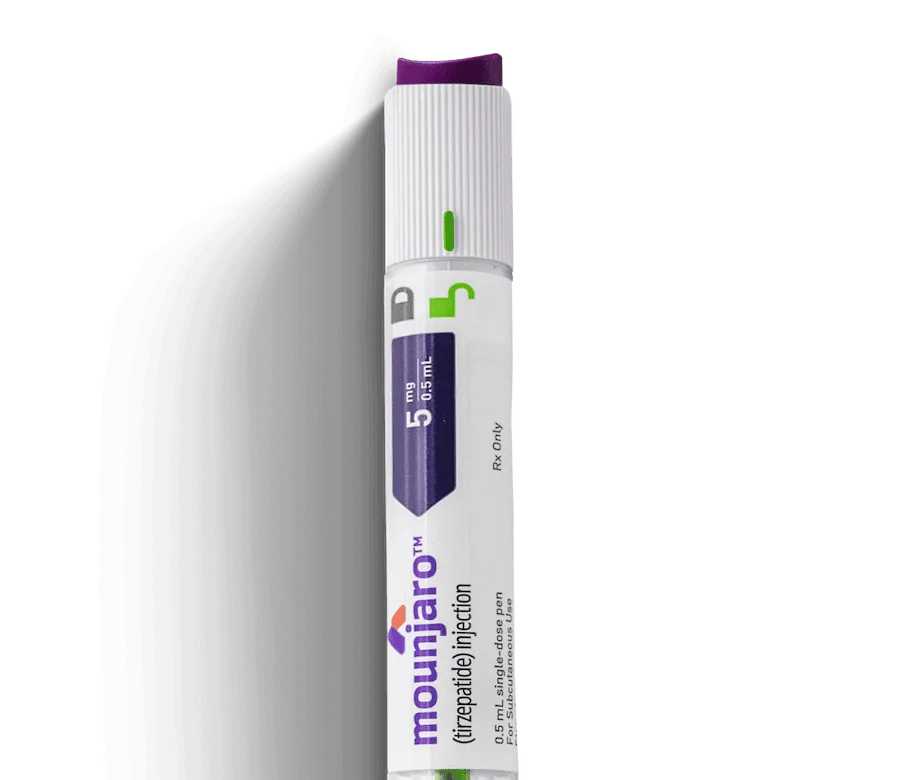
Mounjaro®
Liraglutide
What can hair loss on tirzepatide look like?
Hair loss isn’t often a lot at once. Most of the time, it shows up as small changes you start noticing in your routine. You might see more hair in your brush, on your pillow, or in the shower, and think, “This feels like more than usual.”
Then you’ll notice changes like thinner hair or hair that looks less full across your scalp, especially on top.
Practical strategies for managing hair loss on tirzepatide
If you’ve noticed a bit more hair loss with tirzepatide, you may not be able to stop it immediately, but there are some things you can do to minimize it and help it grow back. Here are some steady habits that can make a real difference over time:
- Get enough protein every day. Since hair is built from a protein called keratin, your body needs a consistent supply to keep growing new strands. Research on nutritional factors and hair loss suggests that protein and amino acid intake can play a role in persistent shedding, so what you eat genuinely matters for your hair. Aim for a lean protein source at each meal or snack—options like eggs, low-fat Greek yogurt, chicken, tofu, cottage cheese, and lentils are easy to work in even when appetite is lower.
Read more: Why protein matters for weight loss.
- Keep an eye on your iron levels. Iron helps deliver oxygen to the tissues your hair needs to grow, and research has found a strong link between low iron levels and telogen effluvium. If you’re noticing more hair loss, it’s worth asking your provider to check your levels, since supplementation may be recommended if they’re low. In the meantime, working iron-rich foods like lean meats, beans, spinach, and fortified cereals into your meals is a simple way to support your intake day to day.
- Make sure you’re getting enough vitamin D. Vitamin D supports the natural cycle your hair goes through. A clinical study even found that oral vitamin D paired with minoxidil—a topical treatment that helps stimulate hair follicles—produced better results for hair loss than either one alone. Your provider can check your levels and go from there. Foods like salmon, egg yolks, and fortified dairy or plant milks can also help support your intake.
- Eat regularly, even if your hunger feels different. One of tirzepatide’s effects is reducing appetite, which can sometimes mean going too long without eating. Research shows that nutrient deficiencies can play a role in hair loss—and when meals get skipped, those gaps in nutrition add up. Smaller meals or snacks spread across the day can help you stay on top of your nutrition without needing large portions.
- Handle your hair with care. Scale back on heat styling and chemical treatments where you can, use a wide-tooth comb for detangling, and avoid hairstyles that put tension on the scalp. These habits won’t reverse shedding, but they can help prevent additional breakage that makes thinning more visible.
- Bring stress down where you can. Your body treats big changes—like losing weight—as stress, and that can show up in your hair. Research suggests that bringing stress down can support your hair’s recovery from telogen effluvium. Simple things like short walks, time outside, deep breathing, or a few minutes of quiet can make a difference in how settled your body feels day to day.
- Discuss dose changes with your provider if weight loss is happening fast. Studies have found that greater weight loss is closely tied to more shedding, and since higher tirzepatide doses tend to lead to more weight loss, the two can sometimes go hand in hand. If your weight loss pace feels like too much, your provider can walk you through whether a dose adjustment is the right next step.
- Talk to your doctor about proven treatment options if needed. If shedding feels more noticeable or doesn’t seem to improve, your provider may suggest treatments like minoxidil or finasteride. These are FDA-approved treatments for pattern hair loss, and your provider can help you decide if they make sense for your situation.
Common mistakes when managing hair loss
If your hair is shedding more than usual, it makes sense to want to fix it fast. The tricky part is that some of the most common “solutions” can waste your money, delay real help, or even make things worse. Here’s what to be careful with:
Taking supplements without knowing if you need them
A lot of hair supplements are marketed as working for everyone, but the evidence just isn’t there for most of them. In general, vitamins and minerals are easy to get from a healthy, varied diet, so extra supplements are unnecessary for many people.
Some can help if you truly have a deficiency, but others can be unhelpful or even cause problems in high amounts. For example, too much vitamin A can actually contribute to hair problems.
- What to do instead: Talk to your provider about testing for nutrient deficiencies before reaching for supplements. Research suggests deficiencies in iron, protein, and vitamin D as some of the most common nutritional contributors to hair loss, so knowing where you actually stand is the best place to start.
Being too rough with your hair
When you’re noticing more shedding, it’s common to check your hair more often by brushing, pulling, or running your fingers through it. That extra handling can lead to breakage, which can make your hair look thinner than it really is.
- What to do instead: Be gentle with your routine. Use a wide-tooth comb, avoid tugging through knots, and keep hairstyles loose so your hair isn’t under constant tension. Experts also recommend waiting until your hair is fully dry before brushing to prevent damage.
Washing your hair too often—or not often enough
How often you wash your hair matters more than most people realize. Washing too frequently can strip away the natural oils your scalp needs to stay balanced, while not washing enough can lead to buildup that clogs follicles and irritates the scalp.
- What to do instead: How often you wash should match your hair type. If you have straight, oily hair, more frequent washing may work fine. If your hair is dry, curly, thick, or textured, every 2 to 3 weeks is usually enough. A gentle, sulfate-free shampoo is a good choice either way.
Using too much heat or harsh treatments
Heat tools, bleaching, coloring, or chemical treatments don’t usually cause this type of shedding directly, but they can weaken the hair strands you already have. That can make your hair feel more fragile and look less full.
- What to do instead: Let your hair air-dry when you can, use the lowest heat setting when styling, and try to space out chemical treatments. Even small changes like this can help your hair feel stronger over time.
When to contact your doctor
It can be hard to tell what’s “normal” shedding and what’s worth a closer look. If you’re noticing changes that feel different from your usual, it’s okay to check in with a healthcare provider at any point. You don’t need to wait for things to get worse to ask questions.
A provider will usually start with a simple scalp check and ask about recent changes, like weight loss or shifts in your eating patterns, since those can affect your hair. They may do a test and gently pull on a few strands to see how much is shedding. You may receive basic blood tests to check things like iron levels or thyroid function, which both play a role in hair growth.
You may want to reach out sooner if you notice:
- Shedding that feels heavier than usual or keeps increasing
- Hair that looks noticeably thinner or less full
- Changes in your hairline or overall hair density
- Scalp discomfort, like itching, tenderness, or burning
Getting that extra support can make things feel a lot clearer and more manageable.
Frequently asked questions about hair loss on tirzepatide
How common is hair loss with tirzepatide?
Hair loss can happen, but it’s not something most people experience. In clinical trials of Zepbound®, about 5 to 6% of people taking doses between 5 mg and 15 mg reported hair loss over time. So while it is a known side effect, it’s still considered relatively uncommon. If you do notice shedding, it’s usually tied to how your body is adjusting, not the medication directly causing damage to your hair.

The Easy Way
to lose weight and get healthy.
See if you qualify

Is tirzepatide hair loss permanent?
No, hair loss while taking tirzepatide is typically temporary. This type of shedding is usually linked to your body going through changes, like weight loss, which can temporarily shift your hair cycle. As your body settles into those changes, your hair usually follows and starts to return to its usual pattern.
What vitamins are good for tirzepatide hair loss?
Some vitamins can support healthy hair, like vitamin D, iron, vitamin C, and zinc, especially if your body is lacking them. Research also points to overall nutrition as a key player—eating well gives your body what it needs to keep hair growth cycles running smoothly. Most people don’t need extra supplements, since these nutrients are already found in everyday foods, and vitamin D usually comes from sun exposure. More isn’t always better, so checking with your provider before adding anything new is the way to go.
How to stop hair loss while taking tirzepatide?
There’s no instant fix, but you can support your body by:
- Keeping your meals regular and nutritious, as gaps in nutrition can make shedding worse.
- Prioritizing protein at meals and snacks to give your body what it needs to keep growing new strands.
- Talking to your provider about testing for iron or vitamin D deficiencies if hair loss starts feeling concerning.
Keeping stress in check where you can—even small habits like walking or deep breathing can help.
These small habits help your body adjust, which can support your hair over time. If you’re unsure about what’s happening, your provider can help guide you and make sure your plan still fits your needs.
Is tirzepatide more likely to cause hair loss in women?
There’s no proof that hair loss is more likely to cause hair loss in women, but they reported hair loss more often than men in clinical trials. Studies on other GLP-1 medications show a similar trend. Researchers suggest this may be linked to hormonal fluctuations and a greater susceptibility to telogen effluvium. But women may be more likely to notice or report changes like hair shedding.
Reviews from real Noom users
Desirea N. — Real Noom user
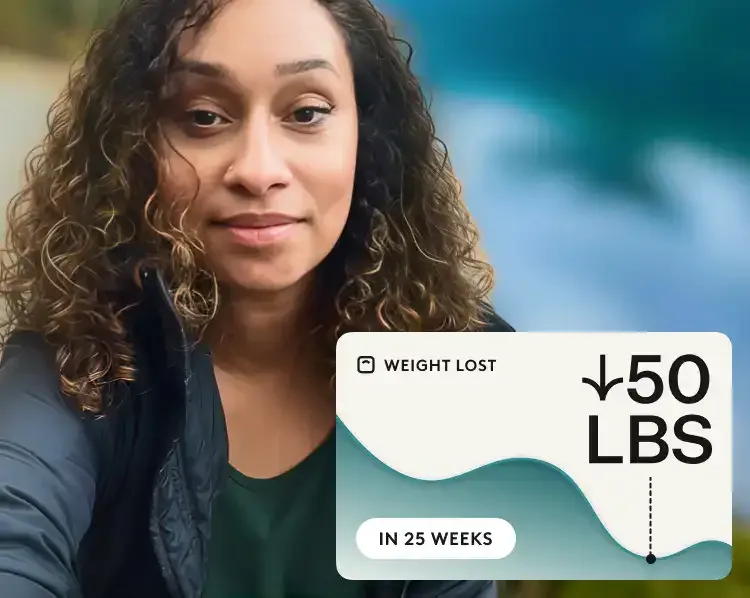
“My favorite parts of Noom are the care team and other Noomers. Sharing and getting help made me feel like I wasn’t doing it alone. That support made all the difference.”
Desirea N. — Real Noom user
Matthew M. — Real Noom user
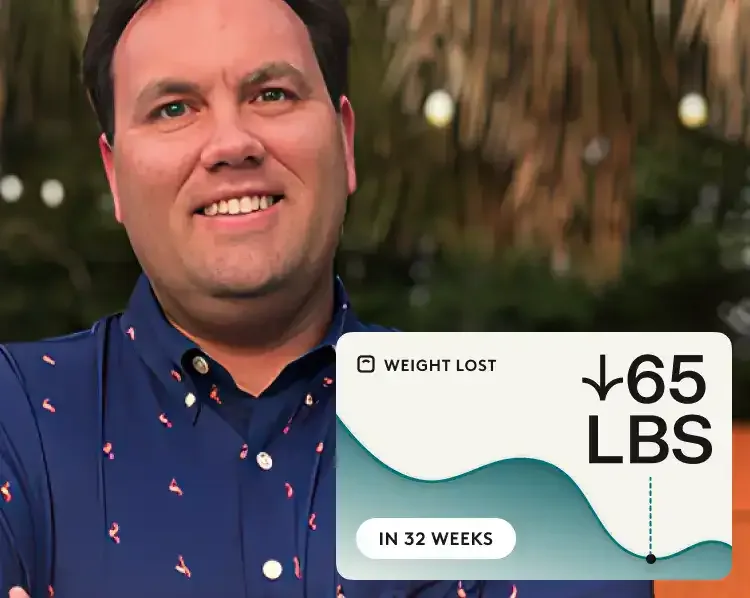
“Noom has taught me that every day is a new chance to make better, healthier choices. It's taught me how to stop overeating.’’
Matthew M. — Real Noom user
Lila M. — Real Noom user
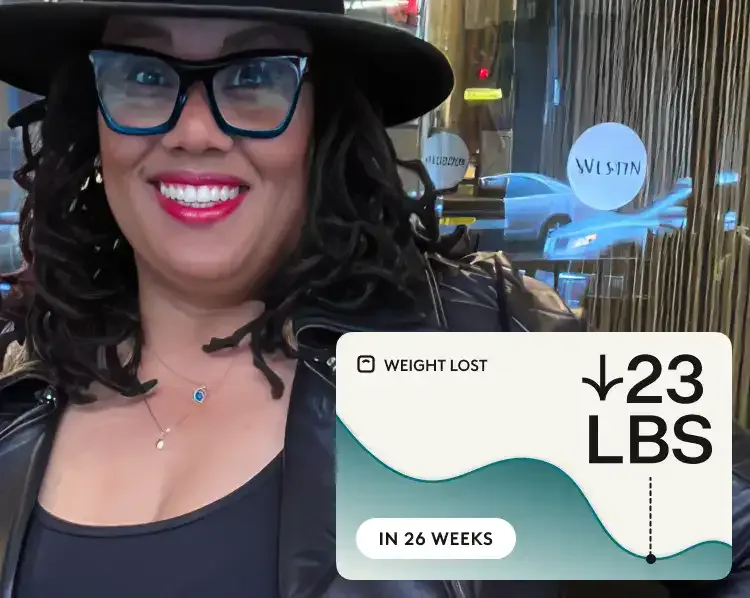
“Clinicians who understand how supportive medication can be is one of the best parts of Noom! I was convinced I wouldn’t have success but I’m down 11 pounds in two months.’’
Lila M. — Real Noom user
Steve M. — Real Noom user
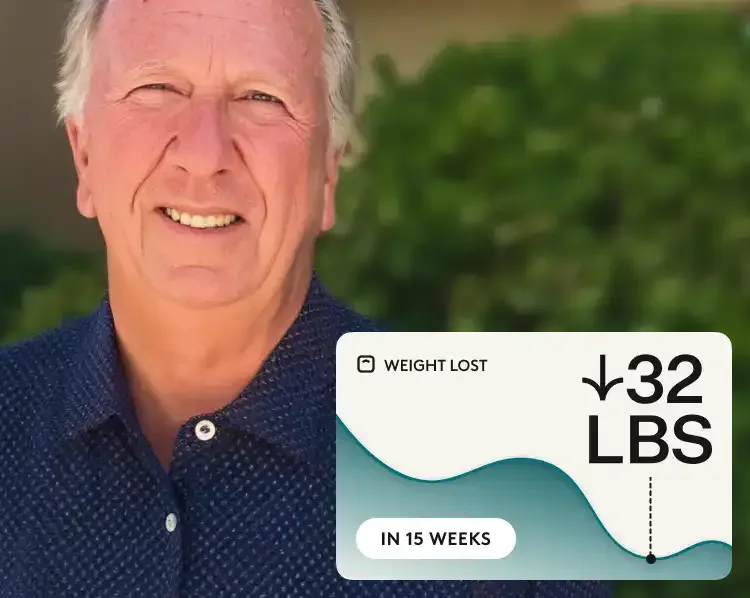
“Noom provided me with the medication which I could not get through Medicare. I have learned the tricks to better eating and life in general.”
Steve M. – Real Noom user
Daisy R. — Real Noom user

‘’Noom has changed my life and I’m so thankful, I feel great, have more energy and am no longer prediabetic.”
Daisy R. – Real Noom user
Sarah R. — Real Noom user
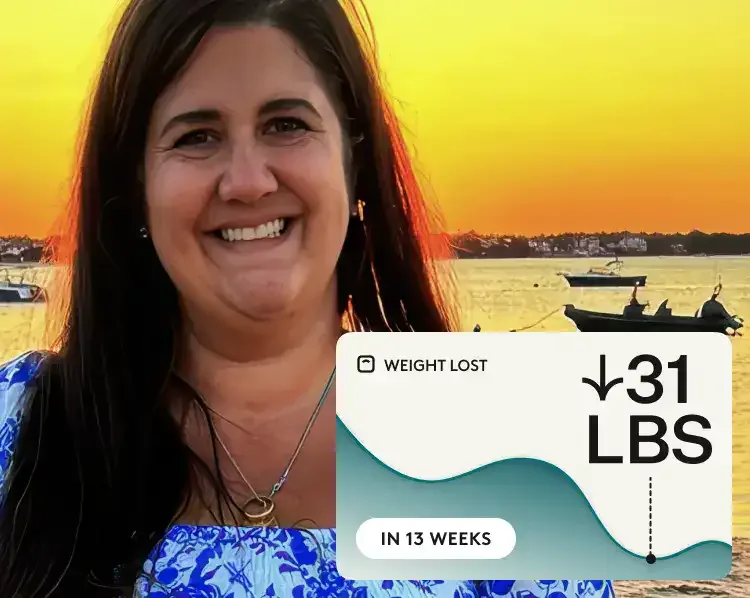
“All of the Noom providers that I’ve met with have been exceptional and prescribed medications that are appropriate for my situation and health.”
Sarah R. – Real Noom user
Madison S. — Real Noom user

“Noom made the process so simple and now I feel full, free from diet obsession, and at ease in my body again.”
Madison S. – Real Noom user
Sonday K. — Real Noom user
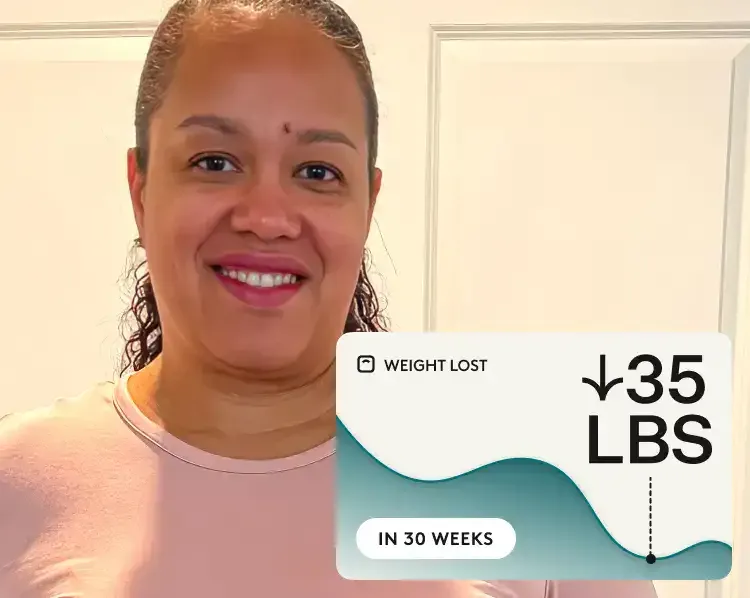
“My doctor recommended Noom after I was frustrated trying to lose weight. The lessons helped change my relationship with food. My body feels lighter & energized.”
Sonday K. – Real Noom user
Cam K. — Real Noom user
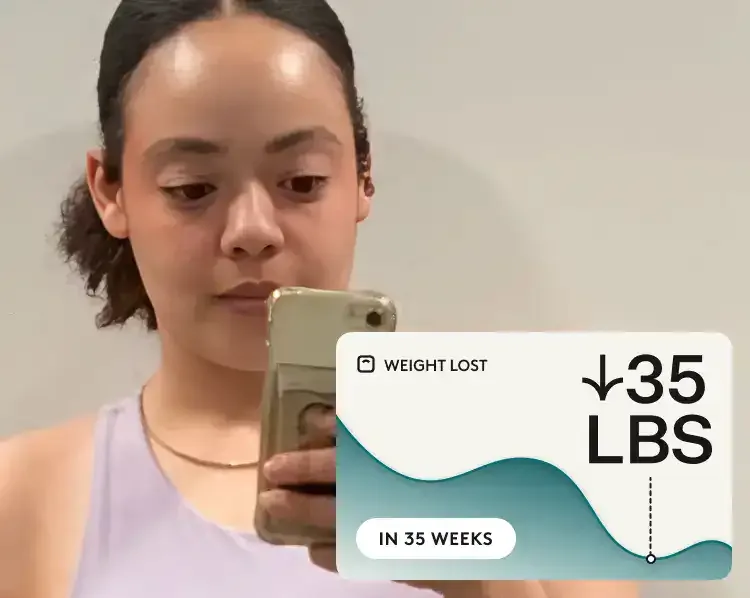
“I built healthy habits with coaching and lessons that make me confident I can maintain my weight loss long term.”
Cam K. – Real Noom user
Laura TR. — Real Noom user

“With the right medication through Noom, hunger and sugar cravings finally quieted and I have the tools to break the cycle.”
Laura TR. – Real Noom user
Jessica S. — Real Noom user
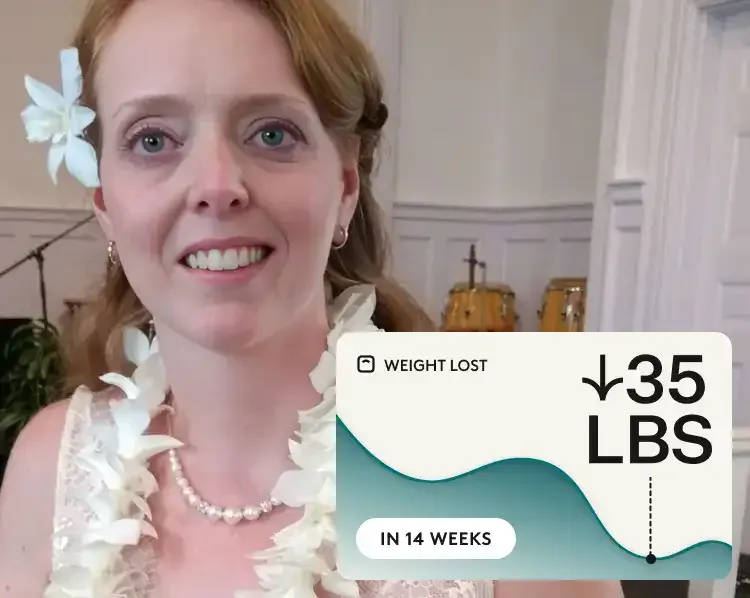
“Cravings and food noise are gone, I finally feel confident in the healthy habits I’ve built to last with Noom.”
Jessica S. – Real Noom user
The bottom line: Hair loss on tirzepatide can happen, but it’s usually temporary
Seeing more hair fall out can feel frustrating, but it doesn’t mean something is going wrong. With tirzepatide, hair shedding is not a direct effect of the medication itself. Instead, it’s linked to how your body adapts to changes like weight loss, smaller meals, and shifts in your routine, all of which can temporarily affect your hair cycle.
What can help is focusing on simple, consistent habits. Eating enough, especially protein and nutrient-rich foods, staying hydrated, and finding small ways to manage stress can support your body while it adjusts. Taking care of your hair gently, like avoiding tight styles or too much heat, can also help reduce extra breakage.
If you’re exploring tirzepatide or other weight loss medications, having the right support can make a big difference, especially if side effects like hair shedding come up. See if you qualify for Noom Med. If you do, you’ll be matched with a clinician who can guide you on your weight-loss journey, adjust your plan if needed, and support you through changes so you can stay on track without feeling overwhelmed.
Editorial standards
At Noom, we’re committed to providing health information that’s grounded in reliable science and expert review. Our content is created with the support of qualified professionals and based on well-established research from trusted medical and scientific organizations. Learn more about the experts behind our content on our Health Expert Team page.