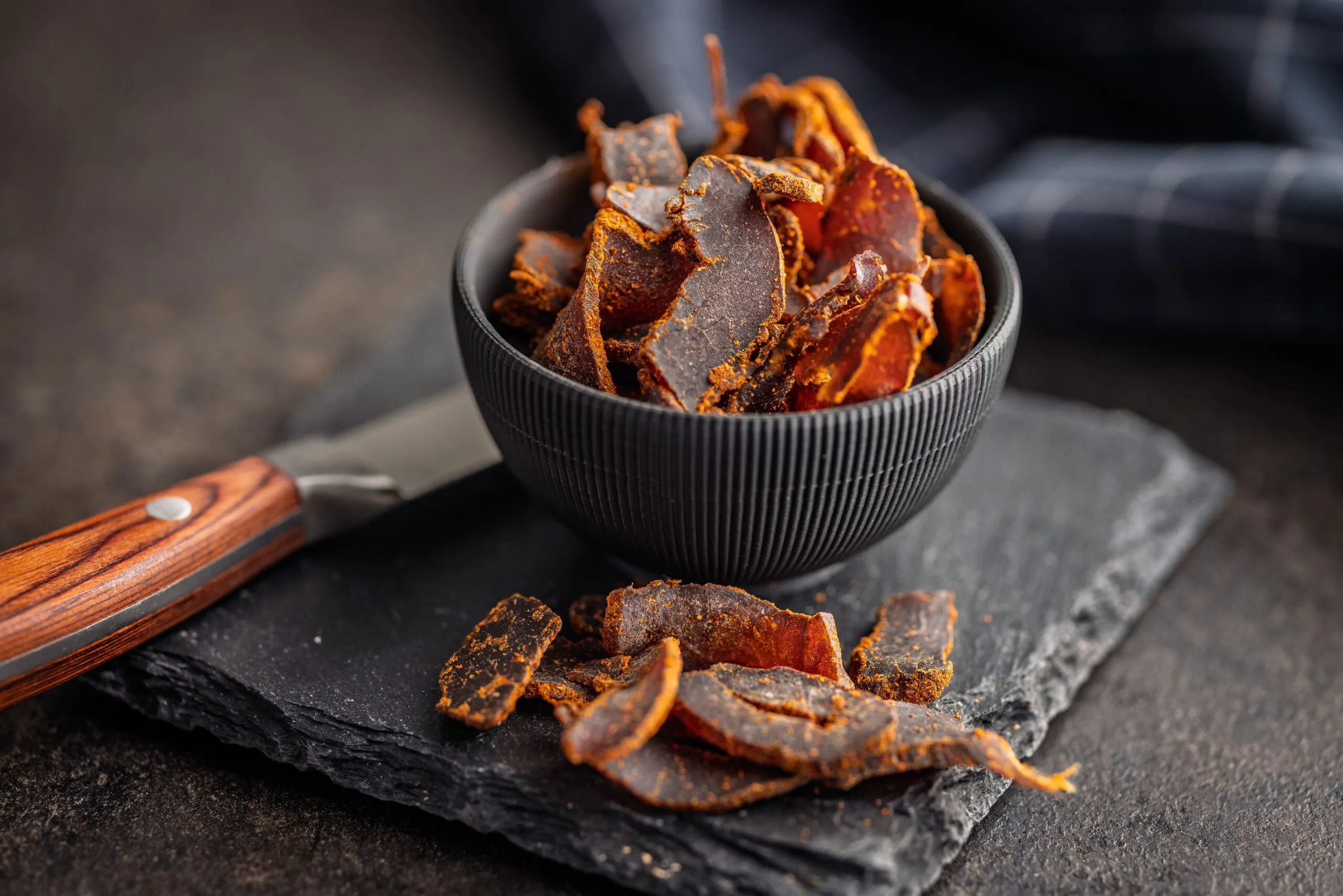
Beef tallow is having an unlikely resurgence. The rendered beef fat that once filled home kitchens—and that fast-food chains quietly used for decades—is back, fueled by social media, wellness influencers, and keto communities. You may have even started spotting jars of it on grocery store shelves.
Supporters see beef tallow as a natural, minimally processed cooking fat that may fit into a whole-food lifestyle and even support weight loss. Critics point to its high saturated fat content and the well-established link between diets high in saturated fat, elevated LDL (“bad”) cholesterol, and heart disease risk. So who’s right?
The answer is more nuanced than either side suggests. Beef tallow contains about 115 calories per tablespoon, with roughly half of its fat coming from saturated fat and much of the rest from oleic acid—the same monounsaturated fat found in olive oil, though in much smaller amounts overall. Grass-fed varieties also provide small amounts of conjugated linoleic acid (CLA), a fatty acid linked to modest reductions in body fat in some studies, although the amounts found in tallow are relatively small. It’s also highly heat-stable, making it a practical choice for high-heat cooking. Still, olive and avocado oils have much stronger evidence supporting heart health.
Whether beef tallow belongs in a weight-loss plan depends less on the ingredient itself and more on how much you use, what you’re replacing, and what the rest of your eating pattern looks like. Here’s what the nutrition and research actually say.
✅ Quick answer
It depends. Beef tallow can fit into a weight-loss plan, but it’s still a concentrated source of calories. If you’re deciding between cooking fats, olive oil has the strongest evidence for supporting overall health while fitting into a balanced eating pattern.

The Easy Way
to lose weight and get healthy.
See if you qualify
🚀 Potential benefits
- Beef tallow fits well into low-carb cooking and high-heat recipes. As a pure fat with no carbohydrates, it’s compatible with keto and other low-carb eating patterns. It also has a high smoke point (about 420–480°F), making it a stable choice for roasting, searing, and frying.
- Beef tallow contains small amounts of CLA, but the effect is likely modest. Grass-fed beef tallow naturally contains conjugated linoleic acid (CLA), a fatty acid that has been linked to small reductions in body fat when taken as a supplement. However, the amounts found in a typical serving of beef tallow are far below the doses studied, so it shouldn’t be considered a meaningful weight-loss benefit on its own.
⚠️ Things to be mindful of
- Beef tallow can add a lot of calories depending on how you use it. Using a tablespoon to roast vegetables or sear a steak is very different from deep-frying foods in it. Fried foods absorb some of the cooking fat, increasing the total calories in the finished meal. If weight loss is your goal, occasional use as a cooking fat is a different story than regularly frying foods in beef tallow.
- Beef tallow is high in saturated fat. About half of its fat is saturated. One tablespoon provides roughly one-third of the recommended daily limit for someone eating a 2,000-calorie diet. Most major health organizations continue to recommend limiting saturated fat because it raises LDL (“bad”) cholesterol, a major risk factor for heart disease.
🥗 Nutrients in beef tallow (per 1 tablespoon / 0.45 oz)
| Nutrient | Amount | % RDA* |
|---|---|---|
| Calories | 115 calories | 6% |
| Protein | 0 g | 0% |
| Total carbs | 0 g | 0% |
| Fiber | 0 g | 0% |
| Sugars | 0 g | — |
| Total fat | 0.45 oz | 16% |
| – Saturated fat | 0.23 oz | 32% |
| – Monounsaturated fat | 0.19 oz | — |
| – Polyunsaturated fat | 0.02 oz | — |
| Omega-3 | <0.01 oz | — |
| Omega-6 | 0.01 oz | — |
*Recommended dietary allowance (RDA) is defined as the average daily amount of nutrients needed to meet the requirements of nearly all healthy people in a specific group.
Beef tallow is almost entirely fat, providing about 115 calories per tablespoon. A single tablespoon accounts for about 16% of the recommended daily intake for total fat while using about one-third of the recommended limit for saturated fat. It also contains monounsaturated fat, primarily oleic acid—the same heart-healthy fat that makes up roughly 70% to 75% of extra-virgin olive oil. But beef tallow contains much less oleic acid overall and considerably more saturated fat.
Like other cooking fats, beef tallow is designed to add flavor and withstand heat rather than provide a broad range of nutrients. It contains no protein, carbohydrates, or fiber, along with only trace amounts of vitamins and minerals.
💊 Vitamins & minerals in beef tallow (per 1 tablespoon / 0.45 oz)
| Vitamin / Mineral | Amount | % RDA* |
|---|---|---|
| Choline | 10.2 mg | 2% |
| Vitamin E | 0.3 mg | 2% |
| Vitamin D | 0.3 µg | 2% |
*Recommended dietary allowance (RDA) is defined as the average daily amount of nutrients needed to meet the requirements of nearly all healthy people in a specific group.
Beef tallow contributes very few vitamins and minerals. The only nutrients present in measurable amounts are choline, vitamin E, and vitamin D, and each provides only about 2% of your daily needs per tablespoon. While these nutrients support important functions throughout the body, the amounts in beef tallow are too small to make a meaningful contribution to your daily intake.
You may see beef tallow promoted as a rich source of fat-soluble vitamins, but conventional beef tallow contains negligible amounts of vitamins A and K, according to USDA nutrient data. Grass-fed tallow may contain slightly higher levels, but not enough to substantially change its nutritional value. Foods like fatty fish, eggs, dairy, and leafy greens are much more concentrated sources of these vitamins.
🔍 Nutrient breakdown
Glycemic index (GI) of beef tallow
Glycemic index: 0 (none—contains no carbohydrates)
💡 Tallow has no glycemic impact and won’t raise blood sugar on its own. For people managing blood sugar or insulin levels, it’s a predictable cooking fat—though total calories still matter.
Is beef tallow high in protein?
❌ No: beef tallow contains 0 grams of protein per tablespoon.
Is beef tallow high in fiber?
❌ No: beef tallow has 0 grams of fiber per tablespoon.
Is beef tallow low in carbs?
✔️ Yes: beef tallow has 0 grams of carbs per tablespoon.
Is beef tallow gluten-free?
✔️ Yes: Pure beef tallow contains no grains or gluten. If you’re buying pre-packaged tallow or using it at a restaurant, confirm there’s no cross-contamination with gluten-containing foods.
Is beef tallow good for fat loss?
❌ Not particularly: The high-calorie density and absence of protein or fiber mean that tallow doesn’t directly support fat loss. It can fit into a fat-loss diet in controlled amounts, but it lacks the satiety or metabolic advantages of protein- or fiber-rich foods.
🍽️ Diet compatibility: Which diets include beef tallow?
| Diet | ✅ / ❌ | Why |
|---|---|---|
| Keto | ✅ | Zero carbs and high fat make tallow a natural keto cooking fat. It’s widely used for roasting, searing, and frying, and fits the high-fat macro targets of a ketogenic diet precisely. |
| Paleo | ✅ | Animal fats like tallow were staples of pre-agricultural diets, and the paleo community broadly endorses grass-fed tallow as a whole-food fat over refined vegetable oils. |
| Mediterranean | ❌ | The Mediterranean diet centers on olive oil, with an emphasis on plant-based foods, fish, and minimal red meat. Tallow is high in saturated animal fat and low in the polyphenols that make olive oil beneficial for cardiovascular health. |
| Vegan | ❌ | Beef tallow is an animal product, rendered animal fat by definition. Coconut oil or avocado oil are the closest high-fat plant-based alternatives. |
| Gluten-free | ✅ | Pure beef tallow is naturally gluten-free. Verify that any commercially rendered product contains no additives. |
Beef tallow fits most naturally in keto and paleo diets, which prioritize whole-food animal fats over processed plant oils. Both are compatible with tallow’s zero-carb, high-fat profile, though paleo typically emphasizes variety over relying heavily on any single fat.
For Mediterranean, plant-based, or standard balanced diets, tallow is a specialty fat rather than a staple. The cardiovascular research behind the Mediterranean diet is built on olive oil, not saturated animal fat. An occasional tablespoon won’t derail a healthy diet, but tallow shouldn’t be the primary cooking fat for anyone following those frameworks.
🌟 Is beef tallow healthy? What are the health benefits?
Metabolic health: Is beef tallow good for your metabolism?
- Boosts metabolism? ❌ No. Beef tallow contains no compounds known to increase metabolic rate. Fat also has the lowest thermic effect of the three macronutrients, meaning your body burns relatively few calories digesting it compared with protein or carbohydrates.
- Improves insulin sensitivity? 🤷 Unclear. Beef tallow contains some monounsaturated fat, primarily oleic acid, which has been associated with better insulin sensitivity in some studies. Grass-fed tallow also contains small amounts of CLA, but the amounts are far below those studied in supplements. Because beef tallow is also high in saturated fat, there’s no good evidence that using it as your primary cooking fat improves insulin sensitivity.
- Effect on fat storage? ➖ Neutral. Beef tallow doesn’t directly promote or prevent fat storage. Like any fat, excess calories from beef tallow can contribute to weight gain, while using it within your calorie needs is unlikely to have a unique effect on body fat.
Cholesterol impact: Does beef tallow affect cholesterol levels?
- Does it lower LDL (“bad”) cholesterol? ❌ No. Beef tallow is high in saturated fat, particularly palmitic acid, which is known to raise LDL cholesterol in many people. While stearic acid appears to have a more neutral effect, the overall evidence shows that replacing saturated fats with unsaturated fats can help lower LDL cholesterol.
- Does it raise HDL (“good”) cholesterol? ✔️ Yes, but that’s not necessarily a benefit. Diets higher in saturated fat can modestly increase HDL cholesterol along with LDL cholesterol. Current cardiovascular guidelines focus on lowering LDL cholesterol rather than raising HDL through diet, since reducing LDL has consistently been shown to lower heart disease risk.
- Overall impact on heart health? ⚠️ Use in moderation. One tablespoon of beef tallow provides about one-third of the recommended daily limit for saturated fat. Used occasionally as a cooking fat, it can fit into a balanced diet. But if you have high LDL cholesterol, cardiovascular disease, or other heart disease risk factors, replacing some saturated fat with unsaturated fats like olive or avocado oil is generally recommended.
Can you eat beef tallow in a calorie deficit?
✔️ Yes, in moderation. Beef tallow can be part of a calorie deficit, but using small, measured amounts for cooking is very different from using it for deep-frying or adding it generously to multiple dishes.
💡 Use a measuring spoon every time—one tablespoon is enough to cook a full portion of protein or vegetables.
Is beef tallow rich in antioxidants?
❌ No: allow has trace vitamin E. It lacks the polyphenols in olive oil, the carotenoids in egg yolks, or the broader antioxidant profile of plant-based fats.
Does beef tallow support gut health?
❌ Probably not. Beef tallow contains no fiber, prebiotics, or probiotics, so it doesn’t directly support gut health. Diets high in saturated fat have also been associated with less favorable changes in the gut microbiome, although the overall eating pattern matters more than any single food.
Does beef tallow support digestion?
➖ Not specifically. Beef tallow doesn’t contain fiber, probiotics, or digestive enzymes that support digestion. Like other fats, it slows stomach emptying, which may help some people feel fuller after a meal but doesn’t improve digestion itself. If you have gallbladder disease, have had your gallbladder removed, or have a condition that affects fat absorption, large amounts of beef tallow may be harder to tolerate.
Does beef tallow help you feel satiated and less hungry?
➖ Somewhat. Like other fats, beef tallow slows stomach emptying, which can help extend fullness after a meal. But on its own, it doesn’t contain the protein or fiber that have the strongest effects on satiety. A meal rich in protein and fiber that’s cooked with a small amount of beef tallow is likely to be much more filling than the tallow itself.
Satiety level: Low to moderate
Does beef tallow help with nighttime cravings?
❌Not directly. Beef tallow doesn’t contain any compounds known to reduce food cravings. Late-night cravings are more often influenced by factors like overall calorie intake, protein and fiber intake, blood sugar fluctuations, habits, stress, and sleep than by the amount of fat you eat.
Does beef tallow help reduce inflammation?
❌ Probably not. While beef tallow contains some oleic acid and small amounts of CLA, it also contains a large amount of saturated fat. Taken together, there’s no convincing evidence that adding beef tallow to your diet lowers inflammation.
Is beef tallow beneficial for brain health?
Limited. Beef tallow contains some monounsaturated fat, including oleic acid, but it’s not a meaningful source of the omega-3 fatty acids most consistently linked to brain health and cognitive function. If brain health is your goal, foods like fatty fish, walnuts, flaxseed, and extra-virgin olive oil have much stronger evidence behind them.
Can beef tallow improve skin and hair health?
Limited. Topically, beef tallow’s fatty acid profile is similar to human sebum, and some people report it helps relieve dry skin. However, evidence for tallow itself is limited, and there are few high-quality clinical studies. As a food, beef tallow contains only trace amounts of vitamin E and other nutrients linked to skin health, so there’s no good evidence that eating it improves skin or hair.
Can beef tallow help balance hormones?
Limited. Adequate dietary fat is essential for producing steroid hormones such as estrogen, testosterone, and cortisol. However, there’s no evidence that beef tallow has unique hormone-balancing properties beyond its role as a source of dietary fat.
💡 For hormonal health: Focus on getting enough healthy fats from a variety of foods, including olive oil, avocados, nuts, seeds, and fatty fish, rather than relying on any single fat source.
🍽️ Best ways to eat beef tallow for weight loss
- Use it for high-heat cooking. Beef tallow’s high smoke point (about 420–480°F) makes it a good choice for searing meat or roasting vegetables at temperatures where some oils break down more quickly. A measured teaspoon is often enough to coat a pan or baking sheet while keeping calories in check.
- Measure it instead of eyeballing it. Because beef tallow is calorie-dense, it’s easy to use more than intended. Measuring a teaspoon or tablespoon before cooking can help you enjoy its flavor without accidentally adding hundreds of extra calories over the course of a day.
- Save it for recipes where it adds something unique. Beef tallow shines in dishes that benefit from its rich flavor and high-heat stability, such as roasted potatoes, Brussels sprouts, or seared steak. For lower-temperature cooking or dressings, oils like extra-virgin olive oil offer a different nutritional profile with stronger evidence for heart health.
🍏 Best alternatives & comparisons (per 1 tablespoon)
| Food | Calories | Carbs | Fiber | Protein | Fat |
|---|---|---|---|---|---|
| Beef tallow | 115 | 0 g | 0 g | 0 g | 0.45 oz |
| Extra-virgin olive oil | 119 | 0 g | 0 g | 0 g | 0.48 oz |
| Butter | 102 | 0 g | 0 g | 0.004 oz | 0.41 oz |
| Coconut oil | 121 | 0 g | 0 g | 0 g | 0.48 oz |
| Avocado oil | 124 | 0 g | 0 g | 0 g | 0.49 oz |
| Ghee | 112 | 0 g | 0 g | 0 g | 0.45 oz |
All cooking fats contain roughly the same number of calories—about 100 to 125 per tablespoon. What sets them apart is the types of fat they contain and the other compounds that come with them. Extra-virgin olive oil is rich in monounsaturated fat and polyphenols, which have been linked to heart health. Beef tallow also contains some monounsaturated fat, but it’s much higher in saturated fat and contains virtually no polyphenols. Ghee has a similar fatty acid profile to tallow, while coconut oil is also high in saturated fat despite containing some medium-chain triglycerides (MCTs).
Access GLP-1 Weight Loss with Noom
Explore a wide range of prescription medications supported by Noom’s program.Microdose GLP-1rx
Noom GLP-1rx
Noom GLP-1rx Plus
Wegovy®
Ozempic®

Metformin
Zepbound®
Mounjaro®
Liraglutide
For weight loss, the type of cooking fat matters less than the amount you use. Olive oil’s advantage isn’t that it’s lower in calories—it’s that decades of research support its role in heart-healthy eating patterns. Beef tallow can be a practical choice for occasional high-heat cooking, but for everyday use, extra-virgin olive oil or avocado oil are generally the better-supported options.
Recipes to try:
- Tallow-Seared Egg — The Kitchn
- Tallow-Basted Seared Ribeye — All Things Barbecue
- Tallow-Roasted Skillet Potatoes — Hey Grill Hey
Frequently asked questions about beef tallow and weight loss
How much beef tallow is safe to eat per day?
There isn’t a recommended daily amount for beef tallow. Because it’s high in saturated fat, it’s best used in moderation as a cooking fat rather than a staple. If you have high LDL (“bad”) cholesterol, cardiovascular disease, or other heart disease risk factors, limiting saturated fat is especially important.
Is grass-fed beef tallow better than regular tallow for weight loss?
Grass-fed tallow contains slightly more CLA and somewhat higher levels of fat-soluble vitamins, giving it a modest nutritional edge. But its calorie and fat content are nearly identical to conventional tallow—about 115 calories and 0.45 ounces of fat per tablespoon. For weight loss, the source matters far less than how much you use.
Can I cook with beef tallow every day?
Yes, but moderation is key. Using a small amount to roast vegetables or sear protein is different from cooking large amounts of food in beef tallow every day. Rotating between beef tallow for occasional high-heat cooking and oils like olive or avocado oil for everyday use provides a more balanced mix of fats.
Is beef tallow better than vegetable oils for weight loss?
Neither has a calorie advantage for weight loss—they contain nearly the same number of calories per tablespoon. The biggest difference is nutritional profile, not calories. Olive oil and avocado oil have stronger evidence supporting heart health, while beef tallow is valued for its high smoke point and rich flavor. For weight loss, how much you use matters more than which cooking fat you choose.
Is beef tallow healthier than olive oil?
For most people, no. Both can fit into a healthy eating pattern, but extra-virgin olive oil has decades of research supporting its benefits for heart health. Beef tallow is best viewed as an occasional cooking fat rather than a replacement for olive oil.
Is beef tallow good for older adults trying to lose weight?
It can fit into a healthy diet, but it shouldn’t crowd out more nutrient-dense foods. As people age, protein becomes increasingly important for preserving muscle, while fiber, vitamins, and minerals support overall health. Beef tallow works best as an occasional cooking fat rather than a major source of dietary fat.
Does beef tallow go bad?
Yes. Properly stored in an airtight container, beef tallow can last about a year at room temperature and even longer in the refrigerator or freezer. If it develops a sour, metallic, or rancid smell, an off taste, or noticeable discoloration, it’s time to throw it away.
🧠 The bottom line: Beef tallow can fit into a weight-loss plan when used in moderation
Beef tallow won’t speed up your metabolism or melt body fat. At about 115 calories per tablespoon, it’s a calorie-dense cooking fat that doesn’t provide the protein, fiber, or other nutrients most closely linked to fullness and healthy weight management. That said, when used in measured amounts, it can absolutely fit into a calorie-controlled eating pattern.
Where beef tallow shines is in the kitchen. Its high smoke point makes it well suited for searing, roasting, and other high-heat cooking, and its rich flavor can make healthy foods like vegetables and lean proteins more enjoyable. Grass-fed varieties also contain small amounts of CLA, although not enough to provide the weight-loss effects seen in supplement studies.
The biggest considerations are calories and saturated fat. A little goes a long way, so measuring instead of pouring can help keep calories in check. If you have elevated LDL cholesterol or other cardiovascular risk factors, using beef tallow occasionally while relying more often on oils like olive or avocado oil is a heart-healthier approach.
Ultimately, whether you cook with beef tallow, olive oil, or another fat, the biggest drivers of weight loss are still your overall eating pattern, calorie intake, and meals built around protein, vegetables, and other nutrient-dense foods.
The Easy Way
to lose weight and get healthy.
See if you qualify📖 Scientific evidence
- Beef tallow contains several fatty acids that have been studied for potential health effects. (Food Science of Animal Resources, 2022) Beef tallow contains oleic acid, stearic acid, and small amounts of CLA. However, current evidence doesn’t show that eating beef tallow itself provides the same health benefits seen with foods like olive oil or with CLA supplements. Grass-fed tallow has a somewhat more favorable fatty acid profile than conventional tallow, but the differences are modest in the amounts typically consumed.
- CLA supplementation produced a modest reduction in body fat across 18 human trials. (American Journal of Clinical Nutrition, 2007) This analysis found that CLA supplementation at a median dose of 3.2 grams per day produced a small but statistically significant reduction in body fat. Although grass-fed beef tallow is a natural source of CLA, it contains far less than the amounts used in these studies, so it shouldn’t be expected to produce the same effect.
- CLA supplementation reduced body fat and prevented holiday weight gain over 6 months. (International Journal of Obesity, 2006) In this randomized trial, 40 overweight adults taking 3.2 grams of CLA per day lost more body fat and avoided the typical holiday weight gain than those taking a placebo. While grass-fed beef tallow contains small amounts of CLA, it provides only a fraction of the amount studied, so these findings shouldn’t be interpreted as evidence that eating beef tallow promotes weight loss.
- High saturated fat intake is associated with an increase in LDL cholesterol, a major risk factor for heart disease. (Journal of Clinical Lipidology, 2021) This review found that saturated fat raises LDL (“bad”) cholesterol in most people and concluded that replacing it with unsaturated fats improves blood lipid levels and supports cardiovascular health.
- Replacing saturated fat with polyunsaturated fat was linked to a 19% reduction in cardiovascular mortality. (Nutrition, Metabolism and Cardiovascular Diseases, 2017) This review found that replacing saturated fat with polyunsaturated fat was associated with a 19% lower risk of cardiovascular death, while replacing it with monounsaturated fat was associated with an 11% lower risk. The findings support choosing unsaturated fats over saturated fats more often for long-term heart health.
Editorial standards
At Noom, we’re committed to providing health information that’s grounded in reliable science and expert review. Our content is created with the support of qualified professionals and based on well-established research from trusted medical and scientific organizations. Learn more about the experts behind our content on our Health Expert Team page.