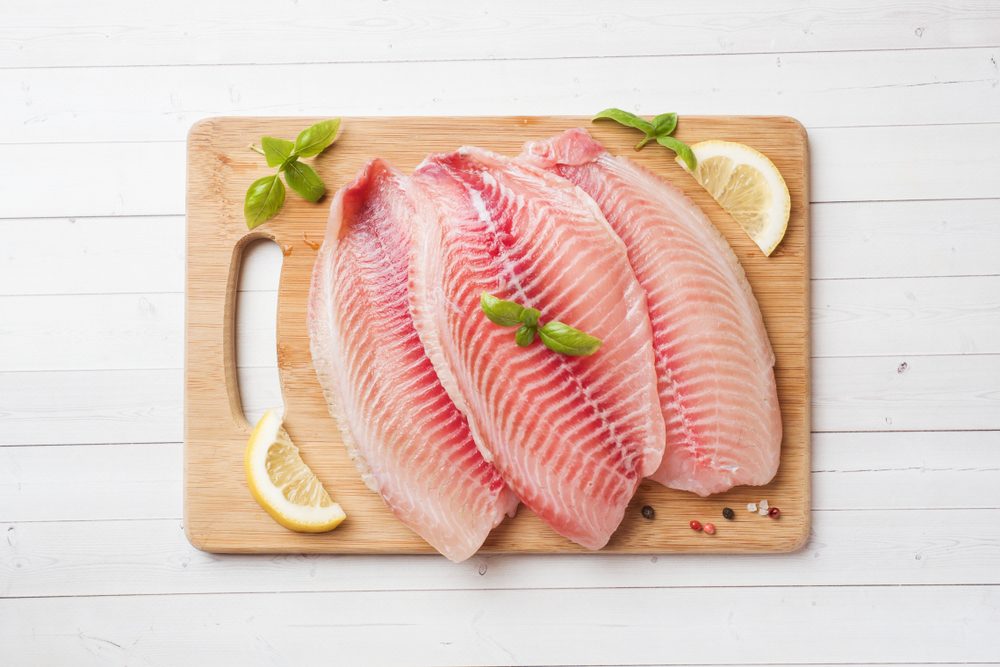
Tilapia is a freshwater fish that’s become one of the most widely consumed seafoods in the world—and one of the most popular proteins for people trying to lose weight. A 5-ounce cooked tilapia fillet provides about 38 grams of protein for roughly 185 calories, along with virtually no carbohydrates and very little fat. That combination can help support fullness while keeping calorie intake relatively low.
Part of tilapia’s appeal is also its practicality. It’s widely available, typically sold as boneless fillets, and tends to cost less than many other types of fish. Most tilapia sold in the U.S. is farm-raised in ponds or tanks, making it a consistent and accessible source of lean protein year-round.
Of course, protein content isn’t the only factor that determines whether a food supports weight loss. Nutrition quality, satiety, and how a food fits into your overall eating pattern matter too. Here’s what the research says about tilapia and whether it deserves a place on your plate if weight loss is your goal.
✅ Quick answer
Yes—tilapia is a strong choice for weight loss. It’s high in protein, relatively low in calories, and can help support fullness while preserving muscle mass during weight loss. It also provides nutrients like selenium, vitamin B12, and niacin. The main drawback is that tilapia contains less heart-healthy omega-3 fat than fish like salmon or mackerel, so it’s best enjoyed as part of a varied seafood routine. For most people, tilapia is an affordable, versatile protein that fits well into a weight-loss-friendly diet.
🚀 Weight-loss benefits
- Tilapia delivers serious protein for very few calories. A cooked fillet packs about 26 grams of protein at just 128 calories. For weight loss, protein is especially important because it helps preserve lean muscle during a calorie deficit, supports fullness, and requires more energy to digest than carbohydrates or fat.
- Tilapia is a budget-friendly source of protein. Tilapia is often less expensive than salmon, shrimp, and many cuts of meat, making it easier to add high-quality protein to your meals without stretching your grocery budget. Since sustainable weight loss depends on habits you can maintain, affordable options can make a meaningful difference.
- Tilapia helps keep hunger in check. Thanks to its high protein content, tilapia can help you feel satisfied after a meal and less likely to reach for snacks an hour later. Pairing it with vegetables adds fiber and volume, making for a meal that’s both filling and relatively low in calories.
⚠️ Things to be mindful of
- Tilapia is lower in omega-3s than some other fish. Unlike salmon, sardines, or mackerel, tilapia isn’t a major source of the omega-3 fats associated with heart health. If tilapia is the fish you eat most often, consider mixing in other seafood options throughout the week or adding foods like walnuts and flaxseed to your diet.
- The quality of farmed tilapia can vary. Most tilapia sold in the U.S. is farm-raised, but farming practices differ around the world. If sustainability and sourcing are important to you, look for certifications such as BAP (Best Aquaculture Practices) or ASC (Aquaculture Stewardship Council) on the package.
- How you prepare tilapia matters. Tilapia is naturally lean, but breading, deep-frying, and heavy sauces can add a significant number of calories and fat. Baking, grilling, steaming, or pan-searing with a small amount of oil helps preserve the qualities that make tilapia a weight-loss-friendly protein.
🥗 Nutrients in tilapia (per 1 cooked fillet, about 5 ounces)
| Nutrient | Amount | % RDA* |
|---|---|---|
| Calories | 185 calories | 9% |
| Protein | 38 g | 76% |
| Total carbs | 0 g | 0% |
| Fiber | 0 g | 0% |
| Sugars | 0 g | — |
| Total fat | 4 g | 5% |
| – Saturated fat | 1.3 g | 7% |
| – Monounsaturated fat | 1.2 g | — |
| – Polyunsaturated fat | 0.8 g | — |
| Omega-3 | 0.3 g | — |
| Omega-6 | 0.5 g | — |
*RDA = FDA daily values on a 2,000 calorie diet.
New from Noom
Microdose GLP-1Rx Plus
An affordable way to start your GLP-1 journey with Compounded Tirzepatide.

*Initial 3 week subscription and 4 weeks of medication from $79 plus tax and $199 per month plus tax for 12 week subscription thereafter. Final pricing depends on program selection. Noom GLP-1Rx Plus Microdose Program involves medication (when appropriate), healthy diet, exercise and support. Individual results vary. Meds & personalization based on need as determined by a third-party clinician. Medications are not reviewed by FDA for safety, efficacy, or quality. No affiliation with Eli Lilly and Company, the only US source of FDA-approved tirzepatide. Not available in all 50 US states.
The standout here is the protein. A typical 5-ounce tilapia fillet provides about 38 grams of protein for fewer than 200 calories, making it an easy way to add a substantial amount of protein to a meal. Because protein helps support fullness and maintain muscle during weight loss, foods like tilapia can make it easier to stay satisfied while eating fewer calories overall.
Tilapia contains virtually no carbohydrates or fiber, so it pairs well with vegetables, whole grains, beans, and other fiber-rich foods. Together, these foods can help create a more balanced and satisfying meal.
*Recommended dietary allowance (RDA) is defined as the average daily amount of nutrients needed to meet the requirements of nearly all healthy people in a specific group.
💊 Vitamins & minerals in tilapia (per 1 cooked fillet, about 5 ounces)
| Vitamin/Mineral | Amount | % RDA* |
|---|---|---|
| Selenium | 79 µg | 144% |
| Vitamin B12 | 2.7 µg | 112% |
| Niacin (B3) | 6.8 mg | 43% |
| Phosphorus | 297 mg | 24% |
| Vitamin D | 4.5 µg | 23% |
| Choline | 74 mg | 13% |
| Pantothenic acid (B5) | 1.0 mg | 20% |
| Potassium | 552 mg | 12% |
| Vitamin B6 | 0.18 mg | 11% |
| Magnesium | 45 mg | 11% |
| Riboflavin (B2) | 0.10 mg | 8% |
| Zinc | 0.6 mg | 5% |
| Iron | 1.0 mg | 5% |
| Vitamin E | 0.7 mg | 5% |
| Thiamin (B1) | 0.07 mg | 5% |
Tilapia offers more than just protein. A typical 5-ounce fillet is an excellent source of selenium, a mineral that supports thyroid function and immune health. It’s also rich in vitamin B12, which plays an important role in nerve function, red blood cell production, and energy metabolism.
You’ll also get meaningful amounts of niacin (vitamin B3), which helps the body convert food into energy, and phosphorus, a mineral involved in bone health and many cellular processes. Tilapia even contributes some vitamin D, a nutrient many adults don’t get enough of..
🔍 Nutrient breakdown
Glycemic index (GI) of tilapia
Glycemic index: 0 (Low – it contains no carbohydrates)
💡 With zero carbs and zero sugars, tilapia has no impact on blood sugar whatsoever. This makes it an excellent anchor protein for anyone managing blood glucose levels or following a low-carb eating pattern.
Is tilapia high in protein?
✔️ Yes—tilapia is high in protein. A cooked fillet provides about 23 grams of protein, or roughly 7 to 8 grams per ounce. Protein helps support fullness and plays an important role in maintaining muscle during weight loss.
Better protein alternatives (for more omega-3s): Salmon | Sardines | Mackerel
Is tilapia high in fiber?
❌ No—tilapia contains 0 grams of fiber.

The Easy Way
to lose weight and get healthy.
See if you qualify
💡 Load your plate with leafy greens, cruciferous vegetables, or a side of lentils to bring fiber into the equation and extend post-meal fullness.
Is tilapia low in carbs?
✔️ Yes—tilapia has 0 grams of carbohydrates per serving.
💡 Because tilapia is carb-free, the total carb count of your meal is entirely determined by what you serve alongside it.
Is tilapia gluten-free?
✔️ Yes—plain tilapia contains no gluten. But breaded tilapia, marinated fillets, or restaurant preparations may include gluten-containing coatings or sauces. Always check labels on pre-seasoned frozen fillets, and ask about preparation methods when dining out.
Is tilapia good for fat loss?
✔️ Tilapia can support a fat-loss diet, but it doesn’t directly cause fat loss. Because it’s high in protein and relatively low in calories, tilapia can make it easier to build filling meals while maintaining a calorie deficit. Getting enough protein during weight loss may also help preserve lean muscle mass, which can improve the proportion of weight lost that comes from body fat rather than muscle.
💡 Eat tilapia with a large volume of non-starchy vegetables—it’s an effective strategy for creating a satisfying, high-volume meal with a modest calorie count.
🍽️ Diet compatibility: Which diets include tilapia?
| Diet | ✅ / ❌ | Why |
|---|---|---|
| Keto | ✅ | Tilapia has zero carbohydrates and is high in protein, making it a natural fit for keto. Pair it with high-fat sides like avocado, olive oil-roasted vegetables, or a butter-herb sauce to meet the diet’s fat targets. |
| Paleo | ✅ | As a whole, unprocessed animal protein, tilapia is paleo-compliant. Wild-caught or sustainably farmed varieties are preferred on this eating pattern, which emphasizes food quality and minimal processing. |
| Mediterranean | ✅ | The Mediterranean diet recommends eating fish at least twice a week, and tilapia qualifies as a lean option. Pair it with olive oil, tomatoes, capers, and fresh herbs for a meal squarely in the Mediterranean tradition. |
| Vegan | ❌ | Tilapia is an animal product and isn’t suitable for vegan or vegetarian diets. Plant-based alternatives with a similarly lean profile include tofu, edamame, and tempeh. |
| Gluten-free | ✅ | Plain tilapia is naturally gluten-free and safe for people with celiac disease or gluten sensitivity. Be cautious with breaded, pre-marinated, or restaurant-prepared versions, which may contain hidden gluten. |
Tilapia fits easily into many popular eating patterns. It’s naturally high in protein, low in calories, and minimally processed, making it a flexible option whether you’re following a lower-carb, Mediterranean-style, high-protein, or calorie-conscious approach to eating.
Another advantage is its mild flavor. Tilapia takes on the seasonings and ingredients around it, making it easy to use in everything from fish tacos and grain bowls to stir-fries and sheet-pan dinners. That versatility can help keep meals interesting, which may make healthy eating habits easier to stick with over time.
🌟 Is tilapia healthy? What are the health benefits?
Metabolic health: Is tilapia good for your metabolism?
- Boosts metabolism? ✔️ Not directly. Tilapia is high in protein, and protein requires more energy to digest than carbohydrates or fat. That can slightly increase the number of calories your body burns after a meal, but tilapia isn’t a metabolism booster in the way the term is often used online.
- Improves insulin sensitivity? ✔️ Possibly, as part of an overall healthy diet. Tilapia is a protein-rich food that contains no carbohydrates, so it has little direct impact on blood sugar levels. Replacing some higher-calorie or highly refined foods with lean protein sources like tilapia may support healthy blood sugar management, but there’s no evidence that tilapia itself improves insulin sensitivity.
- Effect on fat storage? ✔️ May help support body composition during weight loss. The protein in tilapia can help preserve lean muscle mass when you’re losing weight. Maintaining muscle is important because it helps support strength, physical function, and long-term weight management. However, no single food can prevent fat storage on its own.
Cholesterol impact: Does tilapia affect cholesterol levels?
- Does it lower LDL (bad) cholesterol? ✔️ Potentially, depending on what it replaces. Tilapia is low in saturated fat, so swapping it in for foods higher in saturated fat—such as some cuts of red meat or processed meats—may help support healthy LDL cholesterol levels as part of an overall heart-healthy diet.
- Does it raise HDL (good) cholesterol? ❓ There’s no strong evidence that tilapia specifically raises HDL cholesterol. While fish consumption is generally associated with heart-health benefits, tilapia is lower in omega-3 fats than fish like salmon, sardines, and mackerel.
- Overall impact on heart health? ✔️ Generally favorable. Tilapia provides lean protein, relatively little saturated fat, and important nutrients like selenium and vitamin B12. While it doesn’t offer as many omega-3s as fatty fish, it can still be part of a heart-healthy eating pattern. The FDA also lists tilapia among its “Best Choices” for seafood because of its low mercury content.
💡 If heart health is a priority, rotate tilapia with two servings of fatty fish (salmon, sardines, mackerel) per week to cover your omega-3 bases.
Can I eat tilapia in a calorie deficit?
✔️ Yes. Tilapia is high in protein and relatively low in calories, making it an easy fit in a calorie-controlled eating plan. Pairing it with vegetables and a fiber-rich side like beans, brown rice, or quinoa can help create a balanced, satisfying meal that supports your weight-loss goals.
💡 Season tilapia assertively with lemon, garlic, paprika, cumin, or fresh herbs so a simple preparation still feels flavorful and satisfying.
Is tilapia rich in antioxidants?
✔️ Tilapia contains selenium, a mineral that supports the body’s antioxidant defenses. A single fillet provides nearly 86% of the daily value for selenium, which helps protect cells from oxidative stress and supports immune and thyroid function. While tilapia isn’t considered a major source of antioxidants in the way fruits and vegetables are, it can contribute important nutrients that help the body maintain its natural defense systems.
💡 Pair tilapia with colorful vegetables (bell peppers, tomatoes, leafy greens) to add plant-based antioxidants like vitamin C, beta-carotene, and flavonoids that tilapia doesn’t provide on its own.
Does tilapia support gut health?
➖ Not directly. Tilapia doesn’t contain fiber, prebiotics, or probiotics, so it isn’t considered a gut-health food in the same way as beans, whole grains, fruits, vegetables, or fermented foods. Its main nutritional contribution is protein. For a meal that supports both protein needs and gut health, pair tilapia with fiber-rich foods like vegetables, legumes, or whole grains.
Does tilapia support digestion?
✔️ Tilapia is generally easy to digest. As a lean source of protein, it’s often well tolerated and may feel lighter than higher-fat meals for some people. While tilapia doesn’t provide fiber or other nutrients that directly support digestive health, it can be part of a balanced diet that does. If you have a fish allergy or sensitivity, talk with your healthcare provider before adding tilapia to your routine.
💡 Serve tilapia alongside fermented foods like kimchi or a side of legumes to bring gut-supporting fiber and probiotics into the meal.
Does tilapia help you feel satiated and less hungry?
✔️ Yes. Tilapia is high in protein, and protein tends to be more filling than carbohydrates or fat. A serving of tilapia can help you feel satisfied after a meal and may make it easier to manage hunger between meals. Research consistently shows that higher-protein meals promote fullness and can help reduce calorie intake later in the day.
Satiety level: High (for a protein source of its calorie level)
💡 Pair tilapia with plenty of vegetables for a meal that’s both satisfying and nutrient-dense. The combination of protein and fiber can help you stay full longer between meals.
Access GLP-1 Weight Loss with Noom
Explore a wide range of prescription medications supported by Noom’s program.Microdose GLP-1rx
Noom GLP-1rx
Noom GLP-1rx Plus
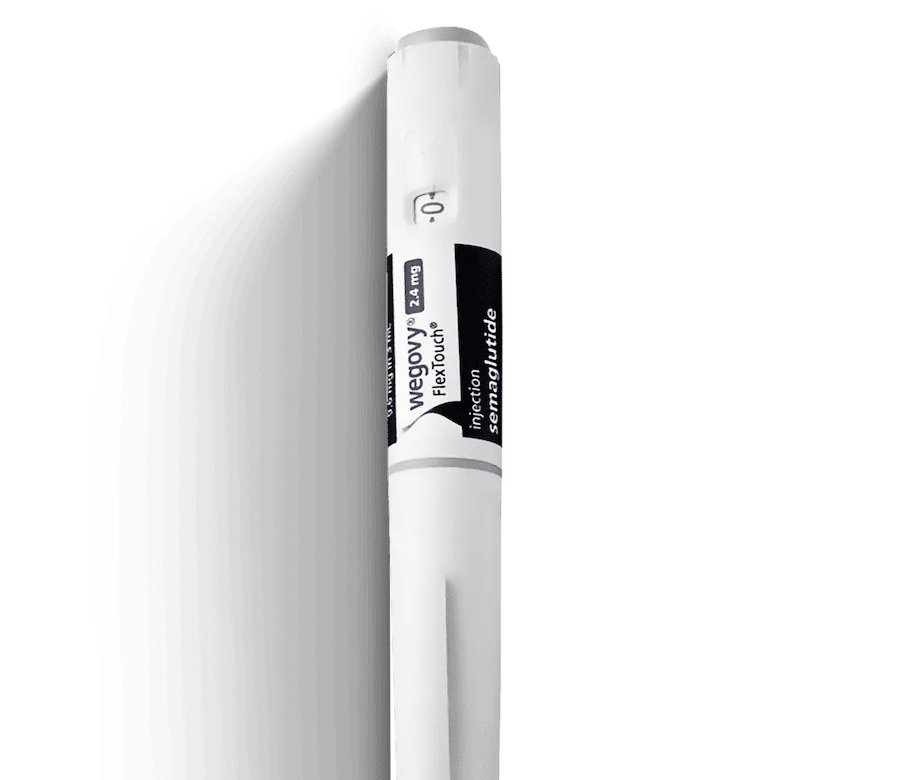
Wegovy®
Ozempic®

Metformin

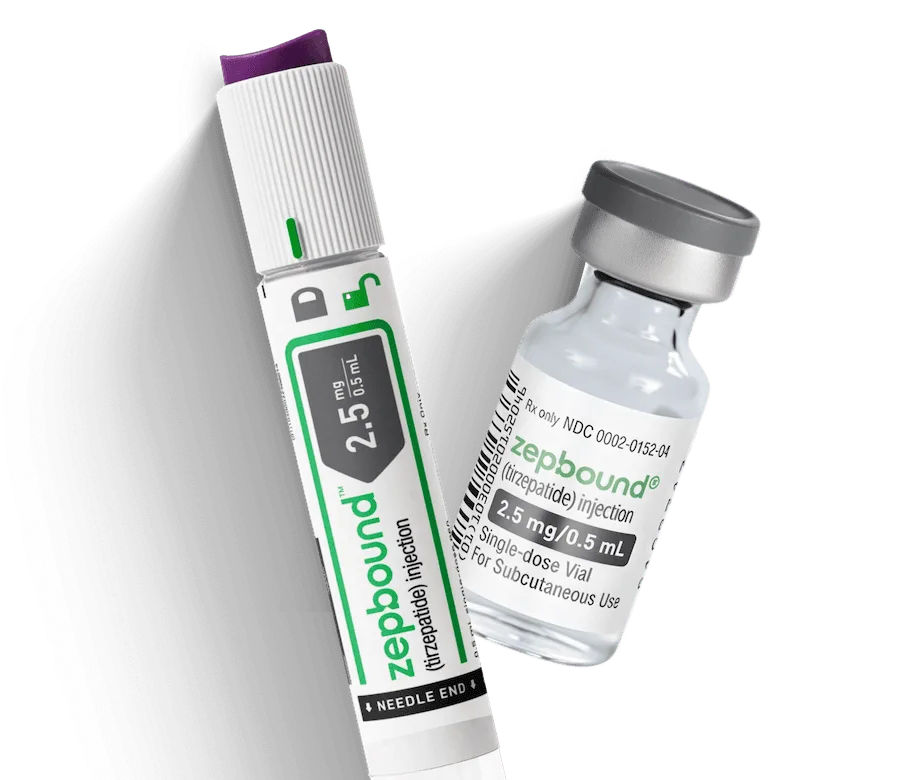
Zepbound®
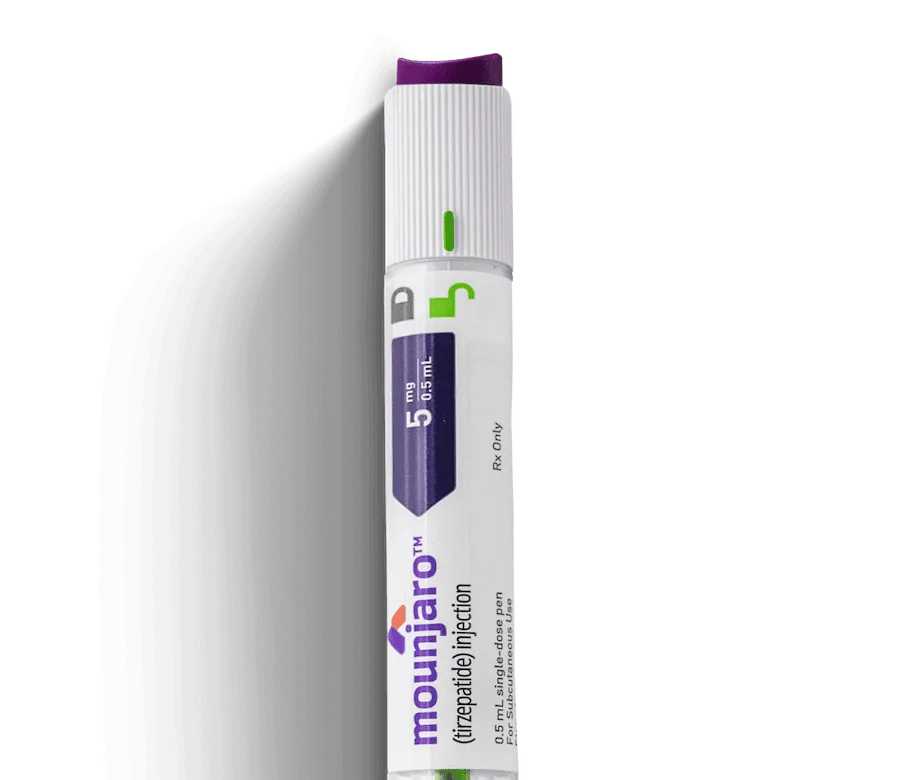
Mounjaro®
Liraglutide
Does tilapia help with nighttime cravings?
✔️ It may help. Tilapia is high in protein, and protein-rich meals tend to be more filling than meals that are lower in protein. For some people, including a satisfying source of protein at dinner can make it easier to stay full and manage hunger later in the evening.
💡 If nighttime snacking is a challenge, try building dinner around a source of protein like tilapia and pairing it with vegetables and other fiber-rich foods. A more satisfying meal may help you feel full longer into the evening.
Does tilapia help reduce inflammation?
➖ Probably not in the way fatty fish do. Tilapia contains far less omega-3 fat than fish like salmon, sardines, and mackerel, which are more strongly associated with anti-inflammatory benefits. That doesn’t mean tilapia is inflammatory—it simply isn’t a major source of the omega-3 fats linked to those effects.
For most people, tilapia can be part of a healthy eating pattern. If reducing inflammation is a primary goal, it’s a good idea to include omega-3-rich seafood in your routine as well.
Is tilapia beneficial for brain health?
✔️ Tilapia provides nutrients that support normal brain and nervous system function. It’s a good source of vitamin B12 and contains choline, both of which play important roles in neurological health. However, tilapia is relatively low in omega-3 fats compared with fish like salmon, sardines, and mackerel, which are more strongly associated with brain-health benefits.
Can tilapia improve skin and hair health?
✔️ Tilapia provides nutrients that support healthy skin and hair. Protein supplies the amino acids your body uses to build and maintain tissues throughout the body, including skin and hair. Tilapia also contains selenium, a mineral that helps protect cells from oxidative stress. While no single food can transform skin or hair on its own, getting enough protein and essential nutrients is important for overall health.
Can tilapia help balance hormones?
➖ Not directly. Tilapia provides nutrients that play a role in normal body functions, including selenium, which supports thyroid health, and protein, which the body uses to make many hormones and enzymes. However, there’s no evidence that eating tilapia specifically helps balance hormones.
💡 Pair tilapia with vegetables like broccoli, Brussels sprouts, or cauliflower for a nutrient-dense meal that combines lean protein with fiber, vitamins, and minerals.
🍽️ Best ways to eat tilapia for weight loss
- Bake or grill it and let simple flavors shine. Tilapia’s mild flavor works well with bold seasonings and fresh ingredients. Try lemon, garlic, paprika, cilantro, parsley, or your favorite spice blend. Baking or grilling keeps preparation simple while letting the fish remain the star of the meal.
- Build a balanced bowl around it. Tilapia pairs well with whole grains, vegetables, and flavorful sauces. Try serving it over brown rice or quinoa with roasted vegetables and a spoonful of salsa, tzatziki, or a lemon-herb dressing. The combination of protein, fiber, and complex carbohydrates makes for a satisfying meal.
- Use it in tacos, wraps, or salads. Tilapia works beautifully in fish tacos, lettuce wraps, and hearty salads. Top it with crunchy slaw, fresh salsa, avocado, or a squeeze of lime for a meal that’s packed with flavor and easy to customize.
Try these recipes:
- Fish Tacos — Food Network (Alton Brown)
- Baked Lemon Garlic Tilapia — The Kitchn
- Grilled Tilapia — A Couple Cooks
🍏 Best fish alternatives & comparisons (per cooked serving, about 5 ounces)
| Fish | Calories | Carbs | Fiber | Protein | Fat |
|---|---|---|---|---|---|
| Tilapia | 185 | 0 g | 0 g | 38 g | 4 g |
| Shrimp | 140 | 1 g | 0 g | 30 g | 2 g |
| Cod | 150 | 0 g | 0 g | 33 g | 1 g |
| Pollock | 155 | 0 g | 0 g | 34 g | 2 g |
| Haddock | 165 | 0 g | 0 g | 35 g | 2 g |
| Mahi-mahi | 170 | 0 g | 0 g | 36 g | 2 g |
| Tuna (yellowfin) | 185 | 0 g | 0 g | 39 g | 2 g |
| Halibut | 185 | 0 g | 0 g | 35 g | 4 g |
| Trout | 240 | 0 g | 0 g | 34 g | 11 g |
| Salmon | 290 | 0 g | 0 g | 38 g | 15 g |
Tilapia offers a balance of high protein, relatively few calories, and broad availability. Compared with other lean seafood options like cod, pollock, haddock, mahi-mahi, tuna, and halibut, the nutritional differences are relatively small.
The biggest distinction comes from fat. Fish like salmon and trout contain more calories, but they also provide substantially more omega-3 fatty acids. If your goal is a lean, high-protein seafood option, tilapia compares favorably with most other white fish. If you’re looking to increase your omega-3 intake, consider rotating in salmon or trout a few times a week.
Frequently asked questions about tilapia and weight loss
How much tilapia should I eat per week for weight loss?
The Dietary Guidelines for Americans recommend eating about 8 to 12 ounces of seafood per week, which works out to roughly two servings. Since a typical tilapia fillet is often around 4 to 6 ounces cooked, one or two tilapia meals per week can help you meet that recommendation.
For weight loss, the bigger picture matters more than a specific amount of tilapia. Including lean protein sources like tilapia in balanced meals can help support fullness and make it easier to maintain a calorie deficit. Because tilapia is relatively low in omega-3 fats, consider including other seafood options—such as salmon, trout, sardines, or mackerel—in your routine as well.
Is tilapia better than chicken for weight loss?
Tilapia and skinless chicken breast are both lean, high-protein foods that can support weight loss. They provide similar amounts of protein and calories per serving, making either a strong choice for building satisfying meals.
The biggest differences come down to personal preference and nutrition goals. Tilapia provides nutrients like selenium and vitamin B12, while chicken is often more familiar and versatile for everyday cooking. From a weight-loss perspective, neither has a clear advantage—the best choice is the one you enjoy and can eat consistently.
Can I eat tilapia every day?
You can, though variety is generally a good idea. Tilapia is considered a low-mercury fish and can be eaten regularly as part of a healthy diet. However, relying on any single protein source every day may mean missing out on nutrients found in other foods.
Tilapia is lower in omega-3 fatty acids than fish like salmon, trout, sardines, and mackerel, so it’s worth including a variety of seafood and protein sources in your routine. For most people, tilapia can be one part of a balanced rotation rather than the only fish on the menu.
Is tilapia good for women trying to lose weight?
Tilapia is a lean, protein-rich food that can fit well into a weight-loss-friendly eating pattern. Protein helps support fullness and preserve muscle during weight loss, and tilapia is an affordable, versatile way to add more of it to your meals.
Tilapia is also considered a low-mercury fish. The FDA includes tilapia on its “Best Choices” list for seafood, including for people who are pregnant or breastfeeding, as part of the recommended 8 to 12 ounces of seafood per week.
Is frozen tilapia as nutritious as fresh?
Generally, yes. Freezing has little effect on the protein, vitamins, and minerals in tilapia, making frozen fillets a convenient and nutritious alternative to fresh fish. In some cases, frozen fish may even be processed and frozen shortly after being caught, helping preserve quality.
When shopping, look for plain fillets without added sauces, breading, or heavy seasonings if you’re trying to keep calories and sodium in check.
Is tilapia good for older adults trying to lose weight?
It can be. Protein becomes especially important with age because it helps support muscle maintenance during weight loss. Tilapia provides a substantial amount of protein for relatively few calories, which can make it easier for older adults to meet their protein needs while managing their weight. Tilapia is also a low-mercury fish and tends to be affordable and widely available, making it a practical option to include in a balanced diet.
🧠 The bottom line: Tilapia is a good choice for weight loss
Tilapia is a lean, protein-rich fish that can fit well into a weight-loss-friendly eating pattern. It provides a substantial amount of protein for relatively few calories, helping create meals that are both satisfying and nutritious. It’s also affordable, widely available, and easy to prepare, making it a practical option for busy weeknights.
While tilapia isn’t as rich in omega-3 fatty acids as fish like salmon or trout, it can still be part of a healthy seafood rotation. Pair it with vegetables, whole grains, or other fiber-rich foods to build balanced meals, and include a variety of protein sources throughout the week.
The bottom line: If you’re looking for a versatile, high-protein seafood option that supports your weight-loss goals, tilapia is a solid choice.
📖 Scientific evidence
- A higher protein intake may increase satiety and reduce overall calorie intake. (Journal of the American College of Nutrition, 2004) This review found that higher-protein diets tend to increase feelings of fullness compared with lower-protein diets, which may help people manage hunger and adhere to a calorie-controlled eating pattern. These findings help explain why protein-rich foods like tilapia can be satisfying additions to a weight-loss-friendly diet
- Protein may help you feel fuller and preserve muscle during weight loss. (American Journal of Clinical Nutrition, 2008) This review found that protein promotes greater fullness than carbohydrates or fat and may help support lean muscle retention while losing weight. These findings help explain why high-protein foods like tilapia can be satisfying additions to a weight-loss-friendly eating pattern.
- Tilapia provides less omega-3 fat than salmon or trout. (Journal of the American Dietetic Association, 2008) Researchers found that farmed tilapia contains relatively low levels of omega-3 fatty acids compared with fatty fish such as salmon and trout. This helps explain why tilapia is a good source of lean protein, but not a major source of the omega-3 fats associated with heart-health benefits.
- Selenium is essential for healthy thyroid function. (International Journal of Endocrinology, 2017) This review found that selenium plays an important role in the thyroid’s antioxidant defenses and in the metabolism of thyroid hormones. Tilapia is a rich source of selenium, providing a substantial portion of the daily value in a single serving.
- Tilapia is naturally low in mercury. (FDA Monitoring Data, 1990–2012) FDA testing found that tilapia had an average mercury concentration of 0.013 ppm, placing it among the lower-mercury seafood options commonly consumed in the U.S.
Editorial standards
At Noom, we’re committed to providing health information that’s grounded in reliable science and expert review. Our content is created with the support of qualified professionals and based on well-established research from trusted medical and scientific organizations. Learn more about the experts behind our content on our Health Expert Team page.