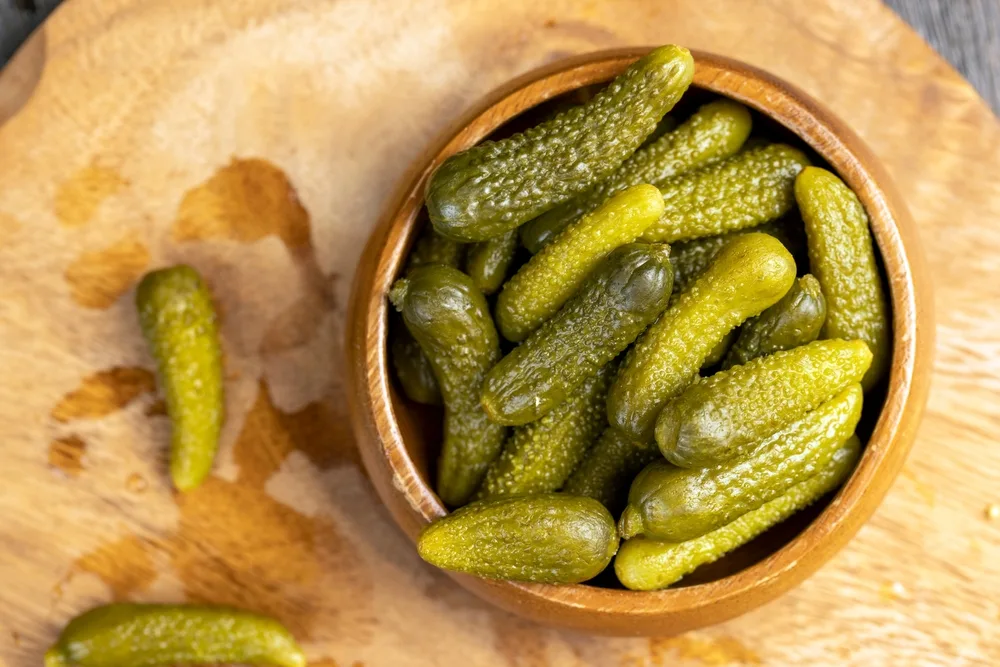
When most people say “pickles,” they’re talking about pickled cucumbers. Technically, though, pickling is a preservation method that can be used for all kinds of foods, from jalapeños and beets to onions and even fruit.
Pickling dates back thousands of years, long before refrigeration, as a way to keep foods fresh for longer. Today, pickles are a deli staple, a sandwich topper, and for many people, a straight-from-the-jar snack.
The most common variety in the U.S. is the dill pickle, typically preserved in a vinegar-based brine flavored with dill. You’ll also find sweeter bread-and-butter pickles, kosher dills, and naturally fermented pickles, sometimes called half-sours. Unlike vinegar-based pickles, fermented varieties contain live bacteria created during the fermentation process.
So why do pickles come up so often in weight loss conversations? Mostly because they deliver a lot of flavor and crunch for very few calories. A large dill pickle spear contains about 5 calories, along with plenty of water. That combination can make pickles a satisfying option when you want something savory between meals. But does that mean they can actually help with weight loss? Here’s what the research says.
✅ Quick answer
Yes—with a caveat. Plain dill pickles are a low calorie salty snack. The trade-off is sodium: a single spear can contain 250 to 300 mg, and eating several can push you toward the daily recommended limit quickly.

The Easy Way
to lose weight and get healthy.
See if you qualify
🚀 Weight-loss benefits
- Pickles are almost zero calories with real volume. A large dill pickle spear has around 5 calories, and a whole pickle has about 17. That means you can enjoy a crunchy, flavorful snack for very few calories. Just keep in mind that pickles aren’t a replacement for a balanced snack or meal when you’re truly hungry.
- Pickles are high in water, which may help with fullness. Pickles are about 95% water, which adds volume without adding many calories. Eating foods with a high water content is a well-documented strategy for increasing the volume of what you eat without significantly increasing calorie intake, and pickles deliver that in a convenient, portable package.
- Pickles’ sour flavor may help curb cravings. The sharp, acidic taste of pickles—from vinegar or fermentation—may help dampen appetite and reduce the urge to reach for higher-calorie snacks. Vinegar has also been studied for its potential role in slowing gastric emptying, which can help promote feelings of fullness after a meal.
⚠️ Things to be mindful of
- Pickles can be surprisingly high in sodium. One medium dill pickle can contain 700–900 mg of sodium—up to about a third of the recommended daily limit of 2,300 mg. That sodium can cause temporary water retention, which may show up as a higher number on the scale even when body fat hasn’t changed.
- Sweet pickles contain more sugar and calories. Bread-and-butter pickles are made with added sugar, which increases their calorie content. A half-cup serving can contain around 25–30 calories and 6–7 grams of sugar. That’s still relatively low, but it’s a different nutritional profile than traditional dill pickles.
- Most store-bought pickles don’t contain probiotics. Many commercially sold pickles are preserved in vinegar rather than fermented, which means they don’t contain live beneficial bacteria. If you’re looking for potential probiotic benefits, choose naturally fermented pickles that are typically sold refrigerated and labeled as containing live cultures.
🥗 Nutrients in pickles (per 1 medium dill pickle, about 135 g)
| Nutrient | Amount | % RDA* |
|---|---|---|
| Calories | 17 cal | 1% |
| Protein | 0.7 g | 1% |
| Total carbs | 3.7 g | 1% |
| Fiber | 1.4 g | 5% |
| Sugars | 1.9 g | — |
| Total fat | 0.2 g | 0% |
| Omega-3 | 0.05 g | — |
| Omega-6 | 0.05 g | — |
*Recommended dietary allowance (RDA) is defined as the average daily amount of nutrients needed to meet the requirements of nearly all healthy people in a specific group.
Pickles are mostly water, with small amounts of carbohydrates, fiber, and other nutrients. One medium dill pickle contains fewer than 4 grams of carbs, less than 1 gram of protein, and virtually no fat. Their appeal for weight management comes less from their nutritional profile and more from the fact that they add crunch, flavor, and volume for very few calories.
Pickles do provide a modest amount of fiber—about 1.4 grams per medium pickle. While that’s not enough to make them a significant source of fiber on their own, every gram contributes toward your daily intake. Fiber plays an important role in digestive health and can help support fullness when consumed as part of an overall fiber-rich diet.
💊 Vitamins & minerals in pickles (per 1 medium dill pickle, about 135 g)
| Vitamin/Mineral | Amount | % RDA* |
|---|---|---|
| Vitamin K | 27.6 µg | 23% |
| Potassium | 144 mg | 3% |
| Iron | 0.5 mg | 3% |
| Magnesium | 13 mg | 3% |
| Vitamin A | 14.7 µg | 2% |
| Vitamin C | 1.6 mg | 2% |
*Recommended dietary allowance (RDA) is defined as the average daily amount of nutrients needed to meet the requirements of nearly all healthy people in a specific group.
The standout micronutrient in pickles is vitamin K—one medium dill pickle provides about 23% of the recommended daily intake. Vitamin K plays an important role in normal blood clotting and bone health. Because it is a fat-soluble vitamin, it’s best absorbed when eaten with foods that contain some fat.
Beyond vitamin K, pickles contain small amounts of minerals such as potassium, magnesium, and iron, along with trace amounts of vitamins A and C. While these nutrients contribute to the overall nutritional profile, the amounts are relatively modest. Pickles are best thought of as a low-calorie, flavorful food with a notable vitamin K contribution rather than a major source of vitamins and minerals.
🔍 Nutrient breakdown
Glycemic index (GI) of pickles
Glycemic index: ~32 (Low)
💡 The vinegar in pickles appears to slow the digestion of carbohydrates, which may help blunt blood sugar spikes when eaten alongside other foods. This is especially useful when you’re pairing pickles with a starchy meal like a sandwich or grain bowl.
Are pickles high in protein?
❌ No—pickles contain less than 1 g of protein per serving. They’re not a protein source in any meaningful sense.
The Easy Way
to lose weight and get healthy.
See if you qualifyBetter protein alternatives: Greek yogurt | cottage cheese | edamame
Are pickles high in fiber?
❌ No—pickles have about 1 g of fiber per serving. That’s modest, but for a food with only 17 calories, the fiber-to-calorie ratio is actually quite favorable.
💡 To boost fiber at snack time, pair pickles with raw vegetables or a small serving of hummus.
Are pickles low in carbs?
✔️ Yes—pickles have about 4 g of carbs per serving, almost all of it fiber and natural sugars, making plain dill pickles compatible with very low-carb eating.
💡 Stick to dill pickles rather than sweet varieties if you’re tracking carbs—bread-and-butter pickles can have 6 to 8 g of sugar per serving.
Are pickles gluten-free?
✔️ Yes—plain pickles made from cucumbers, vinegar, salt, and spices are naturally gluten-free. Most commercial brands are safe, but check labels on spiced or flavored varieties that may be processed in shared facilities.
Are pickles good for fat loss?
✔️ Yes—with almost no calories, high water content, and a satisfying flavor hit, pickles are a reliable tool for fat loss when used to replace higher-calorie snacks or add volume to meals.
🍽️ Diet compatibility: Which diets include pickles?
| Diet | ✅ / ❌ | Why |
|---|---|---|
| Keto | ✅ | Plain dill pickles have fewer than 4 g of carbs per serving and virtually no sugar—one of the most keto-friendly snacks available. Avoid sweet pickle varieties, which can contain 6–8 g of sugar per serving. |
| Paleo | ❌ | Traditional paleo guidelines exclude vinegar-preserved foods with added salt and commercial additives. Naturally lacto-fermented pickles made with just cucumbers, water, and salt are often considered paleo-friendly under more flexible interpretations. |
| Mediterranean | ✅ | Pickled vegetables are a staple of Mediterranean eating. Plain pickles fit well within this pattern, though the high sodium is worth moderating given the diet’s heart-health emphasis. |
| Vegan | ✅ | Pickles are naturally plant-based. All varieties—dill, bread-and-butter, fermented—are vegan. |
| Gluten-free | ✅ | Plain pickles are naturally gluten-free. People with celiac disease should verify no cross-contamination at the processing facility, particularly for flavored or specialty varieties. |
Pickles are broadly compatible with most dietary patterns, with the notable exception of strict paleo. The main compatibility concern across all diets isn’t an ingredient issue—it’s sodium. Anyone managing blood pressure or following a heart-healthy protocol should treat pickles as a flavor enhancer in moderation rather than a food to eat in unlimited quantities.
🌟 Are pickles healthy? What are the health benefits?
Metabolic health: Are pickles good for your metabolism?
- Boosts metabolism? ❌ No—pickles are too low in macronutrients, and there’s no credible evidence that pickle juice or vinegar meaningfully speeds up metabolic rate.
- Improves insulin sensitivity? ✔️ Maybe—the acetic acid in vinegar-based pickles has been studied for its effect on post-meal blood sugar. Small studies suggest vinegar can reduce the glycemic response to carbohydrate-rich meals, which may offer modest benefits for insulin sensitivity over time, particularly in people with prediabetes or insulin resistance.
- Effect on fat storage? Positive—pickles are nearly calorie-free and don’t contribute to fat storage meaningfully. Eating them in place of higher-calorie snacks reduces overall caloric intake, which indirectly supports fat loss.
Cholesterol impact: Do pickles affect cholesterol levels?
- Does it lower LDL (bad) cholesterol? ❌ No—pickles don’t contain the types of soluble fiber (like those from oats or legumes) shown to lower LDL cholesterol.
- Does it raise HDL (good) cholesterol? ❌ No—there’s no credible research suggesting pickles raise HDL.
- Overall impact on heart health? Mixed—high sodium intake is associated with elevated blood pressure, a key cardiovascular risk factor. The minimal caloric value and small amounts of vitamin K may offer minor cardiovascular benefits, but these don’t outweigh the sodium risk if consumption is excessive.
💡 If you love pickles and have normal blood pressure, moderate consumption is fine. If you’re managing hypertension, look for low-sodium varieties under 200 mg per serving.
Can you eat pickles in a calorie deficit?
✔️ Yes, with confidence—a whole dill pickle has about 17 calories, and even a generous serving of several spears is well under 50 calories.
💡 Use pickles as a crunchy stand-in for chips or crackers when you want something salty mid-afternoon. Pair them with a protein source—like a hard-boiled egg or some deli turkey—to turn a near-zero-calorie snack into something that actually keeps hunger at bay.
Are pickles rich in antioxidants?
Not particularly. Pickles retain some antioxidants from the cucumbers they’re made from, including small amounts of beta-carotene and vitamin C. Naturally fermented pickles may also contain additional beneficial compounds produced during fermentation. However, pickles aren’t considered a major source of antioxidants, and foods like berries, leafy greens, and other vegetables generally provide much higher amounts.
Do pickles support gut health?
✔️ Yes—but only if they’re naturally fermented. Fermented pickles (made without vinegar, typically sold refrigerated) contain live Lactobacillus bacteria that support a healthy gut microbiome. Standard vinegar-based pickles don’t offer this benefit, though they still contribute small amounts of fiber that feed beneficial gut bacteria. For a deeper look at fermented vegetables and gut health, see our kimchi article.
Do pickles support digestion?
Positive—the vinegar in pickles stimulates digestive acid production, which may support more efficient food breakdown. Fermented varieties go further, providing probiotics that directly support digestive health. The fiber content, while modest, also contributes to regular bowel movements.
Do pickles help you feel satiated and less hungry?
Moderate—the combination of water volume, a small amount of fiber, and the intense flavor from vinegar and salt makes pickles helpful at curbing appetite between meals.
Satiety level: Moderate.
💡 Eat pickles alongside a small protein source—like a boiled egg or a few slices of turkey—and the satiety effect will last significantly longer.
Do pickles help with nighttime cravings?
✔️ Yes—The intense salty, sour flavor and crunchy texture can feel satisfying when you’re looking for something to snack on in the evening. A couple of pickle spears contain fewer than 20 calories, making them a lower-calorie option than chips, crackers, or other salty snack foods. That said, if you’re genuinely hungry, pickles aren’t a substitute for a balanced snack or meal that provides protein, fiber, and other nutrients.
💡 Keep a small jar of dill pickles at the front of your fridge so they’re the first thing you reach for after dinner.
Access GLP-1 Weight Loss with Noom
Explore a wide range of prescription medications supported by Noom’s program.Microdose GLP-1rx
Noom GLP-1rx
Noom GLP-1rx Plus
Wegovy®
Ozempic®
Metformin
Zepbound®
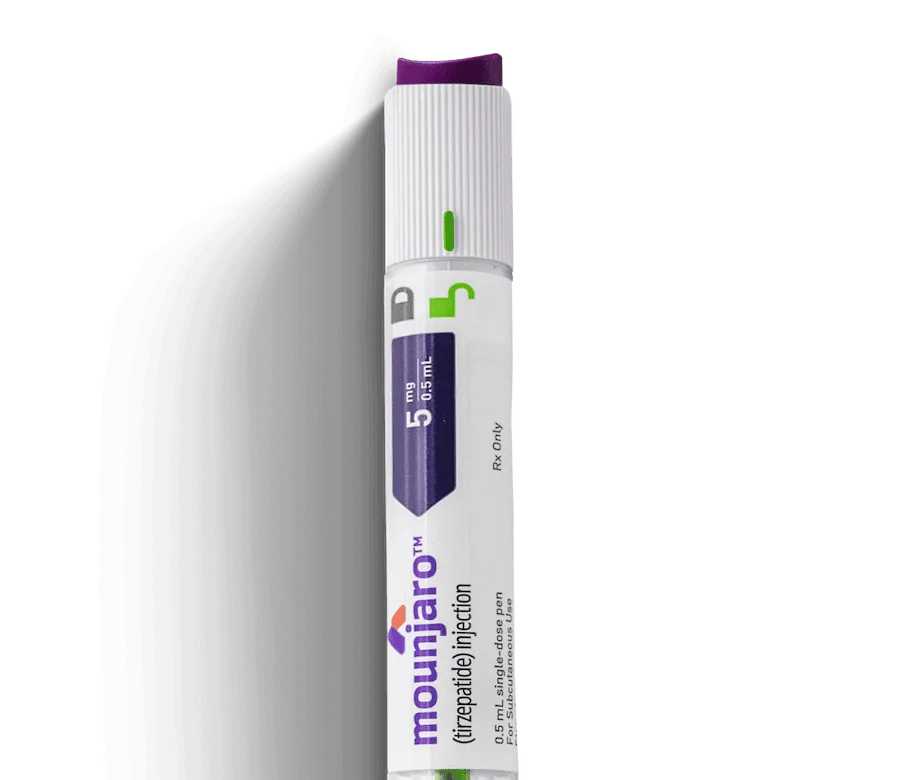
Mounjaro®
Liraglutide
Do pickles help reduce inflammation?
✔️ Possibly—naturally fermented pickles contain beneficial bacteria that may support gut health, which could indirectly influence immune function and inflammation. Pickles also retain some plant compounds from cucumbers, though the amounts are relatively small. While pickles can be part of an overall healthy diet, they aren’t considered a significant source of anti-inflammatory compounds compared with foods like fruits, vegetables, nuts, and fatty fish.
Are pickles beneficial for brain health?
Fermented pickles may have indirect benefits for mood and cognitive function by supporting a healthy gut microbiome. This is an emerging area of research, and the evidence is more preliminary than established.
Can pickles improve skin and hair health?
❌ No—the micronutrient content isn’t robust enough to drive meaningful improvements in skin or hair. There are far better food choices—like fatty fish, berries, and nuts—if that’s a priority.
Can pickles help balance hormones?
Limited evidence—fermented pickles may support hormone balance indirectly by improving gut health, which plays a role in estrogen metabolism and cortisol regulation. This is specific to naturally fermented varieties and isn’t a direct hormonal action of the pickle itself.
💡 If hormonal balance is a concern, focus on building a diet rich in diverse fermented foods—pickles can be one piece of that puzzle.
🍽️ Best ways to eat pickles for weight loss
- Use pickles in place of higher-calorie salty snacks. If you’re craving something crunchy and savory, pickle spears can be a lower-calorie alternative to foods like chips or crackers. Two large dill pickle spears contain about 20 calories, compared with 150 calories or more in a typical single-serving bag of chips.
- Add pickles to meals for extra flavor and texture. Chopped pickles can add tang and crunch to tuna salad, chicken salad, sandwiches, wraps, or grain bowls without contributing many calories. Small additions like these can make lighter meals feel more satisfying.
- Watch how pickles are prepared. Plain dill pickles are very low in calories, but breaded and fried pickles are a different story. Frying adds oil, batter, and significantly more calories, turning a low-calorie food into a much more energy-dense appetizer.
🍏 Best alternatives & comparisons (per similar serving)
| Food | Calories | Carbs | Fiber | Protein | Fat |
|---|---|---|---|---|---|
| Dill pickle (1 medium) | 17 | 3.7 g | 1.4 g | 0.7 g | 0.2 g |
| Cucumber (1 medium, 133 g) | 20 | 4.5 g | 0.5 g | 0.9 g | 0.1 g |
| Celery (2 stalks, 96 g) | 15 | 3 g | 1.6 g | 0.7 g | 0.2 g |
| Kimchi (½ cup, 75 g) | 23 | 4 g | 2 g | 1.7 g | 0.4 g |
| Sauerkraut (½ cup, 75 g) | 13 | 2.7 g | 1.8 g | 0.5 g | 0.1 g |
| Olives (10 small, 34 g) | 40 | 2.1 g | 1 g | 0.4 g | 3.6 g |
Pickles compare favorably with other low-calorie snack options, landing in the same range as celery and cucumber. Their main advantage isn’t nutrition—it’s flavor. The brining process gives pickles a salty, tangy taste that many people find more satisfying than plain raw vegetables.
Fermented foods like kimchi and sauerkraut have similarly low calorie counts and typically provide more fiber than pickles. When they contain live cultures, they may also offer probiotic benefits. However, not all products are fermented, so it’s worth checking the label if that’s a priority.
The best choice ultimately depends on what you’re looking for. Cucumbers and celery provide fresh crunch, kimchi and sauerkraut may offer additional fermentation-related benefits, and dill pickles deliver bold flavor for very few calories.
Frequently asked questions about pickles and weight loss
How many pickles can I eat per day for weight loss?
There’s no specific number of pickles that’s considered best for weight loss. From a calorie standpoint, even three or four medium dill pickles add up to fewer than 70 calories. The bigger consideration is sodium, since multiple pickles can contribute a substantial portion of the recommended daily limit of 2,300 mg.
For most people, enjoying a pickle or two as a snack or alongside meals is a reasonable approach. Pickles can add flavor and crunch for very few calories, but they’re best viewed as part of a balanced diet rather than a food to eat in unlimited quantities.
Is pickle juice good for weight loss?
Pickle juice has attracted attention for reducing muscle cramps and aiding blood sugar regulation, but direct weight loss evidence is limited. It contains acetic acid from vinegar, which small studies have linked to modest reductions in post-meal blood sugar response. It’s not a shortcut, but the calorie content is negligible.
Are pickles a good late-night snack when you’re trying to lose weight?
They can be. Pickles are very low in calories, so if you’re looking for something crunchy and flavorful in the evening, they can be a lower-calorie option than many common snack foods. Their salty, tangy flavor may also feel satisfying to some people.
That said, if you’re genuinely hungry, pickles aren’t a substitute for a balanced snack or meal that provides protein, fiber, and other nutrients. They’re best viewed as a low-calorie snack option rather than a way to avoid eating when your body needs fuel.
Are bread-and-butter pickles good for weight loss?
They’re not the best choice. The added sugar raises the calorie and carb count, and the sweeter flavor profile can stimulate appetite rather than curb it. Stick to dill, kosher dill, or naturally fermented pickles if weight loss is the goal.
Can people with high blood pressure eat pickles?
People managing hypertension should be cautious, given pickles’ high sodium content—a single medium pickle can have 700 to 900 mg. Low-sodium varieties are available; look for options under 200 mg per serving. If sodium management is important for your health, speak with your doctor or registered dietitian about appropriate intake.
Are fermented pickles better than regular pickles for weight loss?
For raw calorie reduction, both varieties are essentially the same. Where fermented pickles have an edge is gut health—they contain live probiotics that may support a healthier microbiome, which emerging research links to healthier body weight and metabolism. If gut health is a priority alongside weight loss, seeking out refrigerated, naturally fermented pickles is worth the extra step.
Is it okay to eat pickles every day?
For most people, yes—one or two dill pickles daily is unlikely to cause issues and can be a useful hunger management tool. The main concern is sodium. If your overall diet already leans high in sodium, adding pickles daily could push you over. Persistent puffiness or bloating may signal sodium is accumulating—that’s your cue to cut back or switch to a low-sodium variety.
🧠 The bottom line: Pickles can be good for weight loss
Yes, pickles can support weight loss, but their benefits are pretty straightforward. They’re low in calories, high in flavor, and can make a snack or meal feel more satisfying.
A large dill pickle spear has about 5 calories, along with plenty of crunch and a tangy flavor. That combination can make pickles a helpful swap for higher-calorie savory snacks. Over time, small swaps like these can help reduce overall calorie intake.
Pickles can also work well as a “hunger bridge” between meals. Adding chopped pickles to salads, sandwiches, and grain bowls, pairing them with a protein-rich snack, or reaching for one when you’re craving something salty can help make healthy eating feel more enjoyable and sustainable.
Some varieties may offer additional benefits. Naturally fermented pickles—typically found in the refrigerated section and labeled “fermented,” “raw,” or “probiotic”—contain live bacteria that may support gut health. Vinegar-based pickles don’t provide those same probiotics, but they still offer the same low-calorie crunch and flavor.
One thing to keep in mind is sodium. Pickles are naturally high in salt, and eating them frequently can contribute to water retention in some people, which may temporarily affect the number on the scale. If sodium is a concern, consider lower-sodium options or enjoy pickles in moderation as part of a balanced eating pattern.
Pickles aren’t a shortcut to weight loss, but they can be a flavorful, low-calorie food that helps make healthy habits easier to maintain.
The Easy Way
to lose weight and get healthy.
See if you qualify📖 Scientific evidence
- Vinegar may support blood sugar regulation and feelings of fullness when eaten alongside carbohydrate-rich foods. (European Journal of Clinical Nutrition, 2005) A trial found that vinegar consumed with a white bread meal significantly reduced post-meal blood glucose and insulin levels while also increasing satiety.
- Fermented foods may support a healthier gut microbiome. (Nutrients, 2022) Researchers found clear evidence that fermented foods support microbial diversity and positively influence metabolic and immune health.
- Fermented foods may play a meaningful role in weight management. (International Journal of Molecular Sciences, 2023) A review found that regular fermented food consumption is associated with improved digestion, enhanced immunity, and greater weight loss.
- Vinegar consumption may support blood sugar management in people with type 2 diabetes. (Journal of Advanced Nursing, 2019) An analysis found that vinegar consumption was associated with meaningful reductions in fasting blood glucose and HbA1c.
Editorial standards
At Noom, we’re committed to providing health information that’s grounded in reliable science and expert review. Our content is created with the support of qualified professionals and based on well-established research from trusted medical and scientific organizations. Learn more about the experts behind our content on our Health Expert Team page.