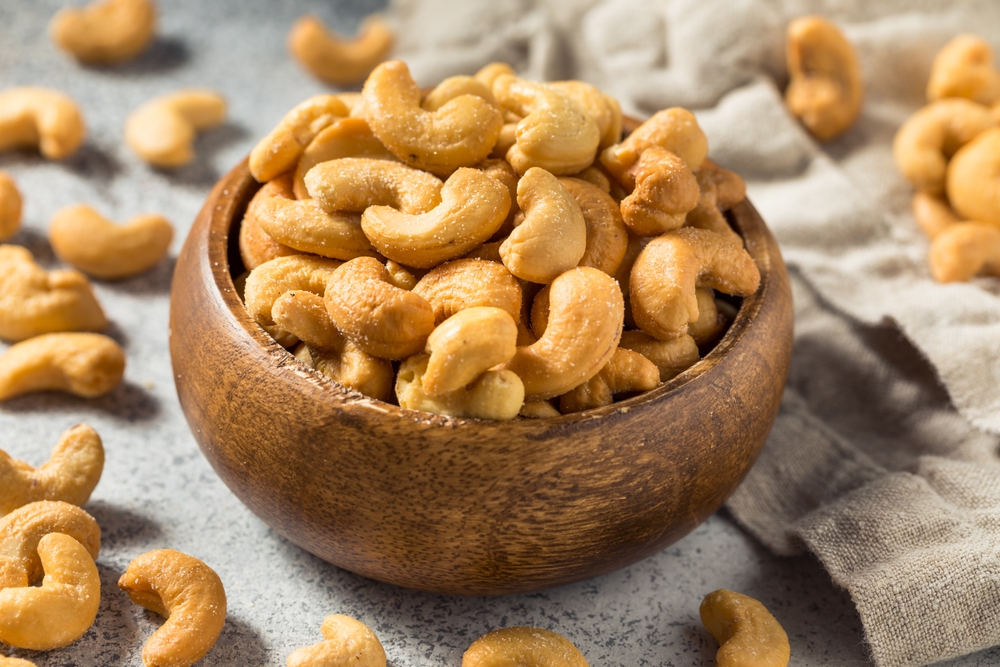
Cashews are often grouped with foods that people think they should avoid when trying to lose weight. They’re rich, creamy, and higher in calories than many snack options, which can make them seem at odds with a weight-loss goal.
But calories tell only part of the story. Cashews also provide a mix of protein, healthy fats, and minerals that can help make meals and snacks more satisfying. In fact, research consistently finds that people who regularly eat nuts tend to have similar or lower body weights than those who don’t, despite nuts being relatively calorie-dense.
That doesn’t mean portion size doesn’t matter. An ounce of cashews (about 18 nuts) contains roughly 157 calories, 5 grams of protein, and 12 grams of mostly unsaturated fat. Because they’re easy to eat by the handful, calories can add up quickly if you’re snacking mindlessly.
What makes cashews particularly interesting is their nutrient density. They’re rich in minerals such as copper, magnesium, phosphorus, and iron, and they have a low glycemic index, meaning they’re unlikely to cause sharp blood sugar spikes. Some research also suggests that the body may not absorb all of the fat contained in whole nuts, which could mean the usable calories are somewhat lower than what’s listed on the label.
So are cashews good for weight loss? They can be. The key isn’t whether cashews are “fattening” or “healthy”—it’s how they fit into your overall eating pattern. Here’s what the research says.
Noom’s Most Powerful Program
A dual-pathway GLP-1 and behavior change for lasting results.
✅ Quick answer
Cashews are good for weight loss in the right portions. While they are calorie-dense, they also provide healthy fats, plant protein, and minerals that can help make meals and snacks more satisfying. The challenge is that calories add up quickly, especially when you eat them by the handful. A measured 1-ounce (28-gram) serving—about 18 cashews—can fit well into a weight-loss plan while providing lasting satiety and nutritional benefits.
🚀 Weight-loss benefits
- Cashews contain monounsaturated fats that can help keep you full longer – About 55% of the fat in cashews is monounsaturated fat, the same type found in olive oil and avocados. This type of fat slows digestion and promotes satiety, which can naturally reduce how much you eat later in the day.
- Cashews provide plant protein that supports muscle and metabolism – With around 5 grams of protein per serving, cashews contribute meaningfully to your daily protein intake. Protein has a higher thermic effect than fat or carbohydrates, and it plays a key role in preserving lean muscle mass when you’re in a calorie deficit—especially valuable for plant-based eaters.
- Cashews have a low glycemic index that may help control hunger – With a glycemic index of 25, cashews cause a gradual rise in blood sugar rather than a spike and crash. That steadiness matters because blood sugar crashes are one of the main triggers for sudden, intense hunger.
⚠️ Things to be mindful of
- Cashews are calorie-dense, so portions matter – A 1-ounce (28-gram) serving of cashews contains about 157 calories. That’s a reasonable amount for a snack, but it’s easy to eat two or three servings without realizing it. Measuring portions, at least until you have a reliable sense of what a serving looks like, can make a meaningful difference.
- Cashews are lower in fiber than many other nuts – Cashews provide only about 1 gram of fiber per serving, significantly less than almonds (about 3.5 grams) or pistachios (about 3 grams). If you’re looking for fiber-driven fullness, consider pairing cashews with fruit, vegetables, or other higher-fiber foods.
- Cashews contain more carbohydrates than most nuts – With about 9 grams of total carbohydrates per 1-ounce serving, cashews have a higher carb content than many other tree nuts. Their low glycemic index means those carbs are digested relatively slowly, but it’s still something to keep in mind if you’re closely tracking carbohydrates or managing blood sugar.
🥗 Nutrients in cashews (per 28 g / about 10–15 nuts)
| Nutrient | Amount | % RDA* |
|---|---|---|
| Calories | 157 calories | 8% |
| Protein | 5.2 g | 10% |
| Total carbs | 8.6 g | 3% |
| Fiber | 0.9 g | 3% |
| Sugars | 1.7 g | — |
| Total fat | 12.4 g | 19% |
| – Saturated fat | 2.2 g | 11% |
| – Monounsaturated fat | 6.8 g | — |
| – Polyunsaturated fat | 2.2 g | — |
| Omega-3 | 0.017 g | — |
| Omega-6 | 2.2 g | — |
*Recommended dietary allowance (RDA) is defined as the average daily amount of nutrients needed to meet the requirements of nearly all healthy people in a specific group.
A 28-gram serving of cashews delivers 157 calories along with a mix of healthy fats, protein, and minerals. Most of those calories come from fat (about 12 grams), but the fat profile is largely unsaturated: roughly 7 grams is monounsaturated fat, and about 2 grams is polyunsaturated fat, compared with just over 2 grams of saturated fat.
Cashews also provide about 5 grams of protein per serving, which can contribute to satiety and help support muscle maintenance during weight loss. They contain around 9 grams of carbohydrates and less than 1 gram of fiber, making them higher in carbs and lower in fiber than many other nuts. But their low glycemic index of 25 means those carbohydrates are digested relatively slowly and are unlikely to cause large blood sugar spikes.
Omega-3 content is minimal, so cashews aren’t a meaningful source of these fats. Where they really shine is in their mineral content, providing substantial amounts of copper, magnesium, phosphorus, and manganese in a relatively small serving.
💊 Vitamins & minerals in cashews (per 28 g / about 10–15 nuts)
| Vitamin/Mineral | Amount | % RDA* |
|---|---|---|
| Copper | 0.62 mg | 69% |
| Magnesium | 82 mg | 20% |
| Phosphorus | 166 mg | 24% |
| Iron | 1.9 mg | 24% |
| Zinc | 1.6 mg | 15% |
| Manganese | 0.47 mg | 20% |
| Potassium | 185 mg | 5% |
| Selenium | 5.6 µg | 10% |
| Vitamin K | 9.5 µg | 8% |
| Vitamin B1 (Thiamin) | 0.12 mg | 10% |
| Vitamin B6 | 0.12 mg | 9% |
| Vitamin B5 (Pantothenic Acid) | 0.24 mg | 5% |
| Vitamin E | 0.26 mg | 2% |
| Folate | 7 µg | 2% |
| Calcium | 10 mg | 1% |
*Recommended dietary allowance (RDA) is defined as the average daily amount of nutrients needed to meet the requirements of nearly all healthy people in a specific group.
Copper is where cashews really stand out. A single 28-gram serving provides about 69% of the daily value, making cashews one of the richest dietary sources of this essential mineral. Copper helps support energy production, iron metabolism, immune function, and the formation of collagen and connective tissue.
Cashews are also rich in magnesium and phosphorus, providing roughly 20–24% of the daily value for each nutrient in a relatively small serving. Magnesium plays a role in hundreds of enzymatic reactions throughout the body, including those involved in glucose metabolism and insulin function, while phosphorus is important for bone health and energy production. Cashews also contribute meaningful amounts of iron, zinc, manganese, selenium, and several B vitamins.
While vitamins and minerals don’t directly cause weight loss, nutrient-dense foods can make it easier to meet your nutritional needs without relying on highly processed snacks. Cashews pack a substantial amount of nutrition into a small serving, which is part of what makes them a satisfying addition to a balanced eating pattern.
🔍 Nutrient breakdown
Glycemic index (GI) of cashews
Glycemic index: 25 (Low)
Noom’s Most Powerful Program
A dual-pathway GLP-1 and behavior change for lasting results.
💡 Tip: A GI of 25 means cashews digest slowly and release sugar into your bloodstream gradually—helping prevent the blood sugar spikes and crashes that drive cravings. That stability is one reason a small handful of cashews can keep you satisfied for hours.
Are cashews high in protein?
✔️ Yes – around 5 grams of protein per serving. Solid for a nut, and meaningful if you’re snacking between meals or following a plant-based diet.
Better protein alternatives: Pumpkin seeds | Edamame | Greek yogurt
Are cashews high in fiber?
❌ No – cashews have only about 1 gram of fiber per serving, which is low compared to most nuts. Almonds offer around 3.5 grams, and pistachios around 3 grams per similar serving.
💡 Tip: Pair cashews with raw vegetables, berries, or legumes to add the fiber that cashews lack.
Are cashews low in carbs?
❌ No – around 9 grams of carbs per serving (about 8 grams net carbs after fiber). That’s higher than almonds, walnuts, or pecans. Their low GI means the carbs digest slowly, but the total amount is worth watching if you’re closely tracking.
💡 Tip: A 15-gram serving (about 7–8 nuts) keeps net carbs around 4 grams—easier to work into a tighter carb budget.
Are cashews gluten-free?
✔️ Yes – cashews are naturally gluten-free. If you have celiac disease or a high gluten sensitivity, check packaged and flavored varieties for cross-contamination warnings, but plain cashews are safe.
Are cashews good for fat loss?
✔️ Yes, with portion awareness – their protein and healthy fats promote satiety, their low GI keeps blood sugar stable, and research suggests the body doesn’t fully absorb all the fat in whole nuts—meaning actual absorbed calories may be meaningfully lower than the label. The key is measuring your serving rather than eating freehand.
🍽️ Diet compatibility: Which diets include cashews?
| Diet | ✅/❌ | Why |
|---|---|---|
| Keto | ⚠️ | About 7.7 g net carbs per 28 g serving eats into a strict keto budget quickly. Small portions can technically fit, but lower-carb nuts like macadamia or pecans are better keto staples. |
| Paleo | ✅ | Whole, unprocessed nuts are a cornerstone of Paleo eating. Plain cashews fit cleanly. |
| Mediterranean | ✅ | Nuts are a celebrated part of the Mediterranean diet for their heart-healthy fats and nutrient density. Cashews slot in naturally. |
| Vegan | ✅ | 100% plant-based and one of the most versatile ingredients in vegan cooking—used for everything from cashew cream to dairy-free cheese. A reliable source of zinc and iron for non-meat eaters. |
| Gluten-free | ✅ | Naturally gluten-free. Check packaged varieties for cross-contamination warnings if you have celiac disease. |
Cashews fit naturally into most whole-food, plant-forward eating styles. The exception is strict keto—their net carb count is manageable in small amounts, but there are lower-carb nut options that give you more flexibility.
🌟 Are cashews healthy? What are the health benefits?
Metabolic health: Are cashews good for your metabolism?
- Boost metabolism? ⚠️ Not significantly – Cashews contain protein and magnesium, both of which play roles in normal metabolic function. But they’re not a high-protein food, and there’s little evidence that eating cashews will meaningfully increase your metabolic rate. Their benefits are more about nutrition and satiety than “boosting metabolism.”
- Improve insulin sensitivity? ⚠️ Possibly – Cashews have a low glycemic index of 25 and are a good source of magnesium, a mineral involved in insulin function and glucose metabolism. Research has linked adequate magnesium intake with better insulin sensitivity and a lower risk of type 2 diabetes, though cashews alone aren’t enough to prevent or reverse insulin resistance.
- Effect on fat storage? Potentially helpful – Cashews may support weight management by helping you feel satisfied and by producing a gradual rise in blood sugar compared with many refined snack foods. Those effects can make it easier to manage hunger and maintain a calorie deficit over time.
Cholesterol impact: Do cashews affect cholesterol levels?
- Do they lower LDL (bad) cholesterol? ⚠️ Potentially – Cashews are rich in unsaturated fats, which are generally associated with better heart health when they replace saturated fats in the diet. Some clinical trials have found reductions in LDL and total cholesterol among people who regularly ate cashews, while others have found little or no effect. Overall, the evidence suggests cashews can fit into a heart-healthy eating pattern, but they aren’t a guaranteed cholesterol-lowering food.
- Do they raise HDL (good) cholesterol? ⚠️ Possibly – Some studies have reported modest increases in HDL cholesterol with regular cashew consumption, although results have been inconsistent. Any effect appears to be relatively small.
- Overall impact on heart health? ✔️ Favorable – Cashews provide a combination of monounsaturated and polyunsaturated fats, along with minerals such as magnesium and potassium. When eaten in place of less nutritious snacks or sources of saturated fat, they can support an overall heart-healthy diet.
💡 Tip: Try swapping an afternoon serving of chips or crackers for a measured portion of plain cashews. The combination of unsaturated fats, protein, and minerals may make the snack more satisfying while supporting an overall heart-healthy eating pattern.
Can I eat cashews in a calorie deficit?
✔️ Yes, in moderation – Cashews can fit into a calorie deficit, but portion size matters. A 1-ounce (28-gram) serving contains about 157 calories, making cashews one of the more calorie-dense snack options. The upside is that they also provide protein, healthy fats, and minerals that can make a small serving feel satisfying. If you’re tracking calories, measure your portions rather than eating directly from the container.
💡 Tip: Use a small bowl or pre-weighed snack bag rather than eating from the container to keep cashew portions in check.
Are cashews rich in antioxidants?
✔️ Moderately – Cashews contain several compounds with antioxidant activity, including vitamin E, phytosterols, and polyphenols. They also provide copper, a mineral involved in the body’s natural antioxidant defense systems. While cashews contribute antioxidants to the diet, they’re generally considered a better source of healthy fats, protein, and minerals than of antioxidants specifically.
Do cashews support gut health?
✔️ A little – Cashews provide a small amount of fiber and plant compounds that may benefit the gut microbiome. However, with less than 1 gram of fiber per serving, they’re not among the most gut-friendly nuts or foods. Their biggest nutritional strengths are their healthy fats, protein, and mineral content, rather than their impact on digestive health.
Do cashews support digestion?
✔️ Neutral to mildly supportive – Cashews are generally easy to digest for most people and can contribute to overall fiber intake, although they provide less than 1 gram of fiber per serving. While they’re unlikely to have a major impact on digestive health, they can fit comfortably into a balanced diet that includes other fiber-rich foods.
One thing to note: Cashews contain oxalates, naturally occurring compounds found in many plant foods. For most people, this isn’t a concern, but those with a history of calcium oxalate kidney stones may benefit from discussing their intake with a healthcare provider and staying well hydrated.
Do cashews help you feel satiated and less hungry?
Moderately – Cashews provide a combination of healthy fats, protein, and slowly digested carbohydrates that can help make snacks more satisfying than many highly processed alternatives. But they’re not particularly high in protein or fiber compared with some other foods commonly associated with fullness. Cashews can help take the edge off hunger, but they’re unlikely to be among the most filling foods calorie for calorie.
Satiety level: Moderate
💡 Tip: Pair cashews with a high-fiber food, such as raw vegetables, berries, or a piece of fruit. The combination of healthy fats from the cashews and fiber from the produce can create a more satisfying snack than either food alone.
Access GLP-1 Weight Loss with Noom
Explore a wide range of prescription medications supported by Noom’s program.
Microdose GLP-1rx
Noom GLP-1rx
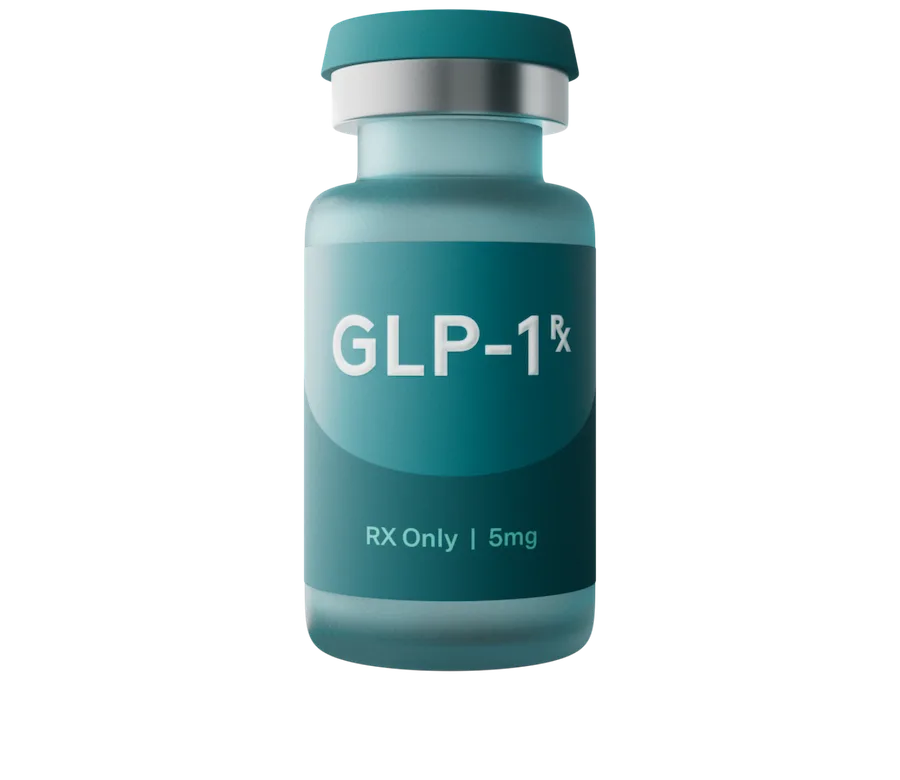
Noom GLP-1rx Plus
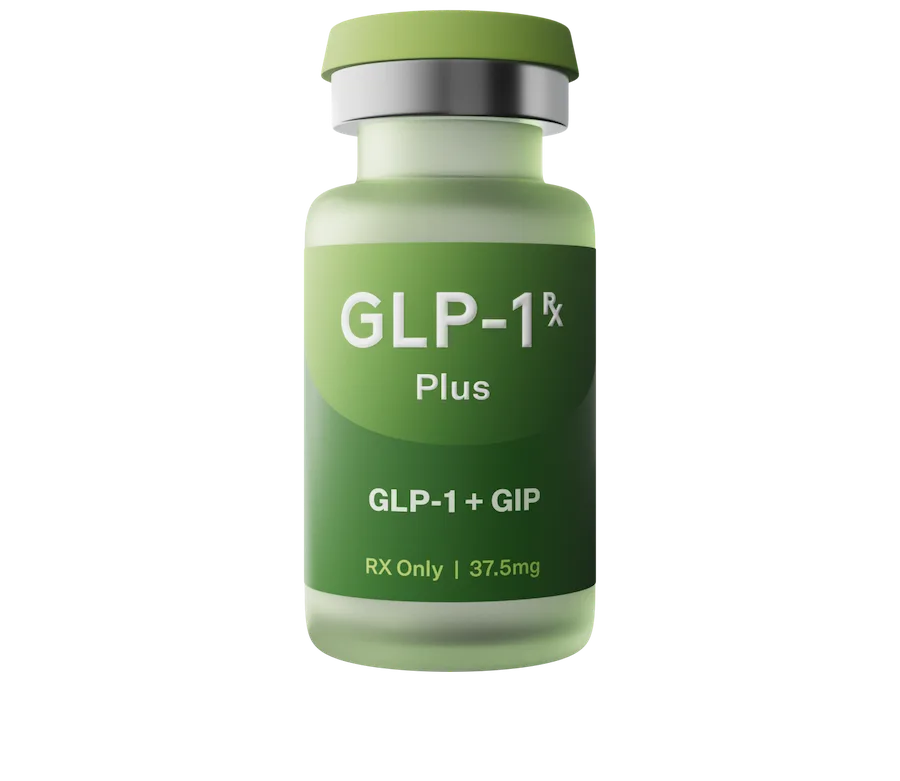
Wegovy®

Ozempic®

Metformin

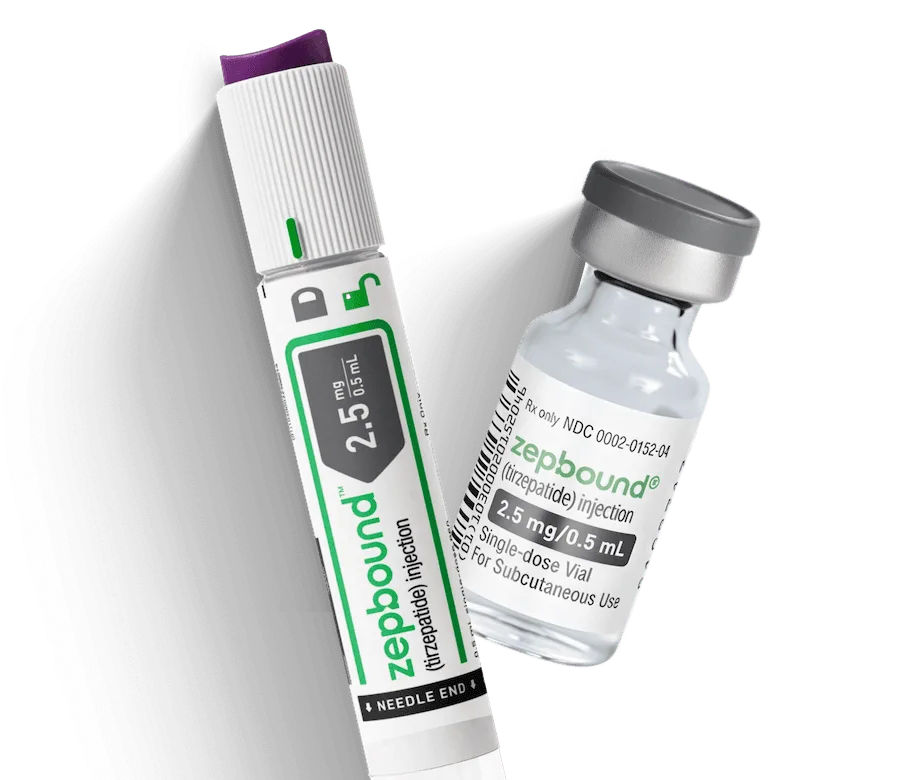
Zepbound®
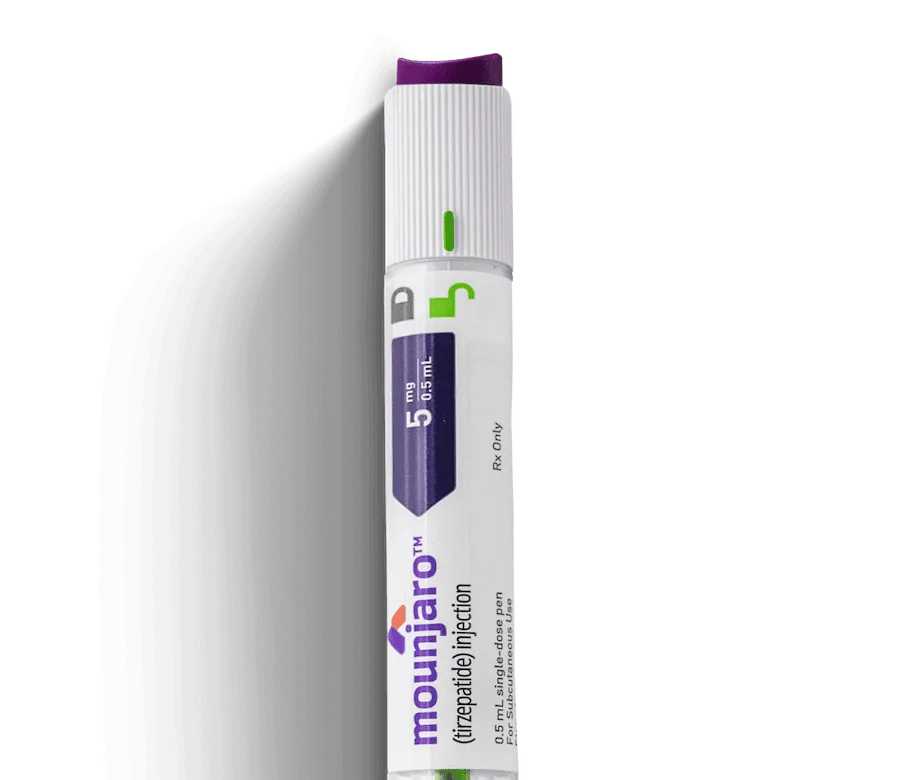
Mounjaro®
Liraglutide

Do cashews help with nighttime cravings?
⚠️ Potentially – A measured portion of cashews can be a satisfying evening snack because it provides a combination of healthy fats and protein. While cashews won’t prevent cravings on their own, they may be more filling than many highly processed snack foods and can fit into a balanced eating plan when enjoyed in appropriate portions.
💡 Tip: If you’re craving something sweet, try pairing a small portion of cashews with a square or two of dark chocolate or a piece of fruit. The combination of fat, protein, and carbohydrates may feel more satisfying than eating sweets alone.
Do cashews help reduce inflammation?
⚠️ Potentially – Cashews contain unsaturated fats, magnesium, and plant compounds that are associated with overall health and may support the body’s normal inflammatory response. They’re also a good source of magnesium, a nutrient linked to lower levels of certain inflammatory markers when consumed in adequate amounts. However, there’s limited evidence that cashews themselves have a direct, measurable anti-inflammatory effect.
Are cashews beneficial for brain health?
⚠️ Potentially – Cashews provide several nutrients that support normal brain and nervous system function, including magnesium, copper, and B vitamins. These nutrients play roles in energy production, nerve signaling, and neurotransmitter function. Magnesium, in particular, is involved in learning, memory, sleep, and mood regulation.
While cashews aren’t a brain-boosting food in the way fatty fish are often considered because of their omega-3 content, they can contribute to overall brain health as part of a balanced diet rich in nutrient-dense foods.
Can cashews improve skin and hair health?
⚠️ Potentially – Cashews provide several nutrients that are important for healthy skin and hair, including copper, zinc, and protein. Copper plays a role in collagen formation and melanin production, while zinc supports skin repair and wound healing. Cashews also contribute small amounts of protein, which is needed to build keratin, the primary structural component of hair.
That said, there’s little evidence that eating cashews specifically improves skin or hair appearance. Their benefit is more about providing nutrients that support normal skin and hair health as part of an overall balanced diet.
Can cashews help balance hormones?
⚠️ Potentially, but indirectly – Cashews provide healthy fats and magnesium, both of which play important roles in normal body function. Magnesium is involved in hundreds of biochemical processes, including those related to sleep, stress regulation, and energy metabolism. Because sleep, stress, and overall nutrition can influence hormone health, magnesium-rich foods such as cashews may support the systems that help regulate hormones.
But there’s little evidence that cashews themselves directly “balance hormones.” Hormone health is influenced by many factors, including overall diet, sleep, physical activity, stress levels, age, and underlying medical conditions.
💡 Tip: Think of cashews as one source of hormone-supportive nutrients rather than a hormone-balancing food. Including magnesium-rich foods regularly can help support overall health, but no single food has a meaningful effect on hormone levels by itself.
🍽️ Best ways to eat cashews for weight loss
- Pre-portion servings ahead of time – Cashews are easy to overeat because they’re small, tasty, and calorie-dense. Portioning them into 1-ounce (28-gram) servings—about 18 cashews—can help you enjoy them while staying mindful of calories. Pre-packing several servings at once makes healthy choices easier during a busy week.
- Add cashews to meals rather than eating them by the handful – A small amount of cashews can add crunch, flavor, and healthy fats to salads, grain bowls, stir-fries, and roasted vegetables. Incorporating them into a meal may help naturally limit portions while adding texture and nutritional value.
- Use cashews to replace less nutritious ingredients – Blended cashews can create a creamy texture in sauces, soups, and dressings without relying on heavy cream or large amounts of cheese. While cashews still contain calories, using them as an ingredient rather than a standalone snack can help you get more nutritional value from each serving.
- Pair cashews with high-volume foods – Combining a measured portion of cashews with fruit or raw vegetables can create a more balanced snack. The cashews provide healthy fats and some protein, while the produce adds fiber, water, and volume that may help make the snack more filling.
National Cashew Day is November 23 – Try these delicious cashew recipes:
- Cashew Chicken Stir-Fry – The Kitchn
- 30-Minute Cauliflower Rice with Cashews – Minimalist Baker
- Thai Basil Sesame Cashew Chicken – Half Baked Harvest
🍏 Best alternatives & comparisons (per 28 g/1 ounce)
| Food | Calories | Carbs | Fiber | Protein | Fat |
|---|---|---|---|---|---|
| Cashews | 157 | 8.6 g | 0.9 g | 5.2 g | 12.4 g |
| Almonds | 164 | 6.1 g | 3.5 g | 6.0 g | 14.2 g |
| Walnuts | 185 | 3.9 g | 1.9 g | 4.3 g | 18.5 g |
| Pistachios | 158 | 7.7 g | 3.0 g | 5.7 g | 12.8 g |
| Pumpkin seeds | 126 | 3.0 g | 1.7 g | 8.5 g | 5.5 g |
Cashews sit in the middle of the pack nutritionally. They have a similar calorie count to almonds and pistachios, but they’re lower in fiber and slightly higher in carbohydrates than either. If your primary goal is maximizing fullness, almonds and pistachios may have an edge because they provide more fiber per serving.
For protein, pumpkin seeds are the clear standout, delivering about 8.5 grams per ounce compared with about 5 grams in cashews. Walnuts, meanwhile, are unique for their omega-3 fatty acid content, a nutrient that’s largely absent from cashews.
That doesn’t mean one option is objectively better than the others. Cashews excel in mineral density—particularly copper and magnesium—while other nuts and seeds bring different strengths. Rather than choosing a single “best” nut, many nutrition experts recommend rotating among nuts and seeds to get a wider variety of healthy fats, vitamins, minerals, fiber, and plant compounds.
❓ Frequently asked questions about cashews and weight loss
How many cashews should I eat per day for weight loss?
A 1-ounce (28-gram) serving—about 18 cashews—is a reasonable portion for most people. It provides about 157 calories along with healthy fats, protein, and minerals. The exact amount that fits into a weight-loss plan depends on your overall calorie needs, but measuring portions can help prevent mindless overeating.
Are cashews fattening?
No food is inherently fattening. Cashews are calorie-dense, so eating large portions regularly can contribute to a calorie surplus. But research has consistently found that nut consumption isn’t associated with weight gain and may even support weight management when nuts replace less nutritious foods in the diet.
Are raw cashews better than roasted for weight loss?
The “raw” cashews sold in stores aren’t truly raw—they’ve been processed to remove naturally occurring irritants. Nutritionally, store-bought raw and dry-roasted cashews are very similar. For weight loss, the bigger consideration is whether oil, sugar, or flavorings have been added.
Can cashews replace a meal for weight loss?
Not on their own. A 1-ounce serving of cashews isn’t large enough or balanced enough to function as a meal. But cashews can be part of a satisfying meal when paired with foods that provide additional protein, fiber, and volume, such as vegetables, fruit, legumes, or lean protein sources.
Do cashews spike blood sugar?
No. Cashews have a low glycemic index of about 25, meaning they tend to produce a gradual rise in blood sugar rather than a rapid spike. Their combination of fat, protein, and slowly digested carbohydrates contributes to this effect.
Are cashews good for belly fat?
No single food specifically targets belly fat. Cashews can fit into a weight-loss plan because they provide healthy fats, protein, and minerals that may help support satiety and overall diet quality. Losing abdominal fat ultimately depends on factors such as overall calorie balance, physical activity, sleep, stress, and genetics.
Are cashews better than peanuts for weight loss?
Neither is clearly better. Peanuts generally provide more protein and fiber per calorie, while cashews provide higher amounts of certain minerals, particularly copper and magnesium. Both can fit into a weight-loss plan, and the best choice is often the one you enjoy and can eat in appropriate portions.
🧠 The bottom line: Cashews can be part of a weight-loss plan
Cashews are a nutrient-dense food that provides healthy fats, plant protein, and an impressive amount of minerals, particularly copper and magnesium. They also have a low glycemic index, making them a steadier snack choice than many highly processed foods. While cashews aren’t especially high in protein or fiber compared with some other nuts and seeds, they can still be a satisfying addition to a balanced eating pattern.
The main trade-off is calorie density. A 1-ounce (28-gram) serving contains about 157 calories, and it’s easy to eat multiple servings without realizing it. That’s why portion awareness is so important. Measuring servings or pre-portioning cashews into snack-sized containers can help you enjoy their nutritional benefits without unintentionally exceeding your calorie goals.
If you’re trying to lose weight, think of cashews as a food to include thoughtfully rather than avoid entirely. They won’t speed up your metabolism or melt belly fat, but they can add flavor, texture, and valuable nutrients to meals and snacks. When eaten in appropriate portions, cashews can absolutely have a place in a sustainable weight-loss plan.

The Easy Way
to lose weight and get healthy.
📖 Scientific evidence
- Replacing a high-carbohydrate snack with cashews may modestly improve cholesterol levels. (American Journal of Clinical Nutrition, 2017) In a small study of people with elevated LDL cholesterol, participants experienced small reductions in total and LDL cholesterol when cashews were substituted for a high-carbohydrate snack.
- Cashews may provide additional cardiometabolic benefits during weight loss. (Frontiers in Nutrition, 2024) In a study of adults with overweight or obesity following a calorie-restricted diet, participants who consumed 30 grams of cashews daily showed improvements in certain liver and cardiovascular risk markers compared with a nut-free control group, although body-fat loss was similar across all groups.
- Tree nut consumption is associated with improved cholesterol and other cardiovascular risk markers. (Nutrients, 2023) A review of 19 meta-analyses found that tree nut consumption was associated with modest improvements in total cholesterol, LDL cholesterol, and triglycerides. The findings apply to tree nuts as a category, including cashews, rather than to cashews alone.
- Cashews may provide slightly fewer usable calories than nutrition labels suggest. (Nutrients, 2018) Research suggests that some of the fat in whole cashews remains trapped within the nut’s structure and passes through the digestive system without being fully absorbed. As a result, the actual calories your body uses from cashews may be somewhat lower than what’s listed on the nutrition label.
Editorial standards
At Noom, we’re committed to providing health information that’s grounded in reliable science and expert review. Our content is created with the support of qualified professionals and based on well-established research from trusted medical and scientific organizations. Learn more about the experts behind our content on our Health Expert Team page.