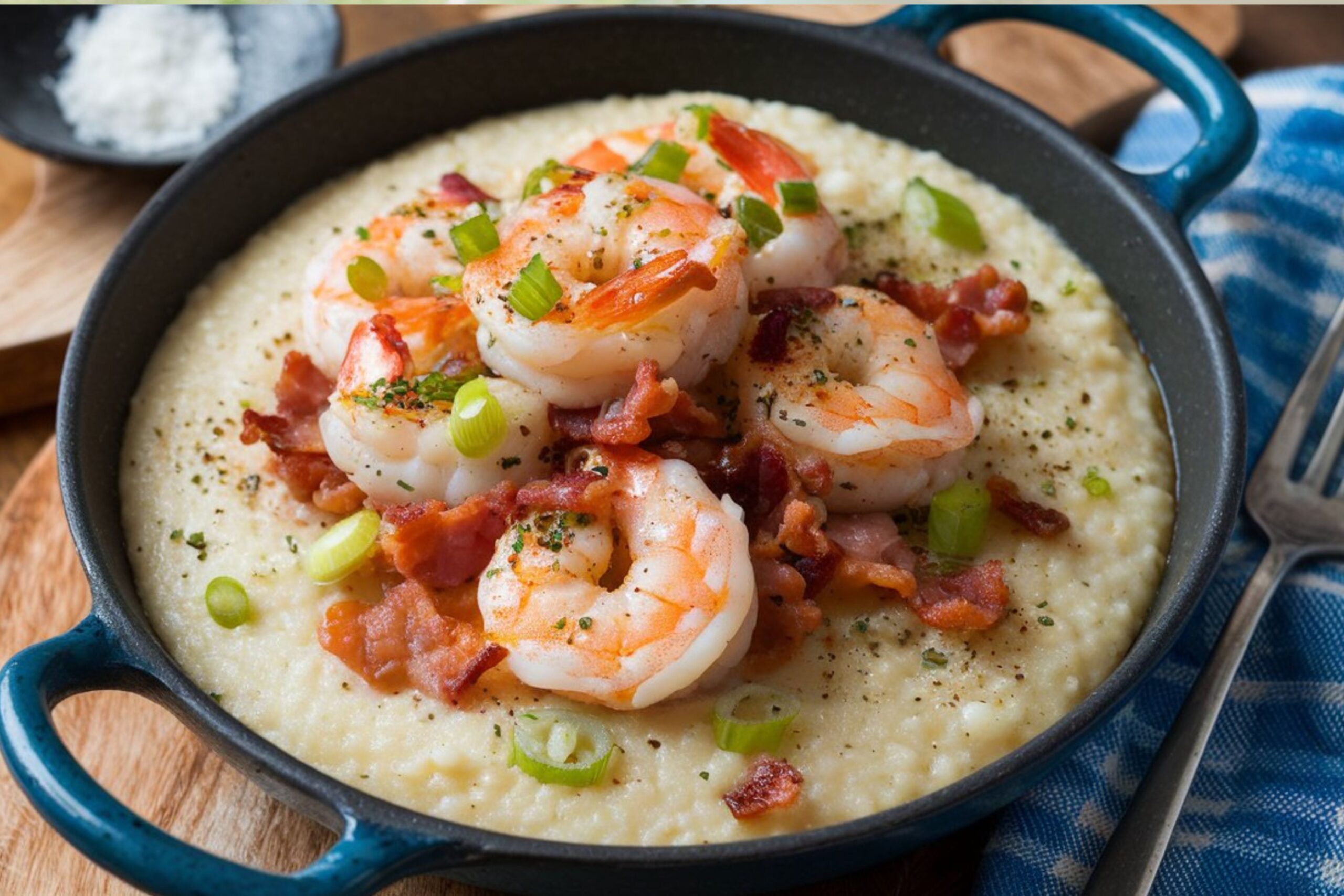
Grits have been a Southern breakfast staple for generations, but lately they’re showing up in a new way. Across social media, people are transforming them into protein- and fiber-rich breakfast bowls by topping them with eggs, cottage cheese, chicken sausage, vegetables, and other nutrient-dense ingredients.
That shift toward higher-protein, higher-fiber toppings is a smart upgrade. While grits are often served with generous amounts of butter and cheese, plain grits themselves can be a healthy base for a balanced meal. A cup of cooked grits has about 150 calories, so much of a bowl’s nutrition—and calorie count—depends on what you stir in and pile on top.
It’s also worth remembering that not all grits are nutritionally the same. Stone-ground grits retain more of the grain and contain more fiber than regular, quick, or instant varieties, which are more refined. That extra fiber can help make a meal more satisfying.
With the right portion size and toppings, grits can absolutely be part of a balanced, weight-loss-friendly meal. Here’s what to know about their nutrition, how they compare with other breakfast staples, and the best ways to enjoy them if weight loss is your goal.
✅ Quick answer: Are grits good for weight loss?
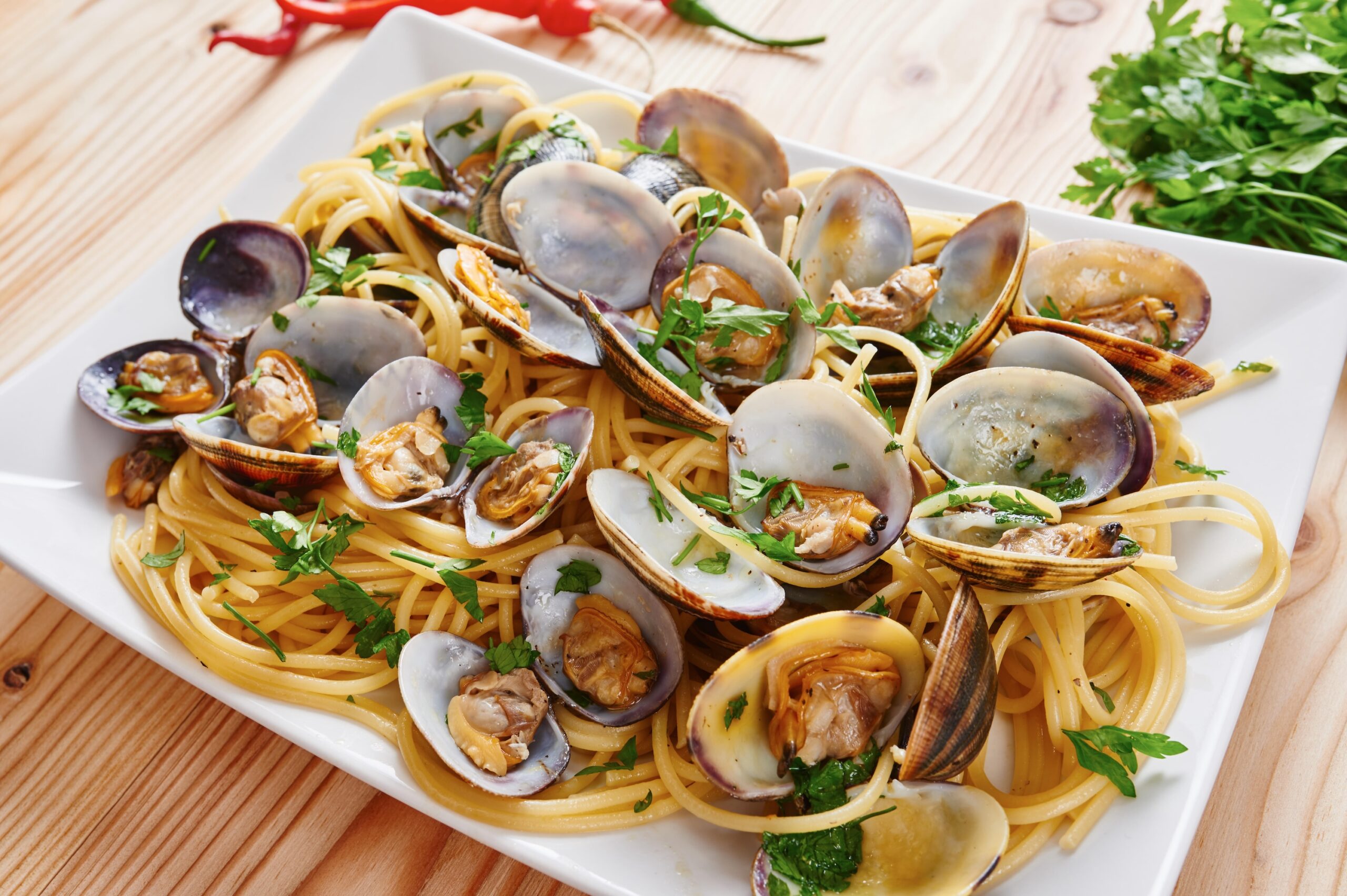
- It depends. Plain grits are relatively low in calories and naturally low in fat, making them a good base for a balanced meal. On their own, though, they’re low in protein and fiber and have a relatively high glycemic index, so they may not keep you full for long. If you’re eating grits regularly for weight loss, choose stone-ground grits when possible and pair them with protein-rich foods like eggs, shrimp, or Greek yogurt, along with vegetables for extra fiber.
🚀 Weight-loss benefits of grits
- Grits are relatively low in calories for the portion size. A cup of cooked grits has about 150 calories. Because grits absorb water as they cook, a serving is fairly large for the calorie count. That leaves room to add protein, vegetables, or healthy fats to create a more filling meal without dramatically increasing calories.
- Grits are naturally gluten-free. Grits are made from corn, which is naturally gluten-free. For people who avoid gluten, they can be an alternative to wheat-based hot cereals such as farina. (If you have celiac disease, look for grits labeled gluten-free to avoid cross-contamination during processing.)
- Grits pair well with protein- and fiber-rich foods. On their own, grits are relatively low in protein and fiber, but they pair well with foods that can make a meal more satisfying. Adding eggs, Greek yogurt, shrimp, chicken sausage, beans, or vegetables boosts the protein and fiber content, helping slow digestion and keep you feeling full longer.
⚠️ Things to be mindful of with grits
- Most grits are made from refined corn. Regular, quick, and instant grits have the corn bran and germ removed during processing, which leaves them with less fiber than stone-ground varieties. As a result, they digest more quickly and tend to have a relatively high glycemic index. That means they may not keep you full as long as higher-fiber grains like oats.
- Grits are naturally low in protein and fiber. A cup of cooked grits provides about 3 grams of protein and 2 grams of fiber (stone-ground varieties contain more fiber). While that’s enough to contribute to a meal, it’s usually not enough to make a meal satisfying on its own. Pairing grits with protein-rich foods and fiber-rich vegetables can help you stay full longer.
- High-calorie grits toppings can add up quickly. Plain grits are relatively low in calories, but the calories can climb quickly depending on what you add. Butter, cheese, cream, and generous portions of bacon or sausage can turn a light breakfast into a much more calorie-dense meal. Choosing toppings like eggs, shrimp, Greek yogurt, vegetables, or a sprinkle of cheese instead can help keep the meal more balanced.
🥗 Regular grits nutrition facts (per 1 cup, cooked with water)
| Nutrient | Amount | % RDA* |
|---|---|---|
| Calories | 150 calories | 8% |
| Protein | 3 g | 6% |
| Total carbs | 32 g | 12% |
| Fiber | 2 g | 7% |
| Sugars | <1 g | — |
| Total fat | 1 g | 1% |
| – Saturated fat | 0 g | 0% |
| – Monounsaturated fat | 0 g | — |
| – Polyunsaturated fat | 0 g | — |
| Omega-3 | 0 g | — |
| Omega-6 | 0 g | — |
*Recommended dietary allowance (RDA) is defined as the average daily amount of nutrients needed to meet the requirements of nearly all healthy people in a specific group. Numbers reflect plain, cooked, enriched grits made with water and no added salt.
Noom’s Most Powerful Program
A dual-pathway GLP-1 and behavior change for lasting results.
Carbohydrates make up most of the calories in a cup of grits—about 32 grams, primarily from the corn’s natural starch. That’s roughly the same amount of carbohydrate as two slices of bread, just in porridge form.
What grits don’t provide much of is protein or fiber. A cup contains about 3 grams of protein and 2 grams of fiber, so a bowl of plain grits may not be as satisfying as higher-protein or higher-fiber breakfast options. Pairing grits with protein-rich foods like eggs, Greek yogurt, or shrimp, along with fiber-rich vegetables or beans, creates a more balanced meal that can help keep you full longer.
Keep in mind that nutrition varies slightly by type. Stone-ground grits retain more of the corn kernel and generally provide more fiber than regular, quick, or instant grits.
💊 Vitamins & minerals in grits (per 1 cup, cooked)
| Vitamin/Mineral | Amount | % RDA* |
|---|---|---|
| Thiamin | 0.3 mg | 20% |
| Folate | 65 mcg DFE | 16% |
| Niacin | 2 mg | 11% |
| Riboflavin | 0.1 mg | 10% |
| Iron | 1.3 mg | 7% |
| Vitamin B6 | 0.1 mg | 5% |
*RDA based on FDA Daily Values for a 2,000-calorie diet.
Many of the vitamins and minerals in enriched grits come from fortification. During milling, regular, quick, and instant grits lose much of the corn’s bran and germ, where many naturally occurring vitamins and minerals are concentrated. Manufacturers add some nutrients—such as thiamin, folate, niacin, and iron—back through enrichment. These nutrients help your body convert food into energy and support healthy red blood cell production, but they’re not unique to grits. Stone-ground grits retain more of the corn’s naturally occurring nutrients because they’re less processed.
🔍 Grits nutrient breakdown
Glycemic index (GI) of grits
Glycemic index: about 69 (High)
💡 Regular and instant grits sit on the high end of the GI scale because the corn’s outer layers have been stripped away. Stone-ground grits digest more slowly thanks to their higher fiber content, which keeps the GI lower.
💡 Regular, quick, and instant grits tend to have a higher glycemic index because they’re more refined. Stone-ground grits retain more of the corn kernel and fiber, so they may digest more slowly.
Are grits high in protein?
❌ No. One cup of cooked grits provides about 3 grams of protein, which is relatively low for a breakfast.
Are grits high in fiber?
❌ Not really. A cup of cooked regular grits contains about 2 grams of fiber, while stone-ground grits typically provide more because they’re less processed.
Noom’s Most Powerful Program
A dual-pathway GLP-1 and behavior change for lasting results.
💡 Add flaxseed, chia seeds, beans, or vegetables to boost fiber and make your meal more filling.
Are grits low in carbs?
❌ No. A cup of cooked grits contains about 32 grams of carbohydrates, most of which come from starch.
💡 Instead of skipping carbs altogether, keep portions moderate and pair grits with protein and fiber to create a more balanced meal.
Are grits gluten-free?
✔️ Yes. Grits are made from corn, which is naturally gluten-free. If you have celiac disease or severe gluten sensitivity, choose products labeled certified gluten-free to reduce the risk of cross-contamination.
Are grits good for fat loss?
✔️ They can be. Plain grits are relatively low in calories, making them a good base for a balanced meal. The biggest difference comes from what you add. Pairing grits with lean protein and fiber-rich foods can help support fullness while keeping calories in check
🥣 Types of grits: The differences
| Type | Calories* | Fiber | Protein | Cooking time | Best for |
|---|---|---|---|---|---|
| Stone-ground | 150 | 4 g | 3–4 g | 35–50 min | Highest fiber, more satisfying |
| Regular (old-fashioned) | 150 | 2 g | 3 g | 20–30 min | Good everyday option |
| Quick | 150 | 2 g | 3 g | 5–10 min | Faster cooking with similar nutrition |
| Instant | 150 | 1 g | 3 g | 1–2 min | Convenience |
*Per 1 cup cooked with water. Nutrition varies by brand.
Which type of grits is healthiest?
The biggest nutritional difference between grits isn’t calories—it’s how much of the corn kernel remains after processing. Stone-ground grits are the least processed, so they retain more fiber and some naturally occurring nutrients. Regular, quick, and instant grits are milled more finely, making them cook faster but leaving them with less fiber.
If your goal is weight loss, stone-ground grits are the best choice because the extra fiber can help make a meal more satisfying. But if convenience matters, don’t let that stop you from eating grits. Quick and instant varieties can still fit into a healthy eating pattern when you pair them with protein-rich foods like eggs, Greek yogurt, shrimp, or chicken sausage and add fiber from vegetables, fruit, beans, or seeds.
🍽️ Diet compatibility: Which diets include grits?
| Diet | ✅ / ❌ | Why |
|---|---|---|
| Keto | ❌ | At 32 grams of carbs per cup, a single serving can use up most of a day’s carb allowance on a strict ketogenic plan. |
| Paleo | ❌ | Corn and other grains fall outside the paleo framework, which excludes grain-based foods regardless of preparation. |
| Mediterranean | ✅ | Grits can fit into a Mediterranean eating pattern, especially when paired with vegetables, beans, seafood, or other minimally processed foods. |
| Vegan | ✅ | Plain grits made with water contain no animal products; the classic butter-and-cheese preparation is the part to swap out. |
| Gluten-free | ✅ | Corn is naturally gluten-free, but people with celiac disease should choose certified gluten-free grits to avoid cross-contamination. |
Grits can fit into many healthy eating patterns, including Mediterranean, vegan, and gluten-free diets. They’re less compatible with keto and paleo because those approaches either severely limit carbohydrates or exclude grains altogether.
If your goal is weight loss, the diet itself matters less than how you prepare your grits. Keeping portions moderate and pairing grits with protein- and fiber-rich foods can make them a much more satisfying meal.
🌟 Are grits healthy? What are the health benefits?
Metabolic health
- Boost metabolism? No direct effect. Grits don’t increase your metabolic rate. However, enriched grits provide B vitamins like thiamin, niacin, and folate, which help your body convert carbohydrates, fats, and protein into usable energy.
- Improve insulin sensitivity? Probably not on their own. Regular, quick, and instant grits have a relatively high glycemic index, so they can raise blood sugar more quickly than less-refined grains. Choosing stone-ground grits and pairing them with protein, healthy fats, or fiber-rich foods can help create a more balanced meal.
- Support a healthy body weight? They can. Plain grits are relatively low in calories, but because they’re low in protein and fiber, they may not be especially filling on their own. Portion size and what you add matter more than the grits themselves. Pairing them with protein and fiber can help support fullness and make it easier to maintain a calorie deficit.
Cholesterol impact
- Lower LDL (“bad”) cholesterol? Not on their own. There’s no evidence that refined grits specifically lower LDL cholesterol. Stone-ground grits contain more fiber than regular, quick, or instant varieties, but they still aren’t considered a high-fiber food like oats or barley, which have stronger evidence for supporting healthy cholesterol levels.
- Support heart health? They can be part of a heart-healthy diet. Plain grits are naturally low in saturated fat and sodium, but they aren’t a standout source of heart-protective nutrients. Preparing them with vegetables, beans, seafood, or other lean proteins instead of large amounts of butter or cheese can make for a more heart-friendly meal.
💡 Top grits with avocado or salmon to bring in the heart-healthy unsaturated fats grits lack on their own.
Can you eat grits in a calorie deficit?
✔️ Yes. A cup of cooked grits has about 150 calories, so it can fit into most calorie-deficit plans. Because grits are low in protein and fiber, though, they’re more satisfying when paired with protein-rich and fiber-rich foods.
💡 Try this: Measure your dry grits before cooking. A small serving expands considerably as it cooks, making portion control easier.
Are grits rich in antioxidants?
A little—but it depends on the type. Yellow corn grits contain the carotenoids lutein and zeaxanthin, antioxidants that help support eye health. White grits contain much smaller amounts, so the variety matters.
Do grits support gut health?
Only modestly. Regular, quick, and instant grits are relatively low in fiber, so they don’t provide much fuel for beneficial gut bacteria. Stone-ground grits retain more fiber, but they still aren’t considered a high-fiber food.
Do grits support digestion?
Somewhat. Plain grits are easy to digest, which can make them a good option when you need bland foods. However, because most grits are relatively low in fiber, they don’t offer the same digestive benefits as higher-fiber whole grains.
Do grits help you feel full?
Not on their own. Grits are relatively low in protein and fiber, so a plain bowl may not keep you satisfied for long.
Satiety level: ⭐⭐☆☆☆ (Low)
💡 Pair grits with eggs, Greek yogurt, cottage cheese, shrimp, or beans to make the meal more filling.
Do grits help with nighttime cravings?
Not specifically. There’s no evidence that grits reduce evening cravings. If you’re eating them at dinner, pairing them with protein and fiber is more likely to promote fullness than eating plain grits alone.
Access GLP-1 Weight Loss with Noom
Explore a wide range of prescription medications supported by Noom’s program.
Microdose GLP-1rx
Noom GLP-1rx
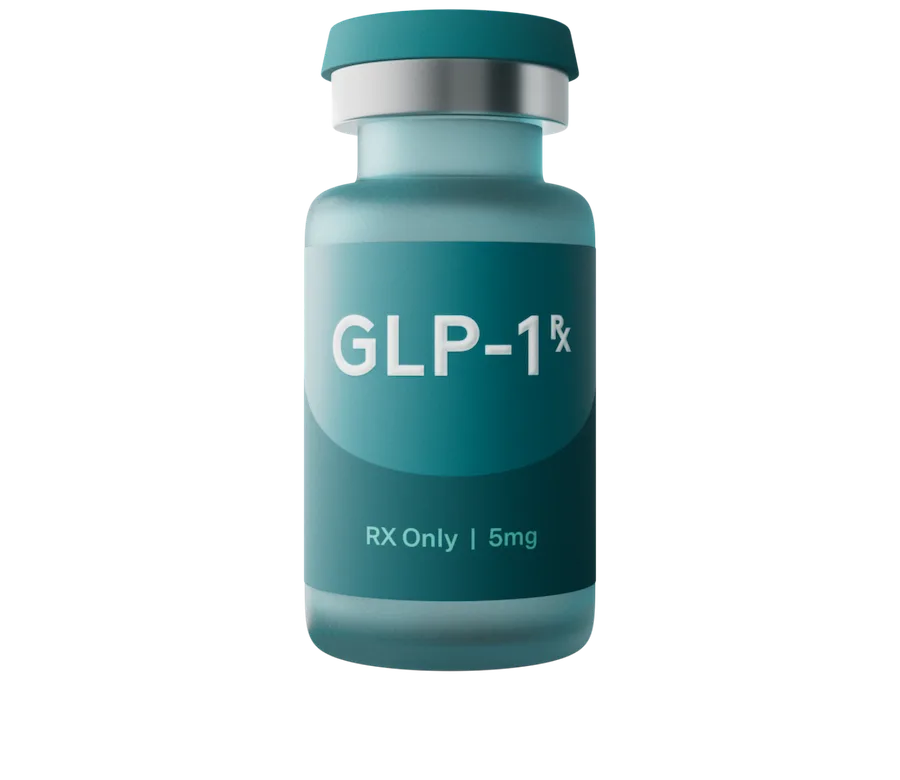
Noom GLP-1rx Plus
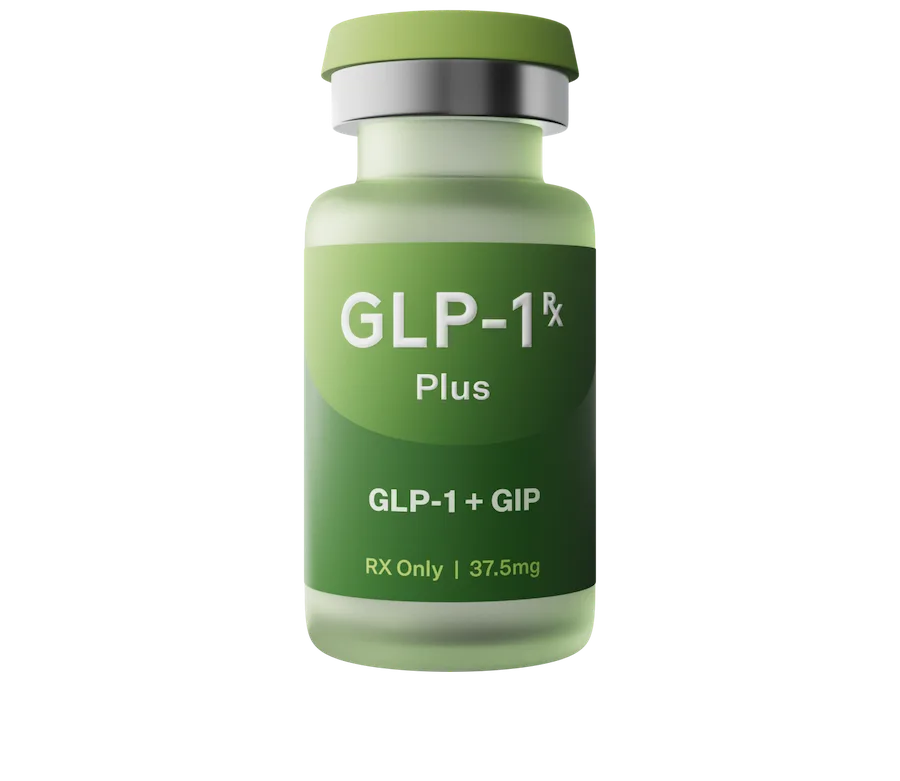
Wegovy®
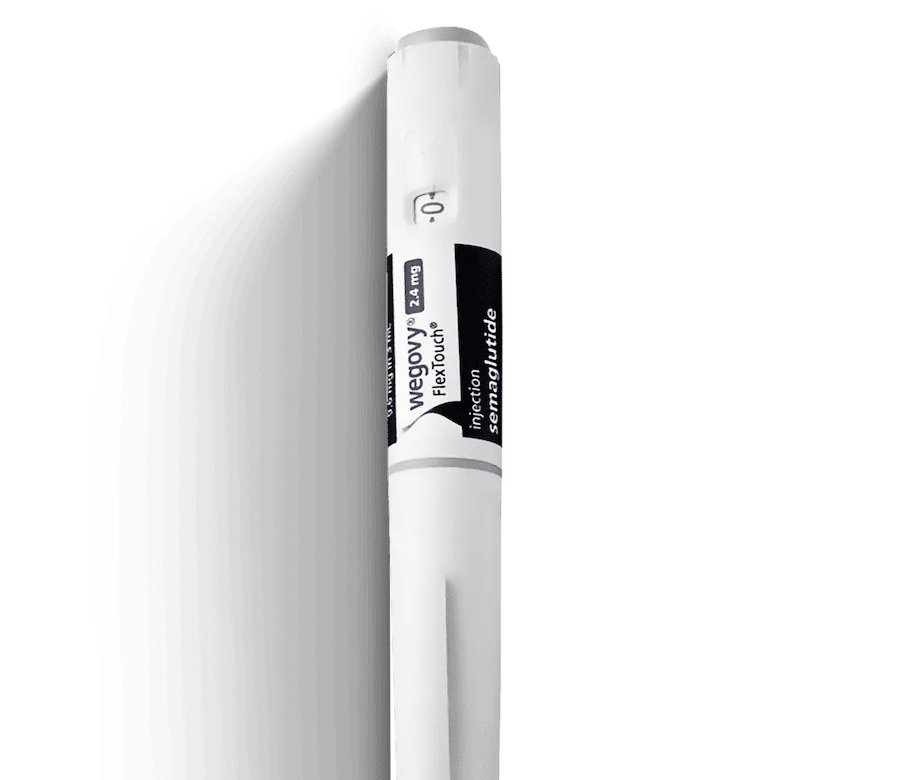
Ozempic®

Metformin

Zepbound®
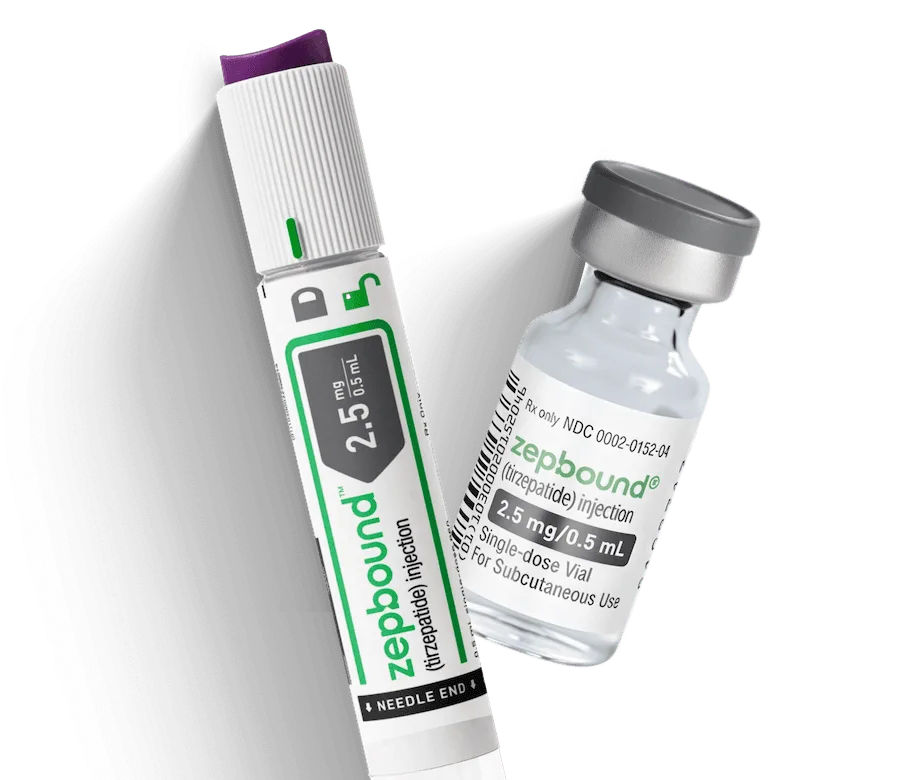
Mounjaro®
Liraglutide

Do grits reduce inflammation?
No strong evidence. There’s no research showing that grits have unique anti-inflammatory properties. Like other refined grains, they aren’t considered a major source of anti-inflammatory nutrients.
Are grits good for brain health?
They contribute, but aren’t unique. Enriched grits provide B vitamins such as thiamin, niacin, and folate, which help support normal brain function and energy metabolism. You’ll find these nutrients in many other enriched grains as well.
Can grits improve skin and hair health?
Not directly. Grits provide some B vitamins that support overall health, but they aren’t a standout source of nutrients linked to healthy skin or hair.
Can grits help balance hormones?
No evidence suggests they do. There’s no research linking grits to hormone regulation. Overall dietary patterns, adequate nutrition, sleep, and physical activity have a much greater influence on hormonal health.
🍽️ Best ways to eat grits for weight loss
- Build your bowl around protein. Adding eggs, shrimp, Greek yogurt, cottage cheese, or shredded chicken boosts the protein content of your meal, helping make it more satisfying than plain grits alone.
- Choose stone-ground grits when possible. Stone-ground grits retain more of the corn kernel and typically contain more fiber than regular, quick, or instant varieties. That extra fiber may help slow digestion and support fullness.
- Add fiber with vegetables or seeds. Stir in sautéed spinach, peppers, mushrooms, tomatoes, or beans, or top your bowl with a sprinkle of ground flaxseed or chia seeds. Adding fiber helps create a more balanced meal and can keep you full longer.
- Be mindful of high-calorie toppings. Butter, cheese, cream, and fatty breakfast meats can add calories quickly. You don’t have to avoid them entirely, but measuring portions and balancing them with lean protein and vegetables can help keep your meal aligned with your weight-loss goals.
April 14 is National Grits Day. Try these recipes:
- Grits and Eggs — Love & Lemons
- Shrimp and Grits — The Kitchn
- Goat Cheese Grits with Roasted Vegetables and Fried Egg — Cookie and Kate
🍏 Grits vs. other grains: How do they compare? (per 1 cup, cooked)
| Food | Calories | Carbs | Fiber | Protein | Fat |
|---|---|---|---|---|---|
| Grits | 150 | 32 g | 2 g | 3 g | 1 g |
| Oatmeal | 166 | 28 g | 4 g | 6 g | 3.6 g |
| Farina (Cream of Wheat) | 133 | 28 g | 1 g | 4 g | 0.5 g |
| Brown rice | 216 | 45 g | 3.5 g | 5 g | 1.8 g |
| Quinoa | 222 | 39 g | 5 g | 8 g | 3.6 g |
What’s the biggest difference? Protein and fiber. While grits are relatively low in calories, oatmeal and quinoa naturally provide more of both. But the grain is only part of the meal. Whether you choose grits, oatmeal, or farina, adding foods like eggs, Greek yogurt, cottage cheese, chicken sausage, fruit, nuts and seeds, or vegetables can make breakfast more balanced and help you stay full longer.
❓ Frequently asked questions about grits and weight loss
What’s a healthy serving size of grits for weight loss?
A ½ to 1 cup of cooked grits is a reasonable serving for most people, especially when paired with protein and fiber-rich foods like eggs, Greek yogurt, vegetables, or beans. The right portion depends on your calorie needs and what else is on your plate.
Can you eat grits every day and still lose weight?
Yes. Weight loss depends on your overall eating pattern and maintaining a calorie deficit—not on avoiding any single food. If grits are a regular part of your breakfast, pairing them with protein and fiber can help make the meal more satisfying.
Are instant grits worse for weight loss than regular grits?
Not necessarily, but they’re less filling. Instant grits are more processed and typically contain less fiber than regular or stone-ground varieties. Calories and protein are similar across the different types, but the extra fiber in less-processed grits may help support fullness.
Are grits good for people with diabetes or insulin resistance?
Grits can fit into a diabetes-friendly eating pattern, but because they’re relatively high on the glycemic index, portion size and meal composition matter. Pairing grits with protein, healthy fats, and non-starchy vegetables can help create a more balanced meal. Stone-ground grits are often a better choice because they contain more fiber than more refined varieties.
How do grits compare with oatmeal for weight loss?
Oatmeal has more protein and fiber than grits, so it may keep you full longer on its own. But grits are slightly lower in calories, and they might keep you fuller longer when paired with protein- and fiber-rich foods like eggs, cottage cheese, or vegetables.
🧠 The bottom line: Grits can be part of a healthy weight-loss meal
Grits can absolutely fit into a weight-loss plan. They’re relatively low in calories, naturally gluten-free, and provide a versatile base for a balanced breakfast or lunch. The biggest difference isn’t the grits themselves—it’s how you prepare them.
If you’re looking for the most satisfying option, choose stone-ground grits when you can. They contain more fiber than regular, quick, or instant varieties, but any type of grits can work when paired with protein- and fiber-rich foods like eggs, Greek yogurt, cottage cheese, chicken sausage, shrimp, beans, fruit, or vegetables.
Rather than thinking of grits as a complete meal, think of them as the foundation. Building your bowl with nutrient-dense toppings and keeping portions reasonable can help you stay full longer while supporting your weight-loss goals. For more practical tips on creating balanced meals that fit your lifestyle, explore Noom.
Noom’s Most Powerful Program
A dual-pathway GLP-1 and behavior change for lasting results.
📖 Scientific evidence
- Eating more whole grains was consistently linked to a lower BMI and less weight gain over time. (Nutrients, 2019) A review of studies involving more than 136,000 people found that those who ate more whole grains tended to have lower BMIs and gain less weight over 5 to 20 years of follow-up. While the research wasn’t specific to grits, it suggests that choosing less-refined options, such as stone-ground grits, may offer advantages over more heavily processed varieties.
- People felt less hungry and more full after eating whole grains compared with refined grains. (Advances in Nutrition, 2021) A review of clinical studies found that whole grains consistently promoted greater fullness than refined grains. Although the research didn’t examine grits directly, it supports choosing less-refined varieties, such as stone-ground grits, when possible.
- Eating more refined grain foods was linked to greater long-term weight gain. (New England Journal of Medicine, 2011) This 20-year study of more than 120,000 adults found that increasing intake of refined grain foods was associated with modest weight gain over time. While the study didn’t examine grits specifically, it reinforces the idea that choosing less-refined grains, such as stone-ground grits, may be a better option when possible.
- Yellow corn contains lutein and zeaxanthin, two compounds associated with eye health. (Nutrients, 2013) This review identified corn as a notable source of these carotenoids, which accumulate in the retina and help protect the macula. Yellow corn contains substantially more carotenoids than white corn, making yellow grits the better choice for this particular nutritional benefit.
Editorial standards
At Noom, we’re committed to providing health information that’s grounded in reliable science and expert review. Our content is created with the support of qualified professionals and based on well-established research from trusted medical and scientific organizations. Learn more about the experts behind our content on our Health Expert Team page.