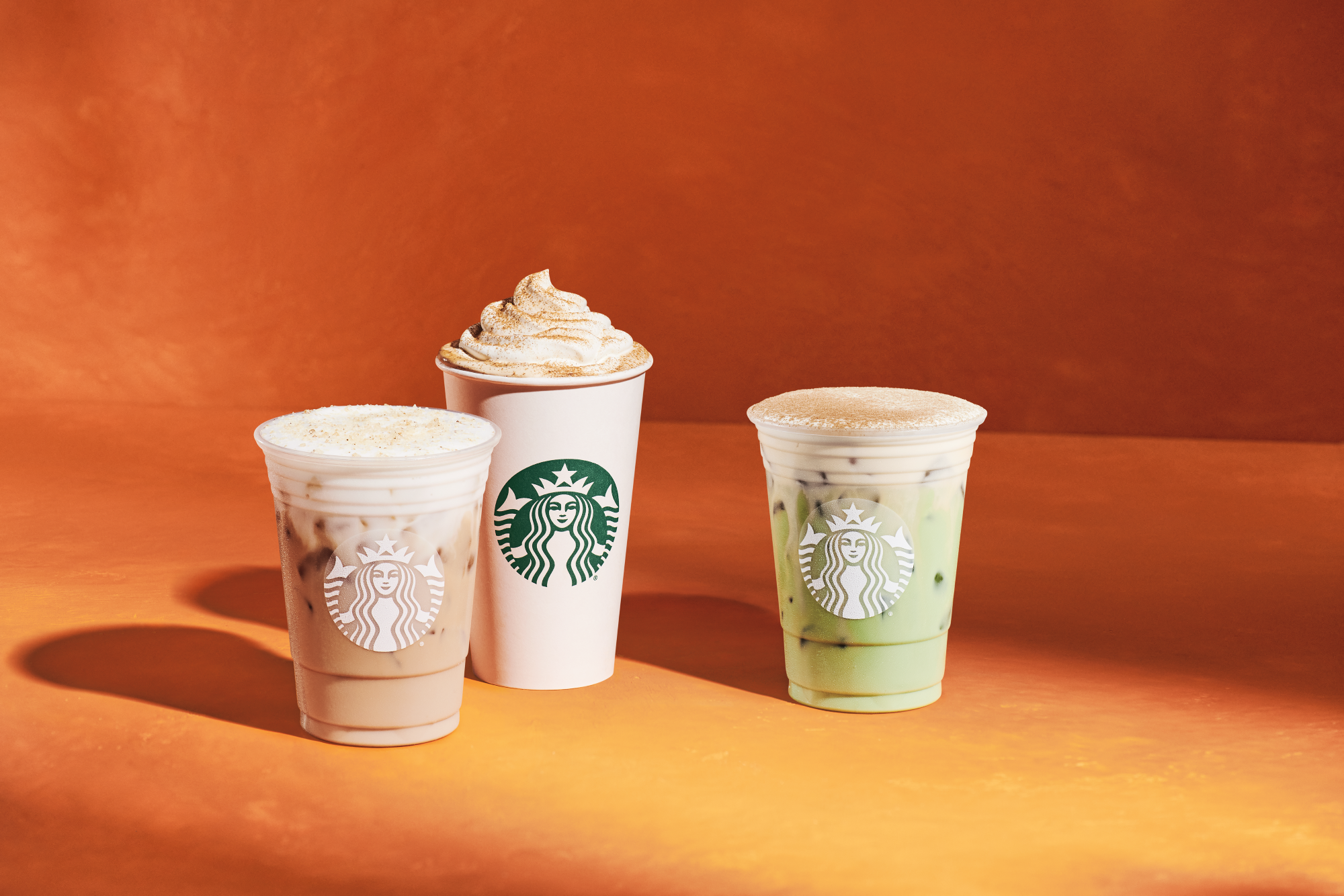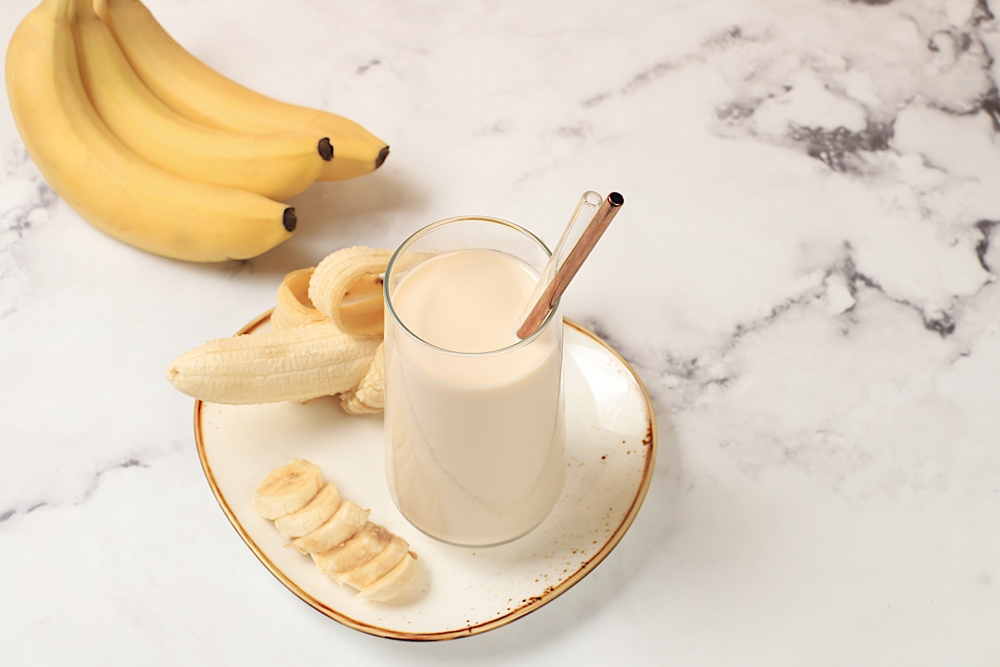
You might be hearing about banana milk because of a viral drink trend: banana milk lattes. Inspired by a Korean convenience-store hack, the drink combines bottled banana milk with coffee. It’s spread across social media and even appeared on café menus. Most people making the trend use Binggrae Banana Milk, a Korean drink that’s been a convenience-store staple since 1974.
The viral latte has also sparked interest in banana milk in the U.S., where you’ll now find several varieties in grocery stores—or you can make your own at home with just a banana and milk.
If weight loss is your goal, though, it’s helpful to know that “banana milk” isn’t just one product.
Homemade banana milk is typically made by blending a ripe banana with dairy or plant-based milk and contains no added sugar. Store-bought options vary much more. Some are Korean-style dairy drinks with added sugar, others are plant-based alternatives, and some are simply banana-flavored milk sold alongside chocolate and strawberry milk.
Those differences affect calories, protein, carbohydrates, and added sugar—all of which can influence how filling the drink is and how easily it fits into your overall eating pattern.

The Easy Way
to lose weight and get healthy.
Is banana milk good for weight loss? Quick answer:
It can be.
Whether banana milk supports your weight loss goals depends on the type you choose and how it fits into your overall eating pattern. Some versions are higher in protein and fiber, while others are lower in calories or contain added sugar.
Homemade banana milk made with a medium banana and dairy milk provides about 9 grams of protein and 3 grams of fiber, nutrients that can help make it a satisfying snack. Other options, like plant-based banana milk, may be much lower in calories but also much lower in protein. Korean-style bottled banana milk often contains added sugar, though it may have fewer calories than a homemade version.
The key is to choose the version that best fits your goals. If staying full between meals is your priority, a higher-protein homemade version may be the better option. If you’re looking for the lowest-calorie choice, a plant-based banana milk may make more sense. Whichever you choose, keeping portions to about 8 to 12 ounces and fitting it into your daily calorie goals matters more than choosing one type over another.
The most common types of banana milk—and how they compare
The viral latte trend has introduced many people to Korean banana milk, but it’s far from the only option you’ll find in the U.S. Depending on where you shop, you may come across Korean-style banana milk, plant-based banana milk, regional banana-flavored dairy milks, or you can make your own at home with just a banana and milk.
These products aren’t all made the same. Some are blended with whole banana, while others get their signature flavor from banana puree or natural flavoring. They also vary in calories, protein, carbohydrates, and added sugar, so it’s worth comparing the nutrition before deciding which one best fits your weight loss goals.
The table below compares the most common types of banana milk you’ll find.
| Category | Example | Description |
|---|---|---|
| Homemade banana milk | Banana + milk | Whole banana blended with milk. |
| Korean banana milk | Binggrae | Banana-flavored dairy drink, typically sold in small shelf-stable cartons or refrigerated bottles. |
| Plant-based banana milk | Mooala | Dairy-free banana beverage made with bananas and sunflower seeds. |
| Banana-flavored dairy milk | Sir Bananas, Rosa Brothers, Shaw Farm | Flavored milk similar to chocolate or strawberry milk, made with dairy milk plus banana puree or flavoring and added sugar. |
What stands out? Banana milk isn’t one product—it includes several different beverages with very different nutrition profiles. Homemade versions tend to be the highest in protein and fiber, while store-bought options vary widely in calories, protein, and added sugar. That’s why checking the label is often more helpful than judging a product by the name “banana milk.”
🚀 Banana milk weight-loss benefits
- Homemade banana milks might be more filling. Homemade banana milk made with dairy or soy milk provides a combination of protein and fiber that can help you stay satisfied between meals. Store-bought versions vary widely, so checking the nutrition label can help you find one that offers more protein and less added sugar.
- Banana milk can be a more balanced choice than many sweet drinks. Depending on the brand or recipe, banana milk may provide protein, vitamins, and minerals that you won’t get from fruit juice, soda, or many coffee drinks. Homemade versions and those made with dairy or fortified plant milks tend to offer the most nutrition.
- It can satisfy a sweet craving. Banana milk gets much of its sweetness from bananas, making it a naturally sweet alternative to desserts or sugar-sweetened beverages. Some bottled varieties contain added sugar, though, so it’s worth checking the label if that’s something you’re trying to limit.
- Banana milk can fit into a calorie deficit. Whether it’s homemade or store-bought, banana milk can be part of a weight loss plan when it fits within your daily calorie goals. Using it to replace a higher-calorie snack or sweet drink is more likely to support weight loss than drinking it in addition to your usual meals.
⚠️ Banana milk: things to be mindful of
- The nutrition can vary more than you might expect. Homemade banana milk, Korean-style bottled banana milk, and plant-based banana milk all have different amounts of calories, protein, carbohydrates, and added sugar. Checking the nutrition label—or the recipe if you’re making it yourself—can help you choose the option that best fits your goals.
- Some versions contain added sugar. Homemade banana milk gets its sweetness from the banana, while some bottled varieties include added sugar. If you’re trying to limit added sugars, compare nutrition labels and ingredient lists before buying.
- Liquid calories are easy to overlook. Depending on the recipe or brand, a serving of banana milk can range from about 60 to more than 220 calories. Whether it’s homemade or store-bought, it works best when you treat it as a snack, part of a meal, or a replacement for another beverage—not an extra source of calories.
🔍 Banana milk nutrient breakdown
Is banana milk high in protein?
It depends on the type. Homemade banana milk made with dairy or soy milk is relatively high in protein, while many bottled and plant-based versions contain much less. Checking the nutrition label can help you compare options.
Is banana milk high in fiber?
Not usually. Homemade banana milk contains about 3 grams of fiber from the banana, while many bottled versions have little or none.
Is banana milk low in carbs?
No. Most banana milks get the majority of their carbohydrates from bananas, milk, or added sugar. The exact amount varies by recipe and brand.
Is banana milk gluten-free?
Yes. Bananas and milk are naturally gluten-free, and most bottled banana milks are as well. If you have celiac disease or a gluten sensitivity, it’s still a good idea to check the label.
Is banana milk good for fat loss?
It can be. No food burns fat on its own, but banana milk can fit into a fat-loss plan when it helps replace a higher-calorie snack or sugary drink and fits within your daily calorie goals.
🍽️ Diet compatibility: Which diets include banana milk?
| Diet | ✅ / ❌ | Why |
|---|---|---|
| Keto | ❌ | Most banana milks are too high in carbohydrates because bananas are naturally rich in carbs. |
| Paleo | ⚠️ | Homemade banana milk made with a paleo-friendly plant milk may fit some paleo approaches, but dairy-based and many commercial versions do not. |
| Mediterranean | ✅ | Homemade banana milk made with dairy or unsweetened fortified plant milk fits well within a Mediterranean-style eating pattern. |
| Vegan | ⚠️ | Dairy-based banana milk isn’t vegan, but homemade versions made with plant milk and many plant-based brands are. |
| Gluten-free | ✅ | Bananas and milk are naturally gluten-free, and most commercial banana milks are gluten-free as well. Check the label if you have celiac disease. |
Banana milk can fit into many eating patterns, but the recipe or brand matters. The biggest differences come from the type of milk used and whether the product contains added sugar. For most people, choosing a version that fits their dietary preferences and calorie goals is more important than the label on the diet itself.
Noom’s Most Powerful Program
A dual-pathway GLP-1 and behavior change for lasting results.
🌟 Is banana milk healthy? What are the health benefits?
Metabolic health
- Boosts metabolism? ❌ No. There’s no evidence that banana milk increases your metabolic rate or helps you burn more calories. Its nutritional value depends on the ingredients, with homemade and higher-protein versions generally providing more nutrients than some bottled options.
- Improves insulin sensitivity? There’s no direct evidence. Banana milk hasn’t been shown to improve insulin sensitivity. Homemade versions made with dairy or soy milk may produce a steadier blood sugar response than sugary beverages because they contain protein, while versions with added sugar may have a different effect.
- Effect on fat storage? ⚖️ Neutral. Banana milk doesn’t automatically promote or prevent fat storage. Like any food, its impact depends on the type you choose, your portion size, and your overall eating pattern. When it replaces a higher-calorie snack or fits within your daily calorie goals, it can be part of a weight loss plan.
Cholesterol impact
- Does it lower LDL (bad) cholesterol? There’s no strong evidence. While some animal studies on green banana flour have found improvements in cholesterol levels, those findings don’t apply directly to banana milk. There’s no good evidence that drinking banana milk lowers LDL cholesterol.
- Overall impact on heart health? ✔️ It depends on the type. Banana milk isn’t a heart-health food on its own, but it can fit into a heart-healthy eating pattern. Homemade versions and products without added sugar provide potassium, a nutrient that supports healthy blood pressure. When enjoyed as part of an overall balanced diet, banana milk can be one option among many that support cardiovascular health.
Can I drink banana milk in a calorie deficit?
✔️ Yes. Banana milk can fit into a calorie deficit as a snack or part of a balanced meal. The calorie content varies widely by type—from about 60 calories for some plant-based versions to around 225 calories for a homemade serving—so check the nutrition label or recipe and count it toward your daily calorie goal.
💡 Choosing a version with more protein or less added sugar may help you stay full longer.
Is banana milk rich in antioxidants?
🤏 Not especially. Bananas contain antioxidant compounds, but they’re not considered a high-antioxidant food. If boosting antioxidants is your goal, berries, cherries, and dark leafy greens provide considerably more.
Does banana milk support gut health?
✔️ It can. Bananas contain prebiotic fiber that feeds beneficial gut bacteria, although the amount varies by serving. Some versions made with yogurt or kefir also provide probiotics, which may offer additional gut health benefits.
Does banana milk support digestion?
✔️ For many people, yes. The fiber from bananas and the liquid in the drink can support regular digestion. If you’re lactose intolerant, choosing a lactose-free or plant-based version may be more comfortable.
Does banana milk help you feel full?
🤏 It depends on the type. Homemade banana milk and versions made with dairy or soy milk tend to be more satisfying because they contain more protein. Lower-protein versions may not keep you full for as long.
Satiety level: Moderate
Does banana milk help with nighttime cravings?
✔️ It can. Banana milk can be a satisfying alternative to desserts or sugary drinks when you’re craving something sweet. Choosing a version with more protein and little or no added sugar may help you stay satisfied longer.
Does banana milk help reduce inflammation?
❌ There’s no strong evidence. While bananas contain antioxidant compounds, there’s no research showing that drinking banana milk reduces inflammation.
Is banana milk healthier than regular milk?
🤔 It depends. Regular dairy milk is naturally higher in protein and lower in carbohydrates than most banana milks. Banana milk, on the other hand, may provide fiber (in homemade versions) and the natural sweetness of bananas. The healthier choice depends on your nutrition goals.
Is banana milk healthier than chocolate milk?
✔️ Often, yes. Homemade banana milk gets its sweetness from the banana rather than added sugar, while many chocolate milks contain added sugars. Store-bought banana milks vary, so checking the nutrition label is still important.
Can people with diabetes drink banana milk?
✔️ Yes, but the type matters. Homemade banana milk and bottled versions both contain carbohydrates that can raise blood sugar. Choosing a version with more protein and little or no added sugar—and enjoying an appropriate portion—may help support steadier blood sugar levels. If you have diabetes, it’s best to follow the guidance of your healthcare provider or registered dietitian.
Which banana milk has the least sugar?
✔️ Unsweetened plant-based banana milk is usually the lowest in sugar. For example, Mooala Original contains less total sugar than homemade banana milk because it doesn’t contain a whole banana or dairy milk. Homemade banana milk contains only naturally occurring sugars from the banana and milk, while many Korean-style bottled banana milks contain added sugar. Checking the label is the easiest way to compare brands.
Which banana milk is highest in protein?
✔️ Homemade banana milk made with dairy or soy milk is usually the highest in protein. A homemade serving made with 2% dairy milk provides about 9 grams of protein, while a homemade version with unsweetened soy milk provides about 8 grams. Most bottled banana milks, including Korean-style and many plant-based versions, contain much less protein. If staying full is one of your goals, protein is one of the first things to compare on the nutrition label.
How do I make Korean banana milk?
🥛 You can make a homemade version, though it won’t taste exactly like the bottled original. Blend 1 ripe banana with 1 cup of milk until smooth. For a flavor that’s closer to Korean-style banana milk, add a splash of vanilla extract and a small amount of sweetener, such as honey or sugar, if desired.
The bottled version gets its signature candy-like banana flavor from added flavorings and sweeteners, so a homemade recipe tastes more like a fresh banana smoothie. If weight loss is your goal, keeping the recipe simple and skipping added sugar is usually the better choice.
The bottom line: Banana milk can fit into a weight loss plan—the best choice depends on your goals
Banana milk isn’t automatically good or bad for weight loss. The biggest differences come down to the type you choose, how much you drink, and how it fits into your overall eating pattern.
Homemade banana milk made with dairy or soy milk is typically the highest in protein, which may help you stay full longer. Plant-based banana milks are often lower in calories, while some Korean-style bottled versions contain added sugar. None of these options will cause or prevent weight loss on their own.
If banana milk is a drink you enjoy, look for a version that matches your priorities—whether that’s more protein, fewer calories, or less added sugar—and enjoy it as part of a balanced meal or snack. As with any food or drink, long-term weight loss comes from your overall habits and maintaining a calorie deficit over time, not from any single ingredient or recipe.
Noom’s Most Powerful Program
A dual-pathway GLP-1 and behavior change for lasting results.
📖 Scientific evidence
- Whole fruit consumption was linked to weight maintenance or modest weight loss. (Frontiers in Nutrition, 2019) Researchers reviewing randomized controlled trials and prospective studies found that increasing whole, fresh fruit intake generally promoted weight maintenance or modest weight loss, particularly when fruit replaced more energy-dense foods. This supports using homemade banana milk as a replacement for higher-calorie snacks or sugary beverages rather than adding it on top of your usual diet.
- Higher-protein meals consistently improved fullness and reduced subsequent food intake. (Physiology & Behavior, 2020) This review found that protein increases satiety, reduces hunger, and can decrease how much people eat later. That helps explain why banana milks made with dairy or soy milk may be more satisfying than lower-protein versions or sugary drinks.
- Foods high in water and fiber can help reduce calorie intake. (Nutrition Reviews, 2004) Researchers concluded that fruits and vegetables, which are naturally high in water and fiber, can lower the energy density of the diet, promote satiety, and reduce overall calorie intake. Banana milk made with whole fruit can fit into this pattern when it replaces a more calorie-dense snack or beverage.
- Higher fruit and yogurt intake was linked to less long-term weight gain across multiple decades. (New England Journal of Medicine, 2011) Researchers found that people who increased their intake of fruit and yogurt gained less weight over time, while sugar-sweetened beverages and processed foods were associated with greater weight gain. Homemade banana milk made with fruit and dairy may fit more closely into this type of eating pattern than many sweetened bottled drinks.
Editorial standards
At Noom, we’re committed to providing health information that’s grounded in reliable science and expert review. Our content is created with the support of qualified professionals and based on well-established research from trusted medical and scientific organizations. Learn more about the experts behind our content on our Health Expert Team page.