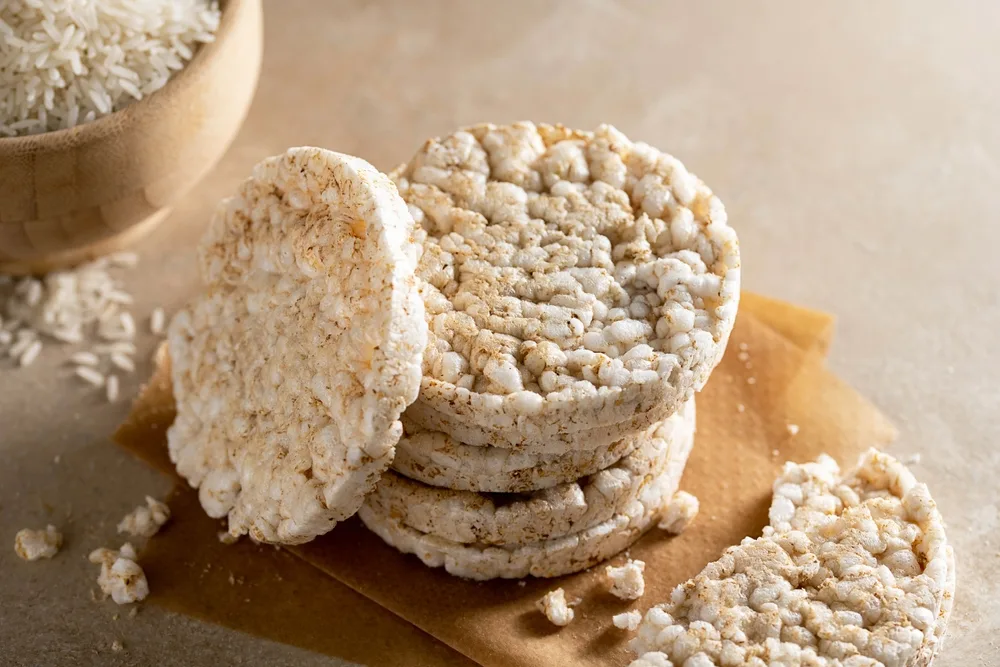
Rice cakes spent decades as the ultimate “diet food”—the light, crunchy snack that seemed to appear in every pantry whenever someone decided to eat healthier. Made by applying heat and pressure until rice grains puff and bind into a crisp disc, they’ve long been marketed as a lighter alternative to bread, crackers, and chips.
While a plain rice cake is low in calories, it can also be bland and not especially satisfying because it’s very low in protein and fiber. Lately, though, rice cakes have gotten a social media glow-up. They’ve gone from a bland diet staple to a blank canvas for creative recipes. Instead of eating them plain or lightly topped, creators are turning them into everything from healthy “donuts” and giant peanut butter cups to savory breakfast towers loaded with bacon, eggs, and avocado.
When weight loss is the goal, the sweet spot is somewhere in the middle. Topping a rice cake with protein, healthy fats, and fiber from foods like cottage cheese, Greek yogurt, hummus, avocado, or smoked salmon creates a more balanced snack that’s likely to be more satisfying. In other words, the rice cake itself doesn’t determine whether the snack is nutritious—it’s what you put on top.
A single plain rice cake contains about 35 calories, but it’s also almost entirely carbohydrates, with very little protein or fiber. On its own, it’s unlikely to keep you full for long. Whether rice cakes support your weight-loss goals depends less on the rice cake itself and more on how you use it. Here’s what to know.
Quick answer:
It depends. At about 35 calories per serving, rice cakes can fit into a weight-loss plan, but they’re most effective when paired with other nutritious foods. They’re low in calories but also low in protein and fiber—the nutrients that help keep you full. Eaten plain, they may leave you hungry again before long. A better approach is to use rice cakes as a base for more satisfying toppings, like cottage cheese, nut butter, hummus, avocado, or lean protein.
🚀 Weight-loss benefits
- Rice cakes are low in calories for their size. A single plain rice cake weighs about a third of an ounce and contains about 35 calories. The puffing process incorporates air into a small amount of rice, creating a light, crunchy snack. When paired with nutritious toppings, two rice cakes can become a balanced snack that’s more filling than eating them plain.
- Rice cakes provide a crunchy alternative to foods like potato chips. If you enjoy crunchy snacks, rice cakes can offer a similar texture with fewer calories than many chips or crackers. For example, two plain rice cakes contain about 70 calories, while a one-ounce serving of potato chips typically contains around 130–150 calories.
- Rice cakes work well as a base for balanced snacks. Their mild flavor pairs with a wide variety of toppings, making it easy to add protein, fiber, and healthy fats. Try topping them with cottage cheese and cucumber, hummus and vegetables, almond butter, or avocado to create a snack that’s more satisfying than a plain rice cake on its own.
⚠️ Things to be mindful of
- Rice cakes have a high glycemic index when eaten on their own. Plain rice cakes have a glycemic index of around 82, meaning their carbohydrates are digested relatively quickly. Without protein, fat, or fiber to slow digestion, they may not keep you full for very long. Pairing them with protein- and fiber-rich toppings can help create a more satisfying snack.
- Rice cakes are low in protein and fiber. One plain rice cake contains less than 1 gram of protein and less than 0.5 grams of fiber. Since both nutrients help promote fullness, rice cakes are generally more satisfying when topped with foods like cottage cheese, hummus, nut butter, or avocado.
- Flavored rice cakes may contain added sugar or sodium. Plain rice cakes are typically made with just rice and, sometimes, salt. Flavored varieties—such as caramel, chocolate, or cheese—may contain added sugars, sodium, or other ingredients that change their nutritional profile. Checking the Nutrition Facts label can help you compare options and choose the one that best fits your goals.
🥗 Nutrients in rice cakes (per 2 plain brown rice cakes)
| Nutrient | Amount | % RDA* |
|---|---|---|
| Calories | 70 calories | 3.5% |
| Protein | 1.5 g | 3% |
| Total carbs | 14.6 g | 5% |
| Fiber | 0.7 g | 2% |
| Sugars | 0 g | — |
| Total fat | 0.6 g | 1% |
| – Saturated fat | 0.1 g | 0.5% |
| – Monounsaturated fat | 0.2 g | — |
| – Polyunsaturated fat | 0.2 g | — |
| Omega-3 | 0.01 g | — |
| Omega-6 | 0.19 g | — |
*Recommended dietary allowance (RDA) is defined as the average daily amount of nutrients needed to meet the requirements of nearly all healthy people in a specific group.

The Easy Way
to lose weight and get healthy.
See if you qualify
Two plain rice cakes provide about 70 calories, most of them from carbohydrates, with very little protein or fat. Because those carbohydrates come primarily from refined rice, they’re digested relatively quickly. On their own, rice cakes are generally less filling than foods that provide more protein, fiber, or healthy fat. For comparison, two rice cakes contain about the same number of calories as a large egg, but the egg provides around 6 grams of protein and tends to be more satisfying.
Rice cakes also contribute very little fiber. Two plain rice cakes contain less than 1 gram, which is only a small fraction of the recommended 25–38 grams per day for most adults. Pairing rice cakes with protein- and fiber-rich toppings, such as cottage cheese, hummus, avocado, or nut butter, can help create a more balanced and satisfying snack.
💊 Vitamins & minerals in rice cakes (per 2 plain brown rice cakes, about 0.6 oz)
| Vitamin/Mineral | Amount | % RDA* |
|---|---|---|
| Manganese | 0.76 mg | 33% |
| Niacin (B3) | 1.5 mg | 9% |
| Magnesium | 27 mg | 6% |
| Phosphorus | 68 mg | 5% |
| Selenium | 2.9 µg | 5% |
| Zinc | 0.45 mg | 4% |
| Thiamine (B1) | 0.04 mg | 3% |
*Recommended dietary allowance (RDA) is defined as the average daily amount of nutrients needed to meet the requirements of nearly all healthy people in a specific group.
Manganese is the most notable nutrient in brown rice cakes. Two plain brown rice cakes provide about one-third of the recommended daily intake. Manganese plays a role in bone health, metabolism, and the function of antioxidant enzymes. Rice cakes also provide a modest amount of niacin (vitamin B3), which helps the body convert food into energy.
The remaining vitamins and minerals are present in smaller amounts, including magnesium, phosphorus, selenium, zinc, and thiamine. Brown rice cakes generally contain more of these nutrients than white rice cakes because they retain the bran and germ found in whole grains. While rice cakes shouldn’t be relied on as a major source of vitamins and minerals, choosing the brown rice variety can provide a small nutritional advantage.
🔍 Nutrient breakdown
Glycemic index (GI) of rice cakes
Glycemic index: 82 (High)
💡 Plain rice cakes rank among the higher-GI snack foods. The puffing and processing of rice speeds up starch digestibility, pushing the GI well above that of plain cooked rice. Pair them with protein or fat to blunt the blood sugar response and extend the time before hunger returns.
Are rice cakes high in protein?
❌ No: rice cakes contain about 1.5 grams of protein per two-cake serving.
Are rice cakes high in fiber?
❌ No: two plain rice cakes provide less than 1 gram of fiber, even when made from brown rice.
💡 Pair them with fiber-rich foods like avocado, berries, tomatoes, cucumber, or other vegetables. Adding a source of protein, such as cottage cheese or turkey, can also help make the snack more satisfying.
Are rice cakes low in carbs?
⚠️ Not particularly: Two plain rice cakes contain about 14.6 grams of carbohydrates. While that’s a moderate amount, they contain very little fiber or protein, so the carbohydrates are digested relatively quickly.
💡 If you’re watching your carbohydrate intake, pair rice cakes with protein, healthy fats, or fiber-rich toppings to create a more balanced snack.
Are rice cakes gluten-free?
✔️ Yes: plain rice cakes are naturally gluten-free, since rice doesn’t contain gluten. Cross-contamination is a real risk though—many rice cakes are produced on shared equipment alongside wheat-based products. If you have celiac disease or a serious gluten sensitivity, look for packaging that says “certified gluten-free.”
Are rice cakes good for fat loss?
✅ They can be: Rice cakes can fit into a fat-loss eating pattern, especially when they’re paired with protein- and fiber-rich foods. Eaten plain, they’re less filling than many other snacks, so using them as a base for nutritious toppings is likely to be more satisfying.
🍽️ Diet compatibility: Which diets include rice cakes?
| Diet | ✅ / ❌ | Why |
|---|---|---|
| Keto | ❌ | Two rice cakes contain about 14.6 grams of carbs—close to or exceeding the typical keto snack budget of 5–10 grams. Rice is a high-starch grain, and even a small serving can disrupt ketosis. |
| Paleo | ❌ | The paleo diet excludes grains, and rice cakes are a processed grain product. Even though rice is a natural food, the puffing and processing involved put rice cakes outside paleo guidelines. |
| Mediterranean | ✅ | The Mediterranean diet allows whole grains in moderation, and plain brown rice cakes fall within that framework. Used as a base for avocado, hummus, or olive oil–based toppings, they fit the approach well. |
| Vegan | ✅ | Plain rice cakes contain only rice and sometimes salt—no animal products. They’re fully vegan-friendly, and when topped with plant-based proteins like hummus or nut butter, they make a straightforward vegan snack. |
| Gluten-free | ✅ | Rice cakes are inherently gluten-free, making them a popular option for people managing celiac disease or gluten sensitivity. Those with serious gluten conditions should verify that the brand is certified gluten-free to rule out cross-contamination. |
Rice cakes fit comfortably into moderate-carbohydrate, whole-food-oriented eating plans like the Mediterranean diet or general gluten-free eating—but they’re a poor fit for very low-carb approaches like keto or grain-free protocols like paleo. Their compatibility comes down to where a diet stands on grains and carbohydrates.
What matters most is what you pair them with—plant-based protein for vegans, healthy fats for Mediterranean-style eaters, or high-protein toppings for anyone focused on satiety and calorie control.
🌟 Are rice cakes healthy? What are the health benefits?
Metabolic health: Are rice cakes good for your metabolism?
- Boost metabolism? ❌ No. Rice cakes don’t have any known metabolism-boosting properties. They’re low in protein and fiber, so they have a smaller thermic effect of food than protein-rich meals, which require more energy to digest.
- Improve insulin sensitivity? ❌ Not on their own. Rice cakes have a high glycemic index, meaning they can raise blood sugar relatively quickly when eaten by themselves. Pairing them with protein, healthy fats, or fiber can slow digestion and produce a more gradual rise in blood sugar.
- Effect on fat storage? ⚠️ Minimal on their own. Eating rice cakes doesn’t automatically increase fat storage. Like any food, they can fit into a healthy eating pattern. However, because they’re less filling than many protein- or fiber-rich snacks, eating them plain may make it easier to consume more calories later. Overall dietary pattern, calorie intake, and physical activity have a much greater influence on body fat than any single food.
Cholesterol impact: Do rice cakes affect cholesterol levels?
Does it lower LDL (bad) cholesterol? ❌ No. Rice cakes aren’t a meaningful source of soluble fiber, plant sterols, or unsaturated fats—the nutrients most closely linked with lowering LDL cholesterol. Foods such as oats, beans, nuts, and seeds have stronger evidence for supporting healthy cholesterol levels.
Does it raise HDL (good) cholesterol? ❌ No. There isn’t evidence that eating rice cakes increases HDL cholesterol.
Overall impact on heart health? ⚖️ Mostly neutral. Plain rice cakes are naturally low in saturated fat, but they also provide very little fiber or other nutrients associated with heart health. They can be part of a heart-healthy eating pattern, especially when paired with nutrient-rich toppings.
💡 Top rice cakes with foods such as avocado, hummus, nut butter, or salmon to add fiber, unsaturated fats, and other nutrients that support cardiovascular health.
Can I eat rice cakes in a calorie deficit?
✅ Yes. At about 35 calories each, plain rice cakes can fit easily into a calorie deficit. They’re most satisfying when used as a base for protein- and fiber-rich toppings, such as cottage cheese, hummus, avocado, or nut butter, rather than eaten on their own.
Are rice cakes rich in antioxidants?
❌ No—plain rice cakes are not a meaningful source of antioxidants.
Do rice cakes support gut health?
❌ No—rice cakes don’t provide prebiotic fiber or probiotic bacteria, so they don’t actively support the gut microbiome.
Do rice cakes support digestion?
Neutral—plain rice cakes are easy on the digestive system and are sometimes used as a gentle snack during stomach upset.
Do rice cakes help you feel satiated and less hungry?
Low: On their own, rice cakes are generally less filling than snacks that contain more protein, fiber, or healthy fats. While their crunchy texture may feel satisfying in the moment, they provide very little protein, fiber, or fat to support lasting fullness. Pairing them with protein- and fiber-rich toppings can help make them a more satisfying snack..
Satiety level: Low (plain) / Moderate (with protein and fiber toppings)
💡 Top two rice cakes with two tablespoons of cottage cheese and a handful of cherry tomatoes for a snack that covers protein, fiber, and volume—all three factors that drive fullness.
Do rice cakes help with nighttime cravings?
Possibly—if your nighttime craving is specifically for something crunchy, a plain rice cake can satisfy that textural urge for very few calories. Because they don’t provide sustained satiety, eating them alone before bed may not quiet hunger for long.
💡 Add a tablespoon of peanut butter to your evening rice cake for slow-digesting fat and protein that’s more likely to carry you through to morning.
Access GLP-1 Weight Loss with Noom
Explore a wide range of prescription medications supported by Noom’s program.Microdose GLP-1rx
Noom GLP-1rx
Noom GLP-1rx Plus
Wegovy®

Ozempic®

Metformin
Zepbound®
Mounjaro®
Liraglutide
Do rice cakes help reduce inflammation?
❌ No—plain rice cakes don’t contain meaningful anti-inflammatory compounds. High-GI refined carbohydrates are associated with pro-inflammatory markers when consumed in excess, so regularly relying on plain rice cakes as a primary snack isn’t a strong strategy for managing inflammation.
Are rice cakes beneficial for brain health?
❌ No—rice cakes don’t contain omega-3 fatty acids, polyphenols, or other nutrients meaningfully linked to brain health.
Can rice cakes improve skin and hair health?
❌ No—rice cakes are not a notable source of the nutrients most closely linked to skin and hair health, such as vitamin E, biotin, or omega-3 fatty acids.
Can rice cakes help balance hormones?
❌ No—Rice cakes don’t have any known hormone-balancing properties. While they can fit into a healthy diet, they’re low in protein, fiber, and healthy fats. Pairing them with nutrient-rich toppings can help create a more balanced snack and support steadier blood sugar levels.
🍽️ Best ways to eat rice cakes for weight loss
- Use rice cakes as a base for a balanced snack. Plain rice cakes are low in protein and fiber, so pair them with toppings like cottage cheese, hummus, turkey, avocado, or nut butter to create a more satisfying snack.
- Swap rice cakes for bread or crackers when it makes sense. They work well for open-faced sandwiches or snacks, but the toppings matter most. Focus on adding protein, vegetables, and healthy fats.
- Choose plain or lightly salted rice cakes. Plain varieties let you control the ingredients, while some flavored versions contain added sugar, sodium, or other ingredients that can make them less nutritious.
Recipes to try:
- Rice Cakes with Peanut Butter and Fruit — Well Plated
- Avocado Cottage Cheese Dip for Rice Cakes — Skinnytaste
- Whipped Ricotta Topping — Love & Lemons
🍏 Best alternatives & comparisons (per 2-cake or equivalent serving)
| Food | Calories | Carbs | Fiber | Protein | Fat |
|---|---|---|---|---|---|
| Plain rice cakes (2 cakes) | 70 | 14.6 g | 0.7 g | 1.5 g | 0.6 g |
| Whole-grain crispbread (2 pieces) | 80 | 16 g | 3.5 g | 2 g | 0.5 g |
| Plain popcorn (2 cups) | 62 | 12.4 g | 2.4 g | 2 g | 0.7 g |
| Oat cakes (2 cakes) | 90 | 14 g | 1.5 g | 2.5 g | 3 g |
| Corn tortilla (1 small, ~1 oz) | 65 | 13.5 g | 1.8 g | 1.6 g | 0.8 g |
Rice cakes are one of the lower-calorie options in this comparison, but they also provide the least fiber. Whole-grain crispbread contains about five times as much fiber for a similar calorie amount, while plain popcorn offers more fiber and greater volume per serving, both of which can help promote fullness. Oat cakes also provide a bit more protein and fiber than rice cakes.
If you enjoy rice cakes, they’re a convenient base for balanced snacks with toppings like cottage cheese, hummus, avocado, or nut butter. If you’re looking for a snack that’s more satisfying on its own, whole-grain crispbread, plain popcorn, or oat cakes may be the better choice thanks to their higher fiber and, in some cases, higher protein content.
❓ Frequently asked questions about rice cakes and weight loss
Are rice cakes good for weight loss?
They can be. Rice cakes are most satisfying when paired with protein- and fiber-rich toppings rather than eaten plain. On their own, they’re low in protein and fiber, so they may not keep you full for very long. Toppings like cottage cheese, hummus, avocado, or nut butter create a more balanced snack.
How many calories are in rice cakes?
A single plain rice cake contains about 35 calories, so two cakes provide about 70 calories. Flavored varieties may contain more calories, added sugar, or sodium, so it’s worth checking the Nutrition Facts label before buying.
Are rice cakes a healthy snack?
They can be. Plain rice cakes are naturally gluten-free and low in saturated fat, but they’re also low in protein, fiber, and many vitamins and minerals. Pairing them with nutrient-rich toppings helps create a more balanced snack.
Are rice cakes better than bread for weight loss?
It depends. Rice cakes are typically lower in calories per serving because they’re much lighter than a slice of bread. However, whole-grain bread generally provides more protein, fiber, and micronutrients, making it more filling. The better choice depends on what you’re eating with it and your overall dietary pattern.
Can you eat rice cakes every day?
Yes. Rice cakes can be part of a healthy diet when eaten alongside a variety of protein-rich foods, fruits, vegetables, whole grains, and healthy fats. If you eat them regularly, using them as a base for nutritious toppings can help create a more satisfying snack.
Are rice cakes good for people with diabetes?
It depends. Rice cakes have a high glycemic index, so they may raise blood sugar relatively quickly when eaten on their own. Pairing them with protein, healthy fats, or fiber can help slow digestion. People with diabetes should work with their healthcare provider or a registered dietitian to determine how rice cakes fit into their eating plan.
What are the best rice cake toppings for weight loss?
Look for toppings that add protein, fiber, or healthy fats. Good options include cottage cheese with sliced cucumber, hummus and vegetables, avocado with tomato, smoked salmon, or nut butter with berries. These combinations are more satisfying than plain rice cakes and provide a broader range of nutrients.
🧠 The bottom line: Rice cakes can be a part of many weight-loss plans
Rice cakes can be a convenient snack for people trying to lose weight, but they’re most satisfying when paired with other nutritious foods. They’re naturally gluten-free and provide a light, crunchy base, but on their own they’re low in protein, fiber, and healthy fats—the nutrients that help promote lasting fullness. As a result, plain rice cakes are generally less satisfying than more balanced snacks.
A better approach is to use rice cakes as a base rather than eating them by themselves. Toppings such as cottage cheese, hummus, avocado, smoked salmon, or nut butter add protein, fiber, or healthy fats, creating a more balanced snack that can help keep you full for longer.
If you enjoy rice cakes, there’s no reason to avoid them. Choose plain or lightly salted varieties when possible, add nutrient-rich toppings, and think of them as one part of a balanced snack rather than the entire snack. As with any food, how rice cakes fit into your overall eating pattern matters more than the rice cakes themselves.
The Easy Way
to lose weight and get healthy.
See if you qualify📖 Scientific evidence
- Lower-energy-density foods can help people eat fewer calories while maintaining fullness. (Behavioral Sciences, 2017). A large body of research has found that foods with a lower energy density (fewer calories per gram) help people reduce calorie intake without increasing hunger. While rice cakes are lower in energy density than many crunchy snack foods, they’re most satisfying when paired with protein- and fiber-rich toppings.
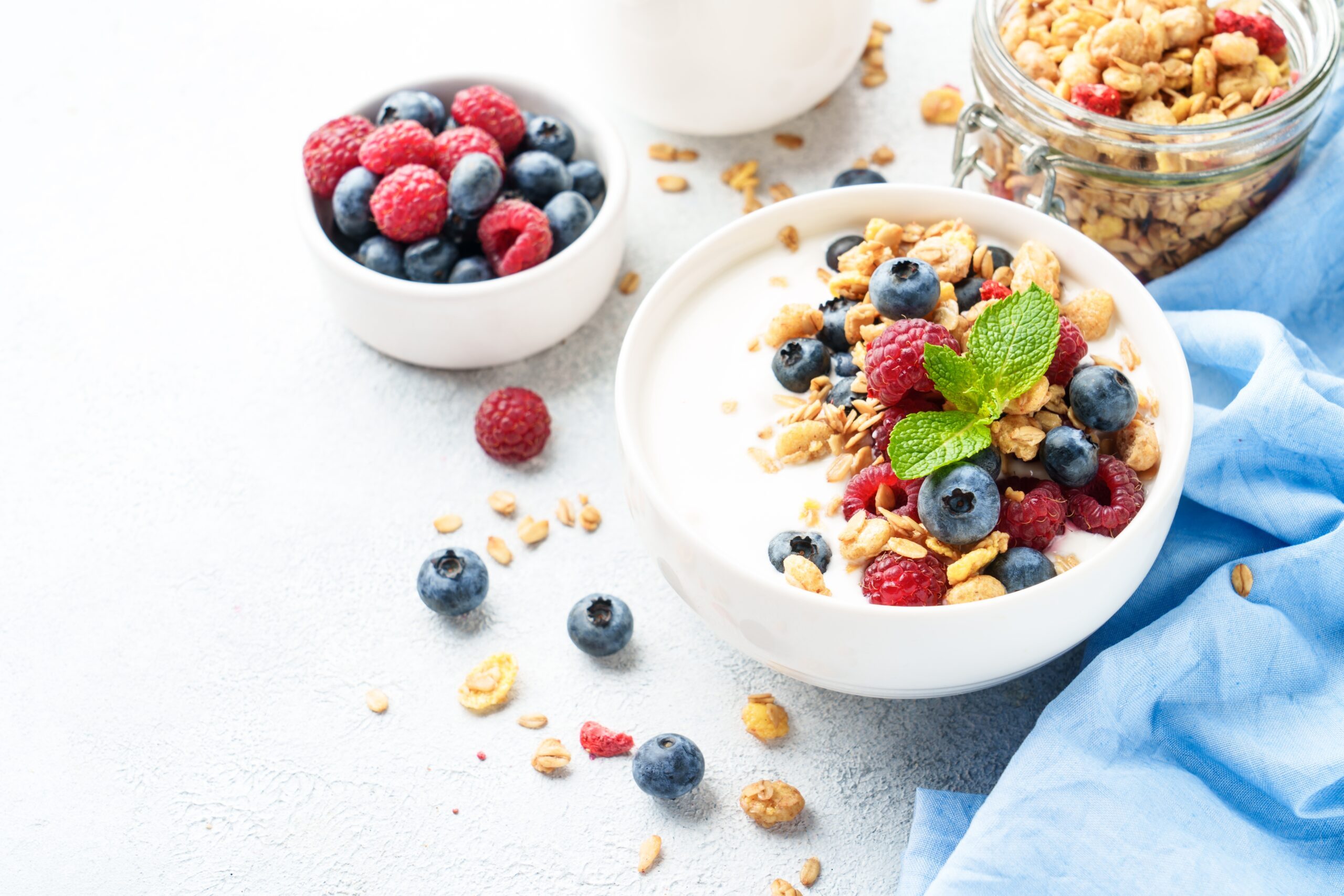
- High-protein snacks can improve fullness and reduce later food intake. (Nutrition Journal, 2014). In healthy women, a high-protein yogurt snack improved appetite control, increased satiety, and reduced food intake at the next meal compared with higher-fat snacks. This supports pairing rice cakes with protein-rich toppings rather than eating them plain.
- Protein is generally more filling than carbohydrates or fat. (American Journal of Clinical Nutrition, 2008). A review of the evidence concluded that protein promotes greater satiety than carbohydrates or fat and may help reduce overall energy intake. This helps explain why toppings such as cottage cheese, hummus, or smoked salmon make rice cakes more satisfying.
Editorial standards
At Noom, we’re committed to providing health information that’s grounded in reliable science and expert review. Our content is created with the support of qualified professionals and based on well-established research from trusted medical and scientific organizations. Learn more about the experts behind our content on our Health Expert Team page.