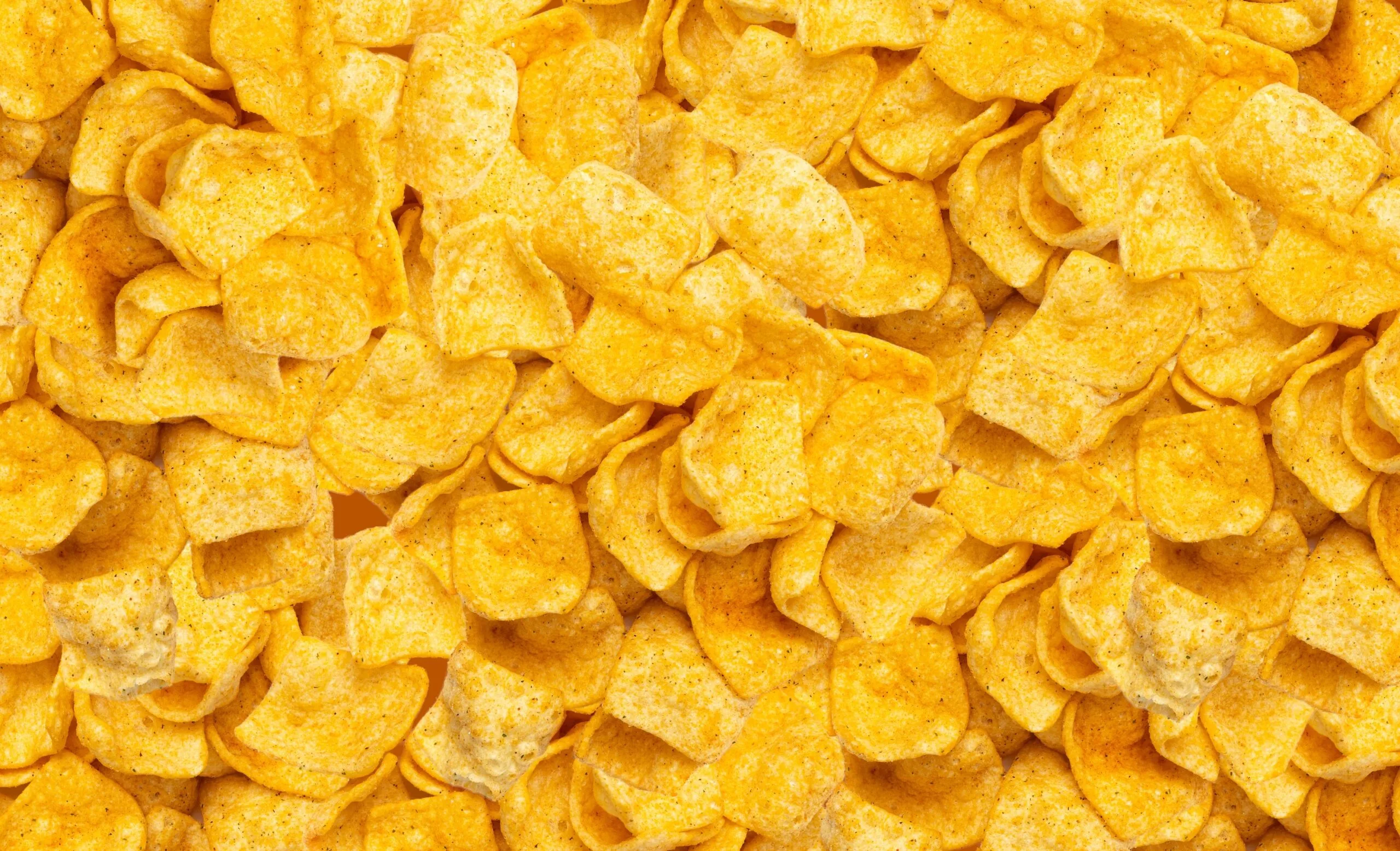
Chicken chips are a newer type of high-protein snack made primarily from chicken instead of potatoes or corn. Most are made by combining chicken breast (or, in some brands, chicken skin) with seasonings and other ingredients, then baking or frying the mixture until it’s crispy enough to eat like a chip.
Their rise reflects a broader shift in the snack aisle. As protein has become one of the most sought-after nutrients—driven by fitness culture, macro tracking, and more recently the popularity of GLP-1 medications—food companies have found ways to add it to nearly everything, from cereal and pasta to ice cream and even water. Chicken chips are one of the latest examples.
The idea seems to be to get the crunch of a chip while delivering around 10 to 14 grams of protein per serving instead of the 1 or 2 grams you’d get from most potato chips. For people trying to eat more protein—or looking for a snack that’s likely to be more filling—that’s an appealing trade.
But be aware that chicken chips vary by brand. Some are made with a short ingredient list centered on chicken breast, while others use chicken skin, added starches, flavorings, and higher amounts of sodium. Here’s what the nutrition actually looks like, and when chicken chips make sense as part of a weight-loss plan.
✅ Quick answer: Are chicken chips good for weight loss?
- Chicken chips can support weight loss when they’re used as a high-protein swap for traditional chips, not an unlimited snack. A one-ounce serving typically provides 10 to 13 grams of protein and just 6 to 8 grams of carbohydrates, making them more filling than many chips. The catch is that some brands are ultra-processed and high in sodium, and chicken chips shouldn’t replace fiber-rich foods like fruit, vegetables, or beans. Look for shorter ingredient lists, compare sodium levels, and keep portions in check.
🚀 Weight-loss benefits of chicken chips
- Chicken chips are high in protein for the calories. They typically provide 10 to 13 grams of protein for about 160 calories—far more protein than most potato, tortilla, or corn chips. Because protein is more filling than carbohydrates and has a higher thermic effect of food, a high-protein snack may help curb hunger and support calorie control.
- Chicken chips are lower in refined carbohydrates than traditional chips. Most contain about 6 to 8 grams of carbohydrates per serving, compared with roughly 14 to 16 grams in potato chips. For people following a lower-carb eating pattern or trying to prioritize protein, that can make them a more satisfying choice.
- Chicken chips can be a more filling swap for crunchy snacks. Replacing crackers, pretzels, or potato chips with chicken chips increases the protein in your snack without dramatically increasing calories. That extra protein may help you stay full longer and reduce the urge to keep snacking.
⚠️ Downsides of chicken chips to keep in mind
- Chicken chips can be high in sodium. A serving of flavored chicken chips often contains 250 to 350 milligrams of sodium, and it’s easy to eat more than one serving. If you have high blood pressure or are watching your sodium intake, compare labels and keep portions in check.
- Chicken chips can be ultra-processed. While some brands are made with just chicken breast and a handful of ingredients, others contain refined starches, flavorings, and additives to improve texture and shelf life. They’re best thought of as a convenient high-protein snack—not a replacement for whole foods like lean chicken, fruit, vegetables, or beans.
- Chicken chips may be fried instead of baked. Some brands use oil to achieve a crisp texture, which increases calories and fat without adding protein. If you’re eating chicken chips regularly, baked versions are generally the better everyday choice.
🥗 Nutrients in chicken chips (per 1 oz, about 20 chips)
| Nutrient | Amount | % RDA* |
|---|---|---|
| Calories | 160 calories | 8% |
| Protein | 12 g | 24% |
| Total carbs | 8 g | 3% |
| Fiber | 2 g | 7% |
| Sugars | 0 g | — |
| Total fat | 10 g | 13% |
| – Saturated fat | 1 g | 5% |
| – Monounsaturated fat | 5 g | — |
| – Polyunsaturated fat | 3 g | — |
| Omega-3 | 0.1 g | — |
| Omega-6 | 2.8 g | — |
*Recommended dietary allowance (RDA) is defined as the average daily amount of nutrients needed to meet the requirements of nearly all healthy people in a specific group.
Protein is what sets chicken chips apart. With about 12 grams of protein in a 160-calorie serving, they deliver far more protein than traditional chips and can help make a snack more filling. While one serving isn’t enough to maximize the appetite benefits of protein on its own, it can contribute meaningfully toward your daily protein goal.
Where chicken chips fall short is fiber and micronutrients. Even brands with 2 grams of fiber provide much less than fruits, vegetables, beans, or whole grains, and they’re not a significant source of most vitamins or minerals. Think of chicken chips as a convenient way to add protein—not as a replacement for nutrient-dense whole foods. Pairing them with produce, such as sliced vegetables or fruit, can help create a more balanced snack.
💊 Vitamins & minerals in chicken chips (per 1 oz, about 20 chips)
| Vitamin/Mineral | Amount | % RDA* |
|---|---|---|
| Sodium | 300 mg | 13% |
| Selenium | 8 mcg | 15% |
| Niacin (B3) | 2 mg | 13% |
| Vitamin B6 | 0.2 mg | 12% |
| Phosphorus | 90 mg | 7% |
| Potassium | 170 mg | 4% |
| Iron | 0.5 mg | 3% |
*Values are approximate and vary by brand and flavor; percentages reflect FDA Daily Values.
Chicken chips retain some of the nutrients found in chicken breast. They’re a modest source of selenium, niacin (vitamin B3), and vitamin B6, which support thyroid function, energy metabolism, and protein metabolism. While these nutrients are a nice bonus, the amounts aren’t high enough to make chicken chips a major source of vitamins or minerals.
Sodium is the nutrient to pay the most attention to. A one-ounce serving often contains around 300 milligrams, and it’s easy to eat more than one serving. If you’re snacking on chicken chips regularly or already eat other packaged foods, comparing sodium levels between brands is worthwhile.
🔍 Chicken chips nutrition breakdown
Glycemic index (GI) of chicken chips
Glycemic index: 15 (Low)
💡 With minimal sugar and a protein-and-fat base, chicken chips have little effect on blood sugar on their own, though pairing them with a high-carb food will change that.
Are chicken chips high in protein?
✔️ Generally, yes. Most chicken chips provide about 10 to 14 grams of protein per one-ounce serving, making them one of the highest-protein options in the chip aisle. In most brands, that protein comes primarily from real chicken, though the exact amount varies.
Are chicken chips high in fiber?
❌ Generally, no. Most brands contain 0 to 2 grams of fiber per serving, so they’re not a meaningful source of fiber.
💡 Pair chicken chips with raw vegetables, fruit, or another fiber-rich food to make your snack more balanced.
Are chicken chips low in carbs?
✔️ Usually. Depending on the brand, chicken chips contain anywhere from about 0 to 8 grams of carbohydrates per serving. Brands made mostly from chicken tend to be lower in carbs, while those made with added starches are higher.
💡 If you’re following a lower-carb eating pattern, compare labels, as carb content can vary considerably from one brand to another.
Are chicken chips gluten-free?
✔️ Many are, but not all. Most chicken chips are made without wheat and use ingredients like tapioca starch instead of flour, but flavored varieties may contain gluten-containing ingredients or be produced on shared equipment. If you have Celiac disease or a gluten sensitivity, always look for a certified gluten-free label or check the ingredient list.
Are chicken chips good for fat loss?
✔️ They can be. Chicken chips are high in protein, which may help keep you full and make it easier to stick to a calorie deficit. But they’re still a packaged snack, and some brands are high in sodium or ultra-processed. They work best as an occasional high-protein swap for traditional chips—not as a replacement for whole foods like lean chicken, fruit, vegetables, or beans.
🍽️ Diet compatibility: Which diets include chicken chips?
| Diet | ✅ / ❌ | Why |
|---|---|---|
| Keto | ✅ | Most chicken chips are low in carbohydrates and high in protein, making them compatible with many keto eating plans. |
| Paleo | ⚠️ | Some brands may fit, but many contain added starches, flavorings, or other processed ingredients that don’t align with a strict paleo approach. |
| Mediterranean | ⚠️ | They can fit occasionally, but the Mediterranean diet emphasizes minimally processed foods, legumes, nuts, seafood, and olive oil over packaged snacks. |
| Vegan | ❌ | Chicken chips are made from chicken and may also contain egg whites. |
| Gluten-free | ⚠️ | Many brands are gluten-free, but not all. Check the label or look for certified gluten-free if you have celiac disease or gluten sensitivity. |
Chicken chips fit best into higher-protein and lower-carb eating patterns, where they can be a convenient alternative to traditional chips. They’re less of a natural fit for diets that emphasize whole, minimally processed foods, such as the Mediterranean and paleo diets, though they can still have an occasional place depending on the brand and your overall eating pattern. If you’re following a specific diet, check the ingredient list—seasonings and binders can change whether a particular product fits your goals.
🌟 Are chicken chips healthy? What are the health benefits?
Metabolic health: Are chicken chips good for your metabolism?
- Boost metabolism? ⚪ Slightly. Like other high-protein foods, chicken chips have a higher thermic effect than carbohydrates or fat, meaning your body uses a bit more energy to digest them. The effect is real but modest and isn’t enough to noticeably increase your metabolism on its own.
- Improve insulin sensitivity? ⚪ No clear evidence. Chicken chips aren’t known to improve insulin sensitivity. Their higher protein and lower carbohydrate content may produce a smaller blood sugar rise than traditional chips, but they shouldn’t be viewed as a food that improves metabolic health.
- Support fat loss? ⚪ Potentially. Their high protein content may help increase fullness, making it easier to eat fewer calories overall. However, fat loss still depends on maintaining a calorie deficit, and chicken chips are best used as a replacement for less-filling snacks rather than an addition to your diet.
Cholesterol impact: Do chicken chips affect cholesterol levels?
- Lower LDL (“bad”) cholesterol? ❌ No. Chicken chips don’t provide the soluble fiber or plant sterols that are known to help lower LDL cholesterol.
- Raise HDL (“good”) cholesterol? ❌ No. There’s no evidence that eating chicken chips increases HDL cholesterol.
- Overall impact on heart health? ⚪ Depends on the brand. Chicken chips aren’t a heart-health food, but they’re not necessarily harmful when eaten occasionally. Some brands are high in sodium, saturated fat, or are fried, making them less ideal as an everyday snack. Leaner, baked varieties with shorter ingredient lists are generally the better choice.
Can you eat chicken chips in a calorie deficit?
✔️ Yes. Chicken chips can fit into a calorie deficit, especially if they’re replacing traditional chips or another less-filling snack. Their protein content may help keep you satisfied between meals, but calories still count. Since they’re easy to overeat, portion out a serving instead of eating straight from the bag.
💡 Pair them with fruit or raw vegetables for extra fiber and a more satisfying snack.
Are chicken chips rich in antioxidants?
❌ No. Chicken chips aren’t a meaningful source of antioxidants. If you want to boost the nutritional quality of your snack, pair them with antioxidant-rich foods like berries, bell peppers, carrots, or other colorful fruits and vegetables.
Do chicken chips support gut health?
❌ Not really. Most chicken chips contain little to no fiber, so they don’t provide much of the prebiotic fuel that supports a healthy gut microbiome.
💡 Pair them with fiber-rich foods like vegetables, fruit, or beans to create a more gut-friendly snack.
Do chicken chips support digestion?
⚪ Not significantly. The protein may help you feel full longer, but chicken chips are low in fiber, so they don’t provide the digestive benefits or support regularity the way fruits, vegetables, beans, or whole grains do.
Do chicken chips help you feel satiated and less hungry?
✔️ Yes. Their high protein content makes chicken chips more filling than traditional chips, which may help reduce hunger between meals. That said, they’re unlikely to be as satisfying as a meal built around lean chicken or another whole-food protein, especially when paired with fiber-rich foods like vegetables or beans.
💡 For a more filling snack, pair chicken chips with fruit or raw vegetables.
Do chicken chips help with nighttime cravings?
⚪ Maybe. Their protein content may make them more satisfying than traditional chips, but they won’t stop cravings that are driven by habit or emotions rather than hunger.
Do chicken chips help reduce inflammation?
❌ No. Chicken chips aren’t a meaningful source of anti-inflammatory nutrients. While an occasional serving isn’t likely to affect inflammation one way or the other, they’re not a substitute for foods consistently linked to lower inflammation, such as fatty fish, nuts, berries, olive oil, and colorful vegetables.
Are chicken chips beneficial for brain health?
⚪ Not particularly. Chicken chips provide a small amount of vitamin B6, which supports normal brain function, but they’re not a significant source of nutrients more closely linked to brain health, such as omega-3 fatty acids or antioxidants.
Can chicken chips improve skin and hair health?
⚪ Not significantly. Chicken chips provide protein, which is important for healthy skin and hair, but one snack isn’t enough to meaningfully affect their appearance. Overall diet—including adequate protein, vitamins, minerals, and healthy fats—matters much more.
Can chicken chips help balance hormones?
❌ No. Chicken chips aren’t known to influence hormone balance. Like other protein-rich foods, they may help support fullness by affecting appetite hormones, but they don’t have unique hormone-balancing properties.
💡 Hormone health depends on many factors—including age, genetics, sleep, stress, physical activity, medical conditions, and your overall diet—not any single food or snack.
🍽️ Best ways to eat chicken chips for weight loss
- Stick to one serving. Chicken chips are easy to eat by the handful, so portion out a serving instead of eating straight from the bag.
- Use them as a swap, not an extra snack. They’re most helpful for weight loss when they replace traditional chips, crackers, or pretzels—not when they’re added on top of your usual snacks.
- Compare brands before you buy. Protein, sodium, calories, and ingredient lists vary widely. Look for options with more protein, less sodium, shorter ingredient lists, and baked rather than fried preparation when possible.
🏷️ Popular chicken chips brands: Compared
The nutrition depends on both the part of the chicken used and the rest of the ingredient list. Brands made with chicken breast tend to be leaner, while those made with chicken skin are usually higher in fat. Added starches, coatings, and seasonings can also increase carbohydrates, calories, and sodium.
| Brand | Main ingredients | Calories | Protein | Carbs | Fat | Sodium |
|---|---|---|---|---|---|---|
| Wilde | Chicken breast, tapioca starch, egg whites, high-oleic sunflower oil, chicken bone broth, sea salt | 160 | 13 g | 8 g | 10 g | 300 mg |
| Flock | Chicken skin, sunflower oil*, salt | 180 | 13 g | 1 g | 14 g | 200 mg |
| Howard’s | Chicken skin, rice flour, soybean/canola oil, seasoned coating (salt, sugar, spices, MSG, onion, garlic) | 210 | 15 g | 8 g | 12 g | 430 mg |
Wilde’s chips are made primarily from chicken breast with tapioca starch and egg whites, making them the leanest option of the three while also giving them the highest carbohydrate content. Flock keeps its ingredient list the shortest, relying mostly on chicken skin and salt, which results in very few carbs but more fat. Howard’s also starts with chicken skin but adds a seasoned rice flour coating before frying, making it the highest in protein, calories, and sodium.
There’s no single “best” chicken chip. If you prefer a leaner, chicken breast-based snack, Wilde may be the better fit. If you’re looking for the shortest ingredient list and the fewest carbs, Flock stands out. If protein is your top priority, Howard’s provides the most per serving—but it also comes with the highest sodium content. Since nutrition varies by flavor, it’s always worth comparing both the ingredient list and Nutrition Facts panel before you buy.
Access GLP-1 Weight Loss with Noom
Explore a wide range of prescription medications supported by Noom’s program.Microdose GLP-1rx
Noom GLP-1rx
Noom GLP-1rx Plus
Wegovy®
Ozempic®

Metformin

Zepbound®
Mounjaro®
Liraglutide

🍏 Chicken chips vs. other snacks: best alternatives & comparisons (per 1 oz)
| Food | Calories | Carbs | Fiber | Protein | Fat |
|---|---|---|---|---|---|
| Chicken chips | 160 | 8 g | 2 g | 12 g | 10 g |
| Potato chips | 150 | 15 g | 1 g | 2 g | 10 g |
| Turkey jerky | 80 | 3 g | 0 g | 13 g | 1 g |
| Roasted chickpeas | 120 | 16 g | 5 g | 6 g | 4 g |
| Edamame chips | 130 | 11 g | 5 g | 9 g | 6 g |
Each of these snacks has a different nutritional strength. Chicken chips are among the highest in protein, making them more filling than potato chips and many other crunchy snacks. Turkey jerky provides even more protein with fewer calories and less fat, while roasted chickpeas and edamame chips offer less protein but substantially more fiber.
The best choice depends on what you’re looking for. If your priority is protein, chicken chips and turkey jerky are strong options. If you’re trying to eat more fiber, roasted chickpeas and edamame chips have the advantage. Traditional potato chips remain the lowest in protein and fiber, making them the least filling choice for most people.
FAQs about chicken chips and weight loss
How many chicken chips should I eat in one sitting?
A serving is typically about 1 ounce, though the exact amount varies by brand. Since many bags contain two or more servings, it’s easy to eat more than you intended. Portioning out a serving before you start can help.
Are chicken chips a good pre-workout snack?
They can work, but they’re not ideal. Chicken chips provide protein, but they’re relatively low in carbohydrates, which are your body’s preferred fuel for exercise. If you’re eating before a workout, pairing them with a carbohydrate-rich food may be a better option.
Are chicken chips ultra-processed?
Some are. It depends on the brand and ingredients. Chicken chips made with longer ingredient lists, added starches, and flavorings are more likely to be considered ultra-processed than those made with just a few recognizable ingredients.
Can I eat chicken chips every day and still lose weight?
You can, as long as they fit into your overall calorie needs. That said, variety matters. Rotating in whole-food protein sources like chicken, eggs, Greek yogurt, beans, and fish helps you get a wider range of nutrients.
Are chicken chips healthier than pork rinds?
It depends on the product. Chicken breast-based chips are often leaner, while chicken skin chips are more similar to pork rinds in calories and fat. Comparing the different products is the best way to see how they stack up.
Do chicken chips spike blood sugar?
Because most chicken chips are relatively low in carbohydrates, they’re unlikely to raise blood sugar as much as traditional potato chips. The overall effect depends on the brand and what you eat with them.
Are chicken chips safe for people with high blood pressure?
They can fit into your diet, but sodium is something to watch. If you have high blood pressure or are limiting sodium, compare brands and pay attention to serving sizes.
Can kids eat chicken chips as a protein snack?
They can, but they’re best viewed as an occasional convenience food rather than an everyday staple. For most kids, whole-food protein sources like chicken, eggs, yogurt, beans, and cheese provide more nutrition with less sodium.
🧠 The bottom line: Chicken chips might support weight loss—depending on what they’re replacing
Chicken chips can be a smart option if you’re looking for a more filling alternative to traditional chips. Their high protein content may help curb hunger between meals, making them a useful swap for lower-protein snacks like potato chips, crackers, or pretzels.
That said, they’re still a packaged snack. Depending on the brand, they may be high in sodium, contain refined starches or other additives, and provide little fiber or few vitamins and minerals. They’re best thought of as a convenient source of protein—not a replacement for whole foods like lean chicken, beans, fruit, or vegetables.
If chicken chips fit your budget, preferences, and nutrition goals, look for brands with shorter ingredient lists, moderate sodium, and baking instead of frying when possible. As with any snack, portion size matters, and the biggest benefit comes when chicken chips replace a less satisfying option rather than simply adding more calories to your day.
📖 Scientific evidence
- Eating more protein may support weight loss. (Nutrients, 2021) A meta-analysis of 37 randomized controlled trials found that people following higher-protein diets lost about 3.5 pounds more, on average, than those eating lower-protein diets. Protein-rich foods and snacks may help by increasing fullness, but they’re most effective when they fit into an overall balanced eating pattern and calorie deficit.
- Eating a more ultra-processed diet was associated with higher calorie intake than a minimally processed diet. (Cell Metabolism, 2019) In this tightly controlled study, participants gained weight on the ultra-processed diet and lost weight on the minimally processed diet. For chicken chips, that means the recipe matters—brands with shorter ingredient lists and fewer additives may be a better everyday choice than more heavily processed versions.
- Protein is generally more filling than carbohydrates or fat. (Journal of the American College of Nutrition, 2004) A review of several trials found that higher-protein meals increased thermogenesis and feelings of fullness. That’s one reason a protein-rich snack like chicken chips may help curb hunger better than a traditional potato chip.
- Protein requires more energy to digest than carbohydrates or fat. (Nutrition & Metabolism, 2004) This review found that digesting and metabolizing protein requires more energy than digesting carbohydrates or fat. It also concluded that protein’s higher thermic effect and greater ability to promote fullness may support weight management. The review evaluated protein as a nutrient—not newer foods like chicken chips—so these findings don’t mean chicken chips themselves have been directly studied.
Editorial standards
At Noom, we’re committed to providing health information that’s grounded in reliable science and expert review. Our content is created with the support of qualified professionals and based on well-established research from trusted medical and scientific organizations. Learn more about the experts behind our content on our Health Expert Team page.