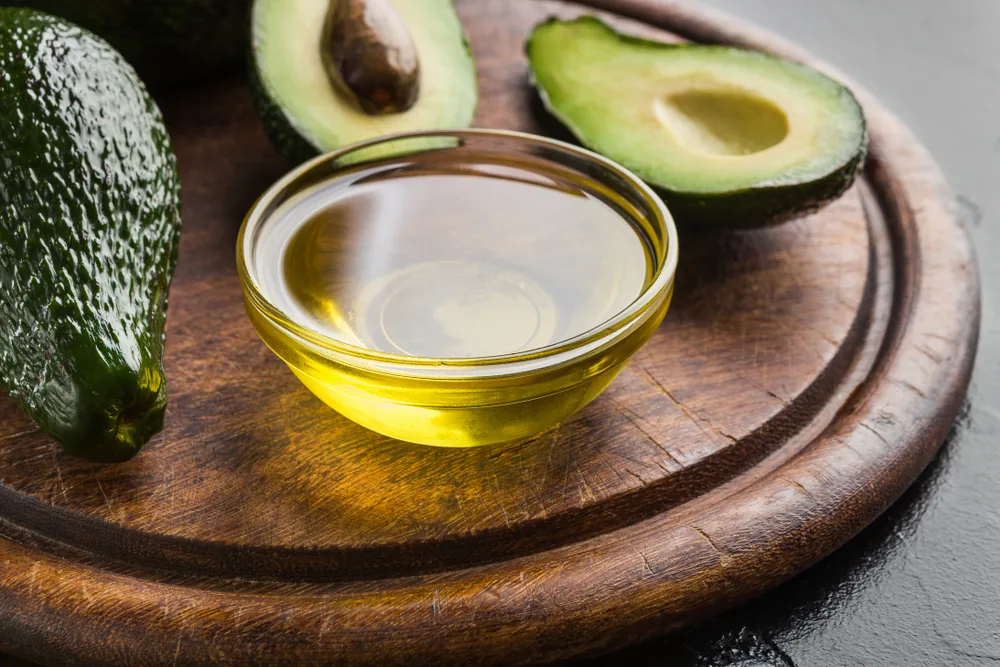
Avocado oil has become a top pick for health-conscious eaters. It has a neutral flavor, handles high heat better than almost any other cooking oil, and comes from a fruit that’s associated with healthy fat.
That last part tends to trip people up. “Healthy fat” is one of those phrases that sounds reassuring until you’re actively trying to lose weight, at which point it starts to feel like a contradiction.
Here’s the thing: all oils sit around 120 calories per tablespoon, and avocado oil is no exception. But fat isn’t just calories—it slows digestion, which means food stays with you longer and you’re less likely to be hungry again an hour later.
Its value isn’t in eating more of it—it’s in what happens when it replaces less-healthy fats in your cooking, and how a little of it can make a meal genuinely satisfying instead of just technically filling. The right fat can also support cholesterol levels, improve insulin sensitivity, and help your body absorb nutrients from everything else on your plate.
The short version: avocado oil is about 70% monounsaturated fat, mostly oleic acid—the same compound behind olive oil’s heart-health reputation. It also delivers a solid dose of vitamin E. It won’t move the scale on its own, but as part of a calorie-aware diet, it’s one of the better fat choices you can make.

The Easy Way
to lose weight and get healthy.
See if you qualify
Here’s a closer look at what’s actually in it, what the research says, and how to get the most out of it in your kitchen.
✅ Quick answer
Yes, avocado oil can be part of a healthy weight loss plan, because it’s rich in oleic acid, a monounsaturated fat linked to reduced abdominal fat, better insulin sensitivity, and lower inflammation. The catch is that avocado oil is still about 120 calories per tablespoon, so it only helps your weight loss goals when used in measured amounts as a replacement for less-healthy fats—not adding extra calories on top of what you’re already eating.
🚀 Weight-loss benefits
- Avocado oil is rich in the kind of fats linked to better metabolic health – Research suggests that replacing some saturated fats and heavily processed oils with more monounsaturated fats—like the kind found in avocado oil—may help support better metabolic health and reductions in abdominal fat over time.
- Avocado oil may support steadier blood sugar and insulin function – While research specifically on avocado oil is still developing, diets rich in monounsaturated fats are consistently linked to better insulin sensitivity and metabolic health. That’s one reason avocado oil is often viewed as a more supportive choice than heavily refined oils or large amounts of saturated fat.
- Avocado oil can help your body absorb more nutrients from vegetables – Your body needs some fat to absorb nutrients like vitamins A, D, E, and K, along with antioxidants found in colorful produce. Adding avocado oil to salads or roasted vegetables can help your body better absorb those nutrients while also making meals feel more satisfying.
⚠️ Things to be mindful of:
- Avocado oil is very calorie-dense – At about 124 calories per tablespoon, it’s easy to pour far more than you realize. Two or three casual pours can quickly add a few hundred extra calories to a meal, which matters if you’re trying to maintain a calorie deficit for weight loss.
- Avocado oil doesn’t contain the fiber of whole avocados – Unlike an actual avocado, avocado oil is almost entirely fat. It doesn’t provide the fiber, bulk, or staying power that helps keep you full, so it works best as part of a balanced meal rather than something relied on for satiety by itself.
- Avocado oil quality can vary a lot between brands – Some research has found that certain avocado oils sold in stores were rancid or mixed with cheaper oils. Looking for cold-pressed or extra virgin avocado oil from a reputable brand can help improve the chances you’re getting a fresher, higher-quality product.
🥗 Nutrients in avocado oil (per 1 tablespoon / 14g)
One tablespoon of avocado oil is 100% fat—there’s no protein, carbohydrate, or fiber, which is true of any refined cooking oil. What sets avocado oil apart is the quality of that fat. Nearly 10 of the 14 grams per tablespoon are monounsaturated, mostly oleic acid—the same heart-healthy fatty acid that anchors the Mediterranean diet. Saturated fat sits at just 1.6 grams per tablespoon, well below butter (roughly 7 grams) or coconut oil (about 11 grams).
| Nutrient | Amount | % RDA* |
|---|---|---|
| Calories | 124 calories | 6% |
| Protein | 0 g | 0% |
| Total carbs | 0 g | 0% |
| Fiber | 0 g | 0% |
| Sugars | 0 g | — |
| Total fat | 14 g | 18% |
| – Saturated fat | 1.6 g | 8% |
| – Monounsaturated fat | 9.9 g | — |
| – Polyunsaturated fat | 1.9 g | — |
| Omega-3 | 0.13 g | — |
| Omega-6 | 1.75 g | — |
*Recommended dietary allowance (RDA) is defined as the average daily amount of nutrients needed to meet the requirements of nearly all healthy people in a specific group.
One tablespoon of avocado oil is essentially pure fat, which is true of any cooking oil. There’s no protein, carbohydrate, or fiber here. What makes avocado oil stand out is the type of fat it contains.
Most of the fat in avocado oil is monounsaturated fat, especially oleic acid—the same type of fat strongly associated with Mediterranean-style eating patterns and better heart health. Nearly 10 of the 14 grams of fat per tablespoon come from monounsaturated fat, while saturated fat stays relatively low at about 1.6 grams. For comparison, butter contains roughly 7 grams of saturated fat per tablespoon, while coconut oil contains around 11 grams.
Another reason avocado oil gets attention is its relatively moderate omega-6 content compared to many refined seed oils. At about 1.75 grams per tablespoon, it contains far less omega-6 than oils like soybean, corn, or sunflower oil.
That doesn’t mean omega-6 fats are “bad”—they’re essential fats your body needs. But many modern diets skew heavily toward omega-6 while being relatively low in omega-3 fats from foods like salmon, sardines, walnuts, and flaxseed. Over time, researchers believe that an imbalance may contribute to inflammation and poorer metabolic health in some people.
💊 Vitamins & minerals in avocado oil (per 1 tablespoon / 14g)
| Vitamin/Mineral | Amount | % RDA* |
|---|---|---|
| Vitamin E | 1.7 mg | 11% |
| Vitamin K | 3.5 µg | 3% |
Avocado oil is not a major source of vitamins and minerals, which is pretty typical for a refined oil. You’re not getting the fiber, potassium, folate, or broad nutrient package you’d get from eating a whole avocado.

See if your insurance
covers GLP-1s.
The form only takes 2 minutes to answer. We’ll handle the rest.
GET STARTEDWhat avocado oil does provide in meaningful amounts is vitamin E, an antioxidant that helps protect cells from oxidative stress and supports immune function and skin health. At about 11% of your daily needs per tablespoon, it’s a nice added benefit from a cooking fat, even if it’s not a nutritional powerhouse on its own.
That said, if your goal is maximizing overall nutrient density and fullness, whole avocados still offer much more nutritionally. The oil works best as a supporting ingredient rather than a replacement for whole foods.
🔍 Nutrient breakdown
Glycemic index (GI) of avocado oil
Glycemic index: 0 (none – avocado oil contains no carbohydrates)
💡 Tip: Pure fat doesn’t raise blood sugar on its own, but using avocado oil in a meal can help slow carbohydrate absorption, which may take the edge off blood sugar spikes from other foods on your plate—a useful effect if you’re managing energy levels throughout the day.
Is avocado oil high in protein?
❌ No – avocado oil contains 0g of protein per tablespoon.
Better protein alternatives: Grilled chicken | Greek yogurt | Eggs
Is avocado oil high in fiber?
❌ No – avocado oil has 0g of fiber per tablespoon.
💡 Tip: If you’re drawn to avocado for its nutrition, consider eating the whole fruit a few times a week—it delivers about 7 grams of fiber per half fruit that the oil simply cannot.
Is avocado oil low in carbs?
✔️ Yes – avocado oil has 0g of carbs per tablespoon.
💡 Tip: Because it has one of the highest smoke points of any cooking oil (around 480–520°F), avocado oil is a particularly practical choice for high-heat cooking on a low-carb or ketogenic diet.
Is avocado oil gluten-free?
✔️ Yes – avocado oil is pressed from avocado fruit pulp and contains no gluten-containing grains. People with celiac disease should verify it was processed in a dedicated gluten-free facility, as cross-contamination varies by brand.
Is avocado oil good for fat loss?
✔️ Yes, with context – avocado oil is a reasonable fat choice for a fat-loss diet due to its high monounsaturated fat content and potential to support insulin sensitivity and reduce inflammation—when used to replace less-healthy fats rather than layer on top of them. It’s a quality upgrade, not a shortcut.
🍽️ Diet compatibility: Which diets include avocado oil?
| Diet | ✅/❌ | Why |
|---|---|---|
| Keto | ✅ | 100% fat with zero carbohydrates, and a very high smoke point for high-heat cooking common in keto meal prep. |
| Paleo | ✅ | Cold-pressed from a whole fruit, consistent with paleo’s emphasis on minimally processed foods. Free of grains, legumes, and dairy. |
| Mediterranean | ✅ | Avocado oil’s oleic acid profile closely mirrors olive oil—the Mediterranean diet’s defining fat. Works well as a substitute at higher heat where extra virgin olive oil can degrade. |
| Vegan | ✅ | Entirely plant-derived. Works well as a neutral cooking fat, in dressings, and as a butter substitute in baked goods. |
| Gluten-free | ✅ | Naturally free of gluten-containing grains. Safe for people with celiac disease or gluten sensitivity—worth checking the label if you’re highly sensitive. |
Avocado oil is one of the most diet-compatible cooking fats available. It fits cleanly into virtually every major eating pattern without special workarounds. Where some oils are limited to low-heat applications or bring strong flavors that clash with certain dishes, avocado oil is neutral in taste and stable at high temperatures—one bottle covers everything from a morning egg scramble to a high-heat roast.
🌟 Is avocado oil healthy? What are the health benefits?
Metabolic health: Is avocado oil good for your metabolism?
- Boosts metabolism? ⚠️ Neutral – No single oil meaningfully boosts metabolism, and avocado oil is no exception. What it may do is support better overall metabolic function over time by reducing systemic inflammation, which is linked to impaired metabolism and insulin resistance.
- Improves insulin sensitivity? ✔️ Possibly – Animal studies found that avocado oil supplementation improved insulin sensitivity and reduced liver fat accumulation in diet-induced obese subjects. The mechanism is thought to involve oleic acid’s ability to reduce inflammatory compounds in fat tissue. Human clinical trials specifically on avocado oil are still limited.
- Effect on fat storage? Positive – Diets high in oleic acid have been associated with reduced abdominal fat in research. The benefit appears to come from improved insulin sensitivity and reduced inflammation rather than any direct fat-burning effect.
Cholesterol impact: Does avocado oil affect cholesterol levels?
- Does it lower LDL (bad) cholesterol? ✔️ Possibly – Animal research found that avocado oil significantly reduced LDL cholesterol and triglyceride levels, producing results comparable to olive oil. The mechanism is oleic acid’s well-established ability to lower LDL when it replaces saturated fat in the diet.
- Does it raise HDL (good) cholesterol? ✔️ Possibly – Some research on monounsaturated-fat-rich diets suggests a neutral-to-favorable effect on HDL. Dedicated human trials on avocado oil specifically are still limited.
- Overall impact on heart health? Favorable – Avocado oil’s fat profile aligns with what the American Heart Association recommends: replacing saturated fat with monounsaturated fat as a practical way to lower cardiovascular risk.
💡 Tip: The cholesterol benefit comes from using avocado oil as a replacement for butter or saturated fat—not from adding more fat overall. The swap, not the addition, is where the cardiovascular benefit lives.
Can I eat avocado oil in a calorie deficit?
✔️ Yes, with awareness: Avocado oil can fit into a calorie deficit—but at 124 calories per tablespoon, it requires the same mindfulness as any other fat. One tablespoon is a practical serving.
💡 Tip: Measure your oil with a spoon rather than pouring from the bottle. It’s one of the simplest habits that makes a consistent difference.
Is avocado oil rich in antioxidants?
✔️ Yes: Avocado oil contains vitamin E, lutein (a carotenoid with eye-health benefits), and phytosterols, including beta-sitosterol, which may help reduce cholesterol absorption in the gut. Together, these compounds help protect cells from oxidative stress.
Does avocado oil support gut health?
⚠️ Limited: There’s no strong direct evidence that avocado oil significantly improves the gut microbiome. Fat is absorbed in the small intestine before reaching the colon, where most microbiome activity happens. That said, avocado oil is well-tolerated and free of common gut irritants.
Does avocado oil support digestion?
Positive: Fat is essential for the absorption of fat-soluble vitamins (A, D, E, and K) and carotenoids. Using avocado oil in a meal that includes colorful vegetables significantly increases how much nutrition your body actually extracts from those foods—a real benefit that often gets overlooked.
Does avocado oil help you feel satiated and less hungry?
Moderate: Fat slows gastric emptying, keeping food in your stomach longer and extending fullness after a meal. Avocado oil contributes to this effect, though per calorie, it’s less filling than protein or fiber.
Access GLP-1 Weight Loss with Noom
Explore a wide range of prescription medications supported by Noom’s program.Microdose GLP-1rx
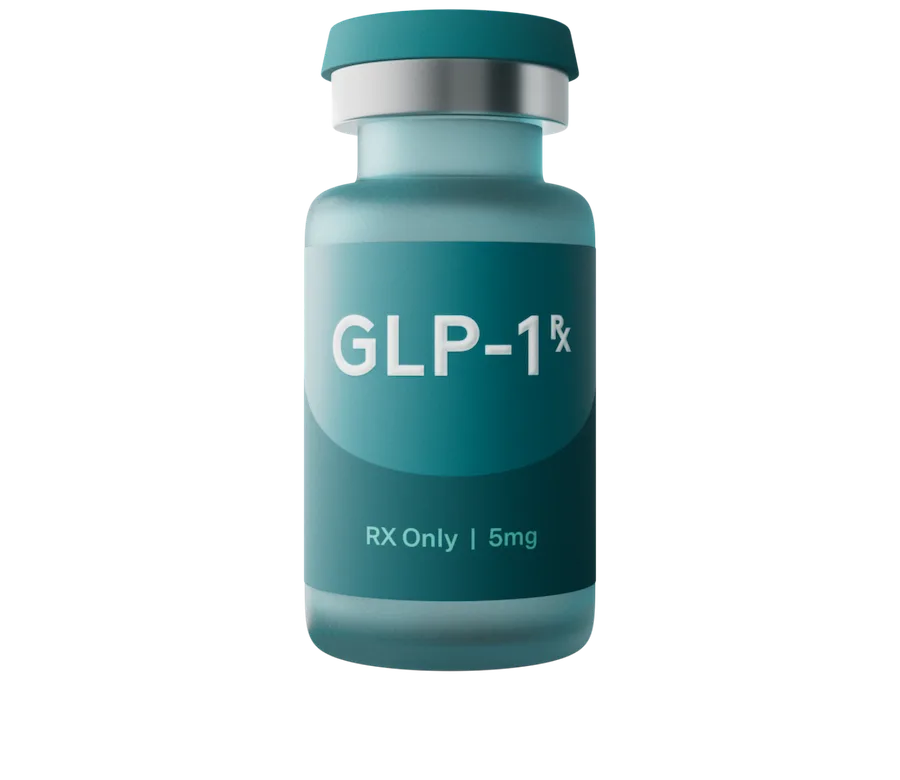
Noom GLP-1rx
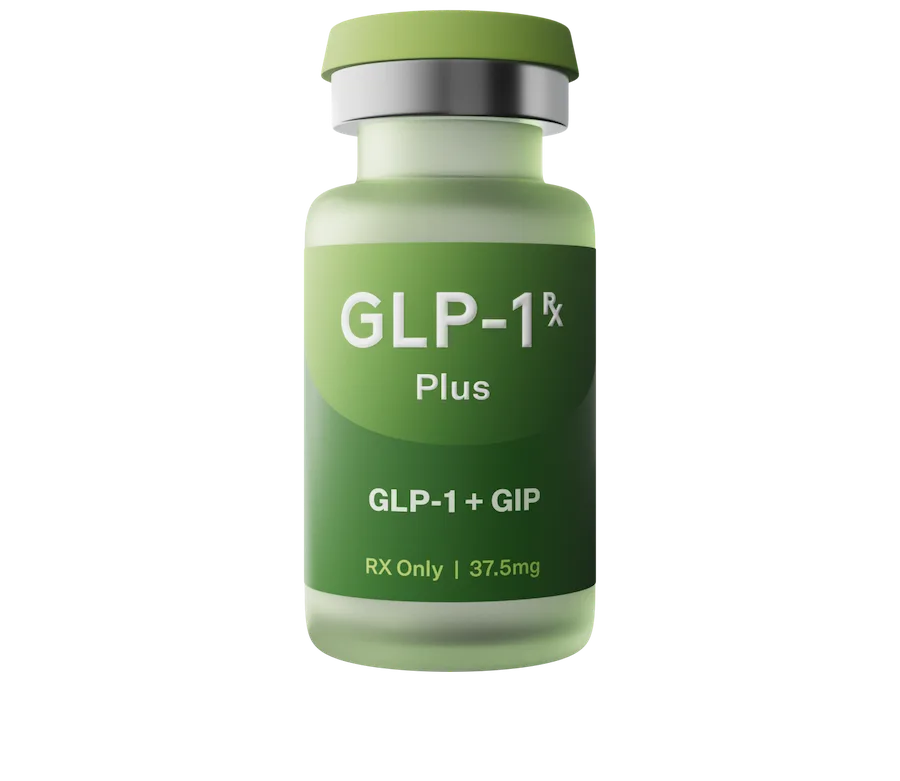
Noom GLP-1rx Plus
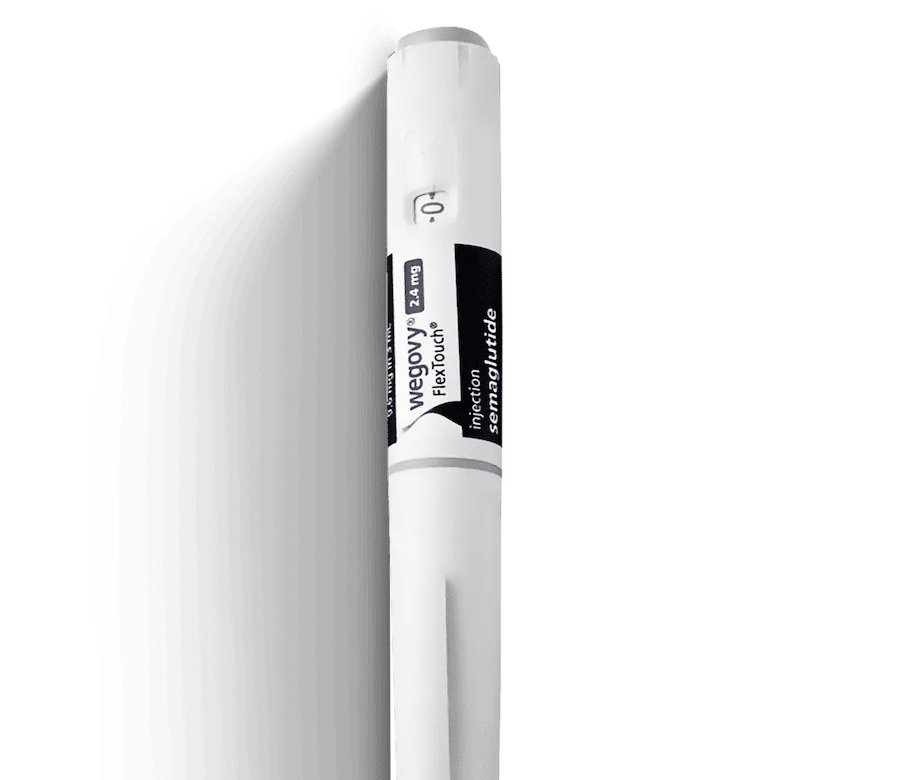
Wegovy®
Ozempic®

Metformin

Zepbound®
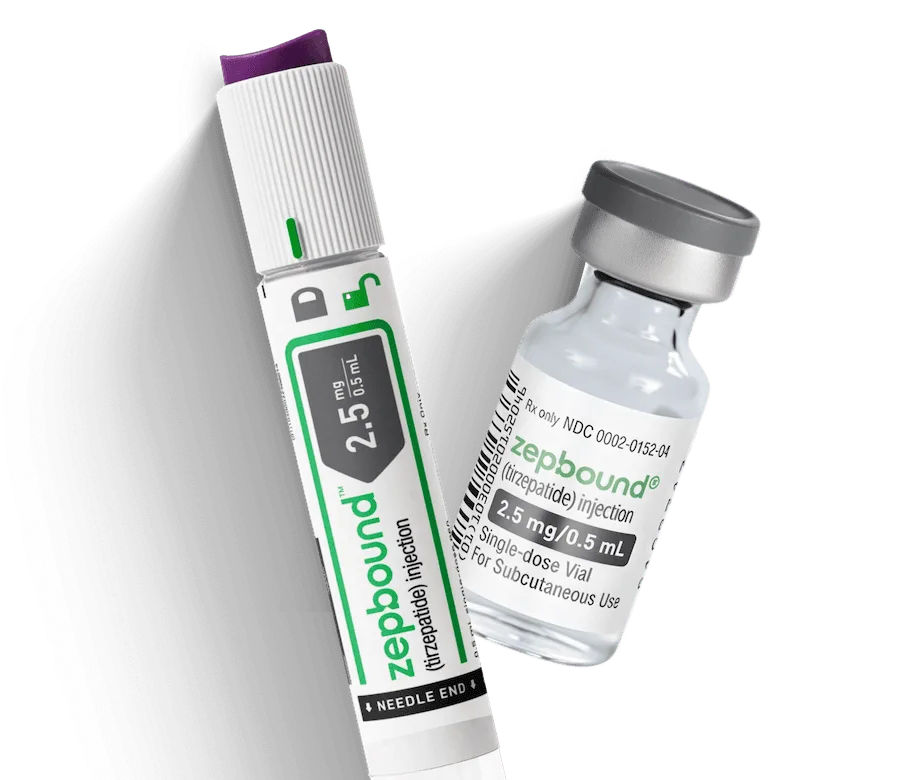
Mounjaro®
Liraglutide
Satiety level: Moderate
💡 Tip: For the most hunger-controlling meal, combine avocado oil with a lean protein and high-fiber vegetables—that combination is the most effective trio for managing appetite.
Does avocado oil help with nighttime cravings?
✔️ Possibly: Including healthy fats at dinner may help stabilize blood sugar overnight, which can reduce late-night hunger. This effect is most reliably achieved through a balanced, satiating dinner overall rather than any single ingredient.
💡 Tip: If nighttime cravings are a pattern, focus on building a dinner with adequate protein, fiber-rich vegetables, and a moderate fat source—avocado oil fits that last piece well. Link to Noom’s approach to building sustainable habits.
Does avocado oil help reduce inflammation?
✔️ Yes: Oleic acid has well-documented anti-inflammatory properties, and animal studies found that avocado oil supplementation reduced inflammatory markers in fat and muscle tissue. Replacing refined vegetable oils high in omega-6 with avocado oil is a practical, evidence-backed step toward a lower-inflammation diet.
Is avocado oil beneficial for brain health?
⚠️ Limited benefits: In one animal study, avocado oil-supplemented subjects showed improved cognitive performance alongside metabolic improvements. The most likely mechanisms are reduced oxidative stress and inflammation. Human research specifically on avocado oil and cognition isn’t yet available.
Can avocado oil improve skin and hair health?
✔️ Yes: Vitamin E and oleic acid both play roles in skin hydration, barrier function, and cellular repair. Regular dietary intake of monounsaturated fats and vitamin E is associated with better skin health over time.
Can avocado oil help balance hormones?
⚠️ Limited evidence: Dietary fat is a building block for hormone production, and adequate intake of monounsaturated fats is associated with healthy hormone levels in observational studies. There are no clinical trials that directly test avocado oil’s effect on hormones—this is a general benefit of healthy fat intake rather than something specific to this oil.
💡 Tip: Getting enough dietary fat overall—from avocado oil, olive oil, nuts, and fatty fish—supports hormonal health more reliably than focusing on any single fat source.
🍽️ Best ways to eat avocado oil for weight loss
- Use avocado oil as your main cooking fat—Swapping butter or heavily refined oils for avocado oil can improve the overall quality of fat in your diet without making meals feel restrictive. Its mild flavor works in almost anything, and its high smoke point makes it especially useful for roasting, sautéing, stir-frying, and higher-heat cooking where extra virgin olive oil may start to break down more quickly.
- Use avocado oil in homemade salad dressings—A simple vinaigrette made with avocado oil can make vegetables more satisfying while also helping your body absorb fat-soluble nutrients from the meal. Making your own dressing also gives you more control over ingredients, sodium, and portion size compared to many bottled dressings.
- Use avocado oil as a finishing drizzle instead of pouring freely while cooking—A small drizzle over roasted vegetables, soups, grain bowls, or proteins can add richness and flavor without accidentally turning into several extra tablespoons. This can be an easy way to enjoy the benefits of avocado oil while staying more aware of portions and calories.
Try these healthy avocado oil recipes:
- Avocado Salad – Love & Lemons
- Perfect Roasted Potatoes – Minimalist Baker
- How to Roast Vegetables – Minimalist Baker
🍏 Best alternatives & comparisons (per 1 tablespoon / 14g)
| Food | Calories | Carbs | Fiber | Protein | Fat |
|---|---|---|---|---|---|
| Avocado oil | 124 | 0 g | 0 g | 0 g | 14 g |
| Extra virgin olive oil | 119 | 0 g | 0 g | 0 g | 14 g |
| Coconut oil | 121 | 0 g | 0 g | 0 g | 14 g |
| Canola oil | 124 | 0 g | 0 g | 0 g | 14 g |
| Butter | 102 | 0 g | 0 g | 0.1 g | 12 g |
One thing this chart makes clear: cooking oils are all fairly similar in calories. The bigger nutritional differences come from the type of fat they contain and how processed they are, not from dramatic calorie differences.
Avocado oil and extra virgin olive oil are the closest nutritionally. Both are rich in monounsaturated fats, especially oleic acid, which is associated with Mediterranean-style eating patterns and better heart health.
Coconut oil may look similar calorie-wise, but the fat profile is very different. Most of its fat is saturated fat, which is why it’s often viewed differently from oils like avocado or olive oil in nutrition research.
Butter is somewhat lower in calories per tablespoon simply because it contains a small amount of water and milk solids rather than being pure fat. But it’s also much higher in saturated fat than avocado oil.
Frequently asked questions about avocado oil and weight loss
Is avocado oil better than olive oil for weight loss?
They’re very similar—both are dominated by oleic acid and carry roughly 120 calories per tablespoon. The main practical difference is smoke point: avocado oil handles high heat better (around 480 to 520°F vs. olive oil’s 375°F for extra virgin), making it a better choice for roasting, searing, and stir-frying. For cold applications like dressings, either works. Neither is measurably “better” for weight loss—both are smart fat choices when used in appropriate portions.
Can I cook with avocado oil every day?
Yes, in measured amounts. One to two tablespoons per day as your primary cooking fat is reasonable for most people. The key is replacing other added fats rather than adding avocado oil on top of your existing fat intake.
Does avocado oil help burn belly fat?
Not directly—no single food burns belly fat. What research suggests is that a diet high in oleic acid is associated with reduced abdominal fat over time compared to diets high in saturated fat. That effect works through improved insulin sensitivity and reduced inflammation, not through any direct fat-burning mechanism.
How much avocado oil should I use per day if I’m trying to lose weight?
One tablespoon (about 124 calories) per meal is a practical guideline. If you’re cooking and then adding a finishing drizzle, that’s two tablespoons total—account for both. Most nutrition guidance suggests keeping added fats to two to three tablespoons daily when managing calorie intake. Measuring rather than free-pouring is the most reliable habit.
Is avocado oil the same as eating avocado?
No. Avocado oil provides monounsaturated fats and vitamin E, but whole avocados also deliver fiber (about 7 grams per half fruit), potassium, folate, B vitamins, and more satiety per calorie. The oil is best thought of as a cooking fat upgrade; the whole fruit is a more complete food. Both work well together in a balanced diet.
Is avocado oil safe to use at high temperatures?
Yes—it has one of the highest smoke points of any cooking oil, around 480 to 520°F for refined or cold-pressed versions. That stability means it doesn’t break down and release harmful oxidized compounds the way lower-smoke-point oils can at high heat. It’s a reliable choice for roasting, searing, stir-frying, and grilling.
Why does some avocado oil taste or smell off?
A study found that a majority of commercially sold avocado oil in the U.S. was rancid before its expiration date or had been adulterated with cheaper oils. Rancid oil smells musty, stale, or like crayons, and has lost its beneficial properties. Look for cold-pressed oil with a harvest or press date, store it in a cool, dark place, and use it within six to eight months of opening.
🧠 The bottom line: Avocado oil can be part of a weight-loss plan when used sparingly
Avocado oil is a genuinely smart cooking fat—but “smart cooking fat” and “weight loss tool” are different things. The monounsaturated fats in avocado oil, particularly oleic acid, are linked to reduced inflammation, improved cholesterol profiles, better insulin sensitivity, and potentially less abdominal fat over time. These are real metabolic benefits that support long-term health and can make a calorie-controlled diet more effective. But they work in the background, not as a shortcut.
For weight loss, the most important thing about avocado oil is what you use it instead of—not how much of it you add. Swapping butter, refined vegetable oils, or processed seed oils for measured amounts of avocado oil is a meaningful, sustainable upgrade. At 124 calories per tablespoon, the math still applies. One tablespoon is a useful serving; three tablespoons is a significant chunk of a daily calorie budget.
If you’re looking for a cooking fat that delivers solid nutrition, handles high heat reliably, and fits into almost any eating pattern, avocado oil earns its place. Buy a reputable cold-pressed version, store it correctly, use a measuring spoon, and let it do its job as one part of a well-rounded approach to eating. If you’re looking for support building that kind of consistent approach over time, Noom’s program is built around exactly that kind of practical, sustainable thinking.
See if your insurance
covers GLP-1s.
The form only takes 2 minutes to answer. We’ll handle the rest.
GET STARTED📖 Scientific evidence
- Early research suggests avocado oil may support how the body processes blood sugar and stores fat. (Nutrients, 2022) A 90-day study found that supplementing mice’s diet with avocado oil was associated with improvements in insulin sensitivity, lower liver fat accumulation, reduced triglycerides, and decreased inflammatory markers in fat and muscle tissue. Human studies are still needed to confirm these findings.
- Avocado oil may also support cholesterol and inflammation markers. (Disease Markers, 2014) An animal study examining avocado oil supplementation alongside a high-sugar diet found significant reductions in LDL cholesterol, triglycerides, and inflammation markers—with results comparable to olive oil. Human studies are still needed to confirm these findings.
- Eating a whole avocado daily may reduce oxidized LDL more than oleic acid oil alone. (Journal of Nutrition, 2020) In a crossover trial of 45 adults, a diet including one daily avocado reduced oxidized LDL and small, dense LDL particles—neither of which improved on a fatty-acid-matched oil diet. The researchers concluded the benefit likely comes from avocado’s broader nutrient package, not its oleic acid content alone.
- Diets high in oleic acid—the primary fat in avocado oil—are associated with modest reductions in total cholesterol and LDL cholesterol. (Diabetology & Metabolic Syndrome, 2026) A meta-analysis of 26 randomized controlled trials found that high-oleic diets produced small but consistent improvements in LDL and total cholesterol compared to lower-oleic diets. The benefits were most pronounced when oleic acid made up a substantial portion of dietary fat.
Editorial standards
At Noom, we’re committed to providing health information that’s grounded in reliable science and expert review. Our content is created with the support of qualified professionals and based on well-established research from trusted medical and scientific organizations. Learn more about the experts behind our content on our Health Expert Team page.