
What you’ll learn:
- Semaglutide can make it easier to eat less, but balanced meals still matter for weight loss, energy, hydration, and maintaining muscle.
- Protein should be a priority when appetite is lower, while fiber and fluids can help with constipation.
- Your food plan can change from week to week as your dose and side effects change.
Starting semaglutide—the active ingredient in both Wegovy® and Ozempic®—can be an exciting time. If you’re using it for weight loss, you’re probably wondering when you’ll start to feel different, what side effects to expect, and more. But a lot of people also feel some confusion around what to eat on semaglutide for the best results.
Here’s something important about semaglutide: it was tested alongside a healthy, lower-calorie diet and exercise—not on its own. So what you eat plays a real role in how well the medication works and how you feel day to day. And because it lowers your appetite, getting enough nutrients matters even more—you still need energy to get through the week while you lose weight and improve your health markers.
Whichever form you take, eating can feel different. You may get full after a few bites, feel less interested in food, or deal with nausea, constipation, or other side effects—especially when you first start or increase your dose. Those changes are why a semaglutide eating plan should do two things at once: help you get enough nutrition from smaller portions and make meals easier on your stomach.
There is no special “semaglutide diet” and no need to make every meal perfect. The goal is to build smaller, nutrient-dense meals around protein, fiber-rich carbohydrates, and healthy fats, then adjust the size and texture of those foods based on how you feel.
Let’s go through why what you eat matters on semaglutide, how to eat for the best results and lowest risk of side effects, and what a week of healthy eating might look like on semaglutide. Here’s what to know.
Why what you eat still matters on semaglutide
Semaglutide can make weight loss easier by lowering appetite, helping you feel full sooner, and slowing digestion. But what you eat still matters—for creating the calorie deficit that drives weight loss, getting enough protein and other nutrients when you’re eating less, and managing side effects. Here’s what to keep in mind:

The Easy Way
to lose weight and get healthy.
See if you qualify
A calorie deficit is still needed for weight loss: Semaglutide helps create the conditions for weight loss, but it doesn’t work completely on its own. In the large clinical trial that led to Wegovy’s approval, everyone also followed a reduced-calorie eating plan and increased their physical activity.
Adults without diabetes taking the 2.4mg dose lost about 15% of their body weight on average. Semaglutide can make a calorie deficit much easier to maintain because you may feel less hungry and more satisfied with smaller portions. But the medication is helping you eat less—not replacing the role that energy intake plays in weight loss.
That’s also why major medical and nutrition organizations recommend nutrition support alongside GLP-1 medications rather than treating food choices as an afterthought.
Eating less makes food quality more important
When your appetite drops, you may have fewer opportunities to get the protein, vitamins, minerals, and other nutrients your body needs. That means what makes it onto your plate matters.
Protein is especially important because losing weight can mean losing some muscle along with body fat. A balanced diet can also help support bone health, energy levels, and long-term weight maintenance.
You don’t need every meal to be perfect. Think instead about making the food you do feel like eating count: Include a source of protein, add produce or another fiber-rich food when you can, and choose foods that give you more nutrition for the amount you’re able to eat.
Heavy, greasy meals may make side effects worse
Semaglutide slows how quickly food leaves your stomach. High-fat meals can also take longer to digest, so very rich or greasy foods may be harder to tolerate—especially when you’re already dealing with nausea, fullness, bloating, or reflux.
Stomach-related side effects are common with semaglutide. In the major Wegovy trial, about three-quarters of people taking semaglutide reported at least one gastrointestinal side effect, such as nausea, diarrhea, vomiting, or constipation.
That doesn’t mean you need to avoid fat. Foods like avocado, olive oil, nuts, and seeds can absolutely fit into a balanced diet. But if you notice that fried foods, very fatty meals, or oversized portions leave you feeling worse, scaling them back may help.
Access GLP-1 Weight Loss with Noom
Explore a wide range of prescription medications supported by Noom’s program.Microdose GLP-1rx
Noom GLP-1rx
Noom GLP-1rx Plus
Wegovy®
Ozempic®

Metformin
Zepbound®
Mounjaro®
Liraglutide
There isn’t one calorie target that works for everyone
Your appetite on semaglutide may not stay the same from week to week. Hunger often changes as your dose increases, and a portion that felt normal early in treatment may eventually feel like too much.
Research also suggests that calorie intake can change over the course of treatment rather than simply dropping lower and lower indefinitely. That’s one reason there isn’t a single calorie number everyone taking semaglutide should aim for.
Instead of trying to force yourself into a fixed target, it can be more useful to build meals around protein, fiber, and nutrient-dense foods and adjust portions based on your hunger, progress, and individual needs.
If your weight loss has stalled even though your eating habits feel solid, there may be more going on than calories alone. See not losing weight on semaglutide or, if you’re taking oral semaglutide, read not losing weight on the Wegovy pill for other factors worth looking at.
How to eat for the best results on semaglutide
You don’t need a special semaglutide diet. But because the medication can reduce your appetite and make larger meals harder to tolerate, it helps to make the food you do eat count.
A 2025 nutrition advisory for people taking GLP-1 medications recommends prioritizing protein and other nutrient-dense foods, staying hydrated, getting enough fiber, and adjusting meal size to help manage side effects.
Prioritize protein at meals and snacks
Weight loss can include some loss of muscle along with fat, so protein is especially important when your overall food intake drops. Research on GLP-1 medications supports getting enough protein, along with resistance exercise, to help preserve lean mass. One recent study of people taking semaglutide also found that higher protein intake may be associated with better muscle preservation.
A simple approach: build meals and snacks around a protein source first, then add produce, whole grains, or other foods that fit your appetite.
You may see targets of 1.2 to 1.6 grams of protein per kilogram of body weight per day, but that range comes from broader weight-loss and muscle-preservation research, not a semaglutide-specific trial. Your individual needs can vary.
For more help setting a target, see how much protein to eat on a GLP-1. Noom’s GLP-1 Companion can also set a personalized protein target and help you track it day to day.
Use a simple meal formula: protein + produce + fiber-rich carb
A repeatable formula makes balanced meals easier when your appetite feels unpredictable. Start with protein, add produce for vitamins and minerals, then include a modest portion of a fiber-rich carbohydrate, and a little healthy fat.
Some ideas are:
- Eggs + spinach + whole-grain toast + avocado
- Chicken + mixed greens + chickpeas + olive oil
- Greek yogurt + berries + chia seeds + walnuts
- Salmon + broccoli + quinoa + avocado
- Tofu + cooked vegetables + brown rice + sesame oil
Keep portions smaller and eat slowly
Semaglutide slows stomach emptying, so a portion that used to feel normal may suddenly feel like too much. Eat smaller portions, eat more slowly, and stop when you feel full; those habits can help reduce nausea, reflux, bloating, or that “food is just sitting there” feeling. They can be especially useful after a dose increase, as well, when side effects can return.
Drink more water
Hydration becomes especially important when appetite is low because you may drink less without realizing it, and vomiting or diarrhea can increase fluid loss. A recent GLP-1 nutrition advisory emphasizes steady fluids, especially when GI symptoms are active. Sip throughout the day instead of trying to catch up all at once. If constipation is the main issue, increasing fiber without enough fluid can make things worse rather than better.
Keep in mind: These are general hydration guidelines. If you have heart or kidney disease, follow your clinician’s advice about how much fluid is safe for you.
When you eat on semaglutide: Timing matters with the Wegovy® pill
With injectable semaglutide, you don’t need to schedule meals around your dose. The Wegovy® pill is different because food and other drinks can reduce how much semaglutide your body absorbs.
The Easy Way
to lose weight and get healthy.
See if you qualifyTake it first thing in the morning on an empty stomach with no more than 4 ounces of plain water, then wait at least 30 minutes before eating, drinking anything else—including coffee—or taking another oral medication.
What to eat on semaglutide
The best foods on semaglutide are foods that give you meaningful nutrition without requiring a huge portion—and that you can tolerate comfortably. That often means lean protein, fruits and vegetables, fiber-rich carbohydrates, and small amounts of healthy fat, with softer or simpler choices on higher-symptom days.
Protein-rich foods
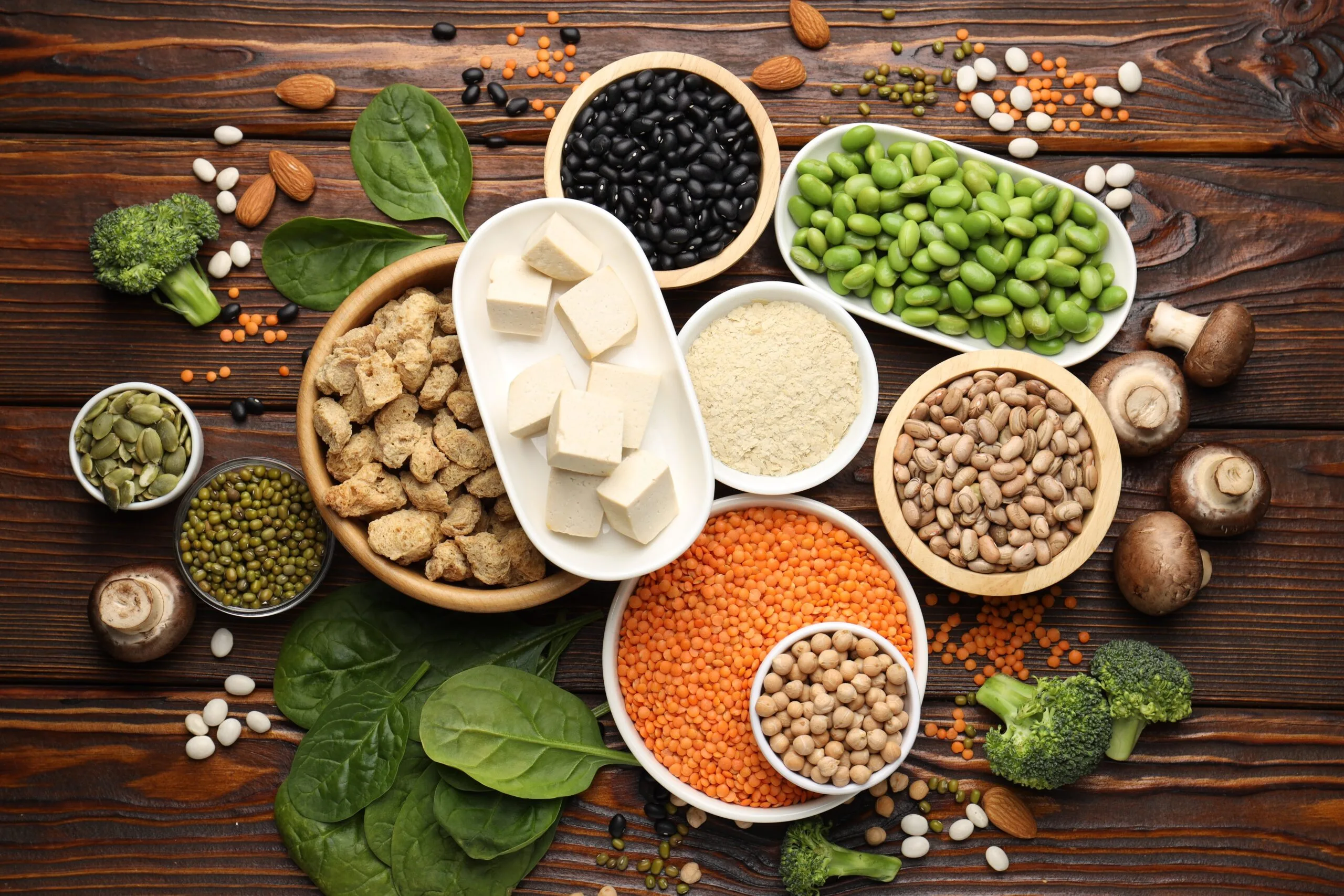
Protein deserves the first spot on the plate because a smaller appetite can make it easy to fall short. Leaner protein sources are often easier to tolerate than fatty cuts or fried foods when nausea, reflux, or fullness is active. These include:
- Chicken or turkey
- Fish and seafood
- Eggs or egg whites
- Low-fat Greek yogurt or cottage cheese
- Tofu, tempeh, or edamame
- Beans, lentils, and chickpeas
- Lean beef or pork, in moderation
- Protein shakes or clear protein drinks when solid food is hard to manage
Protein summary: easy options for smaller appetites
| Protein category | Examples | Typical protein per serving* | Why it can work on semaglutide |
|---|---|---|---|
| Low-fat poultry | Chicken breast, turkey breast | 20–22 g (3 oz) | High protein in a relatively small portion |
| Fish & seafood | Salmon, tuna, cod, shrimp | 18–22 g (3 oz) | Often lighter than fatty meats; choose grilled/baked if nauseated |
| Eggs | Whole eggs, egg whites | ~12 g (2 eggs) | Small volume and easy to pair with toast or cooked vegetables |
| Low-fat dairy | Greek yogurt, cottage cheese | 12–18 g (½–¾ cup) | Soft texture can be easier when appetite is low |
| Plant proteins | Tofu, tempeh, edamame | 10–15 g (½ cup) | Flexible option when meat is unappealing |
| Legumes | Beans, lentils | 7–9 g (½ cup) | Protein + fiber; increase gradually if bloating is an issue |
| Protein drink | Shake or clear protein drink | ~20–25 g (varies) | Useful when solid food sounds unappealing |
*Protein amounts are approximate and vary by product and preparation. The 1.2–1.6 g/kg protein range used during active GLP-1 weight loss is a general guiding point, not a one-size-fits-all rule.
Fruits and vegetables
Produce can add vitamins, minerals, fluid, and fiber without requiring a heavy meal. If nausea or bloating makes raw vegetables feel too bulky, cooked vegetables, soups, smoothies, or softer fruit may be easier until symptoms settle. Try things like:
- Leafy greens such as spinach or kale
- Broccoli, zucchini, green beans, peppers, or cucumber
- Berries, apples, pears, bananas, or citrus
- Cooked carrots, squash, or peeled fruit on more sensitive-stomach days
Fiber-rich carbohydrates
Fiber can help with constipation, but more is not always better in the moment. Increase it gradually and pair it with fluids; if you are bloated or nauseated, temporarily choose gentler carbohydrates and smaller portions rather than forcing a very high-fiber meal. You might want to try:
- Oats, quinoa, brown rice, or farro
- Whole-grain bread, wraps, or crackers
- Sweet potatoes, potatoes, or winter squash
- Beans, lentils, and chickpeas
Healthy fats
Healthy fats support nutrient absorption and make meals more satisfying, but fat also slows digestion. Small amounts of avocado, olive oil, nuts, seeds, or fatty fish may fit well; very rich or greasy meals are more likely to worsen nausea, reflux, or prolonged fullness. For example:
- Olive oil
- Avocado
- Nuts and nut butters
- Chia, flax, or hemp seeds
- Salmon, sardines, or mackerel
Quick recap: foods to build meals around
| Lean protein | Fiber-rich carbs + produce | Healthy fats |
|---|---|---|
| Chicken, turkey, fish, seafood | Oats, quinoa, brown rice, farro | Olive oil |
| Eggs, egg whites | Sweet potato, potato, winter squash | Avocado |
| Greek yogurt, cottage cheese | Beans, lentils, chickpeas | Nuts and nut butters |
| Tofu, tempeh, edamame | Broccoli, zucchini, greens, peppers | Chia, flax, hemp |
| Lean beef or pork, in moderation | Berries, apples, pears, bananas, citrus | Salmon, sardines, mackerel |
If solid food does not sound appealing, smoothies, protein drinks, low-fat yogurt, cottage cheese, broth-based soups, or soft cooked foods can help you get nutrition in a smaller volume.
Foods to limit or adjust while taking semaglutide
No food is off-limits on semaglutide, but some choices are much more likely to collide with the medication’s slower digestion. If nausea, reflux, bloating, diarrhea, or uncomfortable fullness is active, think less about “bad foods” and more about which foods are harder for your stomach to handle right now. Some things that might not feel as good are:
- Fried, greasy, or very high-fat foods: Fast food, fried chicken, pizza, creamy sauces, and fatty meats may worsen side effects. Try baked, grilled, roasted, steamed, or air-fried options instead.
- Highly sugar foods and drinks: Candy, pastries, soda, and sweetened drinks provide little nutrition and can make it harder to meet weight-loss goals. Sugar-filled drinks in particular may also worsen diarrhea for some people.
- Large portions: Even nutritious foods can be uncomfortable in a large enough amount. Start smaller, eat slowly, and add more only if you are still comfortably hungry. Smaller portions are one of the most consistent recommendations.
- Very large amounts of fiber at once: Fiber can help constipation, but too much at once can increase gas and bloating. Increase gradually and drink enough water alongside it.
- Alcohol: Alcohol may make side effects worse, and it can overlap with blood-sugar concerns for people with diabetes. If you drink, go slowly and pay attention to how you feel. Semaglutide may also change how alcohol feels for some people; the Wegovy® and alcohol guide goes into that in more detail.
Side effect food guide: what may feel better
| If you’re dealing with… | Try more of… | Consider limiting for now… |
|---|---|---|
| Nausea | Small meals; toast, rice, yogurt, eggs, soup; lean protein; slow sipping | Fried foods, creamy sauces, very large meals, eating quickly |
| Constipation | Fluids; oats; kiwi/fruit; vegetables; legumes in manageable portions | Sudden very large fiber increases without enough fluid |
| Diarrhea | Fluids; simpler lower-fat meals; bland starches as tolerated | Greasy meals, alcohol, very sugary foods/drinks |
| Reflux/indigestion | Smaller meals; lower-fat foods; staying upright after eating | Large meals, fatty foods, alcohol if it worsens symptoms |
Semaglutide meal plan: 7-day sample menu
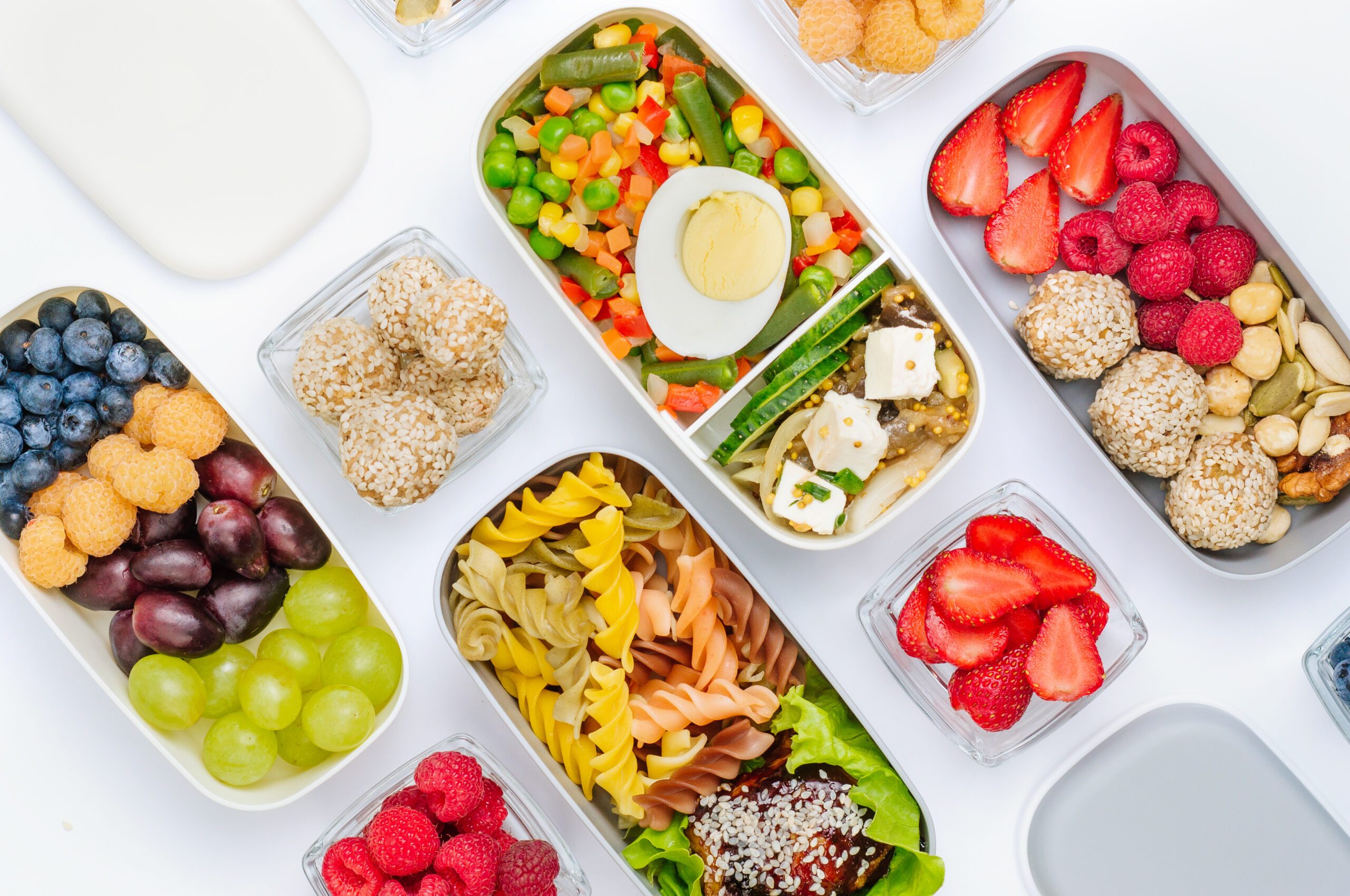
A week-long meal plan can make eating on semaglutide feel simpler. Each day includes a balance of protein, produce, fiber-rich carbs, and healthy fats. If you get full quickly, start with a smaller portion and save the rest for later. On days when nausea is stronger, simpler, less rich meals may be easier to tolerate.
As we’ve said, maintaining your intake of protein is key. A recent review of nutrition strategies for people taking GLP-1 medications emphasizes getting enough protein to help preserve muscle during weight loss.
Keep in mind: This menu isn’t individualized nutrition guidance. Adjust portions based on your appetite, needs, and tolerance. For more ideas built around vegetables, whole grains, lean proteins, and healthy fats, see this Mediterranean meal plan.
7-day semaglutide meal plan at a glance
| Day | Breakfast | Lunch | Dinner | Snack |
|---|---|---|---|---|
| 1 | Greek yogurt with berries and a spoon of chia seeds | Grilled chicken salad with olive oil dressing | Baked salmon, quinoa, roasted broccoli | Handful of almonds |
| 2 | Scrambled eggs with spinach, whole-grain toast | Turkey and avocado wrap, side salad | Tofu stir-fry with brown rice and mixed vegetables | Cottage cheese with pineapple |
| 3 | Oatmeal with peanut butter and banana | Lentil soup with a side of whole-grain crackers | Grilled chicken, sweet potato, green beans | Sliced cucumber with hummus |
| 4 | Protein smoothie with spinach and berries | Tuna salad (light on mayo) over greens | Baked cod, brown rice, roasted zucchini | Greek yogurt |
| 5 | Cottage cheese with fruit | Chicken and vegetable soup | Turkey chili with beans | Small handful of walnuts |
| 6 | Veggie omelet with whole-grain toast | Quinoa bowl with black beans, corn, salsa | Grilled shrimp, roasted vegetables, brown rice | Apple slices with almond butter |
| 7 | Overnight oats with chia and berries | Grilled chicken Caesar (light dressing) | Baked tilapia, farro, sautéed spinach | Sliced pear with cottage cheese |
Tips for success when starting semaglutide
The first weeks of treatment—and the days after a dose increase—are often when appetite changes and side effects are most noticeable. Planning for those windows can help you keep eating enough protein and fluids without pushing your stomach past what feels comfortable. A few habits can make that easier:
- Keep easy protein options on hand: Greek yogurt, cottage cheese, eggs, rotisserie chicken, tuna, tofu, or a quick protein drink can make it easier to get protein when appetite is low.
- Prep on lower-symptom days: Make a few basic foods when you feel better so something gentle and nutritious is ready when cooking feels unappealing.
- Eat slowly and start small: You can always have more; it is harder to undo an overly large meal once nausea or fullness sets in.
- Sip fluids throughout the day: Pay closer attention to hydration if vomiting, diarrhea, or constipation occurs. The GLP-1 nutrition advisory also flags hydration as especially important when GI symptoms increase fluid loss.
- Track protein for a few days: If you are unsure whether you are getting enough, a short log can show you where the gaps are. The protein target itself should reflect your body size, health, and activity level. The GLP-1 protein guide explains how to estimate that range.
- Adjust when your dose changes: A few days of simpler, lower-fat meals may be more comfortable if symptoms temporarily return. Semaglutide is increased gradually partly to help the body adjust.
How to manage common semaglutide side effects with food
In semaglutide studies, nausea, diarrhea, vomiting, and constipation were the most frequently reported GI problems with semaglutide. Food and portion changes can’t prevent every side effect, but they can reduce them in some cases. Here’s where they may make a difference.
Nausea
Nausea is the most commonly reported side effect. One reason for nausea can be slower digestion. Guidance consistently recommends smaller, lower-fat meals and stopping when you feel full. Some ideas to help are to:
- Eat smaller amounts more often: Split food across the day instead of relying on three large meals.
- Choose leaner foods: Use lean protein and lower-fat cooking methods when nausea or fullness is active.
- Use softer or plainer foods: Yogurt, eggs, soup, toast, rice, or a smoothie can be easier when solid food feels unappealing.
- Stop at comfortable fullness: Eat slowly and stop at the first sign that you have had enough.
Diarrhea
When diarrhea is active, hydration becomes the priority and very rich meals can make an unsettled stomach harder to manage. The GLP-1 nutrition advisory specifically warns that dehydration from severe diarrhea or vomiting can contribute to kidney problems. Keep meals simple for a short period, then return to your usual balanced pattern as symptoms improve. Try to:
- Drink fluids regularly: Replace what you are losing rather than waiting until you feel very thirsty.
- Keep meals simpler and lower-fat: Smaller portions are often easier to tolerate while diarrhea is active.
- Pause common irritants: Temporarily reduce alcohol and very sugary or greasy foods if they seem to worsen symptoms.
- Bring fiber back gradually: Increase higher-fiber foods as your stomach settles instead of all at once.
Constipation
Constipation calls for almost the opposite strategy: enough fluid plus a gradual increase in fiber. Adding a large amount of fiber without enough water can leave you more bloated and uncomfortable. Both the joint nutrition advisory and semaglutide side-effect guidance emphasize pairing fiber with fluids. Try:
- Add fiber in manageable portions: Oats, fruit, vegetables, legumes, and whole grains are useful options.
- Pair fiber with fluids: Drink steadily through the day instead of adding fiber without enough water.
- Increase gradually: A sudden jump can worsen gas and bloating.
- Add light movement: Walking can support regularity and is a low-pressure place to start.
These eating adjustments line up with broader guidance for managing semaglutide side effects, but food is only one part of symptom management.
Does diet affect any of the more serious side effects?
Only to a limited extent. Semaglutide’s more serious risks include pancreatitis, gallbladder problems, acute kidney injury, and a boxed warning about thyroid C-cell tumors seen in animal studies; Wegovy® safety information covers these in more detail. Food choices don’t reliably prevent these problems. The clearest nutrition connection is hydration: prolonged vomiting or diarrhea can cause dehydration, which can contribute to kidney problems. Severe, persistent, or unusual symptoms need medical evaluation rather than a diet workaround.
How to avoid pancreatitis on semaglutide
There is no specific diet proven to prevent pancreatitis while taking semaglutide. The overall risk is uncommon, and research on GLP-1 medications and pancreatitis is mixed. Rapid weight loss can also increase gallstone risk, so extreme restriction or long stretches without eating are not a useful prevention strategy. Seek prompt medical care for severe, persistent abdominal pain—especially if it comes with vomiting.
Read more: Semaglutide side effects: Symptom guide & management tips
What to eat on semaglutide: FAQs
What should I eat during my first week on semaglutide?
Start with smaller, simple meals built around lean protein and easy-to-tolerate carbs and healthy fats. If you’re dealing with nausea, prioritize lower-fat foods, soup, low-fat yogurt, toast, rice, eggs, or other plain foods until your body adjusts.
How much protein should I eat on semaglutide?
A common starting range during active weight loss is about 1.2 to 1.6 grams per kilogram of body weight per day, but the right target depends on your age, activity, health, and rate of weight loss. At that range, a 160-pound person would land around 87 to 116 grams of protein per day. Spreading protein across meals and snacks is often easier than trying to eat a large amount at once, especially when nausea or early fullness is active.
Can I drink alcohol while taking semaglutide?
Alcohol isn’t off-limits for everyone, but it may worsen nausea, reflux, dizziness, and dehydration. It can also interact with blood-sugar management in some situations. If you choose to drink, go slowly and notice whether Wegovy® and alcohol feel different together, especially when you are first starting treatment or increasing your dose. Ask your clinician what is appropriate for you.
Does my diet need to change as my semaglutide dose increases?
Possibly. Appetite may drop further, and digestive symptoms may temporarily return after a dose increase. Smaller portions, lower-fat foods, enough protein, and steady fluids may become more important for a few days while your body adjusts.
Does my diet change for oral semaglutide instead of an injection?
The nutrition guidelines are the same, but your morning routine will be different. The Wegovy® pill must be taken first thing on an empty stomach with no more than 4 ounces of plain water, followed by at least a 30-minute wait before food, other drinks, or oral medications. That is a key difference from the injection.
Is an “Ozempic diet plan” different from a semaglutide diet plan?
Ozempic® and Wegovy® both contain semaglutide with a few dose differences, but the same overall eating strategies apply. Their FDA-approved uses and doses differ, so follow the plan and medical guidance that matches the medication you were prescribed and the reason you were prescribed it.
Why am I not losing weight on semaglutide?
Food is one part of losing weight with semaglutide. Dose, time on treatment, activity, sleep, medical conditions, and other factors can affect progress. Review your plan with your prescriber or Care Team first.
Reviews from real Noom users
Desirea N. — Real Noom user
“My favorite parts of Noom are the care team and other Noomers. Sharing and getting help made me feel like I wasn’t doing it alone. That support made all the difference.”
Desirea N. — Real Noom user
Matthew M. — Real Noom user
“Noom has taught me that every day is a new chance to make better, healthier choices. It's taught me how to stop overeating.’’
Matthew M. — Real Noom user
Lila M. — Real Noom user
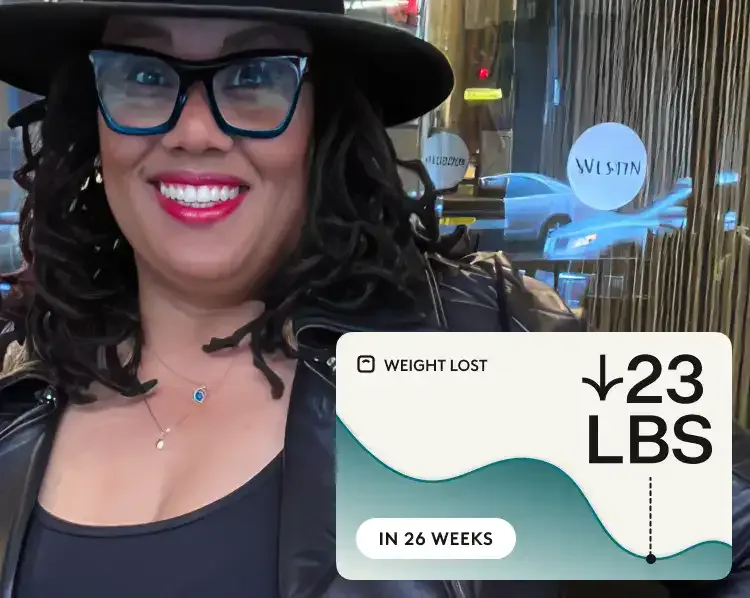
“Clinicians who understand how supportive medication can be is one of the best parts of Noom! I was convinced I wouldn’t have success but I’m down 11 pounds in two months.’’
Lila M. — Real Noom user
Steve M. — Real Noom user
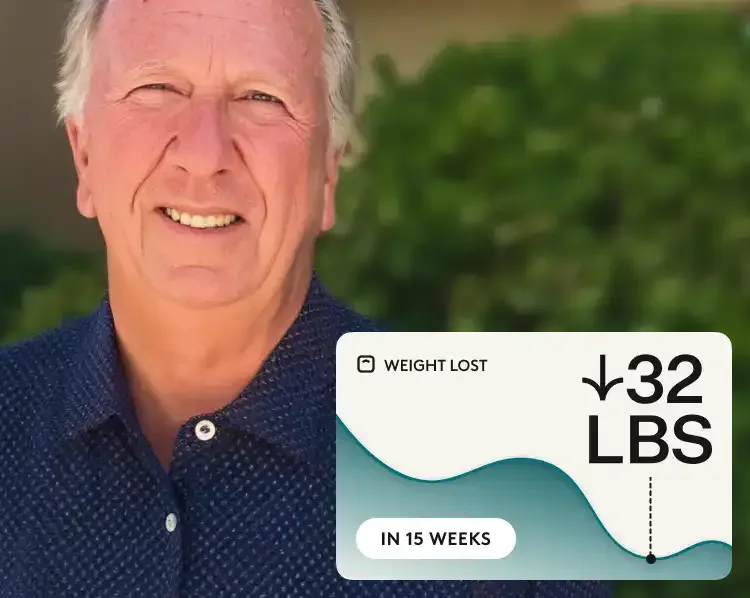
“Noom provided me with the medication which I could not get through Medicare. I have learned the tricks to better eating and life in general.”
Steve M. – Real Noom user
Daisy R. — Real Noom user
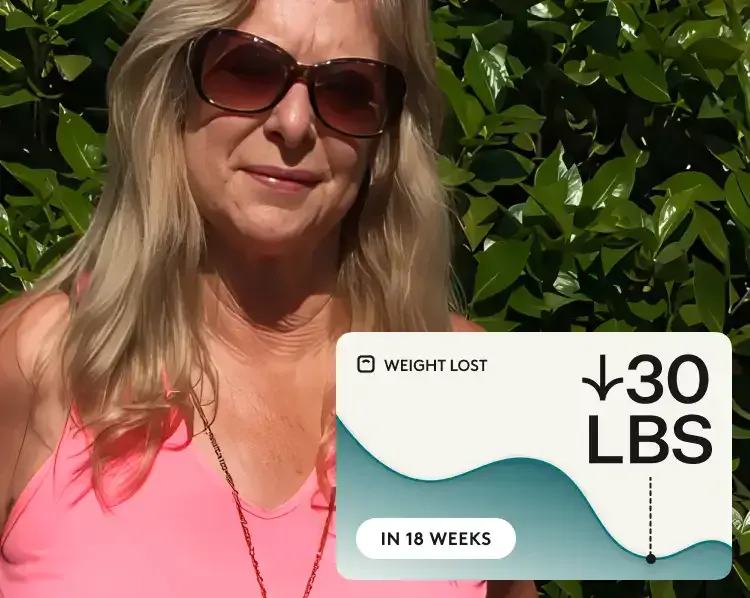
‘’Noom has changed my life and I’m so thankful, I feel great, have more energy and am no longer prediabetic.”
Daisy R. – Real Noom user
Sarah R. — Real Noom user
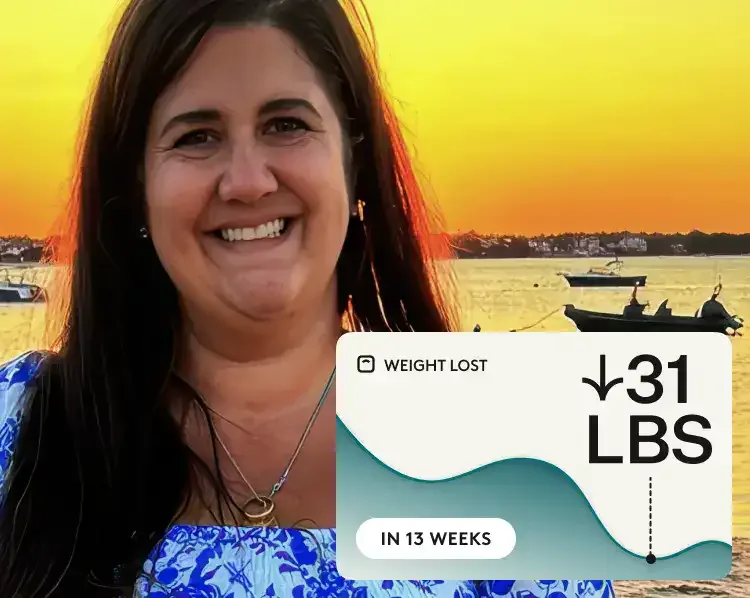
“All of the Noom providers that I’ve met with have been exceptional and prescribed medications that are appropriate for my situation and health.”
Sarah R. – Real Noom user
Madison S. — Real Noom user
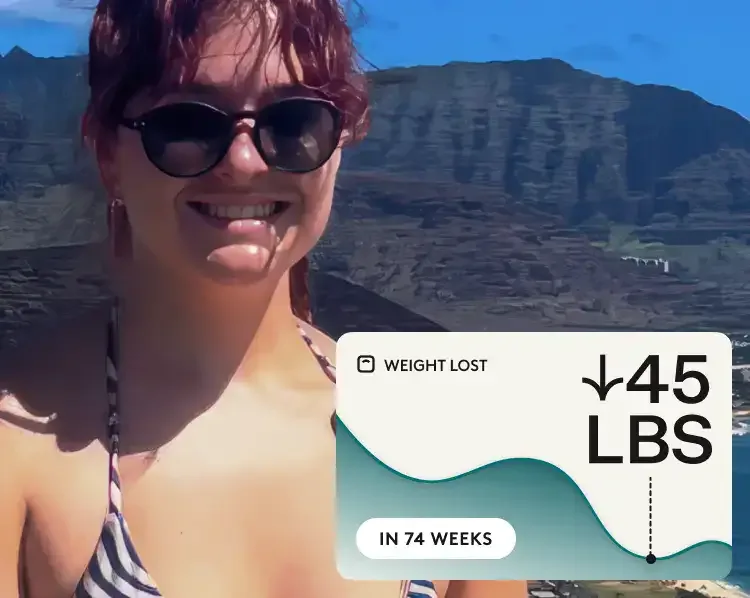
“Noom made the process so simple and now I feel full, free from diet obsession, and at ease in my body again.”
Madison S. – Real Noom user
Sonday K. — Real Noom user
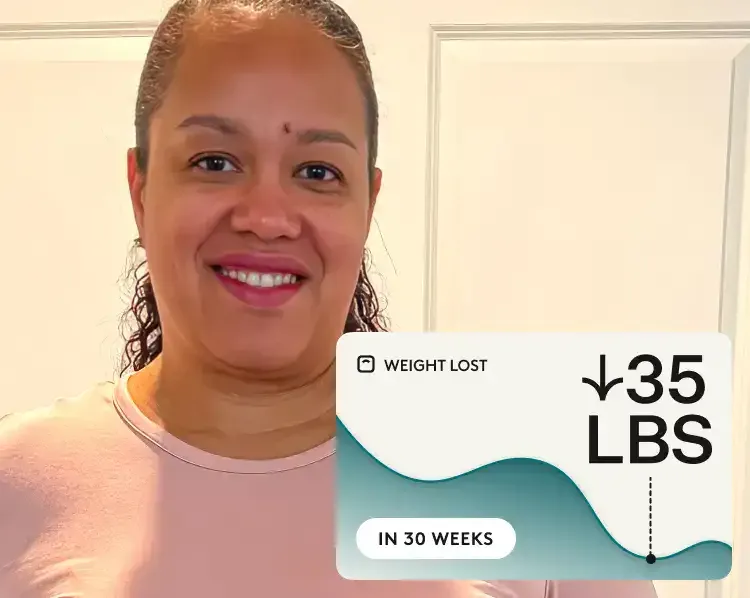
“My doctor recommended Noom after I was frustrated trying to lose weight. The lessons helped change my relationship with food. My body feels lighter & energized.”
Sonday K. – Real Noom user
Cam K. — Real Noom user
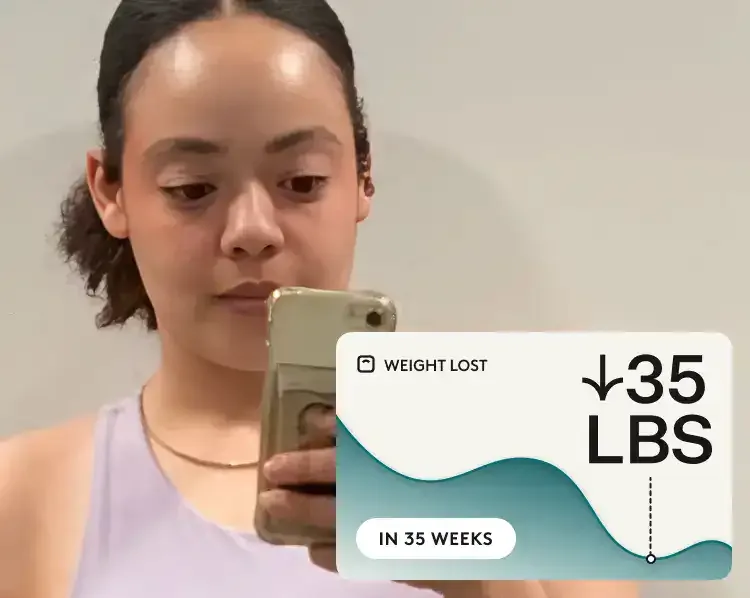
“I built healthy habits with coaching and lessons that make me confident I can maintain my weight loss long term.”
Cam K. – Real Noom user
Laura TR. — Real Noom user
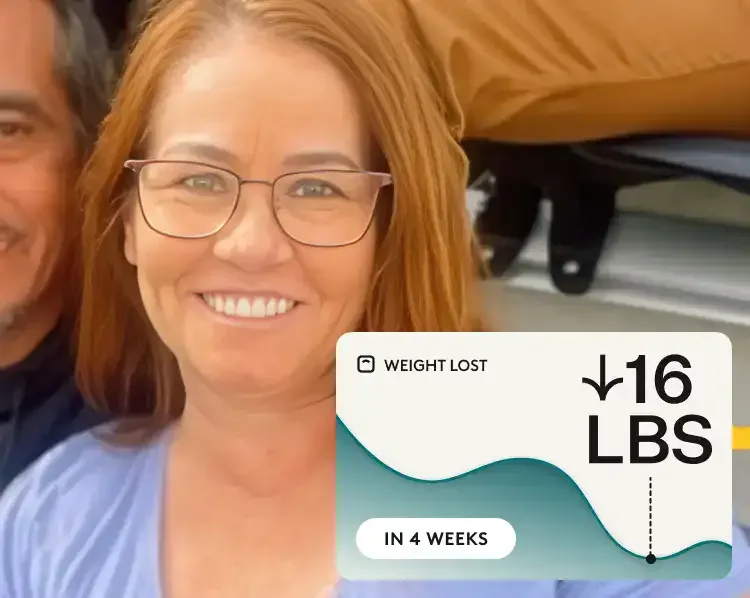
“With the right medication through Noom, hunger and sugar cravings finally quieted and I have the tools to break the cycle.”
Laura TR. – Real Noom user
Jessica S. — Real Noom user
“Cravings and food noise are gone, I finally feel confident in the healthy habits I’ve built to last with Noom.”
Jessica S. – Real Noom user
The bottom line: What you eat on semaglutide depends on your goals and biology
The best semaglutide diet is one that helps you get enough nutrition from smaller meals while adapting to the side effects you actually experience. Start with protein, add produce and fiber-rich carbohydrates, use healthy fats in modest amounts, and keep portions smaller when nausea, reflux, or fullness is active. If constipation is the problem, prioritize fluids and gradually increase fiber; if appetite is very low, lean on compact protein sources and softer foods.
Your food plan may need to change as your dose changes—and that is normal. If symptoms become severe or make it difficult to keep food or fluids down, contact your healthcare team rather than trying to solve the problem with diet alone.
The big picture is simple: protect protein even when portions shrink, and let your symptoms guide how rich, bulky, or fibrous a meal should be. A target around 1.2–1.6 g/kg of protein per day is commonly used during active weight loss, while semaglutide side effects may mean temporarily relying on smaller, softer, lower-fat meals. Those adjustments can change as your dose and tolerance change.
Instead of guessing or going at it alone, get support that adapts through Noom Med. We combine medication support with coaching, nutrition guidance, and tools to help you personalize your calorie needs.
Editorial standards
At Noom, we’re committed to providing health information that’s grounded in reliable science and expert review. Our content is created with the support of qualified professionals and based on well-established research from trusted medical and scientific organizations. Learn more about the experts behind our content on our Health Expert Team page.